
REVIEW · PENGUINS KIWI AND WILDLIFE ENCOUNTERS
National Kiwi Hatchery – Kiwi Encounter Guided Tour
Kiwi time in Rotorua is real biology, not just cute birds. This guided visit at the National Kiwi Hatchery shows you how conservation teams incubate eggs, manage chicks, and study kiwis in a purpose-built nocturnal home.
I like the hands-on, behind-the-scenes feel of the guided experience, especially the chance to watch egg incubation and the hatching process. I also love that your ticket pairs the hatchery work with a close look at the Nocturnal House and an interactive kiwi burrow, so you get the full life cycle in one visit.
One consideration: your odds of seeing eggs and baby chicks are tied to the hatching season (September to March). Outside those months, you may still see live adult kiwi foraging, but you should plan for fewer chick moments and respect the no-photo rules during the experience.
In This Review
- Key things to know before you go
- National Kiwi Hatchery at the Agrodome: built for real conservation work
- Egg incubation and hatching techniques: what you can expect to see
- Meet the nocturnal kiwi: the Nocturnal House for real-life behavior
- The interactive kiwi burrow: a fast way to understand the life cycle
- Guided by conservation communicators like Theresa, Carol, Nico, and Kai
- Price and value: what you get for $47.74 per person
- Logistics that help: time, check-in, and what to bring
- Who should book this kiwi hatchery tour?
- Should you book the National Kiwi Hatchery guided tour?
- FAQ
- How long is the National Kiwi Hatchery guided tour?
- Where is the National Kiwi Hatchery located?
- What does my ticket include?
- What are the age requirements?
- When will I see kiwi chicks and eggs?
- Is food included?
Key things to know before you go
- Egg incubation and hatching, up close in a purpose-built facility
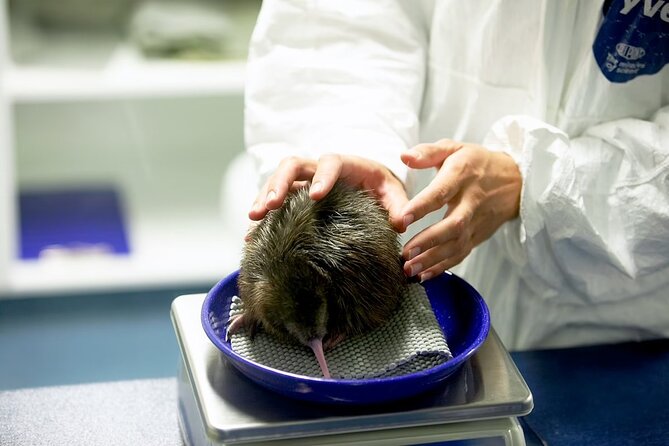
- Chance to see kiwi chicks being checked, weighed, or fed during September to March
- Nocturnal House kiwi foraging with the lights and atmosphere kept more natural
- Interactive kiwi burrow showing the life cycle from egg to adult
- Timing matters for hatchlings (best season is September to March)
- Kids must be at least 5 years old to join the guided tour
More native wildlife, up close
- Rotorua: The National Kiwi Hatchery Kiwi Encounter Tour
★ 4.7 · 671 reviews
National Kiwi Hatchery at the Agrodome: built for real conservation work
The National Kiwi Hatchery is located at the Agrodome in Rotorua, which matters because you are not wandering around a huge complex trying to find your way. Your ticket is tied directly to the kiwi hatching program, so the experience stays focused on what conservation teams actually do.
The guided portion runs about 1 hour. Most of what you will see is indoors in state-of-the-art spaces built for animal handling and observation. One of the practical perks for families is that it plays well in messy Rotorua weather, including rainy days, since a large part of the tour is sheltered.
This is not a show where you just watch from a distance. The hatchery is designed to let you see key steps in the process, from incubation systems to newly hatched chicks. That difference is why this tends to land so well with animal lovers: it feels like you are standing close to the work, not just hearing about it.
Egg incubation and hatching techniques: what you can expect to see
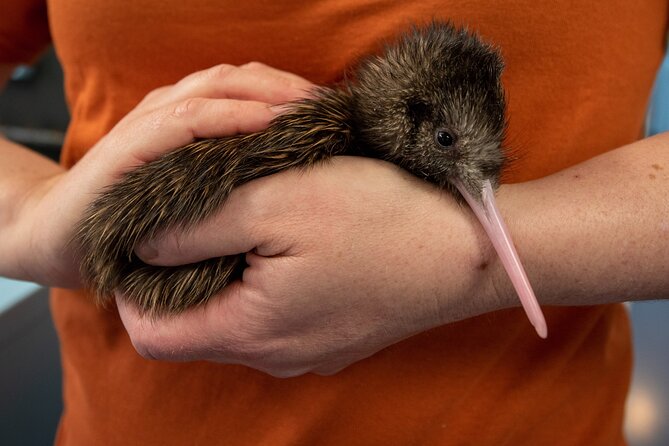
This is the main event. The guided tour includes a close-up look at kiwi egg incubation systems and the hatching process, plus time to observe newly hatched chicks when the timing lines up.
Here is the key seasonal detail you should build into your expectations. The hatchery notes that hatching season is September and March. When you visit during that period, you have a much better chance to see eggs and chicks, including the practical care steps that help keep hatchlings healthy. The included experience can include moments where chicks get a health check, are weighed, or are fed during September to March.
Outside of hatching season, the tour still makes sense, but the focus shifts. You may not see eggs or chicks then. Instead, you will still learn about the program and you should expect more time with resident adult kiwi foraging in the Nocturnal House.
If you want to maximize your likelihood of seeing hatchlings, aim for September through March. Even when the hatchery is not in its peak baby season, you will still come away with a clear picture of kiwi care from egg to chick and beyond.
Meet the nocturnal kiwi: the Nocturnal House for real-life behavior
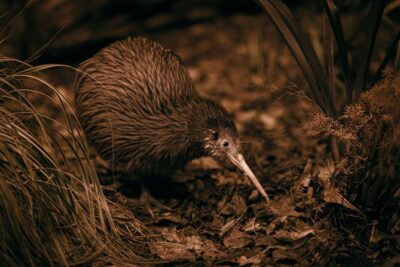
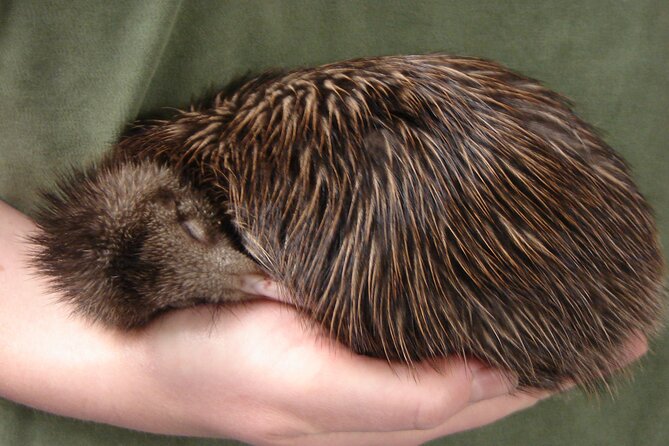
Kiwi are nocturnal, and the Nocturnal House is built to match that reality. During the guided visit, you will see kiwi roam and forage in this purpose-built nocturnal enclosure.
What I like about this portion is that it does not try to turn kiwis into daytime attractions. The atmosphere is kept dark, and the experience is quieter, which helps you notice natural behavior like foraging rhythms and how the birds use space.
People often hope for up-close sightings of adult kiwis in the Nocturnal House. The hatchery experience is structured to give you that chance, but it is still wildlife. Sometimes you get one kiwi, sometimes more. The best advice is to stay patient, keep your voice low, and give the enclosure time.
On past guided groups, I have seen evidence that you can get lucky with adult sightings, including male and female kiwis. Some groups also described being able to spot a kiwi more directly during the nocturnal viewing window, which is exactly what keeps this stop so special even when it is not hatchling season.
The interactive kiwi burrow: a fast way to understand the life cycle
After the hatchery viewing, the tour continues with an interactive and immersive kiwi burrow experience. This is where the whole story comes together.
The burrow format is built to help you picture how kiwi move through their life stages, from egg to adult, instead of treating each step as separate facts. That is a big deal for families, because kids tend to remember experiences they can connect to a sequence, not just a set of labels.
Even if you already know kiwi are endangered, the burrow helps you understand why the conservation program is so hands-on. Seeing the life cycle in a guided context makes the conservation logic click fast: the whole point is survival at each vulnerable stage, not just a general mission statement.
This stop also helps balance the day. If you visited on a rainy day, the burrow and indoor learning sections keep the experience warm and moving, while still delivering the emotional payoff of seeing kiwi in real settings.
More trips with a guide attached in Rotorua
Guided by conservation communicators like Theresa, Carol, Nico, and Kai
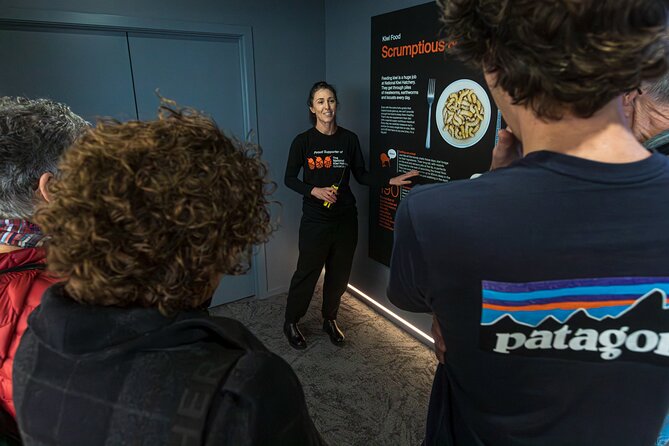
A big part of why people score this so high is the guide. The hatchery experience is not just a self-paced walk-through. You are learning from staff who clearly care about getting the details right and making the subject feel approachable.
In feedback from actual tours, guide names like Theresa, Carol, Nico, and Kai show up. That pattern matters because it suggests the hatchery is consistently strong at communication across different staff members, not just one standout guide.
You should expect a tour that uses multiple teaching styles, not only lectures. Past groups also referenced things like presentation support and physical examples that help you understand incubation and chick care. You will get a guided explanation of the program’s conservation role, with the hatchery work as your reference point as you move through the stops.
If you are the type of traveler who likes asking questions, bring curiosity. The hatchery setup is built for discussion, and the material lends itself to smart follow-ups, like how incubation and timing connect to survival.
Price and value: what you get for $47.74 per person
At about $47.74 per person, this is not the cheapest thing you can do in Rotorua. But it is also not a generic attraction price tag. Your ticket bundles several valuable pieces into one guided visit:
- A 1-hour guided hatchery experience in a purpose-built facility
- Admission that directly supports the hatchery’s work
- Time to see kiwi foraging in the Nocturnal House
- The interactive kiwi burrow experience after the guided portion
- A return shuttle from the Agrodome check-in zone
There are also clear boundaries that matter for planning. Food and drinks are not included, so if you are making a half-day out of Rotorua, plan a snack stop nearby. Hotel pickup and drop-off are not included either, which is why this works best if you are already based around Rotorua or can get to the Agrodome area easily.
One more value point is timing-driven value. If you go during September to March, you are paying for an experience that can include the most emotional, hands-on hatchling moments. If you go outside that window, you are still paying for a meaningful conservation-focused look, just with less likelihood of eggs and chicks.
Logistics that help: time, check-in, and what to bring
The guided tour runs about 1 hour, but the timing of arrival is still important. Check in is scheduled for 15 minutes prior to departure, so build in a buffer.
The hatchery is on-site at the Agrodome Farm, Rotorua. That matters because you are not dependent on a long transfer before you even start learning. The tour also includes a shuttle back from the Agrodome check-in zone, so you are not left figuring out return transport while everyone is tired from a dark, quiet viewing experience.
As for what to bring, keep it simple. Bring a camera if you think you might take photos, then remember this: one consistent detail from past experiences is that no photography is allowed during the encounter. So plan to enjoy with your eyes and let the guide do the capturing through what they show.
Finally, the experience has a minimum age rule. Children must be at least 5 years old to participate. If you have younger kids, you will need to plan around that, because it is not a drop-off friendly situation based on the tour rules provided.
Who should book this kiwi hatchery tour?
This is ideal if you fit one of these profiles:
- You want a rain-friendly Rotorua plan that stays indoors for most of the visit
- You care about wildlife conservation and like seeing the practical side, not just the animals
- You have kids 5 and up who enjoy animal life cycles and interactive exhibits
- You are short on time and want a focused kiwi experience that covers egg to adult concepts in one go
It may be less ideal if your main goal is guaranteed hatchling photos or guaranteed sightings. The hatchery itself flags that outside September to March you may not see kiwi chick or eggs, though you can still see live kiwi in the Nocturnal House.
If you do book, the best strategy is to treat it like a guided conservation lesson where the animals show up when they choose, and your job is to watch closely and learn fast.
Should you book the National Kiwi Hatchery guided tour?
I think you should book this if you want an authentic, conservation-forward kiwi encounter with real structure: incubation and hatching education, nocturnal foraging viewing, and an interactive burrow stop that turns facts into a story.
Choose your timing based on what you most want. If you want the highest chance to see eggs and newly hatched chicks, aim for September through March. If your timing is fixed outside that range, the experience still has value through adult kiwi viewing and the conservation program education, just with fewer chick moments.
If you are traveling with children, the minimum age of 5 keeps this from being a casual stroller stop. But for the right age group, it can be one of those Rotorua moments that feels both special and useful.
So yes, book it if you want a guided, full-scope kiwi experience at the Agrodome, especially on a rainy day. It is one of the clearest ways to understand why kiwi conservation is intensive, and why it works.
FAQ
How long is the National Kiwi Hatchery guided tour?
The experience is about 1 hour.
Where is the National Kiwi Hatchery located?
It is located onsite at the Agrodome Farm in Rotorua.
What does my ticket include?
Your ticket includes a 1-hour guided kiwi hatchery experience, entry to see kiwi in the Nocturnal House, and the interactive kiwi burrow experience. It also includes a return shuttle to the facility from the check-in zone at the Agrodome.
What are the age requirements?
Children must be at least 5 years old to participate. Children under 5 cannot take part.
When will I see kiwi chicks and eggs?
The hatchery indicates the highest chance to see kiwi eggs and chicks is during September to March. Outside those dates, you may not see eggs or chicks, but you can still see live adult kiwi in the Nocturnal House.
Is food included?
No. Food and drinks are not included.
The Wider Rotorua Shortlist
Everything Else We Wrote Up in Rotorua
Native Wildlife, Up Close
Just added to our Rotorua notes
- Rotorua: Waimangu Valley Walk and Steaming Cliffs Kayak Tour★ 4.7 · 6 reviews
- Rotorua: Lake View Private Pools Experience★ 4.3 · 6 reviews
- Rotorua: Floatplane Flight with Orakei Korako Landing★ 5.0 · 6 reviews
- Rotorua: Evening Starlight Gourmet Kayak Tour with dinner★ 5.0 · 6 reviews
- Rangitaiki Rafting Grade 2★ 4.8 · 6 reviews
- One Day Birding Adventure★ 5.0 · 7 reviews
Penguins Kiwi and Wildlife Encounters, compared.
 ★ 5.0Gannet Safaris Overland tour to Cape Kidnappers Gannet ColonyFrom $61942 reviews
 ★ 4.5Oamaru: Penguins Evening Viewing TicketFrom $28682 reviews
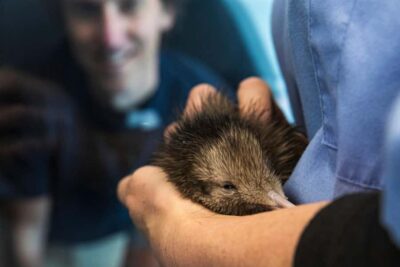 ★ 4.7Rotorua: The National Kiwi Hatchery Kiwi Encounter TourFrom $44671 reviews
 ★ 5.0Guided Evening Penguin Viewing Otago Peninsula, Dunedin, New ZealandFrom $34471 reviews
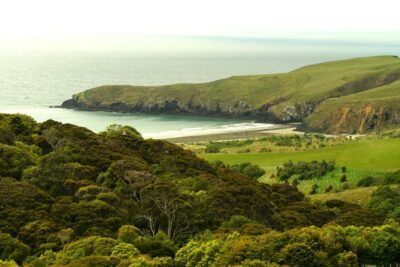 ★ 4.6Dunedin: Wildlife and Penguin TourFrom $44239 reviews
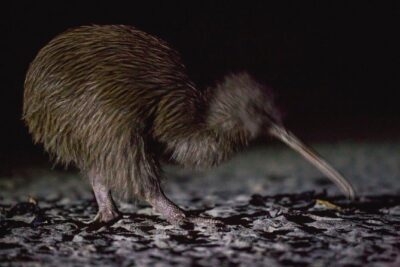 ★ 4.8Stewart Island: Wild Kiwi ExperiencesFrom $154177 reviews
 ★ 5.0Otago Peninsula In-Depth Tour & Blue Penguins Pukekura ExperienceFrom $102163 reviews
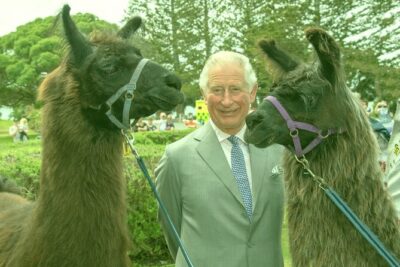 ★ 5.0Llama Trek (Half-day) – Kaikoura Bay, Beaches & Seal ColonyFrom $154157 reviews
Browse the lists this tour appears in