
REVIEW · MAORI CULTURAL EXPERIENCES
Te Puia: Te Rā Guided Day Tour
Rotorua hits fast here. You get geothermal power, Māori craft, and a kiwi sighting in just 90 minutes. The focus is Te Whakarewarewa Geothermal Valley, including a stop built around Pōhutu Geyser, New Zealand’s big hitter in the southern hemisphere.
I especially like the way this tour links land and culture. You’ll visit the Māori Arts and Crafts Institute, where carving and weaving traditions are practiced, not just displayed, then you’ll finish with a kiwi visit at the Kiwi Conservation Centre in a specially designed nocturnal enclosure. One thing to keep in mind, though, is the timing: it’s short, so you may feel a bit rushed if you want extra time staring at every mud pool and every workshop detail.
In This Review
- Key highlights
- Te Puia in 90 Minutes: What You Really Get for $59
- Where the Tour Starts at Te Puia, and How to Prep
- Te Whakarewarewa Geothermal Valley and Pōhutu Geyser: The Main Event
- Māori Arts and Crafts Institute and Āhua Gallery: Culture as Living Practice
- Kiwi Conservation Centre at Te Puia: Meeting the National Icon
- How the 90 Minutes Actually Feels in Practice
- Why the Guides Matter at Te Puia
- Price and Value: Is Te Rā Worth $59?
- Tips to Make This Tour Feel Easier and Better
- Who Should Book This Te Puia Te Rā Tour
- Should You Book This Te Puia Te Rā Guided Day Tour?
- FAQ
- How long is the Te Rā guided day tour at Te Puia?
- What is the price of the tour?
- Where does the tour start?
- Does the tour include hotel pickup and drop-off?
- Is food and drinks included?
- What attractions are included in the tour?
- Is there a live guide?
- When should I arrive for the meeting point?
- What should I bring?
- Is the tour wheelchair accessible, and is it suitable for mobility impairments?
Key highlights
- Pōhutu Geyser viewing focus in Te Whakarewarewa Geothermal Valley
- Māori Arts and Crafts Institute wānanga where students practice weaving and carving skills
- Āhua Gallery included as part of the cultural stop
- Kiwi Conservation Centre nocturnal enclosure for an up-close kiwi encounter
- Live English guide who connects geothermal sights to Māori tradition and heritage
- 90 minutes total, no food or drinks included, so plan your timing around a snack
Other Maori-led experiences we have reviewed
- Mitai Maori Village: Cultural Experience and Dinner Buffet
★ 4.7 · 3,575 reviews - Cultural Experience & Seasonal Māori Cuisine at Te Pā Tū
★ 5.0 · 1,546 reviews - Mitai Maori Village Cultural Experience in Rotorua
★ 4.5 · 1,294 reviews - Rotorua: Te Pa Tu Māori Cultural Experience with Dinner
★ 4.8 · 1,193 reviews
Te Puia in 90 Minutes: What You Really Get for $59
At $59 per person for a 90-minute guided experience, this tour is built for efficiency. You’re not just buying access to Te Puia, you’re buying someone to point out what matters, explain what you’re seeing, and keep the flow moving across the geothermal valley, the Māori arts institute, and the kiwi conservation centre.
That mix is the value. Rotorua can be a lot of driving and choosing between nature and culture. Here, you get both in one ticket, with a guide speaking English and covering the big stops without you having to plan the order yourself.
The catch is the same reason it’s good value: time. If you want long, slow wandering or you’re the type who reads every interpretive sign twice, you might wish the guided portion stretched longer. Still, it’s a smart pick when Rotorua is one stop on a busy itinerary.
Where the Tour Starts at Te Puia, and How to Prep
The tour starts at Te Puia in Rotorua. You should plan to arrive 15 minutes early, mainly so you can settle in, find the right group, and start the geothermal part without any stress.
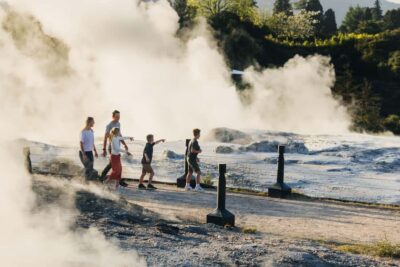
You’ll want comfortable shoes. The geothermal valley involves walking around uneven ground and steam zones, and the tour is short enough that you do not want to spend it adjusting boots or coping with sore feet.
Also note what’s not included: no hotel pickup and drop-off, and no food or drinks. If you’re planning lunch or snack timing, build that in around the tour so you’re not hungry at the exact moment you’d rather be focused on geysers and kiwi.
Te Whakarewarewa Geothermal Valley and Pōhutu Geyser: The Main Event
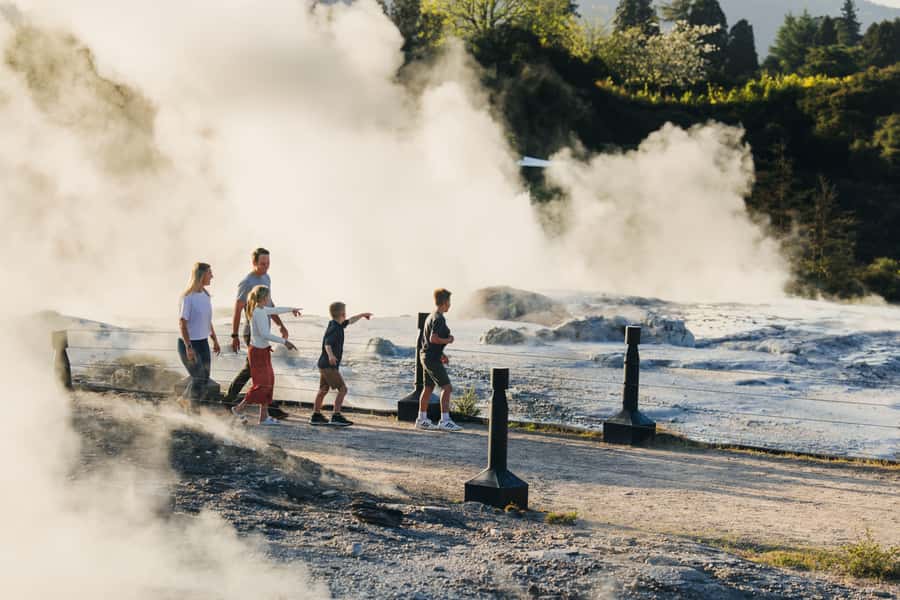
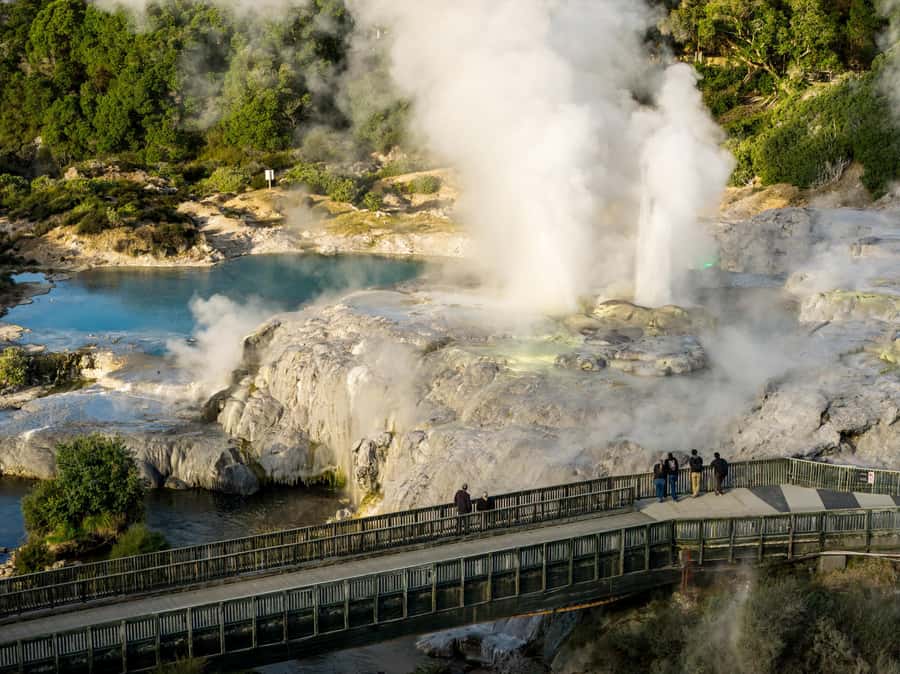
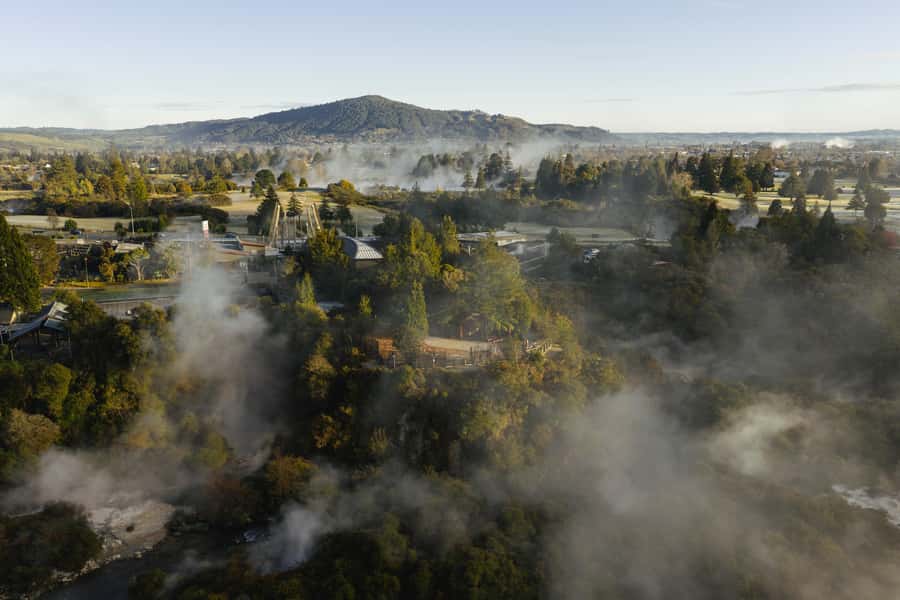
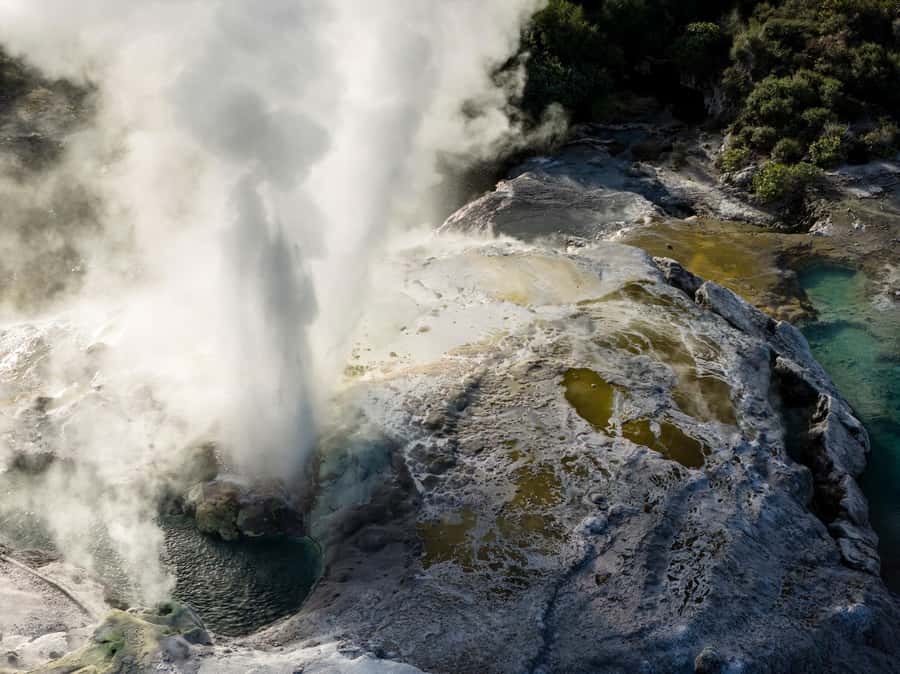
This is the reason most people book. You’ll spend your guided time in Te Whakarewarewa Geothermal Valley, where geothermal activity does what it does best, make you stop talking and just watch.
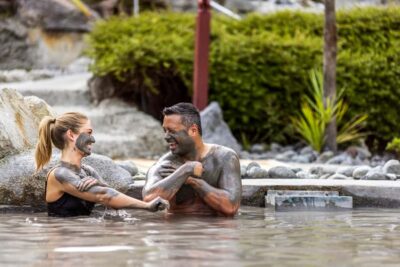
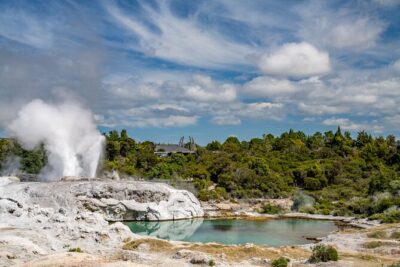
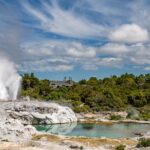
Expect the classic lineup: geysers, mud pools, and native bush. The guide’s job here is to help you connect the dots, so it’s not only wow, it’s also why. You’ll get a close look at Pōhutu Geyser, described as the largest active geyser in the southern hemisphere.
What I think is useful for you to know is how weather changes the experience. One guest noted that cold, wet conditions made the plume look more steamy than crisp, so the full jet effect can be harder to appreciate. If the day is damp, adjust your expectations and rely on the viewing spots your guide recommends.
And because this is geothermal territory, your best move is simple: keep your footing steady and stay alert. Steam and heat can make everything feel surreal, but you’re still walking in real terrain.
Māori Arts and Crafts Institute and Āhua Gallery: Culture as Living Practice
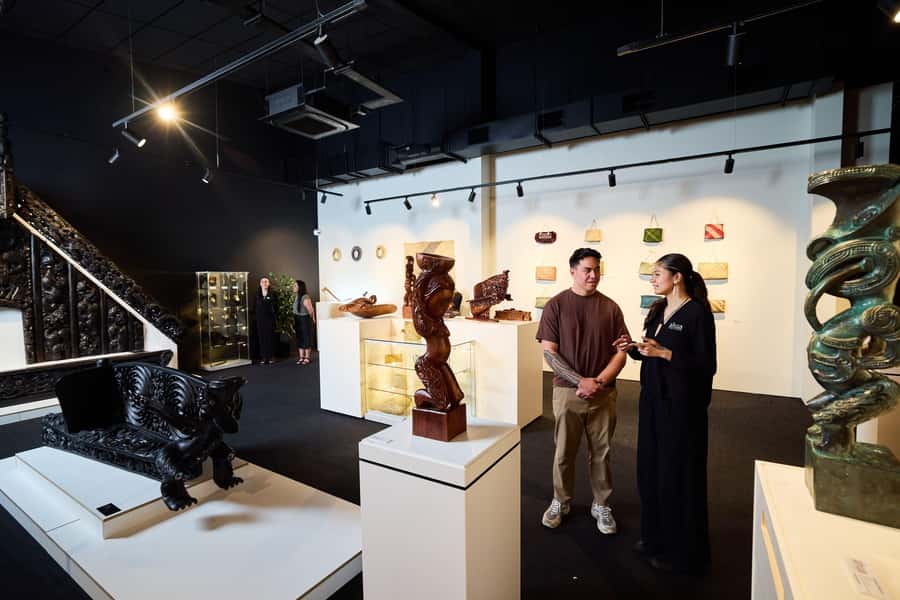
The cultural stop is not an afterthought. After the geothermal sights, you’ll head to the New Zealand Māori Arts and Crafts Institute and Āhua Gallery.
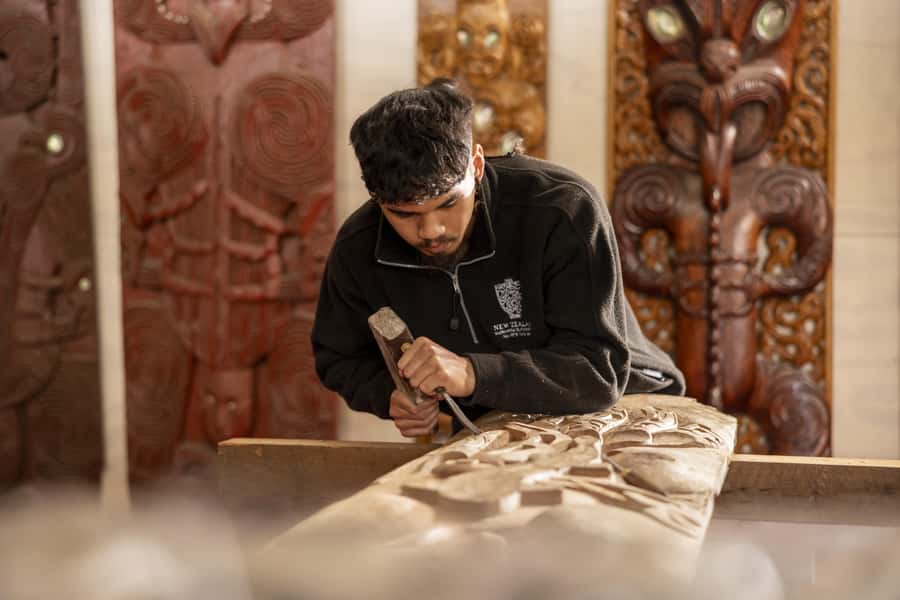
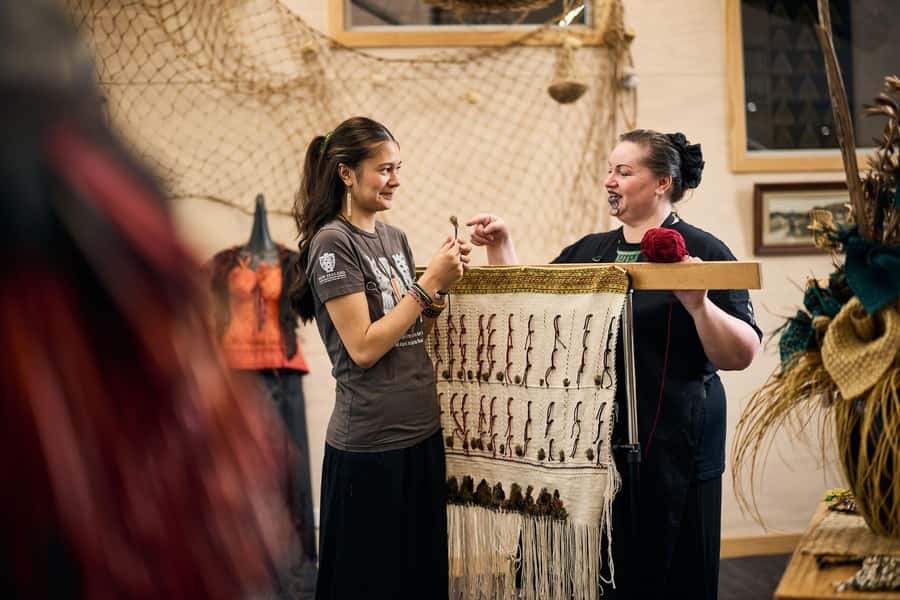
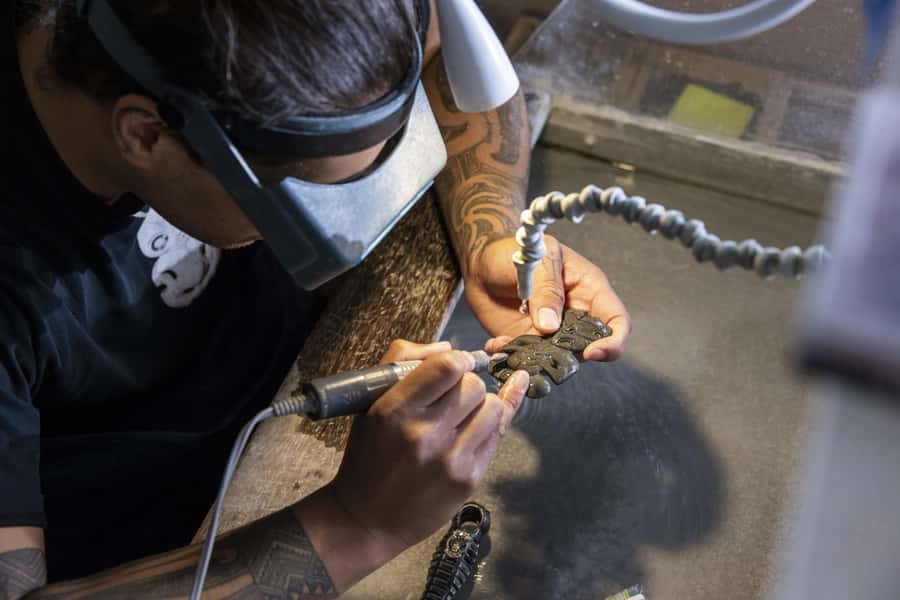
Here’s what makes it more meaningful than a quick walkthrough. The institute is a wānanga, a school-style place where students practice traditional skills. You’ll see craft disciplines named right in the program: weaving, wood carving, stone carving, and bone carving.
What you’re really doing is learning how Māori art connects to identity and knowledge. Art is not only decoration here. It’s tied to technique, materials, and the stories that shape how people see the world.
If you care about craft, this stop tends to land well because it’s active learning. People running the spaces and the students working through their practice are the story.
More trips with a guide attached in Rotorua
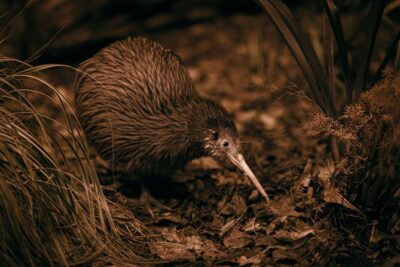

Kiwi Conservation Centre at Te Puia: Meeting the National Icon
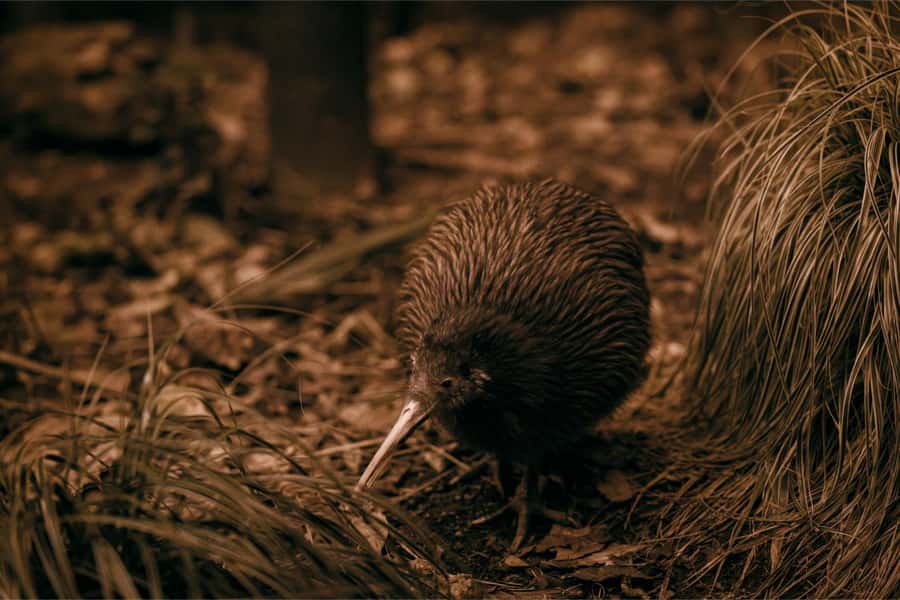
Then comes the kiwi, New Zealand’s national icon. At the Kiwi Conservation Centre, you visit a specially designed nocturnal enclosure.
That detail matters. Kiwi are not an everyday daytime animal, so the enclosure is set up to give you a better chance of seeing one without pretending kiwi behave like normal birds. It’s a conservation-focused visit too, with the clear purpose of helping protect the species.
If you’ve ever been disappointed by zoo-style animal encounters, this part is still worth it because the setting is aimed at kiwi behavior and conservation. You’re there to observe and learn, not just tick a wildlife box.
How the 90 Minutes Actually Feels in Practice
A 90-minute guided tour is a balancing act. You get the big three: geothermal sights, Māori arts practice, and kiwi conservation. But you do not get hours of free roaming.
Some guests describe moments that felt rushed, especially in the geothermal area. The workaround is easy: treat the guided tour as the highlight reel, then plan a little extra time after the tour ends if you want to linger.
One guest also noted they could access the park again after the tour. Even if that’s not how every day runs, the practical point is the same: if geysers are your priority, factor in time to return on your own after the guided portion.
The good news is that you’re led by a live guide in English who can adjust pacing based on questions. If your group has a lot of curiosity, you’ll get your moments. Just remember the tour is built to cover multiple key areas, so it will always feel more structured than a self-guided stroll.
Why the Guides Matter at Te Puia
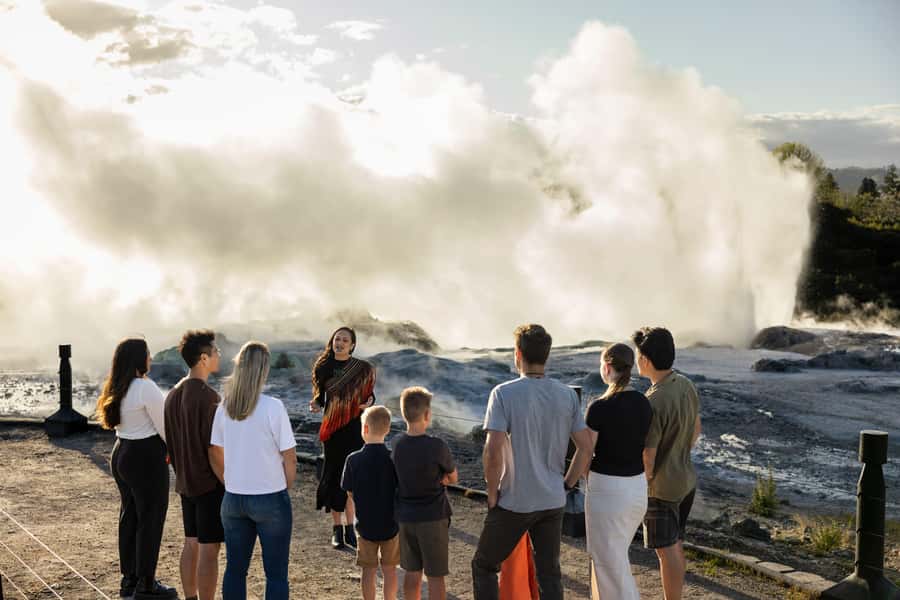
The tour’s strongest ingredient is the human one. A live English guide is included, and many guests focused on how animated and helpful the guiding felt.
In the names mentioned by guests, guides like Paul, Michael, Nate, Kohu, Mita, and Makaere show up repeatedly. The themes are consistent: they’re able to answer questions, connect what you see to the people and land behind it, and guide you toward good viewing spots, especially for geyser moments.
There’s also a practical lesson in how guides are praised. If you want the best view, it’s not just luck. Ask where to stand for viewing Pōhutu Geyser, and then do what the guide suggests. Those recommended spots can make a visible difference on a cold or steamy day.
Price and Value: Is Te Rā Worth $59?
Let’s make the value real. For $59 per person, you’re paying for:
- Entry to Te Puia
- A guided tour
- Access to Te Whakarewarewa Geothermal Valley
- A visit to the Kiwi Conservation Centre
- Entry to the New Zealand Māori Arts and Crafts Institute and Āhua Gallery
That’s a lot of organized access for a short window. The fact that it’s guided also matters. Geothermal areas can be confusing if you’re walking around on your own, and the Māori institute is more rewarding when someone explains what you’re looking at and why it matters.
What you should not expect from the ticket: food and drinks. Also, no hotel pickup means you need to be able to get to Te Puia yourself.
So who gets the best deal? You do, if:
- You want to see the key Te Puia stops without spending your whole day deciding
- You like a structured itinerary that hits geothermal, craft, and kiwi
- You’re okay with a compact time frame
If you’re staying longer and want to wander slowly, you might prefer extra self-time beyond the guided window. But for first-time Rotorua visitors, this is a strong value play.
Tips to Make This Tour Feel Easier and Better
You don’t need to overthink it, but a few small moves will pay off.
- Arrive 15 minutes early so you’re not stressed at the starting point.
- Wear comfortable shoes because you’ll be walking in geothermal surroundings.
- Bring a plan for food since nothing is included. If you’re sensitive to hunger timing, consider a snack before you start.
- Ask your guide about where to stand for geyser viewing. One guest even pointed out that the guide recommended the best place to watch.
- Expect steam and weather effects. On cold and wet days, geyser plumes can look more hazy than sharp, so focus on the guided viewpoints and the overall flow rather than hoping for a perfect photo moment.
Who Should Book This Te Puia Te Rā Tour
This experience fits best if you want a tight, guided blend of nature and culture.
You’ll likely enjoy it if:
- You’re in Rotorua for a short time and want the headline geothermal sights
- You want Māori arts and crafts explained in context, not just as an exhibit
- You’re excited to see kiwi in a setting built for them, via the nocturnal enclosure
One important caution for planning: the activity lists wheelchair accessible, but it also says not suitable for people with mobility impairments. That’s contradictory on paper, so if mobility is a factor, you should check with the provider directly before booking.
Should You Book This Te Puia Te Rā Guided Day Tour?
I’d book this if your goal is a smart Rotorua day segment that gives you three major experiences in 90 minutes: Te Whakarewarewa Geothermal Valley, the Māori Arts and Crafts Institute and Āhua Gallery, and a kiwi encounter at the conservation centre.
I’d think twice if you’re the type who hates rushed schedules or who wants hours in one place. This tour is built for highlights, and it moves.
If you do book, come prepared for walking, arrive early, and lean into your guide. The best moments tend to happen when you use the guide to find the viewing spots and ask questions, especially for Pōhutu Geyser.
FAQ
How long is the Te Rā guided day tour at Te Puia?
The tour lasts 90 minutes.
What is the price of the tour?
The price is $59 per person.
Where does the tour start?
The tour starts at Te Puia, Rotorua, NZ.
Does the tour include hotel pickup and drop-off?
No. Hotel pickup and drop-off are not included.
Is food and drinks included?
No. Food and drinks are not included.
What attractions are included in the tour?
The tour includes Te Puia entry, the guided tour, Te Whakarewarewa Geothermal Valley, the Kiwi Conservation Centre, and the New Zealand Māori Arts and Crafts Institute and Āhua Gallery.
Is there a live guide?
Yes. The tour has a live tour guide in English.
When should I arrive for the meeting point?
Please arrive 15 minutes before the scheduled departure time.
What should I bring?
Bring comfortable shoes.
Is the tour wheelchair accessible, and is it suitable for mobility impairments?
The activity lists wheelchair accessible, but it also says it is not suitable for people with mobility impairments, so you should confirm details with the provider before booking.
The Wider Rotorua Shortlist




Everything Else We Wrote Up in Rotorua

Other Maori-Led Experiences



Just added to our Rotorua notes
- Rotorua: Waimangu Valley Walk and Steaming Cliffs Kayak Tour★ 4.7 · 6 reviews
- Rotorua: Lake View Private Pools Experience★ 4.3 · 6 reviews
- Rotorua: Floatplane Flight with Orakei Korako Landing★ 5.0 · 6 reviews
- Rotorua: Evening Starlight Gourmet Kayak Tour with dinner★ 5.0 · 6 reviews
- Rangitaiki Rafting Grade 2★ 4.8 · 6 reviews
- One Day Birding Adventure★ 5.0 · 7 reviews
Maori Cultural Experiences, compared.
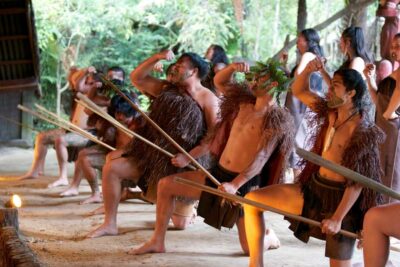 ★ 4.7Mitai Maori Village: Cultural Experience and Dinner BuffetFrom $1013,575 reviews
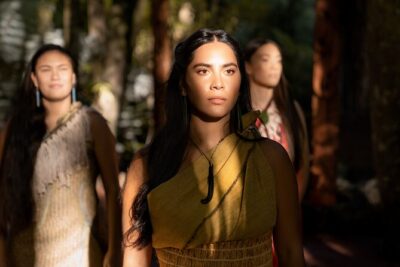 ★ 5.0Cultural Experience & Seasonal Māori Cuisine at Te Pā TūFrom $1671,546 reviews
 ★ 4.5Mitai Maori Village Cultural Experience in RotoruaFrom $1041,294 reviews
 ★ 4.8Rotorua: Te Pa Tu Māori Cultural Experience with DinnerFrom $1671,193 reviews
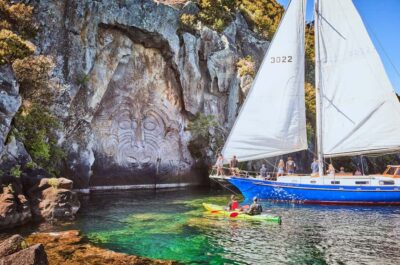 ★ 4.8Lake Taupo: Sailboat Trip to the Maori Rock CarvingsFrom $35972 reviews
 ★ 4.5Lake Taupō Māori Rock Carvings Scenic Cruise aboard Ernest KempFrom $31901 reviews
 ★ 5.0Maori Rock Carvings Eco Sailing TaupoFrom $33758 reviews
 ★ 4.5Waitomo Caves & Rotorua – Te Puia Small-Group Tour from AucklandFrom $253681 reviews
Browse the lists this tour appears in