
REVIEW · ROTORUA TOURS AND ATTRACTIONS
Rotorua: The National Kiwi Hatchery Kiwi Encounter Tour
Seeing a kiwi is usually a luck game. Here, it is a planned, guided look at how kiwi eggs become healthy chicks, plus you get to see adults in a nocturnal setup. I like that the tour is short and focused, so you are not stuck wandering. I also like the conservation angle, because the money goes straight into the hatchery work.
One thing to consider: your best chance at eggs and chicks depends on the season. If you visit outside September to March, you are more likely to see the adult birds rather than the hatching stages.
In This Review
- Why this Rotorua stop feels meaningful
- Key points before you go
- Entering the Agrodome area, then heading to the hatchery
- Quick practical note on photos and video
- A 1-hour guided flow that actually stays focused
- What makes this format feel worth it
- During hatching season, eggs and incubation take center stage
- When you are outside the season
- Newborn chick moments: feeding, health checks, and why they matter
- The nocturnal house: how to see adult kiwis without the night search
- The conservation trust angle: your ticket actually does something
- Souvenirs can help too, but keep your priorities straight
- Who this tour fits best (and who should rethink it)
- A few realistic expectations so you do not get disappointed
- Should you book the Rotorua Kiwi Hatchery Kiwi Encounter?
- FAQ
- How long is the Rotorua Kiwi Hatchery Kiwi Encounter tour?
- Where does the tour start, and is transport included?
- When can I see kiwi eggs and chicks?
- Can I take photos or record video?
- Is the experience suitable for young children?
- Is the tour donation-based?
Why this Rotorua stop feels meaningful
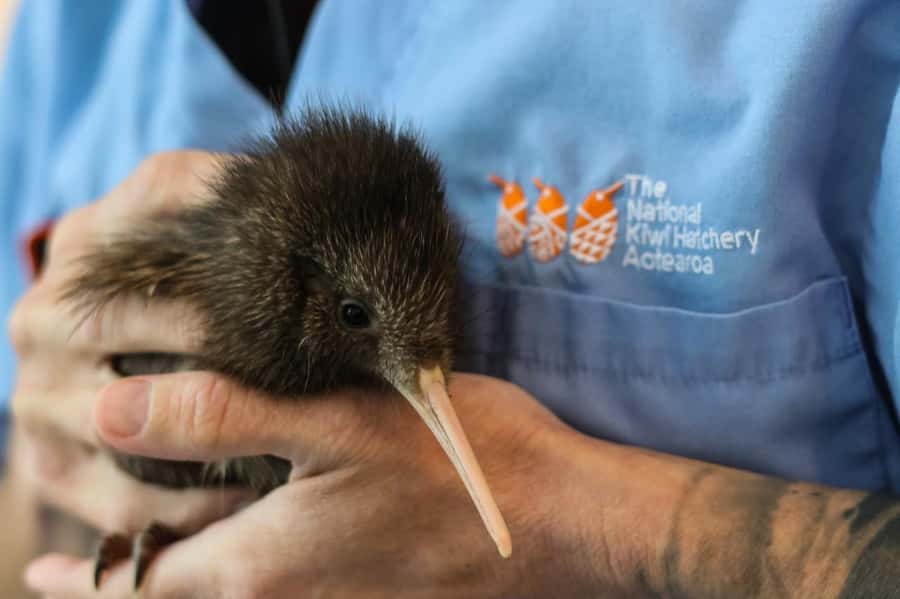
The National Kiwi Hatchery Aotearoa is a not-for-profit charitable trust, and it runs as a dedicated breeding and rearing center. You are not just watching animals, you are watching a conservation system at work. And the big hook for me is simple, 100% of your ticket supports the kiwi hatching program, so the experience is tied to real-world outcomes.
What else Rotorua puts on
- Rotorua Canopy Tours: 2.5Hour Native Forest Zipline Adventure
★ 5.0 · 4,563 reviews - Rotorua: Wai-O-Tapu Geothermal Park Entry Ticket
★ 4.6 · 2,601 reviews - Rotorua’s Ultimate Zipline: 6 ziplines, 400 m Tandem, Cliff Walk
★ 5.0 · 2,557 reviews - Rotorua Rafting: Kaituna River White Water Rafting & Free Sauna
★ 5.0 · 1,952 reviews
Key points before you go
- World-class hatchery scale: you are visiting the world’s largest and most successful kiwi hatching and rearing centre
- Egg viewing + incubation lessons: during the season, you can see kiwi eggs and learn how incubation is managed
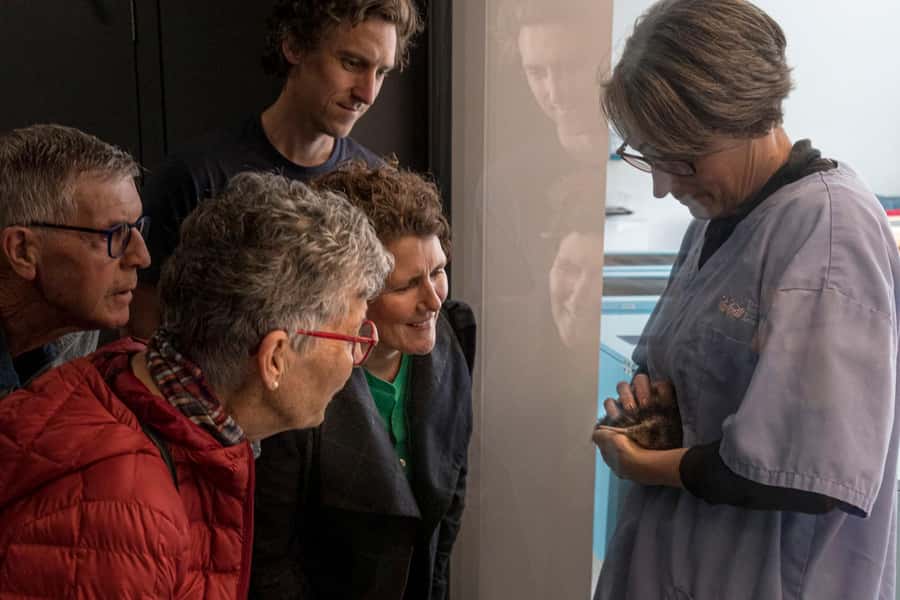
- Newly hatched chicks can be on the menu: on the day, you might get a rare sighting of a very young chick being fed or checked
- Adult kiwi year-round: a nocturnal house lets you observe resident kiwis all year
- Hands-on time with experts: the husbandry team explanation style is part of the value, not just a quick walk-through
- Your ticket funds the work: 100% of ticket income goes back into the kiwi hatching program
Entering the Agrodome area, then heading to the hatchery
Most Rotorua itineraries aim for a kiwi sighting, and that usually means waiting in the dark or crossing your fingers. This tour gives you something steadier. Your experience starts at the National Kiwi Hatchery check-in area at the Agrodome, about 10 minutes north of Rotorua city center.
The tour includes a shuttle from the Agrodome check-in area to the hatchery facility, which matters because the hatchery buildings sit across the grounds. In other words, you are not hiking through a farm maze with a timer running. It is also a nice heads-up that you may pass other farm attractions along the way, since the hatchery is part of a larger attraction complex.
Plan to arrive 15 minutes early. That buffer helps with check-in and lets you get seated and settled before the guide starts. If you are driving, there is free onsite car parking.
Quick practical note on photos and video
You cannot use flash photography, and video recording is not allowed. If you are hoping to record, adjust your plan now. Bring your phone for normal photos if permitted, but expect to respect the rules because the staff is protecting the birds and the work they do.
A 1-hour guided flow that actually stays focused
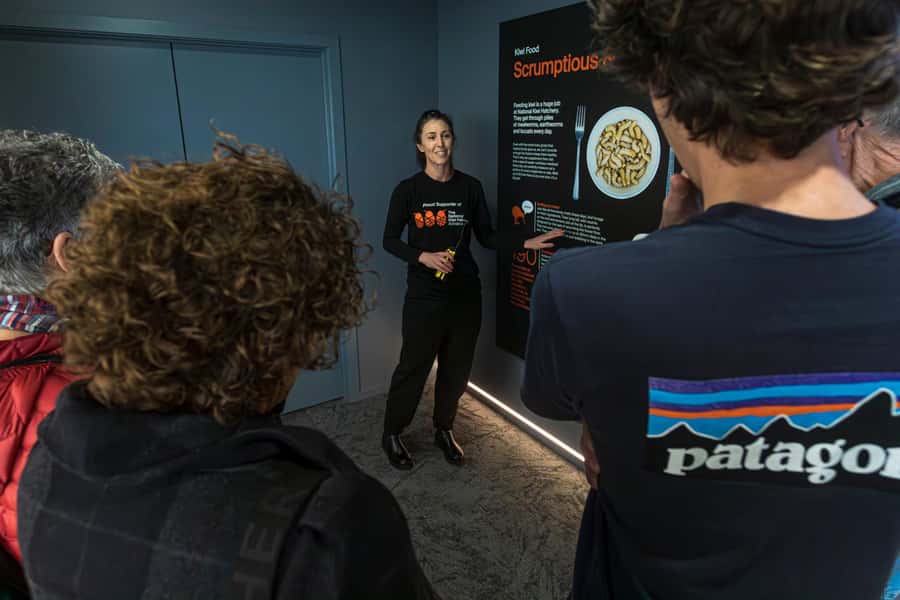
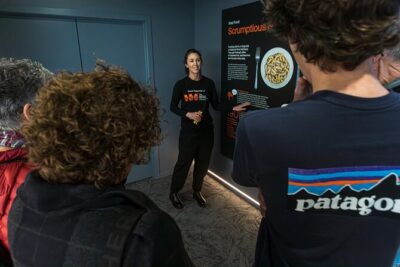
At 1 hour, this is not one of those “see everything” tours where you spend half your time waiting for the next group photo moment. The Kiwi Encounter tour is designed as a guided circuit through the hatchery areas, with brief stops where the guide explains what you are looking at.
That pacing is a big deal with kiwis. They are nocturnal, secretive birds in the wild. Here, you are learning the conservation behind why those traits matter, and how the hatchery manages survival odds from egg to chick.
The tour is in English and led by a live guide. People often mention guides by name, such as Mya, Nico, Kai, Theresa, Teresa, and Max, and the common thread is the same: clear step-by-step explanations plus time to ask questions when you have them.
More native wildlife, up close
What makes this format feel worth it
A guided hour is ideal if you are doing a few Rotorua activities in one day. You get a strong kiwi story without eating your whole afternoon. You also get a concentrated visit to the conservation facility, which is the heart of the value here.
During hatching season, eggs and incubation take center stage
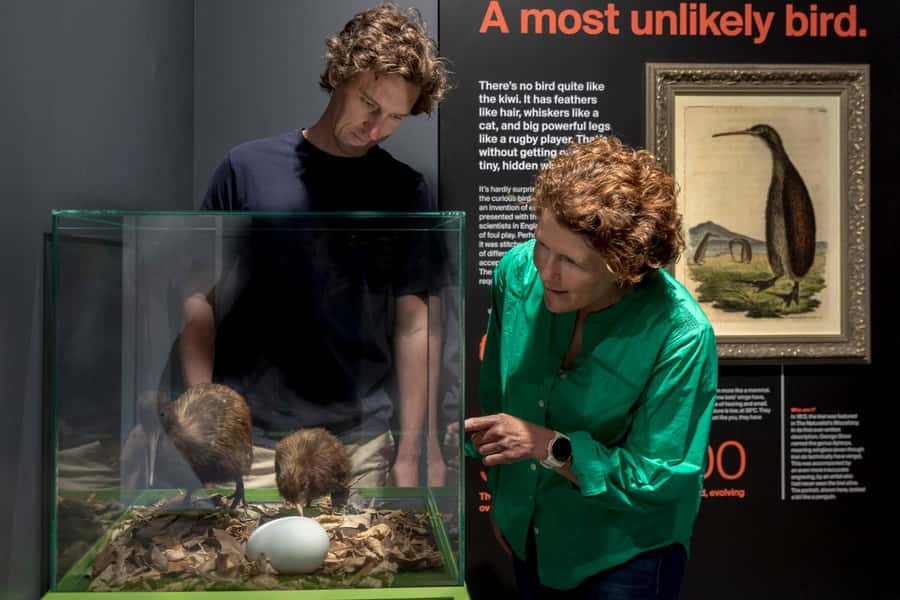
Here is the best reason to time your visit. The tour includes viewing kiwi eggs and chicks during hatching season, September to March. When you are in those months, the hatchery is actively working through stages you normally would never see.
What you experience is not just a cute chick moment. You get to learn what the hatching process looks like in practice: incubation management, chick development, and how the team checks that eggs are progressing as expected.
One of the most fascinating moments, when it is available, is candling, the practice of scanning eggs to monitor development. Seeing eggs up close in a conservation setting helps you understand why patience and careful monitoring are such a big part of saving an endangered bird.
When you are outside the season
If you visit outside September to March, you still have a kiwi-centered tour, but the focus shifts. You will have a chance to observe resident adult kiwis foraging in the Nocturnal House instead of the egg and chick viewing.
This is still worthwhile. It is just a different experience. Think of it as seeing kiwi behavior and habits rather than the behind-the-scenes incubation story.
Newborn chick moments: feeding, health checks, and why they matter
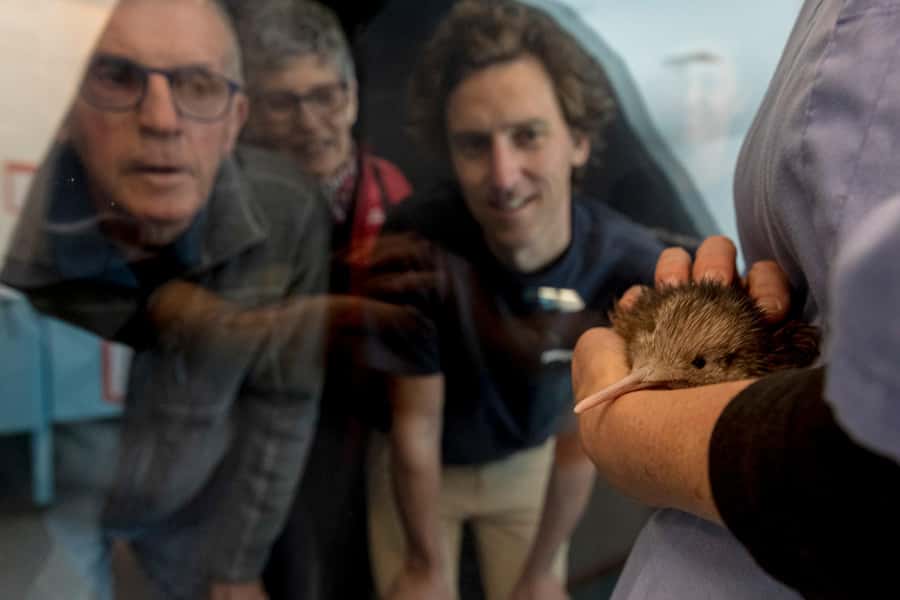
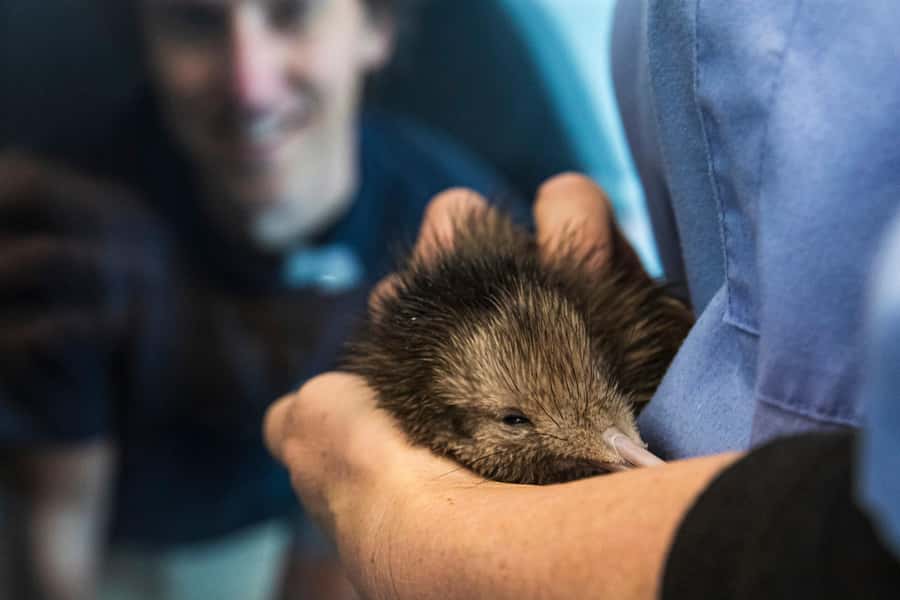
One reason this tour gets such strong word-of-mouth is the chance to see very young chicks. On some days, you may be lucky enough to spot a chick that has just hatched, sometimes reported as extremely fresh, even around a day old.
When those moments are happening, you might see:
- a chick being fed
- a chick receiving a health check
- younger birds in the nursery stage where the team is monitoring development closely
Even if you never catch the absolute youngest chick, the staged viewing still gives you something special. You see that kiwi care is not hands-off. It is structured husbandry. The hatchery staff follows processes that reduce risk and improve the odds of releasing healthy birds later.
And here is the emotional reality of the conservation work. Kiwi survival is not just about animals looking cute. It is about careful rearing, timing, and long-term success. Watching the chick care makes that clearer than reading any brochure.
The nocturnal house: how to see adult kiwis without the night search
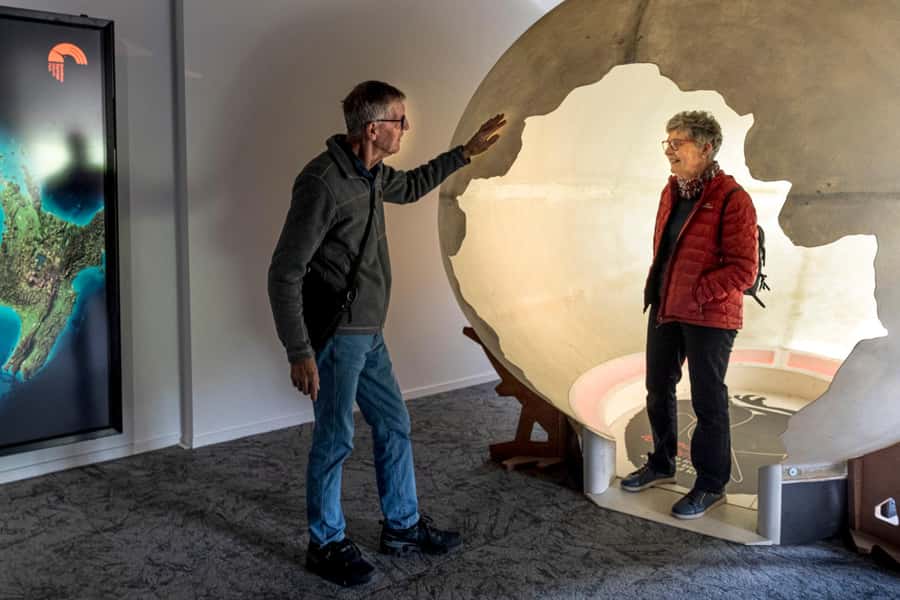
Kiwi spotting in the wild is hard. This tour sidesteps the biggest problem: you do not control the night. Instead, you get to see kiwis in a nocturnal house where observation is built into the experience.
This part runs all year round, so it is a safety net for your itinerary. Even during hatching season, adults are often visible too, with kiwis in red-light lit pens that are made for nocturnal viewing.
You are there to watch for behavior. Expect foraging and general activity rather than a dramatic, zoo-style show. If you are the type who enjoys animal behavior, not just the spectacle, this is where you will likely slow down and pay attention.
The conservation trust angle: your ticket actually does something
Let us talk value, because $44 for a 1-hour tour can sound small or big depending on your budget and what you want to get out of Rotorua.
Here is the practical math. The price includes:
- a guided 1-hour tour
- expert instruction and live guide time
- observation of eggs and chicks in season
- nocturnal house viewing of adult kiwis year-round
- a shuttle from the Agrodome check-in area
- and a direct donation to the hatchery facility
Most importantly, the tour is described as a 100% donation to the kiwi hatching program. So you are paying for a close, guided encounter, and also paying for breeding and rearing work that supports conservation.
If you care about impact, this is one of the rare activities where the cause is not a side note. It is built into the ticket price.
Souvenirs can help too, but keep your priorities straight
Some visitors note that the on-site shop has reasonable souvenir pricing. That is a nice extra. But the real buy here is the conservation support tied to every ticket.
Who this tour fits best (and who should rethink it)
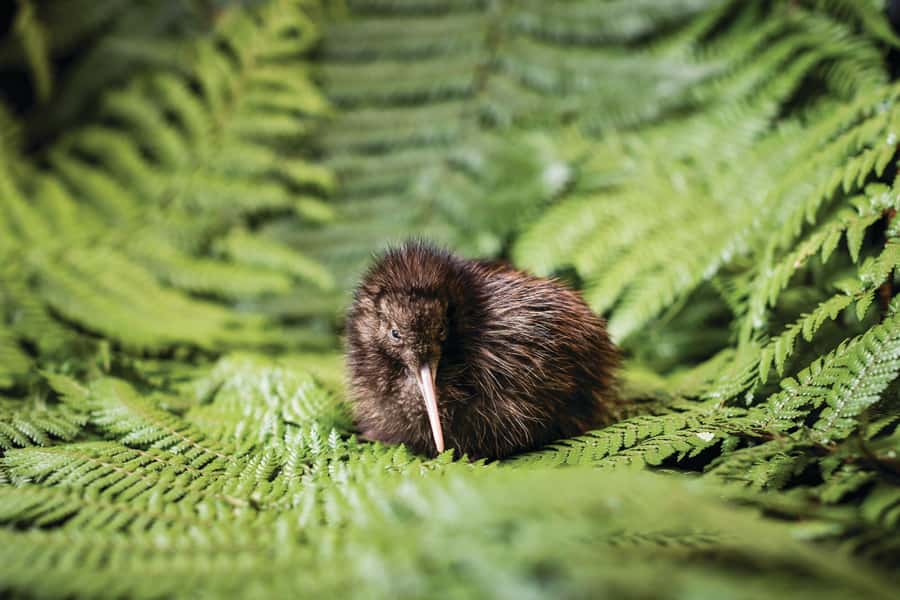
This is a great fit if:
- you want the best chance of seeing kiwi in a realistic timeframe
- you like nature science, incubation basics, and animal care routines
- you want a Rotorua activity that does not feel rushed or gimmicky
- you care about conservation outcomes, not just photos
It might not be your best choice if:
- you are visiting with young kids under 5. Children under 5 are not allowed in the facility.
- you need heavy flexibility around the season. Eggs and chicks depend on the September to March window. If you go outside that season, adjust your expectations toward adult viewing.
A few realistic expectations so you do not get disappointed
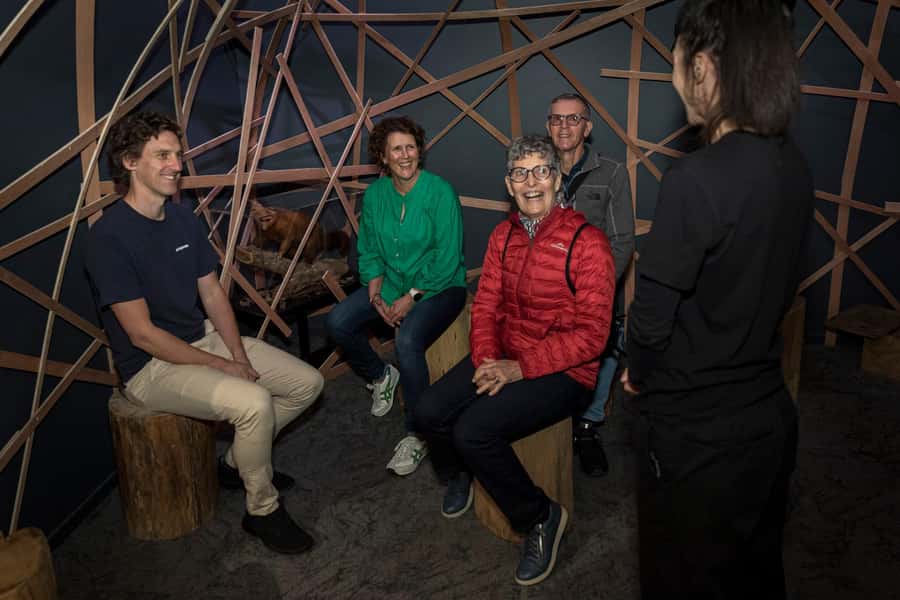
Let’s keep this honest. This is not a promise that you will see a newborn chick every single time. The tour is built around the hatchery’s ongoing work, and some moments depend on what is happening in the nursery that day.
Still, you can expect:
- clear explanations at each station
- close viewing opportunities within the boundaries of bird welfare rules
- a strong focus on conservation, not just cute animals
Also, plan to be mentally present. Kiwis are not fast dancers. Adult kiwis may show subtle behavior. If you treat the visit like a calm watch session, you will get more out of it.
Should you book the Rotorua Kiwi Hatchery Kiwi Encounter?
Book it if you want a kiwi encounter that is guided, meaningful, and timed well for a day in Rotorua. The combination of live husbandry education, the chance to see eggs and chicks in season, and the built-in conservation funding makes this feel like one of the higher-value ways to experience New Zealand’s national bird.
Skip or modify your expectations if you are outside September to March and you are specifically chasing the newborn chick experience. You will still see kiwis, especially in the nocturnal house, but the hatching-stage highlight is seasonal.
If you care about doing one thing in Rotorua that you can feel good about after, this is an easy yes.
FAQ
How long is the Rotorua Kiwi Hatchery Kiwi Encounter tour?
The tour runs for 1 hour.
Where does the tour start, and is transport included?
Check in at the Kiwi Hatchery 15 minutes before the scheduled departure time at the Agrodome area. The experience includes a shuttle from the Agrodome check-in area to the hatchery facility.
When can I see kiwi eggs and chicks?
You will see kiwi eggs and chicks during hatching season, which runs from September to March. Outside that period, you will still get to observe adult kiwis in the Nocturnal House.
Can I take photos or record video?
Flash photography is not allowed, and video recording is not allowed.
Is the experience suitable for young children?
No. Children under 5 years are not allowed in the facility.
Is the tour donation-based?
Yes. The tour is described as a 100% donation to the kiwi hatching program, and ticket income is used to support the kiwi hatching conservation work.
Everything Else We Wrote Up in Rotorua

Native Wildlife, Up Close
Rotorua, Three More Ways


Just added to our Rotorua notes
- Rotorua: Waimangu Valley Walk and Steaming Cliffs Kayak Tour★ 4.7 · 6 reviews
- Rotorua: Lake View Private Pools Experience★ 4.3 · 6 reviews
- Rotorua: Floatplane Flight with Orakei Korako Landing★ 5.0 · 6 reviews
- Rotorua: Evening Starlight Gourmet Kayak Tour with dinner★ 5.0 · 6 reviews
- Rangitaiki Rafting Grade 2★ 4.8 · 6 reviews
- One Day Birding Adventure★ 5.0 · 7 reviews
Rotorua Tours and Attractions, compared.
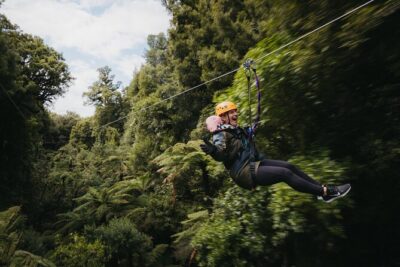 ★ 5.0Rotorua Canopy Tours: 2.5Hour Native Forest Zipline AdventureFrom $1234,563 reviews
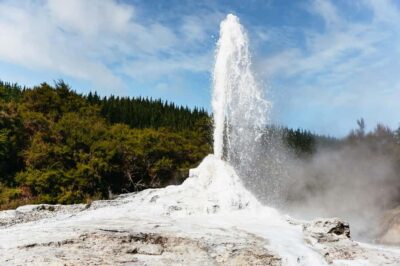 ★ 4.6Rotorua: Wai-O-Tapu Geothermal Park Entry TicketFrom $282,601 reviews
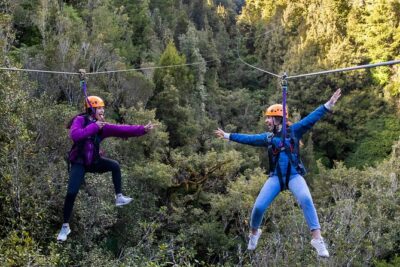 ★ 5.0Rotorua’s Ultimate Zipline: 6 ziplines, 400 m Tandem, Cliff WalkFrom $1662,557 reviews
 ★ 5.0Rotorua Rafting: Kaituna River White Water Rafting & Free SaunaFrom $831,952 reviews
 ★ 4.5Mitai Maori Village Cultural Experience in RotoruaFrom $1041,294 reviews
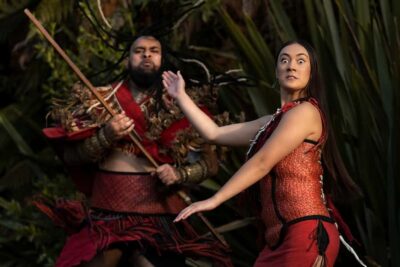 ★ 4.8Rotorua: Te Pa Tu Māori Cultural Experience with DinnerFrom $1671,193 reviews
 ★ 4.7Rotorua: Hell’s Gate Outdoor Mud Spa & Guided WalkFrom $681,140 reviews
 ★ 4.9Rotorua Rafting: Kaituna River White Water ExperienceFrom $49840 reviews
Browse the lists this tour appears in