
REVIEW · PENGUINS KIWI AND WILDLIFE ENCOUNTERS
Stewart Island: Wild Kiwi Experiences
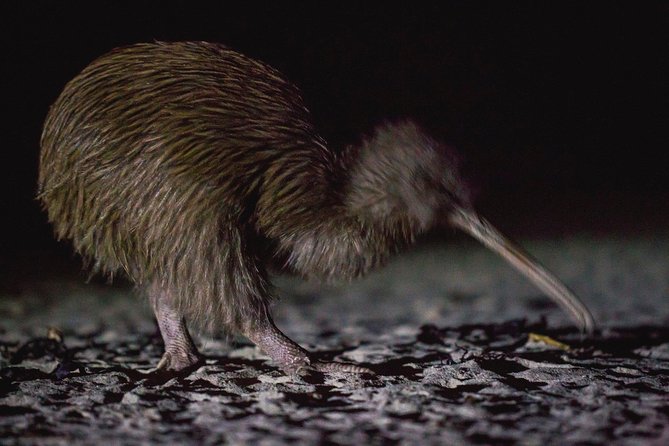
Kiwi hunting at night feels almost unreal. This 4-hour guided outing on Rakiura Stewart Island mixes a pre-sunset sea cruise with a torchlit walk for tokoeka (southern brown kiwi) in forest and on the coast. You also get a solid dose of island wildlife and Māori and European stories before you head back to Oban.
Two things I really like: the tour keeps it small, max 10 people, so you’re not swallowed by a big crowd. And the evening is built to show you more than kiwis, with a return cruise that gives you a real chance at seabirds, seals, sea lions, and penguins as the light fades.
One thing to plan around: there’s no 100% kiwi guarantee, and if the kiwis do not show up you won’t get a refund. The walk is also on uneven, sometimes muddy ground, so you’ll need shoes for the real deal, not a smooth path stroll.
In This Review
- Key moments to look forward to
- Stewart Island at dusk: why this kiwi trip feels special
- Getting to Oban and timing your evening
- The pre-sunset sea cruise: your wildlife warm-up
- Little Glory Cove: torchlit kiwi search in forest and on the beach
- Oneke and The Neck: where kiwi time meets culture
- How to maximize your odds without stressing the wildlife
- Physical reality: walking time, footwear, and night comfort
- Price and value: what $154 gets you, and why it can be worth it
- What you’ll likely see besides kiwi
- Who should book, and who should skip this kiwi search
- Should you book Stewart Island: Wild Kiwi Experiences?
- FAQ
- Where does this tour depart from?
- How long is the experience?
- What is included in the ticket price?
- Is there a guarantee you will see a kiwi?
- What happens if no kiwi is sighted?
- What should I wear and bring?
- What are the limits on who can join?
Key moments to look forward to
- Pre-sunset cruise from Oban, with marine life spotting as dusk sets
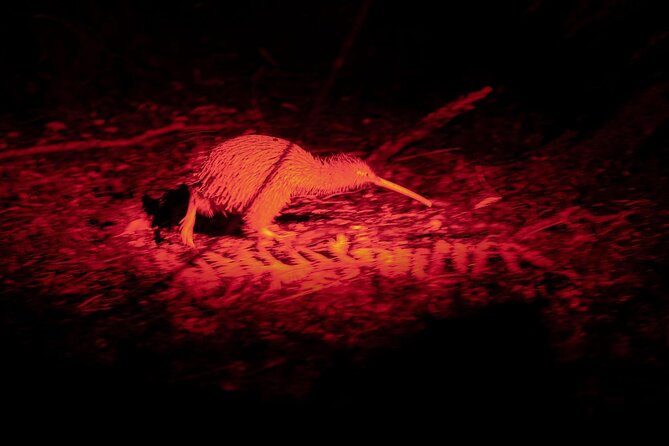
- Torchlit walk at Little Glory Cove, searching forest and beach for tokoeka
- Culture stop at Oneke and The Neck, mixing Māori and European history with coastal views
- Warm drinks and biscuits, a small comfort that matters when it gets cool and windy
- Strict attention to wildlife viewing, including no flash photography
Still weighing up the options? These are the other Stewart Island trips we have written up.
- Stewart Island: Ulva Island Guided Wilderness Walk & Cruise
★ 4.5 · 165 reviews - Stewart Island: Village and Bays Tour
★ 4.8 · 141 reviews - Stewart Island: Guided Wilderness Walk
★ 5.0 · 10 reviews
Stewart Island at dusk: why this kiwi trip feels special
Stewart Island is not the place where you go to tick off a checklist. It’s where you go to slow down, listen, and watch the island do its thing. This experience is designed around that idea: you start while there’s still daylight to catch wildlife at sea, then you switch to night viewing for the kiwi hunt.
I like that the evening is not just one long search in the dark. It’s a sequence, with a cruise first, then a forest and beach trek, then another themed moment tied to place names and heritage. That pacing helps the whole thing feel like a guided night out in the ecosystem, not a single stressful waiting game.
The guides also set expectations clearly. Kiwis are wild and unpredictable, so the value is in learning how they behave and how you can watch without messing up the moment. You get the best chance through expert tracking and team positioning, but you’re never promised a sighting.
Getting to Oban and timing your evening
Your departure is from the Visitor Terminal in Oban on Stewart Island. Arrive about 20 minutes early so you’re not rushing in cold weather, and you can get briefed before you step onto the boat and into the night.
This tour returns late enough that you should already have accommodation arranged for that evening. Even if you think you’ll be back quickly, treat the “late return” part as real. When it’s dark, weather changes, and wildlife makes you pause, the schedule stretches.
Plan for the weather too. The departure is weather dependent, which is common for sea cruising on Stewart Island. If conditions are rough, they may adjust or cancel, so keep your evening flexible in the practical sense, not just in your heart.
The pre-sunset sea cruise: your wildlife warm-up
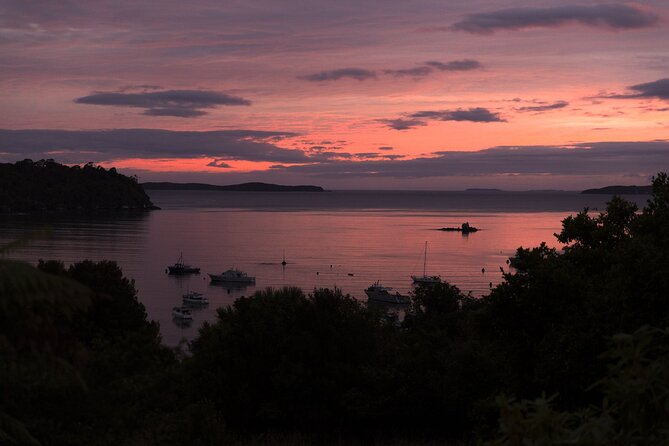
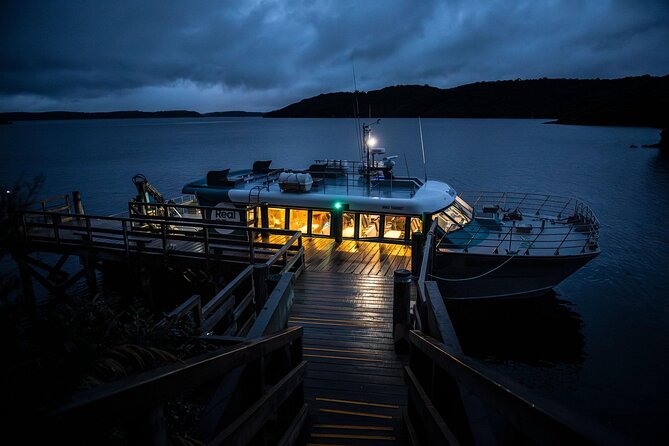
Before the night kiwi search, you start with a scenic return sea cruise that departs from Oban. The idea is simple and smart: wildlife is often easiest to spot around islands when the sky is moving from day into dusk.
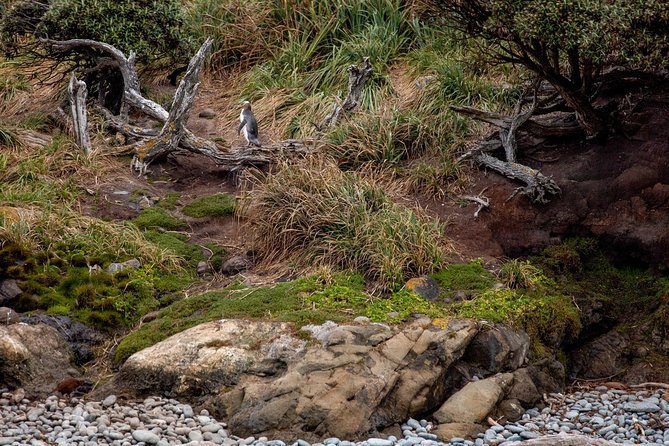
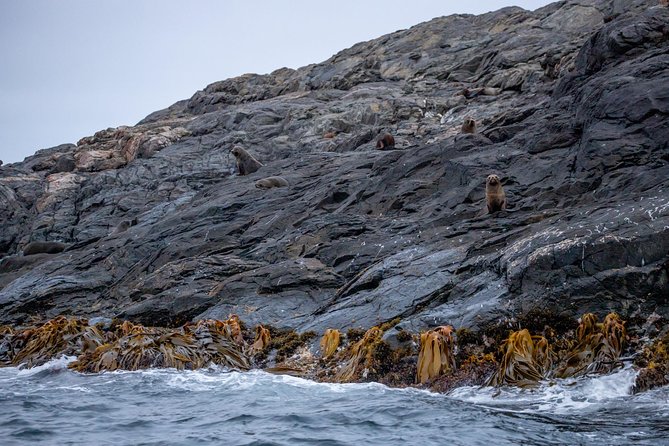
As you cruise, you’re on the water at the exact time marine birds and mammals are most active. You might see albatross, penguins, fur seals, and sea lions. Past groups have even flagged specific seabirds such as cape petrel and giant petrel, and penguin species like kororā (little penguin), hoiho (yellow-eyed penguin), and tawaki (Fiordland crested penguin).
Two practical benefits come from this first section. First, you get grounded in the island’s geography. Second, you arrive at the kiwi walk already in the right mood, with your senses switched on. You’ll also get complimentary cocoa, tea, and coffee, which is genuinely helpful once the wind and night air start biting.
A neat extra from guide style: some groups have been given binoculars and the captain has positioned the boat so everyone gets views from more than one angle. If you care about seeing clearly, ask the team where they want you to stand, and don’t assume the best spot is the same the whole time.
Little Glory Cove: torchlit kiwi search in forest and on the beach
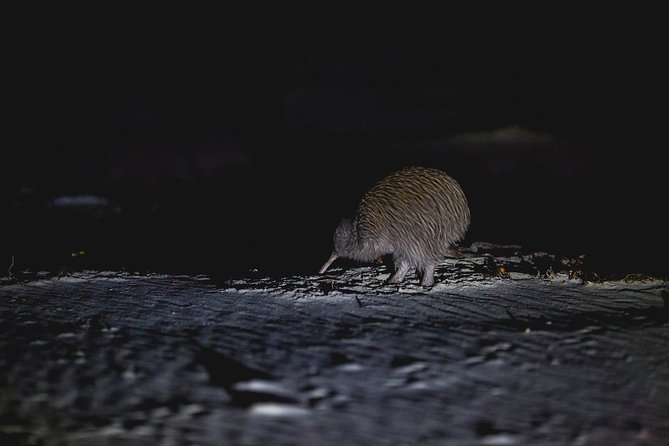
After the cruise, you arrive at Little Glory Cove for the guided torchlit walk. This is the core of the experience, and the most atmospheric part by far. You’re searching for the tokoeka while the world is quiet and dark enough for the forest sounds to carry.
The walking is not just a gentle stroll. Total walking time is about 2 hours, and the track can be uneven and muddy. You’ll want hiking shoes with grip, not slick sneakers, and warm layers that work even if you get damp. The guides provide a torch or flashlight, but you’ll still be moving through variable ground.
Also note the viewing rules. Flash photography is not allowed, which makes sense when you’re trying to let the kiwi behave naturally. One practical tip that’s shown up in past experiences: keep your outer shell quiet. If you’re wearing noisy Gore-Tex layers, it can carry sounds into the kiwi forest. Many people do better leaving that heavier shell on the boat or packing it sensibly so you’re not constantly rustling.
This walk can be intense in the best way. When a kiwi finally shows, it’s usually not a dramatic movie entrance. It’s often close, calm, and busy, like it has absolutely no idea you’re waiting for a moment to happen.
And you should know the payoff is different on each night. Some groups have had multiple kiwi encounters, while others have had none and still ended up loving the night sounds, the starlit beach atmosphere, and the wildlife on the earlier cruise.
Oneke and The Neck: where kiwi time meets culture
This portion adds depth and context. You move to Oneke, and you hear stories connected to The Neck, a place that holds both Māori and European heritage alongside incredible coastal views.
What I like about this stop is that it keeps the night from becoming pure adrenaline. The kiwi walk is a search, but it’s not just about spotting an animal. It’s also about understanding why the island’s ecosystems matter and how different peoples have related to this coast over time.
In a practical sense, the culture stop also gives you a warm reset before another round of kiwi searching. You can warm up in a traditional whare with a drink before heading back out. This matters if you’re cold quickly, and it helps keep the group functioning well during a night that can stretch.
You’ll also hear the kind of kiwi talk that changes how you watch. The pre-kiwi briefing helps prevent accidental disturbances, like lighting, sudden movements, or noise that makes a nearby bird vanish. If you remember one rule, make it this: quiet and calm beat excitement.
How to maximize your odds without stressing the wildlife
You should go in expecting the kiwis to be unpredictable. That said, the tour is built to improve your odds, and your job is mostly simple: follow the team’s instructions and be patient.
Small group matters here. With a limit of 10 participants, the guides can position people carefully when a kiwi is spotted. One of the most common “you’ll feel this” points from past evenings is that the guides try to ensure everyone gets a chance to see, not just the first person in line.
When you get into the forest, treat it like a whisper zone. Stay where the guide places you. Avoid bouncing around for better angles. And if you’re using a camera, make your movements slow and deliberate. No flash is required anyway, since torchlight can be enough for safe viewing.
Look for signs too. Some past groups have noted hearing kiwi and seeing tracks on the beach. Tracks can happen even when a direct sighting doesn’t. That still counts as meaningful wildlife interpretation, because it tells you how and where the bird is moving.
Finally, be realistic about what you’re paying for. This is not a zoo guarantee. It’s a guided attempt with the best methods available, and the thrill comes from being in the right habitat at the right time with people who know how to watch.
Physical reality: walking time, footwear, and night comfort
This is a night tour, but it’s also real walking. The track can be uneven and muddy, and the information given is that you need a reasonable fitness level. If you struggle to walk independently for more than 1.5 km along uneven ground, this likely won’t feel good for you.
What helps most is footwear. Bring hiking shoes you trust on slippery patches and loose dirt. Then add layers you can adjust, because you’ll feel warm on the move and cold when you stop. A wind and waterproof jacket is strongly advised, along with insect repellent.
Also consider visibility. You’re using torches/flashlights, and the ground can surprise you. If you’re clumsy in low light, slow down. It’s not a race.
Children under 15 are not suitable for this experience, and wheelchair users are also not suitable. This is about navigating uneven terrain in the dark, plus a wildlife viewing style that requires calm movement and quiet positioning.
Price and value: what $154 gets you, and why it can be worth it
At $154 per person for about 4 hours, this isn’t a budget activity. But it’s priced like a specialist wildlife night, not like a generic tour bus.
Here’s what you’re paying for:
- A return sea cruise from Oban, not just a short ride to a dock
- Guided forest and beach searching with torch equipment
- A small group size that supports careful wildlife handling
- Included warm drinks and biscuits, which matter on cold nights
- Staff effort aimed at increasing viewing chances, including positioning and quiet rules
The value also includes a conservation angle. If you do not see a kiwi, $20 per person is donated to conservation projects at Little Glory Cove. That doesn’t replace a kiwi sighting, but it does mean your payment isn’t purely for the spectacle.
Most importantly, you’re buying a guided nighttime ecosystem experience. In a place like Stewart Island, the difference between wandering alone and having people who know the birds’ rhythms is huge. Even on nights when the kiwi does not appear, you usually still get a strong wildlife evening and a guided understanding of what you’re hearing and seeing.
If you’re only shopping for guaranteed sightings, look elsewhere. If you want the best chance at tokoeka plus marine wildlife at dusk, this is one of the more focused ways to do it.
What you’ll likely see besides kiwi
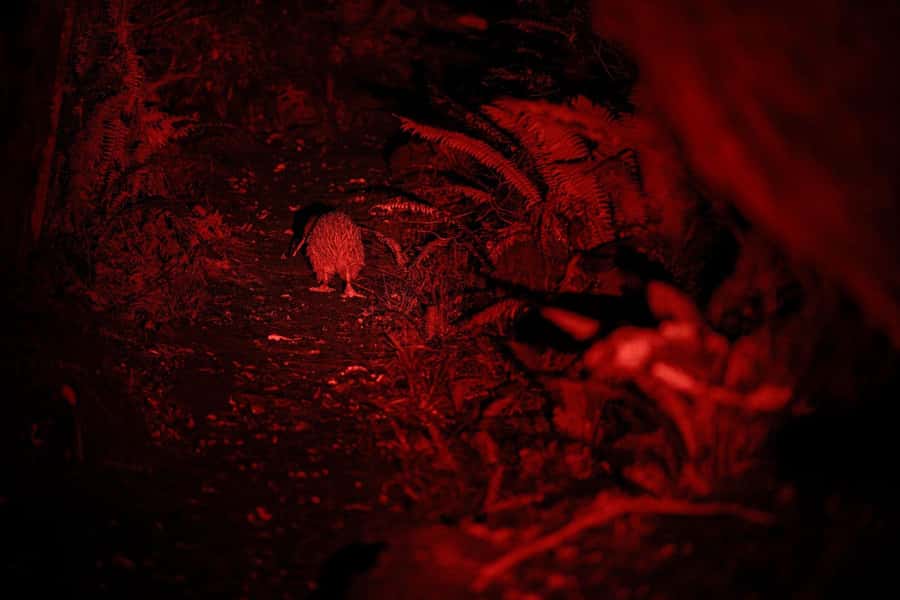
The kiwi is the headline, but the rest of the wildlife makes the night feel full.
On the cruise section, you might spot:
- Seals and sea lions
- Penguins, including species like yellow-eyed penguin (hoiho) and little penguin (kororā), and possibly Fiordland crested penguin (tawaki)
- Albatross and other seabirds, depending on the conditions
On land, even if the kiwi takes a while, you can still get meaningful wildlife moments. You may see tracks and hear kiwi, and the guided commentary helps you connect sounds to species behavior.
One extra detail that can make nights memorable: stargazing. Past groups have mentioned amazing star fields, and some even saw aurora australis when the conditions lined up. You won’t get that every night, but the setting on the beach at dusk and night is part of the experience.
Who should book, and who should skip this kiwi search
This is best for adults and older teens who like nature watching and can handle night conditions calmly. If you want a real kiwi search experience, you’ll enjoy the mix of sea cruising, forest searching, and culture at Oneke and The Neck.
Book it if:
- You’re comfortable walking on uneven ground in cool, possibly wet conditions
- You want a small-group wildlife evening with a high chance of multiple sightings of other animals
- You’re okay with the fact that kiwis can be present and still not show themselves directly
Skip it if:
- You need a smooth, fully accessible path
- You get stressed by darkness and uneven ground
- You want a guaranteed kiwi sighting, because none is promised
Should you book Stewart Island: Wild Kiwi Experiences?
If your goal is a guided, small-group kiwi night that also gives you sea wildlife at dusk and cultural storytelling at Oneke and The Neck, I think this is a smart choice. The main reason to book is not the promise of kiwis, it’s the method. You’re getting a night search with expert staff, careful positioning, and a schedule that keeps the evening rich even if the kiwi takes longer than expected.
My practical advice is to commit only if you can handle the walking and the cold. Bring proper shoes, warm layers, and rain gear. Then treat the “no guarantee” part as part of the adventure, not a deal-breaker.
If you do that, you’ll come away with something worth remembering, whether it’s a kiwi close to your boots, a set of tracks on the beach, or the quiet power of Stewart Island after dark.
FAQ
Where does this tour depart from?
It departs from the Visitor Terminal in Oban on Stewart Island. You should arrive about 20 minutes before the activity starts.
How long is the experience?
The total duration is about 4 hours.
What is included in the ticket price?
Included are a return cruise, a guided nature walk with a specialist guide, torch or flashlight, and complimentary cocoa, tea, and coffee.
Is there a guarantee you will see a kiwi?
No. Kiwis are wild and unpredictable, and there is no 100% guarantee they will appear.
What happens if no kiwi is sighted?
There is no refund if a kiwi is not seen. Instead, $20 per person is donated to conservation projects at Little Glory Cove.
What should I wear and bring?
Bring warm clothing, hiking shoes, rain gear, and insect repellent. A wind and waterproof jacket is specifically recommended for comfort and warmth.
What are the limits on who can join?
Children under 15 are not suitable, and wheelchair users are not suitable. The walk is uneven and muddy at times, so a reasonable level of fitness is required.
Everything Else We Wrote Up in Stewart Island
Right Down South
Just added to our Stewart Island notes
- Stewart Island: Village and Bays Tour★ 4.8 · 141 reviews
- Stewart Island: Ulva Island Guided Wilderness Walk & Cruise★ 4.5 · 165 reviews
- Stewart Island: Wild Kiwi Experiences★ 4.8 · 177 reviews
Penguins Kiwi and Wildlife Encounters, compared.
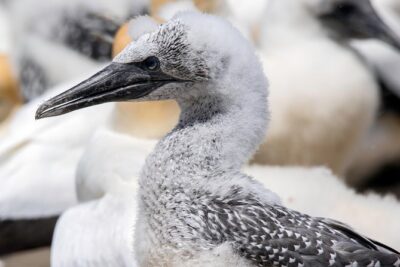 ★ 5.0Gannet Safaris Overland tour to Cape Kidnappers Gannet ColonyFrom $61942 reviews
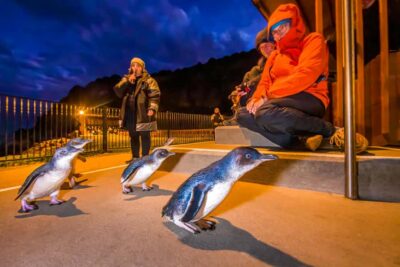 ★ 4.5Oamaru: Penguins Evening Viewing TicketFrom $28682 reviews
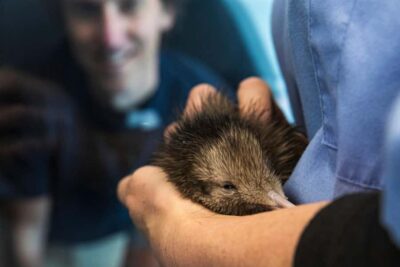 ★ 4.7Rotorua: The National Kiwi Hatchery Kiwi Encounter TourFrom $44671 reviews
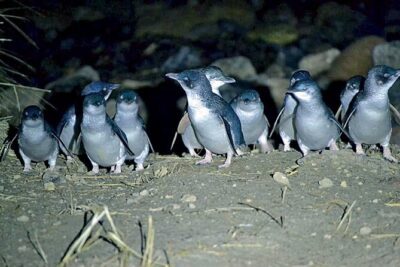 ★ 5.0Guided Evening Penguin Viewing Otago Peninsula, Dunedin, New ZealandFrom $34471 reviews
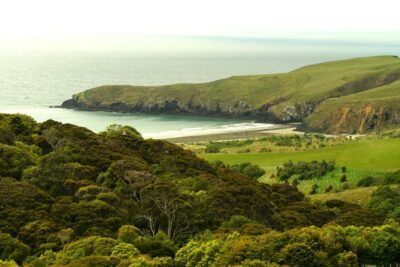 ★ 4.6Dunedin: Wildlife and Penguin TourFrom $44239 reviews
 ★ 5.0National Kiwi Hatchery – Kiwi Encounter Guided TourFrom $47228 reviews
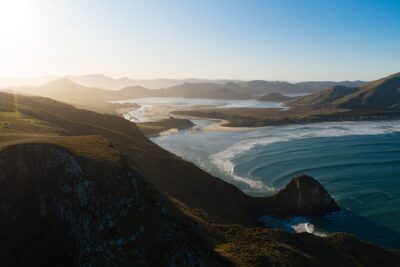 ★ 5.0Otago Peninsula In-Depth Tour & Blue Penguins Pukekura ExperienceFrom $102163 reviews
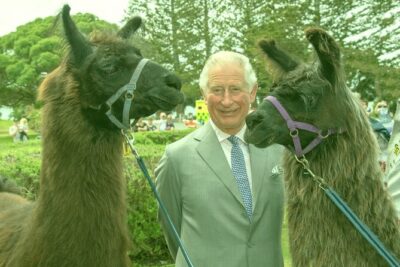 ★ 5.0Llama Trek (Half-day) – Kaikoura Bay, Beaches & Seal ColonyFrom $154157 reviews
Browse the lists this tour appears in