
REVIEW · MAORI CULTURAL EXPERIENCES
Te Puia: Te Rā Guided Experience
Te Puia can be a surprise in the best way. You get Pohutu Geyser and steaming mud pools, plus a real, guided look at Maori arts and culture in Rotorua.
I love how the tour links the land to the people, not just the sightseeing. The woodworking and flax weaving schools add a hands-on feel, and the kiwi stop gives you something uniquely New Zealand. One thing to keep in mind: the experience is timed, so you can feel a bit rushed in the geothermal valley if you want a slow, camera-only pace.
In This Review
- Key highlights before you go
- Te Puia’s day tour: geothermal heat plus Maori culture you can actually see
- Getting there and what your 90 minutes covers (and what it doesn’t)
- Te Puia Maori Arts and Crafts Institute: where culture turns into a craft lesson
- The marae and the hongi: where the guide’s role matters
- Kiwi Conservation Centre: the best kind of waiting
- Te Whakarewarewa Thermal Valley: mud pools, vents, and Pohutu Geyser timing
- Optional Maori cultural performance: haka, poi dances, and a full marae welcome
- When the tour feels rushed: how to get the most from a timed group
- Price and value: is $62.06 worth your Rotorua time?
- Who this tour suits best (and who should think twice)
- Should you book the Te Puia daytime guided experience?
- FAQ
- How long is the Te Puia guided daytime experience?
- Where does the tour start?
- What is included in the price?
- Is food or drinks included?
- Is there hotel pickup or drop-off?
- Does the tour include seeing the Pohutu Geyser and mud pools?
- Can I upgrade to include a Maori cultural performance?
- Is cancellation free, and how far in advance can I cancel?
- Are service animals allowed?
Key highlights before you go
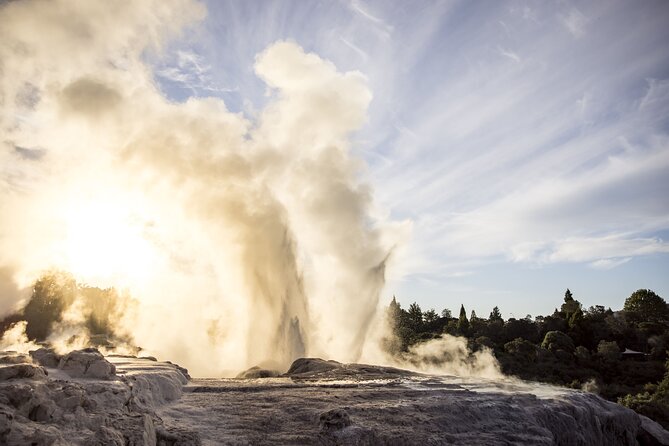
- Pohutu Geyser and boiling mud pools in the Te Whakarewarewa Thermal Valley
- Maori Arts and Crafts Institute stops for wood carving and flax weaving education
- Kiwi Conservation Centre visit to see kiwis up close in the kiwi house area
- Marae time and the hongi ceremonial greeting during the cultural experience
- Small-group format (up to 36 people) with a professional guide
- Optional cultural performance upgrade with song and dance, including the haka
Other Maori-led experiences we have reviewed
- Mitai Maori Village: Cultural Experience and Dinner Buffet
★ 4.7 · 3,575 reviews - Cultural Experience & Seasonal Māori Cuisine at Te Pā Tū
★ 5.0 · 1,546 reviews - Mitai Maori Village Cultural Experience in Rotorua
★ 4.5 · 1,294 reviews - Rotorua: Te Pa Tu Māori Cultural Experience with Dinner
★ 4.8 · 1,193 reviews
Te Puia’s day tour: geothermal heat plus Maori culture you can actually see
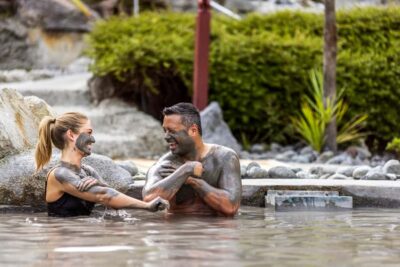
Rotorua is famous for geothermal activity, but Te Puia does it differently. You’re not just watching steam and water. You’re getting a guided explanation of how Maori tradition connects to the geothermal landscape and the arts being practiced on site.
I like that the tour takes you to places where you can look, then listen, then look again with better context. You see boiling mud pools and the famous Pohutu Geyser, and you also get to watch craft education in action, with weaving and carving being a big focus.
This is also a good way to spend a chunk of time in Rotorua without having to plan every minute. The basic guided experience is about 1 hour 30 minutes, and it includes admission. The optional performance upgrade adds extra culture time if you want more than the walking and guided stops.
Getting there and what your 90 minutes covers (and what it doesn’t)
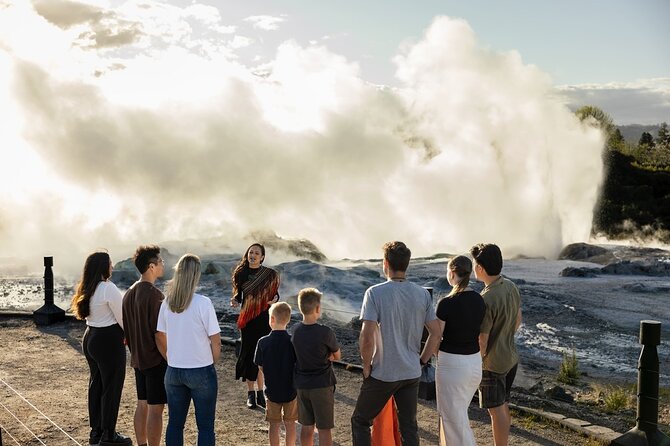
This is a daytime experience starting at Te Puia in Rotorua. Your meeting point is Te Puia entrance on Hemo Road, Whakarewarewa, Rotorua 3010. There’s no hotel pickup included, though the site is noted as near public transportation.
That detail matters, because the tour is timed. If you’re coming in by taxi or public bus, give yourself a buffer so you’re not sprinting at the start. The group size is capped at 36 travelers, which is a decent number for a guided walk, but it still means you’re moving as a group through key areas.
What the tour does cover well is the main set of priorities:
- Te Puia cultural spaces (arts, crafts, marae village)
- The kiwi conservation area
- Te Whakarewarewa Thermal Valley viewpoints (mud pools and steaming vents)
- The Pohutu Geyser viewing point
What it does not include is food and drinks. So if you’re hungry, either plan a snack before you go or plan to eat after.
Te Puia Maori Arts and Crafts Institute: where culture turns into a craft lesson
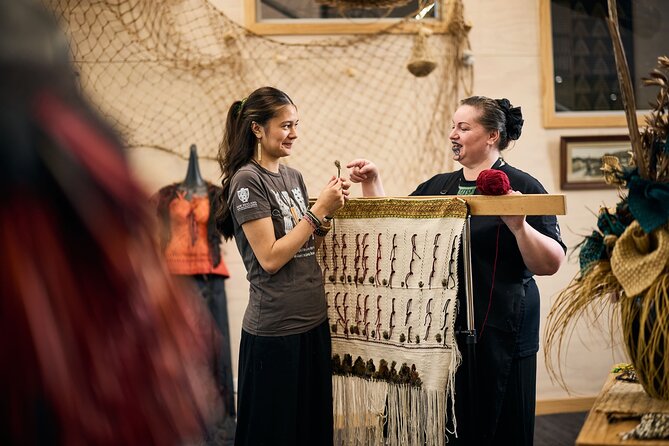
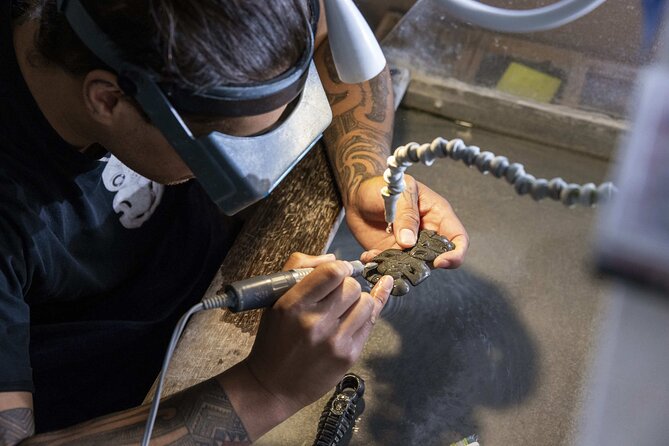
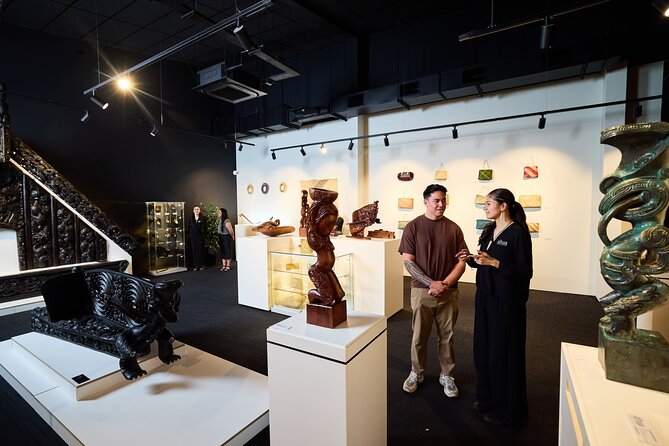
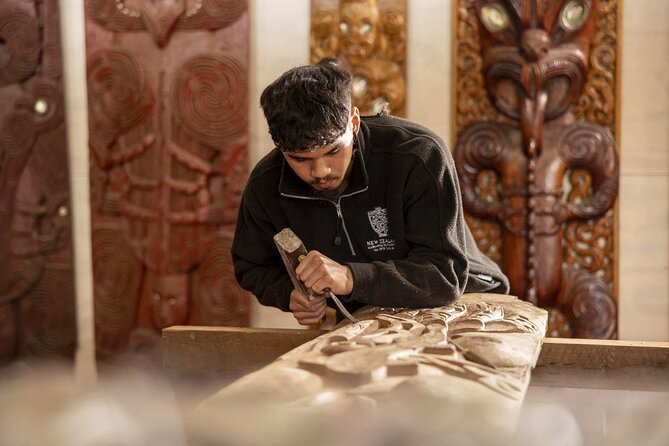
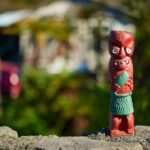
Your guided visit begins at the New Zealand Maori Arts and Crafts Institute at Te Puia. This part is worth your attention because it isn’t vague. You’re shown the schools and training behind traditional arts, including wood, bone, and greenstone carving and flax weaving.
This is the kind of stop that helps you travel smarter. If you’re only popping into a shop, Maori art can feel like souvenirs. Here, you’re learning the craft side and the training behind it, which makes what you might buy later mean more.
Also, there’s a practical bonus: you get some indoor time. Rotorua can be warm and active, and geothermal areas can bring strong smells. Starting with an arts-and-crafts focus helps you settle into the experience.
In past sessions, people have highlighted how the guide explanations can make or break this section. Names like Ivy and Rebecca show up in the reviews for good guidance, and that tracks with what you’ll likely feel on the day. If your guide is engaging, this stop becomes more than a hallway tour.
The marae and the hongi: where the guide’s role matters
Part of the culture experience includes exploring a marae and Maori village, and if you upgrade, you’ll see a structured welcome with ceremonial elements.
During the performance upgrade, the tour notes a ceremonial welcome at the marae, including the hongi, which is the nose-to-nose greeting. That moment is one of the clearest “this is living culture” experiences on the itinerary, not a staged explanation.
Even if you only book the basic guided version, you’re still going through the cultural center and learning from stories and legends passed down over generations. The guide provides the thread that connects art, place, and tradition.
One caution based on feedback: communication quality varies by guide and setup. In a few cases, people reported issues like not being able to hear well or feeling information was light. If you’re someone who needs clear audio, sit where you can see the guide’s face and don’t assume every group will have perfect conditions.
More trips with a guide attached in Rotorua


Kiwi Conservation Centre: the best kind of waiting
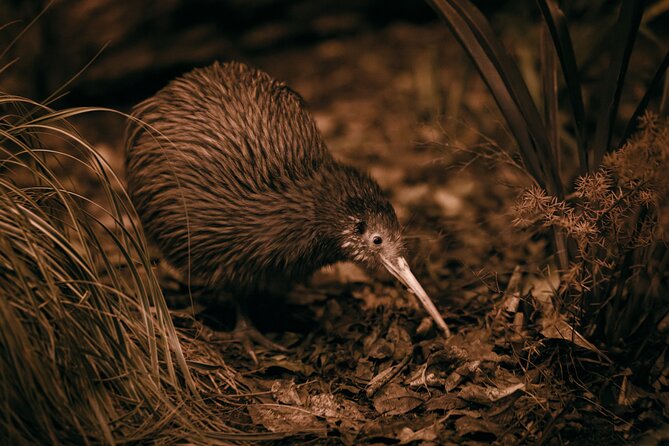
One of Te Puia’s best “only in New Zealand” moments is the Kiwi Conservation Centre and the kiwi house area. The tour describes it as the nocturnal kiwi house, with a rare chance to see this flightless bird.
Now, here’s the practical part. Kiwi viewing can never be a guaranteed “spot them for photos instantly” event. It’s about observing, waiting, and watching for movement. The enclosure is set up to help you see behavior, but the animals set the pace.
So if you’re going with kids or you really care about the kiwi, this is the time to be patient. Put your phone away for a minute and watch quietly. The more you focus on the enclosure activity, the more likely you’ll catch something special.
Some people wished they had more time at the kiwi enclosure, especially when groups are moving. If you want a longer look, plan to hang around after your guided portion if entry rules allow. Several visitors mention the ability to revisit parts of the site once the tour is finished, which can solve the “too fast” feeling.
Te Whakarewarewa Thermal Valley: mud pools, vents, and Pohutu Geyser timing
After the cultural stops, you head into Te Whakarewarewa Thermal Valley. This is where the tour earns its reputation for geothermal wow.
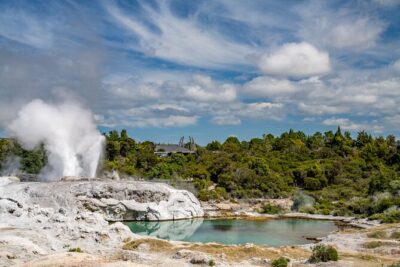
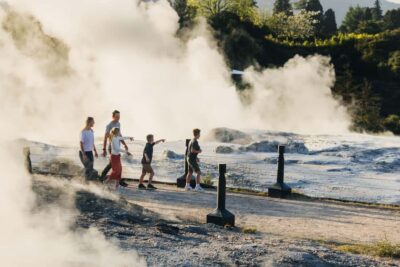
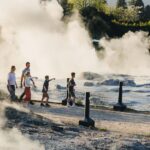
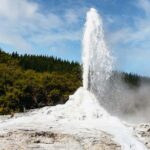
You’ll walk along paths with steaming vents and boiling mud pools. You’re also pointed toward the famous Pohutu Geyser, described as about 30 meters tall, erupting up to 20 times a day.
A key detail: up to 20 times means it erupts often, but your exact eruption timing still depends on the geyser. Some people are thrilled to catch multiple eruptions, while others feel disappointed when the main eruption timing doesn’t line up with their visit.
So I recommend you manage expectations like a pro:
- Treat Pohutu as the headline, but expect the whole geothermal area to be worth it even if you miss one eruption.
- Stay watching longer than the shortest time possible at viewpoints.
- Know that you might need to tolerate geothermal smells. One visitor literally called out that it was great apart from the smell, and that tracks with the nature of geothermal sites.
The best photos usually come when you’re not rushing. Watch how steam changes over time, and give yourself a minute to zoom out and look at the full vent-and-pool pattern. The valley is active, and it’s the small changes that make it feel alive.
Optional Maori cultural performance: haka, poi dances, and a full marae welcome
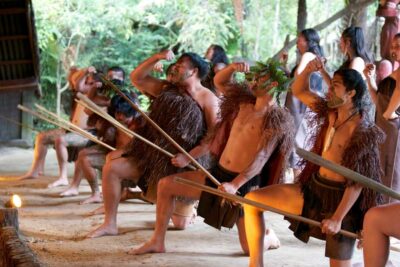
If you upgrade, you add a Maori cultural performance of song and dance that includes the haka. The performance is described as happening multiple times throughout the day, alongside admission.
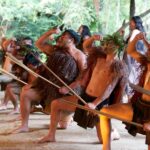
During the upgrade, you’ll get the marae welcome setup, weaponry displays, poi dances, and stick games, with the haka as the dramatic centerpiece. This section is more performance-forward than the walking guide portion, so it works best if you want something you can sit with and watch start to finish.
Families often like this upgrade because it’s visual and rhythm-based. For adults, it also helps tie together what you heard earlier from the cultural center. The walking part gives context. The show gives you the feeling.
Two practical tips:
- If you’re sensitive to loud sounds or crowds, choose seats thoughtfully. Marae-style welcomes can be emotionally intense and sound carries.
- If you want both flexibility and structure, book the guided portion first, then choose the performance showtime that fits your energy level.
When the tour feels rushed: how to get the most from a timed group
This experience is designed around a 1 hour 30 minute guided window. That’s a good length for most people, but it explains a common complaint: some groups feel moved through too quickly.
If you’re the type who likes to linger, don’t fight it. Use the tour to get the route and the story, then plan to spend extra time on your own afterward where possible. Multiple people note that you can stay and explore more once the guided part is done, which is a smart way to fix the “we only saw it briefly” feeling.
You should also watch how your group is handled. A couple of reports mentioned guides walking ahead or not using a microphone, which makes it harder to hear stories. If you find yourself in the back of the group and audio is unclear, angle your body toward the guide, and don’t be shy about letting the group know you can’t hear.
Finally, pick your pace for the geothermal areas. Yes, the mud pools and vents are the main deal. But the best visits aren’t frantic. Stand still for a minute. Let the valley “do its thing,” then move.
Price and value: is $62.06 worth your Rotorua time?
At $62.06 per person for about 1 hour 30 minutes, this isn’t a bargain ticket, but it’s not unreasonable either. The key value driver is that you’re paying for more than entry. You’re paying for a professional guide, guided access to Te Puia cultural areas, kiwi viewing, and the geothermal valley walk.
Here’s how I think about value for you:
- If you care about Maori culture beyond a quick look, the guided explanation and marae context justify the cost.
- If you’re mainly here for geothermal scenery, a self-guided approach could feel cheaper. But you’d miss the craft and culture interpretation that Te Puia builds into the experience.
- If you add the cultural performance upgrade, your total value usually improves if you like traditional song and dance, including the haka.
Also, this tour isn’t including food and drinks. That’s normal for many attractions, but it means your real spend is a bit higher once you add a meal later.
So the smart question becomes: do you want guidance and culture context, or do you just want the site? If you want both, this price starts to make sense.
Who this tour suits best (and who should think twice)
This guided Te Puia daytime experience is a strong fit if you want:
- A guided introduction to Maori arts and crafts at the Institute
- A structured route through thermal valley highlights like Pohutu Geyser
- A chance to see kiwis in the kiwi conservation area
- Optional extra performance time if you upgrade
It may feel less ideal if:
- You hate timed tours and want a fully self-directed schedule from start to finish
- You’re extremely focused on catching Pohutu during your exact viewing minute (even though it erupts frequently)
- You rely heavily on audio delivery and end up in a group where hearing is tough
For a practical match, it works well for first-timers to Rotorua who want one efficient outing that covers both geothermal and culture.
Should you book the Te Puia daytime guided experience?
If you’re visiting Rotorua for the first time and you want one trip that mixes geothermal wonders with guided Maori culture, I’d say yes, book it. The combination of craft education, marae storytelling, kiwi conservation, and the thermal valley walk is the kind of “cover the essentials, understand what you’re seeing” plan that saves you time and makes the site feel more meaningful.
If you can, consider upgrading to the cultural performance. The haka, poi dances, and marae welcome turn the cultural story into something you can watch and feel.
If you dislike rushing, plan to linger after the guided portion. Use the tour for context, then give yourself time to revisit the geothermal viewpoints and the kiwi enclosure at your own pace, as long as site access allows.
One last sanity check before you commit: you won’t control geyser timing, and you might not control how your guide’s presence comes across in the group. But with Pohutu’s frequent eruptions, strong on-site craft elements, and the kiwi conservation experience, Te Puia remains one of the more worthwhile Rotorua outings.
FAQ
How long is the Te Puia guided daytime experience?
It runs for about 1 hour 30 minutes.
Where does the tour start?
The meeting point is Te Puia in Rotorua, at Hemo Road, Whakarewarewa, Rotorua 3010, New Zealand.
What is included in the price?
The tour includes a professional guide and admission, plus access to the kiwi conservation centre, wood, bone and greenstone carving and flax weaving schools, and time exploring a marae and Maori village. It also includes entry to Te Whakarewarewa Thermal Valley highlights.
Is food or drinks included?
No. Food and drinks are not included.
Is there hotel pickup or drop-off?
No. Hotel pickup and drop-off is not included.
Does the tour include seeing the Pohutu Geyser and mud pools?
Yes. You’ll walk past steaming vents and boiling mud pools and see the Pohutu Geyser, which can erupt up to 20 times a day.
Can I upgrade to include a Maori cultural performance?
Yes. There is an optional upgrade for a Maori cultural performance with song and dance, including the haka, and it happens several times during admission.
Is cancellation free, and how far in advance can I cancel?
Cancellation is free, and you can cancel up to 24 hours in advance for a full refund.
Are service animals allowed?
Yes, service animals are allowed.
Guide-Led Around Rotorua

Everything Else We Wrote Up in Rotorua



Other Maori-Led Experiences


Just added to our Rotorua notes
- Rotorua: Waimangu Valley Walk and Steaming Cliffs Kayak Tour★ 4.7 · 6 reviews
- Rotorua: Lake View Private Pools Experience★ 4.3 · 6 reviews
- Rotorua: Floatplane Flight with Orakei Korako Landing★ 5.0 · 6 reviews
- Rotorua: Evening Starlight Gourmet Kayak Tour with dinner★ 5.0 · 6 reviews
- Rangitaiki Rafting Grade 2★ 4.8 · 6 reviews
- One Day Birding Adventure★ 5.0 · 7 reviews
Maori Cultural Experiences, compared.
 ★ 4.7Mitai Maori Village: Cultural Experience and Dinner BuffetFrom $1013,575 reviews
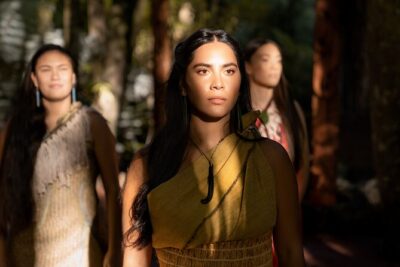 ★ 5.0Cultural Experience & Seasonal Māori Cuisine at Te Pā TūFrom $1671,546 reviews
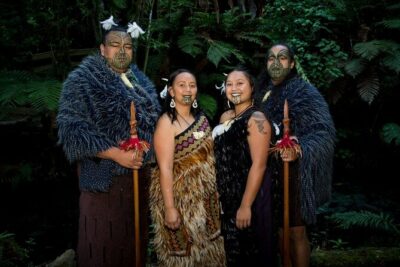 ★ 4.5Mitai Maori Village Cultural Experience in RotoruaFrom $1041,294 reviews
 ★ 4.8Rotorua: Te Pa Tu Māori Cultural Experience with DinnerFrom $1671,193 reviews
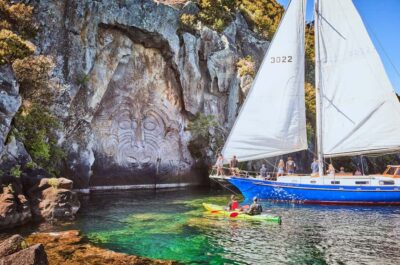 ★ 4.8Lake Taupo: Sailboat Trip to the Maori Rock CarvingsFrom $35972 reviews
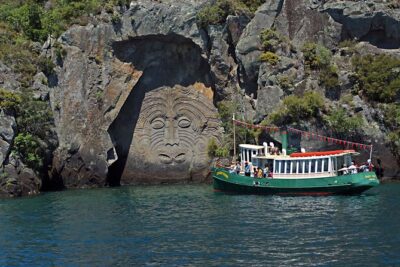 ★ 4.5Lake Taupō Māori Rock Carvings Scenic Cruise aboard Ernest KempFrom $31901 reviews
 ★ 5.0Maori Rock Carvings Eco Sailing TaupoFrom $33758 reviews
 ★ 4.5Waitomo Caves & Rotorua – Te Puia Small-Group Tour from AucklandFrom $253681 reviews
Browse the lists this tour appears in