
REVIEW · DUNEDIN AND THE OTAGO PENINSULA
Dunedin: Wildlife and Penguin Tour
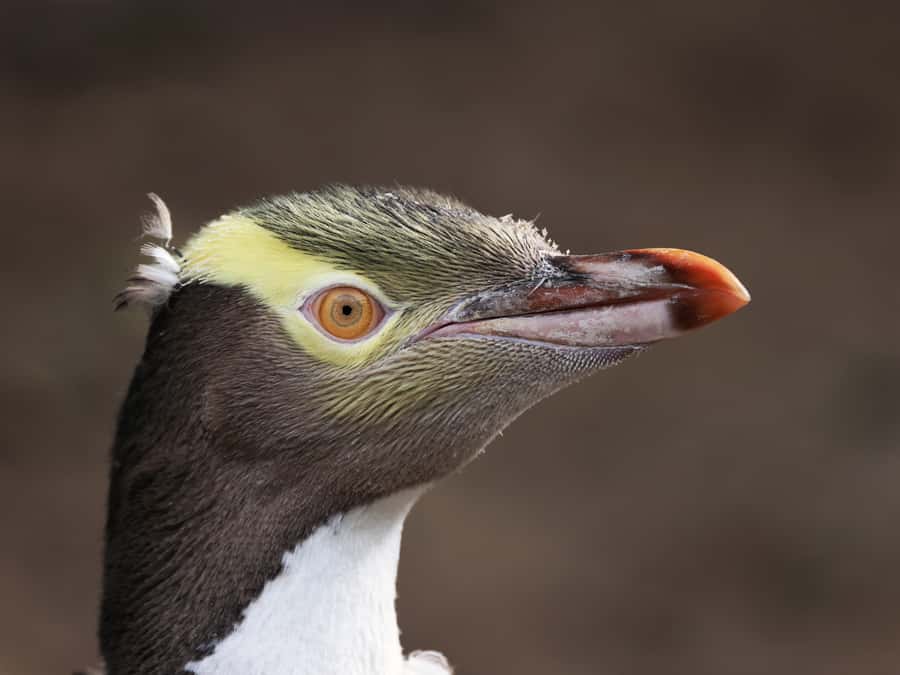
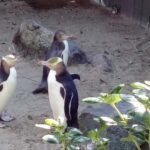
A penguin-focused eco visit beats a drive-by. This Dunedin wildlife and penguin tour takes you to a private Otago Peninsula reserve where Yellow-eyed penguins (hoiho) and little penguins (kororā) live alongside NZ fur seals, sea lions, and forest and seabirds. I love that the experience is built around conservation, not just spotting animals, and you get context before you go looking.
Second, I really like the pacing: a short theatre intro, an access stop at the rehabilitation centre when penguins are present, then a bus ride and an easy 2 km nature walk through the reserve. Even when wildlife is quiet, you still get a strong, educational outing with a guide who keeps the group moving at a comfortable tempo.
One thing to consider up front: wildlife viewing is never guaranteed. Yellow-eyed penguins are rare and viewing varies by season and day, so if seeing hoiho in the wild is your only goal, plan with flexible expectations.
In This Review
- Quick hits before you book
- Where it starts: the 45 Pakihau Road theatre briefing
- The rehabilitation centre stop, close enough to understand the stakes
- Bus ride into the Otago Peninsula reserve
- The guided nature walk: about 2 km of wildlife habitat
- Penguin viewing, what to expect and how to improve your odds
- What wildlife you might spot beyond penguins
- Price and value for a 90-minute conservation tour
- Who this tour is best for (and who should skip it)
- Small-group feel and guide energy
- My verdict: should you book the Dunedin penguin and wildlife tour?
- FAQ
- Where do I check in for the tour?
- How long is the Dunedin wildlife and penguin tour?
- What’s included in the price?
- Do I need to bring binoculars?
- Are penguin sightings guaranteed?
- Can I see yellow-eyed penguins and little penguins?
- What wildlife might I see besides penguins?
- What should I wear and bring?
- Is this tour suitable for wheelchair users or limited mobility?
- Is food or drinks included?
Quick hits before you book
- Private eco-reserve on Otago Peninsula, focused on protecting hoiho, kororā, and seabirds
- Theatre briefing so you understand the habitat restoration mission before you head out
- Rehabilitation centre access for close-up penguin viewing when penguins are present
- Bus ride plus a guided nature walk (about 2 km) through a working conservation area
- Rain jackets included, so you can stay out longer even if weather turns
- Wildlife is wild, so you get chances, not promises
Further round the Otago Peninsula
- Dunedin: Wildlife and Penguin Tour
★ 4.6 · 239 reviews - Dunedin: Speight’s Brewery Guided Tour with Tasting
★ 4.8 · 170 reviews - Dunedin: Otago Peninsula with Guided Penguin Reserve Tour
★ 4.7 · 66 reviews - Dunedin City & Otago Peninsula Scenery Day Tour
★ 4.7 · 49 reviews
Where it starts: the 45 Pakihau Road theatre briefing
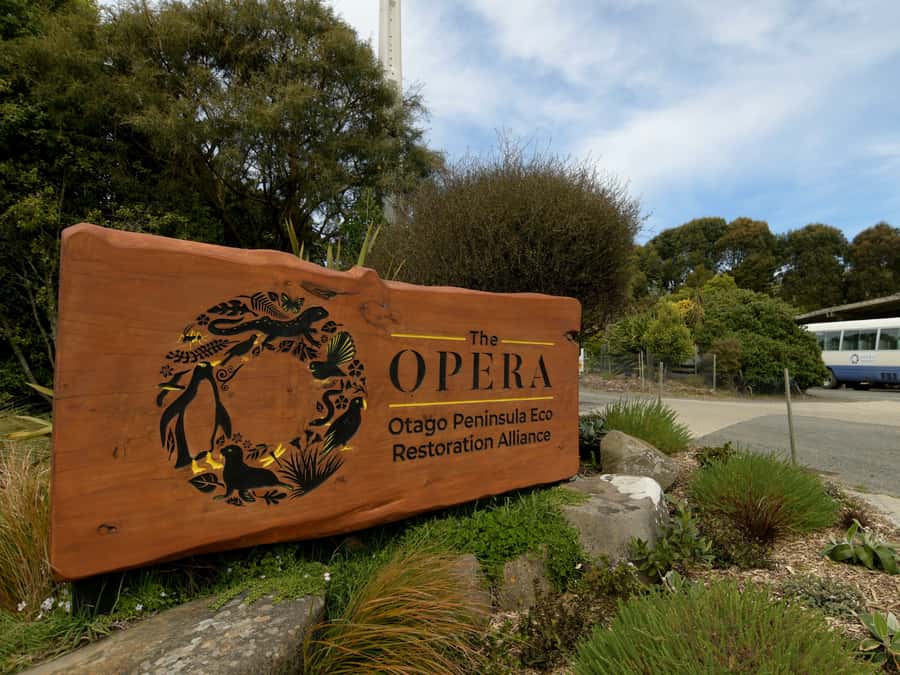
Your tour day begins at 45 Pakihau Road, where you check in at reception. Then you head to a theatre-style briefing, and this part matters more than it sounds. Before anyone looks for penguins, you learn what the reserve is trying to fix and why visiting responsibly is part of the conservation plan.
You’ll hear about restoring the reserve toward its original state, plus how the team works specifically with Yellow-eyed penguins (hoiho). The point is to help you recognize what you are seeing out on the Otago Peninsula, from habitat and nesting behaviour to the sensitivity of these birds to disturbance.
I also like that this intro is not a cold lecture. It sets you up to ask better questions later, and it gives you a reason to pay attention during the rest of the tour, not just chase photos.
The rehabilitation centre stop, close enough to understand the stakes
After the briefing, the tour moves to a rehabilitation centre. When penguins are present, this is where you can see yellow-eyed penguins and other penguin species up close. That closeness is not just thrilling, it’s practical education: you start to see why the reserve restricts access and how careful handling and recovery fit into the big conservation picture.
In the wild, hoiho can be hard to spot, and even more so if they decide to stay out of view. The rehab centre helps balance that by giving you a real connection to the animals and the work done when they need help.
From what I’ve seen on similar wildlife visits, this is the moment that turns a checklist into understanding. Here, your guide also ties what you’re seeing back to the reserve’s future plans and the broader effort to rebuild penguin populations.
Practical note: the centre is there to protect the animals, so your viewing may be limited by the way the facility is set up. That is not a flaw in the tour, it’s the trade-off for animal welfare.
Bus ride into the Otago Peninsula reserve
Once the briefing and rehab stop are done, you board a bus for a short ride into the reserve. This is not a long transfer, which is good for a 90-minute experience, and it also reduces the time you spend moving and more time you spend learning and looking.
On the bus, you’re guided through what to expect out in the reserve. It’s a chance to scan for seabirds, understand what “good” habitat looks like, and learn how different species might show up at different times of the day. One review highlighted how the commentary was continuous and used the transport time well, which is exactly what you want on a short outing.
The vibe is purposeful. You’re not just being delivered to a trailhead and left to guess what you’re seeing. You’re getting a lens for the whole experience.
The guided nature walk: about 2 km of wildlife habitat
The main outdoor segment is an approximately 2 km guided nature walk, which works out to about 1.25 miles. It’s short enough for most visitors with normal walking ability, but it’s still a real walk on outdoor terrain, so you’ll want comfortable shoes and outdoor clothing.
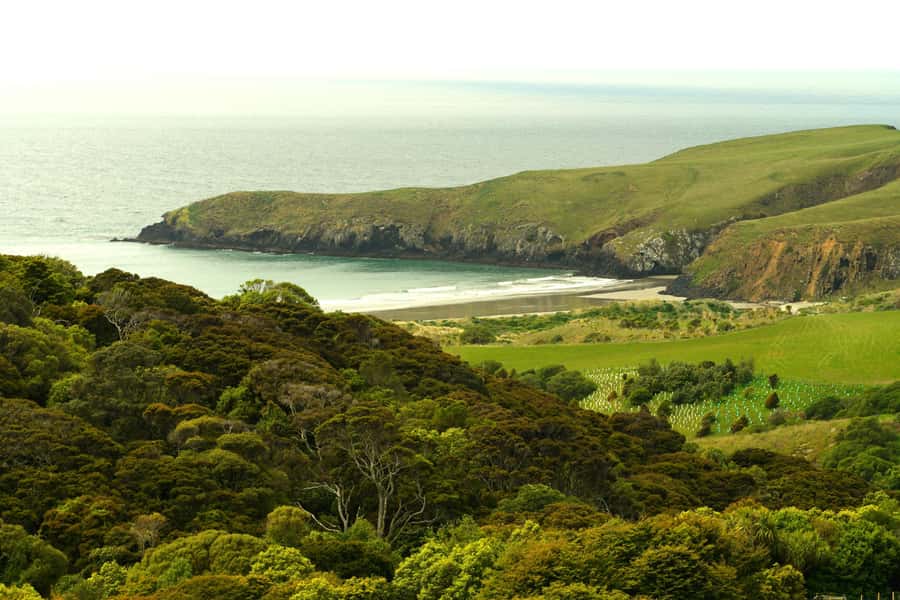
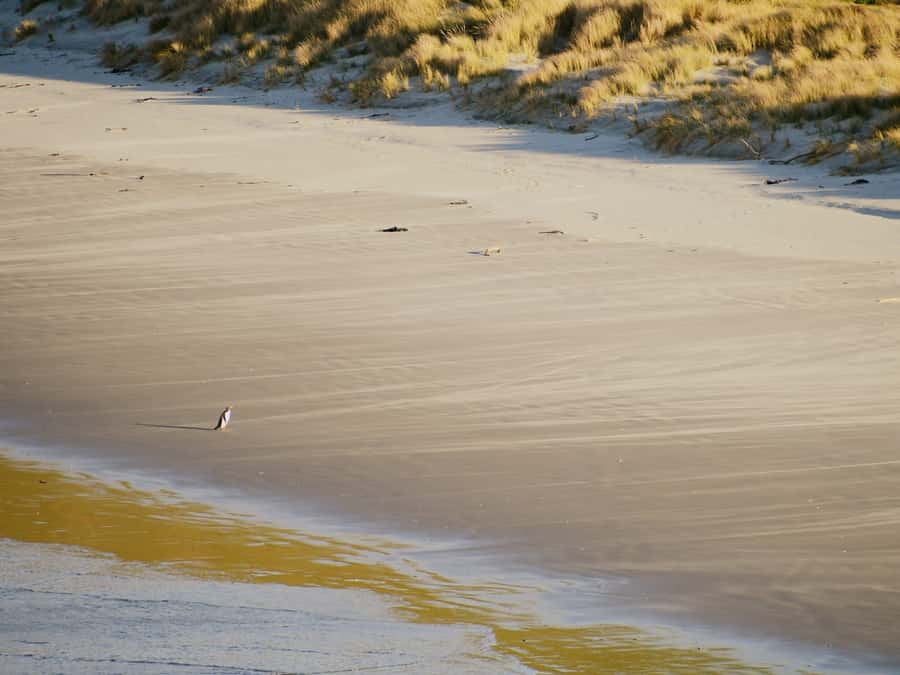
This walk is where you have a chance to see the reserve’s mix of wildlife: fur seals, sea lions, and several species of shore and land birds, plus penguin viewing when conditions and activity line up. The reserve’s habitat is the star of the show, and your guide helps you notice details you’d likely miss on your own, like signs of nesting or the natural patterns of where birds move and feed.
A key reality check: you might see wildlife at any moment, or you might get only brief glimpses. Yellow-eyed penguins are the rarest of the world’s penguin species, and numbers are currently in decline. So the tour does everything it can to maximize your odds, but it can’t manufacture sightings.
What helps is the guide’s approach. The tour is designed to keep you looking and thinking, not simply wandering. If the group needs photo stops, guides can adjust pace so you don’t feel rushed. That makes a difference on a short, ticketed experience.
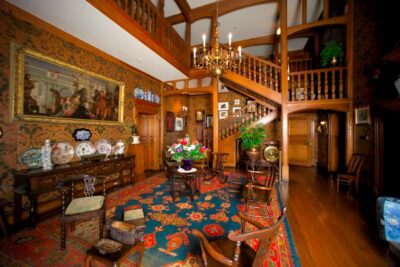
Penguin viewing, what to expect and how to improve your odds
Let’s talk penguins without sugarcoating. You are visiting an eco-reserve dedicated to hoiho (Yellow-eyed penguins) and kororā (little penguins). But viewing varies across the year and can change day to day.
Here’s what you can plan around:
- Yellow-eyed penguin sightings depend heavily on natural behaviour and local conditions.
- Little penguins may be easier to spot depending on activity, and the reserve has facilities that support conservation and rehabilitation.
- If you miss wild penguins, the rehab centre can still deliver close-up encounters when penguins are present.
In other words, think of this as a conservation-based wildlife experience with multiple “windows.” If the wild scene is quiet, you still have the rehab stop. If the rehab stop is active, you still get the reserve walk and the chance at seals, sea lions, and birds.
Also bring binoculars if you can. The tour encourages it, and at least some guests report binoculars are available if you forget yours. I’d still treat binoculars as a must-pack, because wildlife viewing gets better when you can focus without crowding.
What wildlife you might spot beyond penguins
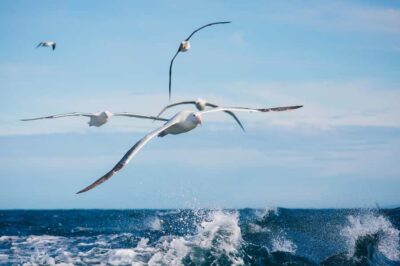
Even if hoiho is shy that day, the Otago Peninsula habitat is not quiet. The tour is set up to help you see a range of animals living in the reserve, including:
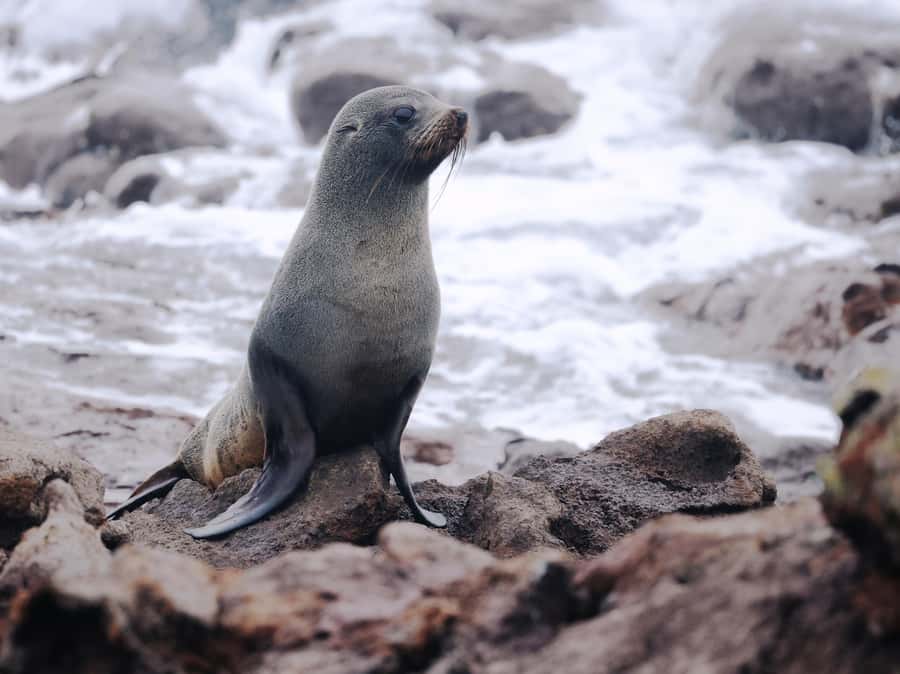
- NZ fur seals
- Sea lions
- Forest and seabirds
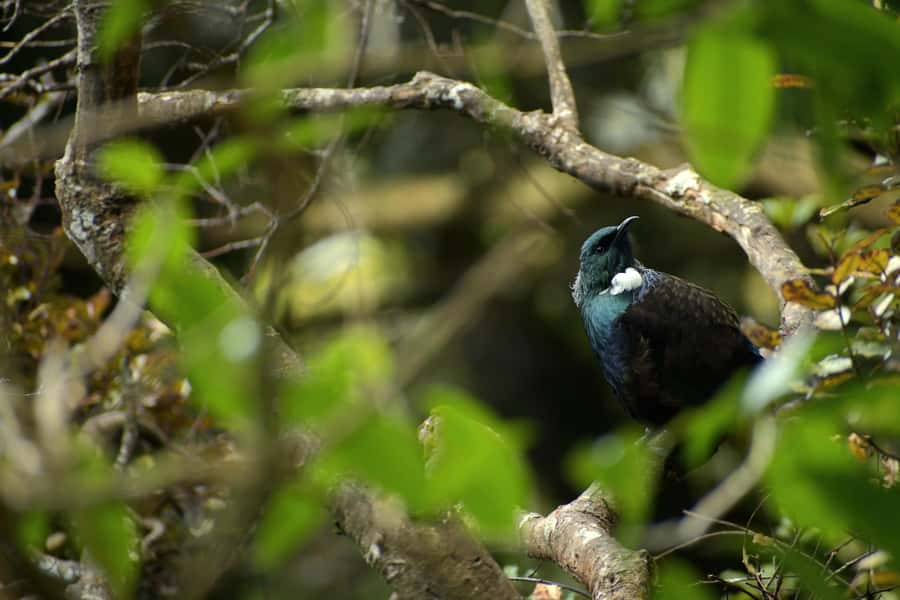
- Shore and land birds
One common theme in the feedback is that seals and sea lions can steal the show, often with curious, close-up behaviour. The reserve also gives you plant life and birdlife context, so you’re not only watching animals, you’re learning what supports them.
This is a smart approach for value. A lot of short tours promise one specific animal and then deliver disappointment. This one is built around a functioning ecosystem and a conservation mission tied to multiple species.
Price and value for a 90-minute conservation tour
At $44 per person for 90 minutes, this is the kind of price that makes sense for a short South Island stop where you want maximum meaning in limited time. You’re paying for three components that would be separate on many itineraries: a guided learning session, access to a rehabilitation centre, and a guided nature walk with transport inside the reserve.
You also get rain jackets included. That small detail matters in Dunedin, where weather can flip fast. If you’re spending real time outdoors, having gear provided helps you avoid cutting the experience short.
And you’re not just paying for viewing. The tour is explicitly tied to protecting endangered penguins and supporting conservation work, including restoring habitat back toward its original state. That blend of education and direct conservation access is where the value becomes more than a wildlife lottery.
Who this tour is best for (and who should skip it)
This is a great fit if you:
- Want a penguin-focused experience without dedicating half a day
- Like guided interpretation and learning how conservation work connects to what you see
- Are comfortable walking about 2 km on uneven outdoor terrain
- Want a chance to see multiple species, not just one
Skip it if you need more accessibility support. It is not suitable for people with mobility impairments, wheelchair users, or visually impaired people, and it isn’t aimed at low-fitness visitors.
It also requires respect for wildlife rules. You can’t smoke and you can’t touch animals. That’s standard for ethical wildlife experiences, but it’s worth noting if you’re planning around your group’s needs.
Small-group feel and guide energy
One of the nicest surprises is that the experience is not treated like a cattle-call. Some guests mention small group format, and guides like Emma and Eden show up repeatedly in the feedback for their passion and ability to answer questions.
That guide interaction is more than personality. When you’re watching wild animals and you only have one or two opportunities to view, you want a guide who can interpret behaviour. The tour’s structure, theatre intro, rehab centre context, and then guided walking makes that possible.
In practical terms, this means you can ask what you’re seeing, why it might be happening, and what the reserve is trying to change for the future.
My verdict: should you book the Dunedin penguin and wildlife tour?
I’d book this tour if you want a short, well-structured Otago Peninsula experience that pairs wildlife viewing chances with conservation learning you can actually use. Even with the reality that penguins are wild and sightings are never guaranteed, the rehab centre access and the range of other animals make it a solid bet.
I would think twice if your only acceptable outcome is Yellow-eyed penguins in the wild. That can happen, but viewing varies, and this tour is honest about that. The upside is that you still leave with a clearer understanding of hoiho and how the reserve works to protect them.
If you’re visiting Dunedin, this is one of the more purposeful ways to spend 90 minutes. It’s not just about spotting animals, it’s about understanding the system that keeps them alive, and supporting the work that gives them a future.
FAQ
Where do I check in for the tour?
Check in at reception at 45 Pakihau Road.
How long is the Dunedin wildlife and penguin tour?
The tour duration is 90 minutes.
What’s included in the price?
Included are a 90-minute guided tour, access to the rehabilitation centre, a nature walk in the reserve, and rain jackets.
Do I need to bring binoculars?
You should bring binoculars for wildlife viewing. Some guests report binoculars can be provided if you forget them, but bringing your own is still the safest plan.
Are penguin sightings guaranteed?
No. The tour explains that wildlife is wild, so viewing can never be guaranteed, and Yellow-eyed penguin viewing varies by year and day.
Can I see yellow-eyed penguins and little penguins?
The reserve is home to hoiho (Yellow-eyed penguins) and kororā (little penguins), and you may see penguins during the walk and at the rehabilitation centre when penguins are present.
What wildlife might I see besides penguins?
The tour describes possible sightings of NZ fur seals, sea lions, and a variety of forest, seabirds, and shore and land birds.
What should I wear and bring?
Wear comfortable walking shoes and outdoor clothing. Bring a camera, binoculars, and outdoor clothing suitable for the weather.
Is this tour suitable for wheelchair users or limited mobility?
No. It is not suitable for people with mobility impairments or wheelchair users.
Is food or drinks included?
Food and drinks are not included.
Everything Else We Wrote Up in Dunedin

Native Wildlife, Up Close
Further Round the Peninsula
Just added to our Dunedin notes
- Private Dunedin City Highlights and Otago Peninsula Day Tour★ 4.3 · 7 reviews
- Dunedin: 3 Hour Artisan Food Walking Tour★ 4.4 · 7 reviews
- Dunedin: Peninsula with Lanarch Castle gardens & Olveston★ 5.0 · 8 reviews
- Dunedin City Highlights & Larnach Castle Tour★ 4.6 · 19 reviews
- Dunedin: Larnach Castle & Gardens Admission Ticket★ 4.6 · 36 reviews
- Dunedin: City Highlights and Otago Peninsula Scenery★ 4.7 · 43 reviews
Dunedin and the Otago Peninsula, compared.
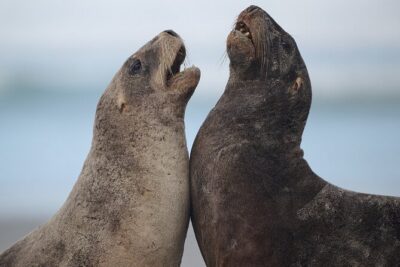 ★ 5.0Clearwater Wildlife Tours (small group 10max) Otago PeninsulaFrom $139531 reviews
 ★ 5.0Speight’s Brewery Tour & Guided TastingFrom $16508 reviews
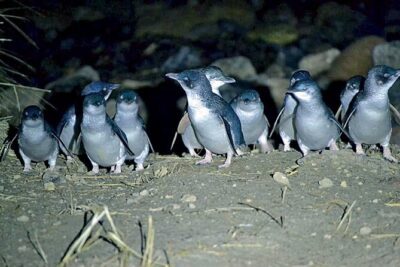 ★ 5.0Guided Evening Penguin Viewing Otago Peninsula, Dunedin, New ZealandFrom $34471 reviews
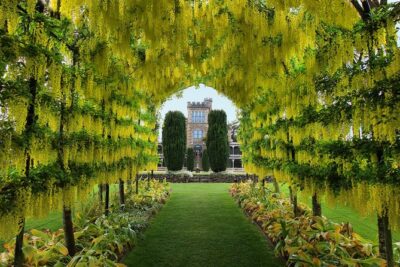 ★ 4.5Larnach Castle and Gardens Admission TicketFrom $29279 reviews
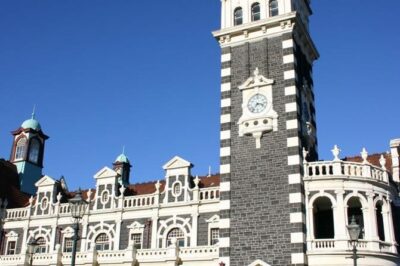 ★ 4.5Dunedin Shore Excursion: Small-Group Tour of Dunedin and the Otago PeninsulaFrom $86270 reviews
 ★ 4.5Otago Peninsula Wildlife Cruise with MonarchFrom $43227 reviews
 ★ 5.0Albatross, seals, and sea birds-Wildlife CruiseFrom $105189 reviews
 ★ 4.8Dunedin: Speight’s Brewery Guided Tour with TastingFrom $28170 reviews
Browse the lists this tour appears in