
REVIEW · NAPIER AND HAWKES BAY
Gannet Safaris Overland tour to Cape Kidnappers Gannet Colony
Gannets up close, farm-to-cliff views. This overland trip is special because Cape Kidnappers gannets are on a private station, and you get the right to cross the land to reach the colony area. I love that you can drive very close to the birds, then take in big Hawke’s Bay views from cliff lookouts. You also get real farm context from your guide, not just bird spotting.
One thing to consider: the route to the plateau runs over rough farm tracks, so you need to feel comfortable getting on and off the vehicle and riding over uneven ground.
In This Review
- Key things to know before you go
- Cape Kidnappers gannets, close enough to feel the moment
- Price and value: why $61.44 makes sense for this stop
- From 396 Clifton Road to the station, expect a rugged drive
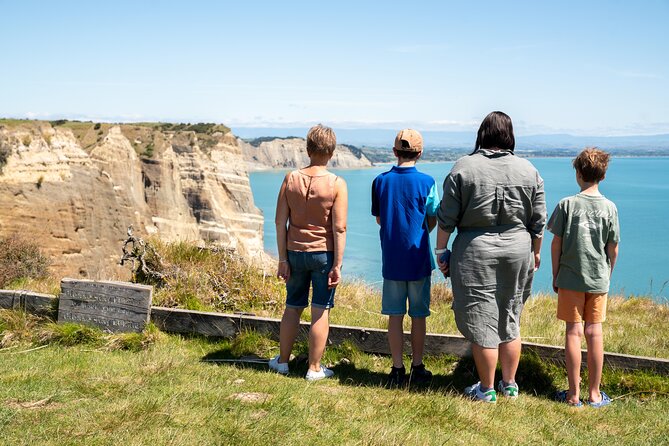
- Hawke’s Bay cliff lookouts: the view that frames the birds
- Farming and conservation talk on Cape Kidnappers Station
- The gannet plateau: close contact, eggs or chicks, and real bird energy
- What to pack and what to wear for a bumpy, bird-filled ride
- Who this tour is best for, and who should skip it
- Should you book Gannet Safaris Overland to Cape Kidnappers?
- FAQ
- What is the duration of the Cape Kidnappers Gannet Colony tour?
- Is there a morning and afternoon departure option?
- Where does the tour start and end?
- Is hotel pickup included?
- What is included in the ticket price?
- Will I have to walk far to see the gannets?
- Is this tour available for cruise ship passengers?
- How close do you get to the gannet colony?
- What is the maximum group size?
- What happens if the weather is poor?
Key things to know before you go
- Private-station access to the gannet plateau: permits let you get close, which most visitors never manage.
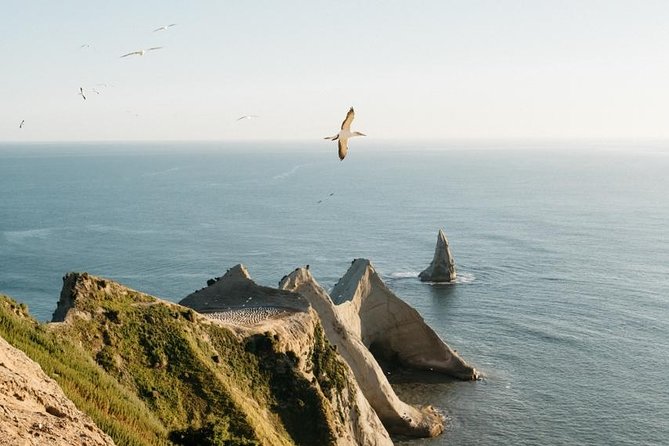
- Cliff top stops with wide 360-degree views: Hawke’s Bay and the Mahia Peninsula come into focus fast.
- Cape Kidnappers Station farming stories: you learn how the land and wildlife share space.
- Air-conditioned, rugged overland transport: comfort matters on a bumpy route.
- A real coffee break included: tea or coffee is part of the experience.
- Up to 50 people max: it stays manageable and easier to watch the birds.
Hawkes Bay, beyond the art deco block
- Gannet Safaris Overland tour to Cape Kidnappers Gannet Colony
★ 5.0 · 942 reviews - Fine Wine Tour in Napier, New Zealand
★ 5.0 · 17 reviews
Cape Kidnappers gannets, close enough to feel the moment
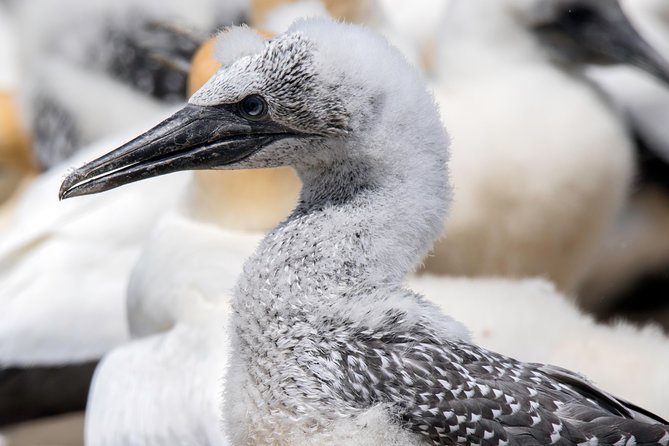
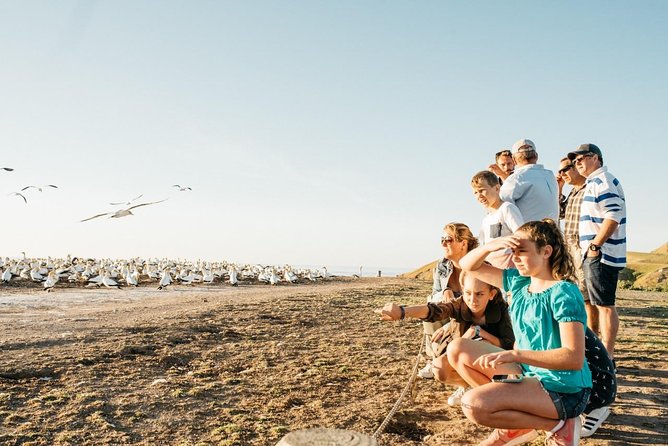
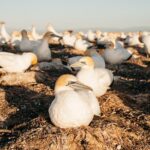
Cape Kidnappers is one of those New Zealand wildlife stops where the setting matters as much as the animals. The colony sits on private land, so the big win here is access. When you reach the gannet plateau, you’re not standing far away behind railings. You’re close enough that the birds’ behavior becomes the show, from head dips and wing stretches to fishy smells that are honestly part of the experience.
What I like most is how the day balances two kinds of wow. One is the birds, in huge numbers. The other is the view, especially once you’re up high. You’ll look out over Hawke’s Bay and toward the Mahia Peninsula, and the coastline adds drama as you peer down toward Clifton Beach.
It also helps that this tour keeps moving at a human pace. You avoid long walks, so your time goes to watching and learning, not trudging. If you want a genuine wildlife encounter without turning it into a hike, this is built for you.
Price and value: why $61.44 makes sense for this stop
At about $61.44 per person for roughly 3 hours, this tour isn’t trying to be a full-day expedition. The value comes from three practical pieces you actually use.
First, transport is included, and it’s air-conditioned. That matters when you’re driving across farm tracks and scrambling to get to the right viewpoints. Second, coffee or tea and beverages are included. It sounds simple, but in reality it turns the middle of the trip from transit into a proper break. Third, you’re paying for proximity. Getting within meters of a colony on private station land is the whole point, and the permit access is exactly what you’re buying.
Is it worth it if the weather is average? In most cases, yes, because the viewpoints are still there and the birds still do bird things. Just know that bird activity and visibility can vary by season and conditions. The best visits tend to be the ones where you’re not rushing and the colony is calm enough to watch feeding and nesting routines.
From 396 Clifton Road to the station, expect a rugged drive
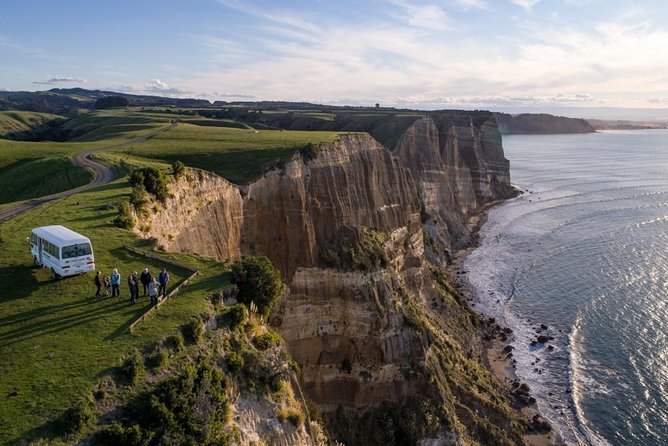
Your tour starts and ends at 396 Clifton Road in Clifton. From there, you head toward Cape Kidnappers Station in an air-conditioned minivan. This is not a smooth, highway-only ride. The route uses rugged tracks and farm roads, and the vehicle can feel bouncy at times.
That roughness is also part of why the experience feels authentic. You’re crossing working farmland and wildlife sanctuary ground to reach the plateau area. You’ll get a better sense of how the station operates, and why this coastline is protected and managed the way it is.
Practical tip: wear shoes you trust for uneven ground and plan for some step-on and step-off moments. If you’re bringing older family members or anyone with mobility limits, you’ll probably be fine because the tour avoids long walking, but the vehicle access still matters. A light jacket helps too, since coastal weather can shift quickly.
Hawke’s Bay cliff lookouts: the view that frames the birds
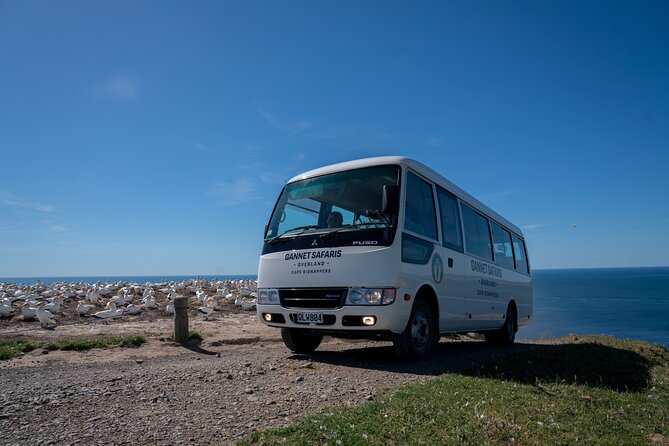
A big part of the trip happens before you even reach the colony. You stop at several lookout points with wide 360-degree views across Hawke’s Bay. These stops are not quick peeks. They’re designed so you can actually look, reframe your photos, and understand the geography.
One highlight is the way the cliffs reveal Clifton Beach below. From the top, the coastline looks like a cutout of New Zealand drama, and it helps you understand why seabirds choose this terrain. You also get the Mahia Peninsula in your field of view, which gives the landscape a larger context than most people see from town.
If you like photography, these are your easiest wins. The birds are fascinating, but the cliff stops let you take steady wide shots without fish-smell distractions. They also give you a chance to settle in before you arrive at the colony, so you’re ready to focus on bird behavior when you finally get close.
Farming and conservation talk on Cape Kidnappers Station
The guide commentary is where the tour turns from seeing birds to understanding the place. You’ll hear about farming on Cape Kidnappers Station, and how the station works alongside conservation goals. That balance is essential here, since the colony is on private property.
I love tours where you learn why a location exists, not just what you’re looking at. Here, the station story gives you that missing layer. It explains why access is limited, how permits make it possible to reach the gannet plateau, and how locals and conservationists think about this coastline.
Guides on this route can be storytellers, with names like Marcus and Jan showing up for past departures. Whoever you get, the common thread is practical explanation: how land management shapes habitat, and how the birds fit into the bigger Hawke’s Bay system.
And yes, you’ll likely pick up extra wildlife tidbits along the way. Some people have spotted different bird species in the region during their visit, on top of the gannets. That kind of bonus is never guaranteed, but it’s a good reminder to keep your eyes up during the drive, not just when you reach the plateau.
The gannet plateau: close contact, eggs or chicks, and real bird energy
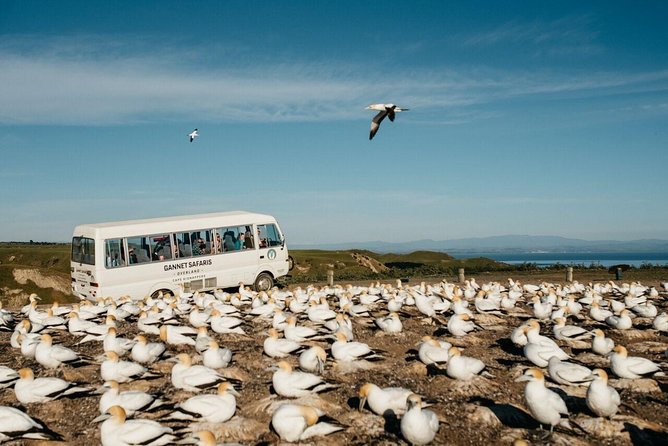
When you reach the plateau, the tour really delivers on its promise. You get close to the action, with minimal walking. From that vantage, you can watch the colony’s rhythm up close, including nesting behavior and daily routines.
Depending on timing in the season, you might see eggs and newly hatched chicks, or you might see the colony more focused on feeding and day-to-day flight activity. Some departures include moments like a parent feeding a young gannet, which can be surprisingly intimate when you’re standing near the nest area.
Also, accept one sensory truth: it smells like fish. That smell is part of the realism, and it can hit early because you’re close. If you’re sensitive to strong odors, you’ll still be able to enjoy the birds, but it’s better to know this upfront so you’re not shocked.
For photos and videos, position yourself so you’re comfortable watching first, then shooting. The birds move fast, and the best shots often come after you’ve settled into watching for a few minutes. You’ll usually have time to explore and observe without feeling herded.
What to pack and what to wear for a bumpy, bird-filled ride
This is a practical tour, so keep your kit simple. Bring sunscreen, a hat, and comfortable layers you can adjust as the wind changes. One useful detail: sunscreen is provided on this trip, but you should still bring your own if you’re picky about brands.
A light jacket is smart even in warmer months because coastal air can feel cool once you’re higher on the cliffs. If you tend to get cold easily on vehicle rides, pack something warm enough for an outdoor viewing stop.
Wear shoes with good grip. Even if you’re not doing a long walk, you may stand on uneven ground near the colony area or during lookout stops. And because the drive involves rough terrain, avoid anything restrictive. Loose layers and secure footwear make everything easier.
Finally, plan your phone strategy. You might get a lot of video. But give yourself a minute to look with your own eyes first. The colony’s scale is easier to understand once you’ve taken it in without the screen.
Who this tour is best for, and who should skip it
This is a great fit for you if you want:
- Up-close wildlife without a long hike
- Scenic viewpoints over Hawke’s Bay paired with a real conservation context
- A short, well-paced outing that fits into other Napier or Hawke’s Bay plans
It also works well if you like guides who mix bird info with practical storytelling about farming and the station.
You might want a different plan if you:
- Hate bumpy rides and prefer smooth, paved routes only
- Strongly dislike intense smells, since the colony area can be fishy when you’re close
- Need totally step-free access, since getting on and off the vehicle is part of the experience (even though the walking is kept short)
If you’re visiting during a quieter season, you might see fewer birds than the peak crowds. Still, even later in the season, the colony can be very active, and you’re there for behavior and proximity, not just a number.
Should you book Gannet Safaris Overland to Cape Kidnappers?
If you’re aiming for one signature wildlife moment around Hawke’s Bay, I’d book this. The price feels fair for what you get: air-conditioned transport, coffee or tea included, close access to a private-station colony, and cliff views that most people miss.
The decision gets even easier if you value learning as you watch. The farm and conservation context adds meaning, and it turns a bird stop into a real sense of place.
Just pick a day when the weather looks cooperative. This experience depends on good conditions, and when visibility is good, both the viewpoints and the colony viewing feel better.
If you want a short outing that gives you close gannet action plus big coastal drama, this is one of the smarter bets around Napier and Clifton.
FAQ
What is the duration of the Cape Kidnappers Gannet Colony tour?
The tour runs about 3 hours.
Is there a morning and afternoon departure option?
Yes, the tour operates with both morning and afternoon departures.
Where does the tour start and end?
It starts at 396 Clifton Road, Clifton 4180, New Zealand, and it ends back at the same meeting point.
Is hotel pickup included?
Hotel pickup and drop-off is not included unless you selected that option.
What is included in the ticket price?
The tour includes beverages, coffee and/or tea, and transport by an air-conditioned minivan.
Will I have to walk far to see the gannets?
No. The tour is designed to help you avoid long walking and to drive close to the gannet colony area.
Is this tour available for cruise ship passengers?
No, this tour is not available for cruise ship passengers.
How close do you get to the gannet colony?
The tour is designed so you can drive to within meters of the gannet colony.
What is the maximum group size?
The tour has a maximum of 50 people.
What happens if the weather is poor?
This experience requires good weather. If it is canceled due to poor weather, you will be offered a different date or a full refund.
Everything Else We Wrote Up in North Island
Native Wildlife, Up Close
Hawkes Bay, Beyond Art Deco

Just added to our North Island notes
- Wool Sheep Farm Experience with Handmade Wool Hat in New Zealand★ 5.0 · 9 reviews
- Private tour to Cape Kidnappers Gannet Colony★ 5.0 · 10 reviews
- Cathedral Cove Dive & Snorkel- Marine Reserve specialised trips★ 5.0 · 11 reviews
- Leigh: Goat Island Clear Kayak Rental★ 4.0 · 16 reviews
- Fine Wine Tour in Napier, New Zealand★ 5.0 · 17 reviews
- Puketi Rainforest Guided Walks .This is not a Shore Excursion product .★ 5.0 · 20 reviews
Napier and Hawkes Bay, compared.
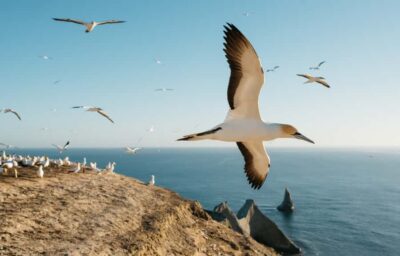 ★ 4.8Napier: Cape Kidnappers Gannet, Nature & Sightseeing TourFrom $59317 reviews
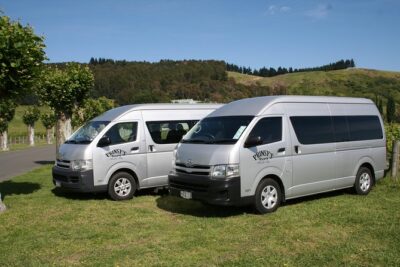 ★ 5.0Top-Rated Hawke’s Bay Wine Tour – Small GroupFrom $111256 reviews
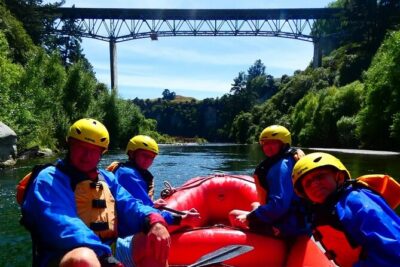 ★ 5.0Shore Excursion: Scenic Rafting from NapierFrom $139179 reviews
 ★ 4.5Guided 10am Morning Art Deco Walk From Napier Art Deco TrustFrom $20167 reviews
 ★ 4.8Napier: Afternoon Winery & Gin Tasting Tour Thu Fri SatFrom $99143 reviews
 ★ 5.0Napier: Afternoon Wine Tasting + visit Silky Oaks ChocolatesFrom $121135 reviews
 ★ 5.0Premium 4 -Best Wineries Napier Hawke’s Bay Tour, 5.5h – 6HoursFrom $114134 reviews
 ★ 5.0Scenic Te Mata Peak Tour by SupertrikeFrom $136100 reviews
Browse the lists this tour appears in