
REVIEW · MAORI CULTURAL EXPERIENCES
Rotorua: Whakarewarewa Village Guided Tour
One hour in a living Maori village, right next to geothermal power. The Whakarewarewa Legacy Guided Tour is a practical, up-close look at how people have used steam vents and hot pools for cooking, bathing, and everyday life for centuries. I like the way the guide connects the thermal sights to real village routines, not just rocks and steam.
What I love most is the geothermal valley viewing: you get to see signature formations, plus panoramic outlooks with geyser views. I also love the hands-on touch, like tasting corn cooked in the mineral springs. One drawback to plan for: this is an outdoor tour in all weather, so wear shoes you can trust on damp paths.
In This Review
- Key highlights to watch for
- Rotorua’s Whakarewarewa Village feels like a place people live
- Starting at Geyser Café, then straight into the village rhythm
- Geothermal valley lookouts: Pōhutu geyser views and steam vent context
- Boiling mud pools and bubbling hot water: what daily life includes
- Historic landmarks inside an active Māori meeting space
- Watching how the tour teaches respect and safety at once
- Corn on the cob cooked in mineral springs, plus guide moments
- How the 1-hour format fits Rotorua without burning your day
- Price and value: why $28 for admission and a guided tour makes sense
- What to bring, and what the weather can change
- Who should book this tour, and who might prefer another option
- Should you book the Whakarewarewa Legacy Guided Tour?
- FAQ
- Where does the Whakarewarewa Village Guided Tour start?
- How early should I arrive?
- Do I need to exchange a voucher?
- What is included in the tour price?
- How long is the tour?
- Is the tour indoors or outdoors?
- What language is the live guide?
- Is the tour wheelchair accessible?
- What should I bring?
Key highlights to watch for
- Pōhutu geyser lookouts with wide views and easy context on what you are seeing
- Boiling mud pools, steam vents, and bubbling thermal water in a working Maori geothermal setting
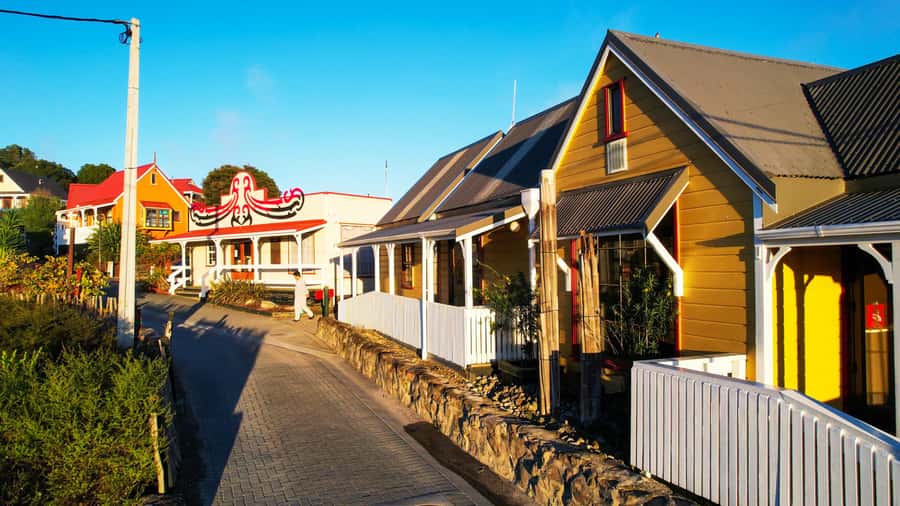
- Authentic village stops including an active marae and other historic landmarks
- Corn on the cob cooked on-site for a simple, memorable food moment
- Safety-first guidance that helps you enjoy the geothermal sights without rushing
- Real guide stories from people who grew up around the village and its traditions
What else Rotorua puts on
- Rotorua Canopy Tours: 2.5Hour Native Forest Zipline Adventure
★ 5.0 · 4,563 reviews - Rotorua: Wai-O-Tapu Geothermal Park Entry Ticket
★ 4.6 · 2,601 reviews - Rotorua’s Ultimate Zipline: 6 ziplines, 400 m Tandem, Cliff Walk
★ 5.0 · 2,557 reviews - Rotorua Rafting: Kaituna River White Water Rafting & Free Sauna
★ 5.0 · 1,952 reviews
Rotorua’s Whakarewarewa Village feels like a place people live
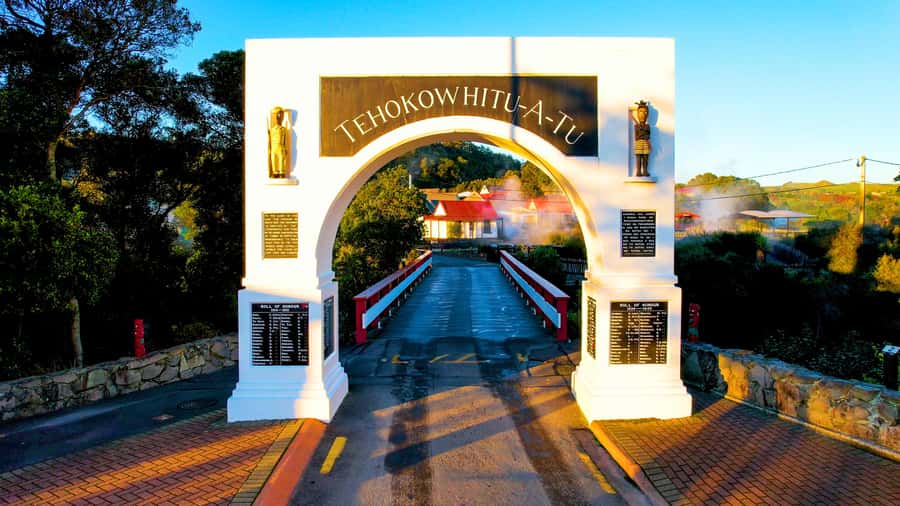
Whakarewarewa is not a theme park. It is a living Māori village, where geothermal energy is part of daily life. On this guided tour, the biggest value is how the guide explains the why behind the sights, from cooking to community gathering.
I also like the people-to-place connection. The guides are described as direct descendants of early Māori guides, so you are hearing continuity, not just a script. That tends to make the information land better, especially when you ask questions.
Culturally, you will also notice manaakitanga, the idea of hospitality. It shows up in the way the guide welcomes you, sets expectations, and shares what matters in the village. You can feel that this is a home first, and a visitor experience second.
Starting at Geyser Café, then straight into the village rhythm
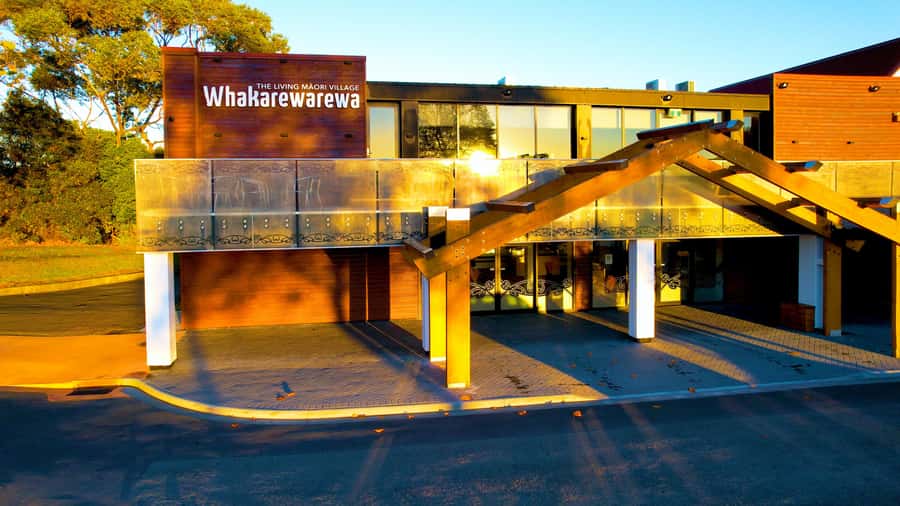
The tour begins at Geyser Café. Plan to arrive 15 minutes early so you have time to exchange your voucher at the admissions building before the tour starts.
Right away, there is a quick safety briefing that lasts about 5 minutes. In practice, that means you will get simple guidance on how to move around geothermal areas and where you should and should not step. It is the kind of thing you appreciate more than you think, because Rotorua geothermal areas can be active and unpredictable.
You will be walking outdoors and your guide will keep you on track for the hour. Wear comfortable shoes. Bring a camera, and if you prefer, bring a face mask or protective covering.
Geothermal valley lookouts: Pōhutu geyser views and steam vent context
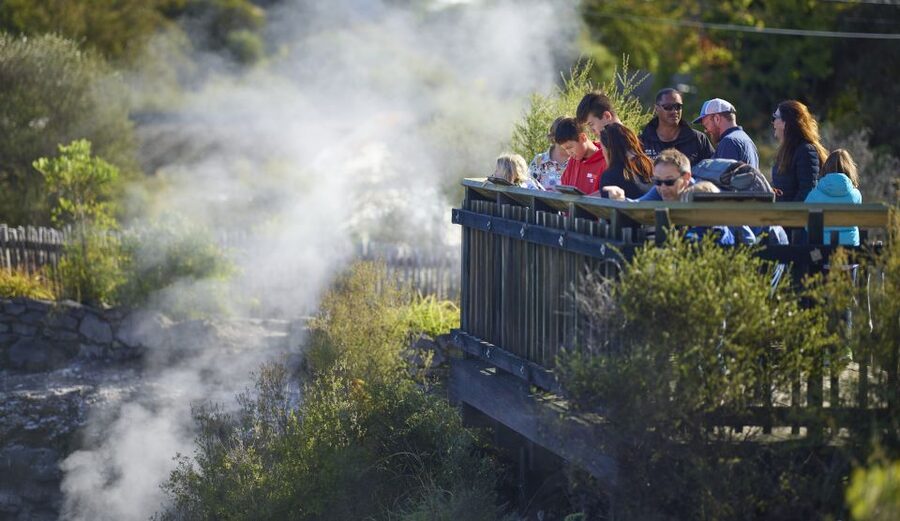
One of the best parts of Rotorua is that it is easy to spot geothermal activity. The trick is understanding what you are actually looking at. This tour helps with that, especially during the lookouts.
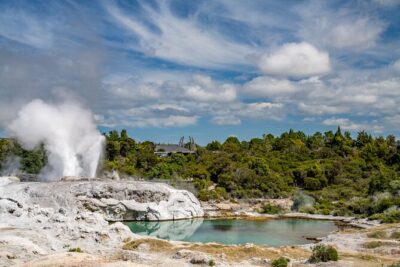
You are guided to views over Whakarewarewa Geothermal Valley, including the world-famous Pōhutu geyser. From these spots, you get a sense of scale, how the vents and features sit in the plateau, and why the area feels so alive.
You also get help reading the steam and color changes. The tour highlights silica formations created by nature, and you will likely spot how mineral-rich water shapes the ground. If you have only seen geysers from boardwalks elsewhere, this gives you a clearer sense of the geothermal system behind the scenes.
Boiling mud pools and bubbling hot water: what daily life includes
This is where the tour turns from sightseeing into understanding. Whakarewarewa uses the geothermal resource for cooking, bathe, and heating homes, and the guide explains what that looks like day to day.
You will see boiling hot pools, boiling mud-pools, steam vents, and bubbling pools. Even if you have visited other thermal attractions, the context here matters. The guide frames these features as something people live with, not just something to photograph and move past.
The tour also talks about the therapeutic waters used for bathing. That detail helps you understand why the village puts geothermal energy at the center of life. When you hear about how people use the pools regularly, the steaming water stops feeling like a random spectacle and starts feeling like infrastructure.
A practical tip: keep your camera ready, but also pause and watch. Geothermal areas have rhythms, and it is easier to catch movement and texture changes when you are not always filming.
Other Maori-led experiences we have reviewed
Historic landmarks inside an active Māori meeting space
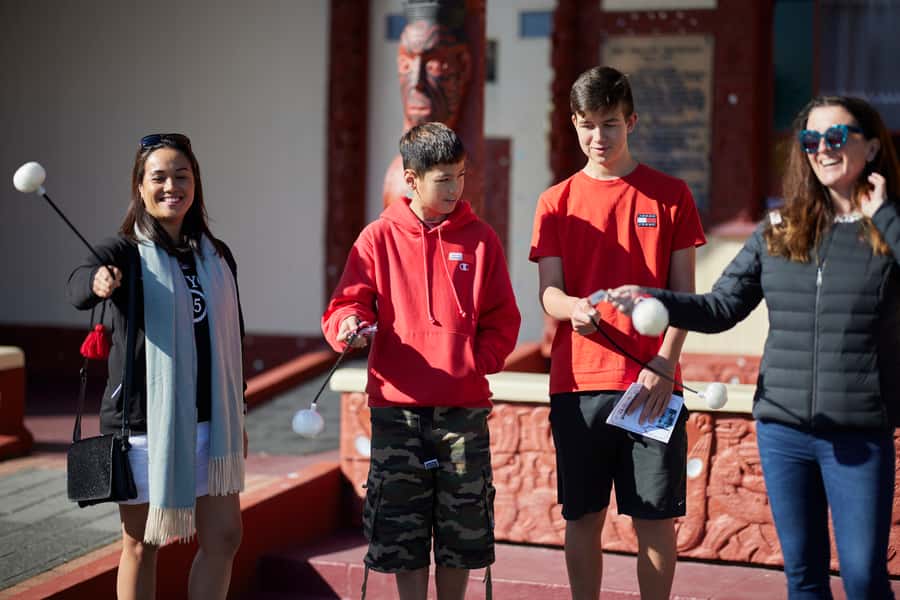
The tour does more than point at geothermal features. You also visit historic landmarks and buildings, including an active marae, the meeting grounds that are a focal point for Māori communities.
Seeing an active marae during a guided visit is meaningful. It reminds you this is a living community with responsibilities and traditions, not a historical set. The guide’s explanations help you understand why certain areas carry special rules and respect.
You will also encounter the WWII Memorial Archway, plus historic churches. Those stops widen the story beyond geothermal life, showing how communities have layered different eras of history in the same place.
Finally, you will see tapu (sacred) burial grounds. You do not need to be an expert on tikanga to feel the seriousness of this stop. What matters is how the guide frames it and how carefully you move and observe.
If you are the type who wants to ask questions, this is also a good time. Guides named in guest comments, like Faye, Daniel, Teeao, and Keighly, are repeatedly described as sharing stories with humor and detail, and that tends to make these cultural stops easier to follow.
Watching how the tour teaches respect and safety at once
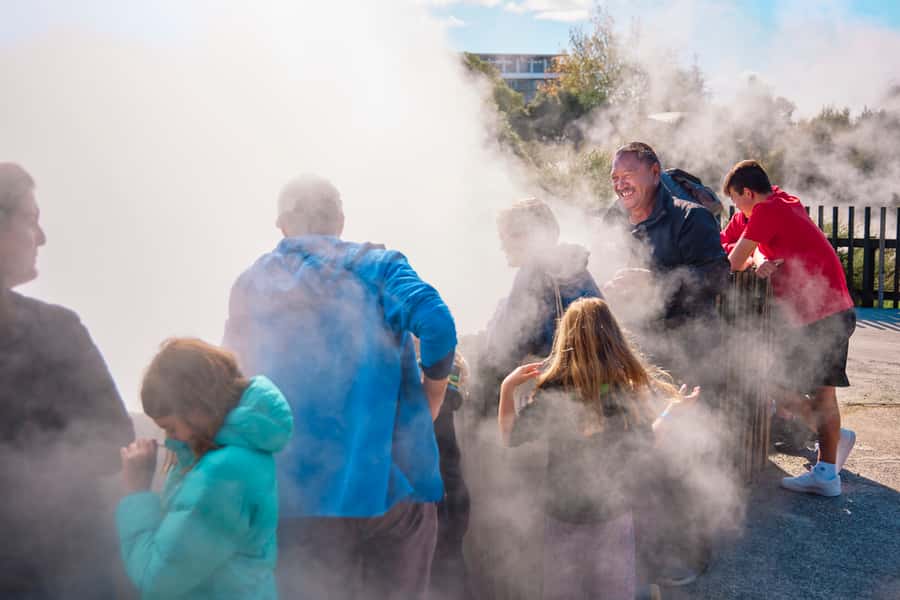
Geothermal areas can tempt you to get close. This tour keeps the focus on enjoying what is around you while staying within safe boundaries.
You will do this in a small set of guided steps, instead of wandering on your own. That matters because the guide can point out what is safe to approach and what is not, without making you guess. The 5-minute safety briefing sets the tone, and the rest of the tour reinforces it.
Also, the village setting changes your pace. You are not rushing to the next viewpoint. The guide builds time for you to look, listen, and connect the story to what your eyes are seeing.
There is another subtle benefit: questions come up naturally. When you hear why a place is sacred or why certain pools are used, your curiosity gets channeled into respectful listening.
Corn on the cob cooked in mineral springs, plus guide moments
Included in the tour is corn on the cob. This is one of those simple add-ons that ends up being a highlight because it connects the geothermal resource to food you can taste right away.
The guide explains the idea behind cooking with geothermal energy, then you get to sample the corn. Several guest accounts specifically mention the corn being taken out in front of them and served hot. You can treat it as a snack, but it also works as a small reality check: if geothermal cooking can make corn taste great, you start to grasp how integrated it is in village life.
You may also notice guide style. In reviews, guides such as Daniel are mentioned for being lively, and one guide is even described as ending with a blessing. Even if your guide does not do exactly that, you can expect a warm, personable tone rather than a stiff lecture.
How the 1-hour format fits Rotorua without burning your day
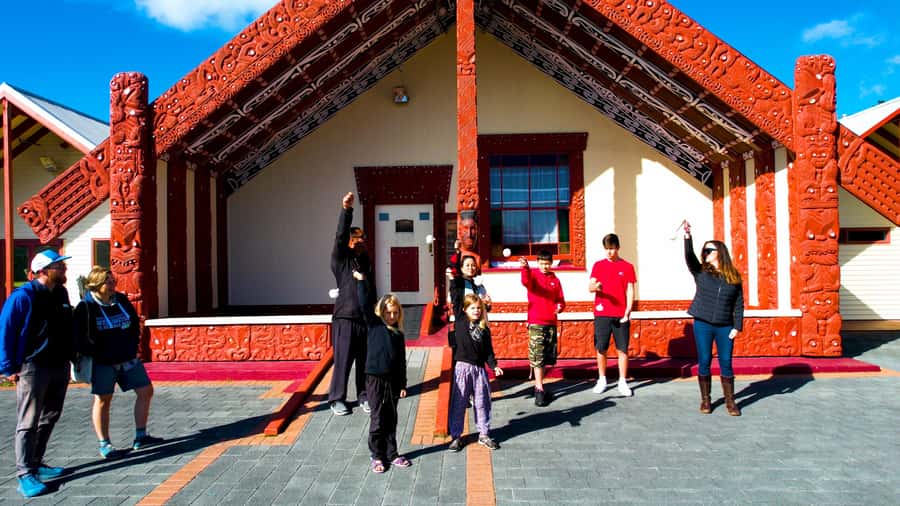
A common mistake in Rotorua is scheduling too much. This is a 1-hour tour, so it fits neatly into a busy itinerary.
Because it is shorter, you get just enough time to cover the key geothermal sights and village stops without feeling like you are stuck on your feet forever. The tradeoff is that you will not have hours to roam independently through every corner of the village.
That means you should come in with one clear goal: learn how geothermal life works here. If you do, the hour feels full. If you come just to collect photos, you might wish it were longer.
If you are pairing activities, this one is a strong mid-day or early afternoon choice. It also works well if you plan to visit other geothermal viewpoints the same day, because you will understand what to look for in between.
Price and value: why $28 for admission and a guided tour makes sense
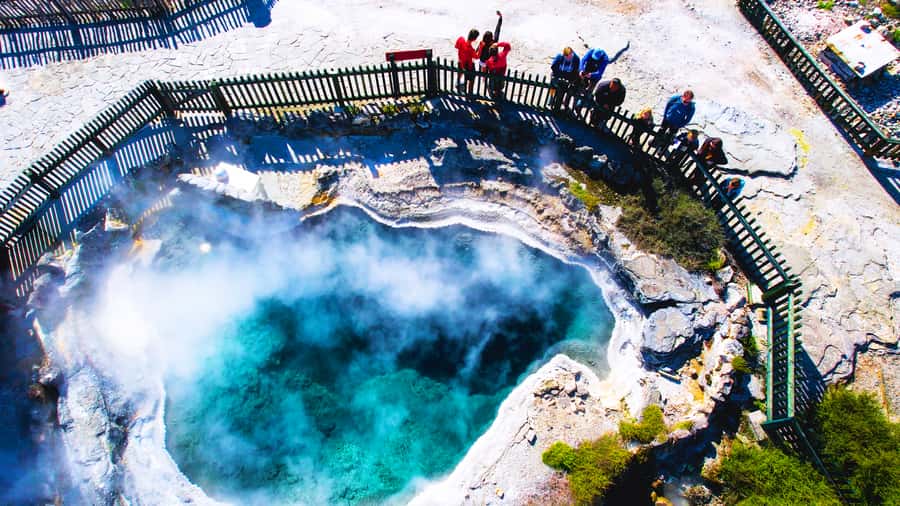
At $28 per person for admission plus a guided tour, plus corn on the cob, the value is in the guide-led context. In Rotorua, you can find thermal attractions that are mostly self-guided. Here, you are paying for interpretation.
You also get a focused selection of features: geothermal valley lookouts, boiling and steaming pools, and cultural stops like the marae and memorial archway. In a short time, you cover a lot of ground with fewer guesswork moments.
Is $28 a bargain? It is priced like an experience where the guide is the product. If you like learning and you ask questions, you tend to get your money’s worth. If you just want a quick photo stop, you may feel the tour is more structured than you need.
Either way, it is smart to remember what you are paying for: access to an active village setting with an explanation that helps you respect what you are seeing.
What to bring, and what the weather can change
This tour is outdoors and runs in all weather conditions. That is important in Rotorua, where conditions can shift fast.
Bring comfortable shoes because paths can get slick. Bring your camera, and consider a face mask or protective covering if that is part of your personal comfort routine. If you are sensitive to the smell of sulfur, you might also find it helps to bring a light layer, because standing near steam can feel intense in cool air.
If you hate getting wet, pack a compact rain layer. Since the tour is only an hour, you can usually manage weather discomfort better than on half-day tours.
Wheelchair accessibility is mentioned, so if you need mobility support, you should be able to join. You will still want to wear grippy footwear for your own comfort.
Who should book this tour, and who might prefer another option
I think this tour is ideal if you want both geothermal sights and real cultural context. It is a great fit for couples, small groups, and families who like hands-on learning and guided storytelling.
It also works well if you are a first-time Rotorua visitor. The thermal attractions can blur together fast. This tour helps you sort what you are seeing into a coherent picture.
However, if you are mostly here for long wandering time and you dislike guided groups, the 1-hour structure may feel a bit tight. Also, if weather truly ruins your outdoor comfort, you might prefer a more sheltered activity on the same day.
Should you book the Whakarewarewa Legacy Guided Tour?
Yes, if you want Rotorua that feels like a place people live, not just a geothermal show. The standout value is the combination of Pōhutu geyser views, up-close thermal features, and village stops like the active marae and sacred burial grounds, all explained by guides who know the place from the inside.
Book it if you like asking questions and getting context. If you are the type who reads every sign and wants the stories behind what you see, you will appreciate this tour’s pace and focus.
My practical advice: wear grippy shoes, plan for damp weather, and come ready to look slowly. Then you will get the best return on your $28 hour.
FAQ
Where does the Whakarewarewa Village Guided Tour start?
It starts at Geyser Café.
How early should I arrive?
Arrive 15 minutes before the tour starts.
Do I need to exchange a voucher?
Yes. You must exchange your voucher at the admissions building before the tour begins.
What is included in the tour price?
Included are admission, a guided tour, and corn on the cob.
How long is the tour?
The tour lasts 1 hour.
Is the tour indoors or outdoors?
It is outdoors and takes place in all weather conditions.
What language is the live guide?
The live tour guide is English.
Is the tour wheelchair accessible?
Yes, the tour is wheelchair accessible.
What should I bring?
Bring comfortable shoes and a camera. A face mask or protective covering is also recommended.
Everything Else We Wrote Up in Rotorua

Other Maori-Led Experiences


Rotorua, Three More Ways
Just added to our Rotorua notes
- Rotorua: Waimangu Valley Walk and Steaming Cliffs Kayak Tour★ 4.7 · 6 reviews
- Rotorua: Lake View Private Pools Experience★ 4.3 · 6 reviews
- Rotorua: Floatplane Flight with Orakei Korako Landing★ 5.0 · 6 reviews
- Rotorua: Evening Starlight Gourmet Kayak Tour with dinner★ 5.0 · 6 reviews
- Rangitaiki Rafting Grade 2★ 4.8 · 6 reviews
- One Day Birding Adventure★ 5.0 · 7 reviews
Maori Cultural Experiences, compared.
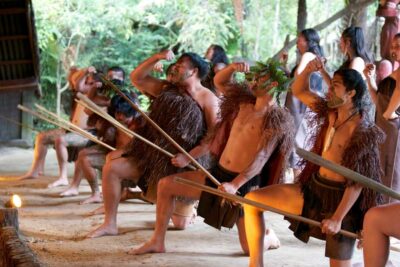 ★ 4.7Mitai Maori Village: Cultural Experience and Dinner BuffetFrom $1013,575 reviews
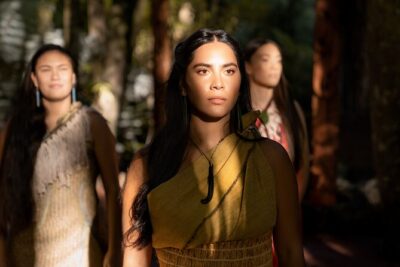 ★ 5.0Cultural Experience & Seasonal Māori Cuisine at Te Pā TūFrom $1671,546 reviews
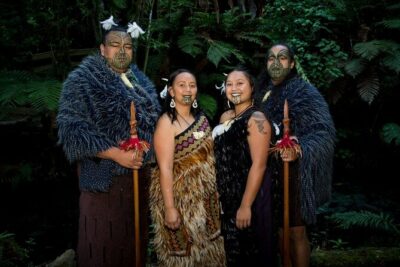 ★ 4.5Mitai Maori Village Cultural Experience in RotoruaFrom $1041,294 reviews
 ★ 4.8Rotorua: Te Pa Tu Māori Cultural Experience with DinnerFrom $1671,193 reviews
 ★ 4.8Lake Taupo: Sailboat Trip to the Maori Rock CarvingsFrom $35972 reviews
 ★ 4.5Lake Taupō Māori Rock Carvings Scenic Cruise aboard Ernest KempFrom $31901 reviews
 ★ 5.0Maori Rock Carvings Eco Sailing TaupoFrom $33758 reviews
 ★ 4.5Waitomo Caves & Rotorua – Te Puia Small-Group Tour from AucklandFrom $253681 reviews
Browse the lists this tour appears in