
REVIEW · TAUPO AND HUKA FALLS
Rotorua: Floatplane Flight with Orakei Korako Landing
A river landing changes everything. This Rotorua floatplane flight blends aerial views with an in-the-action Waikato River landing at Orakei Korako, plus a walk through one of the most atmospheric geothermal parks in the region. I like that you get both a big-picture perspective from the air and up-close thermal sights on the ground.
One thing to weigh is comfort and motion. The compact cabin means getting in and out takes a bit of flexibility, and the flight can be a little bumpy when conditions aren’t perfect.
In This Review
- Key Things You’ll Notice on This Rotorua Floatplane + Orakei Korako Landing
- Why the Waikato River Landing at Orakei Korako Feels Like the Whole Point
- The Floatplane Route: Lake Rotorua to Mount Tarawera Craters
- Waimangu and Wai-O-Tapu From Above, and What to Look For
- Orakei Korako: One Hour, Self-Guided, and How to Pace It
- What It Feels Like in the Plane: Small Group, Compact Seats, and Pilot Ben
- Price and Value: Is $505 Worth It for This Rotorua Combo?
- What to Bring, What to Wear, and When to Go
- Who Should Book This Rotorua Floatplane With Orakei Korako Landing
- Should You Book This Rotorua Floatplane to Orakei Korako?
- FAQ
- How long is the Rotorua floatplane flight with Orakei Korako landing?
- Where does the tour start and end?
- What is included in the price?
- Is hotel pickup or drop-off included?
- Do I get food or drinks?
- How long do I spend walking around Orakei Korako?
- What should I bring for the walk?
- How big is the group?
- Are there any health restrictions?
- Is smoking allowed?
Key Things You’ll Notice on This Rotorua Floatplane + Orakei Korako Landing
- Waikato River touchdown gives you a rare perspective, gliding past native bush and river bends before you dock
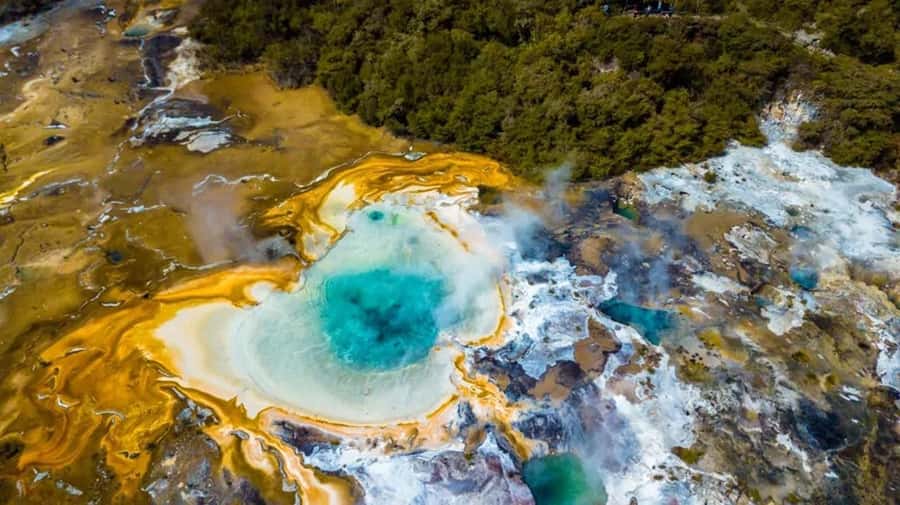
- Orakei Korako is the landing payoff, with a self-guided one-hour walk through steaming springs, geysers, mud pools, a thermal cave, and silica terraces
- Mount Tarawera and the 17 km volcanic rift show why this area is still reshaping itself, including colorful crater views from above
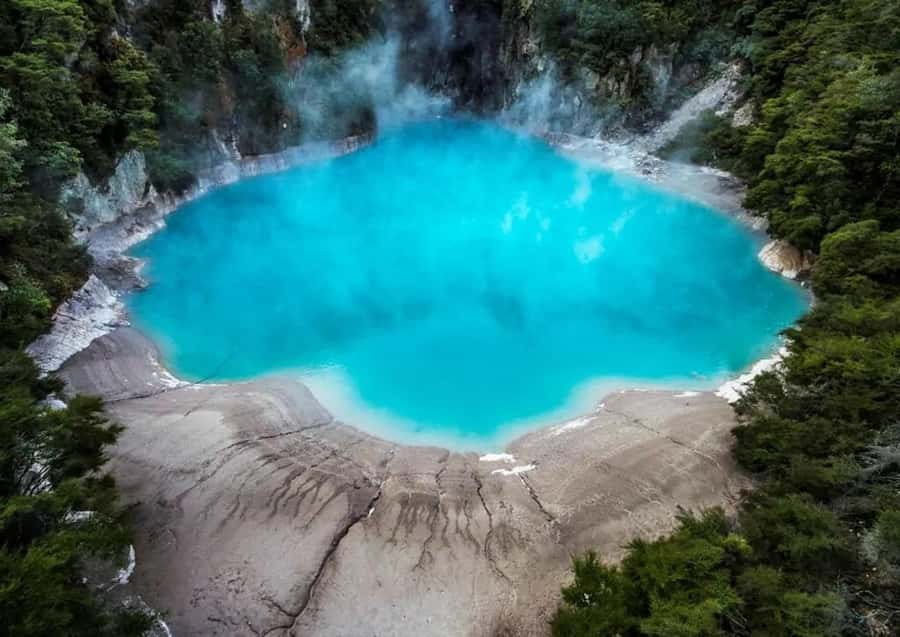
- Frying Pan Lake and Inferno Crater stand out from the air, especially the striking blue waters of the crater
- A tight small group (up to 6) keeps the experience personal, with pilot commentary to connect what you see to what it means
What else Rotorua puts on
- Rotorua Canopy Tours: 2.5Hour Native Forest Zipline Adventure
★ 5.0 · 4,563 reviews - Rotorua: Wai-O-Tapu Geothermal Park Entry Ticket
★ 4.6 · 2,601 reviews - Rotorua’s Ultimate Zipline: 6 ziplines, 400 m Tandem, Cliff Walk
★ 5.0 · 2,557 reviews - Rotorua Rafting: Kaituna River White Water Rafting & Free Sauna
★ 5.0 · 1,952 reviews
Why the Waikato River Landing at Orakei Korako Feels Like the Whole Point
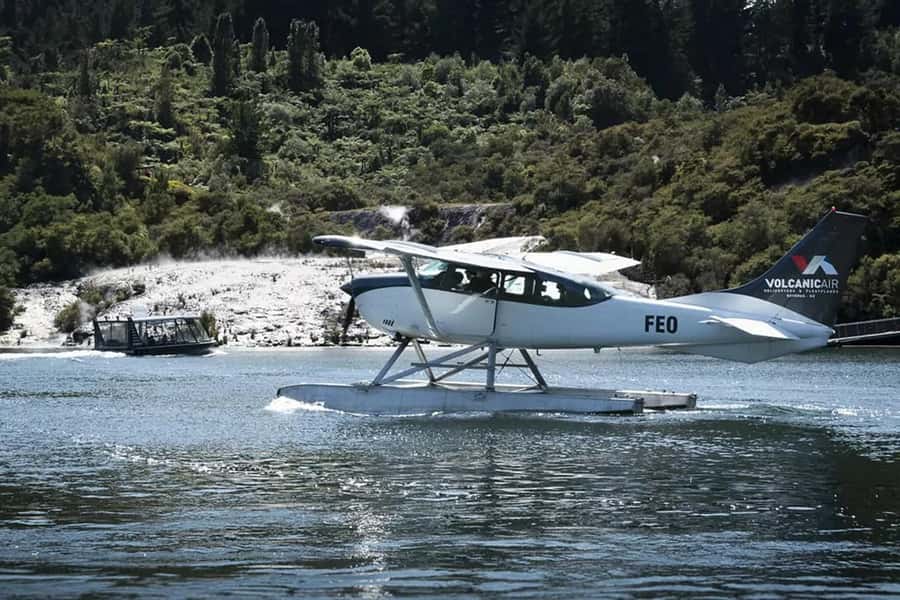
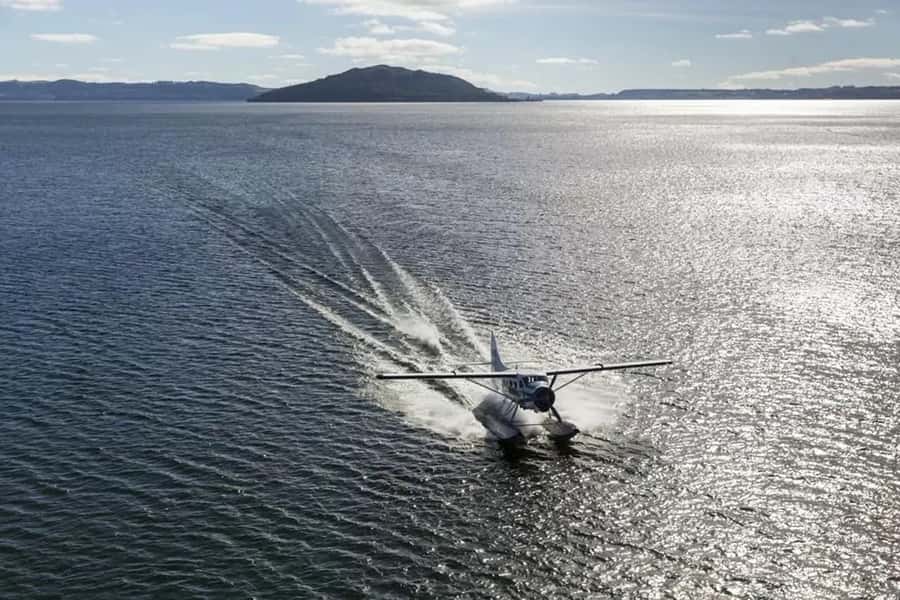
Rotorua is famous for geothermal activity, but most viewpoints are either road pullouts or walking tracks. This experience flips the script by dropping you onto the Waikato River before you set foot in Orakei Korako’s thermal valley. That river landing is the kind of detail that sticks because it changes the “feel” of the day. You’re not just looking at nature, you’re moving with it, low and close, right as the pilot lines up the approach.
Once you’re on land, Orakei Korako delivers what you hope for from geothermal country: active features you can smell and hear, not just admire from afar. You get a one-hour self-guided walk, which is ideal if you like moving at your own pace instead of feeling rushed. You also get variety without exhausting yourself, because you’re exploring one focused park right after the most scenic segment of the flight.
The hidden valley setting matters too. The floatplane approach and then the park itself make the whole area feel like a private pocket of geothermal action. For me, the balance is the key value here: the sky does the “wow,” and the ground does the “wow, up close.”
The Floatplane Route: Lake Rotorua to Mount Tarawera Craters
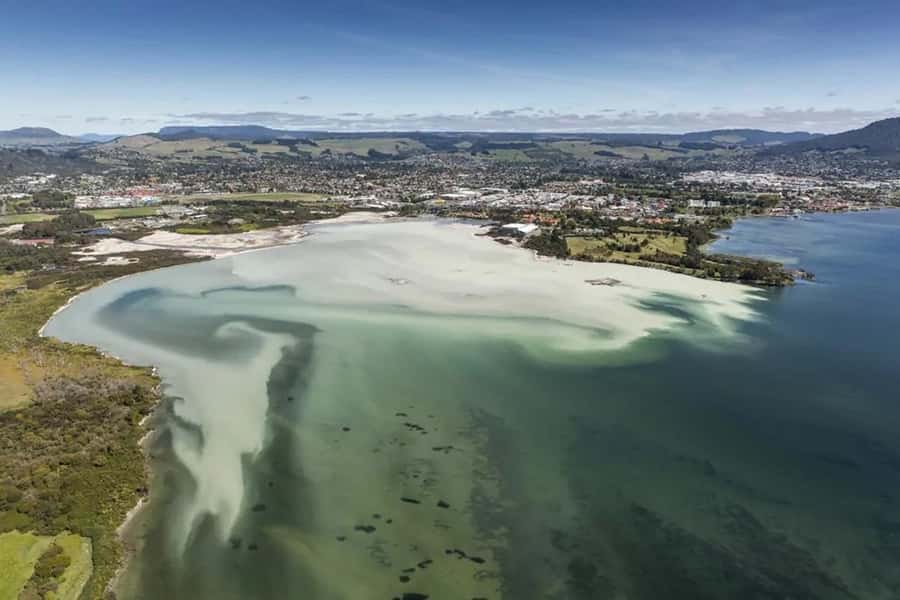
The journey starts at Volcanic Air, then you head out over Lake Rotorua for a photo stop. Those first minutes matter, because they help you get your bearings before the route starts stacking the big geothermal hits. From there, the flight continues around the Rotorua lakes district, then toward forests and farmland.
One of the smartest parts of the route is that it doesn’t only show hot springs and steam. You also see the broader geography that makes Rotorua work as a living geothermal system. Native forest and farmland fill in the context, so later, when you look down at volcano features, you can actually place them in a real region rather than a theme-park version of “geothermal.”
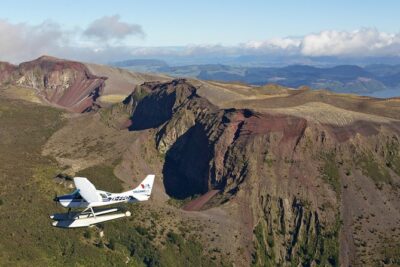
Then comes Mount Tarawera. The flight route includes a chance to see it from above, including the volcanic craters and the famous volcanic rift area. Even if you’re not a geology nerd, you can read the land like a map from the sky, because volcanic eruptions leave patterns. You’ll also fly over a stretch described as a 17 km volcanic rift, where the craters and colored geothermal features create a visual story of past eruptions and ongoing activity in the region.
This is where the floatplane earns its keep. From the ground, Mount Tarawera is hard to grasp all at once. From the air, the scale and layout click fast.
Waimangu and Wai-O-Tapu From Above, and What to Look For
After Tarawera, the route takes you over Waimangu Volcanic Valley. This area is known as the youngest geothermal park on Earth, and from above you can often make out how geothermal zones spread and concentrate. The key is not to try to identify every feature, but to watch how the terrain changes as you move along the flight path.
From there, you see Wai-O-Tapu Thermal Wonderland in the air. You don’t spend time walking the park on this tour, but you still get real “spot the feature” moments. The route references sights like the Artist’s Palette and the Champagne Pool. If you’ve seen photos online, this is your chance to connect the colors and shapes to where they sit in the broader thermal area.
Here’s my practical tip: when the pilot’s pointing things out, don’t just stare at one spot. Instead, let your eyes scan the surrounding area too. Geothermal zones work like systems. You’ll get more satisfaction by looking at how multiple features sit close together rather than fixating on a single “star attraction.”
Then, as the flight goes farther south, you start the transition to river approach. That shift is noticeable: you go from volcanic and thermal country to river and native bush, which makes the Orakei Korako landing feel like a natural next chapter instead of a random add-on.
Orakei Korako: One Hour, Self-Guided, and How to Pace It
Orakei Korako is the on-land centerpiece, with a one-hour self-guided walk after you land. That time frame is perfect if you want a geothermal walk without turning it into an all-day hike. You get enough time to see multiple types of features, but not so much that you’ll feel stuck waiting out fatigue.
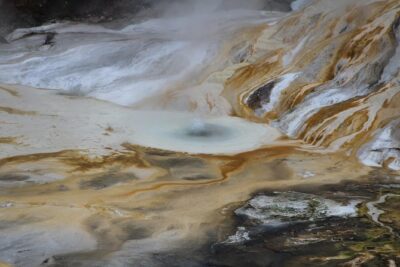
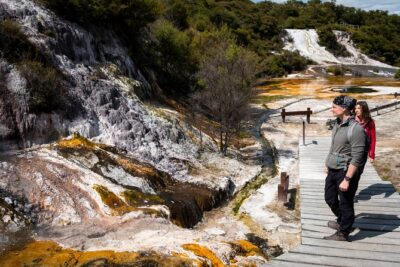
You’ll have access to a range of geothermal sights, including hot springs, spouting geysers, bubbling mud pits, and a thermal cave. The walk is also described as a chance to see some of the largest silica terraces in the world. Even if you don’t know what silica terraces look like in detail, the visual effect is usually clear: pale mineral deposits and layered formations that record changes in the geothermal output.
Because it’s self-guided, you’re responsible for your own rhythm. I like this setup because geothermal parks are easier to enjoy when you can stop and look longer where your interests pull you. If you’re the type who loves photos, you can take a slower pace. If you just want to absorb the sights, you can keep moving.
There’s also a break option. The day includes time built in for coffee, tea, and local snacks at the café before you reboard. That’s worth noting because some geothermal tours only give you a quick look and send you off again. Here, you get a calmer moment before the return flight.
Lake Taupo, a few other ways in
What It Feels Like in the Plane: Small Group, Compact Seats, and Pilot Ben
Let’s talk about the flight experience itself, because it affects how much you enjoy the day. This is a small group tour, limited to 6 participants, which helps keep things calm and personal. Also, because it’s a floatplane, the cabin is not huge. One review noted how compact the seating is, and that getting in and out takes a bit of flexibility.
You should expect a close, hands-on feel. You’ll be in close quarters, and you’re basically riding as part of the mission team for the day. That can be fun, but it does mean you shouldn’t plan on a long “stretch and relax” moment.
As for comfort, at least one person described the ride as sometimes a bit bumpy. That doesn’t sound unusual for small aircraft, but it’s a real factor if you’re sensitive to motion. If you’re prone to discomfort, you’ll want to plan carefully and dress for fluctuating conditions, including wind.
Pilot commentary is another big plus. One reviewer specifically mentioned Ben as relaxed, friendly, enthusiastic, and very confident, with informative explanations that made the scenery easier to understand. That’s the kind of detail that turns “pretty views” into something you remember because it has context.
Price and Value: Is $505 Worth It for This Rotorua Combo?
At $505 per person for a two-hour experience, this isn’t a budget activity. So the question is value: what are you actually paying for?
You’re paying for two things that usually cost more or take more time separately:
1) A guided aerial route that strings together multiple geothermal areas you’d struggle to see all at once.
2) A landing at Orakei Korako, with a walk inside the park after you touch down.
That river landing is the value lever. It’s not common for Rotorua experiences to give you a genuine landing moment in the middle of nature. If you were doing this by car, you’d spend time driving between sites, and you would lose the aerial “map view” that makes geothermal geography click.
You’re also getting some built-in time efficiency. The itinerary stacks photo opportunities and aerial viewing over Lake Rotorua, Mount Tarawera, Waimangu Volcanic Valley, Wai-O-Tapu, and the approach toward Orakei Korako, then adds the one-hour park walk. For a short time window, that’s a strong use of your day.
On top of that, the small group size keeps it from feeling like a cattle call. You also have the pilot’s running commentary in the air, which can turn a scenic flight into an actually meaningful tour.
So is it worth it? For people who want a “Rotorua highlight” experience with both air and ground, I think the price makes sense. If you already feel you’ve seen enough thermal parks by road and you mainly want a relaxed stroll, you might find it steep.
What to Bring, What to Wear, and When to Go
This experience is weather-driven in a practical way, because a floatplane flight depends on conditions. You’ll want to check conditions ahead and dress for outdoor time on the walk.
For what to bring, you’ll want:
- Comfortable shoes for walking
- Hat and sunscreen for sun exposure
- A camera because you’ll be looking down over lakes, craters, and terraces
- Water since you’re walking for an hour in a geothermal park
Also, plan for a few clothing layers. Rotorua geothermal country can feel warm, but aircraft time can be cooler, especially with wind.
If you’re sensitive to motion, consider that the flight can be a little bumpy. Dress for comfort and minimize anything that restricts your movement.
Who Should Book This Rotorua Floatplane With Orakei Korako Landing
This one is best for people who want maximum variety in a short amount of time. You’ll like it if:
- You enjoy aerial views and want a “from above” look at geothermal geography
- You want a real landing moment and then a self-guided walk in a thermal valley
- You’re comfortable with a one-hour walk on your own pace
- You want a small group setup limited to 6 people
It may not suit you if:
- You are pregnant, or you have a back or heart problem, since it’s listed as not suitable for those conditions
- You dislike compact seating or you strongly dislike any chance of bumps during a flight
If you’re traveling as a couple or small group and you want one signature Rotorua day that feels different from the usual “drive to thermal park and walk,” this fits well.
Should You Book This Rotorua Floatplane to Orakei Korako?
Book it if you want the Rotorua highlight combo: aerial views over Lake Rotorua, the Mount Tarawera volcanic rift, Waimangu, and Wai-O-Tapu, followed by an Orakei Korako river landing and an hour of self-guided geothermal exploration.
Skip it (or at least compare alternatives) if you’re looking for a low-motion, slow, purely relaxing day, or if the price feels hard to justify.
If you can handle compact seating and you like the idea of learning what you’re seeing from pilot commentary, this is the kind of Rotorua experience that turns a short trip into a vivid story you’ll keep telling.
FAQ
How long is the Rotorua floatplane flight with Orakei Korako landing?
The total duration is listed as 2 hours.
Where does the tour start and end?
The experience starts and ends at Volcanic Air. The return includes landing at the Lakefront pier.
What is included in the price?
Included: the floatplane flight over Rotorua geothermal parks, the landing at Orakei Korako, and a self-guided walk at Orakei Korako.
Is hotel pickup or drop-off included?
No. Hotel pickup and drop-off are not included.
Do I get food or drinks?
Meals and drinks are not included. There is a café where you can stop for coffee, tea, and local snacks before reboarding.
How long do I spend walking around Orakei Korako?
You have one hour for the self-guided walk at Orakei Korako.
What should I bring for the walk?
Bring comfortable shoes, a hat, sunscreen, a camera, and water.
How big is the group?
It is a small group, limited to 6 participants.
Are there any health restrictions?
Yes. It is listed as not suitable for pregnant women and for people with back problems or heart problems.
Is smoking allowed?
No, smoking is not allowed.
New Zealand From the Air
Lake Taupo, Other Ways In
Rotorua, Three More Ways


Just added to our Rotorua notes
- Rotorua: Waimangu Valley Walk and Steaming Cliffs Kayak Tour★ 4.7 · 6 reviews
- Rotorua: Lake View Private Pools Experience★ 4.3 · 6 reviews
- Rotorua: Floatplane Flight with Orakei Korako Landing★ 5.0 · 6 reviews
- Rotorua: Evening Starlight Gourmet Kayak Tour with dinner★ 5.0 · 6 reviews
- Rangitaiki Rafting Grade 2★ 4.8 · 6 reviews
- One Day Birding Adventure★ 5.0 · 7 reviews
Taupo and Huka Falls, compared.
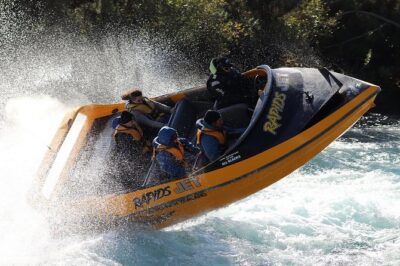 ★ 5.0Waikato River Jet Boat Ride from TaupoFrom $891,441 reviews
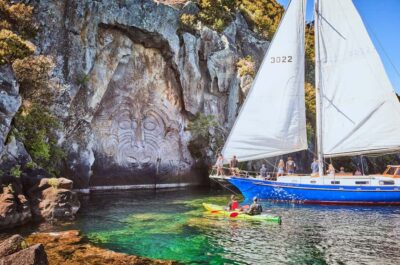 ★ 4.8Lake Taupo: Sailboat Trip to the Maori Rock CarvingsFrom $35972 reviews
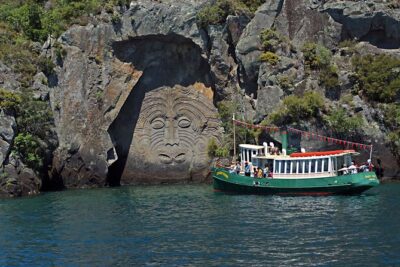 ★ 4.5Lake Taupō Māori Rock Carvings Scenic Cruise aboard Ernest KempFrom $31901 reviews
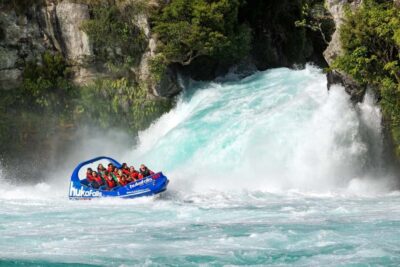 ★ 4.8Taupō: Huka Falls 30-Minute Jet Boat ExperienceFrom $89759 reviews
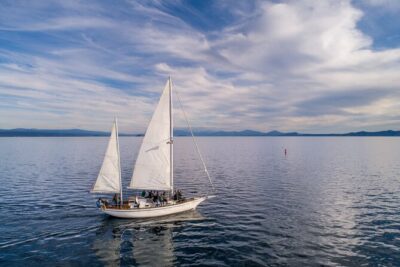 ★ 5.0Maori Rock Carvings Eco Sailing TaupoFrom $33758 reviews
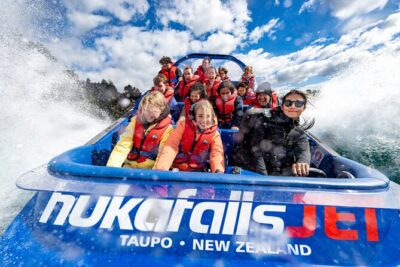 ★ 5.0Hukafalls Jet Boat Ride in TaupoFrom $94658 reviews
 ★ 4.6Lake Taupo: Maori Rock Carvings 10.30 AM 1.5-Hour CruiseFrom $35633 reviews
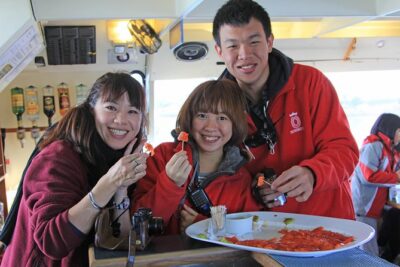 ★ 4.5Daily Scenic Maori Rock Carving Cruise TaupoFrom $36575 reviews
Browse the lists this tour appears in