
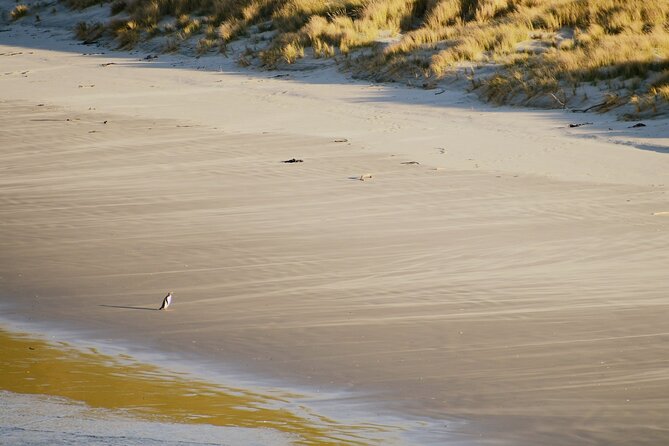
REVIEW · PENGUINS KIWI AND WILDLIFE ENCOUNTERS
Wildlife and Penguin Tour
Penguins that actually belong here. This 90-minute small-group Wildlife and Penguin Tour takes you to the Otago Peninsula, with high-quality binoculars and waterproof jackets included so you can focus on wildlife, not squinting or weather.
I like the way the tour is built step by step, from learning to close-up wildlife viewing. You start in a theatre setting, then move to a rehabilitation centre, and finish with time out on the reserve, with lots of chances to ask questions along the way.
The main thing to consider is that wildlife can be unpredictable. Yellow-eyed penguins can be spotty in timing and location, so on some days you may feel like you saw less than you hoped.
In This Review
- Key highlights worth planning for
- Why the Otago Peninsula is the right place for hoiho
- Binoculars, jackets, and a small group you can actually hear
- The 90-minute flow: theatre, rehabilitation centre, then a 2 km reserve walk
- Stop 1: OPERA theatre and a conservation-first introduction
- Stop 2: Rehabilitation centre viewing up close, when penguins are present
- Stop 3: Short bus trip, then about 2 km through the reserve
- What wildlife viewing is actually like here
- Price and value: $46.54 for a guided conservation experience
- Who should book this tour, and who should temper expectations
- Should you book: my practical take
- FAQ
- How long is the Wildlife and Penguin Tour?
- Where does the tour start?
- What should I know about the group size?
- What is included with the tour?
- Is the tour wet or does it require you to bring rain gear?
- What animals might I see besides yellow-eyed penguins?
- Is there walking involved?
- Are alcoholic beverages included?
- What is the cancellation policy?
Key highlights worth planning for
- High-quality binoculars included from the start
- Complimentary waterproof jackets for comfort during viewing and transfers
- Theatre intro so you understand hoiho behaviour and conservation work first
- Rehabilitation centre viewing when penguins are present, including yellow-eyed penguins and other penguin species
- About 2 km guided nature walk in the reserve after a short bus trip
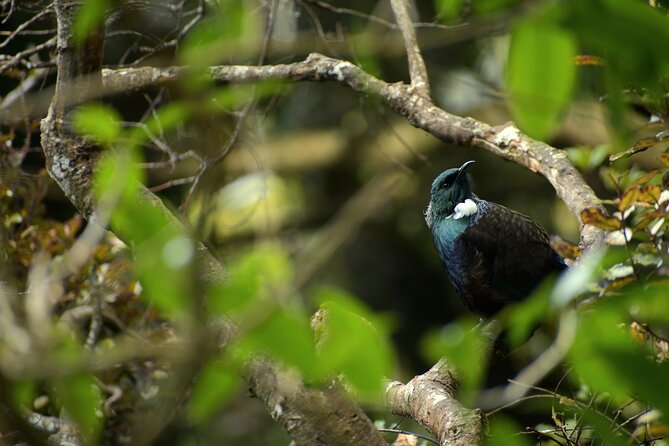
- More wildlife than penguins like fur seals, sea lions, and birds
More native wildlife, up close
- Guided Evening Penguin Viewing Otago Peninsula, Dunedin, New Zealand
★ 5.0 · 471 reviews - Otago Peninsula In-Depth Tour & Blue Penguins Pukekura Experience
★ 5.0 · 163 reviews
Why the Otago Peninsula is the right place for hoiho
If your goal is the yellow-eyed penguin, New Zealand is your best bet, and the Otago Peninsula is one of the most focused places to see them. This tour is designed around that reality. You are not just hoping for a glimpse. You are learning what makes hoiho special, then looking for them in the places conservation work is actively protecting.
I like that the experience connects the wildlife you want to see with the reason it needs protection. The tour begins with an explanation of the yellow-eyed penguin and the conservation efforts aimed at protecting them. That matters because penguins are not background animals. They have patterns, and understanding those patterns helps you notice what you might otherwise miss.
Also, this is not a one-note itinerary. In addition to yellow-eyed penguins, you have a chance to spot fur seals, sea lions, and other birds. That gives you more chances to feel like the time is worth it, even when penguin viewing is slower than expected.
One practical note: because this is built around natural behaviour and the real ebb and flow of wildlife, your results can vary. The tour is structured for the best odds, not a guaranteed performance.
Binoculars, jackets, and a small group you can actually hear
This is a comfort-smart tour. Binoculars are included, and they are described as high quality, so you do not need to strain your eyes. That is the difference between guessing at movement and actually seeing what you came for.
You also get complimentary waterproof jackets, which is a big deal in places where weather can change fast. Even if it never turns into a downpour, having a jacket on hand reduces the stress of wet conditions during viewing.
The group size is capped at 15 travelers maximum, which is ideal for a wildlife setting. You are more likely to get your questions answered. You are also more likely to hear the guide when they are explaining what you are looking at.
The tour also expects moderate physical fitness level. The walking portion is about 2 km in the reserve, which is not a marathon. Still, it is enough that you will feel better if you are comfortable walking that distance at a steady pace.
The 90-minute flow: theatre, rehabilitation centre, then a 2 km reserve walk
This tour is roughly 1 hour 30 minutes, and it runs in three parts. The timing is tight enough to stay exciting, but structured enough that you know what you are looking at.
Stop 1: OPERA theatre and a conservation-first introduction
You start at the OPERA facility in a theatre setting. This is where you learn about the yellow-eyed penguin and the local conservation efforts created to protect them. It is not just trivia. The tour is setting expectations so the rest of your experience makes more sense.
I like this part because it changes how you watch. Instead of scanning randomly, you are listening for what the guide highlights as likely behaviour and priorities for conservation.
More wildlife days near Dunedin and The Otago Peninsula
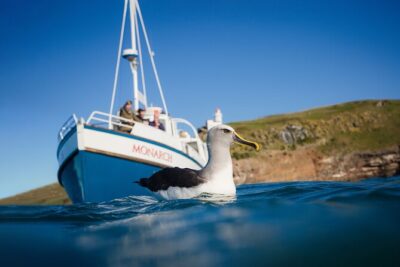
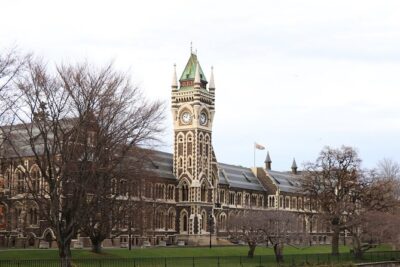
Stop 2: Rehabilitation centre viewing up close, when penguins are present
Next comes the rehabilitation centre. This is where you can see yellow-eyed penguins and other penguin species up close, when penguins are present. That condition is important. It means the tour is responsive to real life, not a staged scene.
If seeing penguins at close range is high on your list, this is the strongest part of the itinerary. Even if outdoor viewing is slow, the rehabilitation centre section is built to give you that meaningful connection to the animals and their recovery process.
It also helps that the tour pairs close-up viewing with learning about local conservation efforts. That keeps the experience from feeling like pure animal spotting. You learn the why behind the work.
Stop 3: Short bus trip, then about 2 km through the reserve
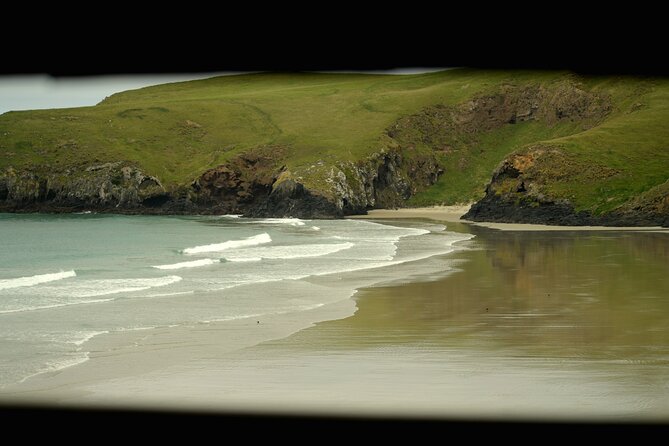
Finally, you take a short bus trip into the reserve. Then you go on an approximately 2 km (1.25 mile) nature walk guided through the area.
This is where the tour shifts from learning to looking again. The guide helps you find wildlife and interpret what you are seeing. You also get the value of moving through space instead of staying fixed at one viewpoint.
The main drawback of this structure is also part of its charm: wildlife does not follow schedules. If hoiho are not in the mood to appear, you still have the walk, the seals and birds possibility, and the conservation context that makes even a quiet day feel purposeful.
What wildlife viewing is actually like here
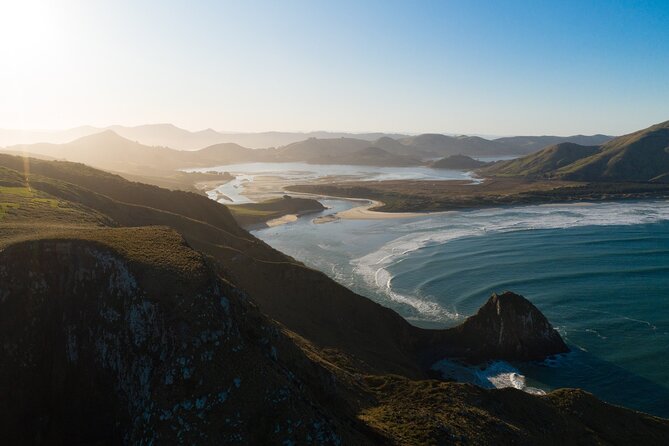
Yellow-eyed penguins are endangered, and their behaviour can be unpredictable. That is not a reason to skip the tour. It is a reason to go with the right mindset.
You might get lucky and see hoiho activity. One of the clearest upsides in the feedback is that people often feel thrilled by the opportunity to view the yellow-eyed penguin at the rehabilitation centre, and when outdoor sightings happen, it is a real highlight.
At the same time, outdoor viewing can be less dramatic than you imagine from photos. Even when you are close to a good area, penguins may be far away, out of sight, or returning from the ocean at their own pace. That is why the tour also includes the education and the rehabilitation centre section. It protects you from having the entire experience depend on one perfect moment.
One practical tip you can use when choosing your day: if you have flexibility, you might prefer late afternoon or evening. Some people have reported that later in the day can improve the odds of seeing penguins from the beach areas.
And if you want seals and sea lions too, remember: these are wildlife encounters, not guarantees. The tour is designed to put you in the right places, but it cannot control animal timing.
Price and value: $46.54 for a guided conservation experience
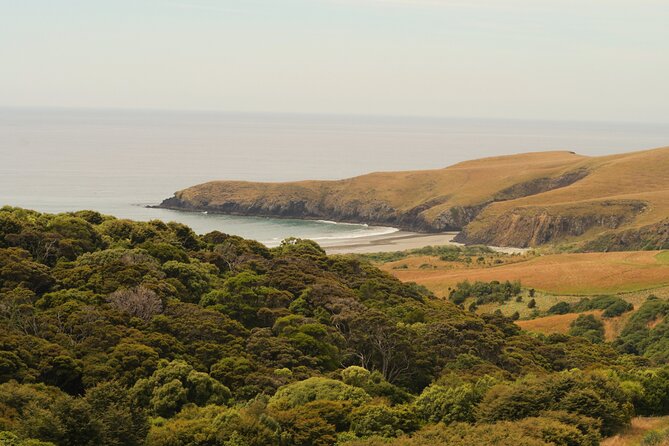
At about $46.54 per person, this tour is positioned as good value for what you receive. You get a guided experience that runs about 90 minutes, plus an admission ticket included approach. You also get gear that normally costs extra or requires you to bring it yourself: binoculars and waterproof jackets.
Most importantly, you are paying for more than a scenic outing. You are paying for structured learning about hoiho and for access to a rehabilitation centre experience designed around conservation work. That is harder to replicate on your own, especially if you do not know where to look or what to watch for.
What is not included is also simple: alcoholic beverages are not part of the tour. If you want to drink, plan for it outside the tour, but most people treat this as an earlier-in-the-day nature outing.
One more value angle: the group stays small, with a maximum of 15. That means more guide attention and better chances to ask questions, which is part of what people tend to love most.
Who should book this tour, and who should temper expectations
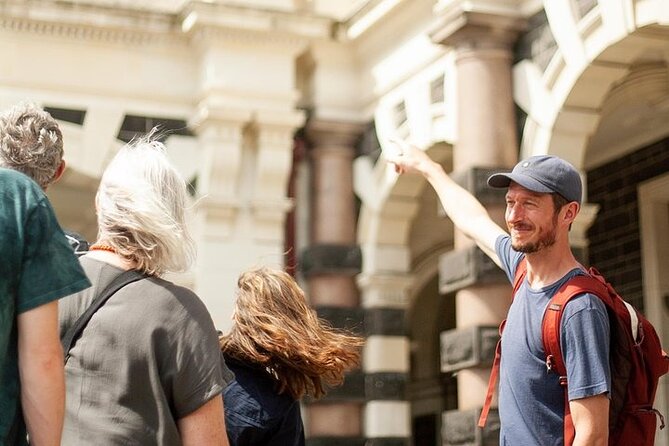
This works best for nature lovers who want an informed wildlife experience, not a rushed spotting mission. If you care about conservation and want to understand what endangered hoiho need to survive, the theatre intro plus rehabilitation centre section will feel like the heart of the tour.
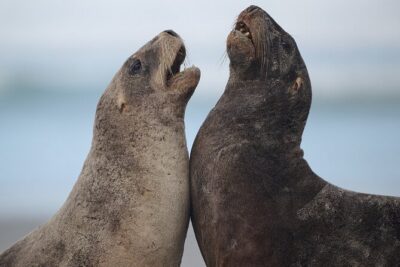
It is also a good match if you want a chance at more than one type of wildlife. Fur seals, sea lions, and birds are all mentioned as potential sightings, so you are not betting everything on penguins alone.
You might want to temper expectations if your ideal day is nonstop penguin action outdoors. Because yellow-eyed penguin behaviour is unpredictable and outdoor viewing can be limited on some days, the experience is better viewed as a conservation-focused program with wildlife opportunities, not a guaranteed wildlife show.
The walking requirement is gentle enough for most people with moderate fitness, but it is still a 2 km guided walk. If you do not do well with walking or uneven terrain, consider a different option.
Should you book: my practical take
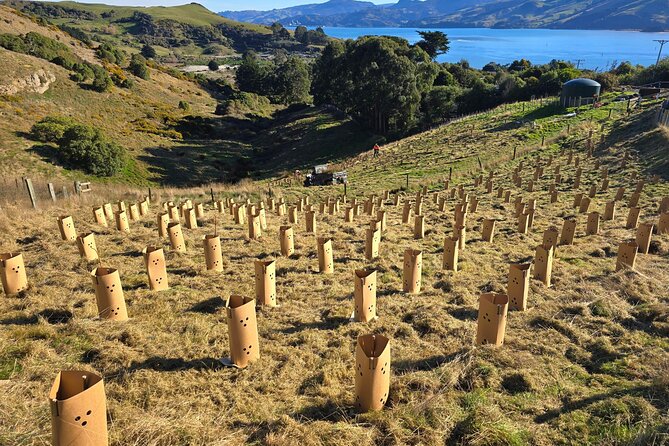
Book this tour if you want a small-group wildlife experience that includes both learning and close-up opportunities, plus an outdoor reserve walk. The combination of included binoculars, waterproof jackets, and the structured flow from theatre to rehabilitation centre to reserve makes it feel like you get your money’s worth even when wildlife timing is slow.
Skip it or choose a different format if you only care about guaranteed outdoor penguin viewing. This is built around real animals, real behaviour, and the honest limits of wildlife unpredictability.
If you do book, go in ready to watch calmly, ask questions, and accept that the best sightings can be a matter of timing. When hoiho appear, it feels special for a reason, and the tour does a good job of making that moment more meaningful than a quick photo.
FAQ
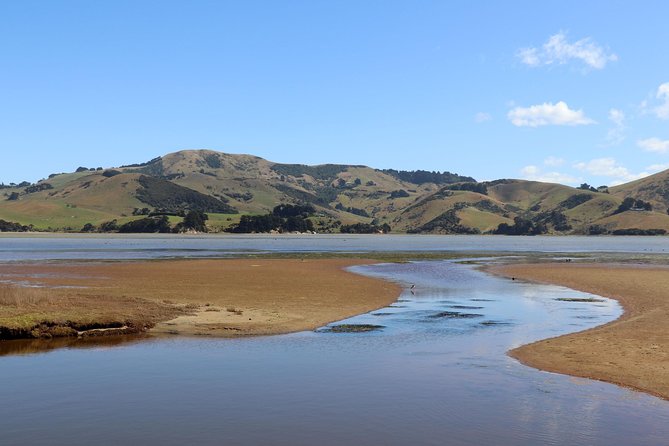
How long is the Wildlife and Penguin Tour?
It runs for about 1 hour 30 minutes.
Where does the tour start?
The meeting point is 45 Pakihau Road, Portobello, Dunedin 9077, New Zealand.
What should I know about the group size?
The tour has a maximum of 15 travelers.
What is included with the tour?
You get complimentary waterproof jackets, use of high quality binoculars, and a guide. Admission is included as part of the ticket.
Is the tour wet or does it require you to bring rain gear?
You will not need to bring rain gear, because complimentary waterproof jackets are included.
What animals might I see besides yellow-eyed penguins?
You may see fur seals, sea lions, and birds, and at the rehabilitation centre you may see yellow-eyed penguins and other penguin species when penguins are present.
Is there walking involved?
Yes. After a short bus trip into the reserve, there is an approximately 2 km (1.25 mile) guided nature walk. The tour calls for a moderate physical fitness level.
Are alcoholic beverages included?
No, alcoholic beverages are not included.
What is the cancellation policy?
You can cancel up to 24 hours in advance for a full refund. If you cancel less than 24 hours before the start time, the amount paid will not be refunded.
The Wider Dunedin and The Otago Peninsula Shortlist

Everything Else We Wrote Up in Dunedin and The Otago Peninsula
Native Wildlife, Up Close
Just added to our Dunedin and The Otago Peninsula notes
- Speight’s Brewery Tour & Dinner★ 5.0 · 7 reviews
- Private Dunedin City Highlights and Otago Peninsula Day Tour★ 4.3 · 7 reviews
- Dunedin: 3 Hour Artisan Food Walking Tour★ 4.4 · 7 reviews
- Dunedin: Peninsula with Lanarch Castle gardens & Olveston★ 5.0 · 8 reviews
- Dunedin Shore Excursion – Sightseeing, Larnach Castle, Chinese Garden & Museum★ 3.5 · 13 reviews
- Dunedin City – Settlers & Voyages Tour★ 5.0 · 13 reviews
Penguins Kiwi and Wildlife Encounters, compared.
 ★ 5.0Gannet Safaris Overland tour to Cape Kidnappers Gannet ColonyFrom $61942 reviews
 ★ 4.5Oamaru: Penguins Evening Viewing TicketFrom $28682 reviews
 ★ 4.7Rotorua: The National Kiwi Hatchery Kiwi Encounter TourFrom $44671 reviews
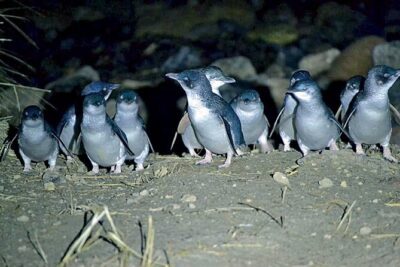 ★ 5.0Guided Evening Penguin Viewing Otago Peninsula, Dunedin, New ZealandFrom $34471 reviews
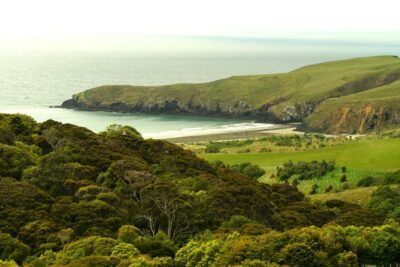 ★ 4.6Dunedin: Wildlife and Penguin TourFrom $44239 reviews
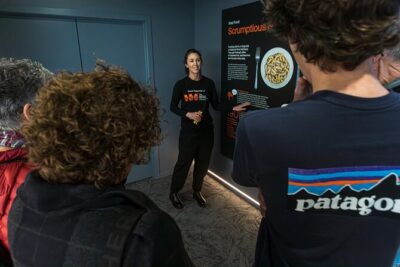 ★ 5.0National Kiwi Hatchery – Kiwi Encounter Guided TourFrom $47228 reviews
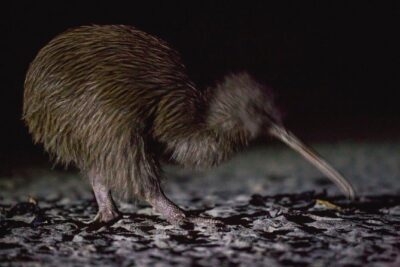 ★ 4.8Stewart Island: Wild Kiwi ExperiencesFrom $154177 reviews
 ★ 5.0Otago Peninsula In-Depth Tour & Blue Penguins Pukekura ExperienceFrom $102163 reviews
Browse the lists this tour appears in