
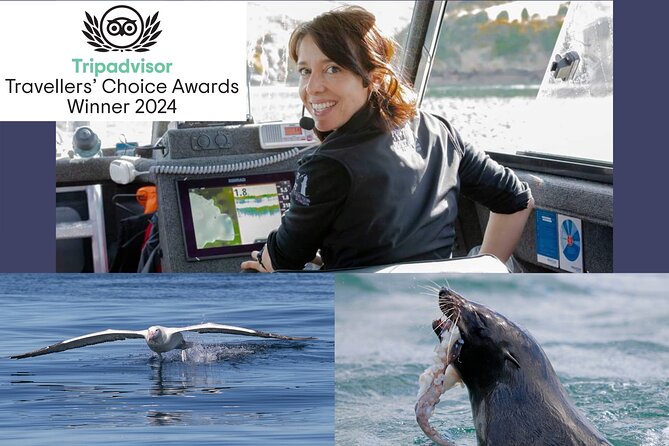
REVIEW · DUNEDIN AND THE OTAGO PENINSULA
Dunedin Wildlife Cruise-Albatross, seals and harbour
Albatross right off Dunedin is a real thing. This small-group wildlife cruise in Otago Harbour mixes close-up nature with live commentary, as the boat runs the Otago Peninsula and heads toward Taiaroa Head. You get the feeling of seeing wildlife and heritage from the edge of the city, without spending the whole day on a bus.
I especially like the practical touches that make wildlife watching less fussy. The included binoculars and warm jackets mean you can focus on finding birds and seals, instead of hunting for gear or getting cold. The boat also has a restroom, so the trip stays comfortable even if you stay out longer than expected.
The one drawback to plan around is weather. Windy, choppy conditions can limit how close you can get and can even trigger a cancellation, so dress for spray and be ready for the sea to feel real.
In This Review
- Key things to know before you go
- How a small Dunedin Harbour cruise gets you close to Otago wildlife
- Timing it right: 90 to 120 minutes with real sailing time
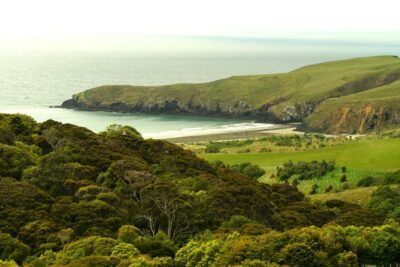
- Otago Peninsula stop: shipwreck views and seabirds on the move
- Taiaroa Head stop: albatross, seals, and watching the harbour work
- What you get onboard, binoculars, jackets, restroom, and info sheets
- Comfort and boat setup: indoor warmth, outdoor views, and sea spray
- Why the max 14-person group size matters for spotting birds
- Price and value at about $105.50 per person
- Weather reality in Dunedin, wind, waves, and how to dress
- Who this wildlife cruise is best for from Port Chalmers
- Should you book this Dunedin wildlife cruise-albatross, seals and harbour?
Key things to know before you go
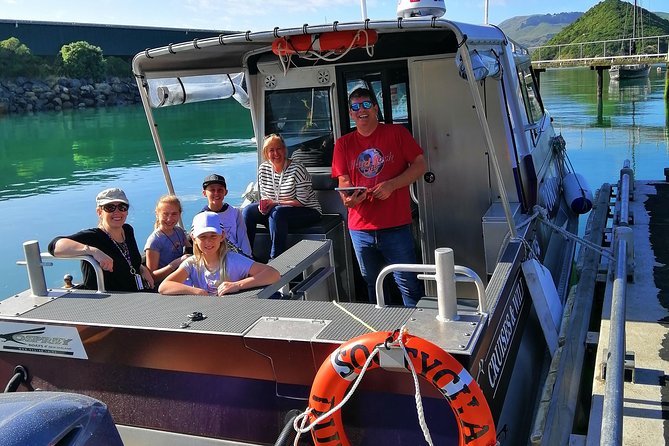
- Max 14 passengers keeps the boat uncrowded, which helps your viewing when birds pop up fast.
- Binoculars and warm jackets included so you can concentrate on spotting, not prepping.
- Live narration explains what you’re seeing and where to look as the boat moves.
- Two wildlife-heavy stretches (Otago Peninsula and Taiaroa Head) for more chances at albatross, seals, and seabirds.
- Restroom on board makes a 90 to 120 minute sail easier to handle.
Further round the Otago Peninsula
- Clearwater Wildlife Tours (small group 10max) Otago Peninsula
★ 5.0 · 531 reviews - Speight’s Brewery Tour & Guided Tasting
★ 5.0 · 508 reviews - Guided Evening Penguin Viewing Otago Peninsula, Dunedin, New Zealand
★ 5.0 · 471 reviews - Larnach Castle and Gardens Admission Ticket
★ 4.5 · 279 reviews
How a small Dunedin Harbour cruise gets you close to Otago wildlife
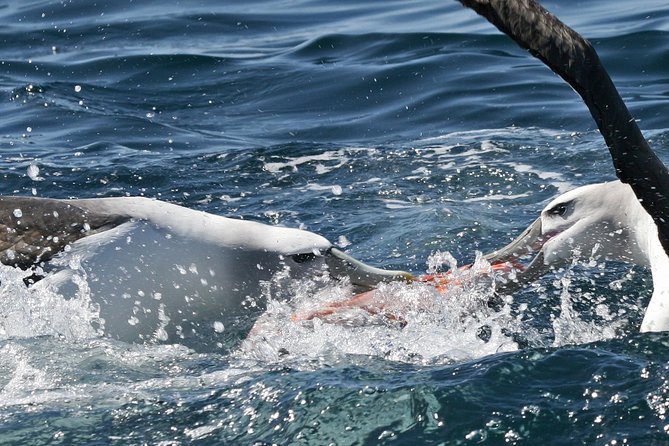
Dunedin’s wildlife looks big and wild on postcards, but this cruise helps you see it from the water where the animals actually are. The format is straightforward: you board at Port Chalmers or Portobello, then the boat works the harbour with an emphasis on wildlife spotting, shipwreck sights, and birdlife.
The best part for me is the way the experience stays grounded in what matters on the water. Instead of treating wildlife as a vague hope, the cruise uses live commentary and a small-group setup to keep you oriented and actively looking. Even if you are not a hardcore birder, you’ll still get the context for why certain species show up where they do, and how to track them as the boat changes position.
One more thing I like is that the operator runs this as a people-first outing, not a cattle call. With a ceiling of 14 travellers, the boat stays flexible enough to focus on spotting opportunities, not cramming bodies into every available spot.
Timing it right: 90 to 120 minutes with real sailing time
This trip runs about 1 hour 30 minutes to 2 hours. That matters because Dunedin weather can be moody, and on a short excursion, every minute of sailing counts. You are out long enough to settle in, get used to scanning the water, and actually enjoy the experience, without it turning into a half-day commitment.
There are late-morning, early afternoon, and late-afternoon departures. Picking a time is really about matching your energy level and your weather tolerance. If you tend to feel it the most when the sea gets choppy, choosing a calmer-feeling window can help. If you are flexible and just want the wildlife chances, a departure that fits your day is the win.
Also, pay attention to the practical timing detail: from the cruise ship terminal building at Port Chalmers, you walk a 5 to 10 minute easy path to the meeting point. There is no included transport from the cruise building, so build that simple walk into your schedule.
Otago Peninsula stop: shipwreck views and seabirds on the move
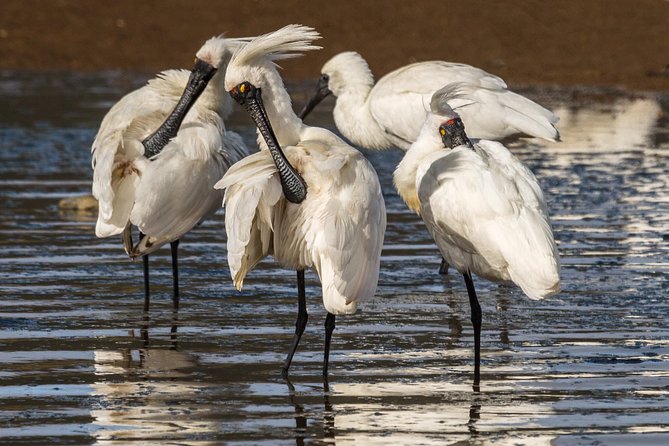
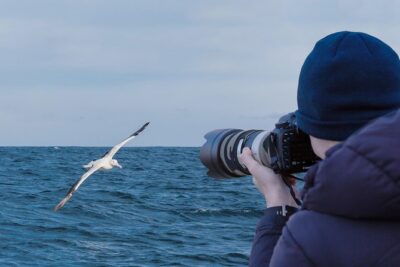
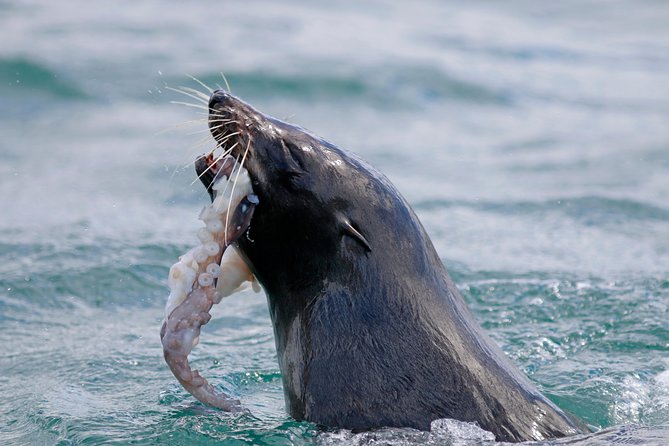
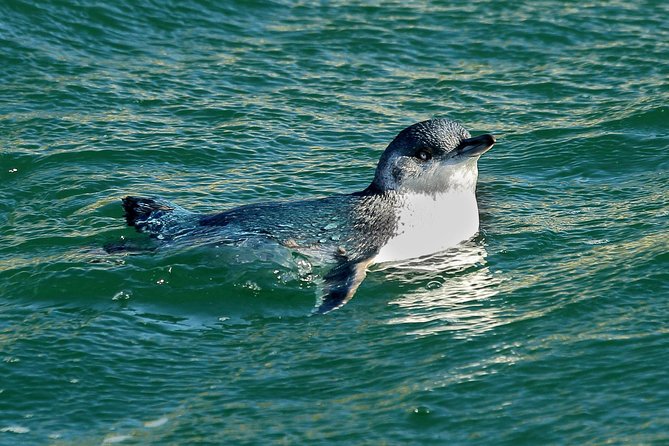
The Otago Peninsula portion is where the cruise earns its name, because this is a “watch closely” stretch. You’re not just cruising past scenery. You’re looking for ocean birds, albatross, seals, and more, and you’ll also hear about heritage features including shipwrecks.
What makes this stop useful for you is the mix. Some wildlife is easy to spot from a distance, but the commentary helps you read movement patterns, like birds wheeling over feeding areas and seals surfacing near the boat’s route. If you like turning your brain into a spotting tool, this is the kind of stop that keeps you engaged.
The potential drawback here is also the simplest one: if conditions are rough, birds can stay just beyond easy viewing range. On choppier water, you may see plenty, but the moment where an animal feels close and “in frame” can be shorter. That said, on the good days, this is exactly where people report close albatross and active seal viewing.
Taiaroa Head stop: albatross, seals, and watching the harbour work
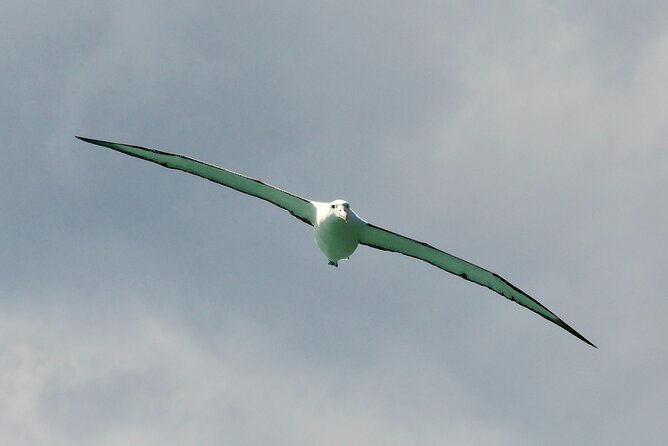
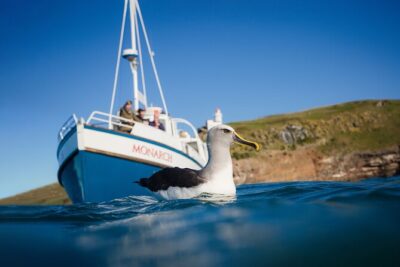
Taiaroa Head is the cruise’s second big wildlife zone. This is where albatross take center stage in the itinerary, along with seals and other seabirds. The vibe here is different from the Otago Peninsula stop because you’re often scanning for the next sign of action, then tracking it as the boat positions for viewing.
I like Taiaroa Head because it gives the cruise a clear “goal.” The itinerary is built so you get a second shot at the main stars, not just a single sweep where the animals might or might not cooperate. If you didn’t have your best luck on the first stretch, this is where many people feel the day turns around.
One real-world tip from the experience is to keep your expectations weather-aware. Even when you’re on the water at the right times, wind and wave height can affect how close the boat can work safely. When it’s calm, viewing can feel effortless. When it’s not, the cruise still offers wildlife sightings, just with less ability to get in for those close passes.
Other boats going out of Dunedin and The Otago Peninsula
What you get onboard, binoculars, jackets, restroom, and info sheets
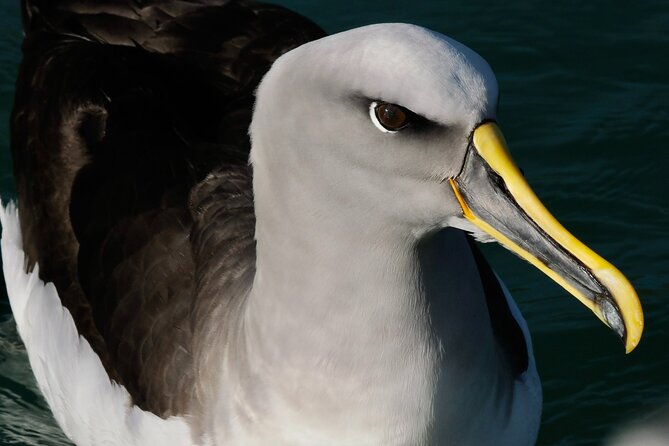
This cruise is surprisingly “ready for people” for a wildlife outing. Included items make it easier to settle in and start watching quickly, even if you’re traveling light.
You’ll get:
- Binoculars (so you can actually spot albatross and smaller seabirds when they’re far out)
- Warm jackets (important in Dunedin harbour conditions, especially with spray)
- Wildlife information sheets (useful after the trip, when you want to confirm what you saw)
- A restroom on board (a comfort upgrade that makes a 90 to 120 minute sail far less stressful)
I also like that the cruise uses live narration to keep your attention where it belongs. If you’ve ever watched wildlife from land, you know how easy it is to lose track. On this boat, you get guidance on what to scan for next, which reduces the “standing there hoping” feeling.
A small note from the experience pattern: some departures have included extras like cookies handed out during the ride. That is not the same as snacks being included, since snacks are listed as not included. Still, it’s the kind of local touch that makes the whole outing feel less transactional.
Comfort and boat setup: indoor warmth, outdoor views, and sea spray
This is a small boat with indoor and outdoor seating. That matters because Dunedin weather can change during the cruise, and you don’t want to be stuck outside the whole time. If it’s sunny, you’ll likely spend more time outside to watch birds in flight. If it turns grey or windy, the indoor area helps you stay warm without missing the action.
The cruise also explicitly warns about sea spray. That’s not a scary detail, it’s a practical one. Dress warmly even if the day looks mild, and think layers so you can adjust as the boat moves between calmer and more open water.
One more comfort detail that I’d call out is not just the restroom, but the overall “small boat” feel. People mention the boat being lower and more compact, which can help with closeness when animals come near. The tradeoff is that spray can reach farther, which circles right back to wearing warm layers and not underestimating the harbour wind.
Why the max 14-person group size matters for spotting birds
A small group changes the experience in a very real way. With a maximum of 14 people, you get room to stand, look, and reposition without turning into a packed viewing deck. That matters when wildlife is unpredictable, because the best sightings often happen quickly.
This is also the reason the cruise can work like a true wildlife search, not just a loop with a few predetermined stops. When you have fewer people onboard, it’s easier for the captain to find workable viewing positions and for everyone to see what matters as the boat changes heading.
You also feel the difference in the way the trip is hosted. In the feedback I’ve seen, the skipper is often praised for handling piloting and narration, and for spotting animals from long distances. Even if you’re not a bird nerd, that kind of skill is what turns “we saw stuff” into “we had a real viewing session.”
Price and value at about $105.50 per person
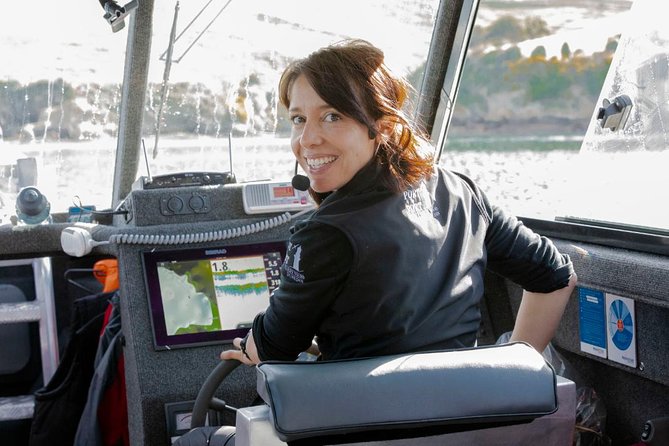
At $105.50 per person, this cruise isn’t a bargain-basement activity. But it’s also not priced like a big-ticket tour that hides behind a generic route. The value comes from what you get for the time on the water: wildlife spotting help, key gear, and comfort upgrades in the boat.
Here’s what you’re paying for, in practical terms:
- 90 to 120 minutes on the water with an active search approach
- live commentary that helps you actually identify and track wildlife
- binoculars and warm jackets (so you can enjoy it without extra shopping)
- restroom access, which makes the trip feel easier to commit to
- wildlife information sheets for afterward
Snacks are not included, so plan for that if you know you get hungry. On the plus side, the short duration means you can usually time your meal before or after without messing up your day.
If you are seeing different prices on different booking platforms, check currency carefully. One common frustration in the overall booking experience is confusion between currencies, which can change the effective cost a lot. Booking direct where possible, and verifying the final total in your currency, is a simple way to protect your budget.
Weather reality in Dunedin, wind, waves, and how to dress
Dunedin harbour wildlife depends on the sea. This cruise requires good weather, and that’s not just “light rain is fine” language. When winds get extreme, sailing can be canceled for safety. One situation described in the experience feedback cited very high wind speeds, and that is the exact scenario where you want the operator to be strict.
So how do you make this work for you?
- Wear warm layers even if it looks pleasant from shore
- Bring something water-repellent or at least wind-resistant for spray
- Plan to feel some movement, because you are on a working boat
Also, remember that rougher water can affect how close you can view wildlife. That doesn’t mean you will see nothing. It means your best chances at “close and clear” viewing might be reduced. If you can stay mentally flexible about the quality of sightings, the experience still makes sense.
Who this wildlife cruise is best for from Port Chalmers
I’d point this cruise toward a few types of people:
- You want wildlife close to the city without committing to a full day
- You enjoy birds and seals, or you want a gentle introduction to them
- You like small-group outings where the guide can focus on spotting
- You need practical comfort, like a restroom and warm gear
It also works well if you’re traveling with kids, since the trip stays short and the viewing is active. And if you’re mainly after a “what can we see from the water” morning or afternoon, the two stops give you enough variety to keep the time from feeling repetitive.
One caution: it is not recommended for people with significant mobility problems, because you must be able to step down into the vessel (noted as 300 mm). If mobility is a concern, it’s worth checking details with the operator before you buy.
Should you book this Dunedin wildlife cruise-albatross, seals and harbour?
Yes, I think you should book it if you want a short, focused wildlife outing in Otago Harbour with real practical support. The included binoculars and warm jackets, the indoor seating for comfort, and the live narration all make a big difference when wildlife is moving fast and visibility changes.
Book it with eyes open if you hate wind or motion. This is a real boat experience, and conditions matter. If your top priority is maximum comfort and guaranteed close sightings, you’ll want to bring flexibility to your expectations.
My simple decision rule: if your day in Dunedin has room for 90 to 120 minutes on the water and you can dress for the harbour weather, this is a strong pick. It’s the kind of cruise where the payoff is not just wildlife, it’s learning how to see it.
Out on the Water Near Dunedin and The Otago Peninsula
Everything Else We Wrote Up in Dunedin and The Otago Peninsula


Further Round the Peninsula
Just added to our Dunedin and The Otago Peninsula notes
- Speight’s Brewery Tour & Dinner★ 5.0 · 7 reviews
- Private Dunedin City Highlights and Otago Peninsula Day Tour★ 4.3 · 7 reviews
- Dunedin: 3 Hour Artisan Food Walking Tour★ 4.4 · 7 reviews
- Dunedin: Peninsula with Lanarch Castle gardens & Olveston★ 5.0 · 8 reviews
- Dunedin Shore Excursion – Sightseeing, Larnach Castle, Chinese Garden & Museum★ 3.5 · 13 reviews
- Dunedin City – Settlers & Voyages Tour★ 5.0 · 13 reviews
Dunedin and the Otago Peninsula, compared.
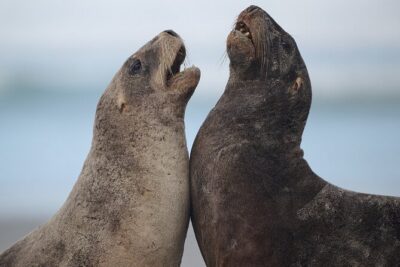 ★ 5.0Clearwater Wildlife Tours (small group 10max) Otago PeninsulaFrom $139531 reviews
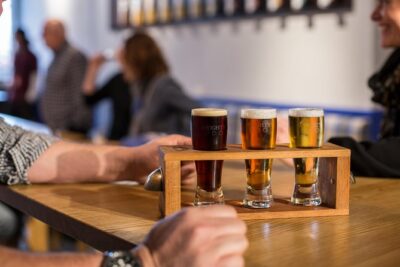 ★ 5.0Speight’s Brewery Tour & Guided TastingFrom $16508 reviews
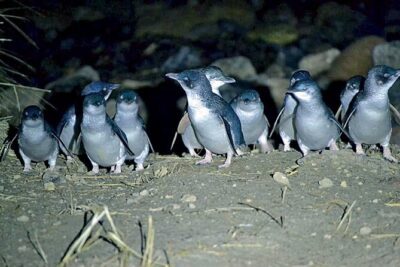 ★ 5.0Guided Evening Penguin Viewing Otago Peninsula, Dunedin, New ZealandFrom $34471 reviews
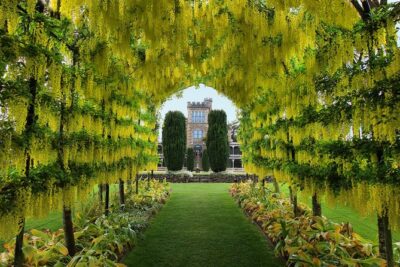 ★ 4.5Larnach Castle and Gardens Admission TicketFrom $29279 reviews
 ★ 4.5Dunedin Shore Excursion: Small-Group Tour of Dunedin and the Otago PeninsulaFrom $86270 reviews
 ★ 4.6Dunedin: Wildlife and Penguin TourFrom $44239 reviews
 ★ 4.5Otago Peninsula Wildlife Cruise with MonarchFrom $43227 reviews
 ★ 5.0Albatross, seals, and sea birds-Wildlife CruiseFrom $105189 reviews
Browse the lists this tour appears in