
REVIEW · DUNEDIN AND THE OTAGO PENINSULA
Clearwater Wildlife Tours (small group 10max) Otago Peninsula
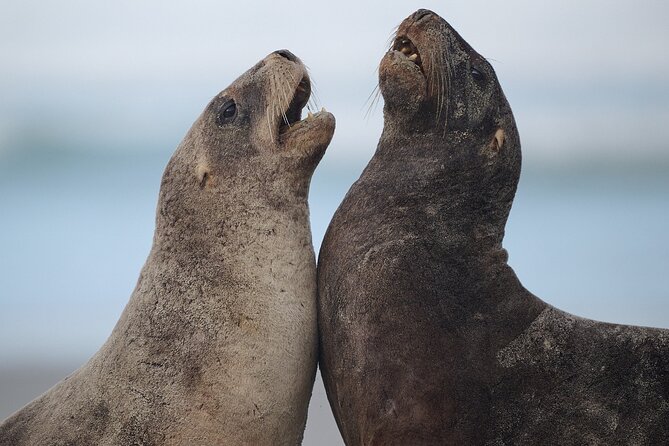
Great wildlife happens where crowds do not. This small-group half-day trip on the Otago Peninsula takes you into private wildlife habitats near Cape Saunders, with chances to spot New Zealand fur seals, sea birds, and, if conditions line up, the rare yellow-eyed penguin.
I love the tight size, max 10 people, because you actually get time to ask questions and adjust your position for a better view. I also like the practical inclusions, like high-quality binoculars and wind and rain proof jackets, so you are not stuck cold and squinting at the ocean. The main drawback to plan around is that wildlife is wildlife. If you do not get penguins on the day, it is still a strong tour, but you should expect nature to call the shots.
You start from central Dunedin, then ride through wetland and coastal scenery to private farm viewing points and a native conservation reserve. The walking is moderate, with hills, sand, uneven ground, plus steps and stairs, so this is not a sit-and-see excursion.
In This Review
- Key things that make this tour worth your time
- From Dunedin Out to Cape Saunders, The Drive That Sets the Tone
- Cape Saunders Farm Viewing, Seals and Sea Birds from Proper Spots
- The Conservation Reserve for Yellow-Eyed Penguins and Sea Lions
- Your Half-Day Timeline, What Happens When You Are on the Ground
- Walking on Sand, Hills, and Steps, A Real Fitness Check
- Binoculars, Jackets, and the Weather Prep That Actually Works
- Guide Style Matters, and Clearwater’s Names Keep Popping Up
- Who Should Book This Otago Peninsula Wildlife Half-Day?
- Should You Book Clearwater Wildlife Tours on the Otago Peninsula?
Key things that make this tour worth your time
- Private access near Cape Saunders, including viewing spots over the rugged Pacific
- Max 10 people, so you get real guidance rather than a wave-and-go
- Binoculars and weather gear included, helpful in maritime Otago conditions
- Targets red-list species without disturbing them, with respectful viewing built in
- Guides with names you will hear a lot, from Adrian and Ben to Quinn, Tom, Paula, Kelly, and Ferg
Further round the Otago Peninsula
- Clearwater Wildlife Tours (small group 10max) Otago Peninsula
★ 5.0 · 531 reviews - Speight’s Brewery Tour & Guided Tasting
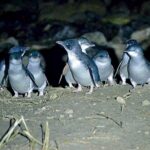
★ 5.0 · 508 reviews - Guided Evening Penguin Viewing Otago Peninsula, Dunedin, New Zealand
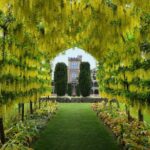
★ 5.0 · 471 reviews - Larnach Castle and Gardens Admission Ticket
★ 4.5 · 279 reviews
From Dunedin Out to Cape Saunders, The Drive That Sets the Tone
Meeting at 50 The Octagon in central Dunedin puts you right in the action, with an easy start point if you are already based downtown. From there, you head out toward the Otago Peninsula, and this is not just a transfer. The drive matters because it sets you up for what you are about to see.
You travel through backcountry and inlets where wetland and wading birds hang around. Even before you reach the farm viewing area, you get that good early feeling: the coastline is wild, the air is usually cooler than the city, and the terrain tells you you are heading into real habitat, not a fenced zoo-style setup.
And you are riding in an air-conditioned vehicle. That might sound like a small detail, but for a 4-hour outing with outdoor time, it helps you stay sharp when the weather turns. Clearwater Wildlife Tours also keeps you fed enough for the ride, with water and cookies on board, so you are not feeling wiped out before you even start looking.
Cost-wise, the price sits at $139.63 per person for a roughly 4-hour experience. When I think about value here, I focus on two things: private viewing access and what you get for the duration. In a small group, with binoculars and protective jackets included, it is built to be a full half-day of wildlife watching rather than a short stop.
Cape Saunders Farm Viewing, Seals and Sea Birds from Proper Spots
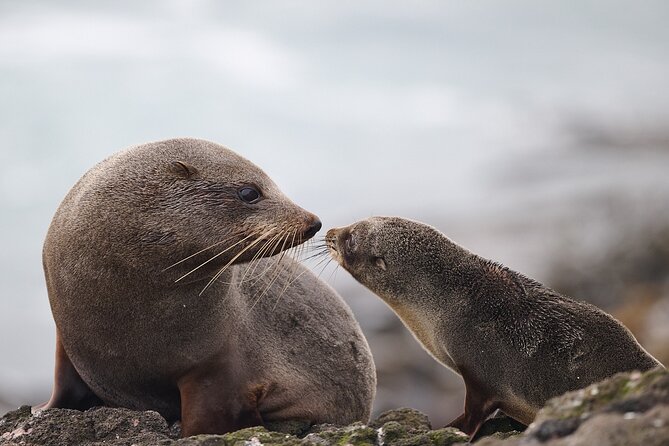
The first real wildlife payoff is the journey to Cape Saunders farm. This is one of the reasons people choose this specific tour route. You get to visit a secluded breeding colony area where New Zealand fur seals and sea birds gather.
At Cape Saunders, you have two viewing locations. That matters because it lets the guide bring you to the best angle depending on where animals are moving. Some days, seals are more active along the coastline. Other days, you get better bird spotting from a different viewpoint. Two viewing points also means you are not stuck in one spot for the entire time hoping the animals cooperate.
This is also where you feel the difference between casual spotting and guided spotting. Guides in this program, including names like Adrian and Ben that show up again and again, focus on what to look for and how to read animal behavior. That could be as simple as teaching you how to scan for movement among rocks and shoreline edges, but it changes what you notice.
A practical note: for the best results, be ready to use binoculars quickly. The included binoculars are there for a reason. If you spend your first five minutes fiddling instead of scanning, you lose prime viewing windows. If you already know how to spot with binoculars, great. If not, you will still be fine, just let your guide show you the technique.
The Conservation Reserve for Yellow-Eyed Penguins and Sea Lions
After Cape Saunders, the tour shifts from one kind of coastal wildlife moment to another. You head to a native conservation reserve, where the staff guide you to vital breeding grounds for yellow-eyed penguins and New Zealand sea lions.
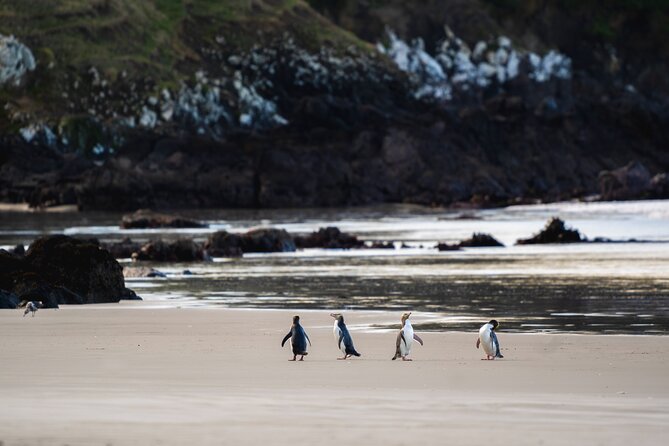
This is the part where many people hope to see hoiho, the yellow-eyed penguin. But here is the key reality to plan for: these are rare animals, and they do not show up on a schedule. The best way to enjoy this section is to treat it like a wildlife encounter, not a guaranteed checkmark.
Guides often set expectations clearly before you reach the penguin viewing areas. In conversations, you will hear how strict regulations help protect the birds. That respectful angle is not a lecture, it is the whole experience. You are not chasing animals. You are observing them from the right distance, which is why people describe the sightings as genuine and close, even when regulations limit how near you can get.
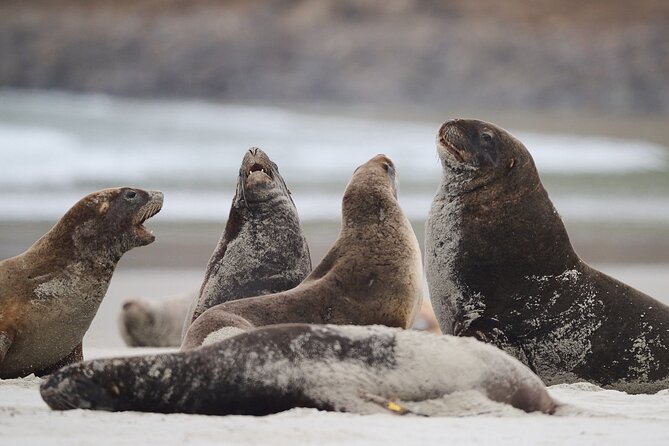
You may also see sea lions in the same general conservation zone, depending on the day’s activity. The combination of the reserve walk plus the chance of both penguins and sea lions is what makes the second part of the tour feel like more than just a scenic stop. It is a targeted conservation habitat experience.
Guides like Quinn and Tom are often praised for pointing out what matters, including where to focus your eyes for small birds and how to follow the shoreline for larger animals. Even if you do not get every target species, this section still teaches you how to read the environment.
Your Half-Day Timeline, What Happens When You Are on the Ground
The whole tour runs about 4 hours. That tight schedule is part of the appeal. You get a full chunk of time on the Otago Peninsula without it turning into an all-day hike.
Time on the road is real, and time walking is real too. You should plan for an outdoor rhythm:
- Ride out and set up with your guide’s spotting tips
- Reach Cape Saunders farm and move between two viewing locations
- Walk to the next habitat area and follow your guide through the reserve
- Finish back at the starting point at 50 The Octagon
One practical planning point: there are no food stops along the way. You can bring a packed lunch or snacks, and the tour run time is long enough that you will likely want some extra energy, especially on cooler or windy days. The cookies and water help, but they are not a meal.
Also, there are toilet facilities at the farm and at the meeting point in the Octagon. That means you are not stuck figuring it out during the walk. Still, if you have a long drive, go before you start scanning for animals. You want your brain on wildlife, not logistics.
More wildlife days near Dunedin and The Otago Peninsula
Walking on Sand, Hills, and Steps, A Real Fitness Check
This tour has a straightforward activity level: moderate physical fitness. The terrain includes hills, a beach walk with sand and uneven ground, and several sets of steps and stairs.
If that sounds like nothing to worry about, great. If you are managing mobility challenges, this is not recommended. Even if you can do stairs, you should assume you will be on uneven ground at least part of the time.
It is also an outdoor tour in a maritime weather system. Conditions can change fast, regardless of the season. That means you should dress like you are walking in the wind, even if the morning looks fine. Clearwater provides wind and rain proof jackets, but the best results come from layering smartly so the jacket is not your only thermal plan.
Footwear matters. Walking shoes or boots with good tread are strongly recommended and necessary if it is wet or muddy. This is not the time for slick sneakers.
In short, this is not a wheelchair-friendly outing. But for people who can handle short walks with steps and a bit of sand, it is totally manageable and adds something important. Being on foot is part of why the viewing feels more respectful and more intimate. You are moving through habitat, not just standing at a single overlook.
Binoculars, Jackets, and the Weather Prep That Actually Works
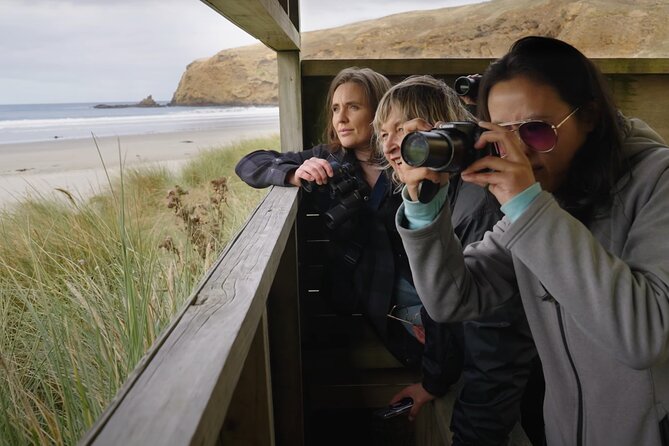
The best wildlife tours are the ones that respect weather. Clearwater builds that in.
You get complimentary high-quality binoculars. That is huge value because many tours either skip binoculars or provide cheap ones that do not hold up. Here, you can get usable viewing right away, which helps you spot sea birds and marine mammals without wasting time.
You also get complimentary wind and rain proof jackets. On the Otago Peninsula, that is not a gimmick. The wind off the Pacific can hit suddenly, and a cold gust can turn a great viewing moment into a rushed one. The jacket keeps you in the game long enough to watch animal behavior rather than just take a quick look and head back.
A few guests also mention warm coats and gloves being available on colder days. Even if that is not a guarantee every day, you should still plan to bring layers. Think warm top, rain shell, and a hat or warm head covering if you run cold.
If you care about photos, bring your camera. Some animals sit farther out than you want, and binocular spotting helps you aim. If you own a spotting scope, it can help with tighter views, and one guest specifically suggested it for people who prefer more precise framing. Even without a scope, your binocular time will improve your chances of getting the shots that you actually want.
Guide Style Matters, and Clearwater’s Names Keep Popping Up
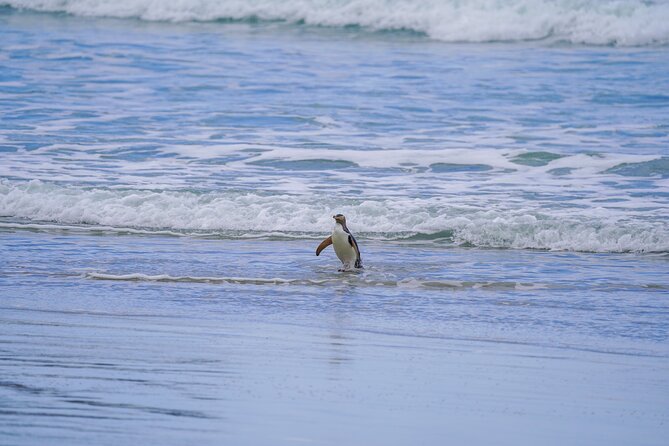
What makes this tour feel special is not just the animals. It is how the guides run the experience.
In the tour setting, you meet people like Adrian who focuses on ecology and conservation, and Ben who has a clear enthusiasm for wildlife and the local ecosystem. Quinn is often praised for finding animals and explaining what you are seeing, while Kelly gets compliments for being strong on seal, sea lion, and yellow-eyed penguin details. Ferg is highlighted for making the conservation story feel personal and urgent, not generic.
The pattern across guide reviews is consistent: they point things out quickly, they help you look in the right places, and they do it in a calm, respectful way. This is one of the real advantages of a small group. With only up to 10 people, your guide can adjust. If one side of the group needs more time scanning for birds, you can slow down. If you need to reposition for a better seal sighting, the group can shift.
One more note I like: multiple guides emphasize not disturbing wildlife. You are not treated like you are there to conquer an animal sighting list. You are there to observe and understand. That changes your whole mindset while you are walking and watching.
Who Should Book This Otago Peninsula Wildlife Half-Day?
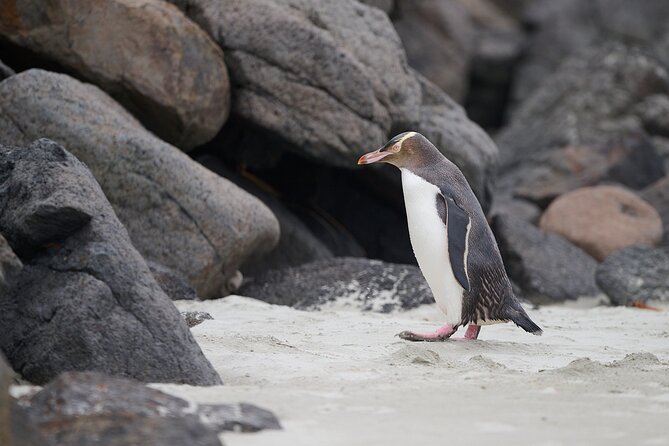
This tour is a strong match if you want:
- Close wildlife viewing with private habitat access
- A small group and time for questions
- Practical gear, binoculars and weather jackets included
- A walk that adds to the experience, not just a drive-by
You will enjoy it most if you are comfortable with moderate walking, uneven ground, and steps. Families can do it if kids are able to keep up. The tour is not suitable for children under 5 years old, and children might have difficulty on the trails. Also, children cannot sit on an adult’s lap for safety.
It is also a good choice if you are staying in Dunedin and want something that feels genuinely local, with rare species and real conservation focus. And if penguins are your top target, remember that this is not a theater show. Your best strategy is to go prepared for weather, prepared for walking, and ready to accept that wildlife comes and goes.
If you have mobility limitations, consider other options. The stairs and uneven sand walk are a real part of the route, and the tour is not recommended for travelers with mobility issues.
Should You Book Clearwater Wildlife Tours on the Otago Peninsula?
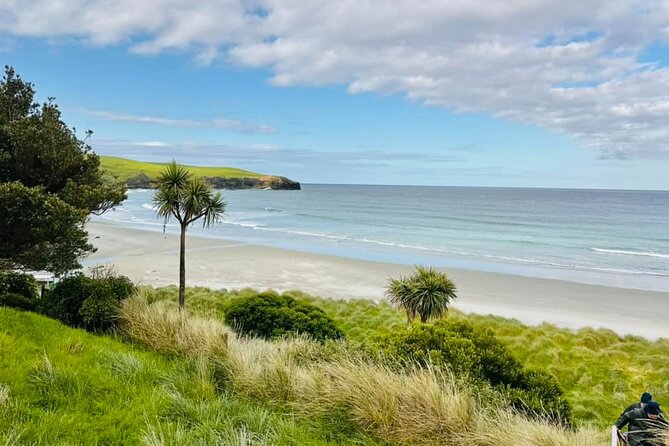
If your priority is rare wildlife with private access, and you want a guide-led, respectful encounter in a max 10-person group, I think this is an easy yes.
Book it if:
- You can handle moderate walking, sand, steps, and hills
- You want binocular-supported viewing instead of vague spotting
- You care about conservation and want to learn what you are seeing
- You are willing to be flexible about penguins, since they are rare and not guaranteed
Skip it if:
- You need fully flat, step-free access
- You prefer tours with guaranteed attractions on a fixed clock
- You are not interested in dressing for rapidly changing maritime weather
For most visitors to Dunedin, this is exactly the kind of half-day that makes the trip feel real, not rushed. You get the scenery, you get the wildlife habitat experience, and you leave with a sharper sense of how Otago’s species survive here, on their terms.
The Wider Dunedin and The Otago Peninsula Shortlist


Everything Else We Wrote Up in Dunedin and The Otago Peninsula
Further Round the Peninsula
Just added to our Dunedin and The Otago Peninsula notes
- Speight’s Brewery Tour & Dinner★ 5.0 · 7 reviews
- Private Dunedin City Highlights and Otago Peninsula Day Tour★ 4.3 · 7 reviews
- Dunedin: 3 Hour Artisan Food Walking Tour★ 4.4 · 7 reviews
- Dunedin: Peninsula with Lanarch Castle gardens & Olveston★ 5.0 · 8 reviews
- Dunedin Shore Excursion – Sightseeing, Larnach Castle, Chinese Garden & Museum★ 3.5 · 13 reviews
- Dunedin City – Settlers & Voyages Tour★ 5.0 · 13 reviews
Dunedin and the Otago Peninsula, compared.
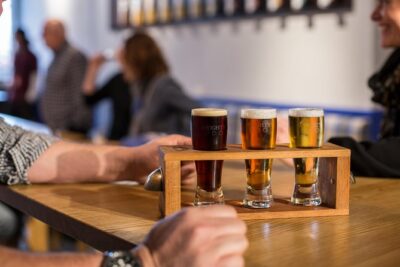 ★ 5.0Speight’s Brewery Tour & Guided TastingFrom $16508 reviews
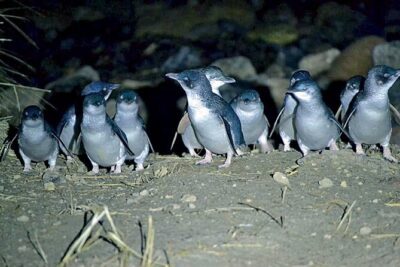 ★ 5.0Guided Evening Penguin Viewing Otago Peninsula, Dunedin, New ZealandFrom $34471 reviews
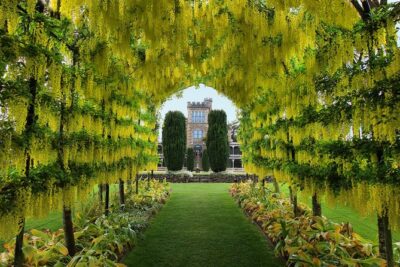 ★ 4.5Larnach Castle and Gardens Admission TicketFrom $29279 reviews
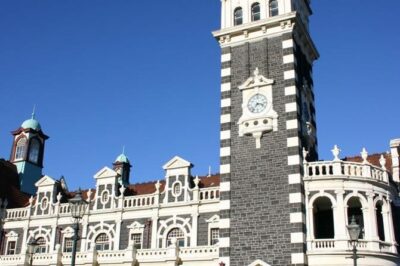 ★ 4.5Dunedin Shore Excursion: Small-Group Tour of Dunedin and the Otago PeninsulaFrom $86270 reviews
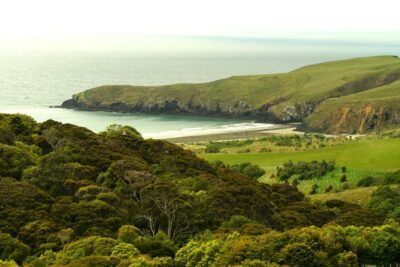 ★ 4.6Dunedin: Wildlife and Penguin TourFrom $44239 reviews
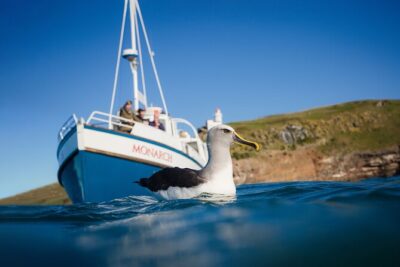 ★ 4.5Otago Peninsula Wildlife Cruise with MonarchFrom $43227 reviews
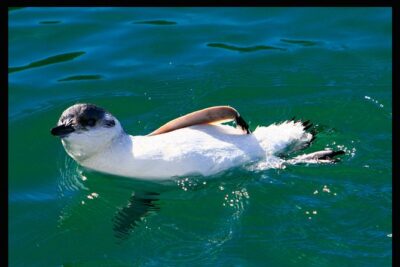 ★ 5.0Albatross, seals, and sea birds-Wildlife CruiseFrom $105189 reviews
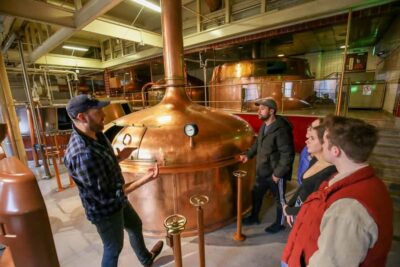 ★ 4.8Dunedin: Speight’s Brewery Guided Tour with TastingFrom $28170 reviews
Browse the lists this tour appears in