
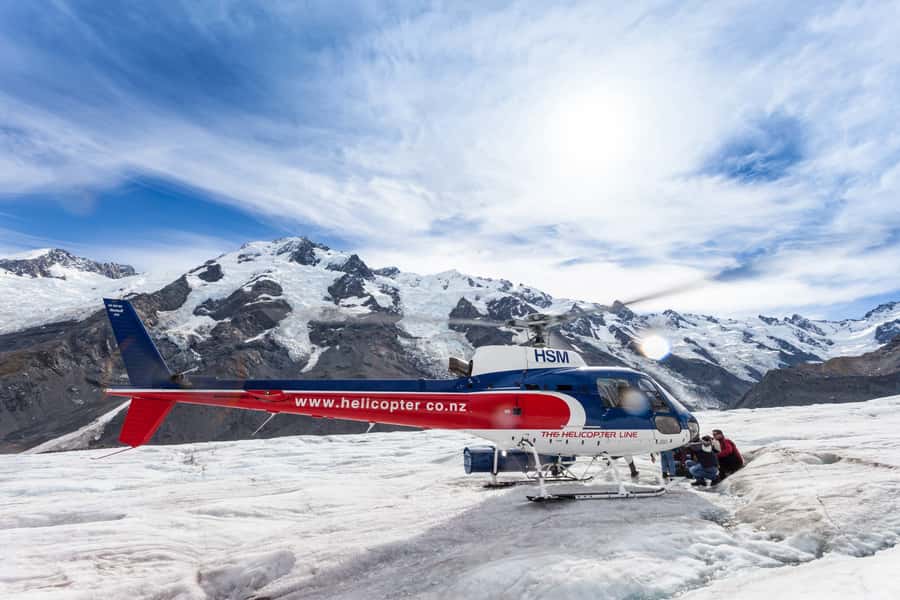
REVIEW · GLACIER HELI HIKES AND SNOW LANDINGS
Mount Cook: 3 Hour Heli Hike to the Tasman Glacier
Glacier ice under your boots, by helicopter. Aoraki and the Southern Alps look unreal from the air, but the real wow is stepping onto the Tasman Glacier with a guide and time to explore.
I love two things most: the scenic helicopter flight on the way in and out, and the way the glacier team teaches you how to walk safely on crampons. I’m especially impressed by guides like Kerry and Jess, who keep the whole hike steady and informative.
One consideration: the experience runs on mountain weather. If conditions are rough or limited by snow, your time on certain glacier features can be shorter than you hoped, even though safety comes first and you still get a glacier hike.
In This Review
- Key points before you go
- Why the Tasman Glacier heli-hike feels different
- How the 3-hour schedule actually works
- The helicopter flights: views plus a lesson in scale
- Landing on Tasman Glacier: what the hike time is really for
- Gear and clothing: the stuff that makes or breaks comfort
- Who this tour suits best (and who should skip it)
- Price and value: what you’re paying for
- Weather, cancellations, and setting expectations
- My take: book this if you want one big glacier day
- FAQ
- How long is the heli hike to the Tasman Glacier?
- Where do I meet for the tour?
- Is hotel pickup and drop-off included?
- What should I bring and wear?
- Can I bring a drone or selfie stick?
- What are the age and fitness requirements?
Key points before you go
- Helicopter landing on the Tasman Glacier, not just a viewpoint flight
- A true 2-hour glacier hike with provided boots and crampons
- Return flight near Hochstetter Icefall on Aoraki’s eastern face
- Small group size (max 10) for a more controlled hike on ice
- Professional guide-led safety skills, including how to move and what to watch for on the glacier
- No drone, no selfie stick, no tablet/iPad, so you can focus on the ice and the guide
Higher up, around Aoraki and Tekapo
- Mount Cook: 3 Hour Heli Hike to the Tasman Glacier
★ 4.7 · 218 reviews - Mount Cook: Helicopter Flight with Alpine Landing
★ 4.9 · 36 reviews - Christchurch to Mt Cook via Lake Tekapo (1 way)
★ 5.0 · 15 reviews - Mount Cook: Tasman Glacier Helicopter Flight
★ 4.3 · 7 reviews
Why the Tasman Glacier heli-hike feels different
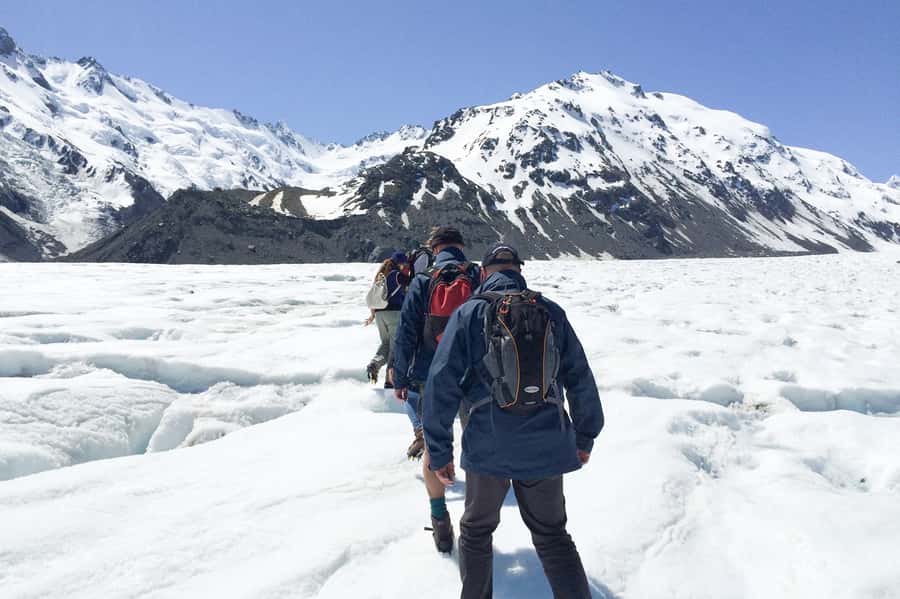
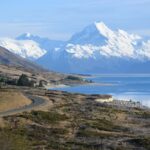
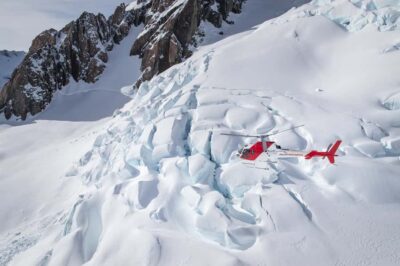
This is not a casual stroll with a postcard view. You’re traveling by helicopter to the Tasman Glacier, then spending real time on ice, under the shadow of Aoraki (Mount Cook) and Mount Tasman. That mix of flight wow plus hands-on glacier walking is why this is such a strong Mount Cook “one big ticket item” activity.
The value here is the combination of logistics and expertise. Helicopter access is the key. It saves you from long approaches and puts you right where the glacier features are, then the guides focus on keeping you moving with confidence on crampons.
If you like seeing mountains from multiple angles, you’ll appreciate the arc of the day: approach over glacier scenery, land and hike, then a return flight that brings you close to the Hochstetter Icefall area. That means you don’t just arrive, look around, and leave.
How the 3-hour schedule actually works
The total duration is listed as 3 hours, but it’s paced with a safety rhythm, not a rushed conveyor belt. Plan for a proper start: check-in happens first, then you’ll get fitted and briefed before you go anywhere near the ice.
In practice, your day usually looks like this:
- You meet at the office upstairs in the airport.
- You start with a safety briefing for about 20 minutes.
- You fly for around 15 minutes to the glacier approach area and landing zone.
- You hike on the ice for 2 hours.
- You fly back for another 15 minutes, with scenic passes on the way out.
That safety briefing matters more than you might think. Glacier walking can feel awkward at first, even when you’re fit, because you’re stepping onto uneven ice while wearing boots and crampons. The brief helps you get your bearings fast and keeps the group flowing.
Also note the timing detail: your requested time is your check-in time. Build in the extra time needed for briefing and equipment fitting, and you’ll feel calmer before the helicopter doors even open.
The helicopter flights: views plus a lesson in scale
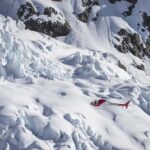
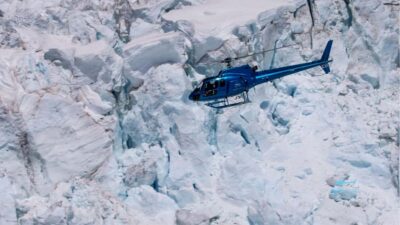
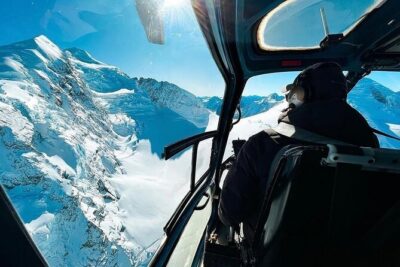
The helicopter portion is short, but it’s packed with visual payoff. On the way in, you fly over the Tasman Glacier Lake and ice formations, so you’re not just flying over terrain, you’re getting a top-down sense of how the glacier sits in the bigger Southern Alps. Seeing glacier patterns from above helps the hike make more sense once you’re on the ice.
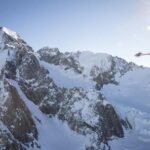
On the way out, you pass close to the 1,000-meter Hochstetter Icefall on Aoraki’s eastern face. Even from the air, it’s hard not to feel the scale. It’s a reminder that you’re walking on active glacial systems, not frozen props.
Pilots are also a major part of the experience. Multiple people call out smooth, controlled flying, which is exactly what you want when you’re heading into an exposed mountain environment.
One small, practical note from the experience itself: the airport building can have more than one operation happening at once. If you’re trying to find your way before check-in, follow the signage carefully so you end up at the right upstairs office without stress.
Landing on Tasman Glacier: what the hike time is really for
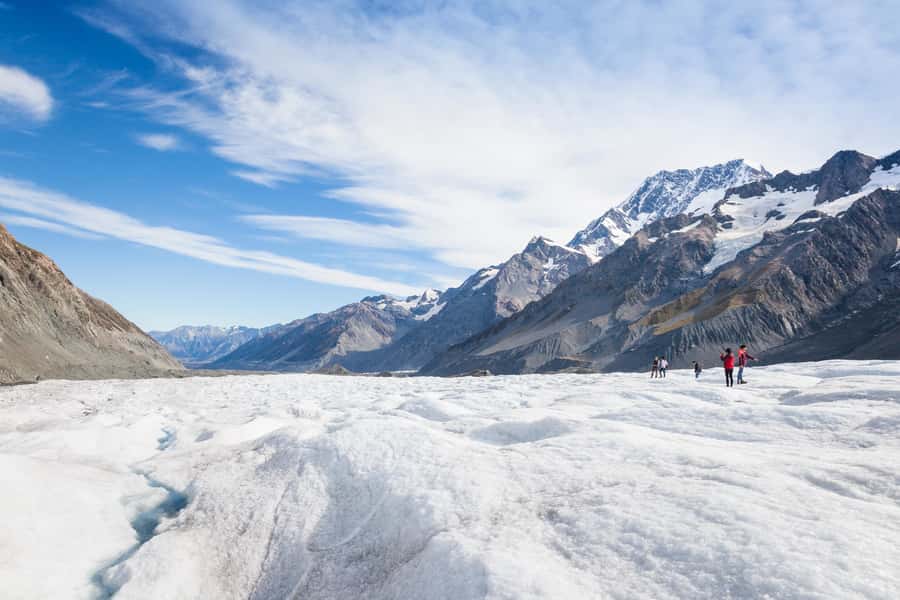
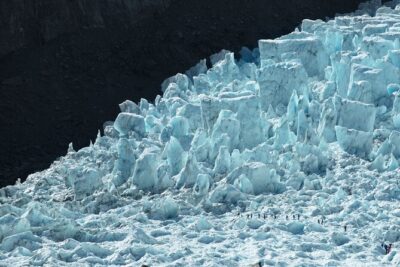
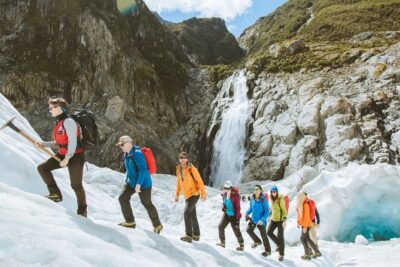
The best part is the time on the ice. You’ll hike for about 2 hours on a surprisingly undulating glacier surface, in the shadow of the highest Southern Alps peaks. This isn’t a flat route. Expect slopes, small rises, and ice texture changes that change how your steps feel.
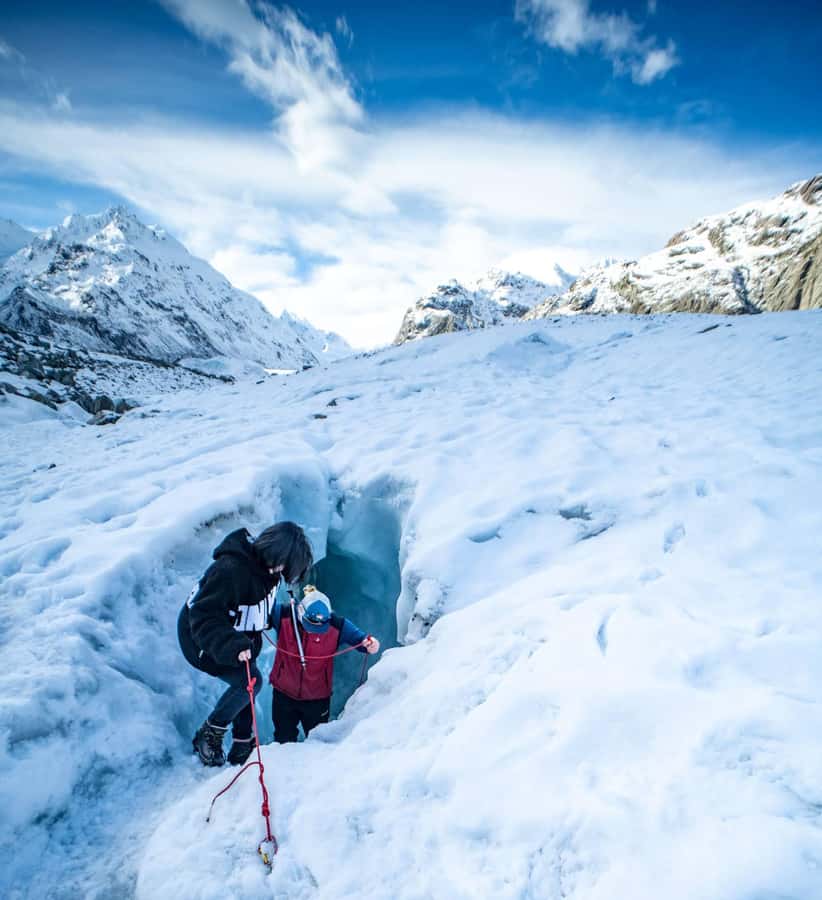
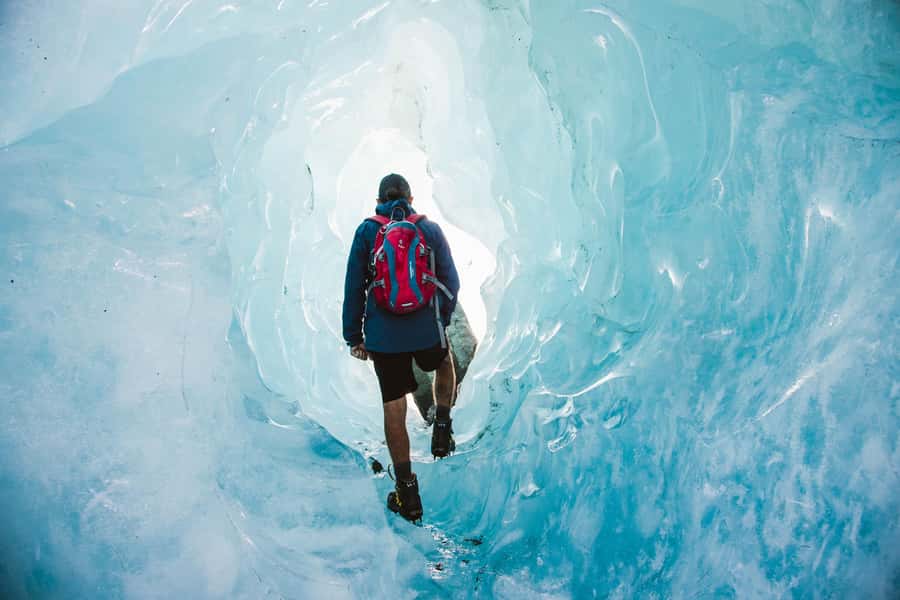
You’re also exploring glacial ice formations with your professional guide. Depending on conditions, this can include ice features like caves or other sculpted sections of the glacier. Some days include more cave time, and other days heavy snowfall in the lead-up can reduce what’s accessible. The upside is that the guide still builds your hike around safe routes and whatever the glacier is offering that day.
Guides tend to bring the glacier to life in a very practical way:
- what you’re looking at and how ice changes form
- how to step with crampons to stay stable
- what to watch for to avoid hazards
I also like that the guides don’t treat the hike as only sightseeing. The approach is safety-first teaching. In one account, your guide even explains rope securing for rescue or climbing-style scenarios. That kind of instruction makes the hike feel serious and well-managed, not improvisational.
You’ll also get plenty of photo opportunities. One nice detail is that the terrain and ice formations give you angles to shoot from, not just one static “pose and go” spot.
Gear and clothing: the stuff that makes or breaks comfort
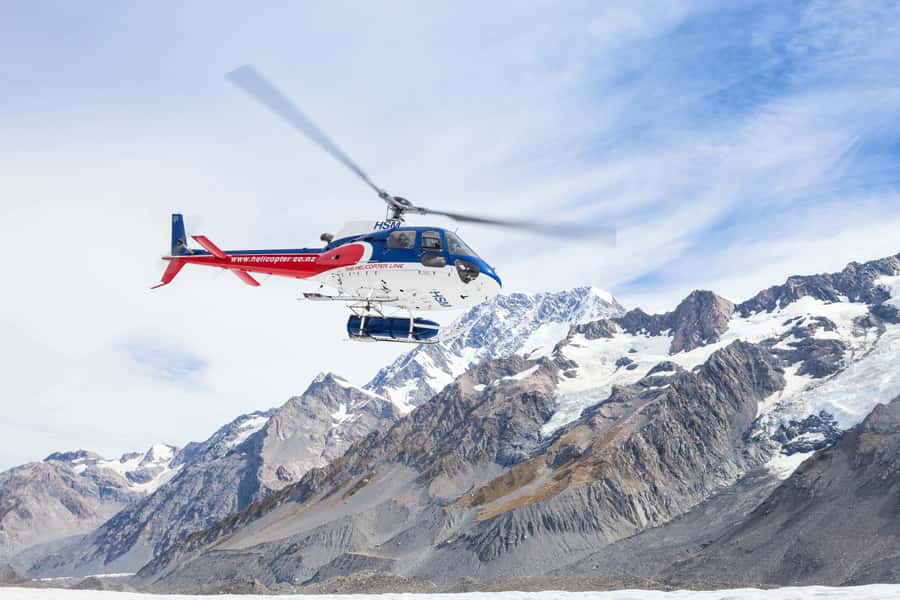
You don’t need to show up with glacier gear. The tour provides glacier boots and ice crampons, plus a waterproof jacket if you need one. That takes away a huge headache, especially if you don’t travel with snow and ice equipment regularly.
But you still need to bring the right clothing and layers. The activity is outdoors in mountain conditions, and it can be chilly even when the helicopter flight feels bright. Bring warm clothing and rain gear, plus comfortable shoes that work with the fitting process.
Here’s what I’d prioritize before you pack:
- Warm layers you can move in
- Rain gear, because wet wind on ice is no fun
- Sturdy closed-toe shoes (for the fit and comfort before crampons)
- Sunscreen and sunglasses, since glare off ice can be intense
- Your phone or camera, because you’ll want the photos
Safety and comfort often come down to small choices. People who under-dress can end up cold quickly on the glacier, and you’ll feel it during the second half of the hike. If you’re unsure, dress for cold and damp, not for the Mount Cook village weather.
Also, you should know what you can’t bring: drones, selfie sticks, and tablets/iPads are not allowed. The goal is simple, fewer hazards and less clutter around a group moving on ice.
Who this tour suits best (and who should skip it)
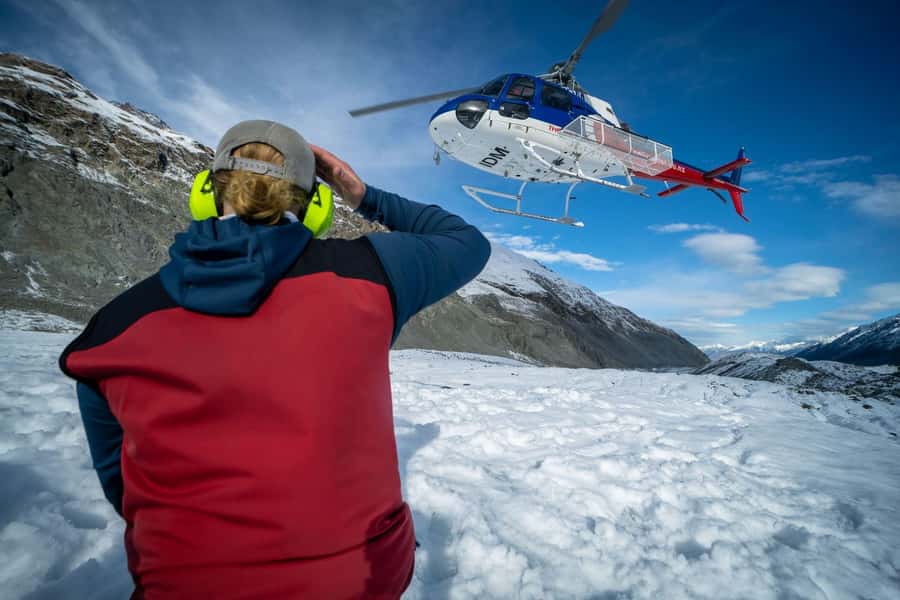
This heli-hike is designed for people with moderate hiking ability. You don’t need to be an ice climber, but you do need to handle uneven ground and a steady 2-hour walk on glacier terrain. Some people mention feeling tired at the end, which makes sense. You’re using different muscles than a normal hike, and crampons add effort.
Age wise, it’s for participants at least 10 years old. There’s also a weight limit of 150 kilograms per person, including equipment. If you’re at the upper end, it’s worth thinking early about how you’ll feel carrying your own comfort and layering needs.
There are also clear “not recommended” notes:
- Pregnancy is not recommended.
- If you struggle with moderate physical demands, this may feel too challenging.
If you’re the type of traveler who likes structured guiding and safety instruction, you’ll likely enjoy this even more, because the glacier team tends to keep people moving and informed step by step.
Price and value: what you’re paying for
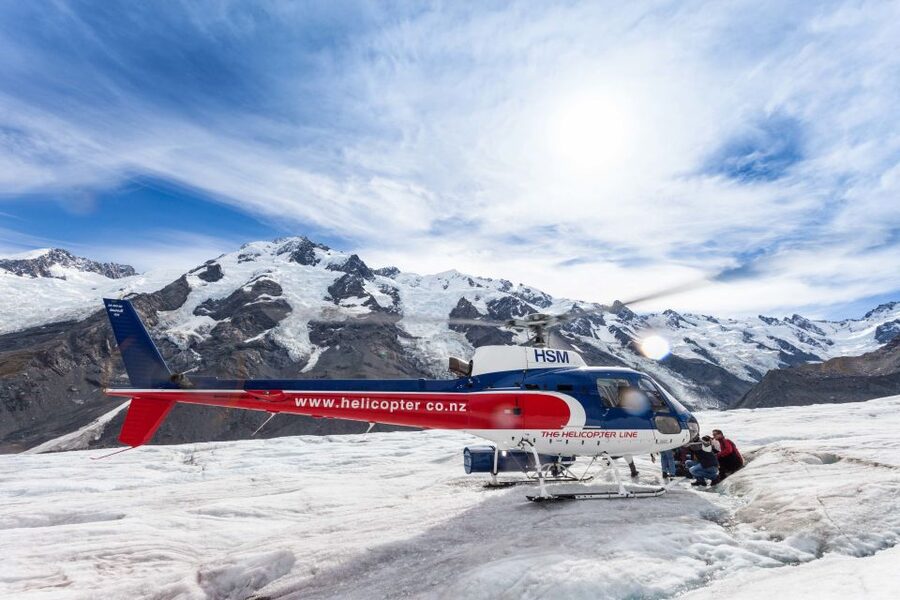
At $564 per person for a 3-hour outing, this is a premium activity. The good news is that the price is tied to real costs you can feel in the experience.
You’re paying for:
- Helicopter travel to a glacier landing zone
- A guided 2-hour glacier hike with trained support
- Equipment (boots, crampons, and waterproof jacket if required)
- Hotel pickup and drop-off in Mount Cook Village
- A small group cap of 10, which affects how much guidance and attention you get
When a tour includes aircraft access and specialized gear, it’s rarely cheap. The value question becomes: do you want access to the Tasman Glacier by air, with instruction on how to walk safely on ice? If yes, this tends to land in the “worth it” category for people planning a Mount Cook highlight day.
One more value angle: the guides can change what you get out of the hike. Multiple people single out guides by name, like Kerry, Jess, Scott, Maddie, Matt, and Sammy, and describe them as energetic, safety focused, and committed to helping everyone finish strongly. That kind of guiding matters on ice.
Weather, cancellations, and setting expectations
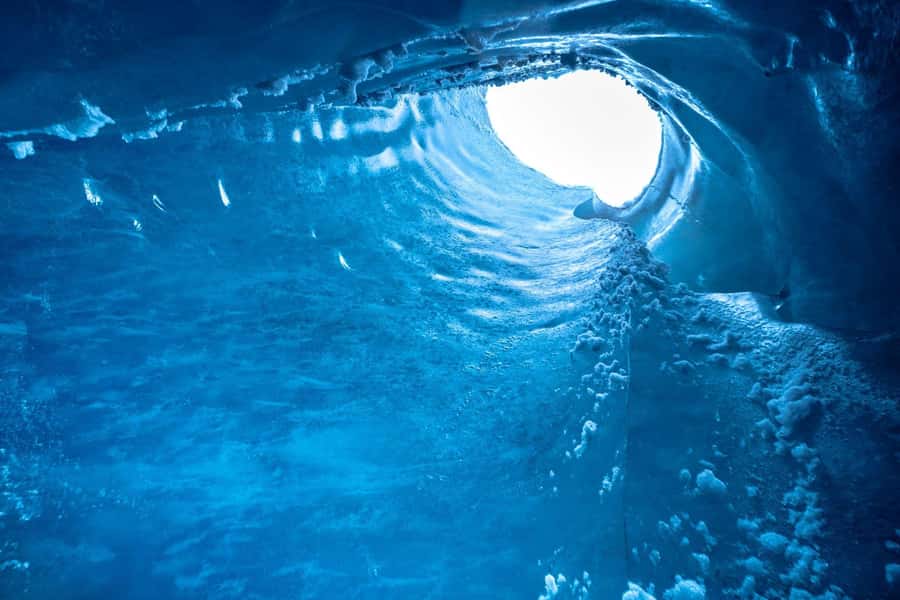
This is a mountain environment, so it’s not guaranteed every day. The flight is subject to favorable weather conditions and minimum passenger numbers. If it’s canceled, you’ll have the option of an alternative date or a full refund.
For you, the practical move is to treat this like a high-priority activity that benefits from flexible planning. If your itinerary is rigid with no wiggle room, you might be disappointed if weather shuts down a specific departure window.
Also set expectations about glacier features. Some conditions allow more exploration of ice caves or particular formations, while heavy snowfall before your visit can limit what’s visible or safely accessible. That doesn’t mean the trip is pointless. It means you’re seeing what the glacier can safely offer that day, with a guide adjusting routes as needed.
My take: book this if you want one big glacier day
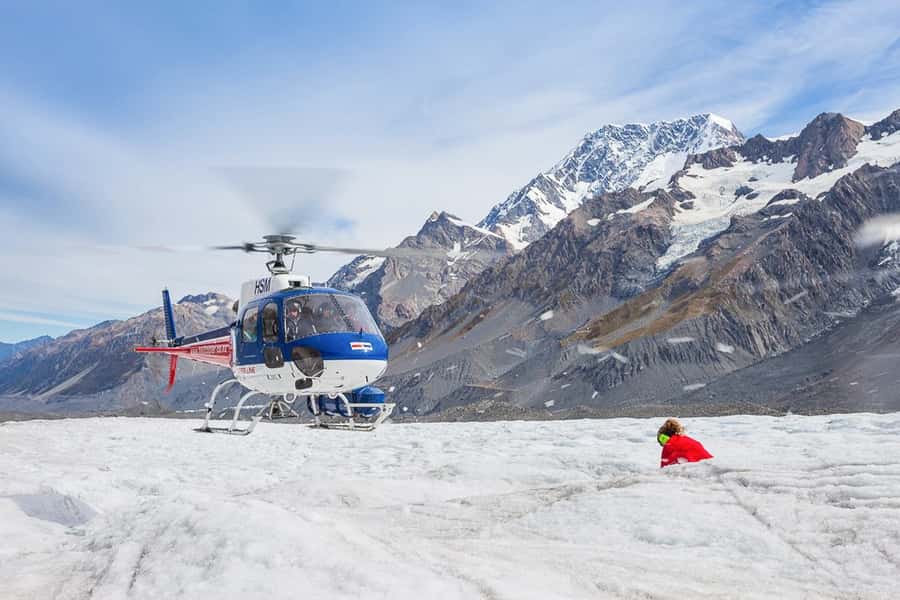
Should you book the Mount Cook 3-hour heli hike to the Tasman Glacier? If you’re craving a genuine “I came to New Zealand for this” moment, it’s one of the best ways to turn Aoraki country into a hands-on glacier experience.
Book it if:
- you want actual time walking on the glacier, not just a scenic viewpoint
- you like small-group guiding and clear safety instruction
- you’re comfortable with moderate hiking on uneven terrain
- you’re willing to dress warm and accept that weather can affect what you see
Skip it if:
- you can’t handle moderate physical effort on cold, uneven ground
- you’re not able to meet the weight limit requirements
- you’re traveling during a time when you have zero flexibility if weather changes
If you do book, pack warm, arrive early for check-in, and listen closely during the briefing. The best days are the ones where you show up prepared, then let the glacier guide do their job, which is to keep you safe while making the ice features click in your head.
FAQ
How long is the heli hike to the Tasman Glacier?
The total experience is about 3 hours, including a safety briefing, a helicopter flight, around 2 hours of glacier hiking, and a return helicopter flight.
Where do I meet for the tour?
Meeting is at the office located upstairs in the Mount Cook Airport.
Is hotel pickup and drop-off included?
Yes. Pickup and drop-off in Mount Cook Village are included.
What should I bring and wear?
Bring comfortable shoes, warm clothing, and rain gear. Sunscreen and sunglasses are recommended as well, since conditions can be bright and icy.
Can I bring a drone or selfie stick?
No. Drones, selfie sticks, and tablets or iPads are not allowed.
What are the age and fitness requirements?
You must be at least 10 years old and have moderate hiking ability. The tour is not recommended for people who are pregnant, and there is a maximum weight limit of 150 kilograms per person.
Everything Else We Wrote Up in Aoraki Mount Cook Village
More Ways Onto the Ice
Aoraki and the Mackenzie
Just added to our Aoraki Mount Cook Village notes
- Mount Cook: Tasman Glacier and West Coast Helicopter Flight★ 5.0 · 6 reviews
- Mount Cook: Tasman Glacier Helicopter Flight★ 4.3 · 7 reviews
- Christchurch to Mt Cook via Lake Tekapo (1 way)★ 5.0 · 15 reviews
- Mount Cook: Helicopter Flight with Alpine Landing★ 4.9 · 36 reviews
- Mount Cook: 3 Hour Heli Hike to the Tasman Glacier★ 4.7 · 218 reviews
Glacier Heli Hikes and Snow Landings, compared.
 ★ 4.8Franz Josef Glacier: Helicopter Flight & Alpine LandingFrom $230619 reviews
 ★ 4.5Franz Josef Glacier Heli-HikeFrom $506618 reviews
 ★ 5.0Heli Hike Fox GlacierFrom $477563 reviews
 ★ 4.8Mount Cook: Scenic Helicopter Flight with Alpine LandingFrom $226442 reviews
 ★ 4.7Franz Josef & Fox Glaciers Helicopter Flight & Snow LandingFrom $289342 reviews
 ★ 5.0Pilot’s Choice: 2 Glaciers & Snow Landing – 35minFrom $300336 reviews
 ★ 4.9Queenstown: Pilot’s Choice Helicopter Tour & Alpine LandingFrom $230291 reviews
 ★ 4.6Mount Cook: Ski Plane and Helicopter Glacier Combo FlightFrom $328271 reviews
Browse the lists this tour appears in