
REVIEW · AORAKI MOUNT COOK AND LAKE TEKAPO
Mount Cook: Tasman Glacier Helicopter Flight
Ice and mountains, from the sky.
This Tasman Glacier helicopter flight pairs a high-altitude view of the Hochstetter Icefall with a glacier landing you can actually step onto. I love how the route focuses on two of Aoraki/Mount Cook’s most dramatic icy sights, and I love that the experience ends with you on the glacier, not just above it. The main drawback to plan around is weather, since departures depend on favorable conditions.
You’ll also get a small-group feel, limited to just 5 participants, with an English live tour guide to point out what you’re seeing. Since the ticket does not include food or drinks, I recommend you snack and hydrate before you head to check-in at the base. If you are coming from your lodge, you should plan your own timing because hotel pick up and drop off are not included.
Check in closes 30 minutes before departure, so give yourself buffer time. At Glacier Helicopters Ltd, 81 Bowen Drive in Aoraki/Mount Cook Village, you’ll be ready for the pilot-led flight that lasts about 40 minutes total. Bring warm layers, sunglasses, sunscreen, and comfortable shoes, because glacier air has a way of making you feel every draft.
In This Review
- Key things that make this flight worth it
- Helicopter check-in at Aoraki/Mount Cook Village, then straight to the ice
- Hochstetter Icefall from above, then feeling the scale on the ground
- Glacier landing on the Tasman: neves, crevasses, and the real surface
- The Burnett Mountains and Mackenzie Basin, seen as one big system
- How the 40 minutes work, and why timing matters more than you think
- What to bring for cold ice air, plus photo tips that actually help
- Price and value: is $391 per person worth it for glacier access?
- Who should book this helicopter glacier landing, and who should think twice
- Should you book the Tasman Glacier Helicopter Flight with landing?
- FAQ
- How long is the Mount Cook Tasman Glacier Helicopter Flight?
- What’s included with the ticket?
- Where is the meeting point?
- Is food, drinks, or hotel pickup included?
- What should I bring for the flight and landing?
- What should I know about weather and check-in?
Key things that make this flight worth it
- Tasman Glacier and Hochstetter Icefall, same experience: you see both the glacier and the cascading ice that feeds it
- Alpine glacier landing: you step onto the ice for panoramic views that change the whole picture
- Neves and crevasses up close: you get to notice the glacier’s surface patterns formed over centuries
- Burnett Mountains and Mackenzie Basin vistas: you look out over a huge region, not just one peak
- Small group size (up to 5): easier sightlines and a calmer pace for photos and viewing
- English live guide: you’re not guessing what you’re looking at
Higher up, around Aoraki and Tekapo
- Mount Cook: 3 Hour Heli Hike to the Tasman Glacier
★ 4.7 · 218 reviews - Mount Cook: Helicopter Flight with Alpine Landing
★ 4.9 · 36 reviews - Christchurch to Mt Cook via Lake Tekapo (1 way)
★ 5.0 · 15 reviews - Mount Cook: Tasman Glacier Helicopter Flight
★ 4.3 · 7 reviews
Helicopter check-in at Aoraki/Mount Cook Village, then straight to the ice
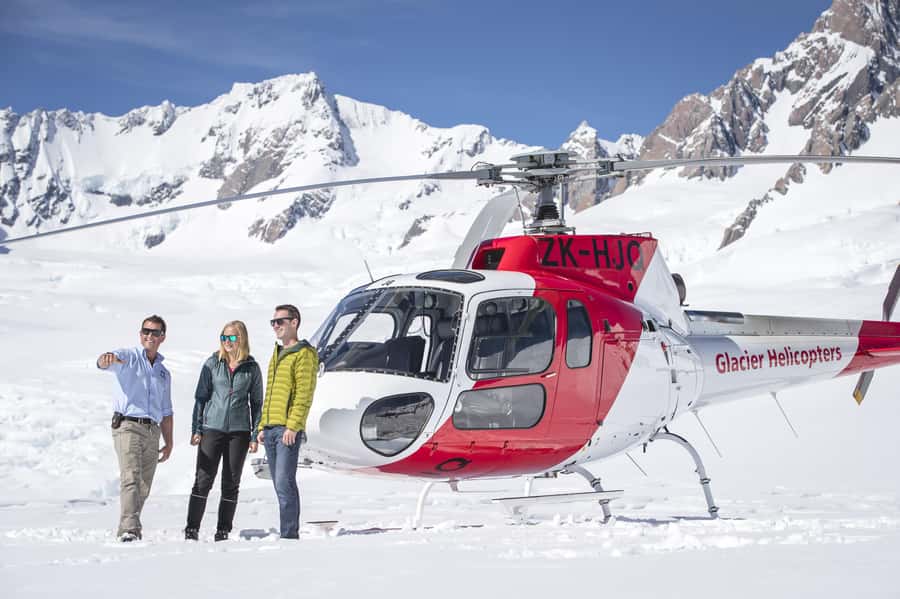
The experience is built for speed, not wandering. You depart from Aoraki/Mount Cook and check in at the base, then you’re onboard for a flight that’s only about 40 minutes long. That matters because it lets you fit something memorable into a day that might otherwise be spent waiting on hikes, weather, or bus schedules.
Glacier Helicopters Ltd is at 81 Bowen Drive in Aoraki/Mount Cook Village, and there’s no hotel pick up or drop off. I like that setup for independent travelers, but you need to plan your own transport and arrive with time to spare because check-in closes 30 minutes before departure. If you show up late, it becomes an expensive way to lose your slot, and the whole glacier portion only happens if you’re on time.
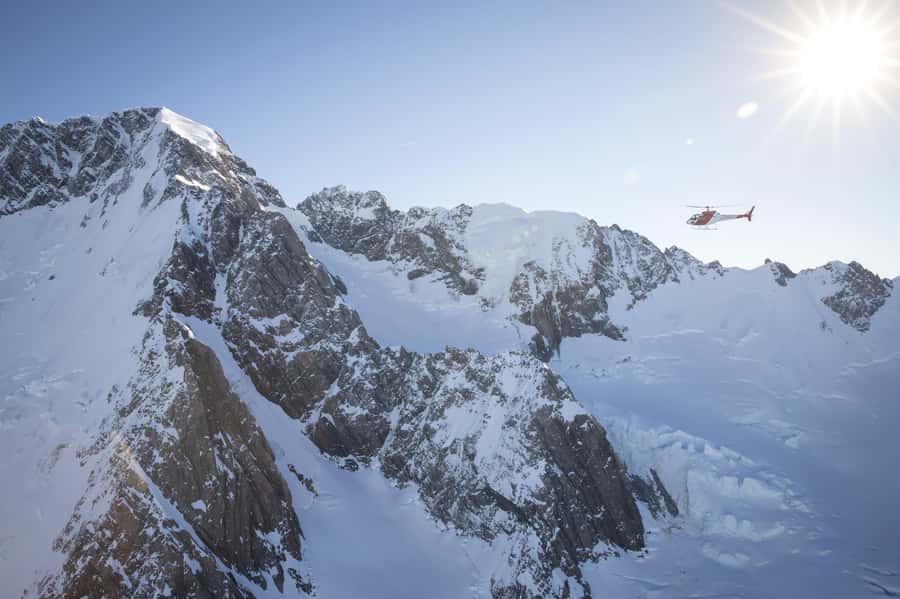
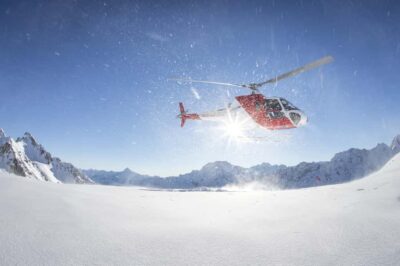
Once you’re in the aircraft, the value is in being above the ice quickly. From the air, the Tasman Glacier and Hochstetter Icefall are easier to understand as a system: ice flow, steep drops, and the way mountains shape where snow and ice end up. You also get panoramic views on the flight itself, not just during the landing.
Hochstetter Icefall from above, then feeling the scale on the ground
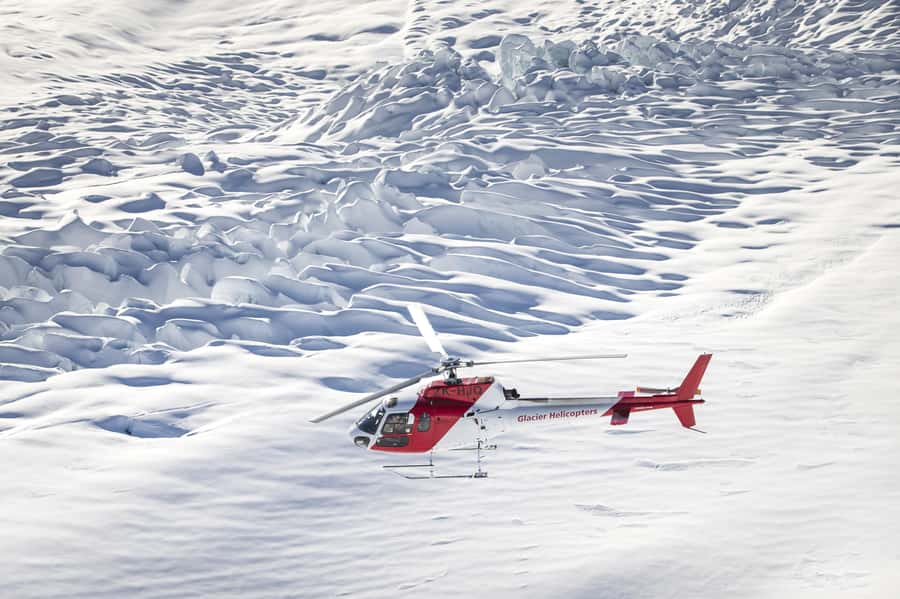
The standout sight is the Hochstetter Icefall as it cascades down the mountainside. Seen from the air, it reads like a frozen waterfall, broken into layers and movement lines that you can’t really appreciate from ground level. This is the kind of glacier feature that looks different at every angle, and a helicopter gives you those angles without turning your day into a long hike.
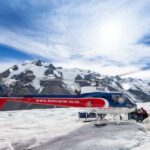
Then the experience switches gears with the glacier landing. That landing is not just a photo stop. You’re positioned to take in the scale of Aoraki/Mount Cook, including views of Cloud Piercer in the surrounding area. When you’re standing on the glacier, the “wow” changes from scenery to physical reality. The ice surface is textured, uneven, and clearly shaped by time.
One more helpful detail is the on-the-spot guidance from the English live tour guide. Even if you know glaciers only from photos, you’ll have a better handle on what you are looking at. In the experience’s own feedback, the pilots were praised for being informative and for making sure everyone gets a fair look at the views, including photo time.
If you’re sensitive to motion or cold air, just remember the aircraft ride and the landing happen in real alpine conditions. Warm layers matter, and so does keeping your camera protected from wind.
Glacier landing on the Tasman: neves, crevasses, and the real surface
The flight is memorable, but the glacier landing is where it gets personal. You explore the upper Tasman Glacier, with its neves and crevasses formed over centuries. “Neves” is the word used for snow that has compacted into a denser, glacier-ready form, and seeing it up close helps you understand that glaciers are not just one smooth sheet. They are made of layers, pressures, and movement.
You’ll also see crevasses, those deep cracks that form as the glacier flows over uneven terrain. From above, crevasses can look like random lines. On the ground, the patterns feel more intentional because you can judge depth and spacing with your own eyes. This is one reason a glacier landing can be more valuable than another 40 minute scenic flight. You are not only observing, you’re standing in the glacier environment.
That said, this is still a short window. The activity is designed for a tight time block, so don’t expect lingering like a full-day expedition. It’s more like a guided taste with big payoff: you get the key details, then you move on. If you want maximum time on ice, this format may feel brief, but it also makes it more accessible for people who are travel-tired or limited on time.
Safety-wise, the activity includes an alpine landing and panoramic views, and smoking is not allowed. You’ll want to follow staff instructions closely. And bring comfortable shoes, because warm clothing and good footing are both part of enjoying the experience.
The Burnett Mountains and Mackenzie Basin, seen as one big system
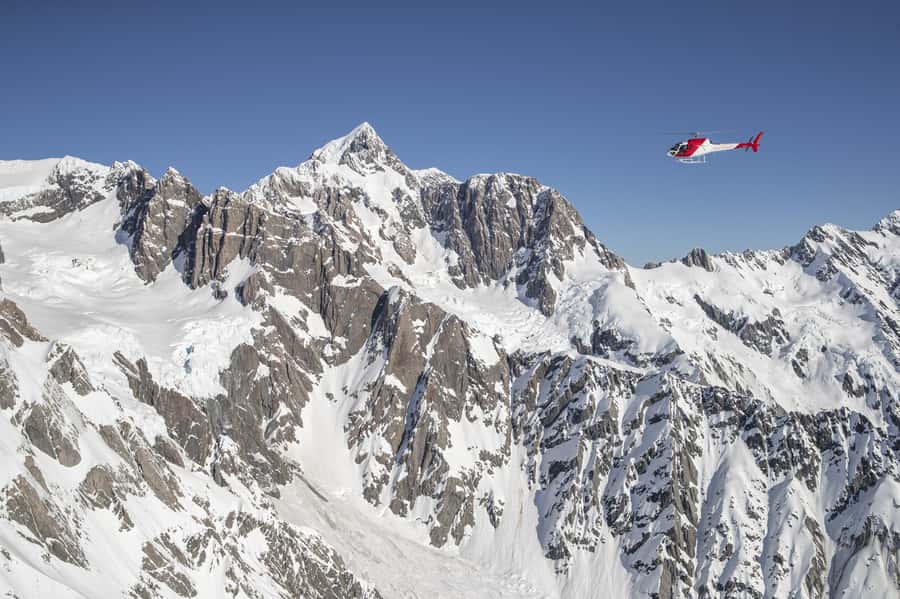
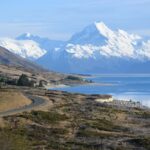
One of my favorite parts of the itinerary is that it doesn’t freeze the view in one direction. You get expansive vistas of the Burnett Mountains and the Mackenzie Basin, meaning the flight connects Aoraki/Mount Cook to a wider region. That’s important in New Zealand because the South Island is all linked weather, valleys, and mountain ranges. Seeing the ice in that larger context makes it feel less like an isolated attraction and more like part of a living environment.
From the air, mountain shadows and valley shapes become clear fast. The glacier sits among ranges, and you can often tell how wind and elevation likely influence where snow accumulates and how ice moves. Even with a limited 40 minute duration, the panoramic views are enough to help your brain map the region.
When you add in the view of Aoraki/Mount Cook itself, including Cloud Piercer, it creates a strong “from here to there” feeling. You’re looking at ice and rock with scale cues, and that’s what makes photos better. Images from a helicopter often look like postcards, but they are also useful for understanding what you’ll see later on the ground.
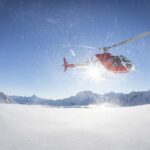
More rotor time over Aoraki Mount Cook Village
How the 40 minutes work, and why timing matters more than you think
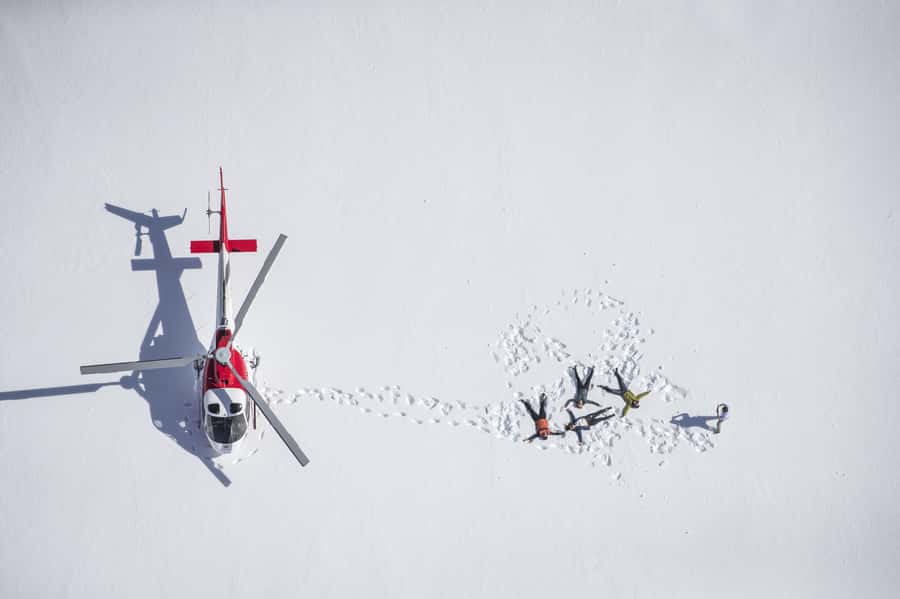
The total duration is about 40 minutes, and that includes flight time and the glacier landing portion. The pacing is purposeful: you get a flight over the Tasman Glacier and the Hochstetter Icefall, then you land, look around, and absorb the surroundings before returning. If you like experiences that are efficient but still meaningful, this is the right format.
Starting times depend on availability, which means you should check the schedule before you lock in other plans. Also, check-in closes 30 minutes before departure. I treat that as a hard rule, not a suggestion, because weather shifts are part of the deal. If your departure moves later, your day will adjust, too.
Weather is the biggest variable in glacier activities. The operation is subject to favorable weather conditions, and that can affect whether the flight goes ahead. One customer described a cancellation and then a refund that took several days, which is a reminder to keep a little flexibility in your budget and schedule when you book last-minute.
If you’re planning other activities around this, I recommend you keep your helicopter slot early or middle of the day and avoid booking something that depends on being rigidly on time.
What to bring for cold ice air, plus photo tips that actually help
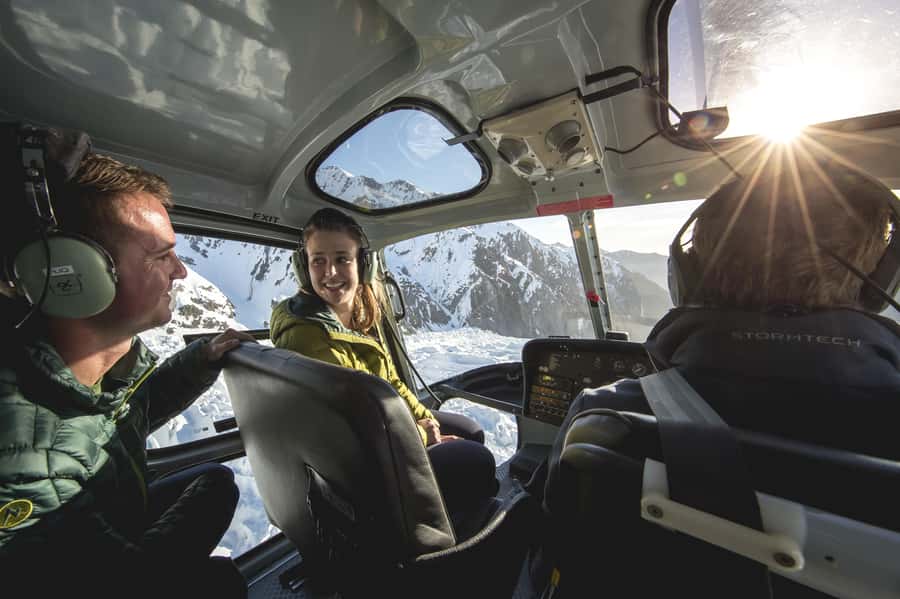
Bring comfortable shoes and warm clothing, then add a layer you can adjust. Glacier flights can be chilly, and the landing is on a cold surface with wind exposure. Sunglasses are a must because ice glare is real, and sunscreen helps protect skin and lips during bright alpine light.
A camera helps, and having it ready matters because the views change constantly. Helicopter windows are small enough that you might want to use burst mode or short bursts, rather than trying to catch everything at once. It also helps to keep your hands steady and your focus simple, since wind can make it harder to frame perfectly.
If you use your phone, keep in mind cold can drain batteries faster than you expect. A simple fix is keeping your phone close to your body until boarding, then only exposing it when you need it.
Also, comfortable clothes are not optional. You’ll be in the aircraft and then on the landing area. Smoking is not allowed, so you don’t need to worry about that distraction. Just focus on staying warm and capturing the ice features that are easiest to miss from distance.
Price and value: is $391 per person worth it for glacier access?
At $391 per person for about 40 minutes, this is not a budget activity. You are paying for two things: helicopter time over the Tasman Glacier and access to a glacier landing. A landing is the differentiator. Most glacier viewing options, even good ones, keep you off the ice. Here, the experience includes an alpine landing and panoramic views, which is why the price makes sense when you compare it to ground options that require long hikes and limited sightlines.
You should also factor what is not included. Food and drinks are not included, and there is no hotel pick up or drop off. That means your total trip cost can creep upward once you add meals before check-in and transport to 81 Bowen Drive in the village.
For value seekers, this is worth it if you want:
- maximum glacier impact in a short time window
- a small-group flight with an English live tour guide
- the chance to stand among neves and crevasses, not just watch from a distance
If you want a long guided trek, or you’re traveling on a tight day budget, there may be cheaper ways to enjoy Aoraki/Mount Cook. But if you want glacier access plus big aerial angles, this is one of the more direct ways to get it.
Who should book this helicopter glacier landing, and who should think twice
This is a strong fit for people who are short on time and still want something truly distinctive in Aoraki/Mount Cook. I think it works especially well if you want glacier views without committing to a long, physically demanding day. The small group limit of up to 5 participants also helps, because you get a more personal viewing experience and less crowd pressure around windows and landing time.
It’s also a smart choice if you care about seeing the Hochstetter Icefall and understanding the glacier surface. The upper Tasman Glacier details, like neves and crevasses, are exactly the sort of features that feel better in person than in photos.
Consider skipping or switching plans if:
- you are very weather-dependent and can’t rearrange the day at all
- you hate paying for a tight time slot that might be delayed or canceled due to conditions
- you expect food to be part of the price, because it is not included
If you’re comfortable dressing warm and you’re okay following staff timing rules, you’ll get a lot out of the experience.
Should you book the Tasman Glacier Helicopter Flight with landing?
If you want one unforgettable glacier moment, this is the kind of booking I’d take seriously. The combination of flight over the Tasman Glacier and Hochstetter Icefall, plus the alpine landing and panoramic views, is the real reason the ticket costs what it does.
Book it if you can handle weather variability and you can make check-in on time. Skip it if your schedule is too rigid, or if you want more time on ice than a short 40 minute experience allows.
FAQ
How long is the Mount Cook Tasman Glacier Helicopter Flight?
The experience lasts about 40 minutes.
What’s included with the ticket?
Your ticket includes an alpine landing and panoramic views.
Where is the meeting point?
Check in is at Glacier Helicopters Ltd, 81 Bowen Drive, Aoraki / Mount Cook Village, New Zealand.
Is food, drinks, or hotel pickup included?
No. Food and drinks are not included, and there is no hotel pick up or drop off.
What should I bring for the flight and landing?
Bring comfortable shoes, warm clothing, sunglasses, a camera, and sunscreen.
What should I know about weather and check-in?
The flight is subject to favorable weather conditions. Check-in closes 30 minutes before departure.
Rotor Time Over Aoraki Mount Cook Village
Everything Else We Wrote Up in Aoraki Mount Cook Village
Aoraki and the Mackenzie
Just added to our Aoraki Mount Cook Village notes
- Mount Cook: Tasman Glacier and West Coast Helicopter Flight★ 5.0 · 6 reviews
- Mount Cook: Tasman Glacier Helicopter Flight★ 4.3 · 7 reviews
- Christchurch to Mt Cook via Lake Tekapo (1 way)★ 5.0 · 15 reviews
- Mount Cook: Helicopter Flight with Alpine Landing★ 4.9 · 36 reviews
- Mount Cook: 3 Hour Heli Hike to the Tasman Glacier★ 4.7 · 218 reviews
Aoraki Mount Cook and Lake Tekapo, compared.
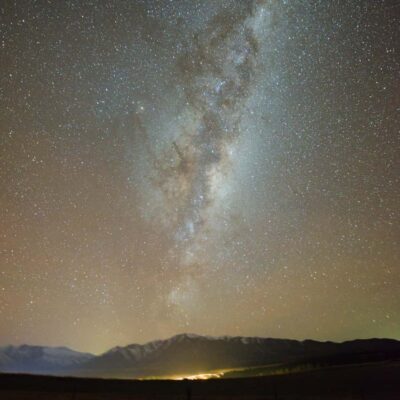 ★ 4.5Lake Tekapo: Alpine Stargazing Experience with a GuideFrom $59626 reviews
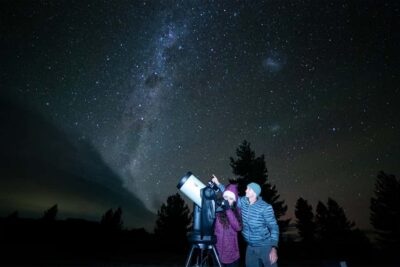 ★ 4.9Lake Tekapo: Stargazing ExperienceFrom $71607 reviews
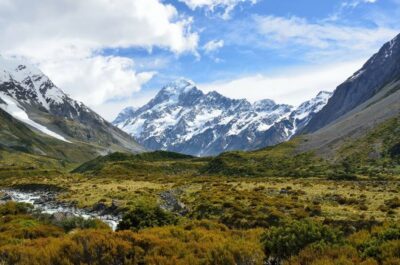 ★ 4.9Mount Cook & Lake Tekapo Day Tour from ChristchurchFrom $146483 reviews
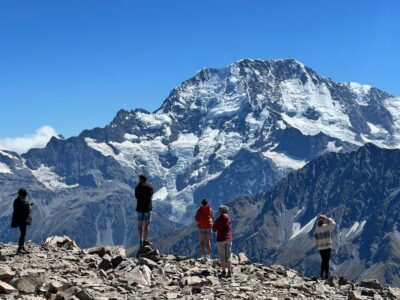 ★ 4.8Mount Cook: Scenic Helicopter Flight with Alpine LandingFrom $226442 reviews
 ★ 5.0Mt Cook Small Group Scenic Day Tour from QueenstownFrom $164407 reviews
 ★ 5.0Mount Cook, Lake Tekapo and Tasman Glacier Tour from ChristchurchFrom $155353 reviews
 ★ 4.6From Christchurch: Mt Cook Day Tour & Lake TekapoFrom $175331 reviews
 ★ 4.8From Queenstown: Mt Cook & Tasman Glacier Viewpoint Day TourFrom $146329 reviews
Browse the lists this tour appears in