
REVIEW · AORAKI MOUNT COOK AND LAKE TEKAPO
Mount Cook: Tasman Glacier and West Coast Helicopter Flight
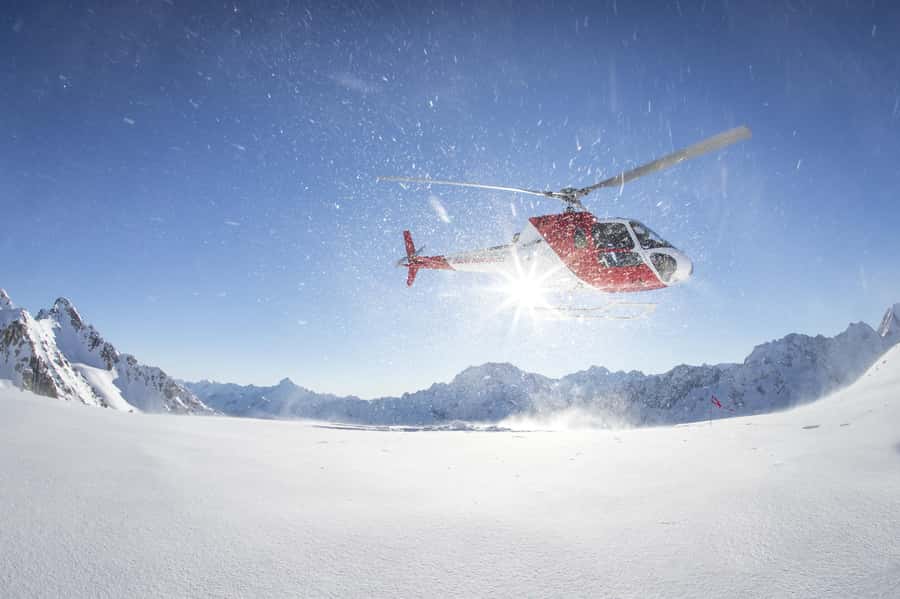
Glacier ice from the sky hits differently. On this 50-minute helicopter flight, you get big views of the Tasman Glacier Lake and the Southern Alps, plus a real landing on a glacier instead of just sightseeing from above.
What I like most is the mix of icons in one go: Aoraki/Mount Cook, the West Coast ice field, and that up-close glacier touchdown. A possible drawback is that your timing depends on favourable weather, and check-in closes 30 minutes before departure, so you want to arrive early and stay flexible.
In This Review
- Key Highlights You Can Count On
- From Aoraki/Mount Cook Village to a Glacier Landing, Fast and Focused
- The Tasman Glacier Route: What You’ll Actually See From Above
- Aoraki/Mount Cook: Why New Zealand’s Tallest Peak Hits Harder From the Sky
- The Southern Alps Crossing to the West Coast
- Franz Josef and Fox Glaciers From the Pilot’s Perspective
- Landing on a Glacier: The Part That Feels Real
- When Weather Changes Plans: Patience Pays Off
- Price and Value: Is $499 per Person Worth It?
- What to Pack So the Trip Feels Comfortable
- Who This Helicopter Flight Suits Best
- Should You Book This Flight?
- FAQ
- How long is the helicopter flight?
- Where does the tour meet?
- Is hotel pickup included?
- What’s included in the price?
- Is food or drinks included?
- What kind of weather conditions are required?
- What should I bring?
- Is there a check-in deadline?
- Is there a size limit for the group?
- Is smoking allowed?
Key Highlights You Can Count On
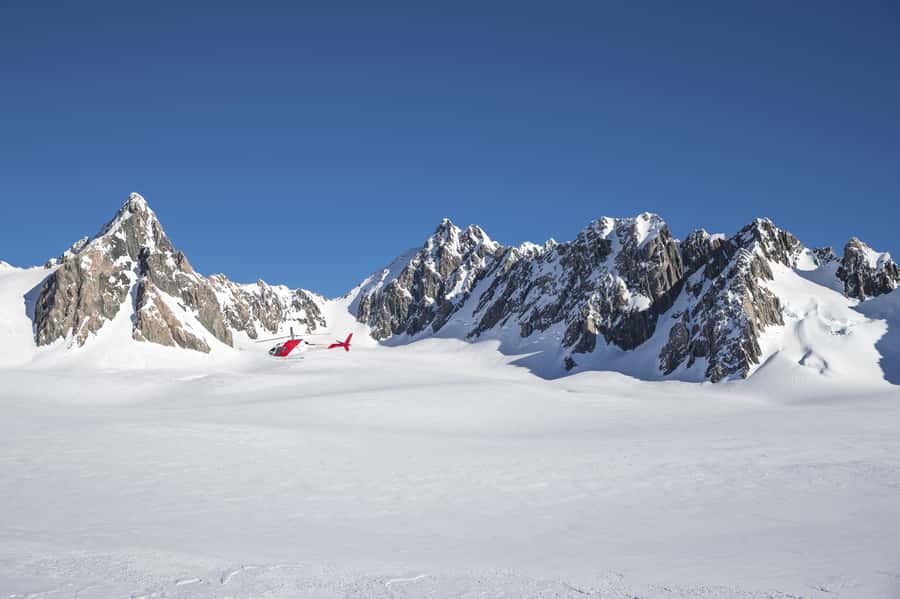
- Tasman Glacier Lake views from the air, with the glacier route easy to follow
- Aoraki/Mount Cook in clear, towering perspective from the Southern Alps
- Crossing over to the West Coast so you see two famous regions in one flight
- Franz Josef and Fox Glaciers getting the full spotlight from above
- A glacier landing that makes the whole trip feel physical, not just scenic
Higher up, around Aoraki and Tekapo
- Mount Cook: 3 Hour Heli Hike to the Tasman Glacier
★ 4.7 · 218 reviews - Mount Cook: Helicopter Flight with Alpine Landing
★ 4.9 · 36 reviews - Christchurch to Mt Cook via Lake Tekapo (1 way)
★ 5.0 · 15 reviews - Mount Cook: Tasman Glacier Helicopter Flight
★ 4.3 · 7 reviews
From Aoraki/Mount Cook Village to a Glacier Landing, Fast and Focused
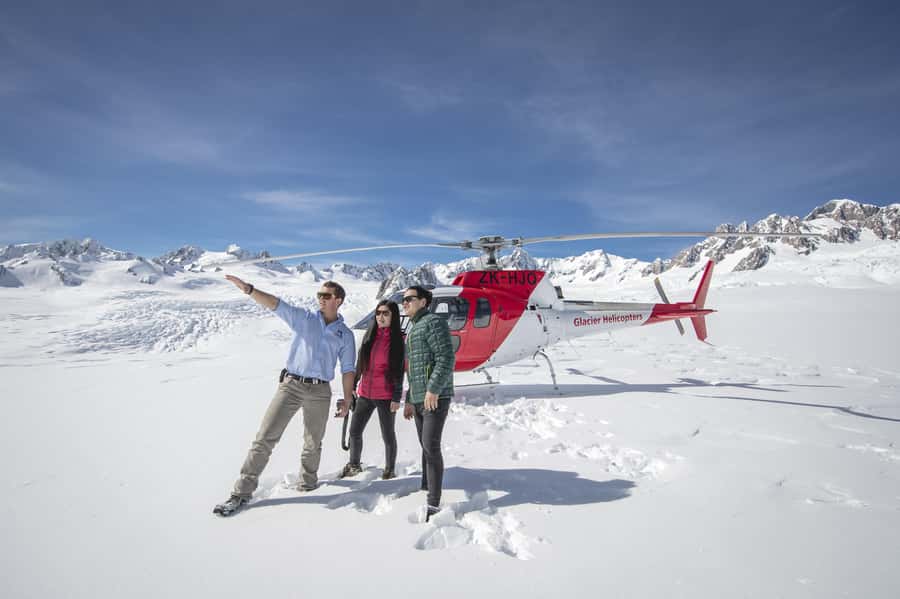
This experience is built for people who want maximum scenery with minimal time on the road. The flight leaves from Glacier Helicopters Ltd at 81 Bowen Drive in Aoraki/Mount Cook Village, and it’s designed as a tight loop around some of the South Island’s most dramatic ice and mountain scenery.
The duration is 50 minutes, which sounds short until you’re up there. Helicopters move quickly across the Southern Alps, and that speed matters here because it lets you take in several glacier regions without turning your day into a logistics puzzle. There’s no hotel pickup included, so you’ll plan to get yourself to the meeting point on your own.
One more thing: the group is small. The activity is limited to 1 participant, so you can expect a calmer, less crowded feel compared with larger tours. That often means more personal attention during the flight and during the glacier landing.
The Tasman Glacier Route: What You’ll Actually See From Above
Once you’re airborne, the flight path is set up around the Tasman Glacier system. You’ll soar over the Tasman Glacier Lake and follow the path of the Tasman Glacier, which is helpful because it gives your eyes a real story to follow. Instead of guessing what you’re looking at, you get a clear sense of where the glacier has been moving and how the ice and water interact.
From a practical viewpoint, this is the part of the trip where you want to be ready to look up and around continuously. Glacier detail changes quickly from the air, so if you spend the first few minutes settling in, you can miss the crispest views. If you’re the type who loves photos, this is where your camera work pays off, because glacier textures and pale ice edges show up strongly from the helicopter height.
Also, sunglasses help more than you’d think. Snow glare can be intense, and you’ll likely be scanning bright ice surfaces for a while.
Aoraki/Mount Cook: Why New Zealand’s Tallest Peak Hits Harder From the Sky
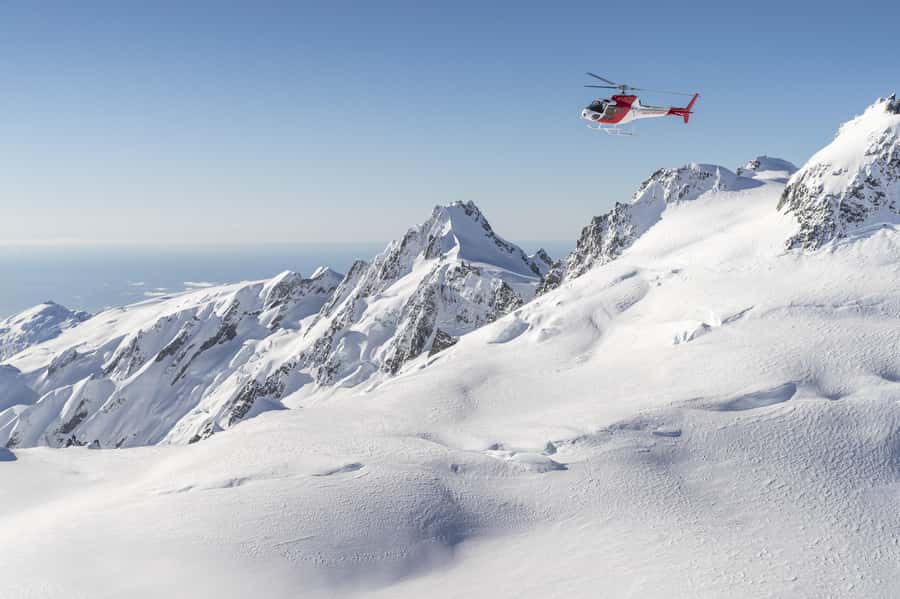
Seeing Aoraki/Mount Cook, New Zealand’s tallest peak, is a highlight for a reason. From the ground, the mountain can feel distant, wrapped in weather or softened by distance. From the air, it becomes a dominant shape. You get angles that are hard to recreate any other way, with the peak appearing in relation to the surrounding range and valleys.
This is also the stage where the flight gives you a real sense of scale. Peaks, ridgelines, and glaciers look like parts of one connected system. That matters because the West Coast glacier landscape later feels less random and more like a consequence of the same big mountain climate patterns.
If the skies are clear, this portion of the flight tends to be the most visually satisfying. If weather shifts, the pilot may adjust what you can see, but the idea is still to frame Aoraki/Mount Cook and the Southern Alps in a way that’s straightforward and memorable.
The Southern Alps Crossing to the West Coast
After you’ve taken in Mount Cook’s grandeur, the flight crosses the Southern Alps to the West Coast. This is where the trip earns its name. You go from the ice and alpine spine that defines the central South Island into the region famous for steep, dramatic glacier scenery.
Why does this matter for you? Because it compresses two major scenic zones into one experience. If you’re short on time or you don’t want to spend hours driving between areas, this flight gives you that “two worlds in one day” feeling.
Also, crossing by air keeps the mountain barrier moving under you. You’ll notice changes in color and texture as you travel from one glacier environment to another. It’s not just pretty, it helps you understand that this is all one interconnected system, shaped by the Southern Alps and the weather that hits them.
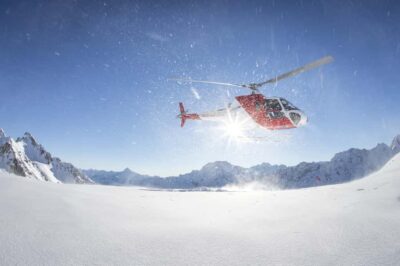
Franz Josef and Fox Glaciers From the Pilot’s Perspective
Next comes the West Coast ice field, where the flight highlights Franz Josef and Fox Glaciers. Seeing glaciers from above is different than doing a walking tour, because you can take in the glacier tongues, surrounding rock, and how the ice sits in relation to its valley.
Up close, glaciers can feel like a single feature. From the air, they read as whole landscapes of ice and shadow. Even if you’ve seen glacier photos before, the real views can reset your sense of scale.
One of the best parts is that you’re not forced to choose one glacier. Many visitors have to pick one area to focus on. This flight is built so you get the major West Coast names in one pass.
If weather is mixed, you’ll still likely catch enough breaks in the clouds to see the glacier outlines. Just understand that cloud cover can change what detail you see, and you’ll want to stay patient if things shift.
Landing on a Glacier: The Part That Feels Real
The most memorable moment on this tour is the glacier landing. The included activity is not just hovering nearby. You land on pristine glacier ice and get time to take in the scenery on foot.
That step changes the experience. Helicopter views are spectacular, but your body also appreciates standing on ice. The air feels colder, the ground is textured, and your brain registers it as a real place rather than scenery through glass.
There’s also a human side to this. In one recent experience, the team even took extra time to help capture great photos, and a family got the kind of moment kids remember, playing in the snow on the landing. In other words, the glacier stop is designed to be a genuine experience, not a rushed photo op.
If you’re worried about heights, this is worth noting. One person who said they were afraid of heights still described the flight as smooth and said doing it ended up being a highlight. Helicopter rides can feel intense at first, but the key for comfort is a calm pilot and smooth flying, which the operation aims for.
When Weather Changes Plans: Patience Pays Off
This activity is subject to favourable weather conditions. That’s not vague small print, it’s central to how helicopter flight works in the mountains. Wind and cloud cover can affect safety and visibility, and the schedule may adjust.
One clear example from a real experience: the flight was delayed about an hour while clouds cleared and conditions improved. The staff handled it professionally and kept people informed instead of just leaving you in limbo. That kind of communication matters. You don’t just want a delay, you want a team that explains what’s happening and what they’re watching for.
Pilots can also make a difference in how the ride feels. One pilot named Dan was singled out for flying smoothly and knowing the area well, and he even helped track down a lost phone found in the snow. That story tells you something practical: the crew pays attention on the ground too, not just during the flight.
Bottom line for you: treat weather like part of the tour. Arrive early, dress warmly, and plan to be flexible.
Price and Value: Is $499 per Person Worth It?
At $499 per person for a 50-minute flight, this isn’t a budget activity. But it is value-driven when you look at what you get.
Here’s the value math that matters:
- You’re paying for a helicopter, which is the only practical way to combine Mount Cook, a Southern Alps crossing, West Coast glaciers, and a glacier touchdown in a single trip.
- You get multiple major sights in one experience: Aoraki/Mount Cook, Tasman Glacier Lake, Franz Josef, and Fox Glacier.
- You get a landing on the ice, which adds a physical, sensory moment most scenic flights skip.
Compared to car-only sightseeing, the time saved is huge. Compared to cheaper scenic flights that don’t land, the glacier landing is the upgrade that makes the whole thing feel different.
The other value angle is attention. With a small group and a team that can take great photos for you, you’re not just buying airtime. You’re buying a guided moment designed to be easy to enjoy.
What to Pack So the Trip Feels Comfortable
You’ll be outside on cold, snowy terrain during the glacier landing, and you’ll also be spending time with bright light overhead during the flight. The list they provide is simple, and it’s spot-on.
Bring:
- Comfortable shoes
- Warm clothing
- Sunglasses
- Camera
- Sunscreen
- Comfortable clothes
If you’re the type who hates bulky layers, think again. Warm gear is not about comfort alone, it’s about staying focused and enjoying the moment rather than shivering through it.
Also, plan for quick shifts in conditions. Even in seasons that feel mild in town, glacier terrain can feel colder once you land.
Not allowed: smoking. So save that for after.
Who This Helicopter Flight Suits Best
This tour fits best when your priorities match its strengths.
You’ll likely love it if:
- You want big scenery without driving for a full day
- You’re excited by glaciers and want views of more than one region
- You enjoy photos and want help capturing them
- You’re time-limited but still want a once-in-a-lifetime kind of stop
It can also be a good choice for families, as long as everyone is comfortable with cold and helicopter travel. One parent described the glacier landing as a kids’ memory-maker, including playing in the snow.
And for people with height fears, it’s not automatically a deal breaker. The ride can be smooth, and the overall experience may end up feeling safer than expected, especially when the pilot flies calmly.
Should You Book This Flight?
Book it if you want a high-impact day with Aoraki/Mount Cook plus West Coast glaciers and you specifically care about an actual glacier landing, not just aerial views. The price is steep, but the helicopter format is what makes it possible to see all those landmarks together in only 50 minutes.
Skip it or consider alternatives if you’re not comfortable with weather uncertainty. Since the flight depends on favourable conditions, you’ll want to be the kind of traveler who can handle delays without stress.
If you do book, aim to arrive with enough time at the meeting point, dress for cold, and keep your expectations flexible. When the clouds clear and the crew gets you out, the payoff is exactly the kind of moment you don’t forget.
FAQ
How long is the helicopter flight?
The flight duration is 50 minutes.
Where does the tour meet?
You’ll meet at Glacier Helicopters Ltd, 81 Bowen Drive, Aoraki/Mount Cook Village, New Zealand.
Is hotel pickup included?
No. Hotel pickup and drop-off are not included.
What’s included in the price?
Included are the scenic helicopter flight, landing on a glacier, and views of Aoraki/Mount Cook and the Southern Alps.
Is food or drinks included?
No, food and drinks are not included.
What kind of weather conditions are required?
The flight is subject to favourable weather conditions.
What should I bring?
Bring comfortable shoes, warm clothing, sunglasses, a camera, sunscreen, and comfortable clothes.
Is there a check-in deadline?
Yes. Check-in closes 30 minutes before departure.
Is there a size limit for the group?
The tour is described as a small group, limited to 1 participant.
Is smoking allowed?
No, smoking is not allowed.
Everything Else We Wrote Up in Aoraki Mount Cook Village
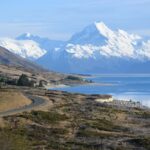
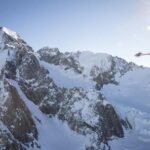
Aoraki and the Mackenzie
Just added to our Aoraki Mount Cook Village notes
- Mount Cook: Tasman Glacier and West Coast Helicopter Flight★ 5.0 · 6 reviews
- Mount Cook: Tasman Glacier Helicopter Flight★ 4.3 · 7 reviews
- Christchurch to Mt Cook via Lake Tekapo (1 way)★ 5.0 · 15 reviews
- Mount Cook: Helicopter Flight with Alpine Landing★ 4.9 · 36 reviews
- Mount Cook: 3 Hour Heli Hike to the Tasman Glacier★ 4.7 · 218 reviews
Aoraki Mount Cook and Lake Tekapo, compared.
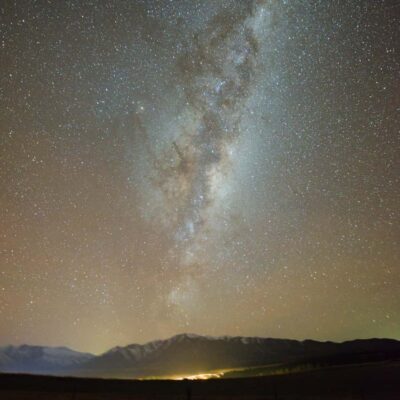 ★ 4.5Lake Tekapo: Alpine Stargazing Experience with a GuideFrom $59626 reviews
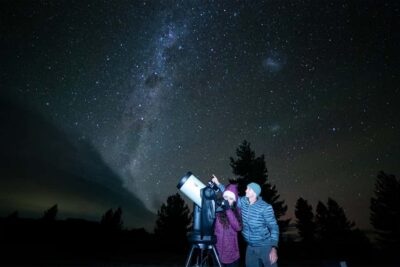 ★ 4.9Lake Tekapo: Stargazing ExperienceFrom $71607 reviews
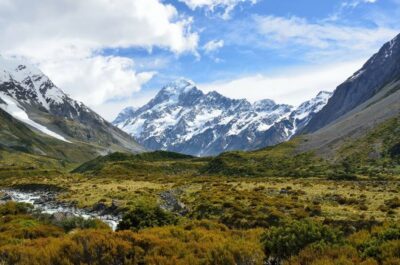 ★ 4.9Mount Cook & Lake Tekapo Day Tour from ChristchurchFrom $146483 reviews
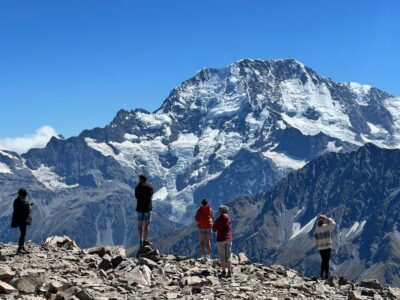 ★ 4.8Mount Cook: Scenic Helicopter Flight with Alpine LandingFrom $226442 reviews
 ★ 5.0Mt Cook Small Group Scenic Day Tour from QueenstownFrom $164407 reviews
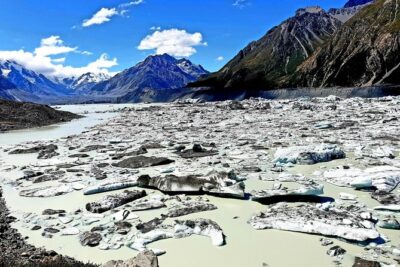 ★ 5.0Mount Cook, Lake Tekapo and Tasman Glacier Tour from ChristchurchFrom $155353 reviews
 ★ 4.6From Christchurch: Mt Cook Day Tour & Lake TekapoFrom $175331 reviews
 ★ 4.8From Queenstown: Mt Cook & Tasman Glacier Viewpoint Day TourFrom $146329 reviews
Browse the lists this tour appears in