
REVIEW · MAORI CULTURAL EXPERIENCES
Dark Sky Indoor Maori Cultural Astronomy Experience
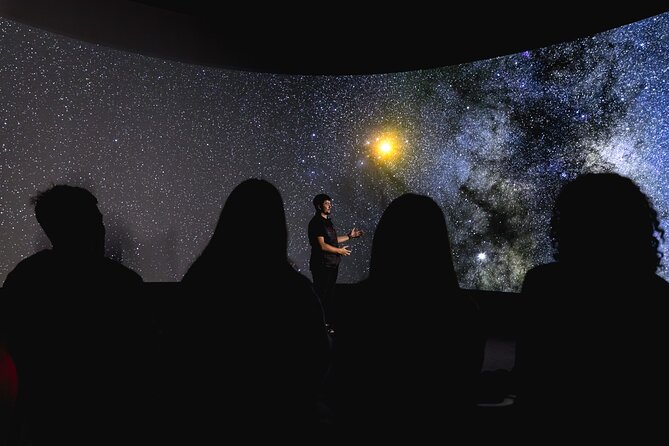
Fake night sky, real star wisdom. In Lake Tekapo, the Dark Sky Indoor Maori Cultural Astronomy Experience lets you learn the constellations in daylight, with Māori astronomy woven together with Western science. I love the hands-on, family-friendly setup and the way the stories are tied to how people actually navigated and lived close to the ocean and land. One consideration: it is indoors, so you are not replacing a true night under the Southern sky.
My other big plus is the standout sight, a restored 125-year-old Brashear Telescope, a nine-meter-tall Victorian-era instrument that anchors the whole show. You also get a structured 45-minute guided flow through four interactive zones, kept engaging by an energetic presenter who can call himself To, Bro, or Boy. The experience runs year-round, which is a lifesaver in the Aoraki Mackenzie area when weather can shut down outdoor plans.
In This Review
- Key things to know before you go
- Daytime stargazing at Lake Tekapo’s Dark Sky Project
- The 45-minute guided tour through four interactive zones
- Where the Māori astronomy and Western science links actually click
- The Brashear Telescope: a nine-meter tall star machine
- Guided pacing, audience size, and what makes it work for families
- Price and value for a $37.56 family astronomy stop
- Practical planning for Lake Tekapo visits around Dark Sky Project
- Should you book this indoor Māori astronomy experience?
- FAQ
- How long is the guided tour?
- Where does the experience start and finish?
- What does the experience include?
- How is the experience handled if the weather is bad?
- Are there refreshments available during the tour?
- How big are the groups?
- What is the cancellation policy?
Key things to know before you go
- Daylight viewing of night-sky ideas, so bad weather does not cancel your astronomy day
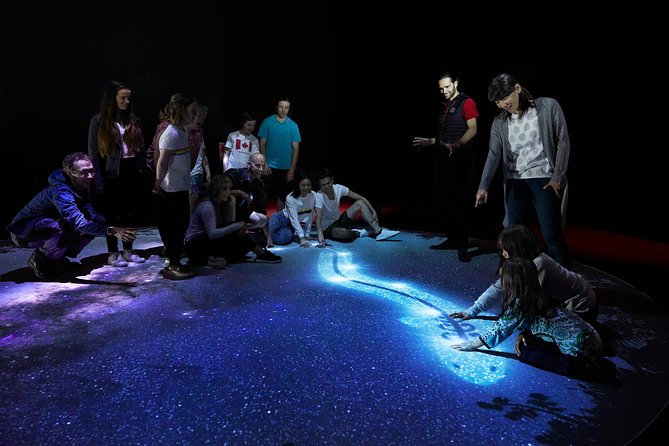
- Four interactive zones focused on navigation, constellations, star clusters, and mythology
- Māori astronomy plus scientific discovery, with a comparison that helps you see patterns
- A restored Brashear Telescope (125 years old, nine-meter tall), a dramatic focal point
- Small group size with a max of 26 travelers for a smoother guided experience
- Designed for families, with multimedia elements and hands-on moments for kids
Other Maori-led experiences we have reviewed
- Lake Tekapo: Indoor Māori Cultural Astronomy Experience
★ 4.5 · 43 reviews
Daytime stargazing at Lake Tekapo’s Dark Sky Project
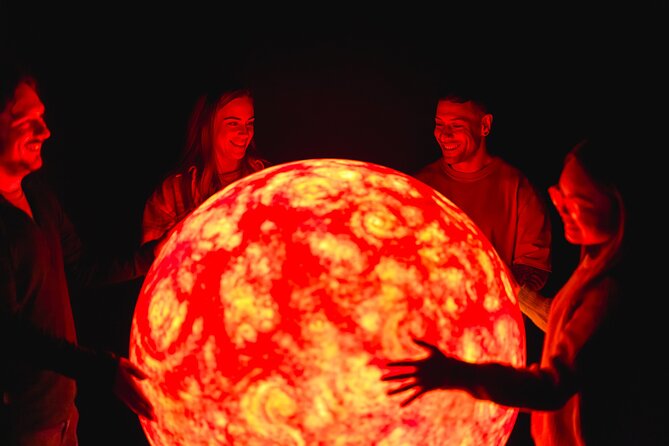
Lake Tekapo is famous for its dark skies, but sometimes the sky does not cooperate. This indoor experience solves that problem with a day-time “night sky” storytelling format that still feels like astronomy, not a lecture. Even if you know next to nothing about stars, the setup is built to help you get your bearings fast.
You are looking at an education experience grounded in two traditions. It links Māori astronomy and the broader science story of what we see in the night sky. In practice, that means you are not only memorizing star names, you are learning why those star patterns mattered to real people for navigation and life.
The schedule is simple. Plan for about an hour total, with a 45-minute guided tour inside. You will start and end at 1 Motuariki Lane in Lake Tekapo, so it is easy to slot into a busy itinerary without complicated logistics.
The 45-minute guided tour through four interactive zones
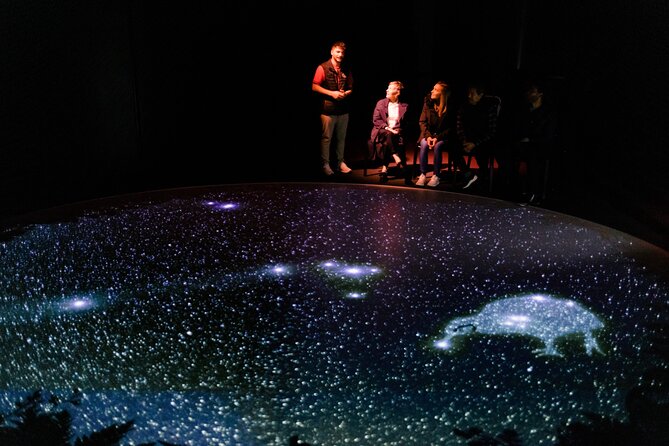
Stop 1 is the Dark Sky Project, and it is structured as four interactive areas that move you through different angles of the same sky. The idea is to keep you thinking and moving, so you do not just sit and watch. This is especially helpful for families, where kids usually need something to do between explanations.
Here is how the experience unfolds conceptually.
First, you explore how Māori used constellations as a reference point. It is not just about identifying shapes. The stories connect star patterns to practical movement across land and sea. That turns astronomy from “pretty lights” into a map people could read.
Next, you get navigation themes that include ocean currents. The goal is to show that the sky was one part of a larger system. When people think about wayfinding, they often imagine instruments only. This experience makes it clear that observation and knowledge worked together.
Then you shift to the significance of star clusters. Star clusters matter because they are groups you can recognize and remember, even without modern tools. This part helps you understand why certain collections of stars became meaningful reference points across generations.
Finally, there is a mythology and meaning layer. It is where the stories in the stars become part of the explanation, not an add-on. The presentation ties mythology to a broader way of seeing, where culture and observation are connected.
Throughout the guided tour, you also hear a science-based narrative that touches on the story of living beings and how the universe relates to life. That blend can be a lot for little ones, but the format keeps it interactive, so the message stays understandable.
Where the Māori astronomy and Western science links actually click
This is the heart of the experience. You are not choosing between cultures or between stories and science. Instead, you are asked to notice the overlap in the way humans learn from the sky.
For you, that can make a difference in how you remember things later. When you hear a constellation explained in terms of navigation, and then you hear a scientific explanation of what you are seeing, you have two anchors in your memory. The cultural reference helps the science stick, and the science helps you understand the cultural reference.
The most effective parts of this kind of program are the comparisons. Here, the focus is on connections, not competition. That matters because Lake Tekapo is in a place where Māori history and the science of the Southern sky are both present, side by side.
Also, the guides keep the story moving. In the delivery style, you can feel that the goal is clarity. One guide’s playful, approachable approach, using names like To, Bro, or Boy, fits the family-friendly pace and keeps the talk from getting too stiff.
The Brashear Telescope: a nine-meter tall star machine
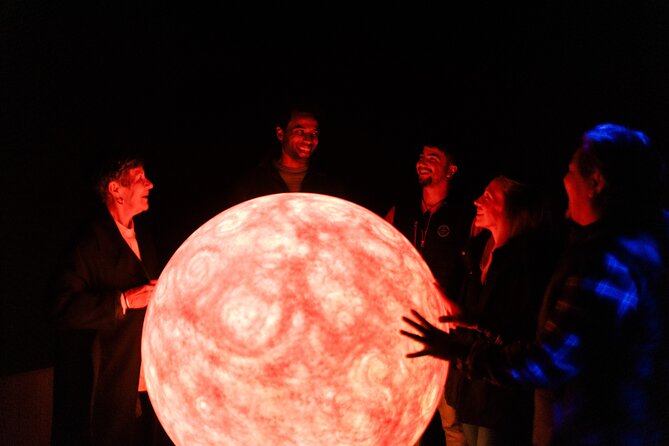
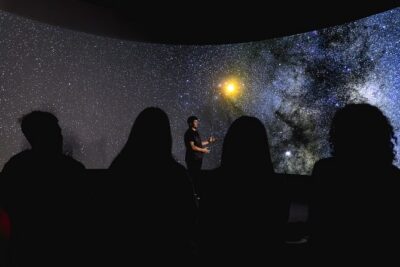
If you like “wow” moments in a museum setting, this is a big one. The experience includes time to view a restored Brashear Telescope, described as a nine-meter-tall Victorian-era telescope that is about 125 years old.
Even if you are not a telescope person, the size of it changes the mood in the room. It makes the whole program feel like it belongs to real astronomy history, not just an exhibit panel. A restored instrument also gives you a sense of continuity, how people have been studying the sky for a long time, using what they had at the time.
This matters for families too. Kids often need a physical object to hold their attention. A big telescope does that instantly. It also gives you a reason to sit up straight and listen when the guide talks about what the sky means, because the room itself signals science and discovery.
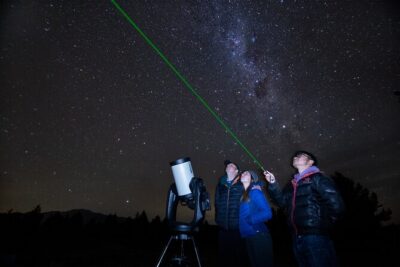
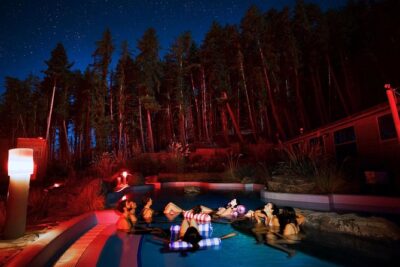
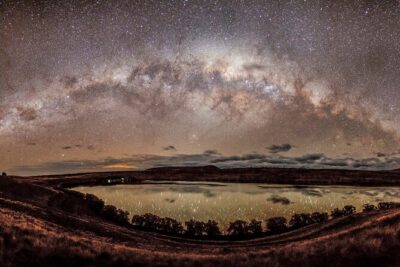
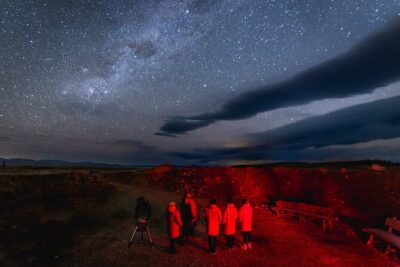
Other nights under a dark sky
Guided pacing, audience size, and what makes it work for families

This experience is built for mixed ages. It explicitly targets families with something to do for everyone, and you feel that in the structure. The tour is delivered by guides over four zones, so you are not stuck in one dark corner for the whole hour.
The small group limit also helps. With a maximum of 26 travelers, you are more likely to get a steady rhythm from the guide rather than getting lost in a large crowd. That tends to make questions and interaction easier, especially for kids who are eager to ask why a certain star pattern matters.
From the way the content is described, it is designed for understanding, not intimidation. Most travelers can participate, and the show is delivered year-round, so weather does not create a scramble. The experience is also described as suitable regardless of weather conditions, which is exactly what you want in a place where outdoor plans can get delayed.
One practical tip for your comfort: arrive ready to move between zones. Since the experience is distributed across interactive rooms, give yourself time to settle in when you get there, especially if you are traveling with children.
Price and value for a $37.56 family astronomy stop
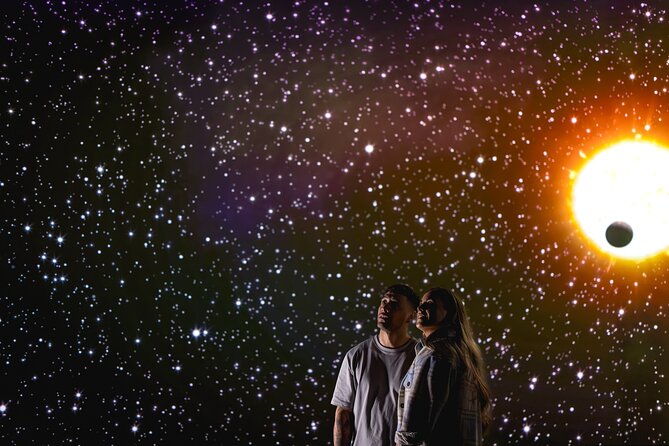
At about $37.56 per person, this is not a budget attraction. But it also is not a pricey, overproduced “theme park” experience. For the money, you get a real guided tour, four zones of content, and access to a major historical instrument.
Here is how I think about value in cases like this. You are paying for three things:
1) A guided explanation you can follow
2) An experience that works in bad weather
3) Cultural storytelling done in a structured way, not just as a general overview
The indoor setting matters. If you were relying on outdoor stargazing, you would be gambling with clouds. This program is designed to work year-round, and that stability has a real cost savings when your schedule depends on one or two days.
Also consider the group and duration. You have a 45-minute guided tour, and the total experience time is about an hour. That is long enough for real learning, but not so long that everyone gets cranky. For families, that balance is usually worth paying for.
If you are the kind of visitor who loves astronomy, the telescope and the organized sky lessons help justify the price. If you are mostly there for culture and stories, the Māori astronomy content and the navigation themes give the visit weight beyond a basic “star show.”
Practical planning for Lake Tekapo visits around Dark Sky Project
The meeting point is clear: 1 Motuariki Lane, Lake Tekapo 7999. You start there and the experience ends back at the same location, which makes the rest of your day easier to plan.
Because it is an indoor, year-round attraction, you can also treat it as your weather insurance. If you have planned outdoor stargazing later, this gives you a meaningful fallback. And if the sky is clear, you can enjoy both: one indoors for the guided meaning, and one outside for the real view.
The experience is near public transportation, which helps if you are car-free. Service animals are allowed as well, which is good to know if you need that support.
What is not included: snacks and coffee or tea. That means you may want to plan a snack break either before you go or right after, depending on your group’s needs. If you tend to get hungry during shows, it is smart to handle food timing in advance.
Should you book this indoor Māori astronomy experience?
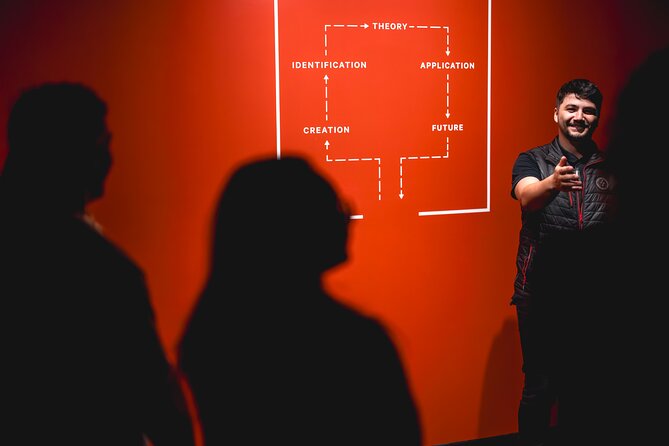
Book it if you want a guided, family-friendly way to understand the night sky without needing perfect weather. The biggest draw for most people is the blend: Māori astronomy and Western science explained together, plus hands-on interactive zones that cover navigation, star clusters, and mythology. You also get a serious “see it” moment with the restored Brashear Telescope, a nine-meter Victorian-era instrument that feels impressive even to non-astronomy folks.
Skip it only if you are strictly looking for a pure, outdoor stargazing view. This is an indoor interpretation and education experience. If your main goal is the actual night sky with telescopic night viewing, you will likely want to pair this with an outdoor option when conditions allow.
If you are visiting Lake Tekapo with kids, or you want a meaningful cultural element that also teaches science, this is a strong match. At $37.56 per person, it is a fair price for a guided hour with four interactive zones, a restored historical telescope, and a year-round plan you can count on.
FAQ
How long is the guided tour?
The guided tour is about 45 minutes, and the overall experience is approximately 1 hour.
Where does the experience start and finish?
It starts at 1 Motuariki Lane, Lake Tekapo 7999, New Zealand, and ends back at the same meeting point.
What does the experience include?
Your ticket includes a guided tour through four zones, delivered by guides, plus the cultural and science-based narrative. You also view the restored 125-year-old Brashear Telescope.
How is the experience handled if the weather is bad?
It operates year-round and is suitable for all ages, so you do not need good weather to enjoy the experience.
Are there refreshments available during the tour?
Snacks and coffee or tea are not included.
How big are the groups?
The experience has a maximum of 26 travelers.
What is the cancellation policy?
You can cancel for a full refund up to 24 hours in advance of the experience start time. If you cancel less than 24 hours before, you will not be refunded.
Everything Else We Wrote Up in Lake Tekapo

More Nights Under Dark Sky
Other Maori-Led Experiences
Just added to our Lake Tekapo notes
- Lake Tekapo Fishing Tour★ 4.8 · 10 reviews
- Mt Cook Day Tour From Tekapo (Small Group, Carbon Neutral)★ 4.5 · 11 reviews
- Lake Tekapo: 1.5-Hour Hot Pools & Stargazing Experience★ 4.6 · 11 reviews
- Lake Tekapo: Ultimate Stargazing Experience★ 4.3 · 12 reviews
- Lake Tekapo Scenic 4WD Cass Valley Wilderness Tour★ 4.9 · 13 reviews
- Lake Tekapo: Glaciers, Mountains, and Landscapes Scenic Tour★ 4.9 · 15 reviews
Maori Cultural Experiences, compared.
 ★ 4.7Mitai Maori Village: Cultural Experience and Dinner BuffetFrom $1013,575 reviews
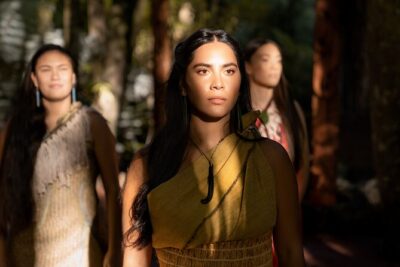 ★ 5.0Cultural Experience & Seasonal Māori Cuisine at Te Pā TūFrom $1671,546 reviews
 ★ 4.5Mitai Maori Village Cultural Experience in RotoruaFrom $1041,294 reviews
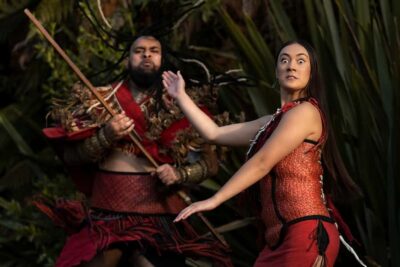 ★ 4.8Rotorua: Te Pa Tu Māori Cultural Experience with DinnerFrom $1671,193 reviews
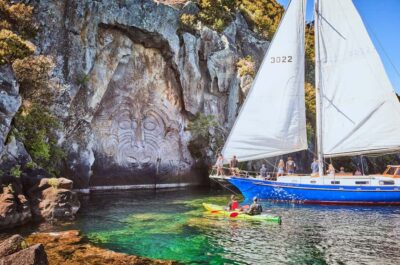 ★ 4.8Lake Taupo: Sailboat Trip to the Maori Rock CarvingsFrom $35972 reviews
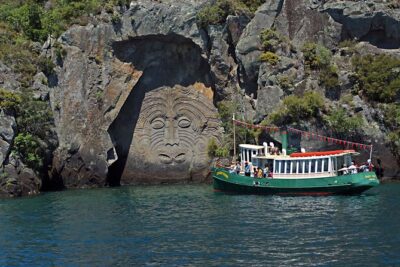 ★ 4.5Lake Taupō Māori Rock Carvings Scenic Cruise aboard Ernest KempFrom $31901 reviews
 ★ 5.0Maori Rock Carvings Eco Sailing TaupoFrom $33758 reviews
 ★ 4.5Waitomo Caves & Rotorua – Te Puia Small-Group Tour from AucklandFrom $253681 reviews
Browse the lists this tour appears in