
REVIEW · MAORI CULTURAL EXPERIENCES
Lake Tekapo: Indoor Māori Cultural Astronomy Experience
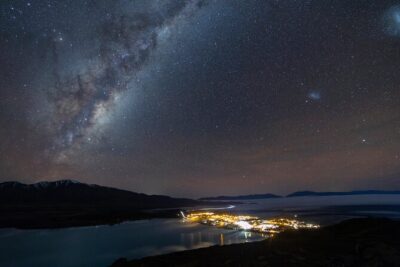
Stargazing indoors beats the night-sky grind. In Lake Tekapo, you learn Māori astronomy through storytelling and hands-on interactive areas, all inside the Aoraki Mackenzie International Dark Sky Reserve. Māori astronomy here is not just trivia, it changes how you notice patterns in the sky.
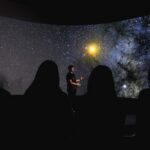
I also like that you get close to a historic instrument, not just a screen. The highlight is the restored 125-year-old Brashear Victorian-era telescope, shown with guided, theatrical lighting and sound that keeps the experience focused and easy to follow.
One thing to consider: if you are sensitive to audio clarity, plan to sit where you can hear your guide well. Based on real-world feedback, heavy accents can make English harder to catch, and young kids in the space can add noise that makes listening tougher.
In This Review
- Quick hits before you go
- Where Lake Tekapo’s indoor sky show fits into your day
- Finding the meeting point near Four Square
- Purpose-built Dark Sky Project zone, built for learning in any weather
- Four interactive zones of Māori navigation and sky stories
- Constellations and ocean currents, used like a navigation tool
- Star clusters, and why some groups of stars mattered
- Mythology in the stars, told through the sky’s shapes
- The Milky Way and a science-based origins narrative
- The pacing across all four zones
- The Brashear Victorian telescope: what you’re really paying to see
- Theatrical lighting and sound: helpful, but plan your seat
- Price and value: $35 for 45 minutes, is it fair?
- Who this tour suits best (and who should think twice)
- Should you book this Lake Tekapo Māori cultural astronomy experience?
Quick hits before you go
- Daytime indoor stargazing that works in all weather, so you are not gambling on clouds
- Four interactive zones built around Māori sky knowledge, navigation, and mythology
- A restored Victorian Brashear telescope that lets you see the real gear up close
- Theatrical lighting and sound to pace the lesson and keep it engaging
- English and Chinese live guiding, with a wheelchair accessible setup for everyone
Other Maori-led experiences we have reviewed
- Lake Tekapo: Indoor Māori Cultural Astronomy Experience
★ 4.5 · 43 reviews
Where Lake Tekapo’s indoor sky show fits into your day
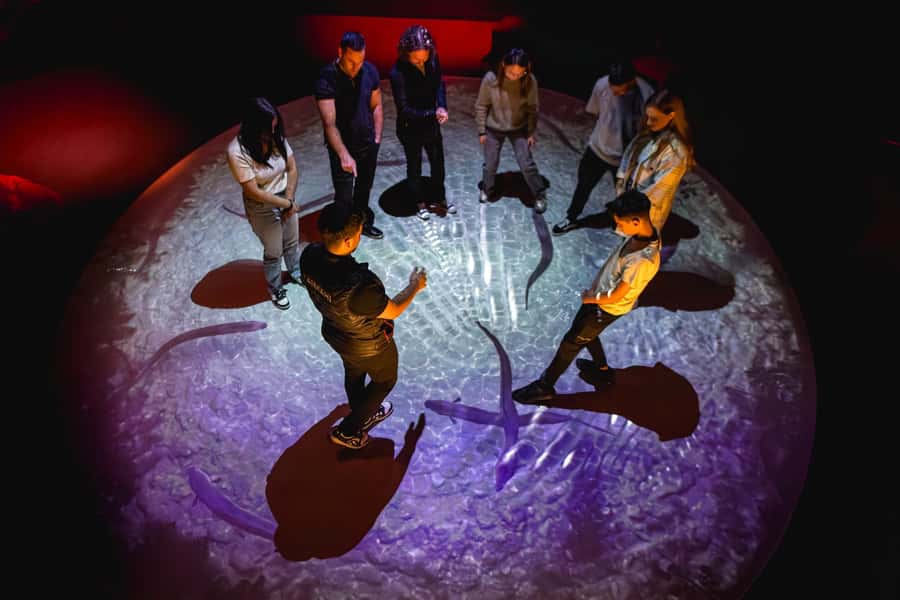
Lake Tekapo is famous for dark skies, but this experience flips the script. Instead of waiting for night, you do a guided astronomy show during the day, in a purpose-built indoor zone. That matters if you are visiting in seasons when evenings are cold, windy, or unpredictable.
The tour is short and structured at 45 minutes. For me, that is a big part of the value. You get a concentrated hit of cultural astronomy plus telescope time, without burning half a day. It also makes a good add-on when you already plan to do outdoor dark-sky activities, because it gives you context for what you might see later.
Finding the meeting point near Four Square
You meet at 1 Motuariki Lane, Lake Tekapo 7999, about 100 meters from the Four Square supermarket. That is close enough that you can walk if you are staying nearby, and it is simple to orient yourself in town.
A practical tip: arrive a few minutes early so you can settle in before the lighting and sound begin. In an indoor show format, being late can mean you lose the first explanation, and you only have 45 minutes total.
Purpose-built Dark Sky Project zone, built for learning in any weather
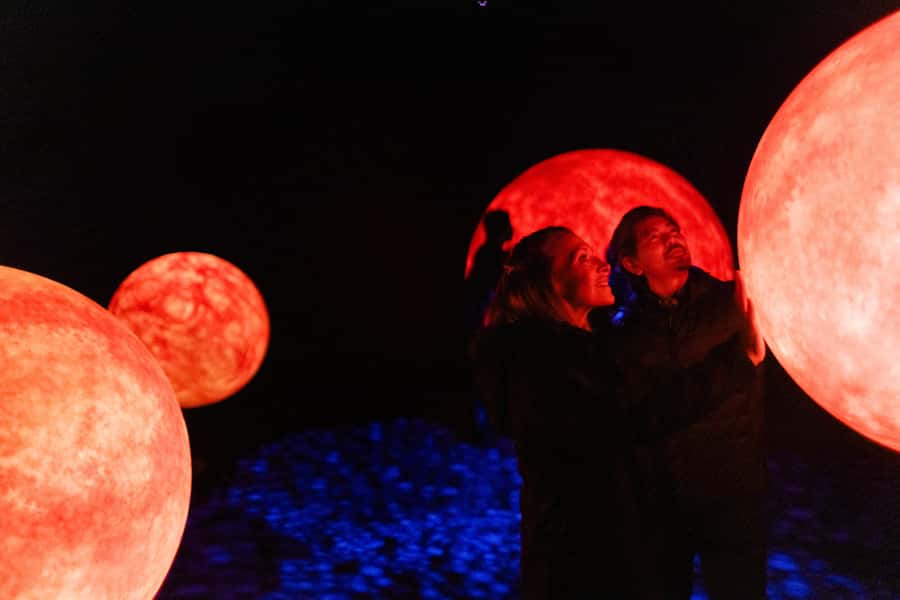
This is an indoor tour in a dedicated experience space run by the Dark Sky Project. The point is clear: you get a guided journey through Māori astronomy and science-based sky themes, without worrying about clouds or wind.
It is also family friendly and wheelchair accessible, which helps explain the layout and flow. You are moving through interactive areas rather than standing outside under a cold sky. If you are traveling with kids, this is usually easier than managing layers and long outdoor waits.
And since the guides use theatrical lighting and sound, the room design is part of the show. You are not just listening to someone explain the night sky. You are experiencing it in a staged way that helps you follow the story and the science beats.
Four interactive zones of Māori navigation and sky stories
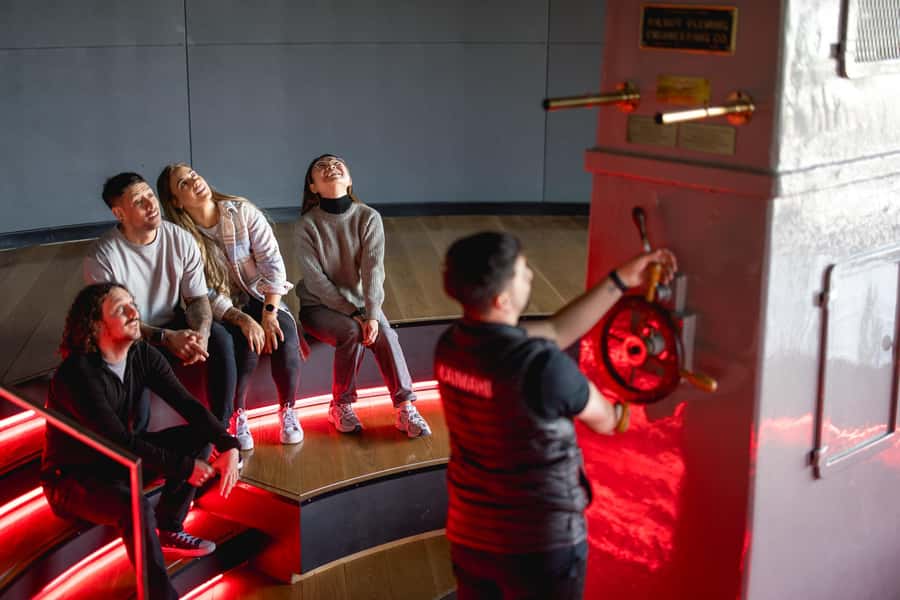
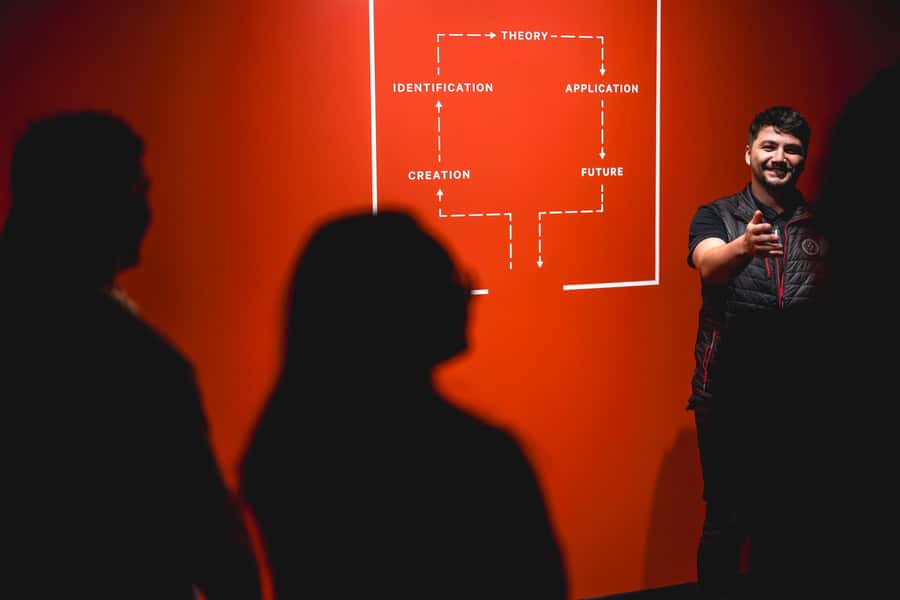
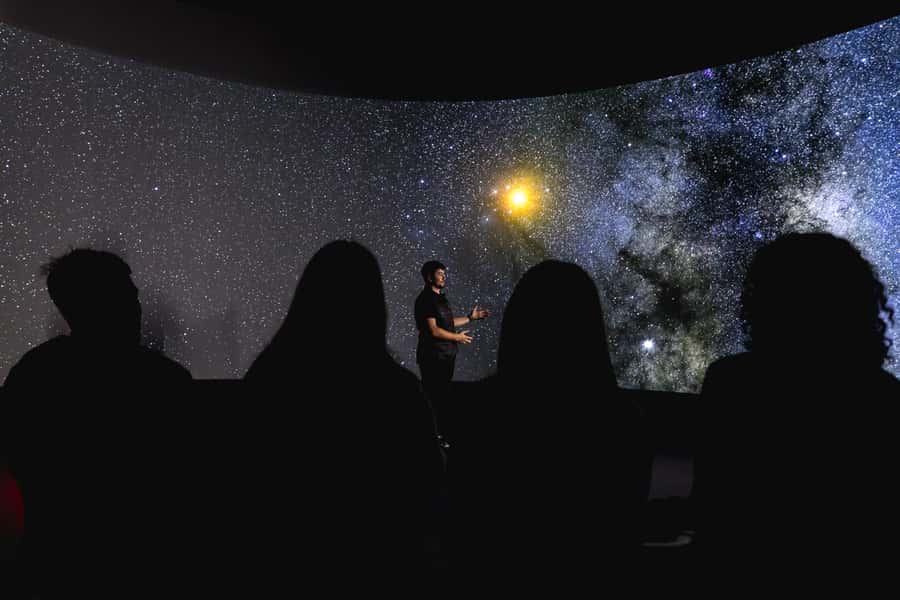
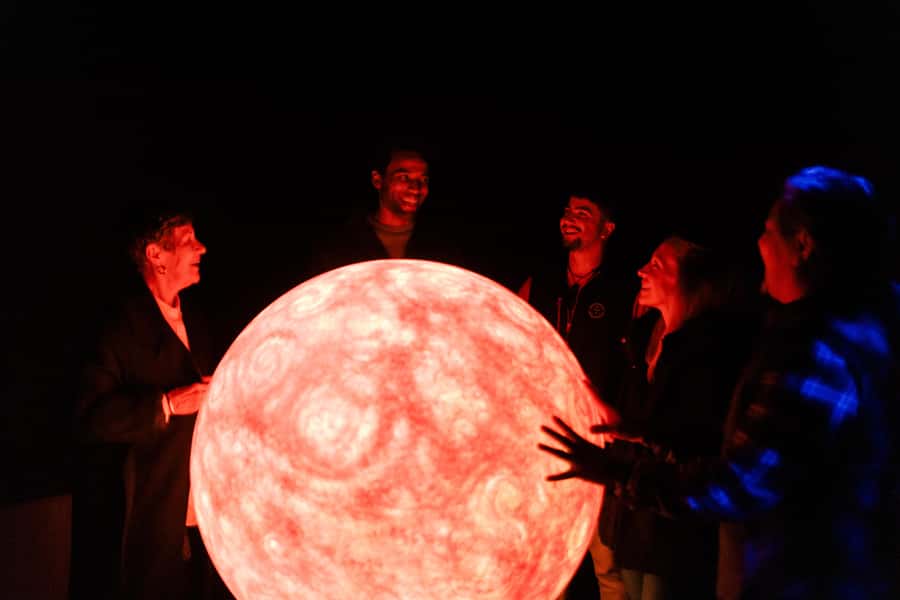
The heart of the tour is four guided zones. You spend your time moving through them as the story unfolds, and each zone focuses on a different angle on the sky.
Here are the main themes you can expect to cover, in plain language, and why each one is worth your attention.
Higher up, around Aoraki and Tekapo
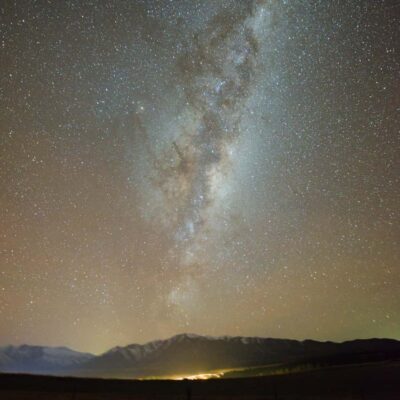
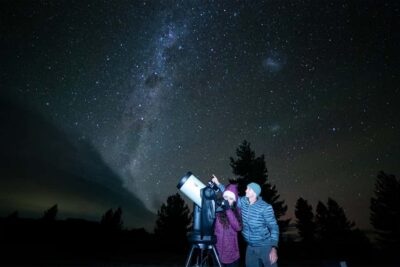

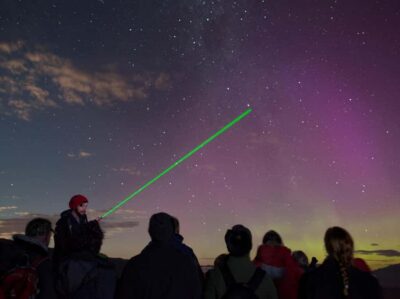
Constellations and ocean currents, used like a navigation tool
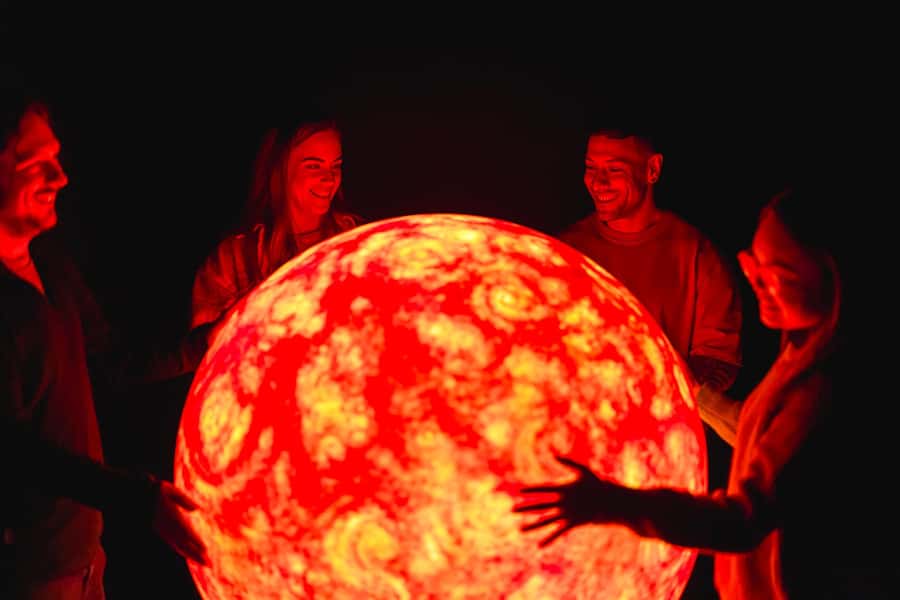
One interactive area explains how Māori used the sky, including constellations, and also looked to ocean currents for navigation. This is not presented as an abstract cultural lesson. It is framed as practical knowledge, the kind that helped people travel and plan.
Why this matters for you: it reframes stars from decorations to information. When you learn that the night sky could work like a map and a clock, the patterns feel more meaningful. Even if you have seen constellations before, this perspective tends to make them feel personal and functional.
Star clusters, and why some groups of stars mattered
Another zone focuses on the significance of star clusters. The lesson connects these groupings to meaning in Māori astronomy, rather than treating them as random dots.
Why you will probably remember this: star clusters are easy to spot once you learn what you are looking for. When the tour gives names or cultural reasons for focusing on certain cluster shapes, those choices stick. Later, if you do any outdoor stargazing in Lake Tekapo, you may find it easier to pick out the important patterns faster.
Mythology in the stars, told through the sky’s shapes
A third zone brings in mythology in the stars, showing how stories and sky knowledge travel together. This part is about interpretation, not just identification.
The value here is balance. You learn that astronomy and culture are intertwined. You also get a guided narrative that helps you see constellations as more than “what a planetarium screen shows.”
The Milky Way and a science-based origins narrative
The experience also includes a narrative that touches on science-based ideas about how living beings came to be, and it takes you into the depth of the Milky Way. You should expect this to feel like a bridge between cultural sky knowledge and scientific discovery.
That combination is useful, especially if you like explanations that have both human meaning and scientific context. It is the difference between learning a fact and understanding how people think with the sky.
The pacing across all four zones
Because it is only 45 minutes, each zone is designed to be a focused stop, not a long classroom lecture. For many people, that is exactly right. You get the big ideas, and you keep moving before attention drifts.
A small downside of short shows: you will not get every detail. If you love reading about specific stars afterward, plan to do a little follow-up on your own. The tour gives direction, not a textbook.
The Brashear Victorian telescope: what you’re really paying to see
Now for the most hands-on payoff: you get up and close with the restored 125-year-old historic Brashear Victorian-era telescope.
This is a rare moment in an indoor show. Lots of astronomy experiences use screens. Here, the telescope is a physical anchor for the whole session. You can see the age and the craftsmanship, and your guide can connect the instrument to what people historically used to learn about the sky.
Why this is great value for your money: a $35 ticket for 45 minutes is not cheap, but the telescope makes it feel concrete. You are not just paying for a talk. You are paying to meet a famous piece of astronomy gear and understand it in context.
Theatrical lighting and sound: helpful, but plan your seat
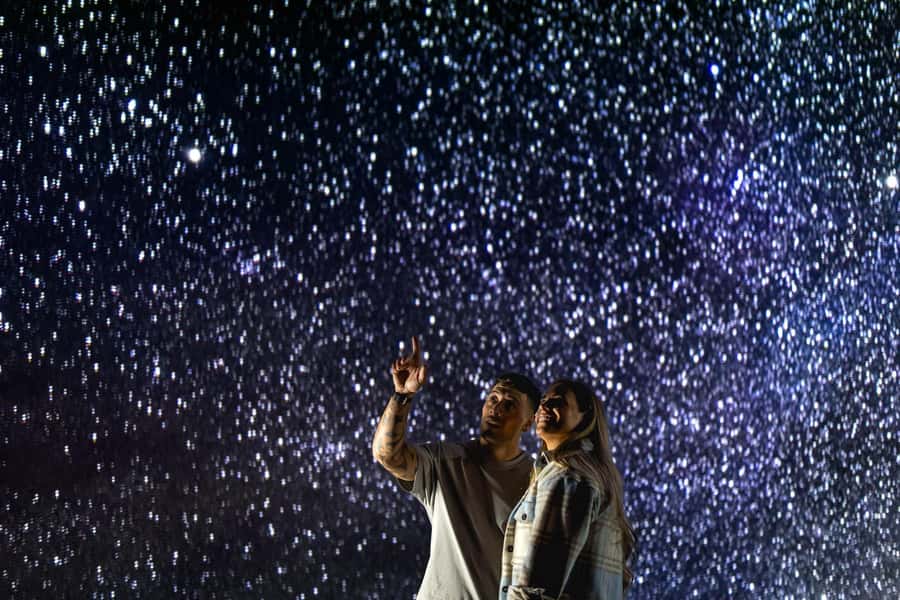
The tour uses theatrical lighting and sound as part of the guided experience. That is not just style. It helps shape what you pay attention to in each zone, especially when you are learning concepts that depend on visual patterns.
One practical consideration from real-world feedback: audio clarity can vary depending on where you sit and how well you catch the guide’s English. The tour is delivered by live guides in English and Chinese, but if you rely heavily on spoken English, pick a spot where you can hear without obstruction.
If you are in a group with small kids, keep expectations realistic. The experience is family friendly, and toddlers can add noise in a small indoor space. If you want the full listening experience, arriving early and choosing a quieter position can help.
Price and value: $35 for 45 minutes, is it fair?
At $35 per person for a 45-minute tour, you are paying for three things:
- A guided, live cultural astronomy presentation
- Four interactive zones designed to keep learning active
- Access to the restored Victorian Brashear telescope
If you compare this to typical planetarium-style programming, the telescope component is the differentiator. It turns the tour from a purely visual show into a meeting-with-the-real-thing experience.
Is it “worth it” for everyone? If you want a long, star-hunting session outdoors, no. If you want a high-impact, structured introduction to Māori astronomy and how it connects to real scientific ideas, it can feel like good value.
Also consider timing. In a region where weather can interrupt outdoor stargazing, an indoor session that operates in all weather can save your trip plan. That kind of reliability has real monetary value because it protects your schedule.
Who this tour suits best (and who should think twice)
This is a strong fit if you:
- Want cultural astronomy, not just science-only stargazing
- Like guided storytelling that connects meaning to what you see
- Are short on time but still want a structured experience
- Prefer indoor comfort over cold outdoor night skies
- Travel with kids and want a family-friendly format
It may be less ideal if you:
- Have trouble following spoken English and you are not comfortable with accents, since listening clarity can affect enjoyment
- Expect extended telescope time, because the tour is only 45 minutes
- Are very sensitive to background noise, since the experience can include young children and the room is indoor
Should you book this Lake Tekapo Māori cultural astronomy experience?

Book it if you want a thoughtful, guided way to connect Māori astronomy to the sky patterns you might later spot outdoors in Lake Tekapo. The Brashear telescope plus four interactive zones make it more than a short lecture, and the indoor daytime format protects you from weather problems.
Skip it or reconsider if your priority is a long night under the stars or if you know you struggle to hear guides in a busy indoor setting. In that case, you may get more enjoyment from a different astronomy activity with quieter conditions.
If you like short, high-focus experiences with real cultural context and a tangible telescope moment, this one is an easy yes for most people.
Everything Else We Wrote Up in Lake Tekapo

Aoraki and the Mackenzie

Other Maori-Led Experiences
Just added to our Lake Tekapo notes
- Lake Tekapo Fishing Tour★ 4.8 · 10 reviews
- Mt Cook Day Tour From Tekapo (Small Group, Carbon Neutral)★ 4.5 · 11 reviews
- Lake Tekapo: 1.5-Hour Hot Pools & Stargazing Experience★ 4.6 · 11 reviews
- Lake Tekapo: Ultimate Stargazing Experience★ 4.3 · 12 reviews
- Lake Tekapo Scenic 4WD Cass Valley Wilderness Tour★ 4.9 · 13 reviews
- Lake Tekapo: Glaciers, Mountains, and Landscapes Scenic Tour★ 4.9 · 15 reviews
Maori Cultural Experiences, compared.
 ★ 4.7Mitai Maori Village: Cultural Experience and Dinner BuffetFrom $1013,575 reviews
 ★ 5.0Cultural Experience & Seasonal Māori Cuisine at Te Pā TūFrom $1671,546 reviews
 ★ 4.5Mitai Maori Village Cultural Experience in RotoruaFrom $1041,294 reviews
 ★ 4.8Rotorua: Te Pa Tu Māori Cultural Experience with DinnerFrom $1671,193 reviews
 ★ 4.8Lake Taupo: Sailboat Trip to the Maori Rock CarvingsFrom $35972 reviews
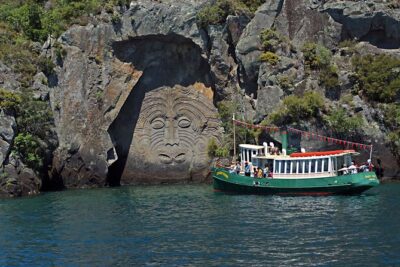 ★ 4.5Lake Taupō Māori Rock Carvings Scenic Cruise aboard Ernest KempFrom $31901 reviews
 ★ 5.0Maori Rock Carvings Eco Sailing TaupoFrom $33758 reviews
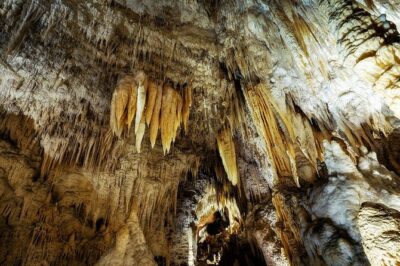 ★ 4.5Waitomo Caves & Rotorua – Te Puia Small-Group Tour from AucklandFrom $253681 reviews
Browse the lists this tour appears in