
REVIEW · AORAKI MOUNT COOK AND LAKE TEKAPO
Mount John Observatory Stargazing Experience, Tekapo
A dark sky can change your whole mood.
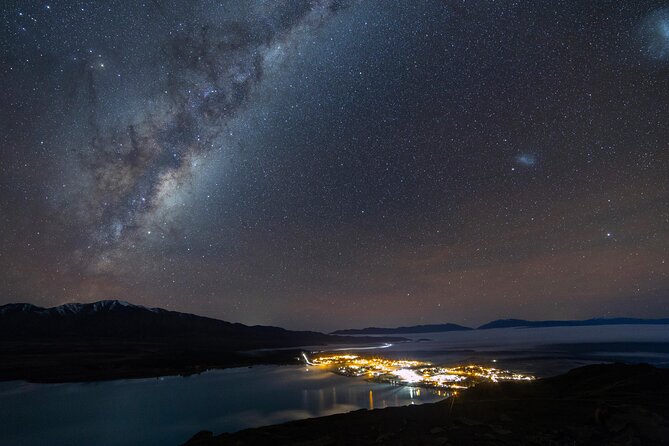
Mount John Observatory’s stargazing night sits high above Lake Tekapo in the Aoraki McKenzie International Dark Sky Reserve, where the sky stays unpolluted and the stars actually look like stars, not distant pinpricks. I like that this experience mixes naked-eye guiding with real telescope time, so you are not just waiting for the moment to happen.
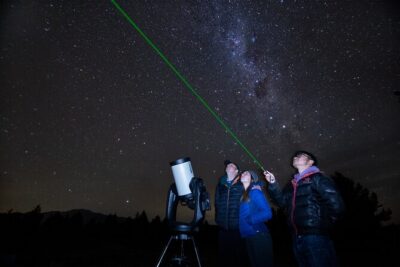
Two things I really like about it: the guides use laser pointers to help you track what you are seeing, and you get proper telescope viewing through advanced observatory equipment. It is also run as a small, structured night, with expert astronomy guides and a clear rhythm from check-in to the summit.
The main drawback to consider is that weather rules the night. If conditions are poor, the experience can be cancelled, or you may be offered an alternate indoor option.
In This Review
- Quick reasons this Mount John night works
- Getting to the summit: Lake Tekapo to Mount John
- Stop 1 in Lake Tekapo: where the night begins
- Stop 2 on the summit: University of Canterbury Observatory time
- Laser pointers and telescopes: what you’ll actually do
- Naked-eye guidance that helps you find things fast
- Telescope time that turns points of light into objects
- The cold is real, so dress like it
- Weather, clouds, and what to do if the night changes
- Languages, group size, and comfort on the ground
- Price and value: is $139.39 worth it?
- A practical packing and timing checklist
- Should you book Mount John Observatory stargazing?
- FAQ
- How long is the Mount John Observatory stargazing experience?
- What does the price include?
- Where do I meet the group?
- What languages are available, and do I need to speak them?
- What happens if the weather is cloudy?
- Is this suitable for children?
- Is it accessible for travellers with mobility issues?
Quick reasons this Mount John night works
- True dark-sky setting: High on Mount John in one of the world’s Dark Sky Reserves.
- Naked-eye first: Laser pointers make constellations and features feel easy to find.
- Telescopes are part of the plan: You spend time looking through advanced observatory gear, not just listening.
- Small-group feel: Limited group sizes keep the experience from turning into a human telescope line.
- Cold-weather support: Extreme cold weather jackets are provided, and you will still want layers.
Higher up, around Aoraki and Tekapo
- Lake Tekapo: Alpine Stargazing Experience with a Guide
★ 4.5 · 626 reviews - Lake Tekapo: Stargazing Experience
★ 4.9 · 607 reviews - Tekapo Shuttle: Mt Cook Day Tour via Pukaki & Tasman Lake
★ 4.8 · 307 reviews - Lake Tekapo: Mountaintop Stargazing at Mount John Summit
★ 4.5 · 176 reviews
Getting to the summit: Lake Tekapo to Mount John
The night starts in Lake Tekapo with check-in at the Dark Sky Project team. Then you get transported up to Mount John, which rises to 1,029 metres and towers over the surrounding lakes and mountains. That ride matters more than you might think, because you are not just travelling to a viewpoint. You are travelling to a place where the air is thinner and the sky is usually much darker than the town below.
The total experience runs about 1 hour 45 minutes, with roughly 15 minutes at the first stop for admission and transport up. The schedule is tight enough that you do not feel stuck waiting around, but long enough that the sky has time to shift as clouds move, if clouds appear on the edges. You also get return transport back to Tekapo township, which is a big deal when you are wearing warm layers and trying to keep your hands free for hot drinks you do not actually get as part of the tour.
If you are travelling with kids, this one works better when an adult is fully on board. Children must be accompanied by an adult, and stargazing at night is not a passive activity. It is cold, it is dark, and you need to stay with the group.
Stop 1 in Lake Tekapo: where the night begins
This first phase is practical. You check in with the Dark Sky Project team and receive what you need to start: the admission ticket for the experience, plus the start of your summit transfer. The value here is that you are not left scrambling in the dark trying to figure out where to go or what to bring. A mobile ticket is used, so you can keep everything on your phone and get moving.
The biggest benefit of this step is the handoff. The team switches you from general tourism mode into astronomy mode fast, and that helps on a cold night. You are also not negotiating transport timing yourself. When the group is ready, it goes, and you ride up together.
Stop 2 on the summit: University of Canterbury Observatory time
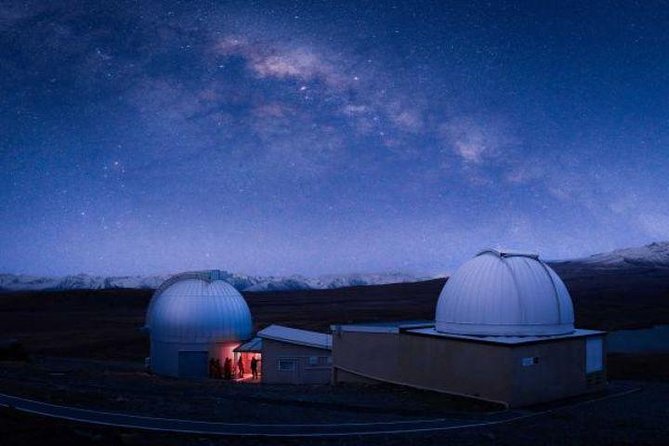
Once you reach the top, you move into the heart of the experience with exclusive access to the Mount John Observatory summit area, in partnership with the University of Canterbury. This matters because it changes the feel. You are not peering at a fence from a distance. You are in the working environment around a world-class research facility.
This is the longer part, about 1 hour 30 minutes, and it is built as guided stargazing. Your astronomy guide uses a mix of:
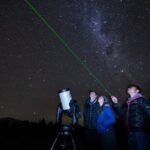
- Naked-eye stargazing, with laser pointers to mark targets in real time
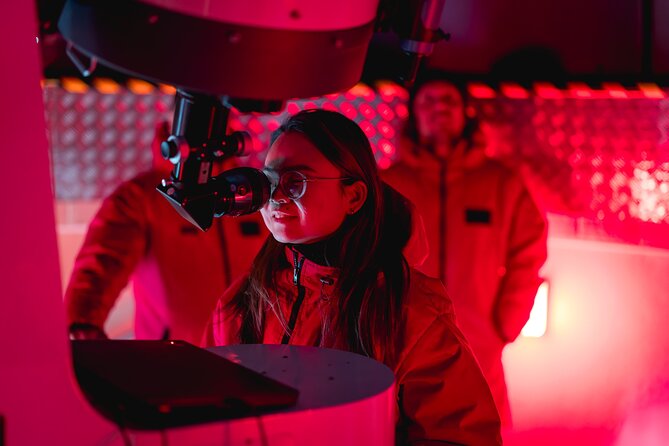
- Telescope viewing through the observatory’s advanced equipment
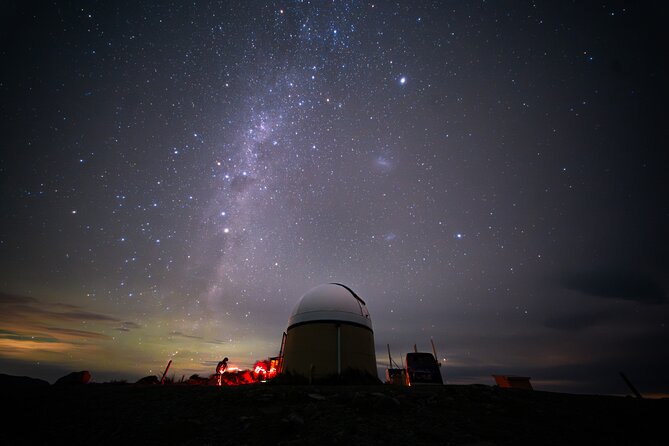
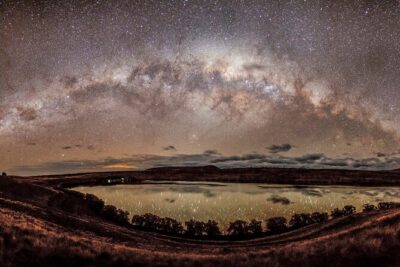
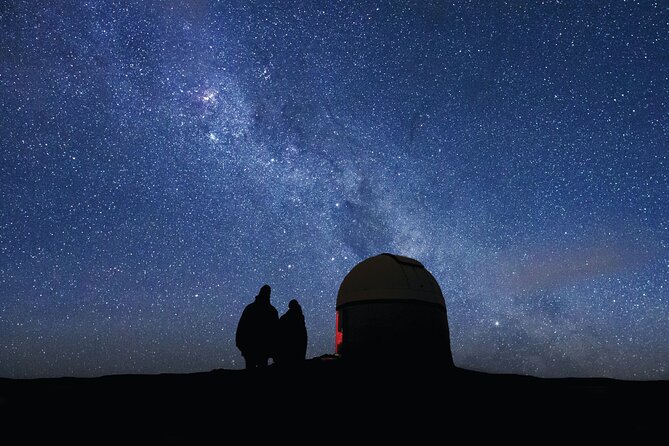
Because the setting is an International Dark Sky Reserve, the “what you see” is not just a vague promise. The night can include the Milky Way, far-off planets, star clusters, constellations, and sometimes even faint distant galaxies, depending on conditions.
This is also where the human part matters. If you get the guides many groups report seeing, you might meet people such as Kieran, Alice, or Olive. Either way, the guides run the pace, point out what is worth your attention, and explain the science and stories behind it in a way that makes the sky feel less random.
Laser pointers and telescopes: what you’ll actually do
A lot of stargazing tours fall into one of two traps: either you get a lecture with no time to look, or you point at a star and hope you recognise it. This one tries to solve both.
Other nights under a dark sky
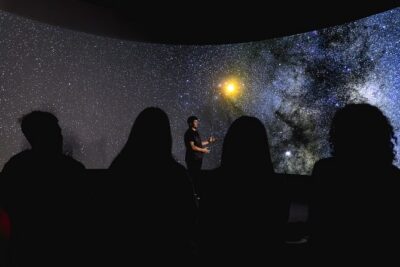
Naked-eye guidance that helps you find things fast
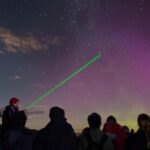
Laser pointers are used to show you where to look. That sounds simple, but it changes everything when you are standing somewhere dark and your eyes are still adjusting. You learn how to identify major features and constellations without playing guessing games all night.
Some nights include recognizable highlights like the Southern Cross, and guides may also talk about the idea of a “fake” southern star concept and how to identify the true one. Even if astronomy is not your hobby, the step-by-step approach makes it feel doable.
Telescope time that turns points of light into objects
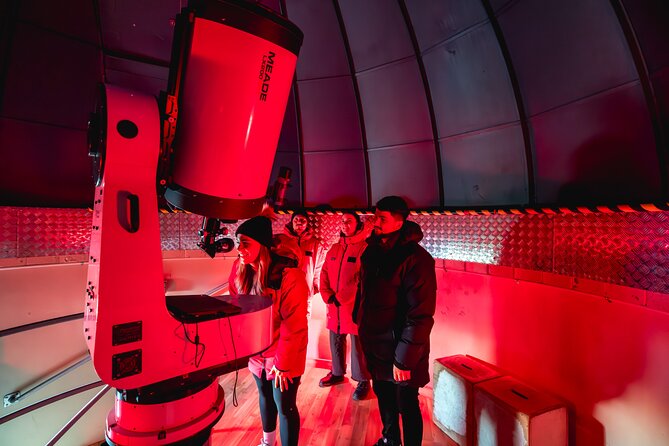
After you get your bearings with your own eyes, telescopes take over. You are not just told the object name, you get a chance to see it through the observatory equipment. In practice, that can mean views of things like planets and their moons, plus star clusters.
One of the standout parts from the night is that people consistently describe the telescope sessions as a real payoff, not a rushed extra. In some cases, you may move through multiple telescopes during the experience. The goal is simple: you should leave with at least a few concrete, memorable “I saw that” moments, not just background trivia.
The cold is real, so dress like it
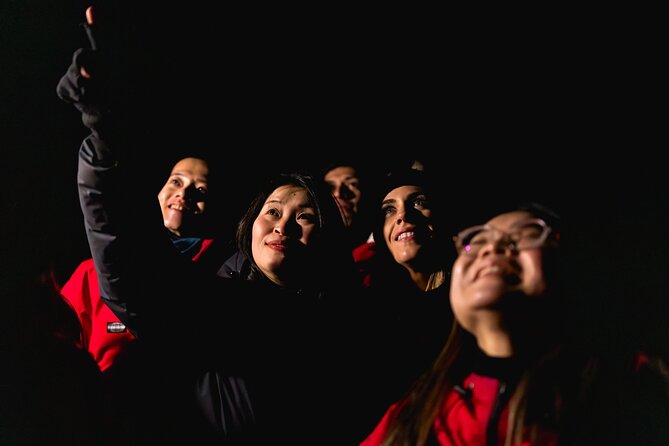
Mount John is high, and night temps can bite. Even in milder seasons, the cold can surprise you. I would plan for it like a winter sport, not like a light evening stroll.
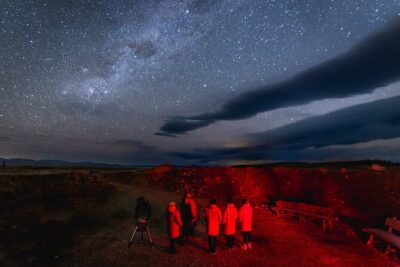
Good news: extreme cold weather jackets are provided. That helps a lot, especially if you forgot to pack serious warm gear. In practice, a “big red weather coat” style jacket is the kind of thing you can count on to make standing still outside feel survivable.
Still, wear layers. If you are in the habit of dressing just warm enough for town, adjust your thinking. On the summit, it can feel properly freezing, and you will be standing outside for a while.
Also remember the rules of darkness. You will be in a no-white-light environment, and you may not be allowed to use white lights or torches during the experience. That is partly for preserving your night vision, and partly for safety up there. So charge your phone beforehand, then keep it low. Stay close to the guide and your group.
If you care about photos, note one more practical consideration. In windy conditions, the guide team may limit photo support, such as not taking pictures for you with your camera. Wind at night can also shake tripod setups. If you want the cleanest sky views and best photo chances, you will likely want calmer weather.
Weather, clouds, and what to do if the night changes
This is the tour’s one big reality check: this experience depends on good weather. If clouds roll in, visibility can drop fast. In some cases, the experience can be cancelled due to cloud cover.
If it does not run as planned, you may be offered an alternate indoor experience. The good part is that the provider anticipates weather issues and has a backup plan. The downside is that an indoor backup is not the same as seeing the Milky Way over a dark-sky summit.
So how do you choose well? If your travel dates are flexible, you can build in a buffer day. If not, at least know that the sky is not a controlled environment, and part of the value here is taking advantage of the best night that your itinerary gives you.
Also, moonlight can change what you see. Even though you cannot control the moon, you can plan around it if astronomy is your priority. A fuller moon often makes the Milky Way harder to pick out.
Languages, group size, and comfort on the ground
The guides are available in English and Mandarin. Here is the important part for safety and enjoyment: you are required to speak the language of the tour because of health and safety purposes. If you cannot speak the language for your time slot, you will not be allowed to join.
So, double-check the language when you book, especially if you are travelling with a mixed-language group.
Group size is capped. The activity lists a maximum of 22 people per trip time, and there is also a maximum cap of 30 travellers for the activity. Practically, that means you are not alone on a summit, but it should still feel like a guided group rather than a stadium event.
Crowding can still be a factor if the night draws a lot of people. If you dislike tight spacing, arrive with patience, and plan to follow the guide’s movements. Up at night, the group needs to stay together for safety and for the lighting rules.
Mobility is another consideration. This tour is not recommended with travellers who have mobility issues, which makes sense for a cold outdoor summit environment and moving with the group in the dark.
Price and value: is $139.39 worth it?
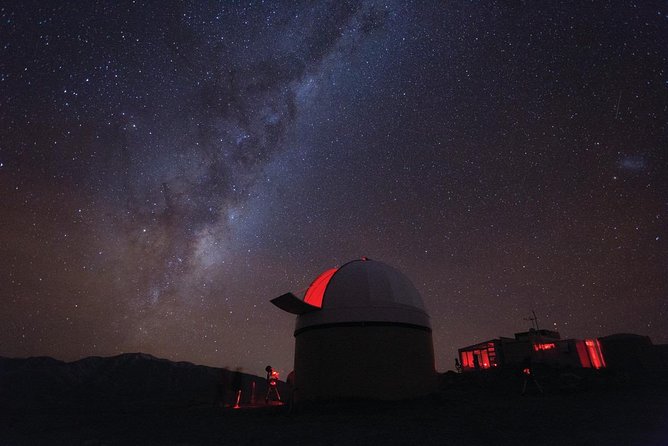
At $139.39 per person, this is not a budget activity. But it is priced for a reason: you are paying for a protected dark-sky setting, exclusive access to the observatory summit, guided astronomy instruction, and telescope time, plus return transport from Tekapo.
To judge value, I look at what you actually get for your money:
- Transport included from Tekapo township to the summit
- Extreme cold weather jackets provided
- Expert astronomy guides (English and Mandarin)
- Laser-guided naked-eye stargazing
- Telescope viewing using advanced observatory equipment
- A night that can include major sky highlights like the Milky Way and planets
If you are even mildly curious about the Southern Hemisphere sky, the mix of guidance and equipment use is the part that makes it feel worth it. If you want to see “something cool” but do not care about astronomy explanations, you might find it more intense than you expect. If you want to understand what you are looking at, this tour is built for that.
A practical packing and timing checklist
A short checklist makes the night feel smoother:
- Bring warm base layers, then rely on the provided extreme cold weather jacket
- Plan for total darkness where your phone flashlight may be restricted, so do not rely on it to walk around
- Stay close to your guide and group, especially while eyes adjust
- If photography matters, accept that windy conditions may affect your ability to get help taking pictures
Timing note: if you are booking a time after midnight, double-check the date. The experience happens in the dark, so date confusion is the easiest way to ruin a good night.
Should you book Mount John Observatory stargazing?
Book it if you want a guided night under one of the best dark skies in the Southern Hemisphere, with both laser-guided naked-eye stargazing and telescope views through an observatory setup. It is especially strong for first-timers, because you are not just handed a sky and told good luck. The guides help you find and understand what you see, and that makes the night land.
Skip or reconsider if cold outdoor time is a hard no, if mobility limits make dark walking tough, or if you cannot tolerate weather uncertainty. This experience lives and dies by conditions, and the sky does not negotiate.
Finally, if you can time your trip for darker moonlight, do it. You will likely enjoy the Milky Way a lot more when the night sky is truly dark.
FAQ
How long is the Mount John Observatory stargazing experience?
It runs for about 1 hour 45 minutes in total.
What does the price include?
The tour includes exclusive access to the Mount John Observatory summit, expert astronomy guides (English and Mandarin), guided naked-eye stargazing with laser pointers, telescope viewing through observatory equipment, return transport from Tekapo township, and extreme cold weather jackets.
Where do I meet the group?
You check in with the Dark Sky Project team in Lake Tekapo, then you are transported up to Mount John.
What languages are available, and do I need to speak them?
Guides are available in English and Mandarin. You are required to speak the language of the tour due to health and safety purposes, and you will not be allowed to join if you cannot speak that language.
What happens if the weather is cloudy?
The experience requires good weather. If it cannot operate due to weather, you may be offered a different date or an alternate indoor experience.
Is this suitable for children?
Children must be accompanied by an adult, and most travellers can participate.
Is it accessible for travellers with mobility issues?
It is not recommended with travellers who have mobility issues.
Everything Else We Wrote Up in Lake Tekapo
More Nights Under Dark Sky
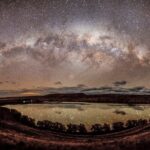
Aoraki and the Mackenzie
Just added to our Lake Tekapo notes
- Lake Tekapo: Virtual Stargazing and Astronomy Experience★ 4.5 · 8 reviews
- Mt Cook Day Tour From Tekapo (Small Group, Carbon Neutral)★ 4.5 · 11 reviews
- Lake Tekapo: 1.5-Hour Hot Pools & Stargazing Experience★ 4.6 · 11 reviews
- Lake Tekapo: Ultimate Stargazing Experience★ 4.3 · 12 reviews
- Lake Tekapo Scenic 4WD Cass Valley Wilderness Tour★ 4.9 · 13 reviews
- Lake Tekapo: Glaciers, Mountains, and Landscapes Scenic Tour★ 4.9 · 15 reviews
Aoraki Mount Cook and Lake Tekapo, compared.
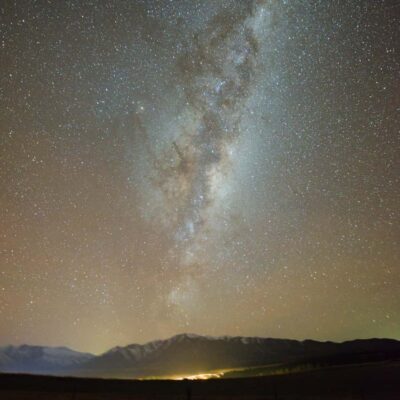 ★ 4.5Lake Tekapo: Alpine Stargazing Experience with a GuideFrom $59626 reviews
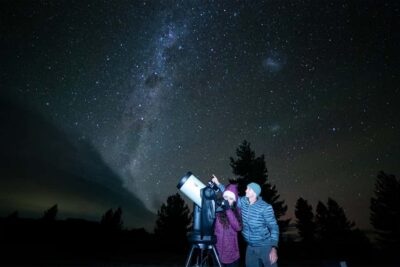 ★ 4.9Lake Tekapo: Stargazing ExperienceFrom $71607 reviews
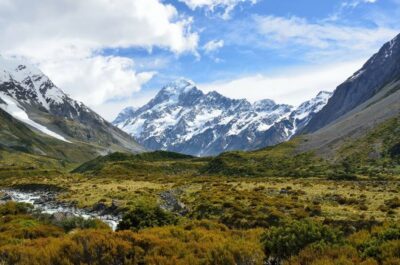 ★ 4.9Mount Cook & Lake Tekapo Day Tour from ChristchurchFrom $146483 reviews
 ★ 4.8Mount Cook: Scenic Helicopter Flight with Alpine LandingFrom $226442 reviews
 ★ 5.0Mt Cook Small Group Scenic Day Tour from QueenstownFrom $164407 reviews
 ★ 5.0Mount Cook, Lake Tekapo and Tasman Glacier Tour from ChristchurchFrom $155353 reviews
 ★ 4.6From Christchurch: Mt Cook Day Tour & Lake TekapoFrom $175331 reviews
 ★ 4.8From Queenstown: Mt Cook & Tasman Glacier Viewpoint Day TourFrom $146329 reviews
Browse the lists this tour appears in