
REVIEW · STARGAZING AND DARK SKY TOURS
Stargazing Experience at Cowan’s Private Observatory
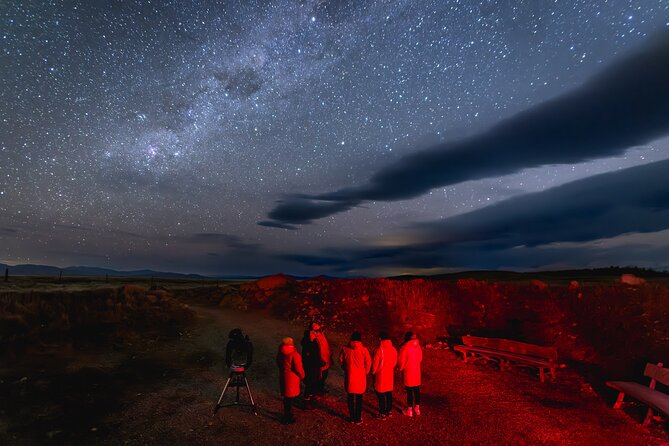
Moonlight is great, but true darkness is better. In Lake Tekapo, you get a guided look at the Milky Way and Southern sky through powerful telescopes, with the added comfort of stargazing inside sheltered private craters away from wind and light pollution.
What I like most is how it’s built for first-timers, you are not just standing around hoping for the best. And I also really like the practical setup, downloadable mobile e-tickets and easy access to the area near Tekapo township.
One thing to think about: you still need to show up on time and expect the experience to depend on conditions, since it is designed around clear night viewing.
In This Review
- Key highlights you will feel right away
- Lake Tekapo’s Gold Standard sky, with a guided telescope session
- Meeting at Dark Sky Project and the short shuttle to the observatory
- Inside the crater shelter: what happens before you start scanning the sky
- Aoraki Mackenzie International Dark Sky Reserve: what you are trying to see
- Guides, lasers, and telescopes: how the learning actually sticks
- Timing and cold reality: how to dress for a successful night
- Price and value: what $82.11 gets you in Lake Tekapo
- Who should book this stargazing night, and who should skip
- Weather, indoor backup, and what to do when the sky does not cooperate
- Practical tips to maximize what you see
- Should you book Cowan’s Private Observatory in Lake Tekapo?
Key highlights you will feel right away
- Sheltered crater observatory so you can stargaze in comfort instead of fighting wind and glare
- Gold Standard International Dark Sky Reserve in the Mackenzie Basin for clearer views of stars and the Milky Way
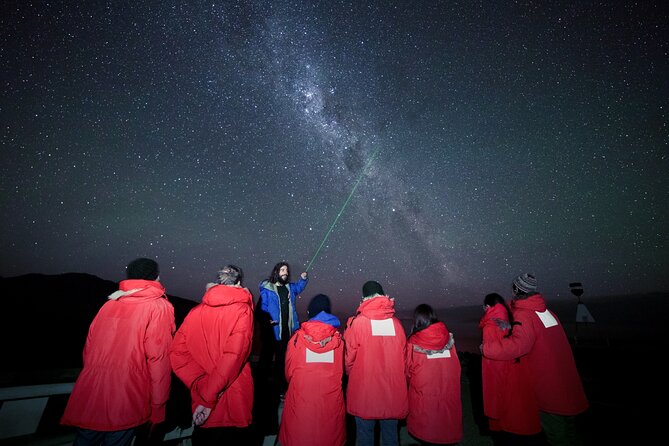
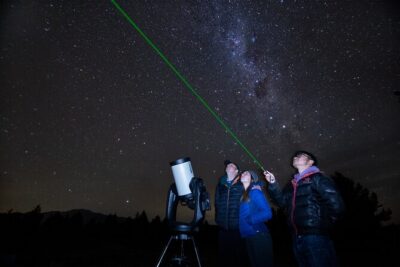
- Guides use handheld lasers and powerful telescopes to help you find what you are looking at
- Aoraki Mackenzie Dark Sky Reserve focus so your night is about the Southern sky, not a random sky show
- Small group size (max 22) which keeps the stargazing feel personal
- Mobile e-tickets means no printer stress in the dark
Other nights under a dark sky
- Lake Tekapo: Alpine Stargazing Experience with a Guide
★ 4.5 · 626 reviews - Lake Tekapo: Stargazing Experience
★ 4.9 · 607 reviews - Chameleon Stargazing Shared Tour
★ 5.0 · 181 reviews - Lake Tekapo: Mountaintop Stargazing at Mount John Summit
★ 4.5 · 176 reviews
Lake Tekapo’s Gold Standard sky, with a guided telescope session
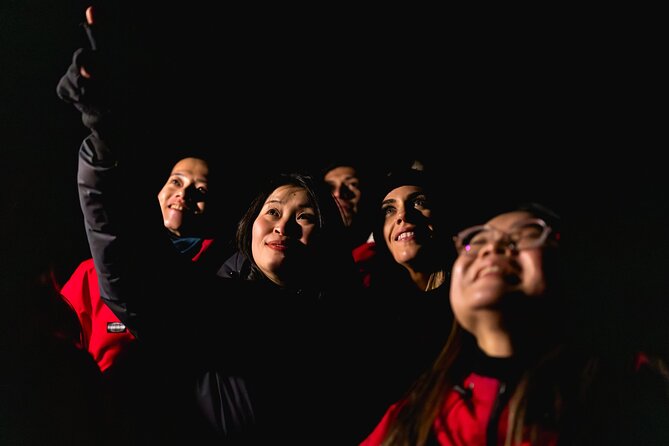
Lake Tekapo is famous for night skies. This experience is the version that helps you see them, not just hear about them.
You start with a short lead-in at the Dark Sky Project base, then you drive to Cowan’s Private Observatory in the Lake Tekapo Park area near the Tekapo township. The big idea is simple: you get taken to a spot chosen for darkness, then an astronomy guide helps you connect the dots in the sky. That means you spend your time actually learning and observing, not just guessing which bright smudge is what.
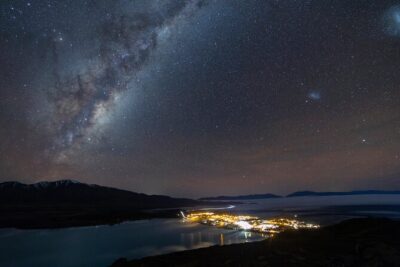
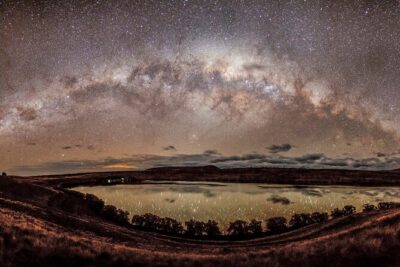
The “Gold Standard” part matters. In an International Dark Sky Reserve, the goal is to cut down light pollution so stars look sharper and darker. In practice, that can mean seeing more stars at once, and getting a better view of objects like the Milky Way band, star clusters, and planets when they are up.
If you are a first-time stargazer, that guided approach is half the value. You are not relying on your phone camera. You are learning where to look, then using telescopes for the close-up views.
Meeting at Dark Sky Project and the short shuttle to the observatory
Your night begins with check-in at the Dark Sky Project base in Lake Tekapo. From there, the team transports you to Cowan’s Private Observatory, about a five-minute drive by shuttle.
That short transfer is a practical win. It keeps the experience focused, especially if you have kids or you are arriving after a full day of driving. It also reduces the amount of time you spend exposed to cold air while trying to find the right spot.
One small but important detail: if you book a time after midnight, double-check the date you selected. This kind of stargazing often runs on late-night schedules, and it is easy to book the wrong night if you are tired.
And yes, being punctual matters. There is a real downside when people arrive late, because transport and timing are part of how the night is managed. Plan to arrive with a buffer.
Inside the crater shelter: what happens before you start scanning the sky
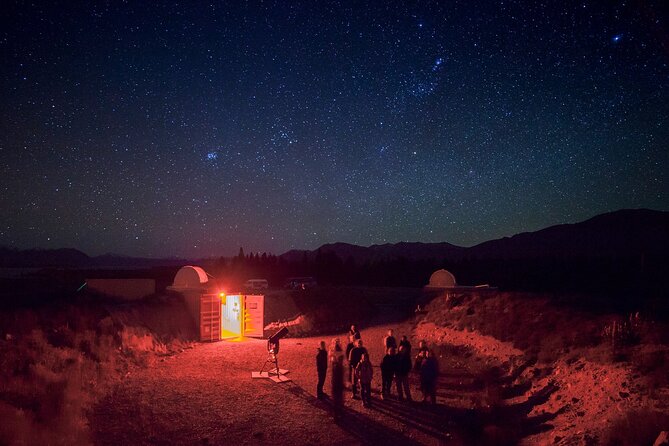
Before you move to the longer telescope session, you get a short stop at the observatory craters. This is where the tour earns its comfort points.
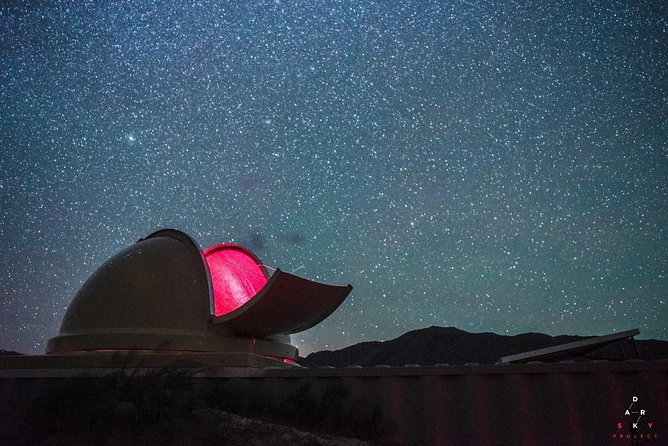
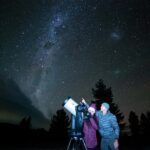
The observatory setup uses purpose built craters that are sheltered from wind and light pollution. That means your stargazing time is less likely to get ruined by gusts that shake your view, or stray lighting that washes out faint stars.
In this first part, you get that “welcome to the night sky” orientation. Expect an introduction that helps younger stargazers and first-time adults understand what you are going to do next. It is also a good ramp-up phase, since the telescopes come later in the night and you will be better prepared to recognize what the guide is pointing out.
This crater shelter also makes the experience more family-friendly. The tour is designed to work for people of different ages, including kids who might not have the patience for a long, cold outdoor lecture.
Aoraki Mackenzie International Dark Sky Reserve: what you are trying to see
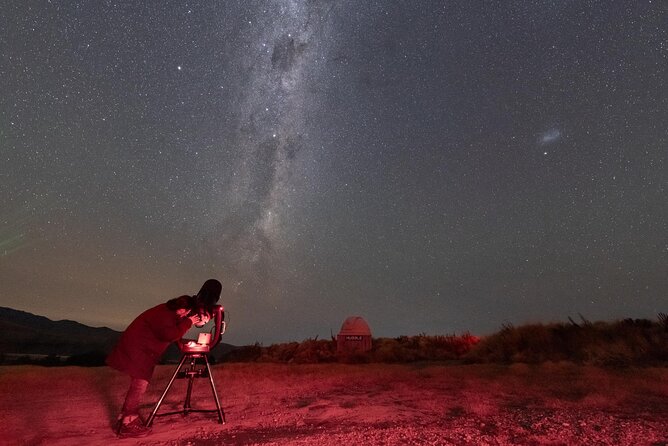
The main stargazing experience happens under the Aoraki Mackenzie International Dark Sky Reserve. The tour positions it as one of the best places to stargaze, and it is listed as Gold Standard, meaning the skies are exceptionally dark and clear.
That is what you are paying for, in a way. Clear skies are not magic. They are physics plus location plus light control. When light pollution is reduced, the night sky shows more detail to the human eye and also supports better telescope observing.
From this observatory, you are looking at the endless Southern sky. The tour specifically mentions planets, galaxies, and the depths of the Milky Way. In a practical sense, that usually means you can expect a mix of:
- Bright “anchor” targets that are easy to find with the guide’s pointing
- Telescope views that show structure, not just dots of light
- A Milky Way moment that looks different than what most people see at home
One review highlight was seeing Saturn and, importantly, its rings through the telescope. That kind of target is exactly the payoff you want from a guided night. Without the guide, it is easy to miss the right window or not understand what you are looking at through the eyepiece.
Season and time matter too. What is visible changes through the year, and clouds can also affect clarity. The guides tailor the session based on what can be seen that night, so your experience should feel responsive rather than scripted.
Guides, lasers, and telescopes: how the learning actually sticks
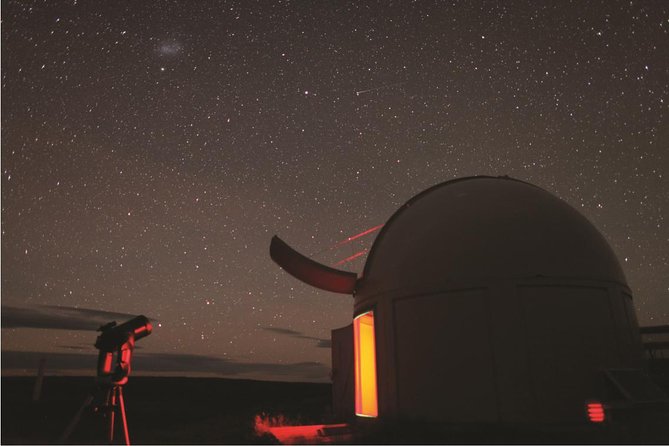
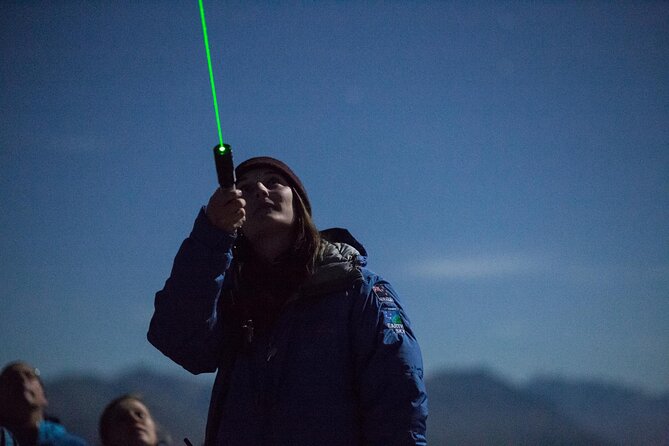
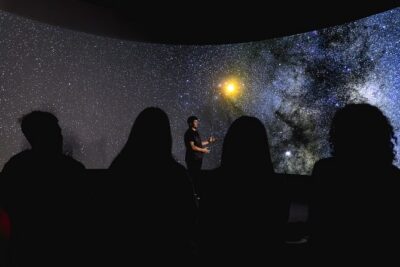
The best stargazing tours do two things well: they help you find things, and they help you understand what you are seeing. This one uses both handheld lasers and powerful telescopes, guided by an astronomy professional.
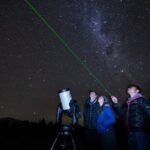
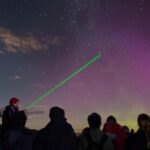
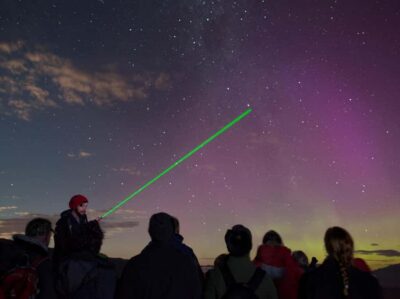
Here is the difference that makes. A laser pointer can help you orient fast. You watch the guide trace paths across the sky, then you understand where one target sits relative to another. That makes the night feel like a lesson, not a lecture.
Then the telescopes bring the view closer. The tour is clear that you will use powerful telescopic viewing technologies, and the private facility setting helps keep the group focused. When the sky is good, you can expect views that go beyond the simple brightness of stars.
The guides also tailor the experience according to what is visible. That matters because you do not want a one-size-fits-all session if the sky offers different planets or constellations on your date. The goal is to keep you engaged, so you leave feeling like you learned something concrete: where to look next time, and what you are looking at.
From the overall tone of the experience, the staff style seems friendly and upbeat, and kids do well when the guide keeps the pace moving. If you bring children, this is a tour format that tends to work because it mixes pointing, explaining, and telescope moments instead of hours of silence.
Timing and cold reality: how to dress for a successful night
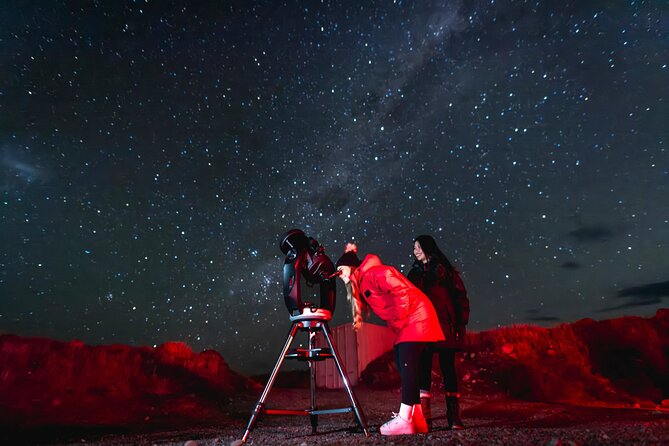
Stargazing sounds romantic. It is also cold.
This experience runs about 1 hour 30 minutes total. The first short stop is about 15 minutes, then you have roughly 1 hour 15 minutes for the main guided stargazing portion. Since part of the experience is outdoors, your clothing matters.
The tour instructions are straightforward: dress warm all year round. Even in shoulder seasons, the Mackenzie Basin can feel sharp once the sun goes down. Reviews also hint at real cold, especially around mid-April.
My practical advice:
- Wear layers you can add or remove quickly
- Bring warm socks, not just “nice shoes”
- Expect wind chill even if the craters are sheltered, because you still move and wait at points during check-in and viewing
- If you get cold easily, treat this as a winter night, not a casual evening
Also, keep your expectations realistic. You are outside, you are dealing with darkness, and telescopes need time to settle. If you dress right, you will enjoy the experience more because you are not fighting discomfort the entire time.
Price and value: what $82.11 gets you in Lake Tekapo
At $82.11 per person, this is not a budget activity. But it is also not priced like a private charter.
You are paying for three main things:
- Access to a private observatory facility with powerful telescopic equipment
- Guided interpretation, meaning you learn what you see rather than just looking through glass
- Transport from the Dark Sky Project base to the observatory and back
It is also a small-group experience, with a maximum of 22 travelers. That matters when you consider how many people can line up at telescopes and how often the guide can reset attention and answer questions.
If you travel with kids, there is a value angle too. The experience mentions discounted tickets for visitors aged 17 and under, which can make it more reasonable as a family night out. And stargazing is one of those activities where kids often remember it longer than a typical museum visit, because it feels like a live science show.
Is it worth it for adults who already love astronomy? Maybe, if you want the dark-sky location plus the guide’s pointing. But if you are fully experienced and you bring your own gear, you might already know where to look. For most people, the guide plus the location is the best combination.
Who should book this stargazing night, and who should skip
This works best if you fit at least one of these:
- You are a first-time stargazer and want help finding constellations and targets
- You want to see planets and the Milky Way in a darker environment than what you get at home
- You are traveling as a family, and you want an experience that is structured and engaging for kids
- You like hands-on interpretation, laser pointing, and telescope time
It may be less ideal if:
- You hate cold nights and you are not willing to dress for it
- You need full certainty, since the experience depends on weather and night conditions
- You cannot meet the tour language requirement, because you are required to speak the language of the tour for health and safety reasons
The tour also has an age minimum of 5, with children required to be accompanied by an adult. That means it can be a solid family-friendly choice, but it is not meant for unaccompanied minors.
Weather, indoor backup, and what to do when the sky does not cooperate
Good stargazing is weather-dependent. The experience is clear that it requires good weather, and if poor viewing conditions cancel the outdoor part, the team offers options.
One possible option is an alternate indoor experience. So even if the night turns cloudy, you are not necessarily left with nothing. Based on how the tour is described, the indoor backup is meant to keep the learning going, using a classroom-style setup that still connects you to what you would have seen outside.
Here is how to think about it. You are booking a night-sky experience, not a guaranteed planet-hunting machine. Your best move is to choose a date when you can be flexible and also dress warm, because even a partly clear night can improve what the telescopes can show.
Practical tips to maximize what you see
You can do a few things that make a noticeable difference.
- Arrive early and stay close to the meeting point. The shuttle and timing matter, and being late can lose your place.
- Follow the language requirement ahead of time. If you cannot speak the tour language for health and safety reasons, you will not be allowed to join.
- Bring your cold-weather game plan. Layers, warm socks, and a hat make the difference between enjoying the sky and rushing through discomfort.
- Keep your expectations flexible about targets. Planets and clusters depend on season and timing, and guides tailor based on what is visible that night.
- Treat the observatory as part of the show. The sheltered crater setup is not just convenience, it helps reduce wind and light pollution so your telescope views can look better.
Should you book Cowan’s Private Observatory in Lake Tekapo?
I would book it if you want a guided, high-dark-sky stargazing night with telescopes and real interpretation. The combination of the Aoraki Mackenzie Gold Standard skies, the sheltered crater observatory, and a guide using lasers plus powerful telescopes is exactly the kind of setup that turns a casual “let’s look at stars” plan into a night you remember.
I would think twice if you are inflexible about weather, you refuse to dress warmly, or you cannot meet the tour language requirement. Also, if you are prone to running late, plan extra buffer time, because the night works on a schedule.
For most visitors to South Island, especially first-timers and families, this is a strong value way to experience the Southern sky in one focused evening.
Everything Else We Wrote Up in Lake Tekapo
More Nights Under Dark Sky
Just added to our Lake Tekapo notes
- Lake Tekapo Fishing Tour★ 4.8 · 10 reviews
- Mt Cook Day Tour From Tekapo (Small Group, Carbon Neutral)★ 4.5 · 11 reviews
- Lake Tekapo: 1.5-Hour Hot Pools & Stargazing Experience★ 4.6 · 11 reviews
- Lake Tekapo: Ultimate Stargazing Experience★ 4.3 · 12 reviews
- Lake Tekapo Scenic 4WD Cass Valley Wilderness Tour★ 4.9 · 13 reviews
- Lake Tekapo: Glaciers, Mountains, and Landscapes Scenic Tour★ 4.9 · 15 reviews
Stargazing and Dark Sky Tours, compared.
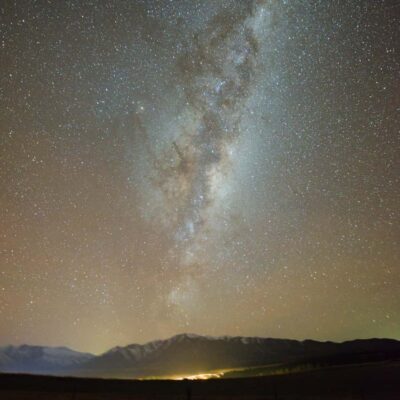 ★ 4.5Lake Tekapo: Alpine Stargazing Experience with a GuideFrom $59626 reviews
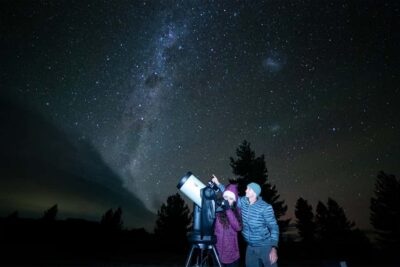 ★ 4.9Lake Tekapo: Stargazing ExperienceFrom $71607 reviews
 ★ 5.0Chameleon Stargazing Shared TourFrom $74181 reviews
 ★ 4.5Lake Tekapo: Mountaintop Stargazing at Mount John SummitFrom $130176 reviews
 ★ 4.5Mount John Observatory Stargazing Experience, TekapoFrom $139160 reviews
 ★ 4.5Tekapo Star Gazing Tour – Soak in the StarsFrom $117109 reviews
 ★ 4.5Silver River Stargazing Experience in Lake TekapoFrom $61106 reviews
 ★ 4.5Dark Sky Indoor Maori Cultural Astronomy ExperienceFrom $3770 reviews
Browse the lists this tour appears in