
REVIEW · AORAKI MOUNT COOK AND LAKE TEKAPO
Lake Tekapo: Alpine Stargazing Experience with a Guide
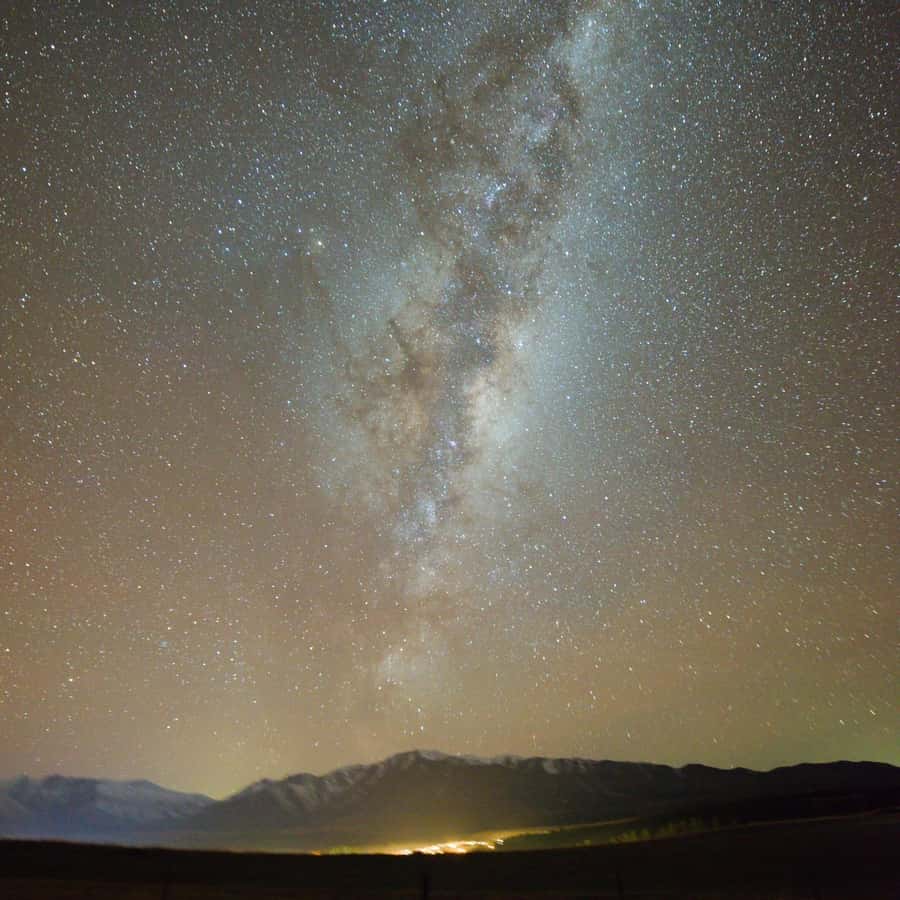
You can’t fake darkness like this. In Lake Tekapo, I love how the Aoraki Mackenzie International Dark Sky Reserve turns the night into a real show, with a small-group drive to a private 50,000-acre farm for 360-degree stargazing and telescope time. This is the kind of evening where the Milky Way feels close enough to touch, and a 14-inch scope lets you go from naked-eye wonder to real deep-sky detail.
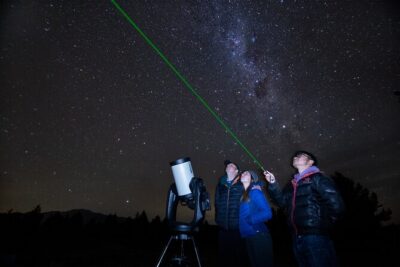
Here’s the second reason I’d book it: the guide-led “point and explain” style, often with helpful extras like astro-lasers, makes constellations and star names make sense fast. The one catch is weather, because clouds and wind can blunt telescope views, even when the darkness is perfect.
In This Review
- Key highlights that make this night tour worth it
- Lake Tekapo’s dark sky magic, with a guide instead of a gamble
- Meeting at Silver River Stargazing, then getting ready for cold, dark air
- The safety briefing that makes telescope time smoother
- The 50,000-acre farm stop: why 360-degree darkness changes everything
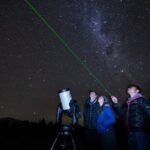
- Telescope time with a 14-inch scope and astro-lasers
- How the guides turn star facts into a real story
- What you’ll see most nights, from the Milky Way to planets
- Weather realities: how to set your expectations so you enjoy the night anyway
- The complimentary photo link: a small souvenir with real value
- Price and value: $59 for 75 minutes, with transport and telescope time
- Who this tour fits best in your Lake Tekapo plan
- Should you book Silver River Stargazing in Lake Tekapo?
- FAQ
- Where is the meeting point for the stargazing tour?
- How long is the Lake Tekapo alpine stargazing experience?
- What is included in the tour price?
- What telescope size do you use during the tour?
- What languages are available for the live guide?
- When will I receive the complimentary photo?
- Is cancellation allowed?
Key highlights that make this night tour worth it
- Private farm stargazing in an International Dark Sky Reserve so you get real low light pollution.
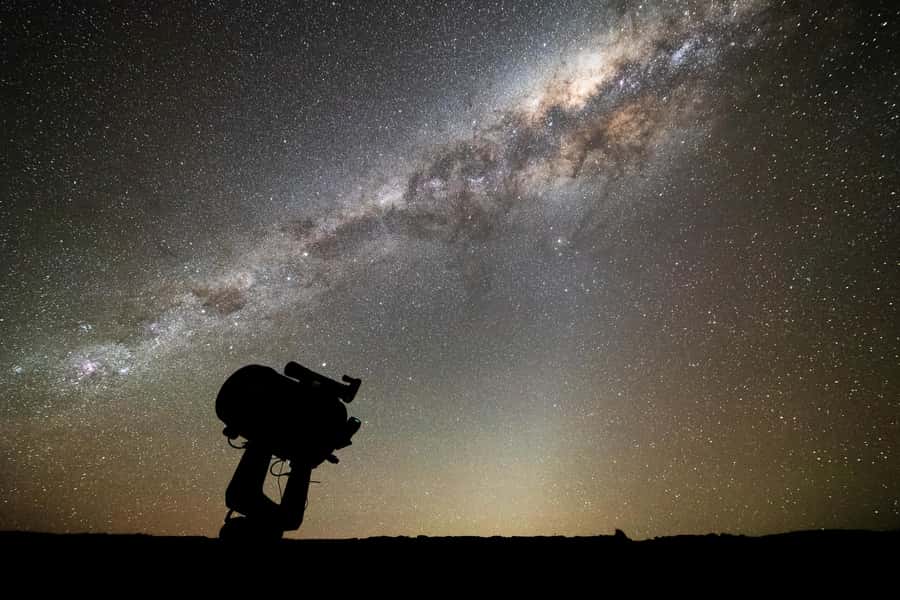
- 14-inch telescope access for views of stars, constellations, planets, and deep-sky objects.
- Small group cap (10 people), which means more time at the eyepiece and less waiting around.
- Astro-lasers for easier star-finding so you follow the lesson without constantly guessing.
- 360-degree views that make the whole sky feel usable, not just one patch.
- A complimentary group photo link sent digitally after the tour (weather-dependent), so you bring home proof.
Higher up, around Aoraki and Tekapo
- Lake Tekapo: Alpine Stargazing Experience with a Guide
★ 4.5 · 626 reviews - Lake Tekapo: Stargazing Experience
★ 4.9 · 607 reviews - Tekapo Shuttle: Mt Cook Day Tour via Pukaki & Tasman Lake
★ 4.8 · 307 reviews - Lake Tekapo: Mountaintop Stargazing at Mount John Summit
★ 4.5 · 176 reviews
Lake Tekapo’s dark sky magic, with a guide instead of a gamble
Lake Tekapo is already famous for night skies. What makes this experience practical is that you go from town to a darker farm setting with a guide, so you do not waste your time trying to figure out the best spot on your own.
The difference is immediate when the lights drop. You are not just staring at random points. You are learning the “map” of the sky in the Southern Hemisphere, then checking that map with your eyes, and again with a telescope. It’s a small but important change: your brain stops treating the night sky as a blur, and starts treating it like a place you can navigate.
I also like that this is not a giant group event. With a cap of 10, you spend less time queued up and more time actually looking. That matters because the whole point is sight time, and astronomy waits for nobody.
Meeting at Silver River Stargazing, then getting ready for cold, dark air
Your evening starts at the Silver River Stargazing office inside Kiwi Treasure, the post office area in Lake Tekapo. From there, you get transportation to the stargazing site, which keeps the process simple after a long travel day.
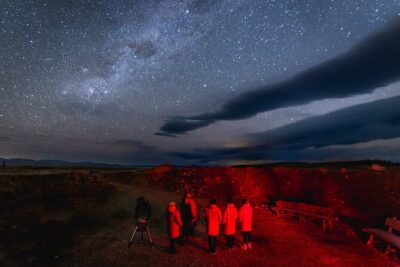
You are also given warm down jackets. This is not just a comfort perk. When you are outside in cold Southern Alps air, your attention shifts from the stars to your fingers going numb. Having jackets means you can actually stay focused on the lesson and the telescope.
Expect short driving time as part of the transfer routine. The day-to-night shift happens fast, so the goal is to get you seated and ready in the dark before the real viewing begins.
The safety briefing that makes telescope time smoother
You get a brief safety rundown at the start of the guided session. It’s usually quick, but it helps because astronomy tours have a specific rhythm: people pointing, people adjusting tripod height, and everyone trying to see the same object.
This is the part that quietly improves the experience. When the group understands the basic rules early, telescope time runs cleaner. Nobody bumps equipment. Nobody has to ask the same questions twice. You simply look, then listen, then look again.
The 50,000-acre farm stop: why 360-degree darkness changes everything
The main viewing happens at a super dark location on private farmland within the Aoraki Mackenzie International Dark Sky Reserve. The setup is designed for what you came for: an unobstructed sky with very little stray light.
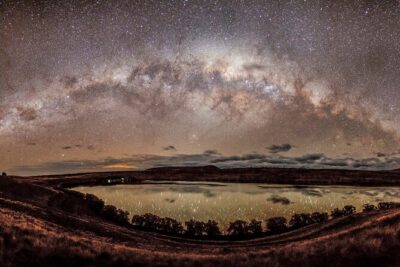
I love this stage because it slows you down. In a city, light pollution drowns out the faint background. Here, the sky has depth. You stop hunting for something bright enough to see and start noticing subtle patterns, like clusters and the Milky Way’s glow.
You also get 360-degree views, which is more useful than it sounds. It means the guide can point to different sections of sky without the group being stuck facing one direction the whole time. You get a whole-sky lesson, not just a single target.
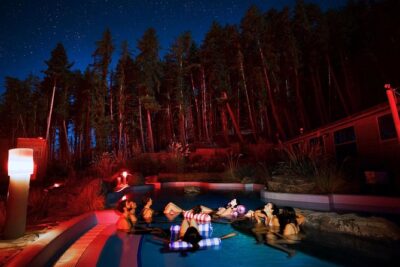
Other nights under a dark sky
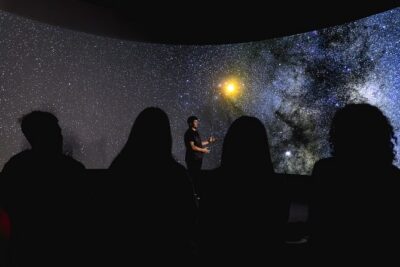
Telescope time with a 14-inch scope and astro-lasers
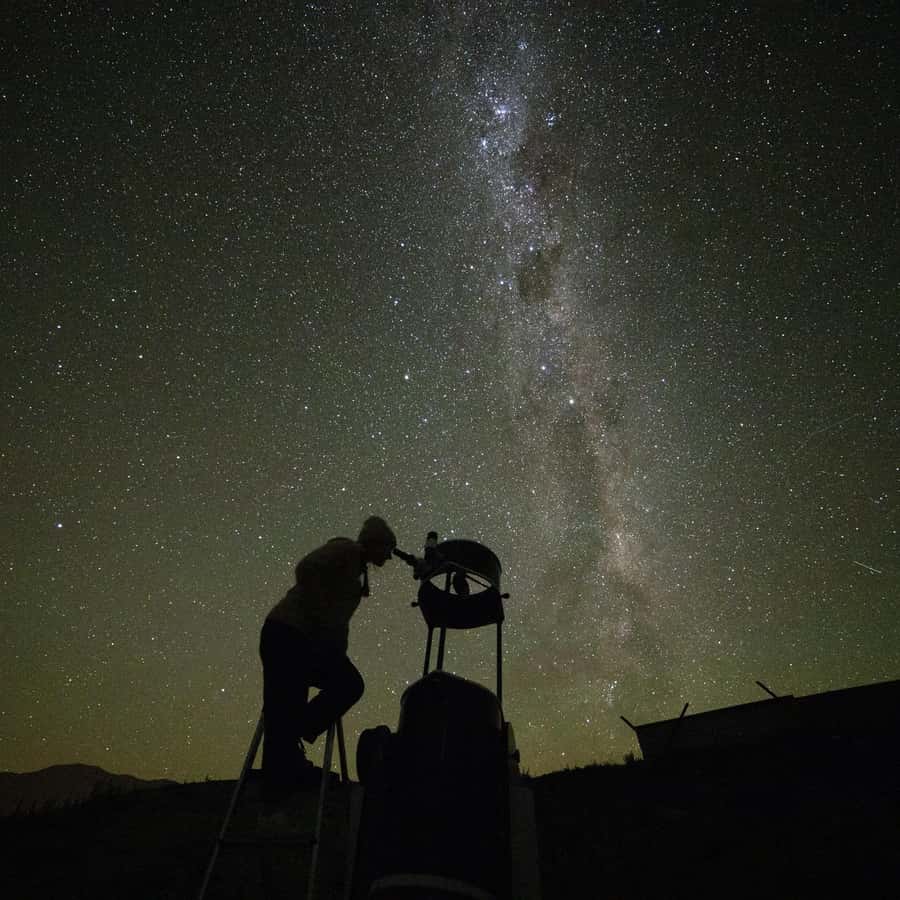
The heart of the tour is the telescope experience, using modern 14-inch instruments. A 14-inch telescope is a meaningful size for a public tour because it can show more than just the obvious. You are not only looking at the moon and a couple of bright dots.
You will use the telescope to view a mix of objects, including deep-sky targets when the conditions cooperate. You may also see familiar planets, and the moon is often part of the program because it gives sharp, high-contrast viewing.
One detail I really appreciate is the astro-laser support. It helps you track what the guide is describing, especially when you are learning constellations in real time. You are not left standing in the dark guessing where the guide is pointing.
Also, you get time on the telescope. With the small group cap, you should have more chances to look through the scope rather than just a quick glance.
How the guides turn star facts into a real story
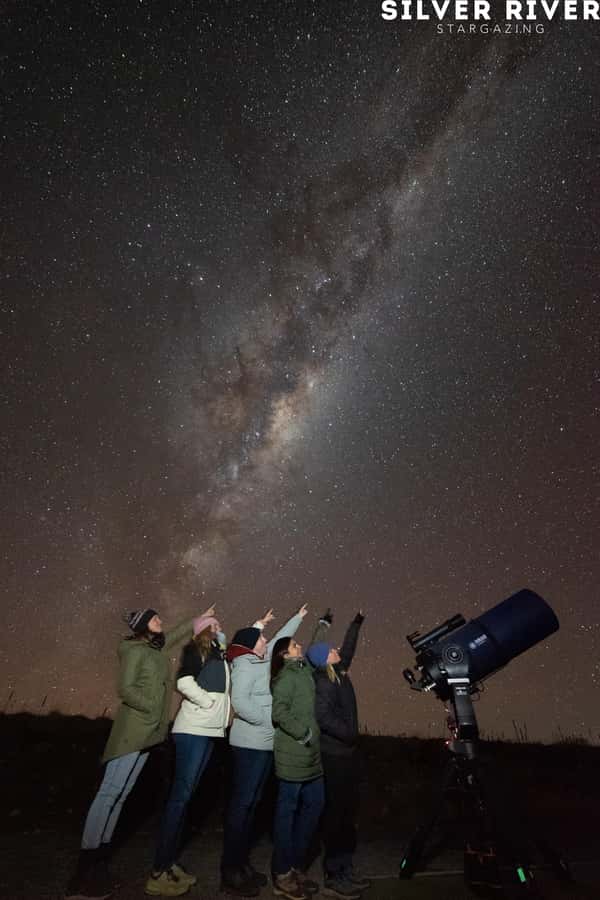
The guide is what turns the night sky from scenery into a lesson you can remember. Names from past tours pop up often, and it is easy to see why: guides like Tara and Sam focus on storytelling and practical identification, not just dry facts.
You might hear history behind star naming, and you might get culture-based explanations for why some stars and constellations are described the way they are. This kind of framing sticks because you are not only seeing the stars, you are learning why humans have been talking about them for centuries.
You will also get help with star-finding. The guide shows you what to look for first, then how to move your eyes from one anchor point to the next. That’s a real skill you can take home, even if you only use it later on a clear night closer to your next destination.
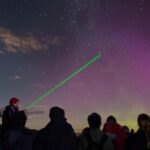
In some evenings, the sky can even add extra wow factor, like aurora australis. That is not guaranteed, but it’s the kind of bonus that can happen when conditions align.
What you’ll see most nights, from the Milky Way to planets
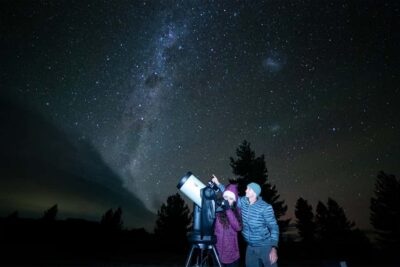
The standout feature most people chase here is the view of the southern night sky with very low light pollution. On a clear night, the Milky Way often looks astonishingly detailed without needing the telescope at all.
Then the telescope ups the contrast. You should expect views that include:
- The moon, which is great for sharp viewing and quick excitement.
- Planets, which can look dramatically different once you switch from naked eye to telescope.
- Stars and constellations, where the guide helps you connect the patterns to real positions in the sky.
- Deep-sky objects, depending on what is visible during the session and how steady the air is.
If the moon is up, it does not always ruin the experience. I’ve seen tours still impress people even under brighter lunar conditions. Still, the best star detail typically comes when the sky is darker and steadier.
Weather realities: how to set your expectations so you enjoy the night anyway
This is astronomy in real weather, not a planetarium.
Cloud cover can limit what you see. If skies stay cloudy, you may lose the telescope targets you were hoping for. Wind can also make viewing a little harder because it affects steadiness at the eyepiece.
That said, clear skies do not always start the day. Some evenings begin with cloudier skies and then improve. The tour is built around taking advantage of the dark windows you get, and the guides do their best to keep the experience engaging even when conditions shift.
Your best move is simple preparation:
- Wear layers under the provided jacket, especially if you run cold.
- Bring a beanie or hat if you have one.
- Accept that you are outside in the elements for about an hour of guided viewing time.
If you go in with that mindset, the experience stays fun even when the sky is not perfect.
The complimentary photo link: a small souvenir with real value
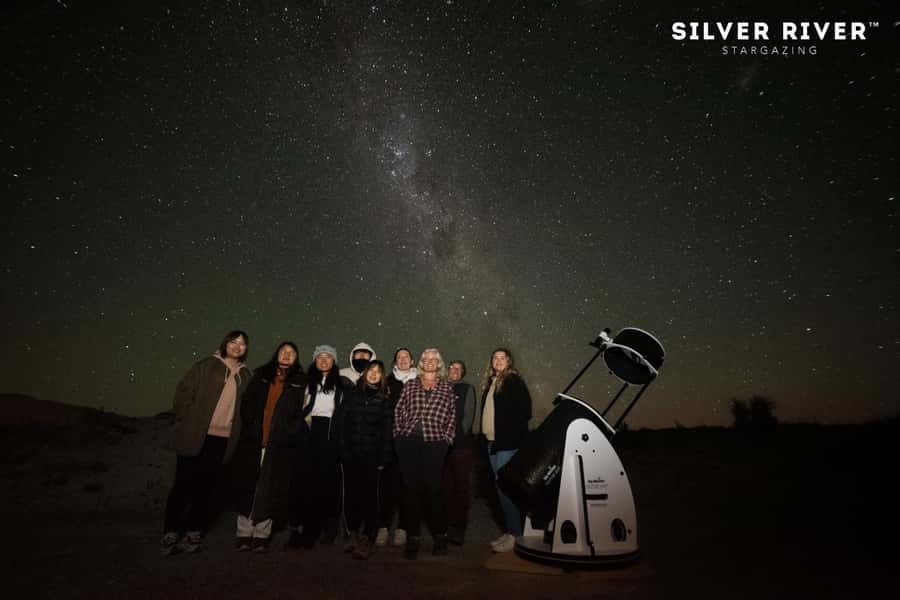
At the end of the session, you get a group photo taken under the stars, depending on weather and sky conditions. You receive a digital link within 48 hours.
This is more than a nice extra. In a moment like this, you will be looking up most of the time. You cannot also take the perfect night-sky photo and keep track of the guide’s explanations. The photo gives you a record without turning the night into a photography project.
Some guides also take extra care with the angle and framing, and many people appreciate having a keepsake that actually looks like Lake Tekapo at night.
Price and value: $59 for 75 minutes, with transport and telescope time
At $59 per person for about 75 minutes, you are paying for three things that are hard to assemble on your own: transportation to a darker farm site, a guided astronomy lesson, and access to a 14-inch telescope.
The practical value is that you are not paying for just a view. You are paying for guided direction, plus time at real equipment. Even if you only care about seeing the Milky Way, the telescope experience can still add a lot, because it changes how you understand what you are looking at.
It also helps that warm down jackets are included. That removes one more “I hope I packed enough” worry, which is a big deal when you are outside after dark in a cold region.
Who this tour fits best in your Lake Tekapo plan
This is an easy pick for:
- Anyone who wants the Milky Way and darker-sky viewing without driving to find the best spot.
- People who like learning while they look, not just taking photos and moving on.
- Families and groups who want a guided pace. Kids often do well when the guide uses laser pointers and interactive star-finding.
It also includes wheelchair accessibility, so you can fit it into a wider range of travel needs.
For solo travelers, the small group format is a plus. You get a social vibe without the chaos that comes with bigger tours.
If you are a serious photographer, you may be tempted to stay out longer, but the tour is still a strong start since you get a proper dark-sky location, plus the guide’s help identifying what is worth shooting.
Should you book Silver River Stargazing in Lake Tekapo?
I’d book this tour if your priority is a guided, low-light stargazing session with real telescope time, not just a quick roadside stop. The combination of the Aoraki Mackenzie Dark Sky Reserve setting, a private farm location, and a 14-inch telescope makes the experience feel focused and worth the effort.
I’d think twice if you are extremely weather-sensitive or you hate cold nights. The night sky can be dramatic here, but it is still outdoors, and wind or clouds can limit what the telescope can show.
If you can handle a chilly evening and you want your first taste of southern constellations to come with clear guidance, this is a very solid way to do it.
FAQ
Where is the meeting point for the stargazing tour?
Meet at the Silver River Stargazing office in Kiwi Treasure, which is the post office for Lake Tekapo.
How long is the Lake Tekapo alpine stargazing experience?
The experience lasts about 75 minutes.
What is included in the tour price?
It includes a guided stargazing tour, roundtrip transportation from the check-in office to the stargazing site, warm down jackets, use of 14-inch modern telescopes, and a link to a digital photo.
What telescope size do you use during the tour?
The tour includes the use of a 14-inch large telescope.
What languages are available for the live guide?
The live tour guide is available in English and Japanese.
When will I receive the complimentary photo?
You receive the complimentary photo shared via a digital link within 48 hours after the tour.
Is cancellation allowed?
Yes, you can cancel up to 24 hours in advance for a full refund.
Everything Else We Wrote Up in Lake Tekapo
More Nights Under Dark Sky
Aoraki and the Mackenzie
Just added to our Lake Tekapo notes
- Lake Tekapo: Virtual Stargazing and Astronomy Experience★ 4.5 · 8 reviews
- Mt Cook Day Tour From Tekapo (Small Group, Carbon Neutral)★ 4.5 · 11 reviews
- Lake Tekapo: 1.5-Hour Hot Pools & Stargazing Experience★ 4.6 · 11 reviews
- Lake Tekapo: Ultimate Stargazing Experience★ 4.3 · 12 reviews
- Lake Tekapo Scenic 4WD Cass Valley Wilderness Tour★ 4.9 · 13 reviews
- Lake Tekapo: Glaciers, Mountains, and Landscapes Scenic Tour★ 4.9 · 15 reviews
Aoraki Mount Cook and Lake Tekapo, compared.
 ★ 4.9Lake Tekapo: Stargazing ExperienceFrom $71607 reviews
 ★ 4.9Mount Cook & Lake Tekapo Day Tour from ChristchurchFrom $146483 reviews
 ★ 4.8Mount Cook: Scenic Helicopter Flight with Alpine LandingFrom $226442 reviews
 ★ 5.0Mt Cook Small Group Scenic Day Tour from QueenstownFrom $164407 reviews
 ★ 5.0Mount Cook, Lake Tekapo and Tasman Glacier Tour from ChristchurchFrom $155353 reviews
 ★ 4.6From Christchurch: Mt Cook Day Tour & Lake TekapoFrom $175331 reviews
 ★ 4.8From Queenstown: Mt Cook & Tasman Glacier Viewpoint Day TourFrom $146329 reviews
 ★ 4.8Tekapo Shuttle: Mt Cook Day Tour via Pukaki & Tasman LakeFrom $89307 reviews
Browse the lists this tour appears in