
REVIEW · AORAKI MOUNT COOK AND LAKE TEKAPO
Lake Tekapo: Mountaintop Stargazing at Mount John Summit
A sky full of stars feels close up here. At the Mount John summit above Lake Tekapo, you get a guided night under the Southern Hemisphere skies, inside one of the world’s best dark-sky spots.
I love the exclusive summit access and the way the whole experience is paced like a real astronomy lesson, not a quick photo stop. I also love the comfort setup, especially the ECW cold-weather jackets, plus return transport so you are not stressed about timing in the dark.
The main thing to consider is weather. This tour is weather dependent, and a cloudy or bright-sky night can limit what you see through the telescopes.
In This Review
- Key Takeaways
- Lake Tekapo and the Mount John Summit, Why This Night Looks Different
- Your 105 Minutes, From Takapō Lakefront to Stargazing Under the Southern Skies
- Naked-Eye Starmap With Handheld Lasers, Learning Without Feeling Scholarly
- Telescope Time Near the University Research Centre
- Cold Weather, Warm Gear, and What You Should Wear
- Weather, Moon Brightness, and How to Time Your Night
- Price and Value at Around $130 Per Person
- Who This Tour Suits Best, and Who Should Skip It
- Practical Rules That Affect Your Night Sky Results
- Should You Book Mount John Stargazing at Lake Tekapo?
Key Takeaways
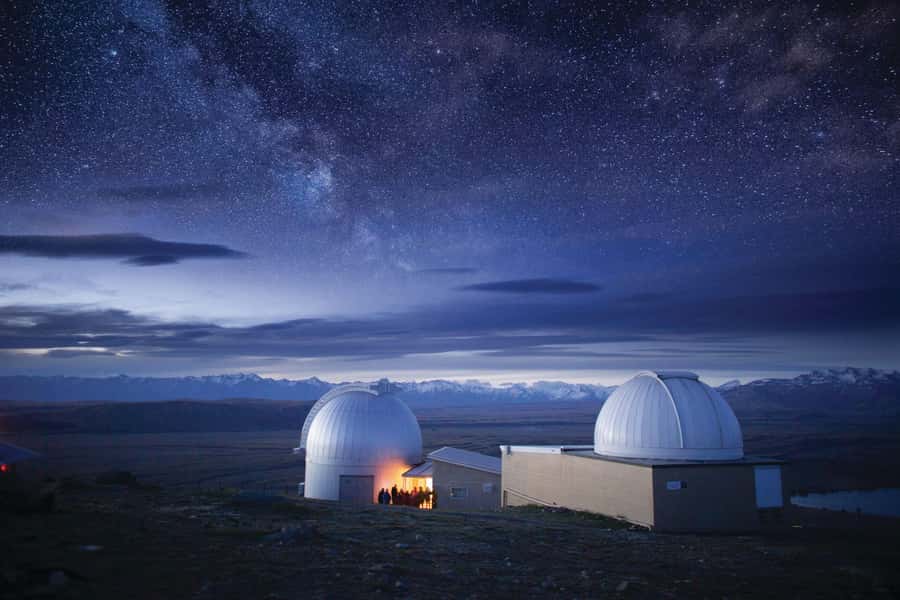
- Exclusive access to the Mount John summit (1,029m above Lake Tekapo) for proper dark-sky viewing
- Southern Skies first, telescopes second, guided with handheld lasers to help you learn the sky fast
- Expert astronomy guides who explain what you are seeing and what to look for next
- Extreme cold weather jackets included, so you can focus on the sky instead of your hands freezing
- Return transport between Dark Sky Project Base at the lakefront and the summit
- Weather dependent, so picking a clear night really matters
Higher up, around Aoraki and Tekapo
- Lake Tekapo: Alpine Stargazing Experience with a Guide
★ 4.5 · 626 reviews - Lake Tekapo: Stargazing Experience
★ 4.9 · 607 reviews - Tekapo Shuttle: Mt Cook Day Tour via Pukaki & Tasman Lake
★ 4.8 · 307 reviews - Lake Tekapo: Mountaintop Stargazing at Mount John Summit
★ 4.5 · 176 reviews
Lake Tekapo and the Mount John Summit, Why This Night Looks Different
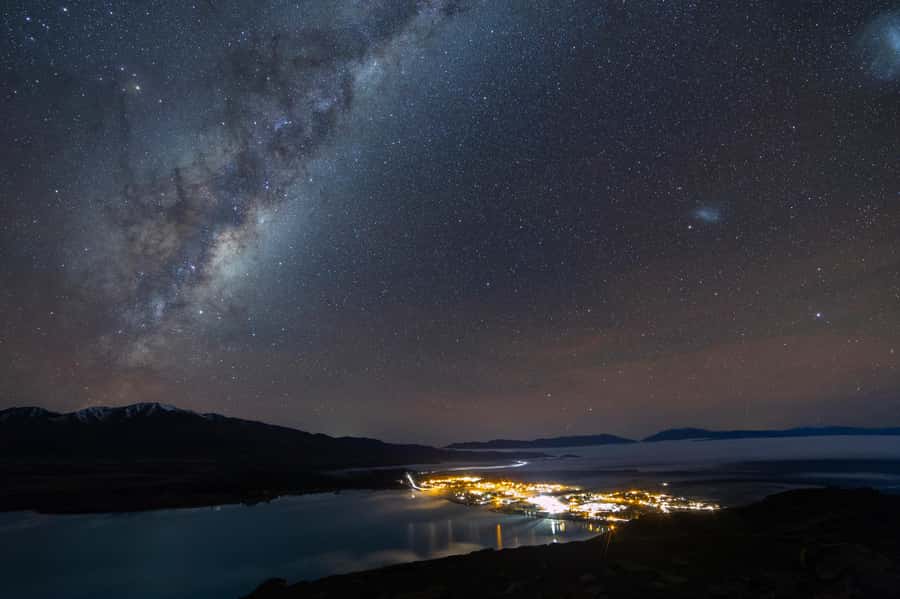
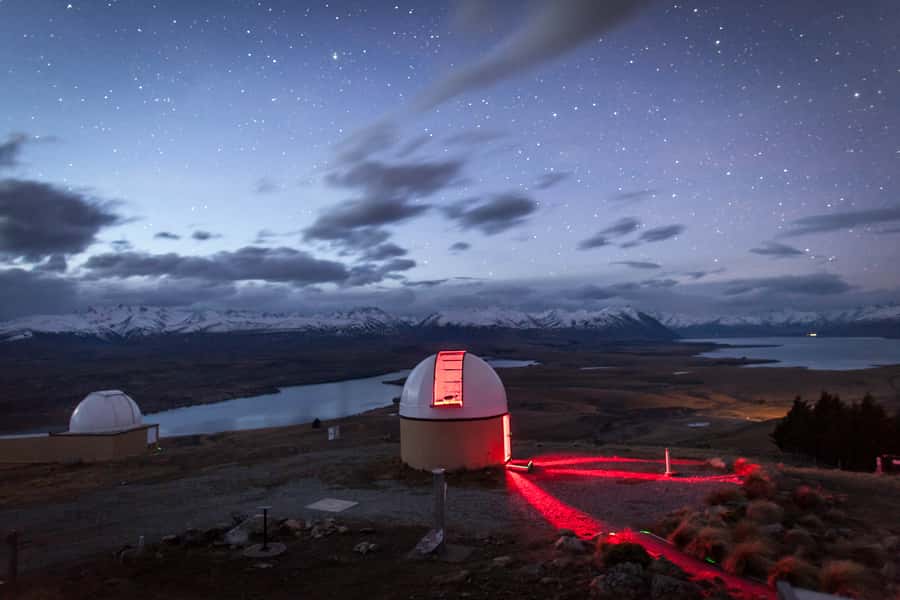
Lake Tekapo is famous for night skies, but the magic here comes from elevation and darkness. You are going up to the 1,029m Mount John summit, where the air can be crisp and the light pollution drops away. That combination makes the stars feel sharp, and it makes constellations easier to spot even when you are not a lifelong astronomy person.
This spot sits inside the world’s largest Gold Standard International Dark Sky Reserve. Translation: you are looking at a sky that has been protected and managed for visibility, not just a scenic view. It is a big reason this experience is built around guided observing and telescopes, because there really is something worth seeing up there.
You also get a sense of the place being serious about astronomy. The viewing is done near a University of Canterbury research centre, which helps explain why the tour focuses on technique, not only spectacle.
Your 105 Minutes, From Takapō Lakefront to Stargazing Under the Southern Skies
Plan on a total duration of 105 minutes. The practical rhythm is simple: check in at the Dark Sky Project base on the Tekapo lakefront (Takapō), then you get transport up to the summit.
You need to check in at least 20 minutes before departure. That extra time matters because it is dark, the meeting point is outdoors, and you will want to get your jacket sorted and be ready before the group heads up.
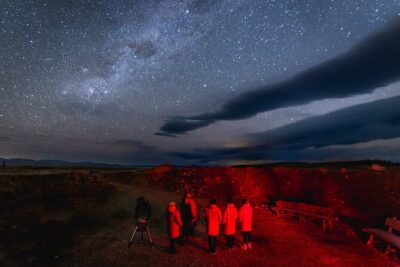
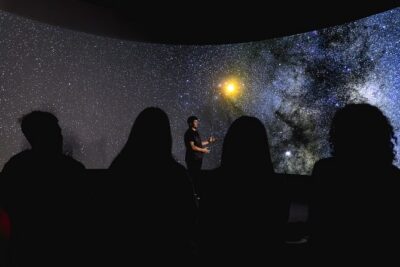
Once at the summit, the guide runs the experience in a clear order. You start by orienting yourself to the sky with naked-eye viewing, then the session moves into more detailed observing using telescopes. Even if you just want to stare up, the structure helps you notice more than you would on your own.
A small but telling detail from past bookings: some groups report a warm drink on arrival, like hot chocolate. You should treat that as a nice extra you might get, not a promise, but it fits the overall comfort-first approach.
Naked-Eye Starmap With Handheld Lasers, Learning Without Feeling Scholarly
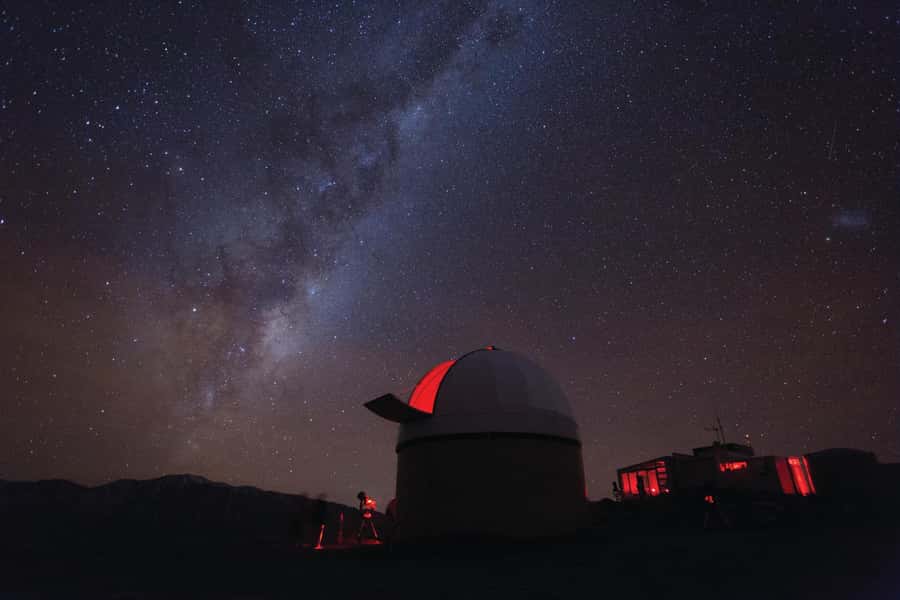
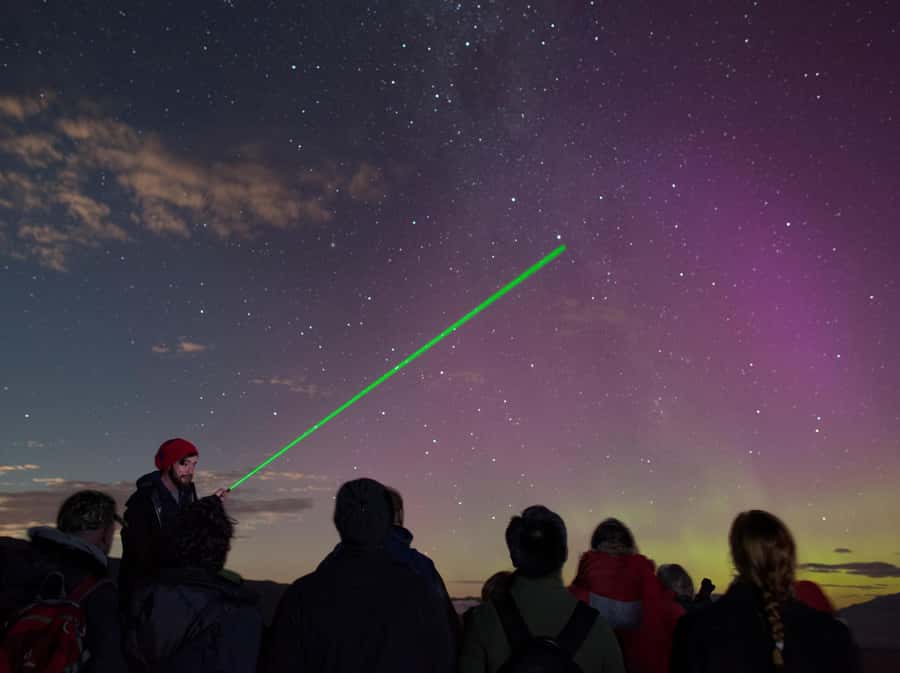
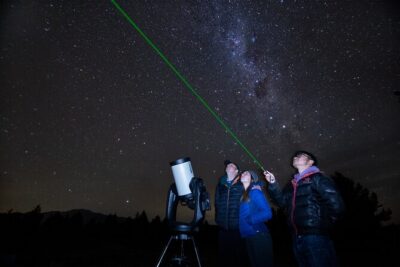
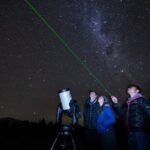
One of my favorite parts is the way this tour helps you build confidence quickly. The guides use handheld lasers to point out celestial sights, and they guide you through the Southern skies step by step. So instead of feeling lost, you get a mini starmap you can actually use while you look.
This is where the Southern Hemisphere view really clicks. You do not just see bright stars, you learn how to find reference points and patterns in the sky. With the laser pointers, you can connect what you think you are looking at with what it truly is.
The session is designed so you are not waiting around until telescope time. You spend meaningful time learning with your own eyes first, which makes the later views feel like a payoff instead of a separate activity.
Also, you are given a lanyard torch in at least some departures, which helps you move around safely without blowing your night vision. You might find it useful for steps on gravel and navigating in the dark without needing your phone screen.
Telescope Time Near the University Research Centre
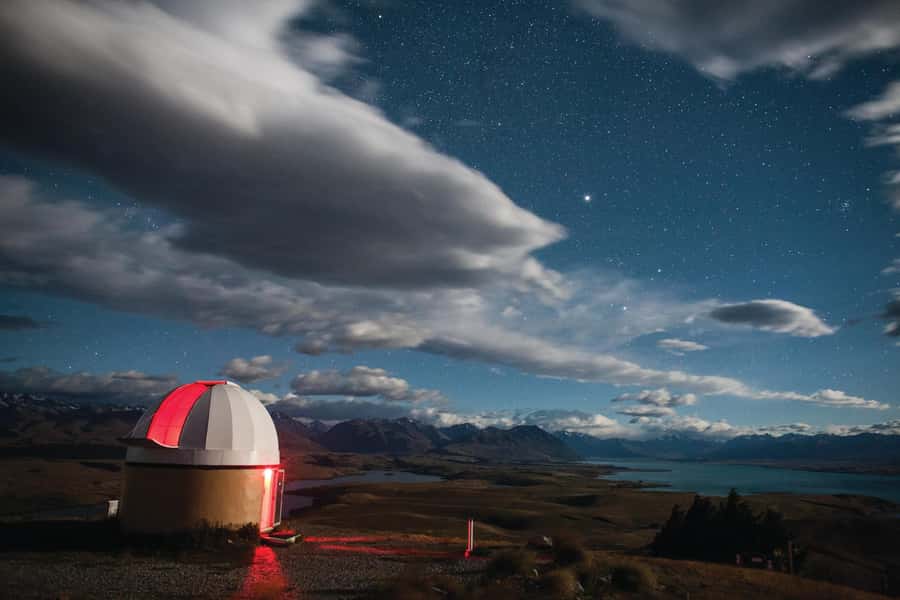
Once you have your bearings, the tour turns to the telescopes. This is where the experience can feel like two worlds, because your naked-eye view is wide and atmospheric, while telescope viewing is detailed and focused.
You will be looking at targets chosen for what the sky is doing that night. The guides explain what you are seeing, and the pacing is meant to keep the group engaged. On clear nights, telescopes can make objects feel surprisingly real, like you are not watching light from the past, you are observing a present moment.
That said, here is the practical consideration to keep in mind. One review mentioned that, at least for their night, the telescope views looked only slightly bigger than the naked eye for some targets, and that major planets were not prominent in their sky. That is not a guide failure, it is astronomy reality: what you can see depends on conditions and on the night’s sky alignment.
If you are expecting always-to-see standouts like certain bright planets or the Moon every time, you may want to adjust expectations. Your best bet is aiming for a night with clear skies, and if possible, thinking about moon brightness too.
Other nights under a dark sky
Cold Weather, Warm Gear, and What You Should Wear
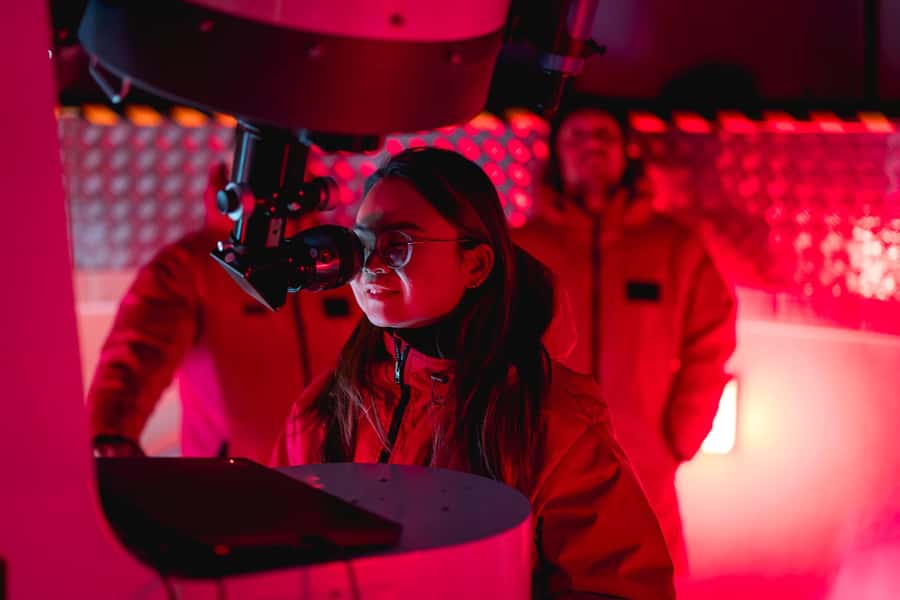
Mount John can get seriously cold, and the tour expects you to dress for it. They provide an Extreme cold weather jacket at check-in, which is a huge help because it means you can handle the cold without layering like you are going to Antarctica.
Still, you need weather-appropriate clothing. That means warm pants, a hat, gloves, and a layer you can tolerate when you stop moving to look up. The tour also notes you should wear warm clothing year-round because it is a mountaintop experience.
Comfort also affects your enjoyment. If your hands are numb, you will rush your looking. If your feet are cold, you will start thinking about leaving instead of stars. The included jacket helps, but your base layers are what keep you steady for the full session.
Movement is also part of the cold-weather equation. The tour requires a minimal level of fitness: you need to be confident walking about 100 meters on a gravel incline and climb a couple of steps in the dark. This matters more than it sounds, because dark, gravel, and cold can make everything feel harder than it is on flat ground in daylight.
Weather, Moon Brightness, and How to Time Your Night
The biggest single variable is the sky itself. This tour is weather dependent, and if conditions are poor, you can either be offered an indoor alternate or receive a full refund.
One review specifically pointed out something useful: even when the sky is clear, a bright moon can wash out the Milky Way. Their advice was to consider timing around a new moon for the best Milky Way visibility. That lines up with basic observing logic, and it is the kind of detail that can turn this from a great stargazing tour into a standout night.
So how do you use this? If your schedule allows, choose a night with forecast clarity and low moonlight. If it cannot be helped, you will still enjoy seeing stars and constellations, but the most dramatic Milky Way views might be reduced.
If you are booking close to the date and you can be flexible, you will usually get the best outcome by watching conditions nearer the departure time. The tour’s refund and alternate options make that practical.
Price and Value at Around $130 Per Person
The price is listed as $130 per person for about 105 minutes. For many people, the value comes from what is included, not from the stargazing alone.
You are paying for:
- exclusive access to the summit area for observing
- expert astronomy guides and laser pointing help
- telescope viewing
- extreme cold-weather jackets
- return transport from the Dark Sky Project base up to Mount John
If you were to replicate this independently, you would still need transport and a good guide to make sense of the sky. That is why this feels more like a guided experience than a casual lookout.
There is one other value question worth asking. One review felt the tour was pricey, especially given that telescope magnification did not feel as dramatic as expected and certain standout solar system objects were not visible that night. If you mainly want huge planet views, this may not meet that specific expectation.
But if you want to learn the Southern skies and see what you can actually see from one of the best dark-sky sites on Earth, the price starts to make more sense. The length is just right, and the included gear and transport reduce friction.
Who This Tour Suits Best, and Who Should Skip It
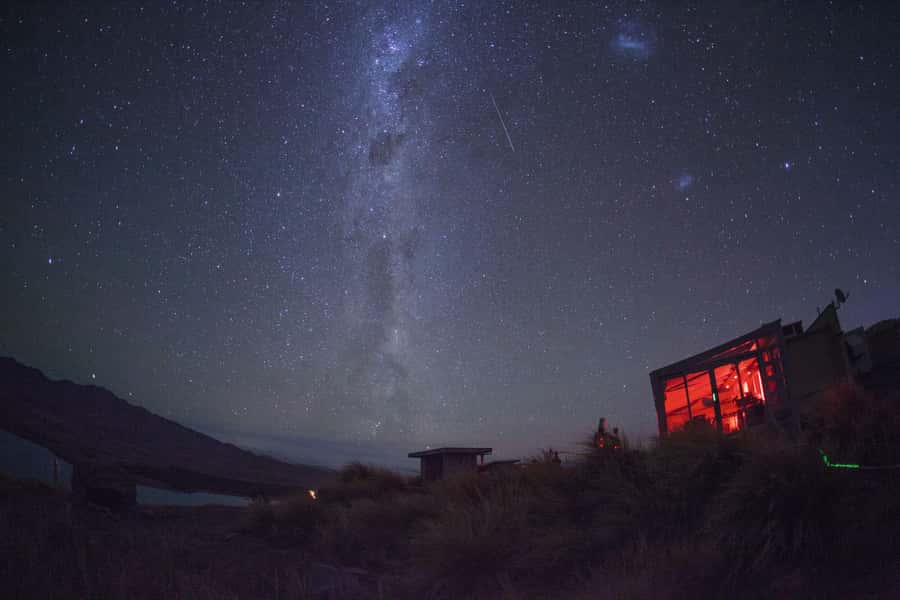
This is a family-friendly outdoor activity, with an age restriction of 10 years and over. It is also not suitable for people with mobility impairments, which you should take seriously because of the dark steps and gravel incline.
It is ideal for people who want a guided stargazing experience in a place where the sky is worth the effort. If you enjoy learning patterns, finding objects, and getting an explanation in real time, you will get a lot out of the laser-led naked-eye portion followed by telescopes.
It is also a good match for photographers, with one major rule: flash photography is not allowed. That is about protecting other people’s night vision and maintaining the dark-sky environment.
One more fit detail that trips people up: language. The tour requires you to speak the language of the tour for health and safety purposes. If you cannot speak the language selected for your departure, you will not be allowed to join. The offered guide languages are Japanese, English, and Chinese, so choose your booking accordingly.
Practical Rules That Affect Your Night Sky Results
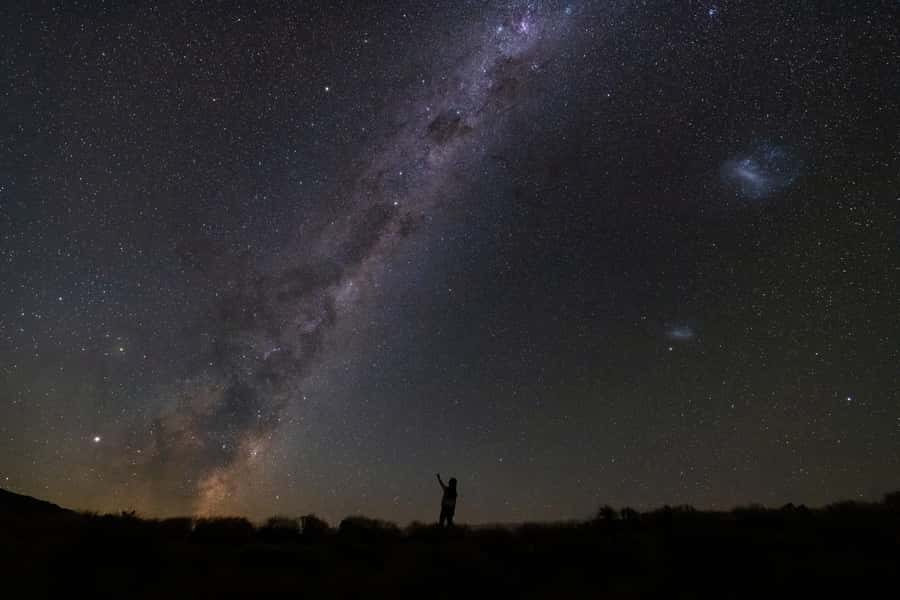
Here are the rules and realities that matter on the ground.
First, keep your phone light low. Flash photography is not allowed, and night vision is everything in dark-sky viewing. If you want a photo, plan for it without flashes, and expect that phone cameras may not capture the Milky Way as vividly as your eyes in the moment.
Second, bring the right clothing. The tour provides an extreme cold-weather jacket, but you still need to be dressed for cold weather and limited movement time while you look up.
Third, remember the minimal fitness requirement. Walking on gravel incline and climbing steps in darkness is part of the experience, so you should feel comfortable with that before booking.
Finally, expect a weather-dependent plan. Even the best guide cannot control clouds or wind, but the tour handles weather with an alternate option or a refund when conditions are bad.
Should You Book Mount John Stargazing at Lake Tekapo?
I think this is a strong booking if your goal is to see the Southern Hemisphere night sky in a genuinely dark location and learn while you watch. The combination of exclusive Mount John summit access, laser-guided starmapping, telescope viewing, and included cold-weather gear makes it feel efficient and well thought out for a 105-minute evening.
Book it if you can handle cold, are comfortable with a short gravel incline and a couple of steps in the dark, and you are happy to keep flash off. Also, if Milky Way visibility is high on your wish list, try to target a clearer night and think about moon brightness timing.
Skip it if mobility access is an issue, if you are under 10, or if you cannot meet the language requirement for your departure. And if you mostly want a guaranteed set of planets on command, adjust your expectations, because what appears depends on the night sky.
If your schedule is flexible, this tour is one of the easiest ways to turn Lake Tekapo’s dark skies into a guided, confidence-building experience.
Everything Else We Wrote Up in Lake Tekapo
More Nights Under Dark Sky
Aoraki and the Mackenzie
Just added to our Lake Tekapo notes
- Lake Tekapo: Virtual Stargazing and Astronomy Experience★ 4.5 · 8 reviews
- Mt Cook Day Tour From Tekapo (Small Group, Carbon Neutral)★ 4.5 · 11 reviews
- Lake Tekapo: 1.5-Hour Hot Pools & Stargazing Experience★ 4.6 · 11 reviews
- Lake Tekapo: Ultimate Stargazing Experience★ 4.3 · 12 reviews
- Lake Tekapo Scenic 4WD Cass Valley Wilderness Tour★ 4.9 · 13 reviews
- Lake Tekapo: Glaciers, Mountains, and Landscapes Scenic Tour★ 4.9 · 15 reviews
Aoraki Mount Cook and Lake Tekapo, compared.
 ★ 4.5Lake Tekapo: Alpine Stargazing Experience with a GuideFrom $59626 reviews
 ★ 4.9Lake Tekapo: Stargazing ExperienceFrom $71607 reviews
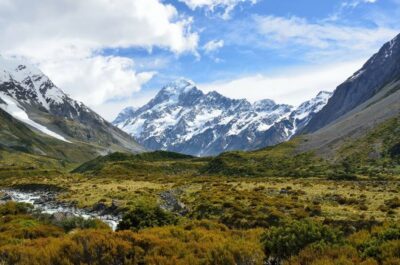 ★ 4.9Mount Cook & Lake Tekapo Day Tour from ChristchurchFrom $146483 reviews
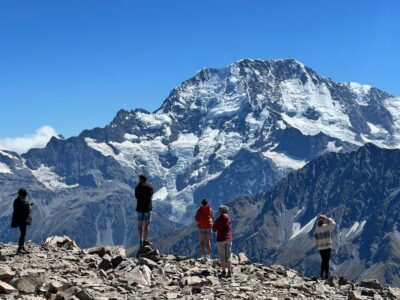 ★ 4.8Mount Cook: Scenic Helicopter Flight with Alpine LandingFrom $226442 reviews
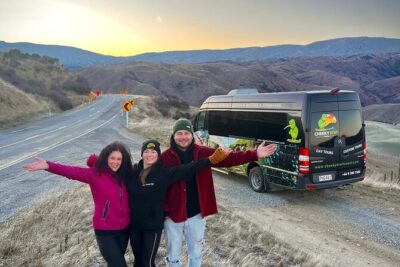 ★ 5.0Mt Cook Small Group Scenic Day Tour from QueenstownFrom $164407 reviews
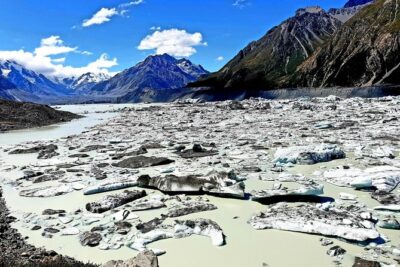 ★ 5.0Mount Cook, Lake Tekapo and Tasman Glacier Tour from ChristchurchFrom $155353 reviews
 ★ 4.6From Christchurch: Mt Cook Day Tour & Lake TekapoFrom $175331 reviews
 ★ 4.8From Queenstown: Mt Cook & Tasman Glacier Viewpoint Day TourFrom $146329 reviews
Browse the lists this tour appears in