
REVIEW · GLACIER HELI HIKES AND SNOW LANDINGS
45-Minute Mount Cook Ski Plane and Helicopter Combo Tour
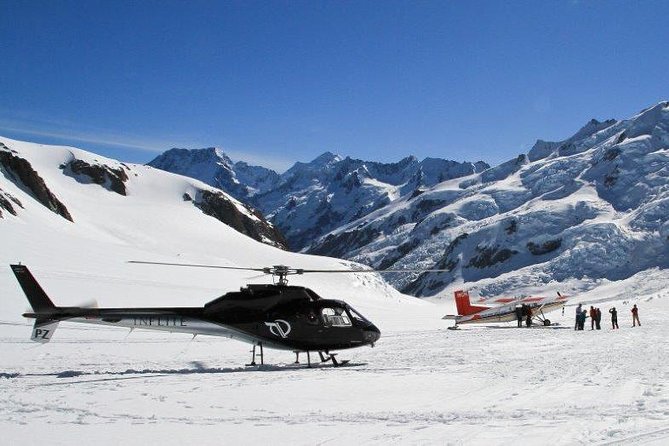
Glacier landings make the brain pause. This 45-minute Mount Cook combo swaps a ski plane and helicopter mid-trip, including a Tasman Glacier stop where the engines shut down for rare quiet. I like that the flight is built for views that actually matter, flying past Aoraki/Mt Cook and down into the braided river country before you step onto snow. One drawback to plan for, weather can force changes, so you should treat this as a “win big when conditions are right” experience, not a guaranteed touchdown no matter what.
My favorite part is the way the day is paced. You get live commentary through headsets, plus a pilot who will point out what you are seeing, including mountains, glaciers, lakes, and huts when visibility is clear. And that glacier landing time, about 10 to 15 minutes, gives you enough minutes to breathe in the cold stillness and take photos without feeling rushed.
The other consideration is value for money. At $353.97 per person, you are paying for the rarity of doing both aircraft plus an actual snow landing, so if you are price sensitive, you will feel it when weather trims the options or when you are stuck waiting on the ground for your slot.
In This Review
- Key things that make this combo tour special
- Mount Cook in the air, with a real glacier stop
- What the 45 minutes are really like (flight time vs glacier time)
- Stop 1 at Mount Cook Airport: gearing up for the air route
- What you should listen for during boarding
- Flying past Aoraki/Mt Cook and the Tasman braided rivers
- The glacier landing and why the engine-off moment matters
- Stop 2: the aircraft switch and the ride home
- The people and the pacing: what you’ll actually remember
- Price and value: why this costs $353.97 and when it feels worth it
- Who should book this tour
- What to bring and expect on the day
- Should you book the ski plane and helicopter glacier combo?
- FAQ
- How long is the Mount Cook ski plane and helicopter combo tour?
- How long is the flight time, and how long do you land on the glacier?
- Where does the tour start?
- Does the tour include headsets or commentary?
- What is the maximum group size?
- Can the glacier landing change due to conditions?
- What is the check-in deadline?
- Is free cancellation available?
Key things that make this combo tour special
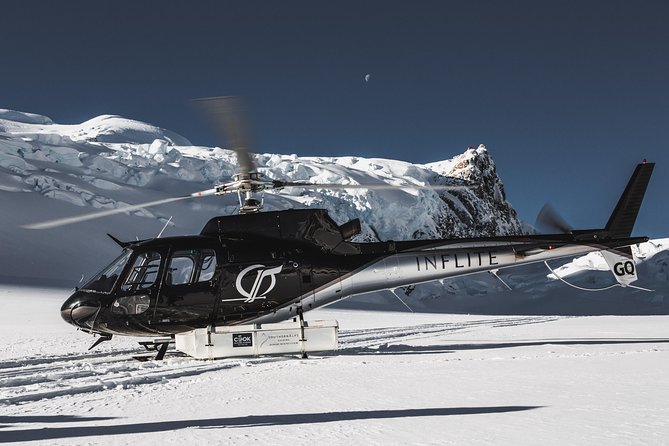
- World-exclusive aircraft switch: fly one way in a ski plane or helicopter, land, then switch for the ride home.
- Tasman Glacier landing: you do not just look at ice from the air, you land on the snow-covered glacier surface.
- Engine-off moment on the glacier: reviews mention aircraft shut down so the silence really lands.
- Aoraki/Mt Cook flyover plus Tasman braided rivers: the route is scenic in a way that is easy to understand from the air.
- Small group size: up to 16 travelers per flight, which helps your whole experience feel more personal.
- Headsets and live commentary: you hear the guide clearly, even with wind and prop noise.
Higher up, around Aoraki and Tekapo
- 45-Minute Mount Cook Ski Plane and Helicopter Combo Tour
★ 4.5 · 107 reviews - The Adventurer: Tasman Glacier Heli-hike
★ 5.0 · 92 reviews - 45-Minute Glacier Highlights Helicopter Tour from Mount Cook
★ 5.0 · 57 reviews - 45-Minute Glacier Highlights Ski Plane Tour from Mount Cook
★ 5.0 · 19 reviews
Mount Cook in the air, with a real glacier stop
If you only do one aerial experience around Mount Cook, make it one with an actual glacier landing. From the air, the Tasman Glacier region can look like a painter’s study, lines, creases, and brightness that do not translate well on a phone screen. This tour changes that by putting you down on the ice, even if only for 10 to 15 minutes. That touchdown is the emotional payoff.
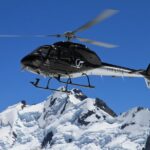
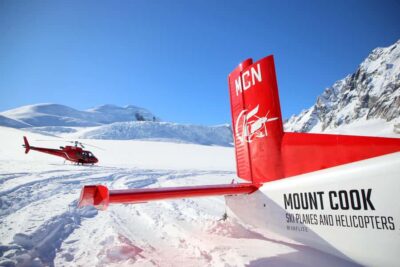
You also get something most people do not: you fly in both a ski plane and a helicopter. The ski plane part tends to feel more classic and wide-winged in your head, while the helicopter part feels like a direct line into the mountains. Switching aircraft is not a gimmick here. It is part of how the operator handles what the glacier conditions allow, and it gives you two different ways of seeing the same region.
What the 45 minutes are really like (flight time vs glacier time)
The tour is listed as about 45 minutes total. The flight time is about 15 minutes, and the glacier landing is roughly 10 to 15 minutes. The rest of the time is used for the operational flow that makes the combo work: getting airborne, landing, and the changeover process.
Here is how to think about it so you do not feel surprised:
- You are not getting a long hike. This is an aerial and landing experience.
- The glacier stop is short on purpose. It keeps the tour moving and helps with safety around changing ice conditions.
- Your photo time will be real, but it will not turn into a half-hour photo shoot. Plan to pick your shots fast, especially if visibility is great.
If the weather is perfect, you’ll feel like you got a lot for the price because the wow moments stack: takeoff views, glacier touchdown, then the second aircraft flight back.
If the weather is not perfect, expect the operator to adjust. That can mean landing options change, or you might do a glacier landing via the aircraft that can handle the conditions best. In one case mentioned in the stories I’m using, the glacier surface was too uneven for a ski plane landing, so the helicopter became the option to still make the touchdown happen.
Stop 1 at Mount Cook Airport: gearing up for the air route
Everything starts at Mount Cook Airport on Mount Cook Road. Check in closes 30 minutes before your flight time, so you want to arrive with slack, not on the clock. A mobile ticket is part of the setup, and the meeting point is described as near public transportation, but in practice this region is easier with a car or shuttle connections.
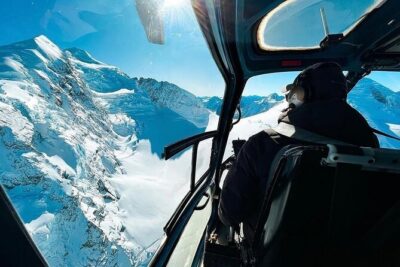
Before you board, the tour provides headsets so you can hear the guide and pilot commentary clearly. That matters more than you might think, because the “wow” moments come fast. You will want to catch names and context while you still have the view to match them.
What you should listen for during boarding
The pilot or guide will talk you through what you are looking at. That live commentary is one of the strongest reasons to book this rather than doing an observation flight alone. If you happen to get a pilot like Sam, who was specifically praised for commentary, you’re likely to get extra clarity on where you are in the region, not just pretty descriptions.
Other ways onto the ice
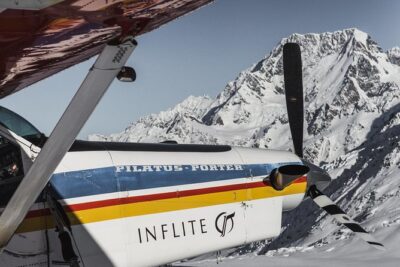
Flying past Aoraki/Mt Cook and the Tasman braided rivers
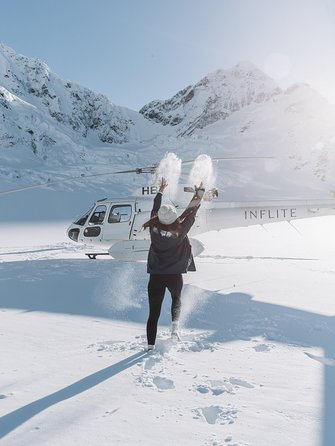
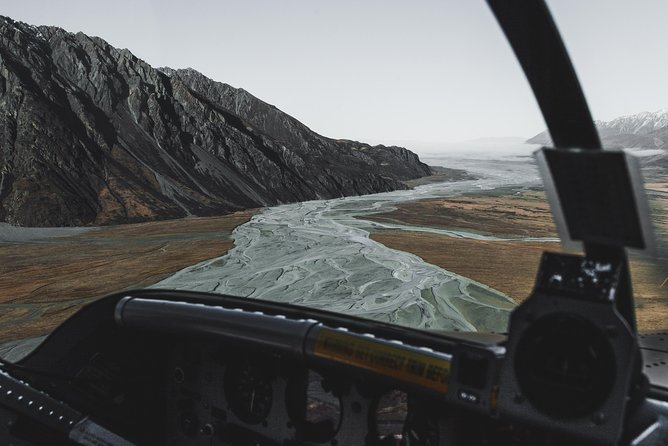
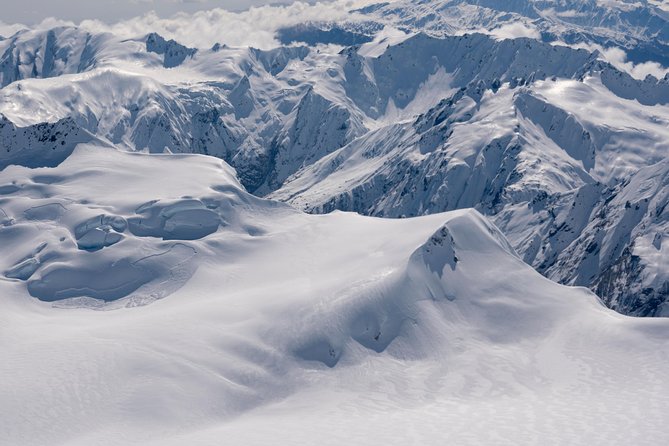
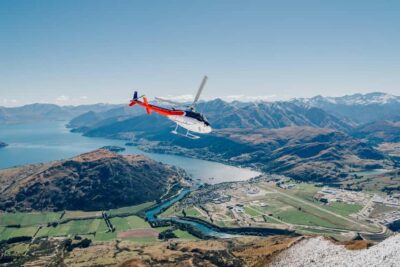
Once you’re airborne, the scenery is not random. The flight route is described as passing Aoraki Mt Cook, then moving over the Tasman braided rivers and toward the lake before landing on the Tasman Glacier.
That sequence is valuable because it gives your brain landmarks:
- Mt Cook shows up as a scale reference.
- The braided river pattern helps you understand how water carves a wide, divided path across the valley.
- The lake area sets the stage for the glacier landing, so your descent does not feel like a drop into nowhere.
On a clear day, this is the part where you’ll look down and realize why people talk about this region like it is special. It is not just tall peaks. It is how the valley systems meet ice.
The glacier landing and why the engine-off moment matters
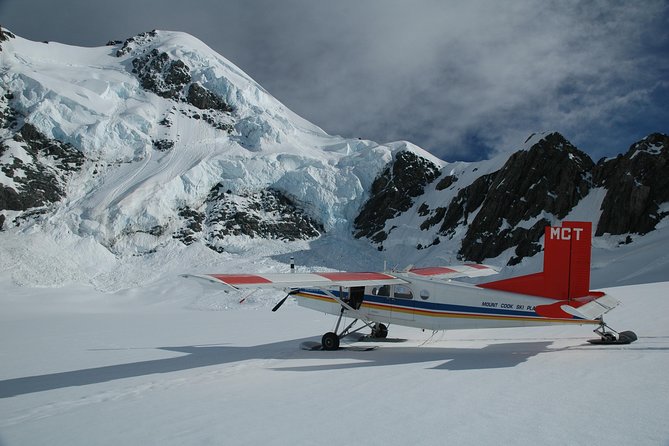
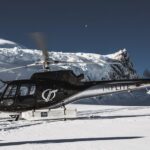
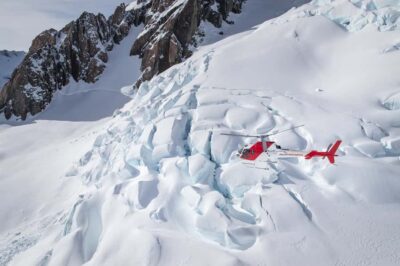
The heart of the tour is landing on the snow-covered Tasman Glacier, usually for 10 to 15 minutes. The tour also notes that the aircraft can be shut down so you can enjoy the silence and serenity of the glaciers.
I think this is a big deal, and not only for mood. When the noise drops, the whole experience becomes more grounded. You can hear small things more clearly, and it becomes easier to notice the textures and unevenness of the ice surface.
You might also notice why a ski plane landing sometimes becomes tricky. One account you’ll likely relate to: the glacier surface was too uneven for a ski plane landing, so the helicopter was used to still get the landing experience. That is not something you control, but it helps explain why the combo exists. It is a practical design for a place that changes.
Stop 2: the aircraft switch and the ride home
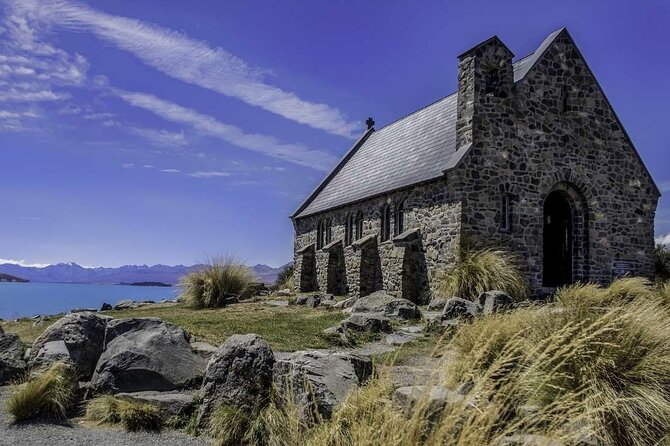
After the glacier landing, the tour switches aircraft for the flight home. This is where the “combo” feeling becomes real, because you are not just repeating the same flight twice. You experience two different flying styles over the same mountain-and-ice world.
If you started in a ski plane, the helicopter segment tends to feel more immediate and nimble. If you started in a helicopter, the ski plane segment can feel more old-school and airy, with a different vibration and a different sense of exposure.
Either way, the return flight continues to showcase the Mount Cook and Tasman Valley region. The glacier landing gives you ground truth, and the return gives you the big picture. Together, you get both scale and intimacy.
The people and the pacing: what you’ll actually remember
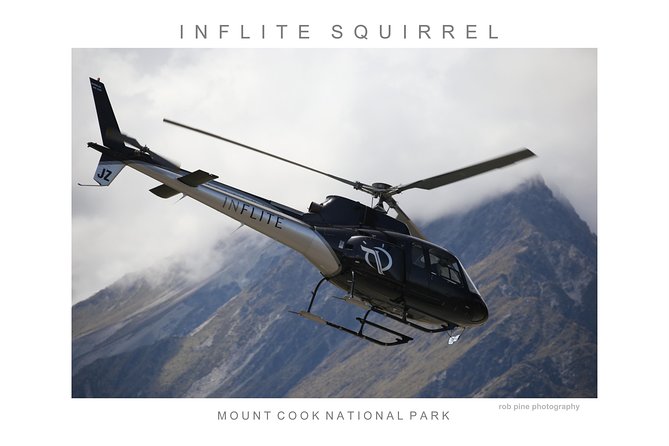
The operator includes a professional guide and provides live commentary through headsets. That setup matters because this is short. You do not have time to guess what you are seeing. Clear narration is what turns “nice views” into “I know what I’m looking at.”
You also have a small upper limit of 16 travelers, with a minimum of 8 people required for a flight to operate. That small-group cap is one of the quiet advantages. Less crowding usually means less waiting around your personal space, more chances to hear the details, and a smoother flow through the airport check-in process.
Pacing is the other thing people seem to notice. Several accounts praise the duration, saying it hits the right time without dragging. That makes sense for a combo like this. You are balancing awe with the real-world constraint of operating flights in a weather-dependent environment.
Price and value: why this costs $353.97 and when it feels worth it
At $353.97 per person, this is not a casual add-on. You are paying for:
- a world-exclusive concept of flying in both a ski plane and helicopter
- a true glacier landing on the Tasman Glacier
- included headsets and live commentary
- a small-group flight environment
To me, the value math works best if you want maximum variety in one day and you love seeing places in more than one way. If you already know you want one “big-ticket” Mount Cook moment, this is strong because it stacks multiple wow elements into a tight schedule.
Where the value can slip is if weather reduces what you can do. Flights may be cancelled due to weather, and you might get an alternate glacier landing or different aircraft mix depending on what is safe and workable that day. Still, the cancellation and weather-change approach is part of the reality of high country aviation.
If you are traveling with limited time in Mount Cook, this combo also has a practical advantage: you get a major geographic experience without losing a half day to long drives or hikes.
Who should book this tour
This is a great match if you:
- want a once-in-a-trip experience that combines two aircraft styles in one outing
- care about learning what you’re looking at, not just snapping photos
- like tight, efficient itineraries with real payoff moments
- are comfortable with short, structured activities rather than long stays
You might want to rethink if:
- you are extremely budget constrained and need the most sightseeing per dollar
- you are not flexible about weather day changes (these flights can be cancelled)
- you are sensitive to waiting on the ground before boarding, which some people mention as a timing complaint
What to bring and expect on the day
The tour includes headsets, but it does not include souvenir photos. That means you should plan your own picture strategy. Bring a camera or phone you can operate one-handed, because hands are busy when you’re stepping in and out, and glacier conditions can surprise you with cold and wind.
One practical note from the experiences shared: some people wished coats were provided. The tour info does not explicitly list cold-weather gear, so you should treat this as a cold-weather activity. Dress for wind and cold, not just for the temperature at ground level.
Also, the aircraft shut-down moment means the cold can feel more noticeable during the glacier stop. Plan layers and something wind resistant.
And remember the weight limit listed: total weight per passenger is capped at 221 lbs. If you’re close to the limit, double-check before you go.
Should you book the ski plane and helicopter glacier combo?
I’d book it if you want the most distinctive Mount Cook aerial experience that turns into a real landing moment on the ice. The combo is built around a rare idea: fly one way, step onto the Tasman Glacier, then switch aircraft to bring you back. Add in live commentary through headsets and the small group size, and you get a tight plan with a clear payoff.
Skip it or at least keep expectations realistic if your trip is inflexible or weather-prone days would ruin your mood. This is a weather-dependent operation, and you might get changes in aircraft mix or even a different glacier outcome on some days.
If you can be flexible with timing and you are okay paying for rarity, this is one of the strongest ways to experience Mount Cook’s glaciers in a single outing.
FAQ
How long is the Mount Cook ski plane and helicopter combo tour?
The total duration is approximately 45 minutes.
How long is the flight time, and how long do you land on the glacier?
The flight time is about 15 minutes, and the Tasman Glacier landing typically lasts about 10 to 15 minutes.
Where does the tour start?
It starts at Mount Cook Airport, Mount Cook Road, Canterbury Region 7999, New Zealand, and returns to the same meeting point.
Does the tour include headsets or commentary?
Yes. You get headsets and there is live commentary on board, guided by a professional guide.
What is the maximum group size?
The tour has a maximum of 16 travelers.
Can the glacier landing change due to conditions?
Yes. The experience depends on weather and glacier conditions, and there can be adjustments if landing on the Tasman Glacier or using a specific aircraft is not possible.
What is the check-in deadline?
Check in closes 30 minutes before your flight time.
Is free cancellation available?
Yes. You can cancel up to 24 hours in advance for a full refund, and weather cancellations may result in an alternative date or a full refund.
Everything Else We Wrote Up in Aoraki Mount Cook National Park Te Wahipounamu

More Ways Onto the Ice
Aoraki and the Mackenzie
Just added to our Aoraki Mount Cook National Park Te Wahipounamu notes
- 55 minute Grand Circle Ski Plane★ 5.0 · 16 reviews
- 45-Minute Glacier Highlights Ski Plane Tour from Mount Cook★ 5.0 · 19 reviews
- 55-Minute Grand Circle Helicopter★ 4.5 · 36 reviews
- 25-Minute Helicopter flight including an alpine landing★ 4.5 · 49 reviews
- 45-Minute Glacier Highlights Helicopter Tour from Mount Cook★ 5.0 · 57 reviews
- The Adventurer: Tasman Glacier Heli-hike★ 5.0 · 92 reviews
Glacier Heli Hikes and Snow Landings, compared.
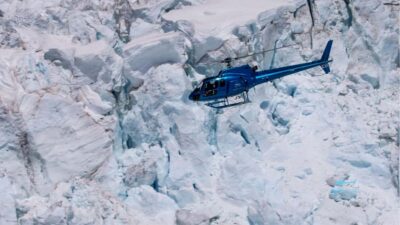 ★ 4.8Franz Josef Glacier: Helicopter Flight & Alpine LandingFrom $230619 reviews
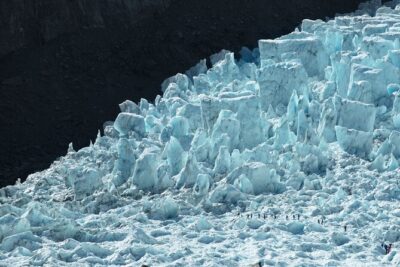 ★ 4.5Franz Josef Glacier Heli-HikeFrom $506618 reviews
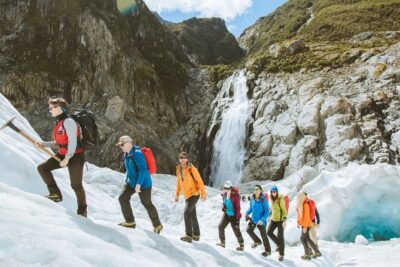 ★ 5.0Heli Hike Fox GlacierFrom $477563 reviews
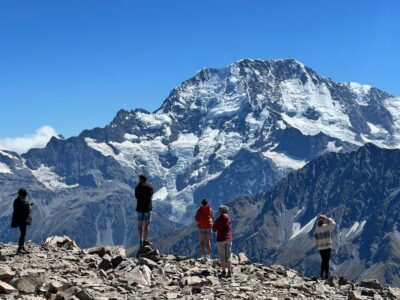 ★ 4.8Mount Cook: Scenic Helicopter Flight with Alpine LandingFrom $226442 reviews
 ★ 4.7Franz Josef & Fox Glaciers Helicopter Flight & Snow LandingFrom $289342 reviews
 ★ 5.0Pilot’s Choice: 2 Glaciers & Snow Landing – 35minFrom $300336 reviews
 ★ 4.9Queenstown: Pilot’s Choice Helicopter Tour & Alpine LandingFrom $230291 reviews
 ★ 4.6Mount Cook: Ski Plane and Helicopter Glacier Combo FlightFrom $328271 reviews
Browse the lists this tour appears in