
REVIEW · GLACIER HELI HIKES AND SNOW LANDINGS
Mount Cook: 3-Hour Tasman Glacier Heli-Hike
Ice under your boots. Real Alps, fast.
This Mount Cook heli-hike turns a glacier day into a short, high-impact adventure: you fly in, land high above sea level, walk on the ice with safety gear, then fly out with extra glacier views. I especially love the mix of big-picture helicopter panoramas and up-close ice walking on the Tasman Glacier, the longest glacier in New Zealand.
What makes the experience feel practical is the way they set you up for cold and tricky footing. You get crampons, walking poles, quality boots, and even woolen socks plus waterproof clothing if needed, so you are not improvising in the snow. The hike itself is guided, and the guides are often praised for being friendly, communicative, and good at explaining how ice features form, including ice caves and glacier shape.
The main drawback is the same with all glacier flights: weather can change everything. This activity depends on good conditions, and timing can shift a bit because you are working around helicopter schedules, check-in, fitting gear, and de-booting back at the start.
In This Review
- Key points before you go
- Why the Tasman Glacier heli-hike feels like a shortcut to real ice
- Price and what you actually get for $601.48
- Timing: how three hours typically goes on a glacier day
- From Mount Cook Airport to Aoraki views in the helicopter
- Glacier prep: boots, crampons, poles, and staying warm for real
- The two-hour guided hike on the Tasman Glacier
- Ice formations up close, and the ice cave question
- Hochstetter Icefall on the return flight
- Weather reality: how to protect your day at Mount Cook
- Who this heli-hike suits best, and who should think twice
- What to pack and wear so you stay comfortable
- Should you book this tour?
- FAQ
- How long is the Tasman Glacier heli-hike?
- How much helicopter time is included?
- Is the ice cave part of the experience?
- What gear is provided for the glacier walk?
- What fitness level do I need?
- What is the minimum age?
- Are there weight limits?
- What happens if the tour is canceled due to weather?
Key points before you go
- Thirty-minute helicopter flight gets you to serious glacier terrain without a long approach walk
- Two-hour guided glacier hike with crampons, poles, and boots, so you can focus on balance and scenery
- High-altitude start point above about 1,200 meters keeps the glacier experience feeling real, not staged
- Hochstetter Icefall can appear on the return flight, adding a second wave of glacier views
- Up to twenty people max, which keeps the operation feeling more controlled than big bus tours
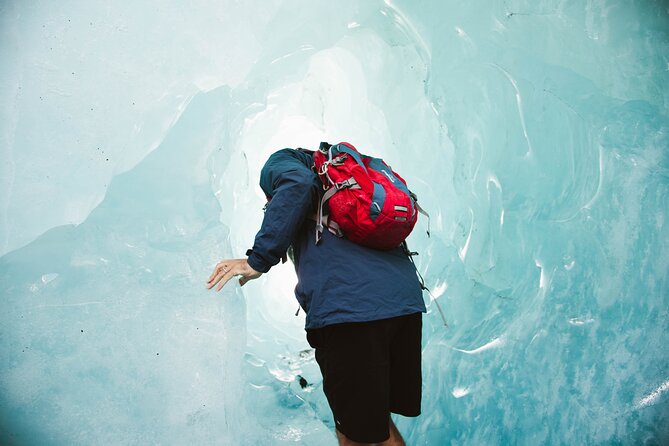
- Ice cave walking is usually part of the day, but it is weather-dependent, so build flexibility
Higher up, around Aoraki and Tekapo
- 45-Minute Mount Cook Ski Plane and Helicopter Combo Tour
★ 4.5 · 107 reviews - The Adventurer: Tasman Glacier Heli-hike
★ 5.0 · 92 reviews - 45-Minute Glacier Highlights Helicopter Tour from Mount Cook
★ 5.0 · 57 reviews - 45-Minute Glacier Highlights Ski Plane Tour from Mount Cook
★ 5.0 · 19 reviews
Why the Tasman Glacier heli-hike feels like a shortcut to real ice
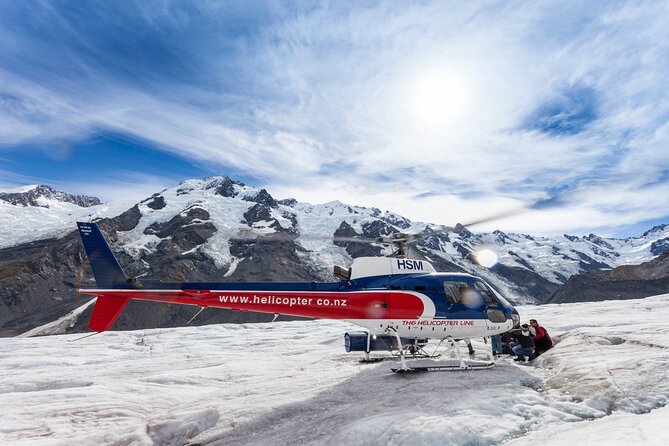
At Mount Cook, the big draw is that the scenery is dramatic, and the weather can be moody. This tour works because it uses a helicopter to compress distance. Instead of spending half your day driving and walking to get close, you get a guided hike on the ice plus a flight that shows you the glacier from above.
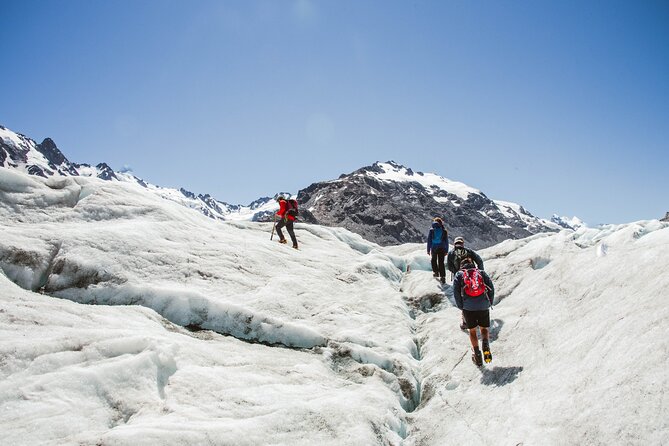
The Tasman Glacier is the kind of place where scale hits you. From the air, you see how it stretches and how it feeds the Tasman Glacier Lake. On foot, you deal with texture: ice is not a smooth sheet, it is bumpy, slanted, and sometimes sprinkled with wet bits depending on conditions.
You are also not just looking. You are moving with a plan. That matters on a glacier. The gear and the guide help you keep a steady pace, and the group stays together for the safer parts of the walk.
Price and what you actually get for $601.48
At $601.48 per person, this is not a budget outing. You are paying for flight time, landing access, trained guidance, and safety gear. In other words, the money goes toward getting you onto the glacier safely, not toward a long tour with lots of stops.
Here is the value equation I see:
- Return scenic helicopter flights are included, plus pilot commentary. That is a major cost driver.
- Glacier landing is included. Landing on the ice is not the same as just seeing it from the air.
- The day includes a two-hour guided hike. You are not wandering around alone with crampons.
- You get boots, crampons, and walking poles. That means you are not renting equipment last minute or guessing your size.
If you are deciding between a flight-only view and a hike day, the hike is what adds the memory. A glacier from the air is impressive, but stepping onto it changes the whole experience because your feet feel what your eyes are seeing.
Timing: how three hours typically goes on a glacier day
This is a three-hour tour (approx.), but you should think of it as a managed window rather than a fixed timetable. The key moving pieces are:
- check-in and getting ready with gear
- helicopter flight in (the flight time is about thirty minutes)
- time on the ice during the guided walk (around two hours)
- flight back, when you may spot features like Hochstetter Icefall
- de-booting and wrapping up at the meeting point
That’s why I recommend scheduling your other Mount Cook plans loosely. If you have a tight itinerary, glacier operations can squeeze you. On days when weather is marginal, you might wait a little for conditions to improve.
If you want the cleanest experience, choose a time window with less pressure. A morning run often feels best because weather tends to be more predictable, though it is still weather-dependent.
From Mount Cook Airport to Aoraki views in the helicopter
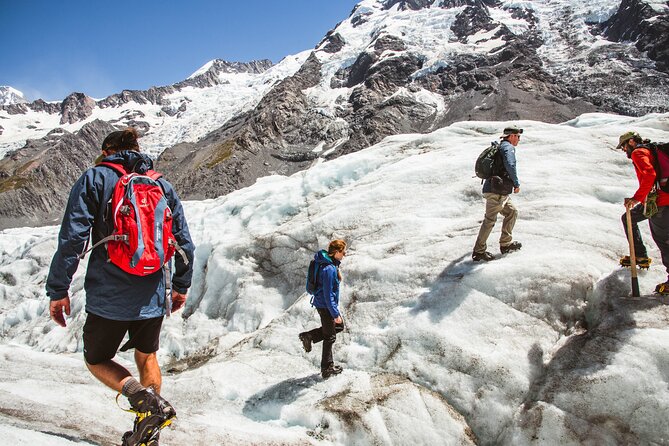
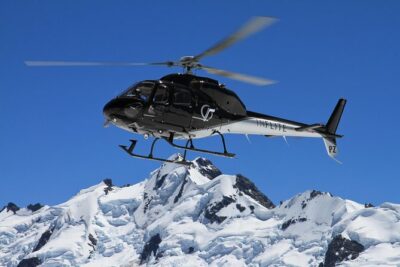
The tour starts at Mount Cook Airport, Mount Cook Road, Canterbury Region 7999 and returns you to the same place. The helicopter is the fastest way to see what you came for, because it gives you a high, moving viewpoint over the glacier systems.
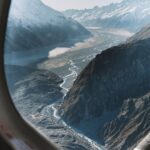
You can expect aerial views of the glacier, including views of the Tasman Glacier Lake and the main ice body before you land. That matters because the hike makes more sense once you have context. When you later look at what is around you, you understand how the glacier sits in the valley.
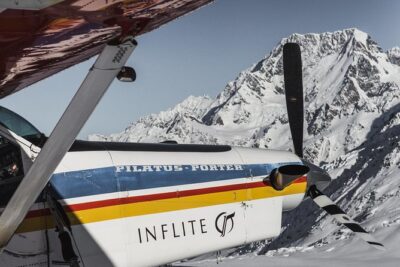
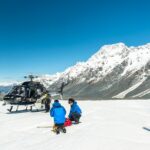
You may also get a snow landing with the mighty Aoraki/Mount Cook before you head down to the ice hike. Even if you have seen photos of Mount Cook, arriving in person from the air feels different. It is that mix of sacred-looking mountains and practical helicopter work.
Other ways onto the ice
Glacier prep: boots, crampons, poles, and staying warm for real
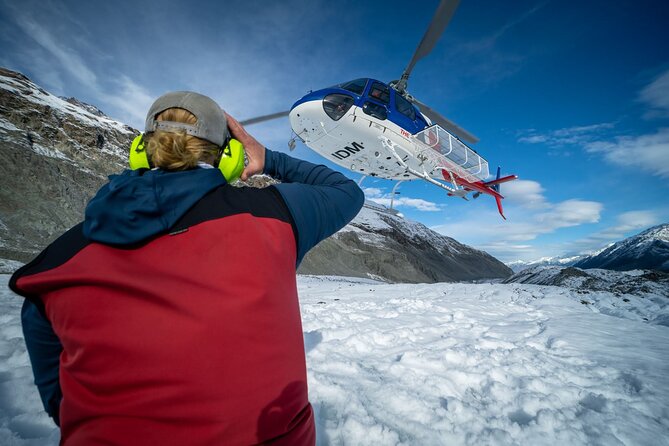
Glacier walking is not hard in the way climbing is hard, but it does require attention. That is why the tour gives you equipment that does the safety heavy lifting.
You receive:
- walking boots
- crampons
- walking poles
- woolen socks
- waterproof jackets and trousers if required
A big practical tip: pack warm layers and trust that the provided gear is part of the system, not the whole system. Cold can sneak up even when you are dressed for it, especially when you stop moving for photos.
One more small detail I’d take seriously: bring waterproof gloves if you have them. If there is sprinkling or a damp feel in the air, you will appreciate having dry hands, and it makes it easier to handle poles and gear. Also, keep a small towel or spare tissues if you tend to get wet easily.
The two-hour guided hike on the Tasman Glacier
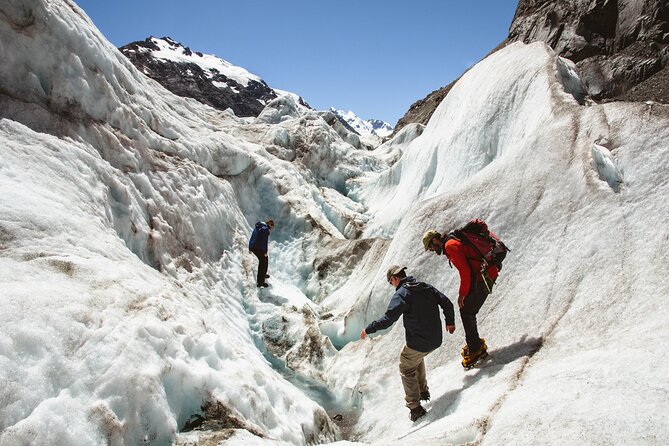
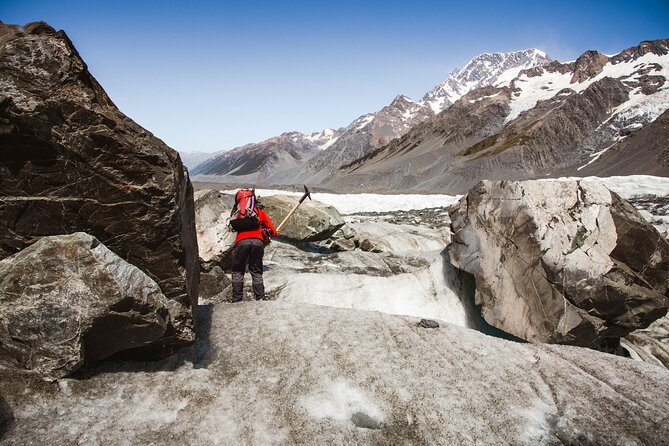
The guided portion is the heart of the experience. You land on the glacier about 1,200 meters above sea level and then hike for roughly two hours with a guide.
What you can expect:
- You will walk on uneven ice, so expect concentration rather than a casual stroll.
- Your guide will manage pacing and where you step.
- The crampons and poles help you stay planted, but you still need to move carefully.
The best part of having a guide is not just safety. Guides also turn the glacier into a lesson you can feel. People have described guides as friendly and informative, and some guides are singled out by name, including Connor Bensen, Scott, and Emma. That tells you the guiding style is often interactive, with explanations about how ice features form and how the walking shapes your approach.
You should also be ready for short photo moments and slow moments. Glacier walking is not a constant sprint. It is a steady, deliberate pace where stopping is part of learning.
Ice formations up close, and the ice cave question
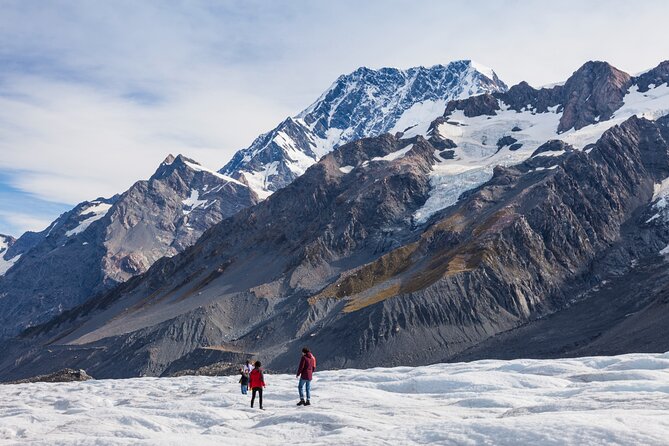
Part of the allure of glacier hikes is seeing ice caves and other features. On this tour, an ice cave walk is usually part of the experience, but it depends on the weather. That is important because it means your day might focus more on ice formations and safer routes instead.
If you do get time for ice cave exploration, it is likely to be brief and carefully managed. Ice cave areas can change quickly with conditions and visibility. Even when caves are on the schedule, the glacier is the boss.
Here is what I like about this setup: you are not gambling on a gimmick. Even if caves are not possible, you are still walking on the glacier itself with guided context, which is the core value. The helicopter flight also helps because you have a Plan B viewpoint: even from the air, the ice features can be stunning.
Hochstetter Icefall on the return flight
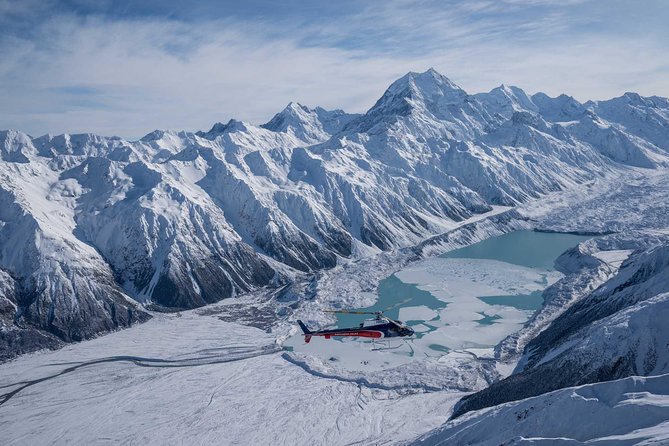
One of the standout bonuses is the chance to see Hochstetter Icefall during your return helicopter ride. This is one of those moments where the tour feels like it is giving you extra content without extra effort.
Why it matters: Icefalls look chaotic from the ground. From above, you understand how the glacier breaks and flows. You see the glacier in motion, even though you are sitting inside a helicopter. It is the closest thing you get to seeing the glacier’s working rhythm in a short timeframe.
If the icefall is visible, it adds a second layer to the day:
- first, you walk on the ice and learn its textures
- then, you fly back and see the system as a whole
It is a smart way to close the loop before you head back to the meeting point.
Weather reality: how to protect your day at Mount Cook
This tour requires good weather. That can mean delays, reroutes, or outright cancellation. If you are visiting Mount Cook in a changeable season, treat this as your priority activity and build your schedule around it.
A good rule: keep at least some breathing room in your plans. Glacier flights are subject to conditions like cloud cover, visibility, and safety on landing and walking.
Also, keep in mind how the day is structured. Even without a cancellation, timing can shift because helicopter operations have to run safely. So yes, it can feel tighter than a normal tour day, but that is part of the helicopter and glacier logic.
Who this heli-hike suits best, and who should think twice
This is a moderate physical fitness activity. It is not described as a technical climb, but you are walking on ice with crampons for about two hours, so you need balance and comfort moving steadily outdoors.
It is also designed for a broad age range, with a minimum age of 10. One reason this tour works for families and older visitors is that the hike is guided and equipment-supported, not self-navigated.
That said, there are important limits:
- total passenger weight is listed as 331 lbs
- the maximum allowable weight for the rear helicopter seat is 150 kg
So if weight or mobility is a concern, it is worth checking before you fall in love with the idea.
This tour also makes sense if:
- you want a glacier experience without a full-day hike approach
- you enjoy learning from guides while you move
- you want both helicopter views and feet-on-ice time
It may not be ideal if you hate cold, lose your cool in weather changes, or need a rigid schedule with zero flexibility.
What to pack and wear so you stay comfortable
Even with provided gear, you should plan as if you might feel cold on and off the ice.
Wear:
- warm layers under the waterproof gear if required
- sturdy footwear (and you will be using the provided boots, so focus on warm socks and appropriate layering)
- anything that helps you stay dry
Bring:
- a small backpack with snacks and drinks. Lunch is not included, and a quick snack can help you feel better during the day
- warm layers, because cold temperatures are part of the package
- waterproof gloves if you tend to get splashed or damp easily
Also, bring a camera if you have one that can handle cold fingers. Glacier days are short, and lighting can change fast.
Should you book this tour?
I think you should book this if you want the real glacier experience on a tight schedule and you are okay with weather dependency. The combination of helicopter access, landing on the glacier, and a guided crampon hike is the big selling point, and the gear is clearly built into the value.
I would hesitate if:
- you cannot tolerate schedule uncertainty
- you have difficulty with moderate outdoor activity on uneven surfaces
- weight limits might be an issue and you cannot confirm fit for the helicopter seating
If you do book, give yourself a little buffer time in Mount Cook. This is the kind of outing that rewards calm planning. When conditions line up, the views from the air and the sense of standing on something ancient are what you will remember long after the drive back.
FAQ
How long is the Tasman Glacier heli-hike?
The tour runs for about three hours.
How much helicopter time is included?
The flight time is about thirty minutes each way as part of the tour experience.
Is the ice cave part of the experience?
A guided walk among ice caves is usually part of the tour, but it depends on the weather.
What gear is provided for the glacier walk?
You are provided with crampons, quality walking boots, walking poles, woolen socks, and waterproof clothing if required.
What fitness level do I need?
You need a moderate level of physical fitness for the guided glacier hike.
What is the minimum age?
The minimum age is 10 years.
Are there weight limits?
The total weight per passenger is listed as 331 lbs, and the maximum allowable weight for a person on a rear helicopter seat is 150 kg.
What happens if the tour is canceled due to weather?
If poor weather cancels the experience, you will be offered a different date or a full refund.
Everything Else We Wrote Up in Aoraki Mount Cook National Park Te Wahipounamu

More Ways Onto the Ice
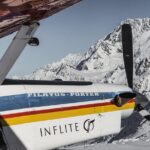
Aoraki and the Mackenzie
Just added to our Aoraki Mount Cook National Park Te Wahipounamu notes
- 55 minute Grand Circle Ski Plane★ 5.0 · 16 reviews
- 45-Minute Glacier Highlights Ski Plane Tour from Mount Cook★ 5.0 · 19 reviews
- 55-Minute Grand Circle Helicopter★ 4.5 · 36 reviews
- 25-Minute Helicopter flight including an alpine landing★ 4.5 · 49 reviews
- 45-Minute Glacier Highlights Helicopter Tour from Mount Cook★ 5.0 · 57 reviews
- The Adventurer: Tasman Glacier Heli-hike★ 5.0 · 92 reviews
Glacier Heli Hikes and Snow Landings, compared.
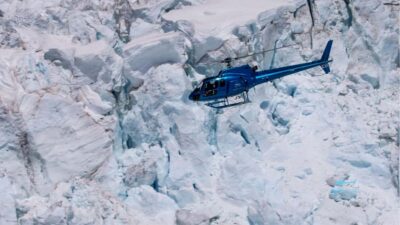 ★ 4.8Franz Josef Glacier: Helicopter Flight & Alpine LandingFrom $230619 reviews
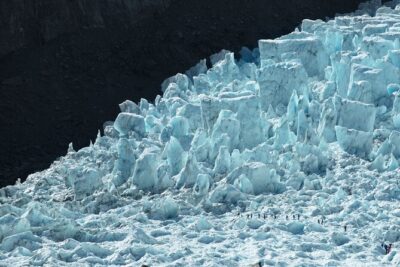 ★ 4.5Franz Josef Glacier Heli-HikeFrom $506618 reviews
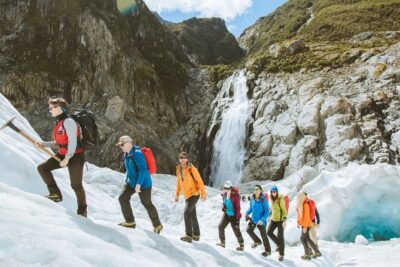 ★ 5.0Heli Hike Fox GlacierFrom $477563 reviews
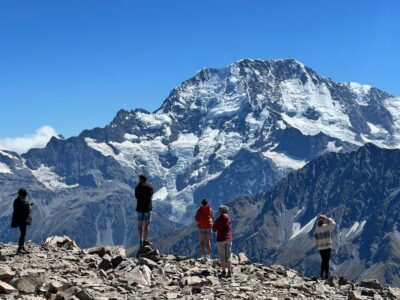 ★ 4.8Mount Cook: Scenic Helicopter Flight with Alpine LandingFrom $226442 reviews
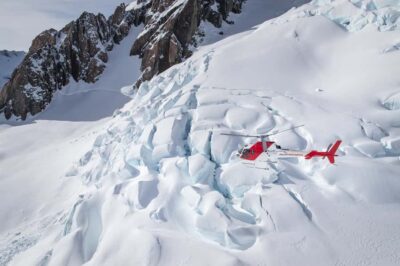 ★ 4.7Franz Josef & Fox Glaciers Helicopter Flight & Snow LandingFrom $289342 reviews
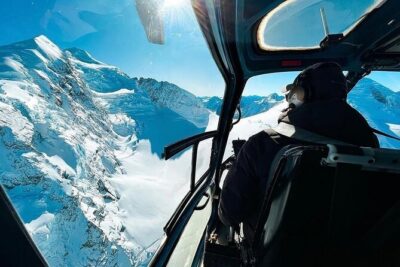 ★ 5.0Pilot’s Choice: 2 Glaciers & Snow Landing – 35minFrom $300336 reviews
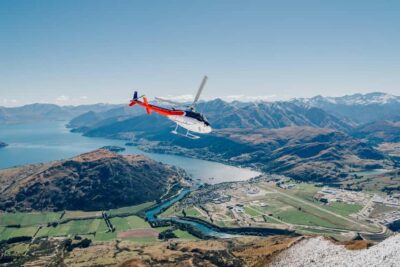 ★ 4.9Queenstown: Pilot’s Choice Helicopter Tour & Alpine LandingFrom $230291 reviews
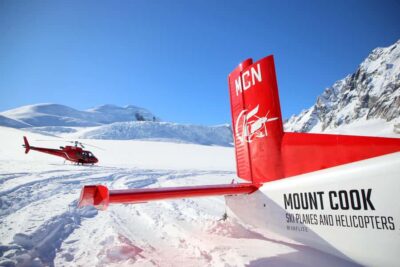 ★ 4.6Mount Cook: Ski Plane and Helicopter Glacier Combo FlightFrom $328271 reviews
Browse the lists this tour appears in