
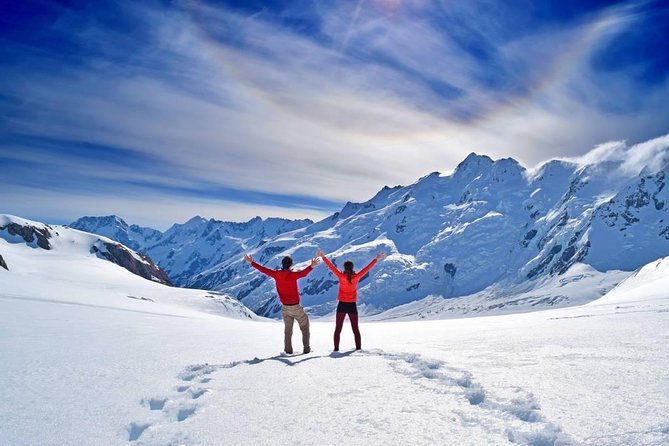
REVIEW · GLACIER HELI HIKES AND SNOW LANDINGS
45-Minute Glacier Highlights Ski Plane Tour from Mount Cook
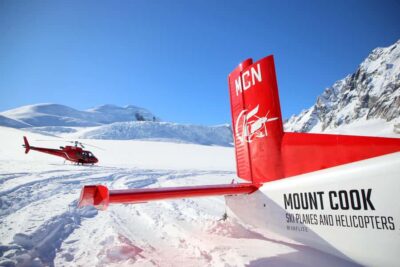
Snow, ice, and wings, in 45 minutes. From the moment you lift off near Aoraki/Mt Cook, this is a quick hit of the Southern Alps, with big glacier views and a real landing on the Tasman Glacier snowfield. You get seated in a retractable ski aircraft, fitted with a radio headset, and you hear your pilot’s commentary from takeoff through touchdown.
I especially like the practical magic of the glacier landing. You are not just looking at ice from the sky, you are standing on it. I also like the live onboard guidance, because the pilot isn’t just narrating, they point out what you are seeing as the plane moves, including Tasman Valley and Hochstetter Icefall.
One consideration: this experience depends on weather. If conditions are poor, flights can be cancelled and you’ll need to be ready to switch plans.
In This Review
- Glacier Highlights Ski Plane Tour: the quick take
- Why the Tasman Glacier landing feels different
- From airport transfer to ski-plane cabin: your 45-minute flow
- What you see over Aoraki, Tasman Valley, and Hochstetter Icefall
- The glacier stop itself: standing on ice, not just watching it
- Who operates this and why the pilot matters
- Comfort, seating, and the radio headset setup
- Price and value: what $418.45 buys you
- Weather planning and the minimum group size reality
- What to wear and bring for a glacier landing
- Who should book this ski plane glacier highlights tour
- Should you book this Mt Cook glacier highlights ski plane flight?
- FAQ
- How long is the ski plane flight?
- Where does the tour start, and do I get picked up from my hotel?
- What happens when I arrive at the airport?
- Do you land on the glacier?
- Is live commentary included?
- What should I know about cancellations and weather?
- How many people are on the flight?
Glacier Highlights Ski Plane Tour: the quick take
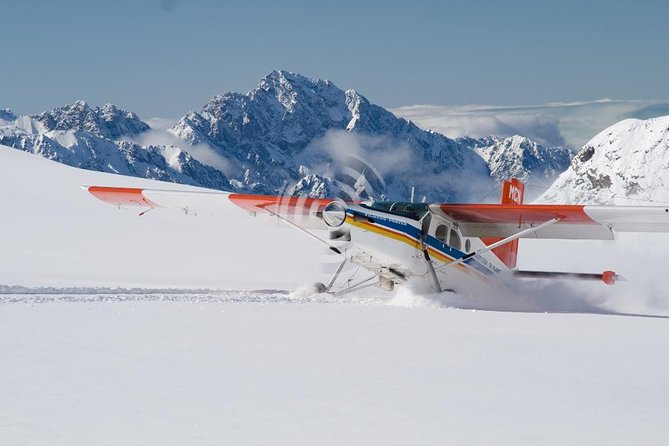
- Tasman Glacier landing: you touch down on the glacier snowfield for a close-up alpine moment
- Live commentary with headset: you hear the pilot’s explanation clearly the whole flight
- Southern Alps views in one go: Mt Cook, Tasman Valley, Hochstetter Icefall, and glacier scenery
- Small-group format: maximum 16 travelers, with a minimum of 4 people to operate
- Short and focused: about 45 minutes in the air, then back to your hotel
- Inflite operations: a provider that highlights 65 years and ski-plane flying for glacier landings
Higher up, around Aoraki and Tekapo
- 45-Minute Mount Cook Ski Plane and Helicopter Combo Tour
★ 4.5 · 107 reviews - The Adventurer: Tasman Glacier Heli-hike
★ 5.0 · 92 reviews - 45-Minute Glacier Highlights Helicopter Tour from Mount Cook
★ 5.0 · 57 reviews - 45-Minute Glacier Highlights Ski Plane Tour from Mount Cook
★ 5.0 · 19 reviews
Why the Tasman Glacier landing feels different
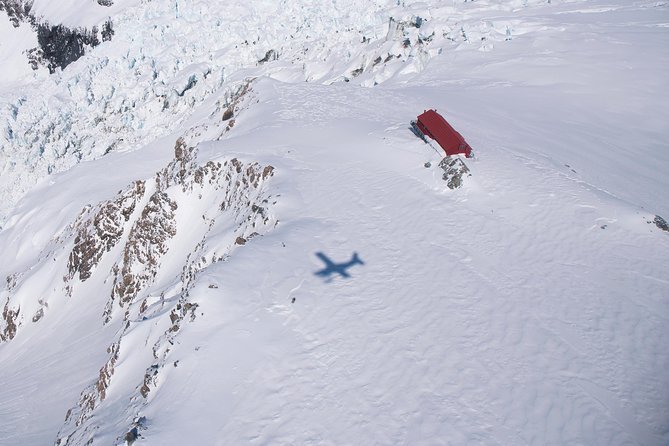
Most flights over glaciers are all about “from above” views. This one gives you a step closer. The key moment is a gentle touchdown on the Tasman Glacier snowfield near the top, which is described as NZ’s largest glacier. That means you feel the scale in a way that a window view never quite does.
On a clear day, the colors stand out fast. You’ll see the bright blue of the glacier lake and the contrast between white ice and the greener vegetation below. Even when the weather turns typical Southern Alps cloudy, you still get the feel of the ice world, because you are physically on the snow and ice surface, not hovering above it.
The landing also makes the flight feel complete. You get takeoff views over the National Park, you fly past major features on the route, and then you end by landing on the glacier itself. It is a tight itinerary, but the payoff is big.
From airport transfer to ski-plane cabin: your 45-minute flow
Your day starts with hotel pickup, then a transfer to Aoraki Mount Cook Airport. At the airport, you meet your pilot and crew, get seated in the retractable ski aircraft, and receive a safety briefing. After that, you put on the provided radio headset so you can hear the pilot’s informative commentary.
Then comes the part you will likely remember longest, the sequence from lift off to landing. The plane rises and you get sweeping views of the Southern Alps and Aoraki Mt Cook National Park. As the aircraft moves, the pilot talks through the landmarks you can see, so you’re not stuck trying to guess what mountain or glacier you’re looking at.
The landing is described as gentle. That matters, because you are stepping into a place that looks dramatic even from the air. A smooth landing keeps the experience from feeling shaky or stressful, even if you are not a fan of flying.
After the flight, you return to the airport and then transfer back to your hotel. It is built to fit into a day in Mt Cook without turning into a half-day marathon.
What you see over Aoraki, Tasman Valley, and Hochstetter Icefall
The route is short, so it’s not trying to do everything. Instead, it focuses on the most iconic visuals around Aoraki/Mt Cook National Park.
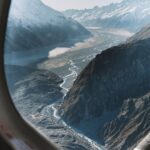
From takeoff, you’re looking at towering peaks in the Southern Alps and the geography around Tasman Valley. You also get views of Hochstetter Icefall, which is one of those “you can’t fully appreciate it until you see it from above” features. The glacier system is complex when you are standing near it, but from the air it reads like a connected pattern of ice flow.
As you near the landing area, the glacier itself becomes the main character: snowfield textures, the way the ice edges meet the surrounding terrain, and the stark contrast of white ice against darker rock and vegetation. The pilot’s narration is useful here. Without it, you would still enjoy the scenery, but with it you can name what you’re seeing, which makes the views feel more real.
The glacier stop itself: standing on ice, not just watching it
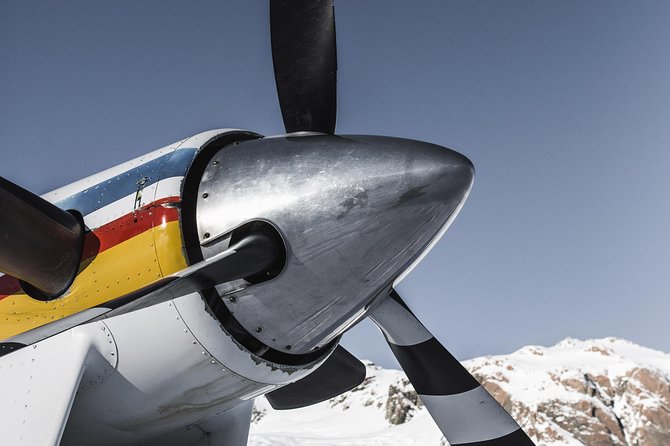
The highlight is the Tasman Glacier landing on the ski plane, where you touch down on the glacier snowfield. This is not presented as a long glacier hike or an expedition style stop. It is more like a chance to experience the place at close range with the plane as your gateway.
What makes it memorable is the immediacy. The ice looks different up close. You notice surface texture and the scale of the environment around you. One detailed account mentions standing on 400m thick ice, which gives you an idea of the seriousness of what you are stepping onto.
Practical tip: treat the glacier like it is colder than you expect. Even if Mt Cook feels mild from the road, glacier landings can feel sharp because you’re exposed and the ice environment has its own chill. Wear layers you can manage quickly.
Also, expect that glacier landings depend on conditions. If weather forces changes, you might not get the glacier part. That is the big reason this tour is best booked with at least some flexibility in your schedule.
Other ways onto the ice
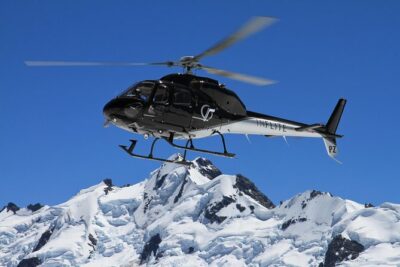
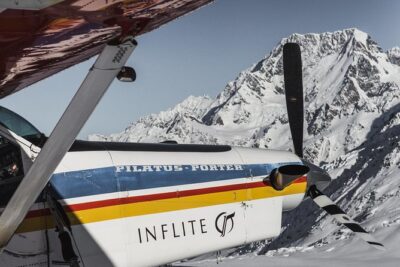
Who operates this and why the pilot matters
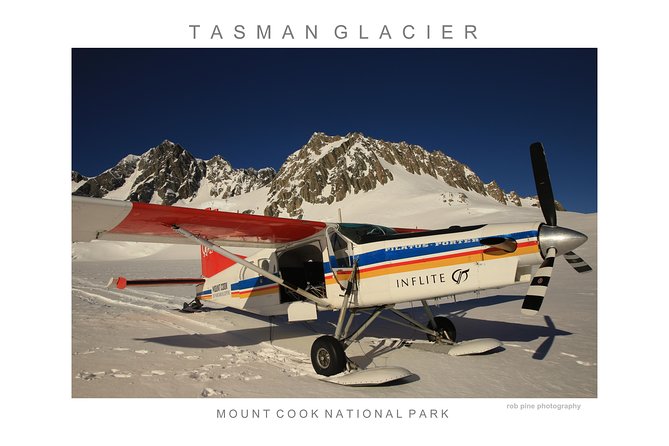
This tour is operated by Inflite Ski Planes Limited. The experience is associated with Mt Cook Ski Planes celebrating 65 years, and they emphasize their focus on ski-plane operations for glacier landings.
In a short flight, the pilot drives everything. Safety, smoothness, and where the plane positions itself for views all matter. The accounts you’ll find highlight pilots who are professional, fun, and clear in their communication. Names that come up include Mark, Dan, and Maurice, with praise for informative commentary and smooth glacier landings. Another name mentioned for front-desk help is Hannah, noted for explaining the route thoroughly before flights.
In plain terms, a good pilot makes the difference between a cool flight and a confident, comfortable one. If you are nervous, you should know that this operation clearly expects to handle nervous flyers, and the headset narration helps a lot because you’re occupied and oriented during the ride.
Comfort, seating, and the radio headset setup
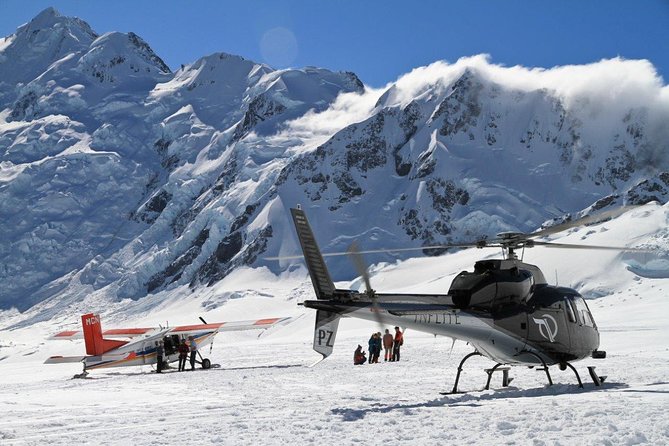
You fly in a retractable ski aircraft. That sounds technical, but what you care about is comfort and how stable it feels. The feedback around comfort and smooth flying is strong, which is what you want for a tight 45-minute experience where you cannot “ease into it” for a long time.
You also get radio headsets. That is a big deal in an airplane, especially over mountains. It means you hear the pilot’s explanations without turning your head toward a speaker or fighting wind noise. It also helps keep the flight calm, because you have clear information rather than guesswork.
Here is how I’d plan your body for it. Bring sunglasses if it’s clear. Bring a warm layer. And if you’re prone to ear discomfort during flights, consider simple ear comfort habits before you go, since you’ll be at altitude quickly.
Price and value: what $418.45 buys you
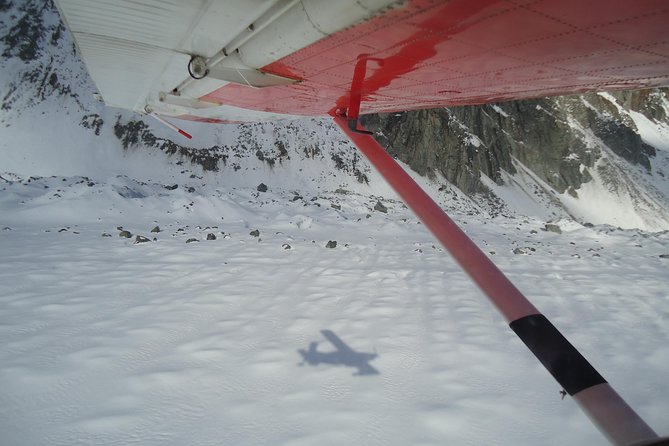
At $418.45 per person for an approximately 45-minute flight, this is not a budget activity. You’re paying for three things at once:
First, you’re paying for specialized aircraft and the staff time to operate ski-plane landings near a major glacier. Second, you’re paying for the “rare access” factor, the actual glacier snowfield landing, which is the star of the show. Third, you’re paying for the location logistics around Aoraki Mount Cook, including hotel transfer to the airport.
So is it worth it? For me, the value comes down to one question: do you want to stand on the Tasman Glacier, not just watch it? If yes, this price starts to make sense because most alternatives in the area give you views without that close-range moment.
If you’re more price-sensitive or unsure about doing a landing in variable conditions, you might prefer a smaller-cost viewpoint day first, then decide after you see how weather behaves. But if glacier landing is your goal, this tour is built for it.
Weather planning and the minimum group size reality
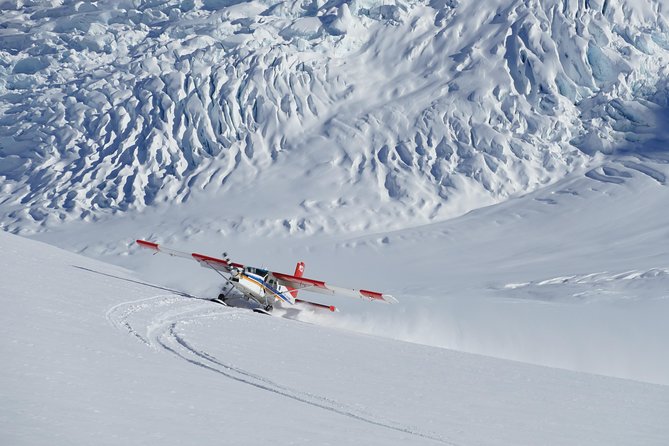
Flights may be cancelled due to weather. And that matters because the whole experience depends on being able to fly safely in mountain conditions and reach the landing area.
There’s also a minimum number requirement: a minimum of 4 people per flight applies before the flight will operate. Maximum size is 16 travelers, which keeps it from becoming a giant cattle call, but it also means that on low-demand days, schedules can be affected.
My practical advice: book this when you have flexibility in your Mt Cook days. If you have only one day in the region, be ready for the possibility you might need to move to another date if weather cancels.
What to wear and bring for a glacier landing
The data does not list gear requirements, so I’ll stick to smart general advice based on what the tour does: you’ll be flying at altitude and landing on a cold snowfield.
Bring warm layers you can move in. Wear footwear with grip. Pack sunglasses if the day is bright. And keep your phone and camera protected, because glacier landings are exposed to cold air and snow spray.
Souvenir photos are available to purchase, but they’re not included. If you want a specific kind of photo, plan to bring your own camera and take a few quick shots rather than trying to do every angle at once while you’re on the glacier.
Who should book this ski plane glacier highlights tour
This tour fits best if you want a high-impact experience without a long day. It’s ideal for:
- Couples and small groups who want a unique glacier moment fast
- People who like guided experiences, especially with live narration and headset audio
- Visitors to Mt Cook who want the Aoraki highlights, Tasman Valley visuals, and a glacier landing in one package
- Anyone who values smooth operations, since the flight is short and guided from start to finish
It may be less ideal if you cannot deal with weather changes. If your schedule is rigid, plan a backup option in the area. It may also feel like a stretch if you dislike flying or you’re sensitive to cold outdoors, though the overall flight is described as smooth and comfortable.
Children must be accompanied by an adult. So if you’re traveling with kids, you’ll want to consider whether they handle flying and cold air well, but there is no separate child age rule provided beyond adult accompaniment.
Should you book this Mt Cook glacier highlights ski plane flight?
If you are choosing one “wow” activity around Aoraki/Mt Cook National Park and you specifically want to land on the Tasman Glacier, I’d book it. The reason is simple: standing on the glacier snowfield is the kind of moment you can’t really replicate with a lookout stop.
If you’re on the fence, decide based on your priorities. Want views only, with less weather risk? You might choose a different option first. Want the actual glacier landing, and you can handle the schedule shifting if conditions are poor? Then this is a strong match.
Take one more step of caution: check your day plan so you can absorb a weather change. When you can do that, this 45-minute flight becomes exactly what it promises, a focused, guided Alpine experience that turns the glacier from a distant idea into a place you can stand on.
FAQ
How long is the ski plane flight?
The glacier highlights flight is about 45 minutes.
Where does the tour start, and do I get picked up from my hotel?
You start at Mount Cook Airport (Mount Cook Road, Canterbury Region 7999, New Zealand). The experience description includes pickup from your hotel and transfer to the airport, then transfer back after the flight.
What happens when I arrive at the airport?
You meet your pilot, get seated in the retractable ski aircraft, receive a safety briefing, and are given a radio headset so you can hear the live onboard commentary during the flight.
Do you land on the glacier?
Yes. You land on the Tasman Glacier snowfield for an intimate alpine experience.
Is live commentary included?
Yes. Live commentary is included on board.
What should I know about cancellations and weather?
Flights may be cancelled due to weather conditions. If it is cancelled for poor weather, you will be offered a different date or a full refund.
How many people are on the flight?
There is a maximum of 16 travelers for the tour, and a minimum of 4 people per flight is required for it to operate.
Everything Else We Wrote Up in Aoraki Mount Cook National Park Te Wahipounamu
More Ways Onto the Ice
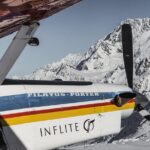
Aoraki and the Mackenzie
Just added to our Aoraki Mount Cook National Park Te Wahipounamu notes
- 55 minute Grand Circle Ski Plane★ 5.0 · 16 reviews
- 45-Minute Glacier Highlights Ski Plane Tour from Mount Cook★ 5.0 · 19 reviews
- 55-Minute Grand Circle Helicopter★ 4.5 · 36 reviews
- 25-Minute Helicopter flight including an alpine landing★ 4.5 · 49 reviews
- 45-Minute Glacier Highlights Helicopter Tour from Mount Cook★ 5.0 · 57 reviews
- The Adventurer: Tasman Glacier Heli-hike★ 5.0 · 92 reviews
Glacier Heli Hikes and Snow Landings, compared.
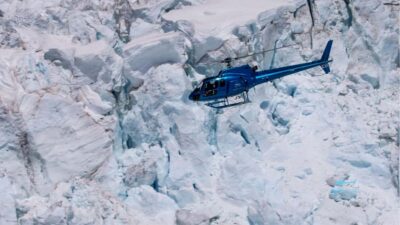 ★ 4.8Franz Josef Glacier: Helicopter Flight & Alpine LandingFrom $230619 reviews
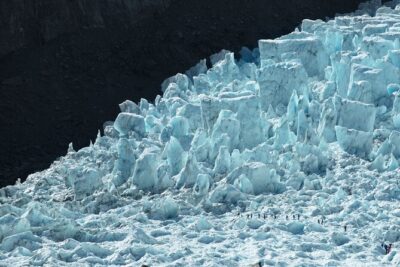 ★ 4.5Franz Josef Glacier Heli-HikeFrom $506618 reviews
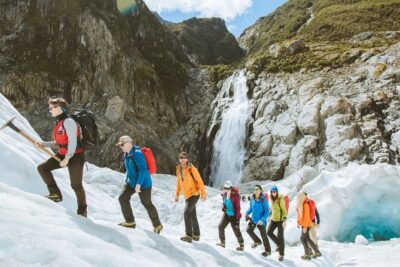 ★ 5.0Heli Hike Fox GlacierFrom $477563 reviews
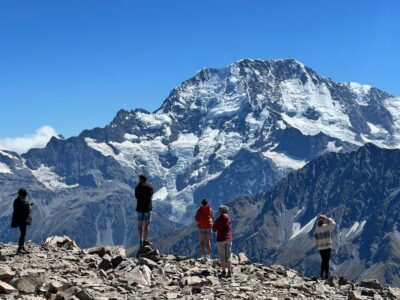 ★ 4.8Mount Cook: Scenic Helicopter Flight with Alpine LandingFrom $226442 reviews
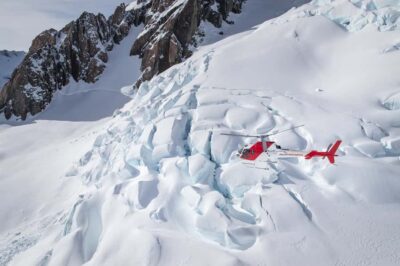 ★ 4.7Franz Josef & Fox Glaciers Helicopter Flight & Snow LandingFrom $289342 reviews
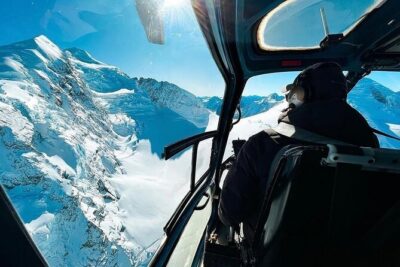 ★ 5.0Pilot’s Choice: 2 Glaciers & Snow Landing – 35minFrom $300336 reviews
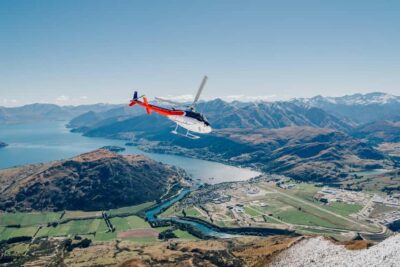 ★ 4.9Queenstown: Pilot’s Choice Helicopter Tour & Alpine LandingFrom $230291 reviews
 ★ 4.6Mount Cook: Ski Plane and Helicopter Glacier Combo FlightFrom $328271 reviews
Browse the lists this tour appears in