
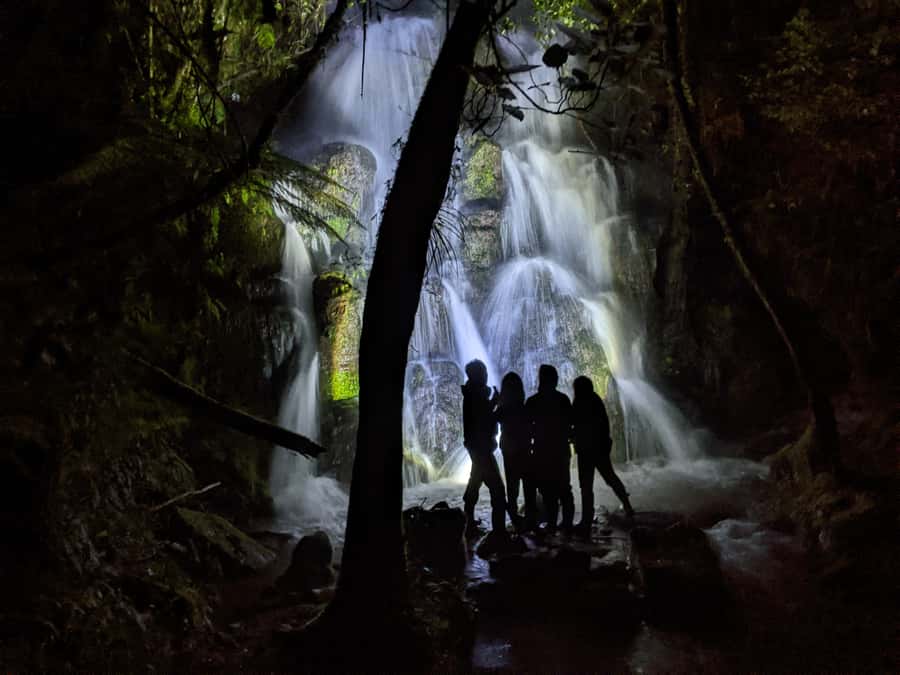
REVIEW · WAITOMO CAVES AND GLOWWORM TOURS
Rotorua: Nocturnal Glow-Worm Adventure Tour with a Guide
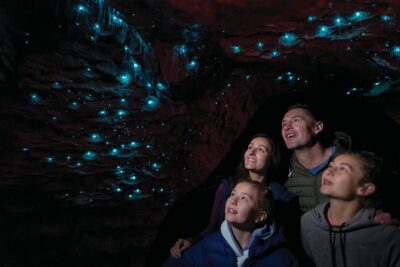
Glow worms turn the forest into constellations. This guided Rotorua night adventure is built around one big payoff: you walk into the dark, then switch off your light and watch thousands of glow worms light up the bush. I especially like how Stephen, your guide for the evening, connects the scene to real local nature, not just a quick glow-worm stop, and you also get photos taken during the outing.
The main tradeoff is physical and visual reality. You are walking 2 kilometers on uneven ground in low light, so it is not the tour for low fitness, mobility issues, or anyone who needs extra support in darkness.
In This Review
- Key Things to Know Before You Go
- Rotorua After Dark: What This Glow-Worm Walk Feels Like
- Meeting Point and the Van Ride With Stephen
- Getting Kitted Out: Flashlights, Boots, and Wet-Weather Reality
- The 2-Kilometer Native Forest Walk in Low Light
- Running Water, Ferns, and Spotting Nocturnal Creatures
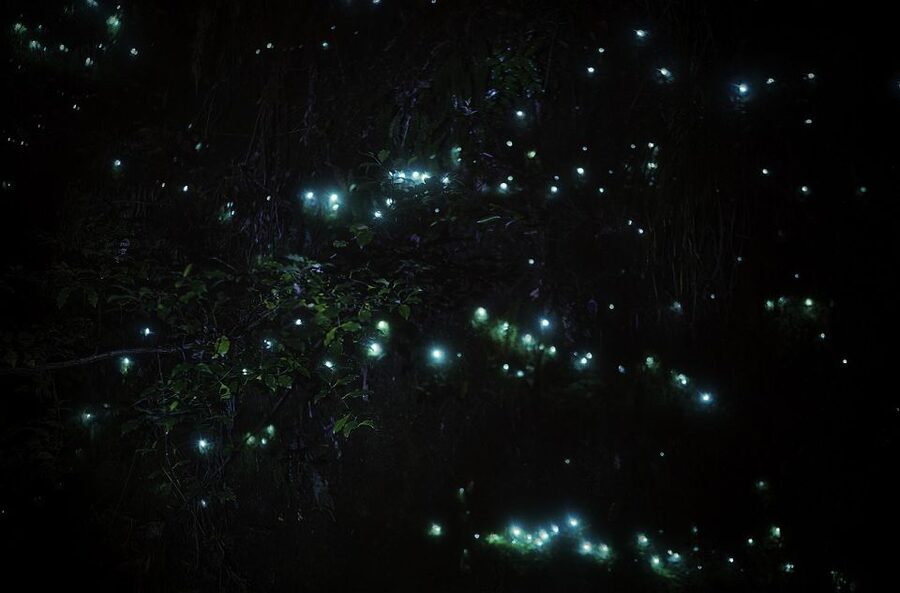
- The Main Event: Switching Off Flashlights and Seeing the Constellations
- Photos Under the Stars: What the Tour Gives You
- Rain, Mud, and What to Wear for Comfort and Safety
- Safety and Fitness: Who This Tour Is For
- Value Check: Is $74 Worth It?
- Should You Book This Rotorua Glow-Worm Adventure?
- FAQ
- How long is the Rotorua nocturnal glow-worm tour?
- Where do I meet the guide for pickup?
- What walking is involved?
- What is included in the tour price?
- What should I bring with me?
- Is smoking allowed on the tour?
- Who is this tour not suitable for?
- What kind of wildlife might I see besides glow worms?
Key Things to Know Before You Go
- Thousands of glow worms light up the forest when your flashlights go off
- Small group of 8 means you get closer to the action and hear the guide better
- Native rainforest after dark with towering trees, giant ferns, and waterfall sounds
- Nocturnal critter spotting including weta and Morkporks if the night cooperates
- Flashlight-led walking with safety reminders for roots, rocks, and slippery spots
- Wet weather can help the glow based on past nights when conditions were rainy
What else Rotorua puts on
- Rotorua Canopy Tours: 2.5Hour Native Forest Zipline Adventure
★ 5.0 · 4,563 reviews - Rotorua: Wai-O-Tapu Geothermal Park Entry Ticket
★ 4.6 · 2,601 reviews - Rotorua’s Ultimate Zipline: 6 ziplines, 400 m Tandem, Cliff Walk
★ 5.0 · 2,557 reviews - Rotorua Rafting: Kaituna River White Water Rafting & Free Sauna
★ 5.0 · 1,952 reviews
Rotorua After Dark: What This Glow-Worm Walk Feels Like
This is the kind of experience where the forest goes quiet, then suddenly it does not. You start with a normal bush walk rhythm, then it shifts into something cosmic the moment glow worms become the only light source you are noticing.
I like that it is not just a single photo moment. You spend time in the native forest, you follow running water, and you learn how the night ecosystem works, all before you reach the brightest glow-worm section.
For me, the best part is the setup. Your guide paces the walk so you get time to see how the glow builds, not just a quick flash and then you are done.
Meeting Point and the Van Ride With Stephen
You meet outside the tourist information center, then look for a silver Ford Transit van with Real Rotorua signage. From there, the evening starts with transport in an air-conditioned van, which is a small comfort when you are heading out after dark.
This van ride matters more than you might think. It gives you a mental warmup: you are not stumbling into the woods blind. You also get introduced to what you will likely spot as the night gets deeper, including the kind of clues your guide will use while you walk.
Stephen leads the tour in English, and the group stays small. That means questions actually get answered, instead of being swallowed by a bus-load tour vibe.
Getting Kitted Out: Flashlights, Boots, and Wet-Weather Reality
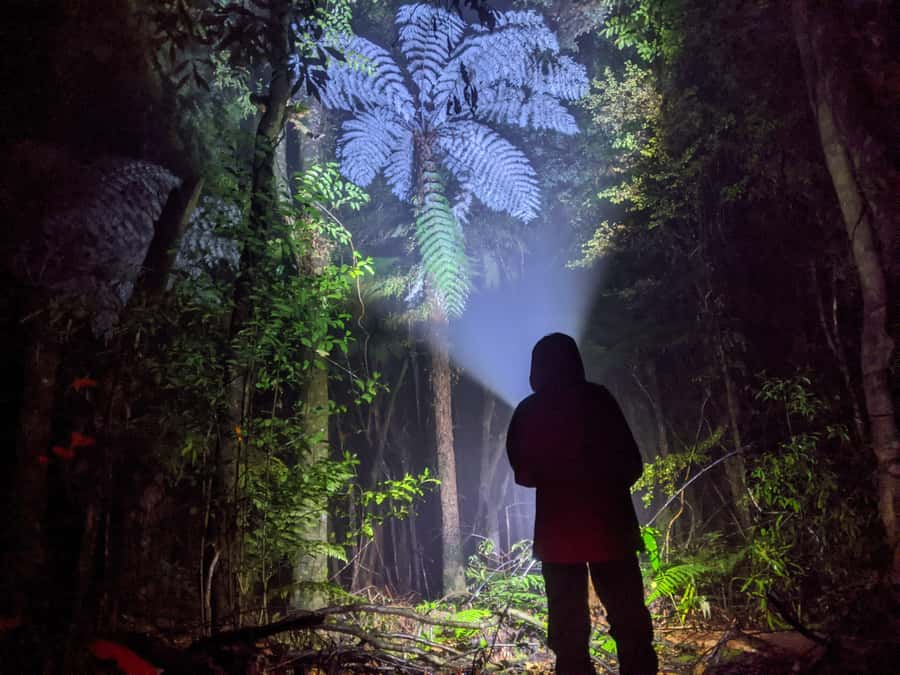
Before you head in, you get the gear you need. The tour includes a flashlight, and your guide also provides equipment like boots and wet weather gear if conditions call for it.
This is a smart approach for two reasons. First, you are walking in uneven forest terrain. Second, it is low light, so the wrong footwear or the wrong light habits can make the walk less fun and more stressful.
Wear comfortable shoes and comfortable clothes. If rain has been around, trust the experience and be ready for mud and damp ground. Several people noted that rain can make the glow-worm display pop more, so being prepared pays off.
One more practical note: smoking is not allowed on this tour, so keep that in mind for your evening plans.
The 2-Kilometer Native Forest Walk in Low Light
The walk is 3 hours total with transport and the main glow-worm portion, and it includes a 2-kilometer trek in the native forest. The fitness level is listed as good level fitness, and that makes sense once you factor in uneven ground, tree roots, rocks, and possible slippery surfaces.
You are also walking in low light. That is why the guide focuses on using flashlights properly, not just handing you a torch and wishing you luck. The goal is to see what is around you without blinding everything, including the glow worms you came for.
Expect some stop-and-look moments. The trail is not a sprint. Running water guides you along, and your guide points out details you would otherwise walk past, like plants and insect life that becomes obvious only after dark.
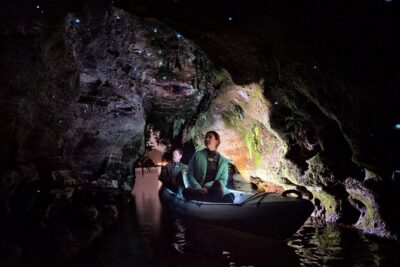
More time underground at Waitomo
Running Water, Ferns, and Spotting Nocturnal Creatures
After your initial drive and gear time, the walk truly starts and the forest closes in around you. You follow the sound of running water, and that sound becomes your navigation partner in the dark.
Along the way, Stephen shows you what is happening in a living ecosystem at night. You might see or learn about Morkporks and weta, plus other nocturnal creatures if conditions are right. People also described spotting possums and different insects, which fits the overall idea: the forest is active after dark, even if you cannot easily see it at first.
You also get the kind of details that make the glow worms feel earned. Giant ferns, towering trees, and native forest features stop being background and start becoming part of the story.
This is also where the guide shines. The evening feels like a guided conversation with the forest, not a lecture. When you pause to look, you are not waiting around, you are being guided into better angles and calmer attention.
The Main Event: Switching Off Flashlights and Seeing the Constellations
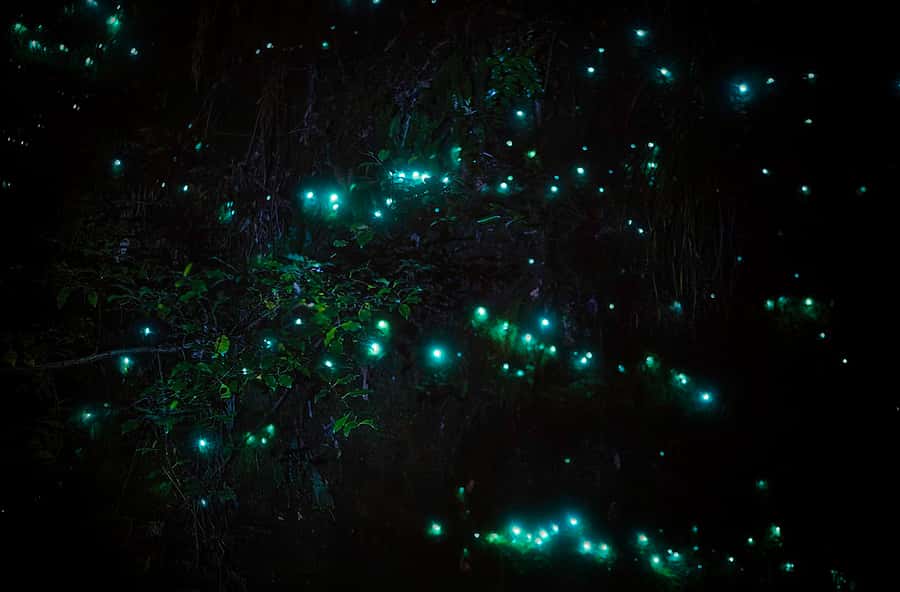
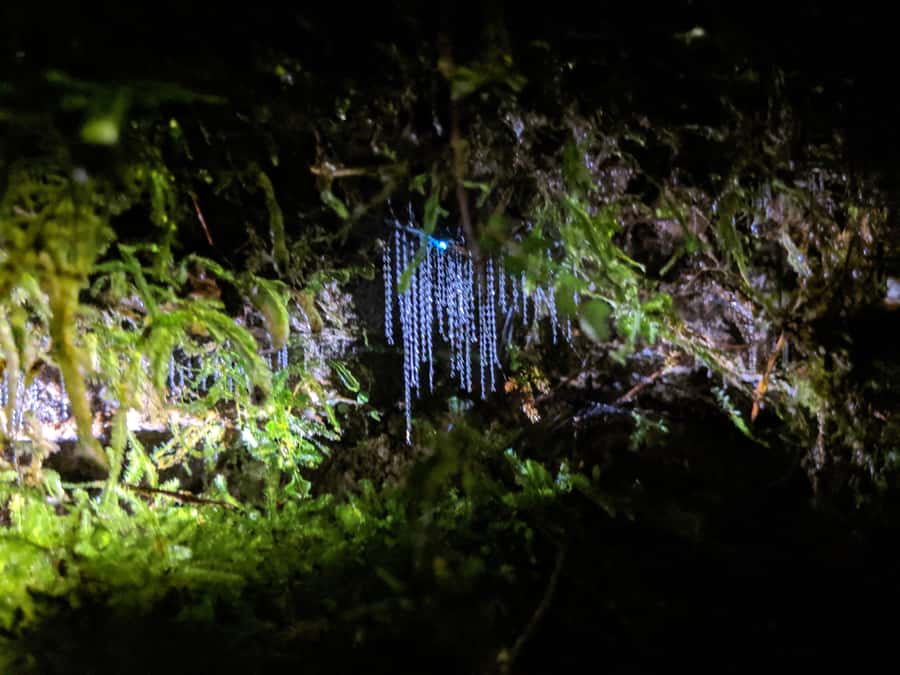
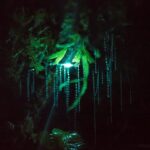
This is the moment the tour is built around. Your guide brings you to a section where thousands of glow worms light up like a night sky. Then you switch off your flashlights, and the world goes dark in the most satisfying way possible.
In real terms, this changes everything. When you remove your extra light, your eyes adjust and suddenly the glow worms become the main pattern in your view. It is not just scattered points either. You can see them as a dense, star-like display that creates its own natural constellations across the ground and undergrowth.
That is why the flashlight guidance matters so much. If you keep lights on too often, you do not get that full contrast moment.
Plan to slow down. Look carefully at the glow worm clusters and the “chains” effect your eyes will pick up once darkness settles. This is not a rush-and-click photo mission. It is a watch-and-learn kind of seeing.
Photos Under the Stars: What the Tour Gives You
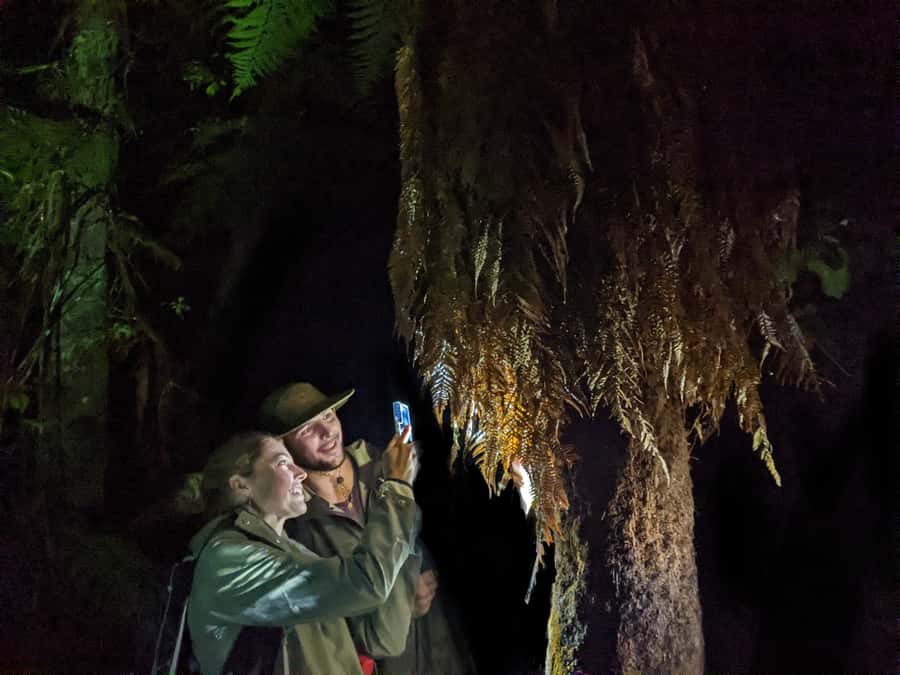
You are going to want proof, and you are also going to want something you can actually use. The tour includes photos, and your guide takes pictures during the night so you do not have to constantly fumble with your own camera settings in the dark.
It helps that the group stays small. You are not fighting for a place in front of the glow worms while another person blocks your view.
One practical tip for better photos: keep your expectations realistic. In low light, the glow is naturally soft and speckled. Your best shots are often the ones where you let the scene breathe, not the ones where you force harsh flash brightness.
If you are a smartphone-only photographer, you still can get good results. Just follow the guide’s timing and do not keep switching on extra lights at the wrong moment.
Rain, Mud, and What to Wear for Comfort and Safety
Rotorua nights can be damp, and this tour runs in real conditions. The equipment and safety notes are part of the reason this feels well-run, not random.
Wear comfortable shoes. If you got wellies or boots, use them. The ground can be uneven, with roots and rocks that are hard to notice in darkness.
For clothing, go for layers you can move in. You will be walking, stopping, and standing still to look up and around. A warm layer matters when the evening air cools and you are in the forest longer than you expect.
A lot of people were nervous about rainy weather, then got a bonus. Wet conditions can make the glow worm display look brighter, and the forest night can feel even more dramatic.
Safety and Fitness: Who This Tour Is For
This tour includes a 2-kilometer walk and requires a good level of fitness. The risk disclosure is clear: uneven ground, tree roots, rocks, and slippery surfaces can cause slips, trips, and falls.
So be honest about your comfort level. If you do not like walking on uneven ground in the dark, choose a different night activity.
It is also not suitable for children under 6, people with mobility impairments, wheelchair users, visually impaired people, or anyone with low level of fitness. That is not picky rules for fun. It is about being able to safely move through low light terrain.
If you are steady on your feet and you love nature at night, this tour fits beautifully. It is also ideal if you want something more active than a sit-and-watch option, but still short enough to feel doable.
Value Check: Is $74 Worth It?
At about $74 per person for a 3-hour outing, the value comes from three places.
First, you get real time in a native forest after dark, not just a quick glow worm stop. Two kilometers may sound short on paper, but walking in low light through uneven terrain takes real focus, and the guide makes that effort pay off.
Second, the small group size matters. Limited to 8 participants means attention is shared in a way that larger groups can struggle with, especially when you are trying to find critters and time the flash-off glow worm moment.
Third, photos and equipment are included. Flashlights are provided, and gear like boots and wet weather kit can show up depending on conditions. Those details reduce friction and help you enjoy the night without hunting for the right shoes at the last minute.
If you are comparing this to longer, more remote glow worm options, this has an advantage: it is run from Rotorua. That means less travel pressure and more time in the forest itself.
Should You Book This Rotorua Glow-Worm Adventure?
Book it if you want a guided night walk in a native New Zealand forest, and you are excited by the idea of switching off your light and letting your eyes catch up. This is a strong choice if you like nature facts, night wildlife, and a guide like Stephen who clearly puts thought into the whole flow.
Skip it if darkness and uneven ground make you nervous, or if you need accessibility support the tour does not offer. Also skip if you are hoping for a totally passive experience, because the main point is walking, stopping, and paying attention.
If you are on the fence, here is your tie-breaker: if you enjoy small group guided experiences, this one is built for that. You will get the glow worms, yes, but you will also get the forest around them, which is what makes the evening feel like more than a photo stop.
FAQ
How long is the Rotorua nocturnal glow-worm tour?
The tour lasts 3 hours.
Where do I meet the guide for pickup?
Meet outside the tourist information center. Look for a silver Ford Transit van with Real Rotorua signage.
What walking is involved?
The tour includes a 2 kilometer walk on uneven ground in low light, so a good level of fitness is required.
What is included in the tour price?
The tour includes a guide, transportation in an air-conditioned van, a flashlight, and photos.
What should I bring with me?
Bring comfortable shoes and comfortable clothes.
Is smoking allowed on the tour?
No, smoking is not allowed.
Who is this tour not suitable for?
It is not suitable for children under 6, people with mobility impairments, wheelchair users, visually impaired people, or people with low level of fitness.
What kind of wildlife might I see besides glow worms?
You can keep an eye out for nocturnal creatures such as Morkporks and weta, and your guide will point out other night wildlife if conditions allow.
Everything Else We Wrote Up in Rotorua
More Time Under Waitomo
Rotorua, Three More Ways
Just added to our Rotorua notes
- Rotorua: Waimangu Valley Walk and Steaming Cliffs Kayak Tour★ 4.7 · 6 reviews
- Rotorua: Lake View Private Pools Experience★ 4.3 · 6 reviews
- Rotorua: Floatplane Flight with Orakei Korako Landing★ 5.0 · 6 reviews
- Rotorua: Evening Starlight Gourmet Kayak Tour with dinner★ 5.0 · 6 reviews
- Rangitaiki Rafting Grade 2★ 4.8 · 6 reviews
- One Day Birding Adventure★ 5.0 · 7 reviews
Waitomo Caves and Glowworm Tours, compared.
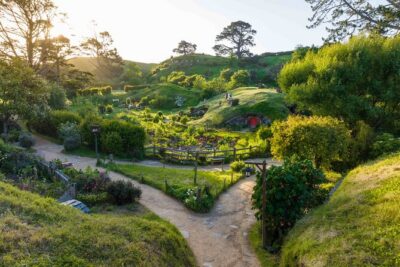 ★ 5.0Hobbiton & Waitomo Caves Guided Day Trip from Auckland incl lunchFrom $2292,677 reviews
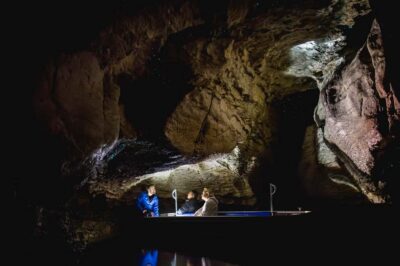 ★ 4.6Te Anau: Glowworm Caves Guided TourFrom $772,611 reviews
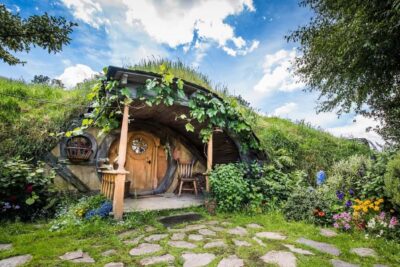 ★ 4.9From Auckland: Hobbiton & Waitomo Caves Day Trip with LunchFrom $2212,505 reviews
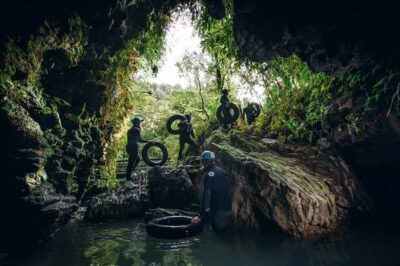 ★ 4.9Waitomo Caves: Labyrinth Black Water Rafting ExperienceFrom $1151,673 reviews
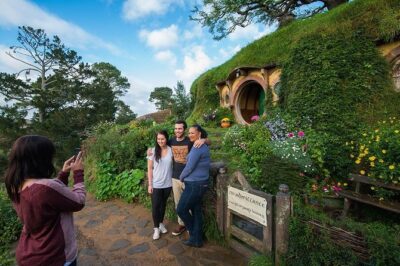 ★ 5.0Hobbiton & Waitomo Caves Small-Group Tour W Lunch from AucklandFrom $2351,117 reviews
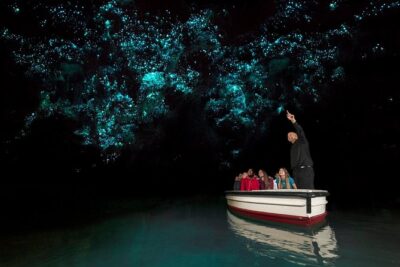 ★ 4.5Waitomo Glowworm Caves Guided TourFrom $501,027 reviews
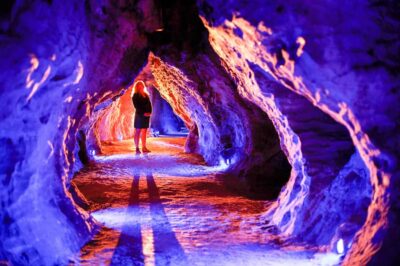 ★ 4.7Waitomo Caves: Ruakuri Cave 1.5 Hour Guided TourFrom $66985 reviews
 ★ 4.5Te Anau Glow Worm Caves TourFrom $80960 reviews
Browse the lists this tour appears in