
REVIEW · PENGUINS KIWI AND WILDLIFE ENCOUNTERS
Stewart Island Wild Kiwi Experiences
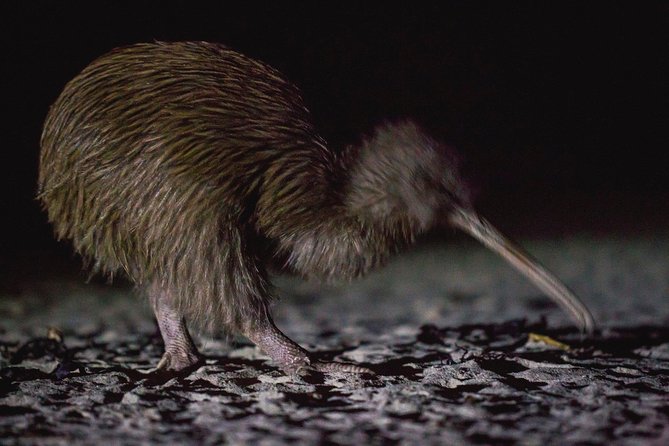
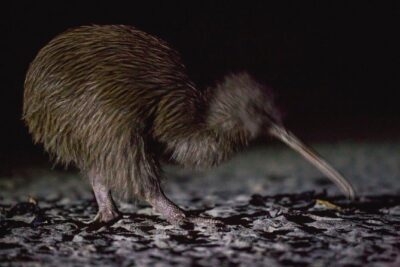
Kiwi spotting at dusk is pure magic. This guided evening on Stewart Island mixes a catamaran wildlife cruise with a torchlit bush and beach search for the tokoeka.
I love that you get more than one wildlife payoff in the same 5-hour outing, starting with seabirds and marine life before the kiwi walk. You also warm up with hot drinks, and the guides can tie the experience to the island’s natural world and culture.
One thing to consider is that you need moderate fitness for about 2 hours of walking on possibly muddy, uneven tracks, and the search is done in a group with flashlights, which can affect how comfortable the kiwi feel.
In This Review
- Quick takeaways
- Why Stewart Island is such a smart kiwi bet
- The 5-hour rhythm that keeps your night moving
- Catamaran wildlife cruise: the warm-up that often steals the show
- The torchlit kiwi walk: how the search really works
- Wild Kiwi Encounters vs the Oneke culture add-on
- Wild Kiwi Encounters
- Wild Kiwi and Culture Encounter at Oneke
- What I’d bring and how to dress for this night
- Group size, flashlights, and the trade-off of a guided search
- Price and value: what you get for about $160.73
- Who this tour is best for
- Should you book Stewart Island Wild Kiwi Experiences?
- FAQ
- How long is the Stewart Island Wild Kiwi evening tour?
- Where does the tour start and end?
- What is the group size limit?
- Do I need a moderate fitness level?
- Is the tour suitable for children?
- What should I wear or bring?
- Are hot drinks included?
- What kinds of wildlife might you see besides kiwi?
- What happens if the experience is canceled due to poor weather?
- When do I get confirmation after booking?
Quick takeaways
- Catamaran start with seabirds and marine life to set the tone before the kiwi search
- Two experience styles: Wild Kiwi Encounters, or Wild Kiwi and Culture at Oneke
- Torchlit forest and beach walk aimed at the southern brown kiwi, the tokoeka
- Local stories and a warm drink in a whare with the culture option at Oneke
- Plan for real walking on uneven ground, plus warm layers and insect repellant
- Small group size with a maximum of 20 travelers keeps the night more manageable
Still weighing up the options? These are the other Stewart Island Rakiura trips we have written up.
- Stewart Island: Village and Bays Tour
★ 5.0 · 100 reviews - Ulva Island Explorer from Stewart Island
★ 4.5 · 79 reviews - Stewart Island Guided Wilderness Walk
★ 5.0 · 8 reviews
Why Stewart Island is such a smart kiwi bet
Stewart Island, also called Rakiura, is one of the best places in New Zealand to look for kiwis in the wild. The big reason is simple: conditions here give these nocturnal birds a real chance to survive and keep doing their nightly routines. And because they are active at dusk and after dark, an evening-focused tour makes way more sense than trying to wing it later.
What I like is that this experience is built around timing and location, not luck alone. You start the evening out on the water first, then move onto land when the light is fading. That rhythm matters because you are not just hoping for a kiwi, you are actively searching when they are most likely to be moving.
The 5-hour rhythm that keeps your night moving
Your evening runs about 5 hours 20 minutes, which is long enough to feel like an adventure but not so long that everyone melts into fatigue. You start at the Visitor Terminal for the Stewart Island Experience, then check in at the ferry terminal area before heading out for the cruise.
After the cruise, you transition to the kiwi-spotting part of the night with a guided torchlit walk through forest and toward a beach area where kiwi are often spotted. The tour then brings you back to the same meeting point at the end, so you do not have to think about transport once the sun is down.
This pacing is a practical win if you are only in the area for a short time. It also means your guide is keeping you moving while the light and temperature change, which is when the chances can shift quickly.
Catamaran wildlife cruise: the warm-up that often steals the show
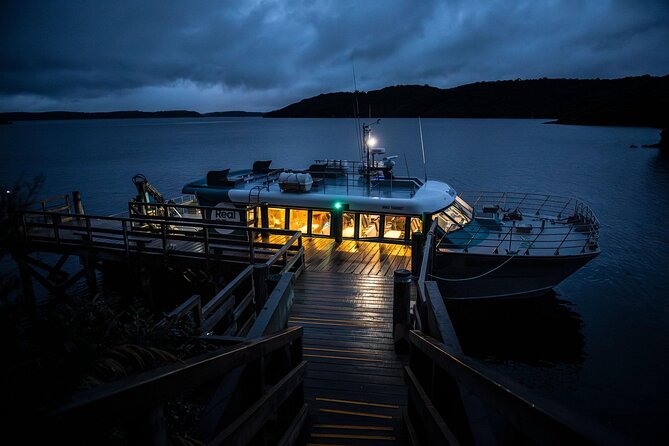
Before you ever reach the kiwi search, you get a scenic catamaran cruise designed for spotting rare seabirds and marine life. This is more than a transfer. It is a wildlife warm-up that helps you settle in, get oriented, and start reading the night for motion and sound.
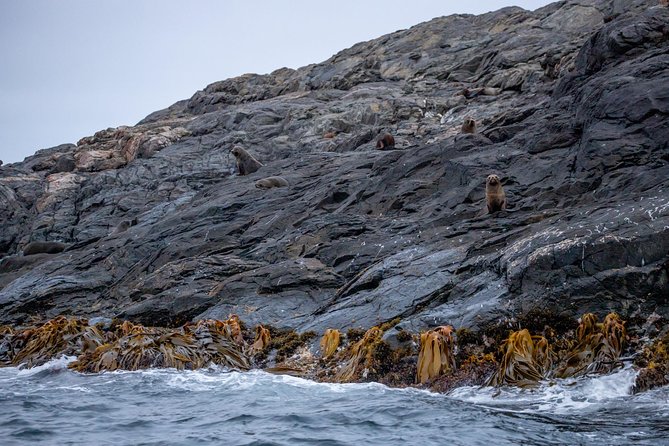
In the experience reports I reviewed, people commonly mention seeing a spread of ocean wildlife, including penguins and seals, plus seabirds such as albatross. Some also mention Fiordland Crested, Little Blue and Yellow-eyed penguins. Even when the kiwi spotting is slower that night, the cruise can still make the outing feel like a full wildlife event.
One more practical upside: you are not plunged straight into darkness and silence the moment you arrive. You ease into it. That can make it easier to enjoy the later torchlit walk without feeling overwhelmed.
The torchlit kiwi walk: how the search really works
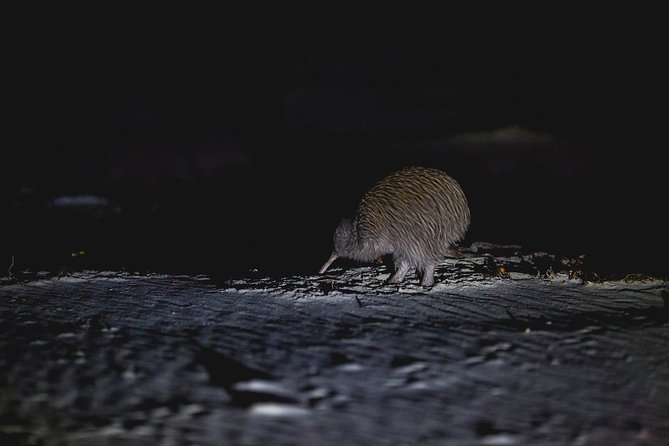
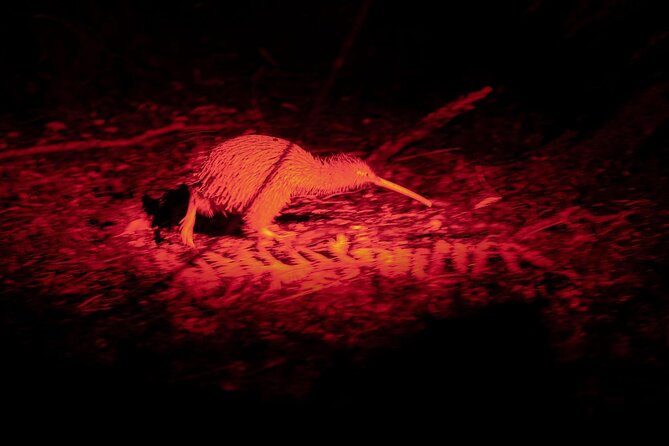
This is the heart of the tour. After the cruise, you join a guided torchlit walk through forest and toward a beach where the tokoeka, or southern brown kiwi, is often spotted. You are carrying flashlights, walking at night, and staying alert for movement.
A few things to know about the experience style:
- You are not walking on a paved path, so you need sturdy footwear.
- You should expect uneven ground and possible mud, especially if the weather has been wet.
- You are walking with a group, so the guide is managing spacing, noise, and timing.
The rewards can be huge. Multiple people talk about seeing kiwi extremely close, even just a few feet away, which is the kind of moment you just do not get at a daytime exhibit. And even when you do not get a full sighting, there can still be a memorable encounter, like seeing the back of a kiwi and getting a real sense of scale.
That said, kiwis are shy and sensitive. You should keep expectations flexible. If your ideal scenario is a crystal-clear sighting for minutes, you may feel frustrated on a night when the birds stay tucked in.
Wild Kiwi Encounters vs the Oneke culture add-on
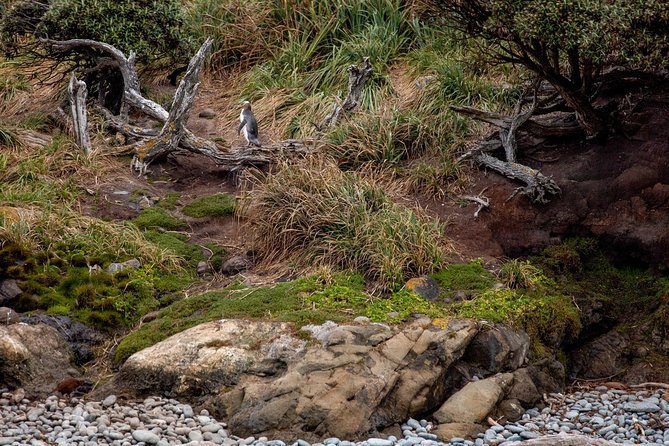
You can choose between two ways to experience the evening.
Wild Kiwi Encounters
This version focuses on kiwi-spotting during a torchlit walk. You move through forest and head toward a beach area for the search. It is the straightforward option if your main goal is the kiwi itself and you want the night to stay focused on wildlife.
Wild Kiwi and Culture Encounter at Oneke
If you want more context, the culture option includes stories connecting Māori and European heritage, then finishes with a warm drink in a traditional whare. That matters because kiwis are not just a random animal you happen to see. They are part of how the island’s people think about land, survival, and stewardship.
The warm drink moment is not just comfort, it is also a reset. After hours of night air and movement, it helps your body come down from the excitement level. It is one of those small details that makes the experience feel complete.
What I’d bring and how to dress for this night
Because you are walking at dusk and into darkness, what you wear can make or break your enjoyment. This tour is very clear that you should dress warmly and bring insect repellant, and that you will be walking on tracks that can be muddy or uneven.
My go-to packing checklist for this kind of kiwi night:
- Warm layers you can add or peel as you walk
- Sturdy shoes with grip for uneven ground
- Insect repellant since you will be in bush and near beach vegetation
- A small light layer you can keep on even when you are standing still
Also, treat the night like a quiet field experience, not a walking tour with loud chatter. Even if you think you are whispering, at night with flashlights, vibrations and noise can carry. If you want the best chance of seeing a kiwi, you will enjoy the night more when you keep things calm and respectful.
Group size, flashlights, and the trade-off of a guided search
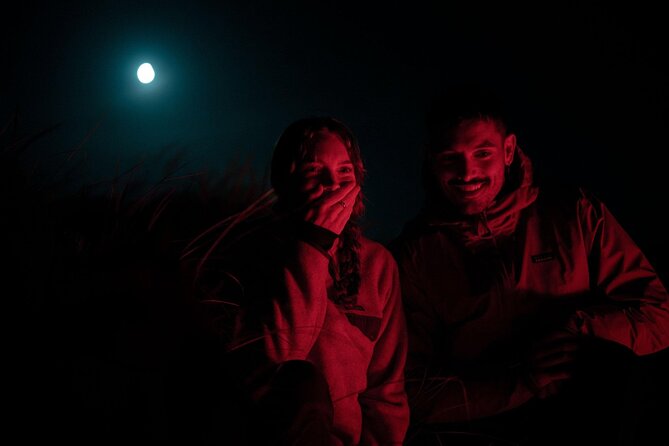
One theme that shows up in the feedback is how much the group experience can affect wildlife behavior. A guest who felt disappointed pointed out that kiwi can be scared by vibrations, noises, and lights, and they were surprised by the number of people using flashlights together.
I would not panic about it, but I would treat it as a real consideration. This is a guided search in a shared space at night, and you are moving with others. The guide can manage the group, but you still have to accept that you are not the only source of light or sound.
If your top goal is a kiwi that behaves like it knows you are there, then know that you might not get that perfect scenario every time. If your goal is to spend a magical dusk night on Stewart Island with expert guidance and a serious shot at seeing tokoeka in the wild, this style fits well.
Price and value: what you get for about $160.73
At $160.73 per person, this is not a budget activity. But it also includes the things that are hard to DIY well: a guided evening at the right time, a catamaran cruise component, and the torchlit search on land with a naturalist guide.
The value argument is strongest if you do not want to gamble on timing. Kiwi are nocturnal, and the conditions that help you spot them in the wild are not just about where you stand, they are about when you go, how you walk, and what local knowledge helps you interpret the night.
It also helps that the group is capped at 20 travelers. Smaller groups are easier to manage in low light, and you will generally get a better experience from a guide who can keep everyone on track without rushing.
If you are the type who is happy even on a night with only brief wildlife glimpses, you are likely to feel satisfied. If you need the kiwi to show up for a long, clear view to feel it was worth the money, plan on flexibility.
Who this tour is best for
This experience is best for mobile travelers who can handle walking in the dark. The tour notes moderate fitness, with about 2 hours of walking, and it is not suitable for children under 16.
You will enjoy it most if:
- You like guided wildlife experiences and are okay with night conditions
- You want a multi-part evening, cruise first and land search second
- You dress for warmth and traction and do not mind muddy patches
- You care about learning, not just checking off a wildlife sighting
One more tip: if you get a guide like Jan or Natasha, or even if you end up with a guide such as Karen, you are likely in for a lively night. People specifically mention guides being personable and experienced, with plenty of information that makes the wildlife sightings feel more meaningful.
Should you book Stewart Island Wild Kiwi Experiences?
Book it if you want a guided dusk adventure that gives you a real chance at seeing a kiwi in the wild, plus a solid wildlife warm-up on the water. This is the kind of tour that can turn an already special island into a once-in-a-trip night, especially if you appreciate learning while you watch for tokeka tracks and calls.
Think twice if you:
- Have trouble with uneven, possibly muddy walking at night
- Are sensitive to flashlights and noise in shared groups
- Need a guaranteed long, close kiwi sighting, every time
If you match the tour’s walking level and you can keep a calm, patient mindset, you will likely find it a great use of an evening on Stewart Island.
FAQ
How long is the Stewart Island Wild Kiwi evening tour?
The tour lasts about 5 hours 20 minutes (approx.).
Where does the tour start and end?
It starts at the Visitor Terminal for the Stewart Island Experience in Southland Region 9818, New Zealand, and it ends back at the same meeting point.
What is the group size limit?
The experience has a maximum of 20 travelers.
Do I need a moderate fitness level?
Yes. Moderate fitness is required, and there is approximately 2 hours of walking. Tracks may be muddy or uneven.
Is the tour suitable for children?
No, it is not suitable for children under 16 years.
What should I wear or bring?
Bring warm clothes, insect repellant, and wear sturdy footwear since walking is required on potentially muddy or uneven tracks.
Are hot drinks included?
Yes. Hot drinks are provided, and the culture option finishes with a warm drink in a traditional whare.
What kinds of wildlife might you see besides kiwi?
The cruise portion is designed to spot seabirds and marine life. People also mention seeing penguins, fur seals, albatross, and other seabirds.
What happens if the experience is canceled due to poor weather?
This experience requires good weather. If it is canceled due to poor weather, you will be offered a different date or a full refund.
When do I get confirmation after booking?
Confirmation will be received at the time of booking.
Everything Else We Wrote Up in Stewart Island Rakiura

Right Down South
Just added to our Stewart Island Rakiura notes
- Stewart Island Guided Wilderness Walk★ 5.0 · 8 reviews
- Ulva Island Explorer from Stewart Island★ 4.5 · 79 reviews
- Stewart Island: Village and Bays Tour★ 5.0 · 100 reviews
Penguins Kiwi and Wildlife Encounters, compared.
 ★ 5.0Gannet Safaris Overland tour to Cape Kidnappers Gannet ColonyFrom $61942 reviews
 ★ 4.5Oamaru: Penguins Evening Viewing TicketFrom $28682 reviews
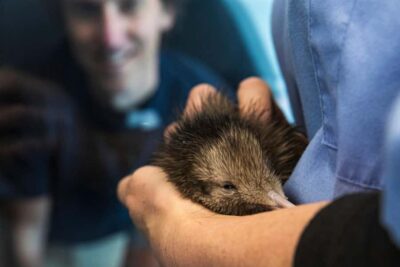 ★ 4.7Rotorua: The National Kiwi Hatchery Kiwi Encounter TourFrom $44671 reviews
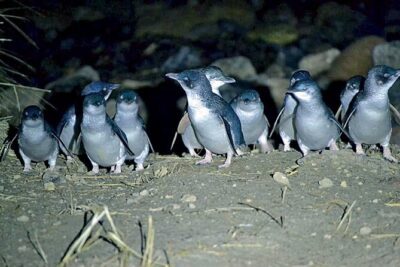 ★ 5.0Guided Evening Penguin Viewing Otago Peninsula, Dunedin, New ZealandFrom $34471 reviews
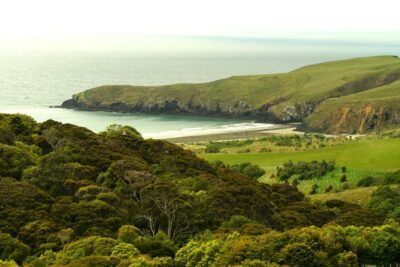 ★ 4.6Dunedin: Wildlife and Penguin TourFrom $44239 reviews
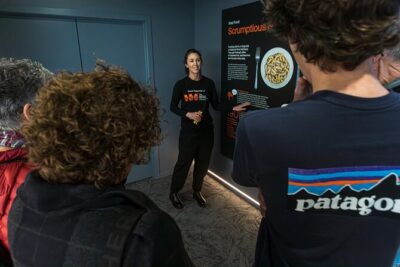 ★ 5.0National Kiwi Hatchery – Kiwi Encounter Guided TourFrom $47228 reviews
 ★ 4.8Stewart Island: Wild Kiwi ExperiencesFrom $154177 reviews
 ★ 5.0Otago Peninsula In-Depth Tour & Blue Penguins Pukekura ExperienceFrom $102163 reviews
Browse the lists this tour appears in