
REVIEW · AORAKI MOUNT COOK AND LAKE TEKAPO
Mount Cook: Tasman Glacier & National Park Scenic Flight
Mt Cook looks epic from the road.
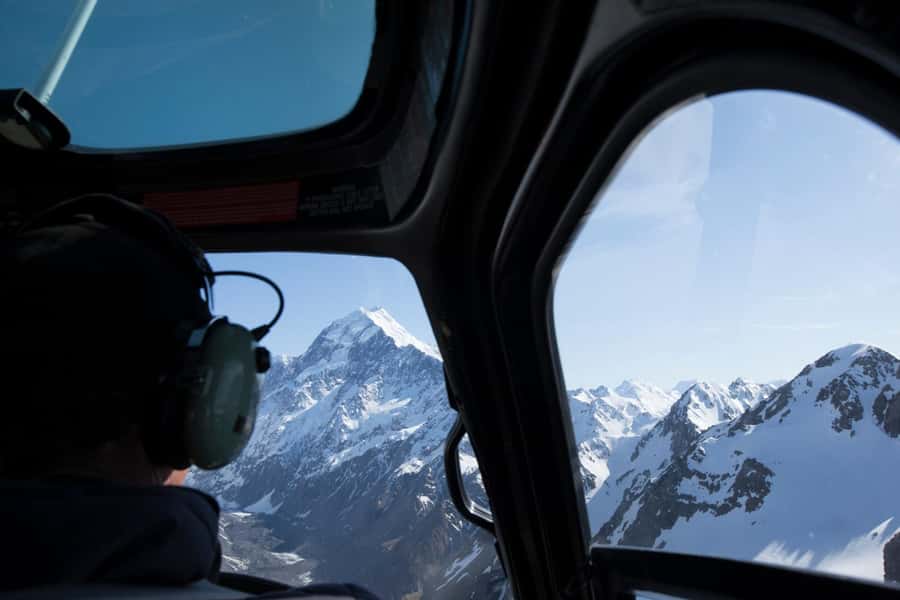
Up here, it feels enormous, fast. This 40-minute Mt Cook scenic helicopter flight is built for big views: you fly high over Aoraki/Mt Cook National Park and follow the Tasman Glacier from start to finish, with inflight commentary and photo chances from almost every seat angle.
I especially like two things. First, the route is not just “around” the mountains, it tracks the full length of the Tasman Glacier, so you get scale, not just scenery. Second, you’re set up for tactile moments too, including a glacier stop, where you can experience the ice up close and take photos.
One consideration: this is a weather-dependent operation. When the sky is closed in, your flight may not happen as planned, so it helps to have flexibility and a backup plan for your Mt Cook day.
In This Review
- Quick Takeaways
- Why Helicopter Time Makes Mt Cook Feel Bigger
- The 40 Minutes You’ll Actually Be in the Air
- Aoraki/Mt Cook National Park Highlights From Above
- The Tasman Glacier Experience: Hover, Ice, Then a Glacier Landing
- Photo Setup Tips for Blue Ice and Mountain Peaks
- Pilot Commentary, Safety Briefing, and the Human Touch
- Price and Value: What You’re Paying For at $379
- Who Should Book This Flight, and Who Might Prefer Another Option
- Getting Ready at Heliworks Mt Cook Without Stress
- FAQ
- FAQ
- How long is the Mt Cook helicopter flight?
- Where do I meet for the flight?
- Is hotel pickup and drop-off included?
- What is included in the tour price?
- What should I bring for the flight?
- Are drones or selfie sticks allowed?
- What about weather and flight changes?
- Do I need to provide passenger weights?
- Is the tour in English?
- Is the flight wheelchair accessible?
- Should You Book This Helicopter Flight?
Quick Takeaways
- Full Tasman Glacier length flight for real scale of New Zealand’s longest river of ice
- Glacier stop on snow/ice so the experience includes more than just window views
- Hanging glaciers and blue ice sightings with constant photo angles
- Pilot-led inflight commentary that turns landmarks into something you understand
- Aoraki/Mt Cook highlights from above including dramatic peaks and mountain-hut views
- Optional rotor shutdown for the sound of silence if conditions allow
Higher up, around Aoraki and Tekapo
- From Queenstown: Mount Cook Heli-Hike and Bus Tour Combo
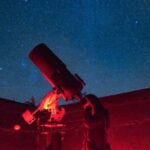
★ 4.8 · 42 reviews - Twizel Stargazing Experience with a Guide (Carbon Positive)
★ 4.7 · 26 reviews - Mount Cook: Tasman Glacier & National Park Scenic Flight
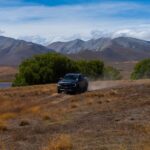
★ 4.8 · 20 reviews - Lake Tekapo Guided 4WD Tours (Small Group, Carbon Positive)
★ 5.0 · 7 reviews
Why Helicopter Time Makes Mt Cook Feel Bigger
Driving around Mt Cook, you get postcard views. They’re great, but they don’t always explain what you’re looking at. From the air, the park stops being a background and becomes the main event.
The helicopter format is the secret sauce. You trade “time spent in transit” for “time spent seeing the right angles.” In a short 40-minute flight window, you cover a lot of ground and still get those slow, floating views where you can actually take in the geometry of peaks, ridgelines, and glacier edges. It’s not a long lecture. It’s a guided look at a place that changes quickly as you move.
If you care about how glaciers work, how mountains sit against the sky, or you simply want that first wow moment, this is one of the most direct ways to get it in New Zealand’s South Island.
The 40 Minutes You’ll Actually Be in the Air
This is a short flight, so you’ll feel the difference right away. You won’t have time to second-guess or drift into “maybe later photos.” The crew’s job is to get you set up, then keep the route moving so you see the best parts.
What you can expect is a mix of:
- Flying along the full length of the Tasman Glacier
- Gliding close to alpine peaks for strong depth in your photos
- A hover over the glacier to appreciate its size and scale
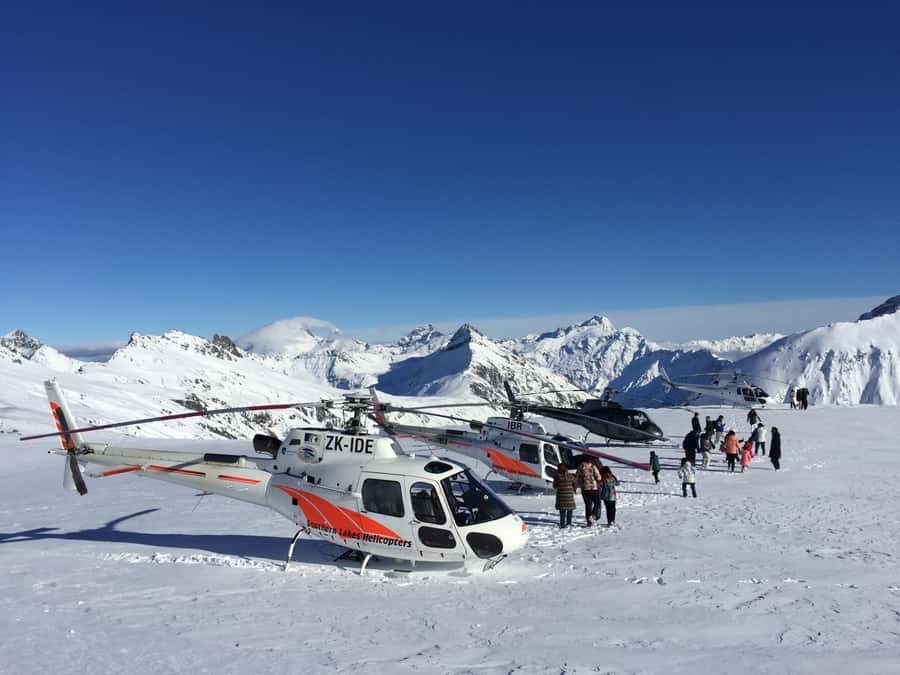
- Time on the glacier area (a snow/ice landing is part of the experience)
Because this is weather dependent, your exact views can change with cloud cover. That’s normal here. But the core design stays the same: you’re paying for altitude, access, and scale in a tight timeframe.
And yes, it can get very quiet in the best way. Your pilot may shut off the helicopter so you can experience the sound of silence. It’s one of those tiny moments that makes the whole flight feel personal, not just scenic.
Aoraki/Mt Cook National Park Highlights From Above
Aoraki/Mt Cook is the kind of place where everything looks dramatic, even when you’re not sure what you’re seeing yet. The flight helps you connect the dots.
From the air, you’ll see:
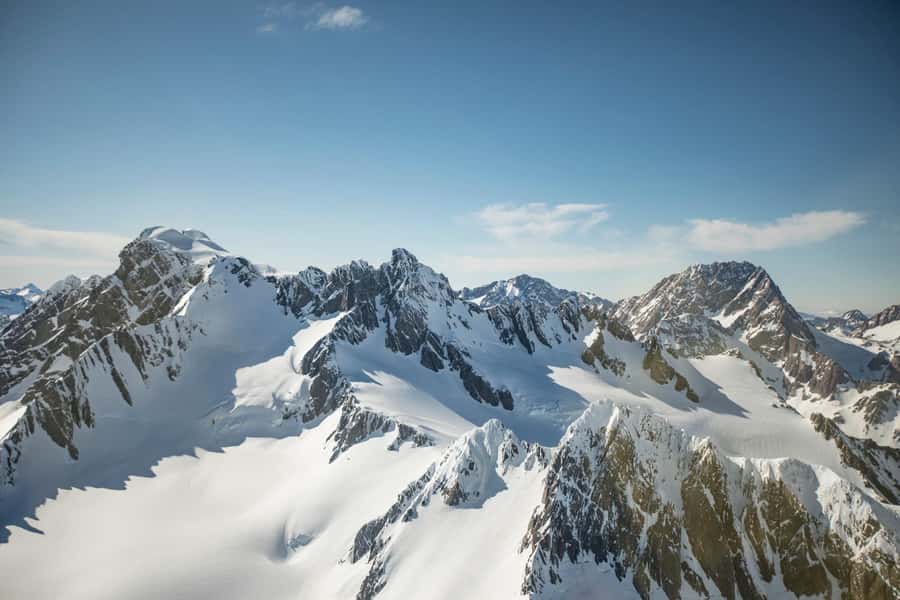
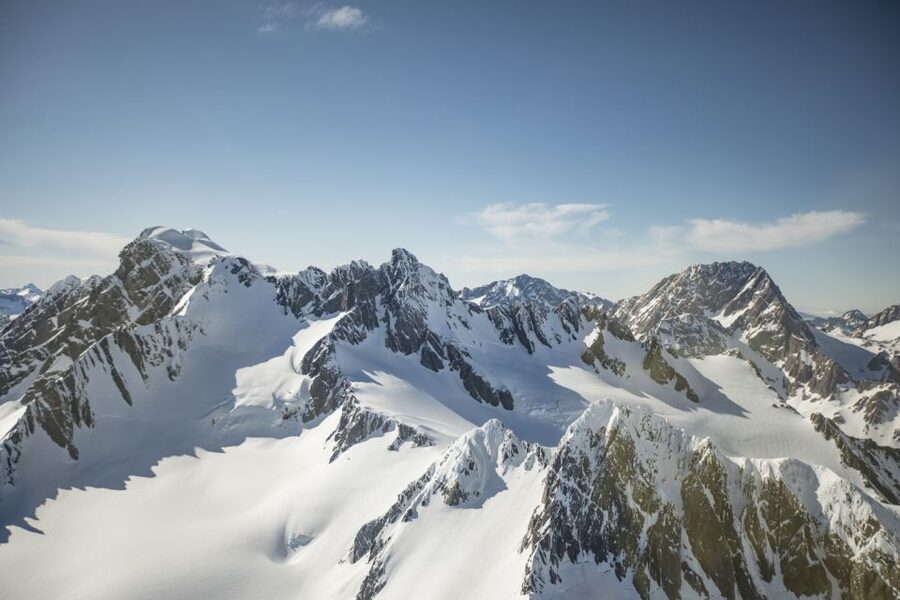
- New Zealand’s highest peak, Aoraki/Mt Cook, from a perspective that makes its size obvious
- Mountain ridges and valleys with strong “layers,” so you can tell where rock ends and ice starts
- Views over Murchison and the Tasman Glacier area, which helps the glacier feel like part of a larger system, not an isolated object
One standout element is the chance to spot mountain huts from above. Even if you’ve never hiked in this region, the huts help you understand the real human scale inside the wilderness. They show how people survive the weather and geography here, not just admire it.
I like that the flight doesn’t treat the park as one big blob of mountains. The inflight commentary is there to keep you oriented, so the scenery becomes readable.
The Tasman Glacier Experience: Hover, Ice, Then a Glacier Landing
The Tasman Glacier is the headline. You’re not just circling it. You’re flying along it and then spending time close enough to feel what “river of ice” really means.
Here’s how the glacier moment usually unfolds:
- You hover over the glacier so you can appreciate the size and scale of the entire ice flow.
- You get the close-up look: hanging glaciers, blue ice, and rocky peaks in the same frame.
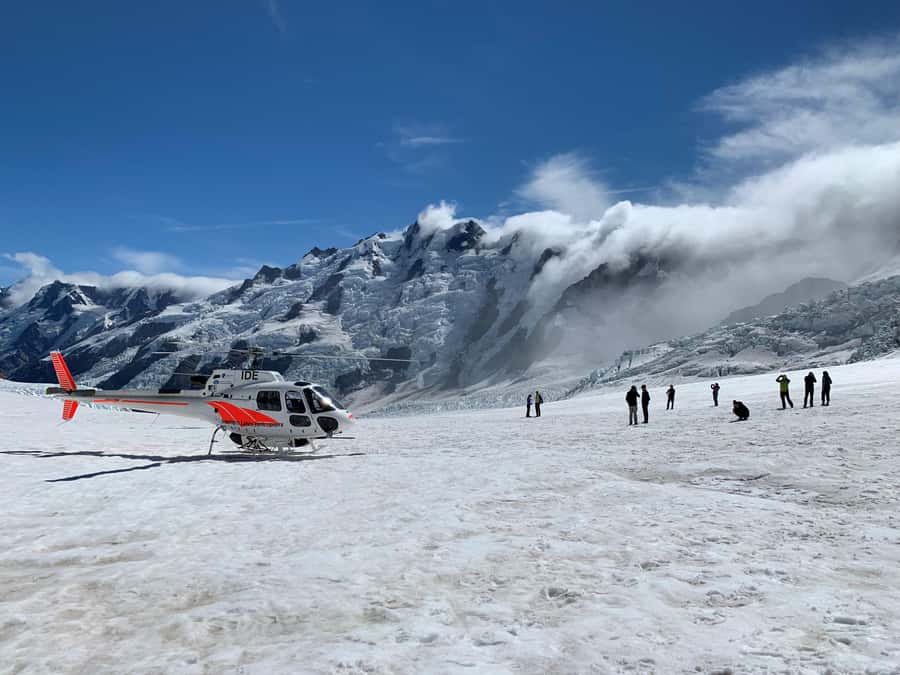
- If conditions allow, you’ll do a snow landing on the magnificent Tasman Glacier, giving you an up-close experience and space for photos.
That landing is a big value lever. Helicopter trips can sometimes feel like high-speed sightseeing. This one gives you a step onto the glacier environment, so the experience turns from “watching ice” into “being near ice.”
A quick practical note: once you’re on glacier surfaces, closed-toe shoes matter. Bring the kind of shoes you’d actually stand and shift your weight in. Also, treat your phone like it’s for photos, not for power-hungry apps, since it’s cold and batteries drain faster than you expect.

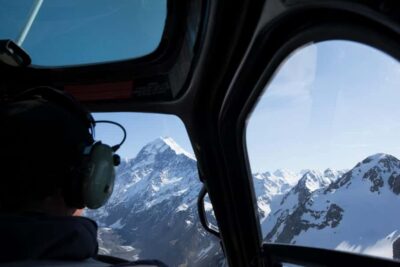
Photo Setup Tips for Blue Ice and Mountain Peaks
You’ll want your camera ready, but not in a chaotic way. You’re in a helicopter, the angle changes fast, and every minute counts.
Use this simple approach:
- Wear sunglasses. Snow glare can be intense, and your eyes will thank you.
- Keep your camera and phone accessible early, then only adjust when the pilot lines up a good view.
- Take a mix of wide shots and tight shots. Wide frames show the glacier context, tight frames capture texture in ice and rock.
Blue ice and hanging glacier edges are the kinds of details that look incredible but can also wash out in harsh light. If you can, try different exposure settings on your phone or camera. A charged smartphone is specifically recommended, which tells you the operator expects you’ll use it heavily.
Also, keep your expectations realistic. This is a fast, moving vantage point. If you’re chasing one perfect photo, you might miss the fun of getting many good ones.
One more thing: selfie sticks and drones are not allowed. So bring a normal camera setup and plan to use your hands, not gadgets that slow down safety checks.
Pilot Commentary, Safety Briefing, and the Human Touch
A good scenic flight is more than a ride. It helps you understand what you’re seeing. This tour includes a professional pilot and inflight commentary, and it starts with a full safety briefing.
The safety briefing matters because it sets you up for calm. When you’re not worried about what’s next, you actually look out the window and learn the terrain. You’re also better at managing your camera when you understand boarding rules and how the flight will handle.
There’s also a human element that people really respond to. One captain called out by name is Toby Morris, described as humble and experienced at navigation. Even if you don’t get the same pilot, you can expect the staff to take the job seriously and explain things in a way that makes the views feel connected.
In a place like this, the pilot is part guide, part navigator. Their job is to keep the helicopter positioned for those classic sightlines while working inside wind and weather limits.
Price and Value: What You’re Paying For at $379
At $379 per person for a 40-minute helicopter flight, it’s not an impulse buy. So you need to decide what kind of value you want.
Here’s what you are, in practical terms, paying for:
- Access to altitude and angles you cannot get any other way in the same amount of time
- A flight that tracks the full Tasman Glacier instead of doing a vague loop
- A chance for an actual glacier landing, which turns the experience from sightseeing to firsthand proximity
- Guided context through inflight commentary, plus a full safety briefing
- A professional operation with flight structure designed for weather realities
If your goal is purely budget sightseeing, you can do Mt Cook without helicopters. But if your goal is “I want the scale explained and the ice experienced,” this is one of the most concentrated ways to do it.
The time factor matters too. This tour is short enough to fit into a day, but it’s not just a quick thrill. You get enough route coverage to feel like you saw the park as a system, not just a few famous angles.
My rule of thumb: this is best value when you’re ready to spend on one high-impact activity, not when you try to do everything in one day. Choose the helicopter for the big story, then spend the rest of your time walking, driving, and soaking up the normal Mt Cook atmosphere.
Who Should Book This Flight, and Who Might Prefer Another Option
This flight makes the most sense for you if:
- You want a fast, high-impact introduction to Aoraki/Mt Cook National Park
- You care about glaciers and want to see them from the air and close up
- You’re traveling with limited time and don’t want to spend your day piecing together multiple viewpoints
- You enjoy photo-heavy experiences where scenery changes every minute
It may be less ideal if:
- You are traveling with a hard-to-change schedule, because the flight is weather dependent
- You don’t enjoy cold conditions, or you hate the idea of being outside briefly if there’s a stop on snow or ice
Also, if you’re hoping for a long guided hike, this is not that. You’re getting aerial views plus a glacier stop, not a trail adventure. It’s short, focused, and dramatic.
Getting Ready at Heliworks Mt Cook Without Stress
Meet at Heliworks Mt Cook. When you enter through the sliding doors, turn left. Plan to arrive 15 minutes early. That buffer makes the whole thing smoother, especially if you need to use the restroom, get ready with gear, or confirm you have everything you need.
What to bring:
- Sunglasses
- Camera (and a plan for fast photo setups)
- Weather-appropriate clothing
- A charged smartphone
- Closed-toe shoes
What not to bring:
- Drones
- Selfie sticks
- Bags
One detail that can surprise people: you’ll need to provide all passengers’ weights for aircraft weight and balance. This is normal for aviation safety, but it’s worth handling early so you don’t scramble at the last minute.
And if you’re sensitive to cold or wind, dress like you’ll be outside, not like you’ll be sitting in a warm cabin. Even with short exposure, alpine weather can cut fast.
FAQ
FAQ
How long is the Mt Cook helicopter flight?
It’s a 40-minute flight.
Where do I meet for the flight?
You meet at Heliworks Mt Cook.
Is hotel pickup and drop-off included?
No. Hotel pickup and drop-off are not included.
What is included in the tour price?
Included features are the 40-minute flight, a professional pilot, inflight commentary, and a full safety briefing.
What should I bring for the flight?
Bring sunglasses, a camera, weather-appropriate clothing, a charged smartphone, and closed-toe shoes.
Are drones or selfie sticks allowed?
No. Drones and selfie sticks are not allowed.
What about weather and flight changes?
All flights are weather dependent.
Do I need to provide passenger weights?
Yes. You must provide all passengers’ weights for aircraft weight and balance.
Is the tour in English?
Yes. The inflight commentary is in English.
Is the flight wheelchair accessible?
The tour is listed as wheelchair accessible.
Should You Book This Helicopter Flight?
If you want one activity in Mt Cook that feels like you really understand the place afterward, I’d book it. The combination of flying the full Tasman Glacier route plus a chance for an ice landing is the kind of value that doesn’t show up in regular viewpoints.
Book it with flexibility in mind, because the weather can dictate whether you fly. If you’re okay with that tradeoff, this is a high-impact way to see Aoraki/Mt Cook and the Tasman Glacier with far more scale than you’ll get anywhere else in the same time window.
Everything Else We Wrote Up in Canterbury New Zealand

Aoraki and the Mackenzie
Just added to our Canterbury New Zealand notes
- Mount Cook, Lake Pukaki: Billion Star Dining★ 4.8 · 6 reviews
- Lake Tekapo Guided 4WD Tours (Small Group, Carbon Positive)★ 5.0 · 7 reviews
- Canterbury: Mount Aorak/Cook Sightseeing Helicopter Flight★ 4.8 · 7 reviews
- Mount Cook: Tasman Glacier & National Park Scenic Flight★ 4.8 · 20 reviews
- Twizel Stargazing Experience with a Guide (Carbon Positive)★ 4.7 · 26 reviews
- Akaroa: Scenic Coastline Wildlife Cruise★ 5.0 · 32 reviews
Aoraki Mount Cook and Lake Tekapo, compared.
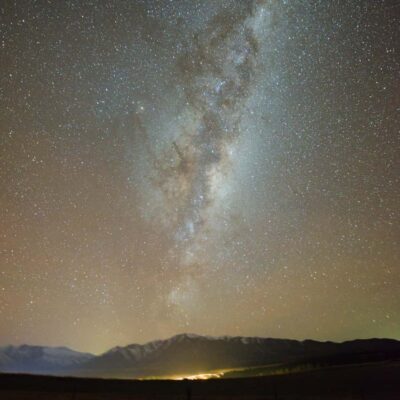 ★ 4.5Lake Tekapo: Alpine Stargazing Experience with a GuideFrom $59626 reviews
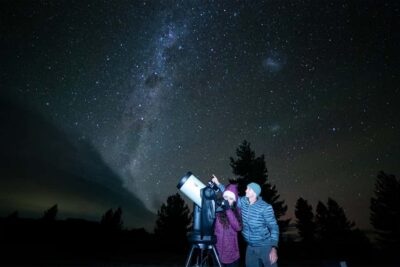 ★ 4.9Lake Tekapo: Stargazing ExperienceFrom $71607 reviews
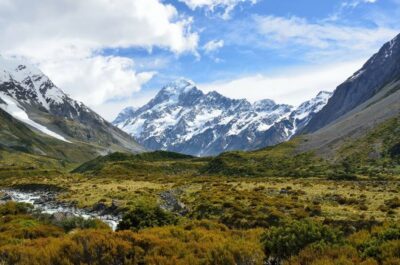 ★ 4.9Mount Cook & Lake Tekapo Day Tour from ChristchurchFrom $146483 reviews
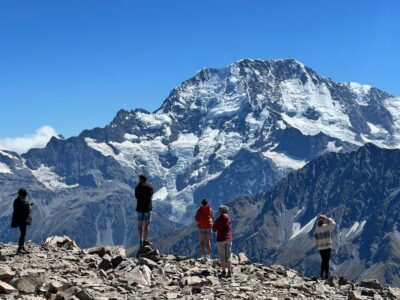 ★ 4.8Mount Cook: Scenic Helicopter Flight with Alpine LandingFrom $226442 reviews
 ★ 5.0Mt Cook Small Group Scenic Day Tour from QueenstownFrom $164407 reviews
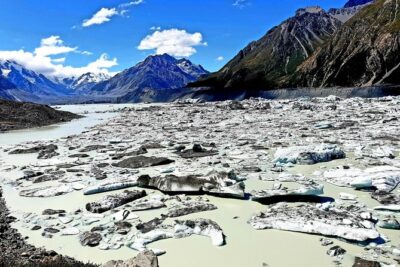 ★ 5.0Mount Cook, Lake Tekapo and Tasman Glacier Tour from ChristchurchFrom $155353 reviews
 ★ 4.6From Christchurch: Mt Cook Day Tour & Lake TekapoFrom $175331 reviews
 ★ 4.8From Queenstown: Mt Cook & Tasman Glacier Viewpoint Day TourFrom $146329 reviews
Browse the lists this tour appears in