
REVIEW · AORAKI MOUNT COOK AND LAKE TEKAPO
Lake Tekapo Guided 4WD Tours (Small Group, Carbon Positive)
4WD, sheep, and big High Country views. I like how this trip mixes working Merino farm life with proper off-road driving, and I also love the payoff: the views from Mt Hay looking back over Lake Tekapo toward Mount John and into Aoraki Mount Cook National Park. It’s the kind of outing where your camera gets used, not saved.
One thing to weigh up first is the physical side. This tour is not suitable for pregnant women, people with back problems, or anyone who gets motion sickness, because you’ll be bouncing along farm tracks and into rough terrain.
The upside is the crew and the access. You go with a live English-speaking local guide, in a small group limited to 4 participants, plus you get light refreshments during the ride while you explore private farmland the family has run for nearly 100 years.
In This Review
- Key things to know before you go
- Starting at Lake Tekapo’s Darchiac Drive, and why it’s not a crowded tour
- Mt Hay Station tracks: working Merino sheep country up close
- Birds at the tarns, Mount Edward, and the Tekapo saddle photo moment
- Climbing Mt Hay: the view you came for
- Phantom Lagoon and Boundary Creek Hut stories, with small refreshments
- Timing, group size, and what to expect from the 3-hour format
- Price and value: is $238 per person worth a 3-hour 4WD?
- Carbon positive: what to make of it before you book
- Who this 4WD tour suits best, and who should skip it
- Should you book Lake Tekapo Guided 4WD Tours to Mt Hay Station?
Key things to know before you go
- Small group, limited to 4 people, so it feels more personal than a bus tour in the Mackenzie High Country
- Exclusive access to 50,000 acres of working farmland near Lake Tekapo
- Mt Hay Station farm experience, including sheep, cows, alpacas, horses, and working dogs
- Wildlife spotting is part of the route, with a chance to see tahr, hawks, and other bird species
- Big photo stops while driving around Mount Edward and the Tekapo saddle
- Phantom Lagoon and Boundary Creek Hut stories, plus a short refresh break
Higher up, around Aoraki and Tekapo
- From Queenstown: Mount Cook Heli-Hike and Bus Tour Combo
★ 4.8 · 42 reviews - Twizel Stargazing Experience with a Guide (Carbon Positive)
★ 4.7 · 26 reviews - Mount Cook: Tasman Glacier & National Park Scenic Flight
★ 4.8 · 20 reviews - Lake Tekapo Guided 4WD Tours (Small Group, Carbon Positive)
★ 5.0 · 7 reviews
Starting at Lake Tekapo’s Darchiac Drive, and why it’s not a crowded tour
You meet at 48 Darchiac Drive, and you check in by looking for the Go Tekapo signboard. For a region that’s famous for scenery, I appreciate that this tour keeps the group small, capped at 4 participants, so you spend more time looking out the window and less time waiting for people to catch up.
The format is simple: guided driving, then photo stops, then more guided driving. You’re not just transported, you’re informed, with local context about Tekapo and how station country works.
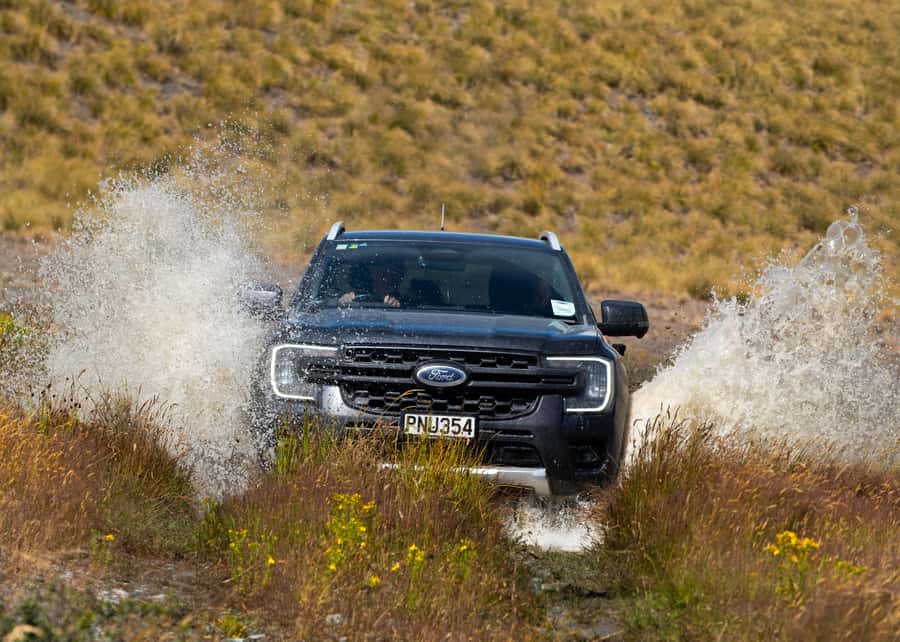
Also, you’re on a proper farm base where the terrain matters. The vehicles are made for the conditions, and the guide is there to help you understand what you’re seeing, from animal work to why certain tracks exist.
Mt Hay Station tracks: working Merino sheep country up close
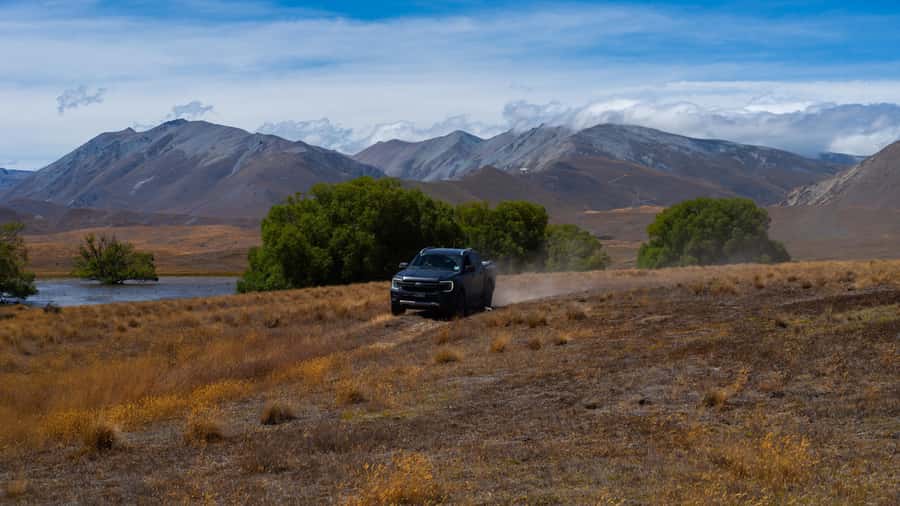
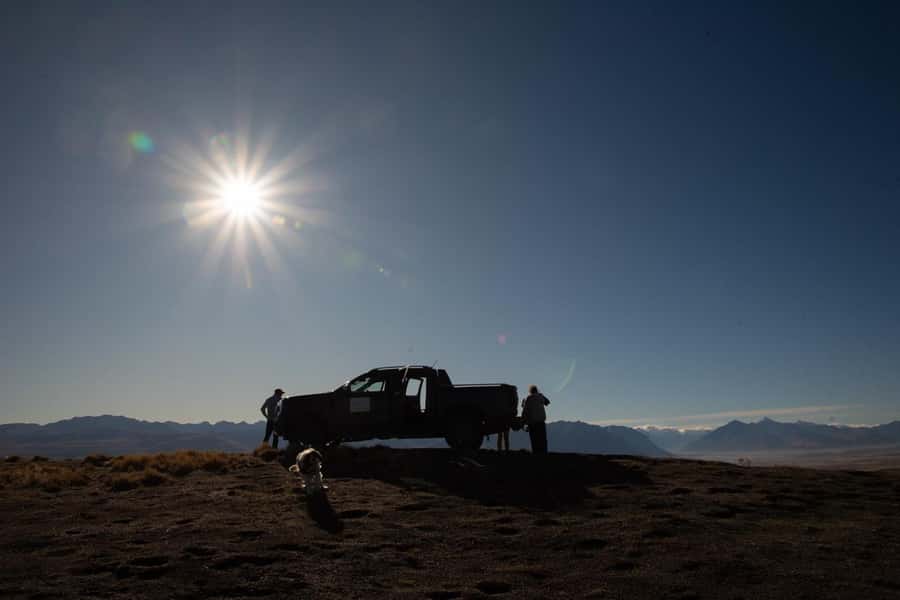
This isn’t a drive past a farm sign. The tour heads to Mt Hay Station, a working Merino sheep station about 5 km outside Lake Tekapo, and you spend time on 4WD tracks that take you through the “real” working landscape.
Here’s the scale you get to understand: this is 50,000 acres of farmland, run by a family that’s been there for nearly 100 years. That matters because it changes the vibe from sightseeing to operations. You’ll hear how the station works, and why different parts of the property exist.
And you get the animal count details that make it feel tangible, not just poetic. You might spot around 12,000 Merino sheep, about 700 Angus cows, 30 alpacas, 25 horses, and 15 working dogs. The dogs are especially important on farms like this, since they help with herding and day-to-day station movement.
One of my favorite ways to think about this portion is that it teaches you how to read the land. Once you understand why water points and grazing areas matter, the scenery stops being “pretty background” and becomes a map of working life.
Wildlife is also part of the experience. The route gives you chances to spot animals such as tahr, hawks, and other bird species. If you like wildlife viewing, don’t treat this as a guaranteed checklist, but do treat it as a reason to slow down and scan the hillsides when the guide calls it out.
Birds at the tarns, Mount Edward, and the Tekapo saddle photo moment
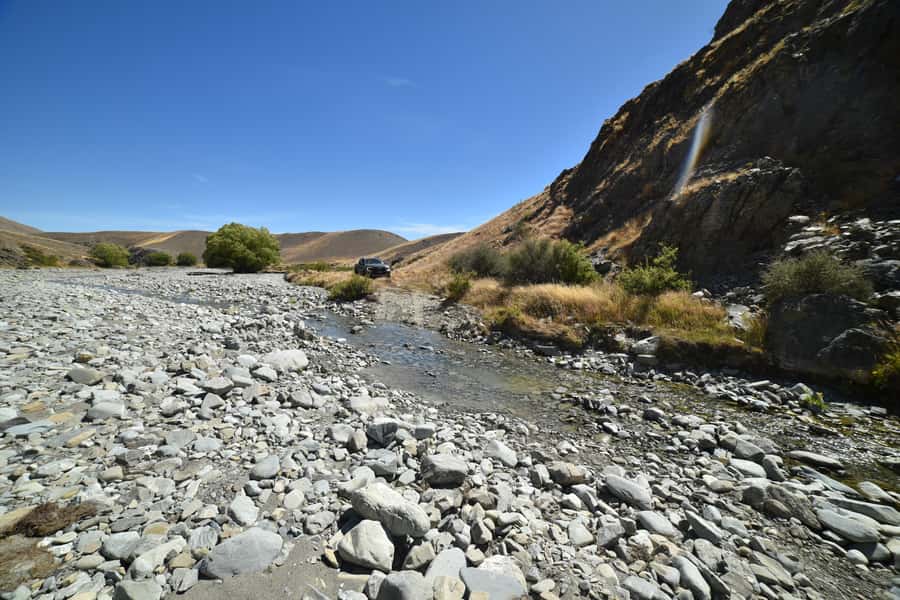
The tour doesn’t only focus on animals. You also pass through varied scenery around Mount Edward and the Tekapo saddle, with bird life tied to the water.
At one of the tarns you’ll pass, you can discover bird life. This is a smart stop style for New Zealand high country, because birds often show themselves where water collects and feeds the local ecosystem. Even if you don’t identify every species, you’ll likely notice more movement and calls once you’re at that water point.
Along the way, the guide’s job is to connect the route to the larger Tekapo story. You’re driving through station country and high country viewpoints, and the commentary helps you understand what’s farmed, what’s protected, and what’s simply too rugged for easy access.
Photo-wise, the Mount Edward and Tekapo saddle areas are the kind of places where the “best” shot is often wide and horizon-level. Bring a camera stance that lets you hold steady for a moment, not just rapid-fire snapping.
Climbing Mt Hay: the view you came for
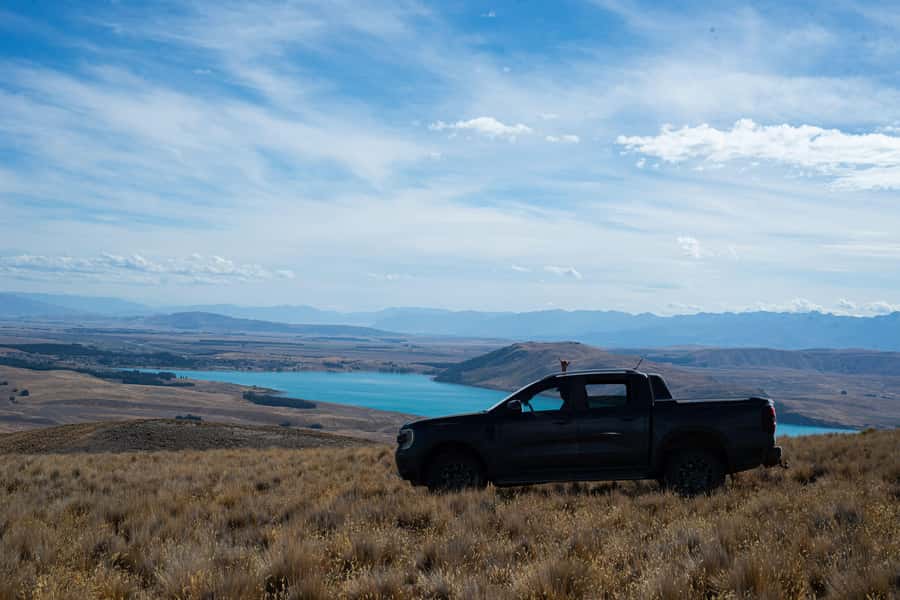
Then the tour climbs Mount Hay, and this is where the 4WD payoff turns into a big-picture moment. You get fantastic views back toward Lake Tekapo Township, including Mount John, down the lake, and out toward Aoraki Mount Cook National Park.
I like this kind of viewpoint because it does two things at once. First, it shows you the shape of the area, how Lake Tekapo fits into the larger mountain system. Second, it helps you orient yourself if you plan to explore other parts of South Island later. After seeing the region from above, it’s easier to understand distance and direction.
The driving up also adds the “adventure” element, which is exactly why this tour exists. You’ll be holding on while you navigate the terrain, and the guide’s local experience helps the journey feel controlled rather than chaotic.
If you’re prone to motion sickness, this is the point where you’ll likely feel it most. The tour is not recommended for motion sickness, pregnant travelers, or anyone with back problems, and the climb is the part most likely to make you regret going.
More trips with a guide attached in Canterbury New Zealand
Phantom Lagoon and Boundary Creek Hut stories, with small refreshments
After the main climb and view time, the itinerary moves to Phantom Lagoon. The lagoon is described as having beautiful waters and a scenic setting, and this is also where you get a small refreshment break.
Even if you’re not a “lagoon person,” I think Phantom Lagoon is a good mental reset. Earlier you’re looking at farm life and big slopes, and here you’re shifting to a quieter water scene. It breaks the ride up so the day doesn’t feel like one long adrenaline stretch.
Then there’s storytelling, specifically about Boundary Creek Hut. I find that kind of local narration adds depth without bogging you down in dates and facts. It’s the practical history angle, tied to what the land has meant for people moving through it.
You’ll finish with stunning views down Lake Tekapo and then a steep descent back to town. That last stretch can be dramatic, and it tends to work well if you want a tour that ends with a “now I get it” view rather than just returning to where you started.
Timing, group size, and what to expect from the 3-hour format
This is a 3-hour tour, and that duration is just right for a specific reason. It’s long enough to include a climb, multiple photo stops, and a couple of different scenery types, but short enough that you’re not stuck on the same track for the whole afternoon.
You’ll experience a rhythm: scenic driving, guided explanation, a photo stop, then more driving. That pacing is helpful, because it gives your eyes a chance to recharge. It also helps you avoid the trap of being told everything at once while you’re bouncing around.
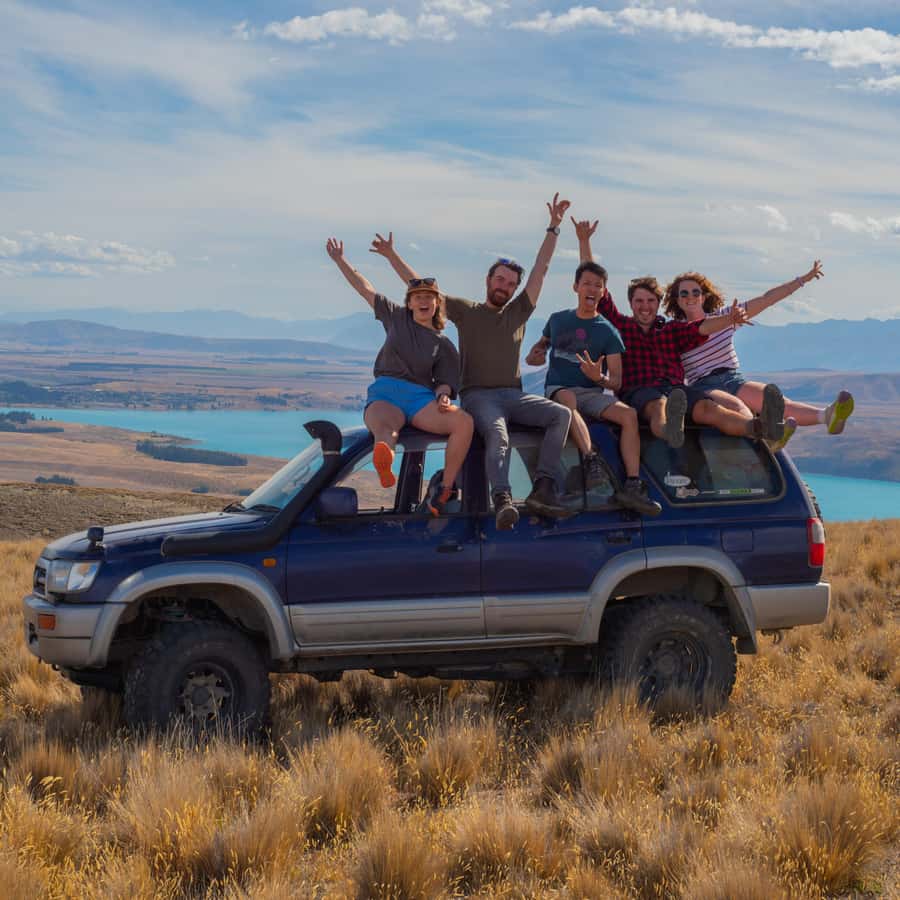
The small group size, limited to 4 participants, also changes the feel of the ride. If you have questions, you’re more likely to get a direct answer. If someone wants extra time at a viewpoint, the group can usually adjust without turning it into a negotiation.
Guide energy matters here too. One named guide you may encounter is Steve, and the common thread is that the guide keeps the trip informative and fun, with background on both Tekapo life and the working station.
Price and value: is $238 per person worth a 3-hour 4WD?
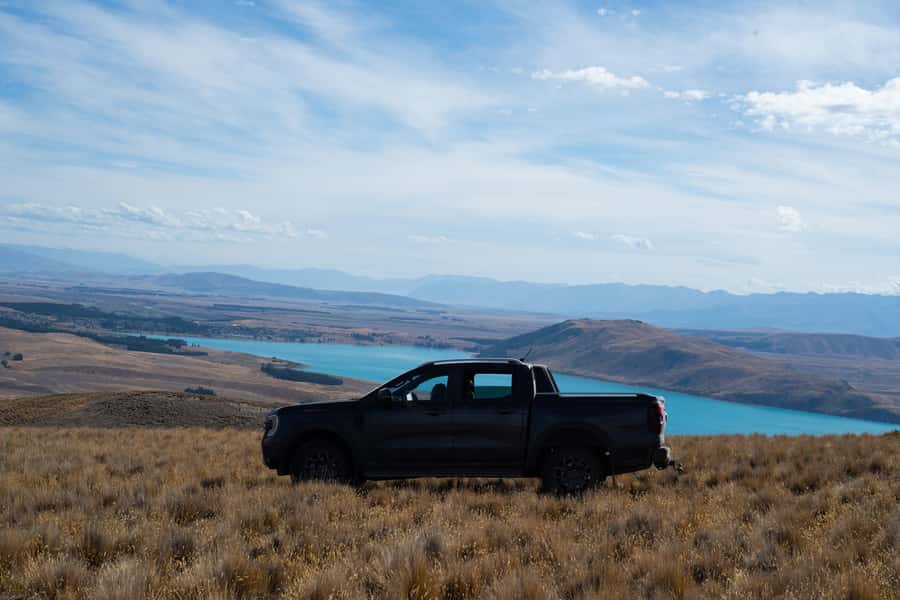
At $238 per person for a 3-hour 4WD tour, you’re paying for more than “a ride.” You’re paying for access to private land, expert local interpretation, and the ability to reach places regular cars cannot.
The value case looks strong if you care about any of these:
- You want exclusive access to 50,000 acres of working farmland, not a quick roadside peek
- You want a live guide who can explain farm life and what wildlife and scenery mean
- You want a vehicle built for the terrain, with the safety and route knowledge that comes with it
- You want viewpoint payoff from Mt Hay plus a scenic stop at Phantom Lagoon, without doing the driving yourself
Where you might question the price is if you only want a short photo stop and you’re comfortable with DIY exploring. But even then, the combination of working farm access, off-road terrain, and guided storytelling is hard to replicate on your own without serious local knowledge.
In other words, this is priced like a premium small-group experience, and it earns that premium by being both practical and scenic.
Carbon positive: what to make of it before you book
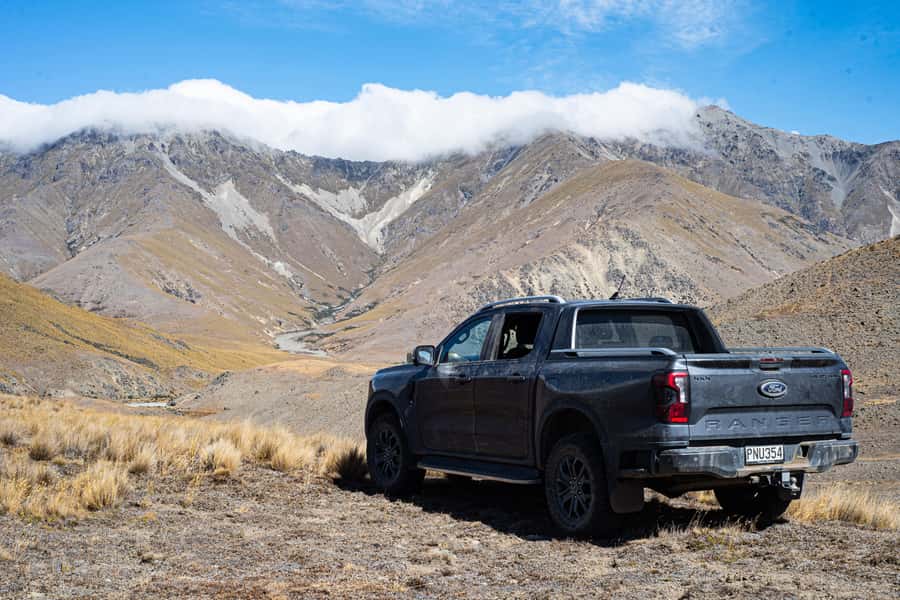
The tour is marketed as carbon positive, which is a meaningful label, but the details of how that positivity is calculated are not provided in the info you have. I’d treat it as a promising direction rather than a proven calculation you can audit from the booking page.
If carbon impact is a deciding factor for you, ask the operator what carbon positive means in their context. You want clarity on whether it’s based on emissions offsets, operational practices, or something else.
Even without that detail, I can still see the travel logic: you’re taking a guided, contained experience in a small group, and you’re getting access to working country that’s not designed for casual stopping. That’s the practical side of sustainability, even if the numbers are unknown.
Who this 4WD tour suits best, and who should skip it
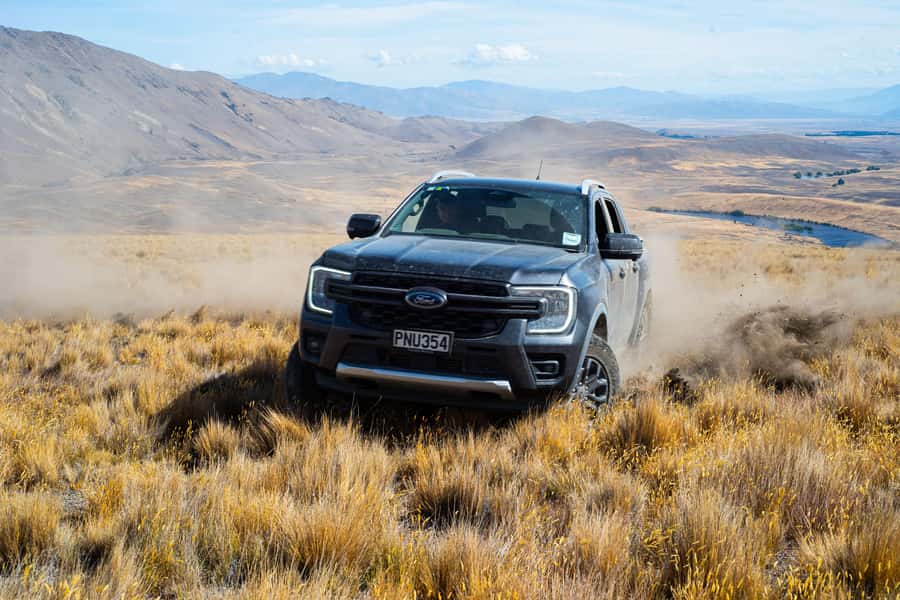
This tour fits best if you want an active way to explore the Mackenzie High Country. It’s a good choice if you’re excited by:
- Working farm life and animal spotting
- Scenic drives plus a climb to major viewpoints
- A guided experience that ties the land to local life
- A compact half-day outing that still includes multiple scenery styles
Skip it if any of the listed limitations apply. It’s not suitable for pregnant women, people with back problems, or those with motion sickness. If you fall into any of those groups, you’ll likely feel worse than you enjoy the scenery.
Should you book Lake Tekapo Guided 4WD Tours to Mt Hay Station?
Book it if you want a guided 4WD experience that combines working station access, wildlife chances, and a true viewpoint climb in just 3 hours. The small group size, light refreshments, and exclusive access to 50,000 acres make it feel like more than a standard sightseeing loop.
Don’t book it if you’re worried about rough terrain effects or if motion sickness or back issues are on your list. In that case, you’ll be fighting the ride instead of enjoying the views.
If you want a “see the working place behind the postcard” kind of Lake Tekapo day, Mt Hay Station is one of the strongest options you can choose.
The Wider Canterbury New Zealand Shortlist
Everything Else We Wrote Up in Canterbury New Zealand
Aoraki and the Mackenzie
Just added to our Canterbury New Zealand notes
- Mount Cook, Lake Pukaki: Billion Star Dining★ 4.8 · 6 reviews
- Lake Tekapo Guided 4WD Tours (Small Group, Carbon Positive)★ 5.0 · 7 reviews
- Canterbury: Mount Aorak/Cook Sightseeing Helicopter Flight★ 4.8 · 7 reviews
- Mount Cook: Tasman Glacier & National Park Scenic Flight★ 4.8 · 20 reviews
- Twizel Stargazing Experience with a Guide (Carbon Positive)★ 4.7 · 26 reviews
- Akaroa: Scenic Coastline Wildlife Cruise★ 5.0 · 32 reviews
Aoraki Mount Cook and Lake Tekapo, compared.
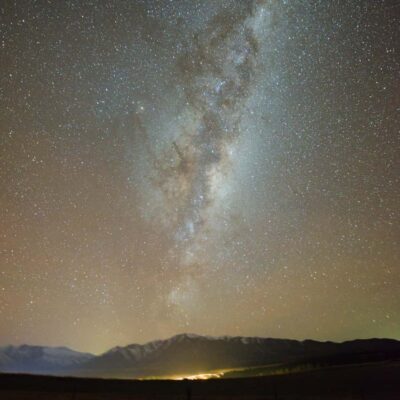 ★ 4.5Lake Tekapo: Alpine Stargazing Experience with a GuideFrom $59626 reviews
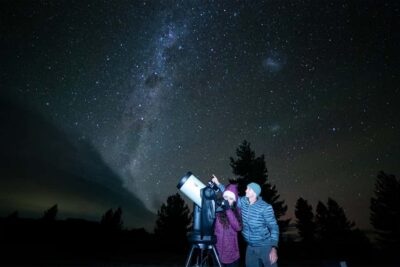 ★ 4.9Lake Tekapo: Stargazing ExperienceFrom $71607 reviews
 ★ 4.9Mount Cook & Lake Tekapo Day Tour from ChristchurchFrom $146483 reviews
 ★ 4.8Mount Cook: Scenic Helicopter Flight with Alpine LandingFrom $226442 reviews
 ★ 5.0Mt Cook Small Group Scenic Day Tour from QueenstownFrom $164407 reviews
 ★ 5.0Mount Cook, Lake Tekapo and Tasman Glacier Tour from ChristchurchFrom $155353 reviews
 ★ 4.6From Christchurch: Mt Cook Day Tour & Lake TekapoFrom $175331 reviews
 ★ 4.8From Queenstown: Mt Cook & Tasman Glacier Viewpoint Day TourFrom $146329 reviews
Browse the lists this tour appears in