
REVIEW · AORAKI MOUNT COOK AND LAKE TEKAPO
Mount Cook, Lake Pukaki: Billion Star Dining
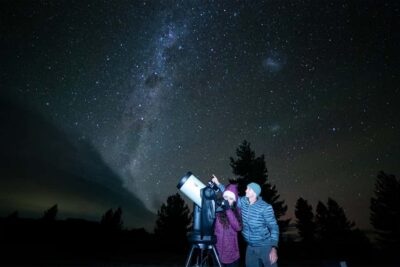
Mount Cook nights have a way of changing your mood. This 4-hour experience pairs The Moraine fine dining with guided stargazing at Pukaki Observatory, under a retractable-roof sky. I really like the two-part flow here, because you get a proper sit-down meal first, then you shift from comfort to cold, clean starlight with an astro-guide. The other big win is the hands-on telescope viewing through a 9-inch reflector, not just a lecture. One thing to consider: the stargazing depends on weather, so plan for the possibility that clouds can cut the show short.
Small group, big attention. You also start with a welcome drink in the wine cellar and get a Southern-sky primer before the roof opens, which makes the whole night feel less random and more like you know where to look. The dining runs even in bad weather, so you are not paying purely for starlight, and that balance matters.
In This Review
- Key highlights you will feel in your evening
- The Moraine dinner: a refined start before the cold night sky
- Welcome drink in the wine cellar: learning the Southern sky first
- Pukaki Observatory after dinner: retractable roof viewing that feels cinematic
- Through the telescope: Saturn rings, Jupiter bands, clusters, nebulae
- Weather and timing: how to protect your night plan
- Getting there: the gate, the sign, and the short walk
- What you should bring (and what to wear for an actual comfortable evening)
- Price and value: what $224 per person is really buying
- Small group astronomy: why limited numbers make the experience better
- Who should book this, and who should skip it
- A quick booking checklist before you commit
- Should you book Billion Star Dining at Pukaki Observatory?
- FAQ
- How long is Billion Star Dining?
- How much does it cost per person?
- What is included in the experience?
- What happens if the weather is bad?
- Where is the meeting point?
- What should I bring?
- Is the group small?
- What can you see during the telescope session?
- Is it suitable for children?
Key highlights you will feel in your evening
- The Moraine dinner with fresh, innovative cuisine to set the tone
- Wine cellar welcome drink paired with a Southern-sky introduction
- Pukaki Observatory designed for stargazing, with a retractable roof
- 9-inch reflector telescope used for real viewing of planets and deep-sky objects
- Aurora Australis chance on special nights, if conditions cooperate
Higher up, around Aoraki and Tekapo
- From Queenstown: Mount Cook Heli-Hike and Bus Tour Combo
★ 4.8 · 42 reviews - Twizel Stargazing Experience with a Guide (Carbon Positive)
★ 4.7 · 26 reviews - Mount Cook: Tasman Glacier & National Park Scenic Flight
★ 4.8 · 20 reviews - Lake Tekapo Guided 4WD Tours (Small Group, Carbon Positive)
★ 5.0 · 7 reviews
The Moraine dinner: a refined start before the cold night sky
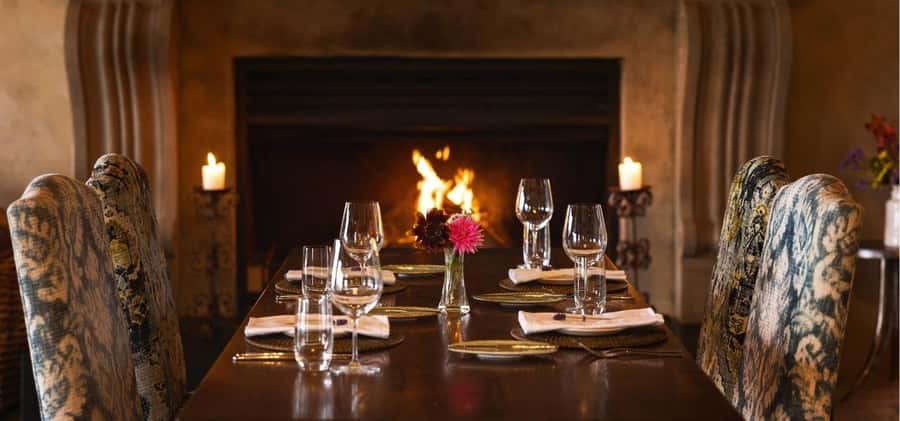
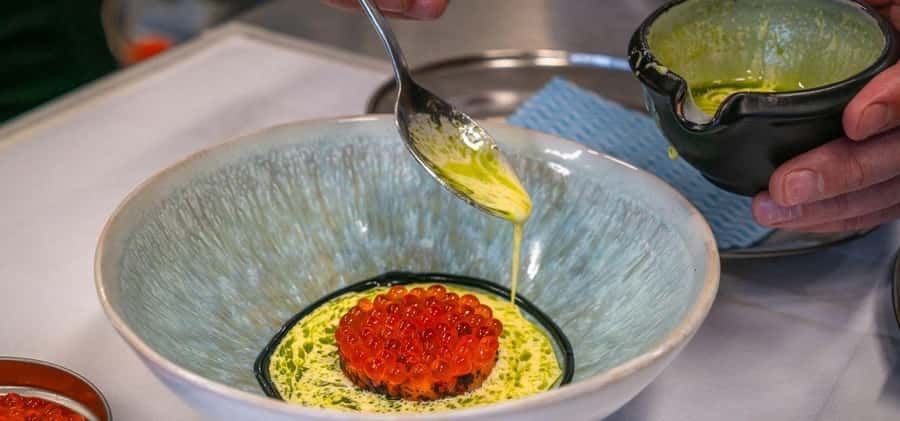
This evening begins at The Moraine, where the focus is a sit-down fine dining experience with fresh, innovative cuisine. For me, that is the smart way to do stargazing. You are not trying to eat fast or snack through a schedule. You arrive, you settle in, and you build an evening you can actually enjoy, even if the sky turns moody later.
The value angle is also clear. At $224 per person for a 4-hour experience, you are paying for more than a meal and more than a “look at stars” moment. You are paying for dinner, a guide-led stargazing session, and use of a telescope setup that takes the night beyond casual sightseeing. If you have ever booked an astronomy activity that ends up being mostly talking, this format feels more complete.
One practical point. The dining portion will still go ahead in bad weather. That matters in the Mackenzie dark-sky region, where conditions can shift quickly, and you do not want your whole evening to disappear because of clouds.
Welcome drink in the wine cellar: learning the Southern sky first
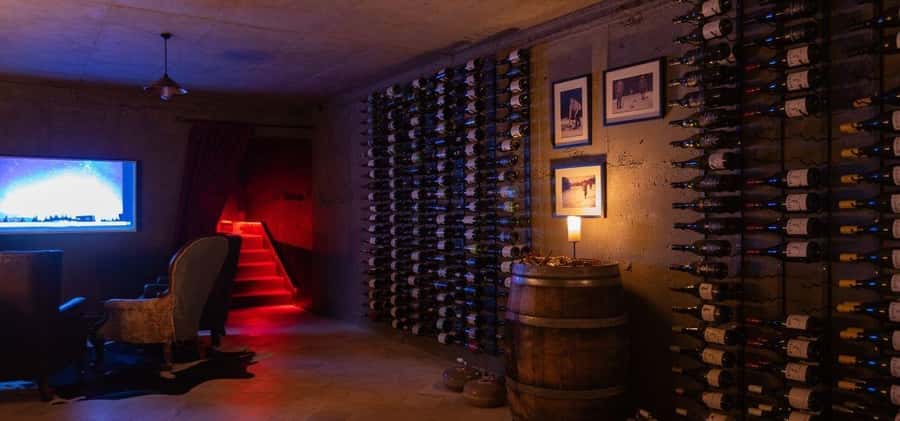
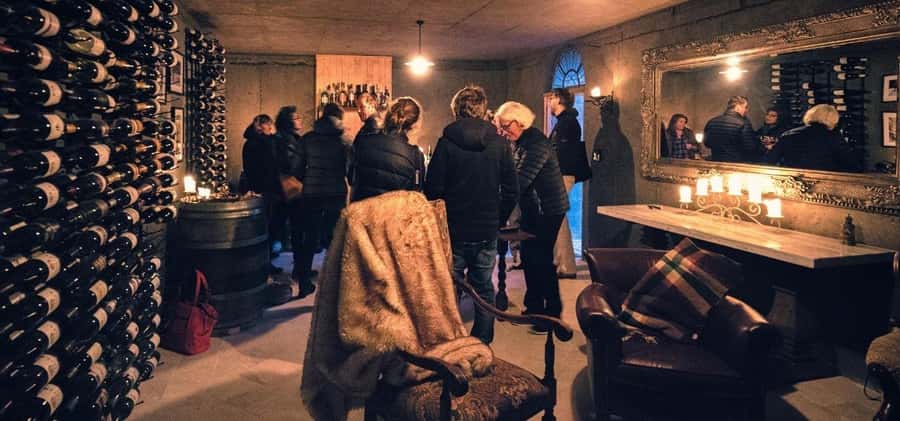
Before you head out for the telescope viewing, you get a welcome drink in the wine cellar. This is not just a prelude to warm you up. It is where you get introduced to the Southern sky and what you will be looking for later.
That pre-brief is genuinely useful. When you arrive at a dark sky, you can end up staring upward and hoping for something dramatic. With a primer, you start to connect the names and shapes you hear with what your eyes can actually pick out. The result is that the night feels guided, not generic.
And yes, it is also a pleasant pacing tool. In a short 4-hour window, it keeps the evening from feeling like a sprint. You get a drink, you get context, then you move to the observatory at a comfortable rhythm.
Pukaki Observatory after dinner: retractable roof viewing that feels cinematic
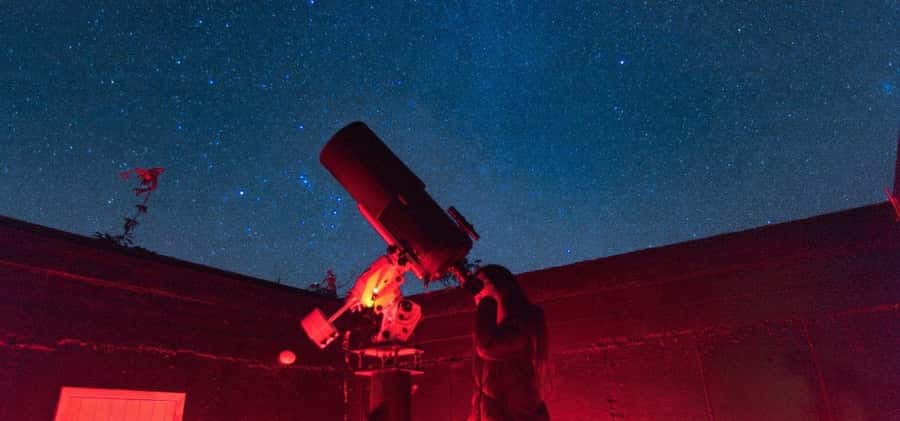
Next stop is the Pukaki Observatory, where an astro-guide hosts your stargazing session. This building is purpose-built for astronomy, with a retractable roof and a 9-inch reflector telescope. When the roof recedes, the observatory walls create a framing effect, turning the sky into something you can almost “look into.”
I like these kinds of designed astronomy spaces because they reduce the usual chaos of “stand around in the cold and point.” Here, you are in a controlled setup, with the equipment ready and the guide managing the flow. It keeps your attention on what matters: seeing details, not fighting equipment confusion.
The roof and telescope setup also change how you experience the stars. It is not just a field at night. It is an observatory moment, and it helps you stay focused while your eyes adjust to darkness.
Through the telescope: Saturn rings, Jupiter bands, clusters, nebulae
This is where the tour earns its name. Your telescope viewing includes Saturn’s rings and Jupiter’s bands, plus a mix of star clusters and nebulae. The guide also looks at other planets when conditions allow.
Here is why that matters for you. Planet viewing through a decent reflector telescope tends to feel different from seeing planets with your naked eye. Naked-eye planets look like bright points. Through the telescope, you start to notice structure, contrast, and surface-like markings. With Saturn’s rings and Jupiter’s bands specifically listed, this is aimed at the kind of “wait, that is real detail” moments people remember.
You can also expect views of deep-sky objects like nebulae and clusters. Those are the ones that make the sky feel layered instead of flat. You are not only spotting bright things. You are seeing how rich the night sky can be when you are guided to targets and given time to observe.
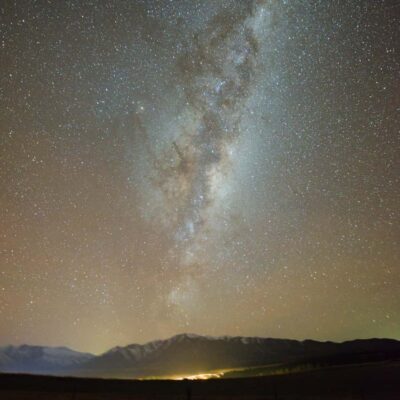
On special nights, you might also get a glimpse of the Southern Lights, or Aurora Australis. That is not guaranteed, but it is included as a possibility. If you are a first-time visitor to the South Island skies, that chance alone makes stargazing here feel extra special.




Weather and timing: how to protect your night plan
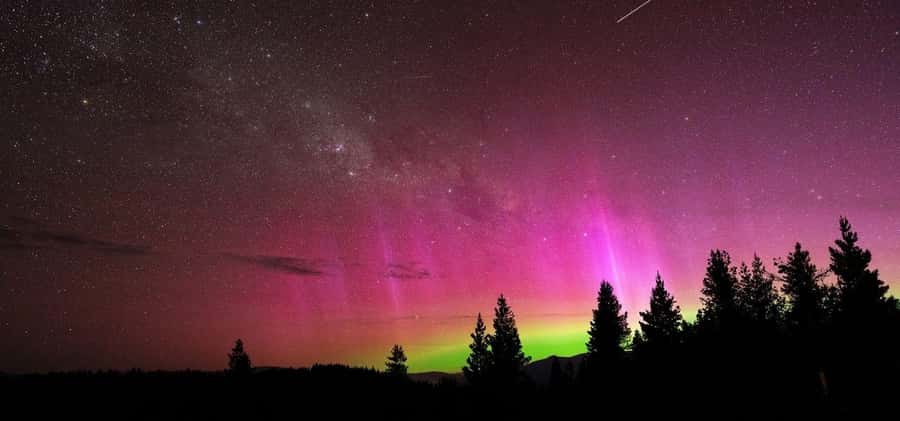
Stargazing is weather dependent, so keep your expectations flexible. In practice, this is the tradeoff with almost every astronomy tour in a region like this. If clouds roll in or visibility drops, the telescope session can be limited.
The good news is the structure helps you cope. Even if the stargazing portion is impacted, the dining portion still goes ahead in bad weather. That way, you still get the main experience of the evening, not just a partial refund and a sad walk back.
Timing wise, the whole experience runs about 4 hours. That is long enough for dinner plus a proper stargazing session, but short enough that you are not sacrificing a full day. You will want to check starting times for availability, since the schedule can vary.
Getting there: the gate, the sign, and the short walk
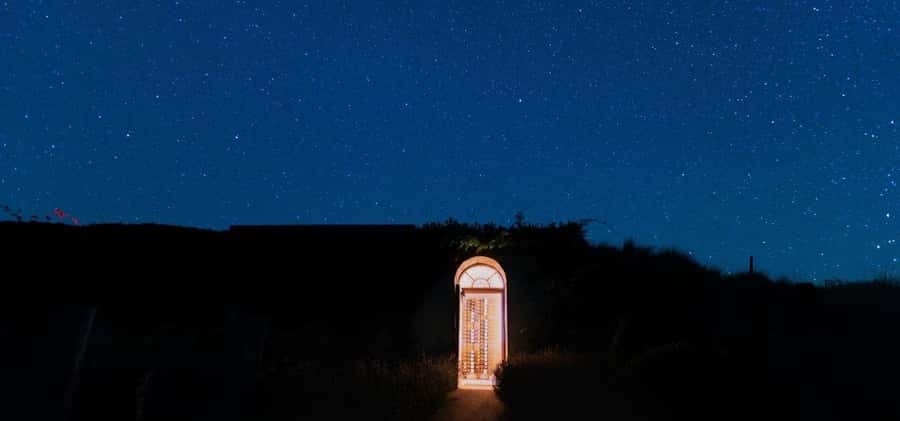
Meeting point instructions are specific, and you should follow them closely to avoid stress. The entrance gate to the property is about 860 meters from the SH80/SH8 turnoff. Look for the sign at the gate, then note that the observatory is roughly 1.2 kilometers from the gate.
This is one of those details that can save you time at the end of a long day. You do not want to arrive late and feel rushed in cold weather, especially when your best window for clear skies might be limited.
What you should bring (and what to wear for an actual comfortable evening)
Warm clothing is the big one. You are doing fine dining indoors, then switching to stargazing at an observatory. Even if the forecast looks decent earlier, temperatures can feel sharp once you stop moving and look up for long stretches.
Comfortable layers work best because you can adjust as you move between dinner and the telescope. If you only pack a light jacket, you might be fine for the first part and then regret it once you settle in for viewing.
This is not a short “peak at the sky” activity. Stargazing often means standing or sitting still long enough for cold to creep in, so dress like you expect to be there for a while, not like you are just stepping out for a photo.
Price and value: what $224 per person is really buying
At $224 per person for a 4-hour Billion Star Dining experience, you are not just paying for atmosphere. You are buying a full evening package that includes:
- Fine dining at The Moraine
- A welcome drink
- A guided stargazing session at Pukaki Observatory
- Use of a 9-inch reflector telescope
That combination is the key value point. Many astronomy experiences include commentary but do not give you meaningful telescope viewing time. Here, the telescope is part of the core. You are also not doing stargazing without a meal. Eating first makes the evening feel like a true event, not an endurance test.
It is also a small group experience, limited to 10 participants. Smaller groups tend to mean the guide can keep eyes on what everyone is seeing and adjust the experience to what the sky is doing that night. In astronomy, that attention matters, because targets and timing depend on visibility.
One more value reality check: there is a minimum charge for two people. If you are traveling solo and hoping to book just one seat, that minimum matters to your budget.
Small group astronomy: why limited numbers make the experience better
This tour caps the group at 10 participants. That is a sweet spot for stargazing. Too many people and you get crowding around the telescope and half the group guessing what they are supposed to look at. With a smaller number, you are more likely to get clear guidance and a better sense of where the guide is pointing.
You also get a live English guide, which helps a lot when you are learning the Southern sky. Astronomy terms can sound abstract. When someone explains what you are seeing in plain language, the night makes more sense.
Another good fit detail. The experience is not suitable for children under 10. That is less about being strict and more about matching the setting. Stargazing tours expect patience, quiet, and time outdoors, and that is easier for older kids and adults to handle.
Who should book this, and who should skip it
Book it if you want a New Zealand evening that feels like more than scenery. This is ideal for couples, date-night planners, and astronomy-curious travelers who do not just want star photos, you want a real guided view. It is also a great match if you like structured experiences that still feel romantic and special.
Skip it or lower your expectations if you are traveling during a weather-heavy stretch and you hate uncertainty. Because stargazing is weather dependent, you could end up with fewer telescope moments than planned. The dinner still works in bad weather, but if starlight is your only reason for booking, this is the risk.
A quick booking checklist before you commit
Here is what I would sort out before booking so the night stays stress-free:
- Pack warm layers, not just a light jacket
- Plan for weather changes, especially for clear visibility
- Be ready to follow the meeting instructions carefully (gate sign, then walk to the observatory)
- Aim for good timing on the day so you start dinner relaxed and ready
- Bring a flexible mindset, because stargazing can be limited by clouds
Should you book Billion Star Dining at Pukaki Observatory?
If you want one memorable evening in Mount Cook and Lake Pukaki that combines excellent dining with guided telescope viewing, this is a strong pick. The structure makes sense: dinner first, Southern-sky context next, then telescope time with a guide. The small group size and the specific planet and deep-sky targets listed make it feel purpose-built, not generic.
The only real reason to hesitate is weather dependence. If you can handle that uncertainty, you are likely to come away with the kind of night you remember when you get home. If you cannot handle the possibility of clouds, plan for the dinner to be your win and keep your expectations for the stars slightly softer.
FAQ
How long is Billion Star Dining?
The experience runs for about 4 hours.
How much does it cost per person?
It costs $224 per person.
What is included in the experience?
It includes fine dining at The Moraine, a stargazing experience at Pukaki Observatory, a welcome drink, and use of a 9-inch reflector telescope.
What happens if the weather is bad?
The dining portion will proceed in bad weather, but stargazing is weather dependent.
Where is the meeting point?
The entrance gate is about 860 meters from the SH80/SH8 turnoff. Look for the sign at the gate, and follow signs to the observatory, which is about 1.2 kilometers from the gate.
What should I bring?
Bring warm clothing.
Is the group small?
Yes. It is limited to a maximum of 10 participants.
What can you see during the telescope session?
You may see Saturn rings, Jupiter bands, star clusters, nebulae, and planets.
Is it suitable for children?
It is not suitable for children under 10.
Everything Else We Wrote Up in Canterbury New Zealand


Aoraki and the Mackenzie

Just added to our Canterbury New Zealand notes
- Mount Cook, Lake Pukaki: Billion Star Dining★ 4.8 · 6 reviews
- Lake Tekapo Guided 4WD Tours (Small Group, Carbon Positive)★ 5.0 · 7 reviews
- Canterbury: Mount Aorak/Cook Sightseeing Helicopter Flight★ 4.8 · 7 reviews
- Mount Cook: Tasman Glacier & National Park Scenic Flight★ 4.8 · 20 reviews
- Twizel Stargazing Experience with a Guide (Carbon Positive)★ 4.7 · 26 reviews
- Akaroa: Scenic Coastline Wildlife Cruise★ 5.0 · 32 reviews
Aoraki Mount Cook and Lake Tekapo, compared.
 ★ 4.5Lake Tekapo: Alpine Stargazing Experience with a GuideFrom $59626 reviews
 ★ 4.9Lake Tekapo: Stargazing ExperienceFrom $71607 reviews
 ★ 4.9Mount Cook & Lake Tekapo Day Tour from ChristchurchFrom $146483 reviews
 ★ 4.8Mount Cook: Scenic Helicopter Flight with Alpine LandingFrom $226442 reviews
 ★ 5.0Mt Cook Small Group Scenic Day Tour from QueenstownFrom $164407 reviews
 ★ 5.0Mount Cook, Lake Tekapo and Tasman Glacier Tour from ChristchurchFrom $155353 reviews
 ★ 4.6From Christchurch: Mt Cook Day Tour & Lake TekapoFrom $175331 reviews
 ★ 4.8From Queenstown: Mt Cook & Tasman Glacier Viewpoint Day TourFrom $146329 reviews
Browse the lists this tour appears in