
REVIEW · HELICOPTER TOURS
Canterbury: Mount Aorak/Cook Sightseeing Helicopter Flight
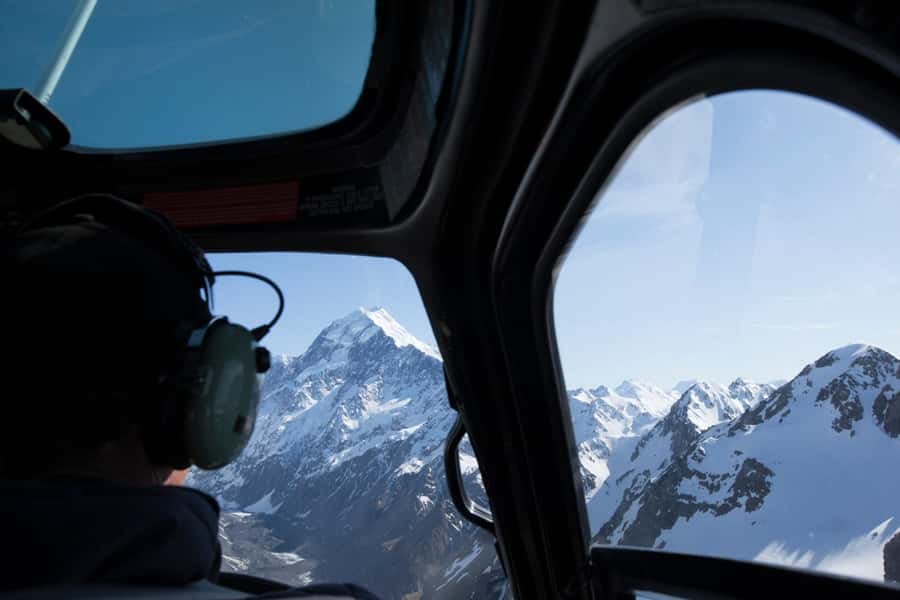
Aoraki/Mt Cook from the air changes everything. This short helicopter flight over the Southern Alps delivers up-close views of New Zealand’s highest peak and a dramatic alpine landing that feels worlds away from a bus ride.
Two things I really like here: the pilot-led inflight commentary about Aoraki/Mt Cook National Park, and the chance to see the Tasman Terminal Lake icebergs from above before you head back. The one possible drawback is simple, and it matters: flights are weather dependent, so you should be ready for schedule shifts.
In This Review
- Key things to know before you go
- Helicopter timing, views, and why this 30 minutes feels like a full adventure
- Mount Cook Airport check-in and the preflight safety vibe
- Over Aoraki/Mt Cook National Park: what you really see from the cockpit
- Tasman Terminal Lake icebergs: the photo moment that actually makes sense
- The alpine landing: why it’s the best part of a short flight
- Headsets, noise, and how to get the commentary you paid for
- What to bring, what not to bring, and how to stay comfortable
- Weather, minimum bookings, and why flexibility is part of the deal
- Price and value: is $230 per person worth a 30-minute flight?
- Who should book this helicopter flight from Canterbury to Mount Cook?
- Should you book? My practical call
- FAQ
- How long is the helicopter flight?
- Where do I check in for the flight?
- What’s included in the price?
- Is hotel pickup or drop-off included?
- Are drones or selfie sticks allowed?
- Are flights guaranteed to run as scheduled?
- Is the experience wheelchair accessible and is the tour commentary in English?
Key things to know before you go
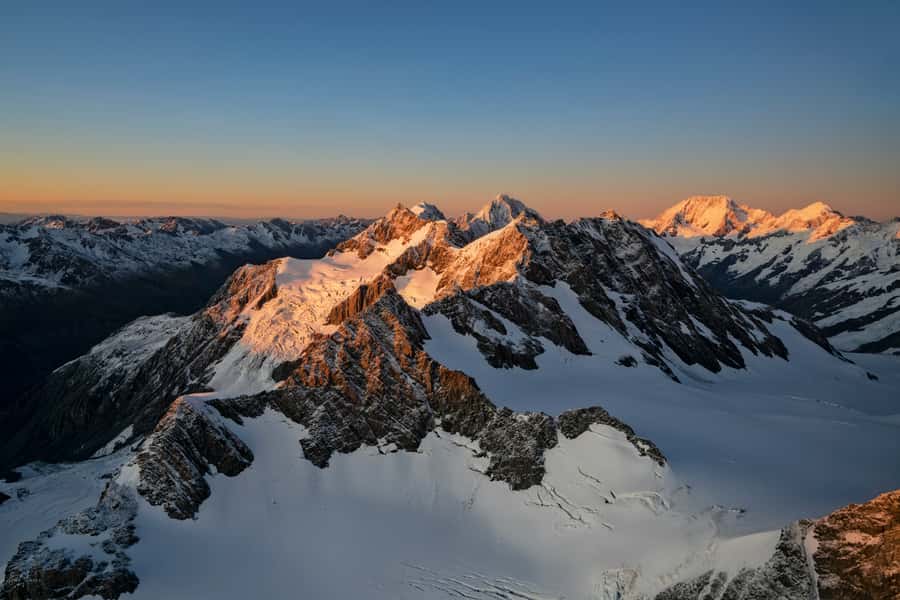
- Aoraki/Mt Cook from a perspective you cannot fake: you get real aerial scale on the country’s highest mountain
- Pilot commentary throughout: you’ll learn what you’re looking at, not just stare out the window
- Tasman Terminal Lake icebergs on your route: an impressive sight that looks totally different from the air
- An actual alpine landing: you get more than a flyover, plus great photo angles afterward
- Expect headset quirks: the headset can be a bit noisy, so don’t count on hearing every detail perfectly
- Weather can change timing: cloud cover can mean a new departure time
Still weighing up the options? These are the other Canterbury New Zealand trips we have written up.
- Akaroa: Guided Sunrise Sea Kayaking Tour
★ 4.8 · 59 reviews - From Queenstown: Mount Cook Heli-Hike and Bus Tour Combo
★ 4.8 · 42 reviews - Akaroa: Scenic Coastline Wildlife Cruise
★ 5.0 · 32 reviews - Twizel Stargazing Experience with a Guide (Carbon Positive)
★ 4.7 · 26 reviews
Helicopter timing, views, and why this 30 minutes feels like a full adventure
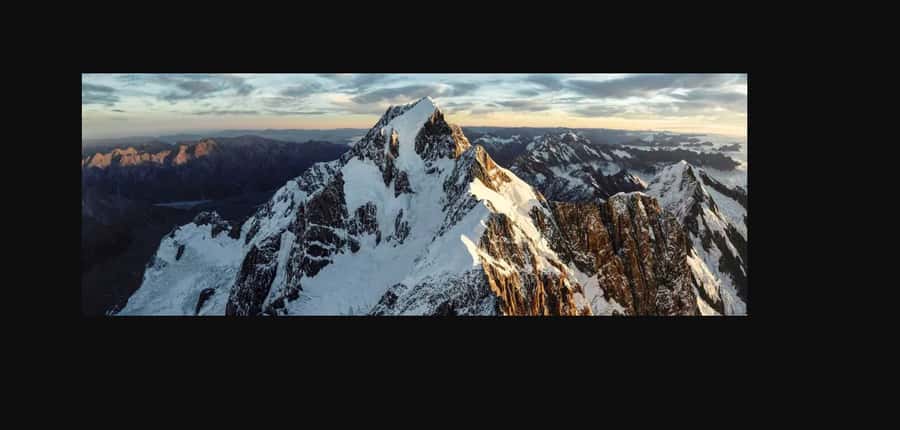
Let’s be honest, 30 minutes on paper sounds short. In this case, that’s exactly why it works. You’re buying a compact hit of Southern Alps scenery, flown by a pilot who knows where to point the aircraft so the views make sense, not just generic sightseeing.
The big appeal is scale. From the ground, Aoraki/Mt Cook can look impressive, but from the air it looks like it owns the whole region. You also get that quick contrast of glacier-fed ice and rugged peaks, especially when you fly past and over the Tasman Terminal Lake icebergs.
If you’re the type of traveler who hates long logistics for limited time, this is a rare match. You can add it without gutting your whole day, and still come away with a memory that feels serious.
Mount Cook Airport check-in and the preflight safety vibe
You check in with Southern Lakes Helicopters at Mount Cook Airport. There’s no hotel pickup, so plan on getting yourself there in time. That matters because helicopter flights run when they run, and the day can be rearranged by weather.
Before takeoff, you get a full safety briefing. It’s not just the legal stuff. The briefing sets you up for what to expect in the cabin, especially if you’ve never ridden in a helicopter before. The goal is for you to feel comfortable and confident before the aircraft starts moving.
One detail I appreciate is how much attention the crew seems to pay to people’s needs. In at least one case, staff helped a traveler with mobility needs to get in and out of the helicopter. If you need extra time or assistance, it’s worth being upfront so the team can help you smoothly.
Over Aoraki/Mt Cook National Park: what you really see from the cockpit
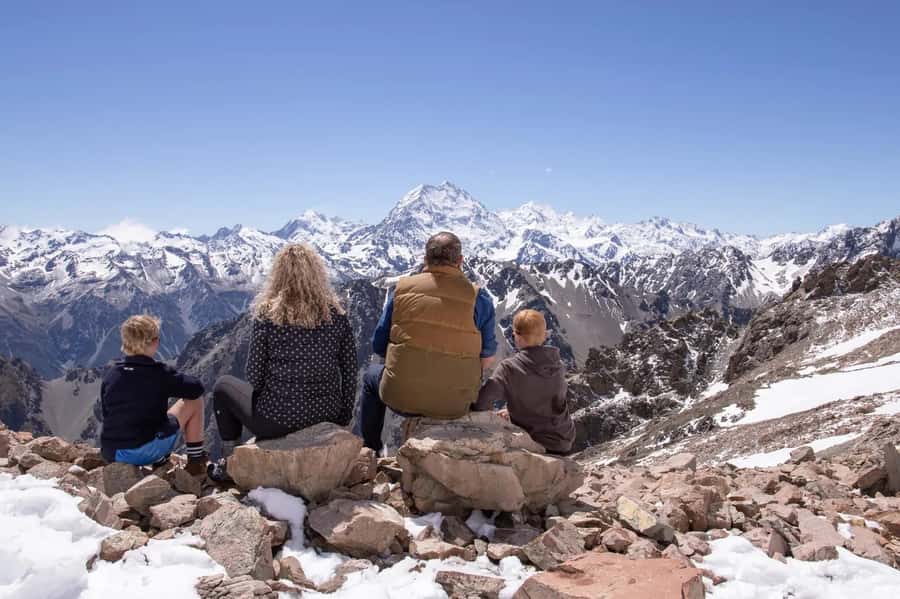
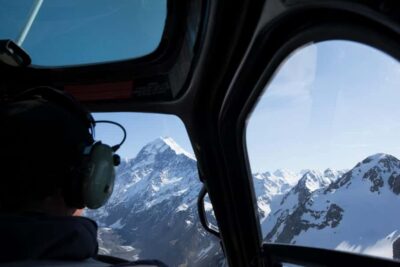
Once you’re airborne toward the Southern Alps, your main focus becomes Aoraki/Mt Cook. This is the tallest mountain in New Zealand, and helicopter height gives you a totally different read on the terrain. You’re not just looking at one peak. You’re seeing how the mountain sits above valleys, ridges, and glacial systems.
You’ll also get inflight commentary from the pilot, in English. That’s a big part of the value here. You’re flying with someone actively interpreting the scenery, so you understand what you’re looking at, instead of guessing.
The pilot’s job gets real fast. The air can include moments of turbulence near the mountain area, which can make you feel a bit exposed if you’re sensitive. This is normal in mountainous regions. The upside is that it’s also the part where you get to see the range up close, and then settle into the views for the rest of the flight.
Tasman Terminal Lake icebergs: the photo moment that actually makes sense
One of the most talked-about visual points on this flight is the Tasman Terminal Lake with its icebergs. From the air, the ice isn’t just a cold background detail. It becomes a scene with shape, edges, and texture, and it helps you understand how glacier melt turns into floating ice.
For photography, plan on two modes:
- Fast framing through the window while you’re still on approach
- Slower, steadier shots when you’re positioned for the clearest angle
If you’re using a camera, keep it accessible before takeoff so you can start shooting quickly once the best views open up. Also remember the basics: sunglasses help for glare, and sunscreen matters even in cooler mountain air because the light can be sharp.
This is one of those experiences where looking away from your lens for a few seconds is worth it. The views are strong enough that you’ll want to just watch for a moment.

The alpine landing: why it’s the best part of a short flight
A lot of helicopter experiences are flybys. This one includes an alpine landing, which changes the whole feel of the trip.
When you land, you get time to look around, take pictures, and breathe mountain air that feels crisp and clean. Even if you don’t have a long hike, the landing puts you on the map emotionally. You’re not just riding over a place, you’re briefly in it.
It also gives you a practical photo advantage. From ground level, your angle changes. Snowy peaks and glacial features can look more dramatic because they’re no longer framed only through the window. If you care about getting a shot that looks like you were really there, this part helps a lot.
Note: some flights may vary depending on what’s possible, including the kind of alpine landing you get. If landing type is important to you, ask when booking. It’s also where paying attention to pilot guidance helps, since you’ll be following safety instructions on the ground.
Headsets, noise, and how to get the commentary you paid for
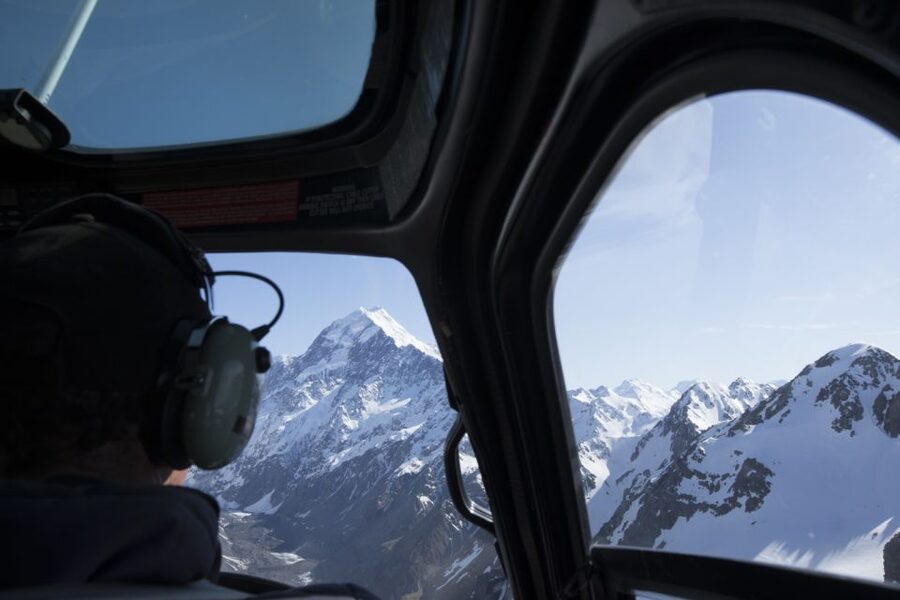
The inflight commentary is one of the key reasons people rate this experience highly. Still, there’s a real-world catch: the headset can be noisy, and you might miss parts of the pilot introduction depending on wind and how your setup fits.
So go in with a simple expectation. Don’t aim for perfect audio of every sentence. Instead, treat the commentary as guided highlights. The pilot will point out major sights, explain what you’re seeing, and connect the scenery to the national park.
Practical tip: bring your own sense of what you want to hear. If you’re most interested in the icebergs, focus on that area of the route. If you care more about Aoraki/Mt Cook’s terrain, lean into those moments. You’ll still get the big picture even if you miss a line or two.
What to bring, what not to bring, and how to stay comfortable
This trip is weather-dependent and high-altitude-ish, so dress like you’re going to be outside. Bring warm clothing and wear comfortable shoes. The helicopter cabin can be cooler than you expect, and you’ll feel the difference even more at landing.
Also bring:
- Sunglasses (glare off snow and ice can be intense)
- Camera (you’ll want it for ice, peaks, and landing angles)
- Sunscreen (mountain light is strong)
What not to bring:
- Drones
- Selfie sticks
These rules are straightforward, but they matter for planning. If you’re used to packing a drone for scenic trips, this is the one helicopter flight where you’ll need to leave it behind.
If you’re traveling with accessibility needs, confirm your situation at booking. The operator has shown they can help with getting in and out of the helicopter, which is a real quality-of-service plus on tight schedules.
Weather, minimum bookings, and why flexibility is part of the deal
Everything here rides on weather. Cloud cover can cancel or delay flights, and you should expect that. Helicopters can fly where roads cannot, but mountains and clouds still set real limits.
There’s also a minimum booking factor. If seats don’t hit the minimum for a specific departure, your timing may shift. In practice, that can mean a different departure time than what you first expected.
Here’s what I recommend so weather doesn’t ruin your day:
- Keep your schedule flexible around Mount Cook Airport
- Be ready to pivot to the next available flight if the morning one slips
- Double-check what time you’re supposed to be at the airport close to departure
Good service makes a difference when plans change. There’s at least one case where the person at the counter, Cain, helped rebook for an afternoon flight after a morning departure was canceled due to cloud cover. That kind of hands-on support is exactly what you want on a weather-dependent day.
Price and value: is $230 per person worth a 30-minute flight?
At $230 per person, this is not a budget activity. But it’s also not priced like a casual sightseeing add-on. You’re paying for:
- A pilot qualified to fly in mountainous conditions
- Inflight commentary in English
- A full safety briefing
- A 30-minute flight that includes both glacier scenery and an alpine landing
When I look at value, the key question is whether you get more than pretty pictures. Here, you do. The landing gives you time on the ground, and the icebergs plus Aoraki/Mt Cook views are the sort of sights you usually need a full day to reach. Helicopter time compresses that.
If you’ve already got limited time in the South Island, this price starts to make more sense. It can be a high-impact use of a half-day, especially compared with arranging multiple drives and long hikes for a similar payoff.
One more angle: you’re also buying confidence. A well-maintained craft and clear safety briefing matter when you’re dealing with turbine sounds, vibration, and mountainous weather patterns.
If you want extra privacy, there’s also an option to request an exclusive flight. You’d need to let the provider know at booking and they’ll confirm the cost.
Who should book this helicopter flight from Canterbury to Mount Cook?
This is a great choice if:
- You want a short adventure with huge visual payoff
- You care about learning what you’re seeing, not just looking out a window
- You’re comfortable with the idea that weather could shift timing
- You want to include Aoraki/Mt Cook and icebergs without losing your whole day on logistics
You might skip it if:
- You need guaranteed timing down to the hour (weather dependency is real)
- You dislike the noise level of a headset and need very clear audio to enjoy a tour
- You want more than a brief landing and photo stops
If you’re a first-timer to helicopters, the safety briefing plus pilot guidance is exactly what you want. If you’ve flown before, you’ll still likely appreciate the combination of commentary and landing, not just the flight.
Also, for small comfort matters: you’ll be in shared flight conditions, so this is not a silent, private experience. It’s an active scenic outing.
Should you book? My practical call
I think you should book this flight if you’re excited by Aoraki/Mt Cook from the air and you want an alpine landing included in the mix. The best parts here are the same ones that earn high ratings: strong scenic moments, pilot-led commentary, and the landing that turns a ride into a real stop.
My main caution is weather. If your trip has little flexibility, you might feel stressed if clouds move in. If you can wait it out and adjust, this becomes a smart, efficient way to get a standout Southern Alps experience.
If you want to make the most of it, come dressed for cold, bring sunscreen and sunglasses, and treat the headset as helpful, not perfect. Then focus on the big sights, Aoraki/Mt Cook first, Tasman Terminal Lake icebergs second, and the landing as your golden photo window.
FAQ
How long is the helicopter flight?
The flight duration is 30 minutes.
Where do I check in for the flight?
Check in with Southern Lakes Helicopters at the Mount Cook Airport.
What’s included in the price?
Included are the 30-minute helicopter flight, the pilot, inflight commentary, and a full safety briefing.
Is hotel pickup or drop-off included?
No, hotel pickup and drop-off are not included.
Are drones or selfie sticks allowed?
No, drones and selfie sticks are not allowed.
Are flights guaranteed to run as scheduled?
No. All flights are weather dependent, and the tour is also subject to a minimum booking number.
Is the experience wheelchair accessible and is the tour commentary in English?
Yes, the experience is wheelchair accessible, and the live tour guide provides commentary in English.
Everything Else We Wrote Up in Canterbury New Zealand
Just added to our Canterbury New Zealand notes
- Mount Cook, Lake Pukaki: Billion Star Dining★ 4.8 · 6 reviews
- Lake Tekapo Guided 4WD Tours (Small Group, Carbon Positive)★ 5.0 · 7 reviews
- Canterbury: Mount Aorak/Cook Sightseeing Helicopter Flight★ 4.8 · 7 reviews
- Mount Cook: Tasman Glacier & National Park Scenic Flight★ 4.8 · 20 reviews
- Twizel Stargazing Experience with a Guide (Carbon Positive)★ 4.7 · 26 reviews
- Akaroa: Scenic Coastline Wildlife Cruise★ 5.0 · 32 reviews
Helicopter Tours, compared.
 ★ 4.8Franz Josef Glacier: Helicopter Flight & Alpine LandingFrom $230619 reviews
 ★ 4.8Franz Josef: 35min Helicopter Trip over Two GlaciersFrom $289451 reviews
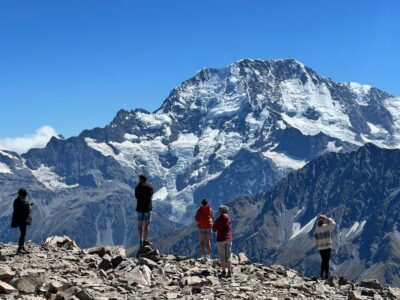 ★ 4.8Mount Cook: Scenic Helicopter Flight with Alpine LandingFrom $226442 reviews
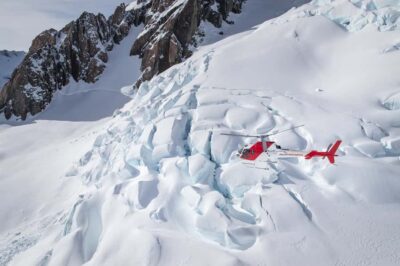 ★ 4.7Franz Josef & Fox Glaciers Helicopter Flight & Snow LandingFrom $289342 reviews
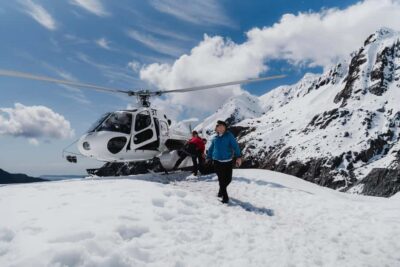 ★ 4.7Franz Josef: 2.5 Hour Glacier Hike with Helicopter TransferFrom $475322 reviews
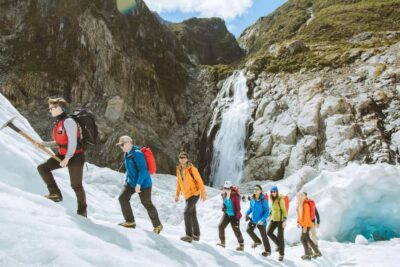 ★ 4.9Fox Glacier: Up to 3 Hours Hike with Helicopter TransferFrom $448309 reviews
 ★ 4.9Queenstown: Pilot’s Choice Helicopter Tour & Alpine LandingFrom $230291 reviews
 ★ 4.6Mount Cook: Ski Plane and Helicopter Glacier Combo FlightFrom $328271 reviews
Browse the lists this tour appears in