
REVIEW · AORAKI MOUNT COOK AND LAKE TEKAPO
Mount Cook: Mountains High 40-Minute Helicopter Flight
One step outside the helicopter changes everything. This 40-minute Mountains High flight from Aoraki/Mt Cook Village area delivers what most people come for, a snow landing on Tasman Glacier and big-window views of Aoraki/Mt Cook from close range. I also like how the route mixes glacier ice, the Hochstetter Icefall, and the vast Mackenzie Basin so you get more than one pretty photo angle.
There is one real consideration: the snow landing is included, but it is not always guaranteed in every weather and season setup. I would also plan for the fact that communication can depend on your headset and how clear the pilot audio is on the day.
Even so, when conditions line up, this tour is one of those rare Mt Cook experiences that makes the whole Southern Alps feel immediate, not distant.
In This Review
- Key Points to Know Before You Go
- Why This 40-Minute Helicopter Flight Feels Like a Full-Day Alps Trip
- Getting to Glentanner Park and What to Wear for Glacier Weather
- The Air Route: Hochstetter Icefall, Upper Tasman Glacier, and the Approach to Landing
- The Snow Landing: How It Works and What You’ll Actually Feel
- Photos and Views: Getting the Most Out of the Glacier View Window
- Burnett Mountains and Mackenzie Basin: The Second Half of the Scenic Story
- Price and Value: What You Are Paying For (and Why It Can Be Worth It)
- Small Details That Matter: Seating, Audio, and When the Flight Adjusts
- Who This Tour Fits Best in Your South Island Plan
- Should You Book Mountains High for Your Mt Cook Stopover?
- FAQ
- How long is the Mountains High helicopter flight?
- Where does the tour start?
- Is the snow landing included?
- What should I wear?
- Is there a weight limit?
- How many people are in each helicopter?
- What happens if weather cancels the flight?
Key Points to Know Before You Go
- Snow landing time is part of the deal, typically 5 to 10 minutes, depending on conditions
- Small group size with up to 6 passengers in an open-plan cabin means strong viewing
- Route includes major landmarks like Hochstetter Icefall, upper Tasman Glacier, Burnett Mountains, and the Mackenzie Basin
- You get pilot commentary that helps you understand what you are actually seeing from above
- Expect cold weather on the glacier, even when the village looks mild
Higher up, around Aoraki and Tekapo
- Mount Cook: Scenic Helicopter Flight with Alpine Landing
★ 4.8 · 442 reviews - Mt Cook Small Group Scenic Day Tour from Queenstown
★ 5.0 · 407 reviews - Mount Cook: Ski Plane and Helicopter Glacier Combo Flight
★ 4.6 · 271 reviews - Mount Cook: Mountains High 40-Minute Helicopter Flight
★ 5.0 · 53 reviews
Why This 40-Minute Helicopter Flight Feels Like a Full-Day Alps Trip
A helicopter flight sounds short on paper, but the South Island mountains do not care about your spreadsheet. In about 40 minutes of flight time, you move from glacial terrain to high-country ridges and down over the sweeping Mackenzie Basin. It is the kind of pace that normally takes a full day of driving or hiking.
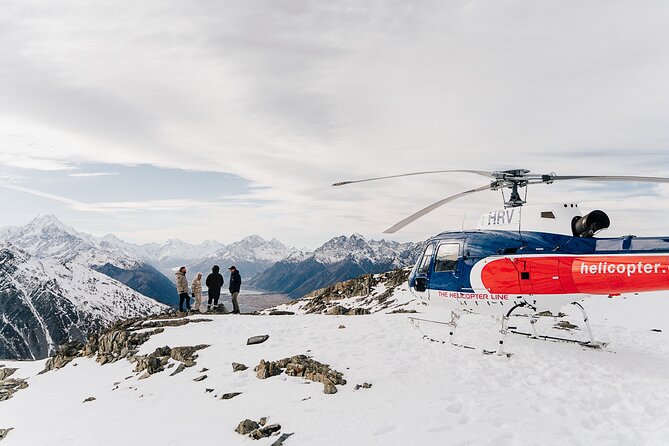
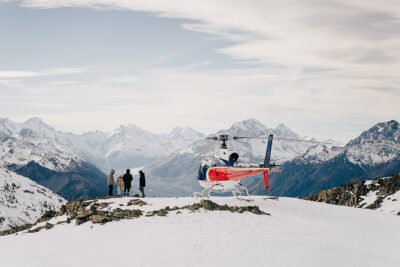
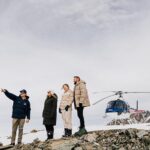
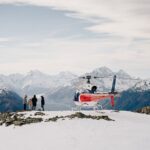
The best part is that the tour is built around a real payoff. You hover above Tasman Glacier, then land for a quick walk in the snow, with Aoraki/Mt Cook looming from the landing area. This is not just a scenic flyover. It is a moment where the scenery fills your whole field of view.
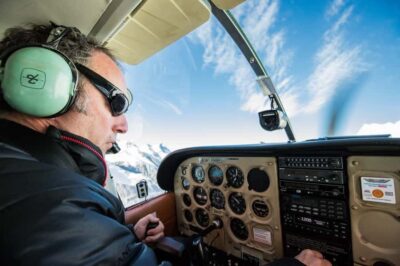
I also like the way the pilot acts as your in-air guide. You are not just along for the ride. You get commentary as you pass features like the Hochstetter Icefall and the upper glacier, then again as you look down over the Burnett Mountains and water systems feeding toward the West Coast’s native rainforests.
Getting to Glentanner Park and What to Wear for Glacier Weather
Your starting point is the Helicopter Line, Glentanner Park on State Highway 80, near Mt Cook. The activity ends back at the same meeting point, so you are not stuck coordinating separate transport at the end.
Dress like you are going onto a glacier, not just sightseeing. You should plan for cold temperatures and wear warm clothing and suitable footwear. Even if the day is bright, glacier air can feel sharp. If you have to choose, bring layers that you can adjust quickly, since you will go from warm cabin air into cold, windy conditions on the landing surface.
A small practical tip: this is a short tour, so pack like time matters. Keep essentials reachable, camera gear protected, and gloves easy to get on and off. You will want them on during those 5 to 10 minutes on the snow.
The Air Route: Hochstetter Icefall, Upper Tasman Glacier, and the Approach to Landing
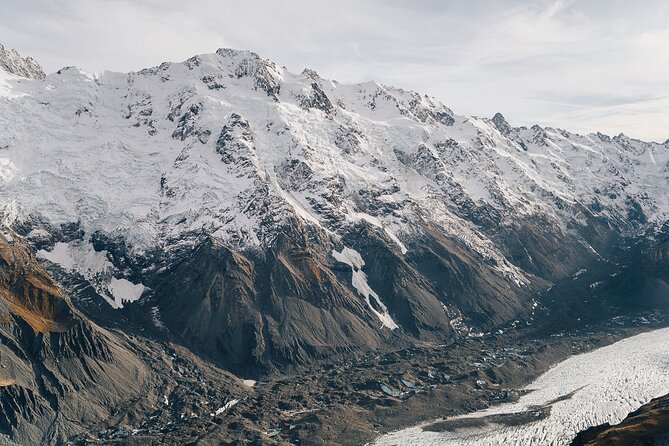
The flight route is one of the reasons this tour makes sense for a first time Mt Cook visitor. You start by flying past the Hochstetter Icefall and the upper Tasman Glacier, with the pilot positioning you for the best sightlines.
What makes the Icefall interesting is how it looks from above. From the ground, glaciers often feel like one big white surface. From the air, you can see structure: where the ice looks broken, where it shifts and fractures, and where the glacier’s shape changes. That is exactly the sort of detail your pilot can point out during the flight.
As you approach the glacier, you are not rushing past it. You hover over the vast ice fields first, then make the landing. That hover matters. It gives you a chance to orient yourself to what you are about to step onto.
The Snow Landing: How It Works and What You’ll Actually Feel
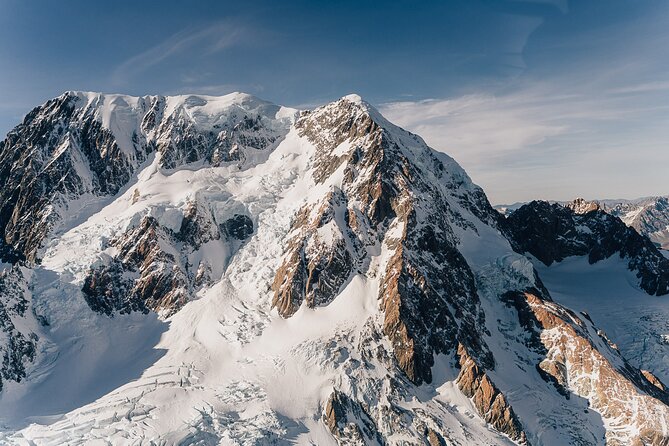
This is the signature moment. The tour includes a helicopter flight with a snow landing on Tasman Glacier, typically lasting 5 to 10 minutes. Once the helicopter lands, you step out and stand in the snow for a panoramic view of Aoraki/Mt Cook, towering at 12,217 feet (3,724 meters).
From a practical standpoint, treat it like a brief, cold mini-excursion. You are there for photos and for the sensory shock of being on snow with mountains all around you. Your time outside is short, which is good news because cold wind and dry glacier air can work fast.
Now, the important reality check. Some past flights have not been able to do the snow landing exactly as advertised due to climate, prior snowfall patterns, and summer seasonality. So if the snow landing is the entire reason you booked, I would mentally budget for a weather and conditions change. The provider still runs the alpine flight when possible, but the landing piece can vary.
If you are traveling with kids or someone who will be disappointed by not stepping onto snow, plan for that possibility when you choose the day and when you manage expectations.
More rotor time over Mount Cook
Photos and Views: Getting the Most Out of the Glacier View Window
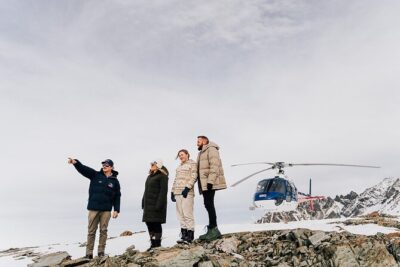
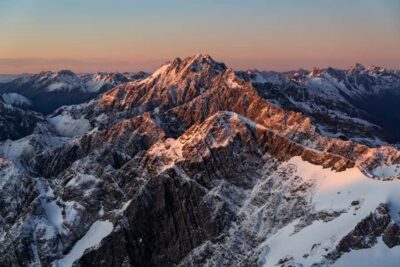
Even if you never care about photography, this part is about how you understand the place. After landing, you get a close, centered view of Aoraki/Mt Cook framed by Tasman Glacier. Then, back in the air, the pilot continues with commentary so you can connect what you saw with what you are seeing next.
On clear days, the visibility can be stunning. Several experiences highlight that being on a clear day helps you see major peaks and glaciers more distinctly, not just the general outline of mountains. If your travel window is tight, this is where having flexible dates helps. Some people have been able to reschedule when weather conditions improved, which can make a huge difference to visibility.
One more photo-minded detail that matters: the helicopter cabin setup provides excellent viewing from inside. The cabin is open-plan for up to six passengers, so you are not stuck looking through a narrow window. You will still want to be ready to move your camera and body for the changing angles as the pilot tracks the route.
Burnett Mountains and Mackenzie Basin: The Second Half of the Scenic Story
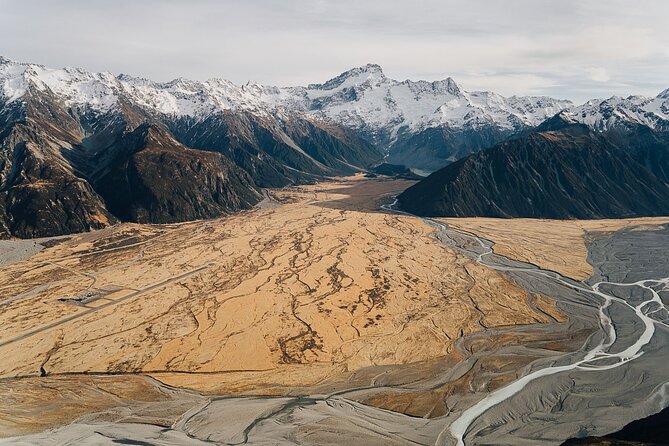
After the landing, you lift off and head toward the Burnett Mountains. Looking down from above is where the flight starts to feel bigger than just one glacier and one peak.
From the air, you can admire the Mackenzie Basin, including rugged terrain and sparkling waterways. The most helpful part of the commentary here is the connection between what you see and what it becomes. The waterways trickle toward the native rainforests of the West Coast, so you get a sense of how high alpine snow and ice connect to lower ecosystems.
I like this second half because it changes the mood. Early on, the story is ice, fractures, and glacier shapes. Later, it becomes wide-country geometry: basins, water lines, and distance. It is a good mix for anyone who does not want a one-note glacier ride.
Price and Value: What You Are Paying For (and Why It Can Be Worth It)
At $416.90 per person for an approximately 40-minute flight, this is not a budget activity. The value is not in the minutes alone. The value is in what you get that you cannot easily replace.
You pay for:
- Access to remote alpine terrain, including a snow landing on Tasman Glacier
- Up-close views of Aoraki/Mt Cook that are hard to match on foot in the time most visitors have
- Pilot guidance, with informative commentary about landmarks you would otherwise miss from a distance
- Small group time in an open-plan cabin with up to 6 passengers
Is it worth it? For the right traveler, yes. If you want a “see it all quickly” Mt Cook experience, and you do not want to spend a full day driving just to get a handful of distant viewpoints, this helicopter flight is one of the most efficient ways to understand the Southern Alps.
Where you should be cautious is if you are expecting a long list of specific glaciers every single time. One of the lessons from real-world experiences is that weather and operational limits can shape what you see on a given day. The core landmarks and the glacier landing experience are the goal, but the exact view angles can shift.
Small Details That Matter: Seating, Audio, and When the Flight Adjusts
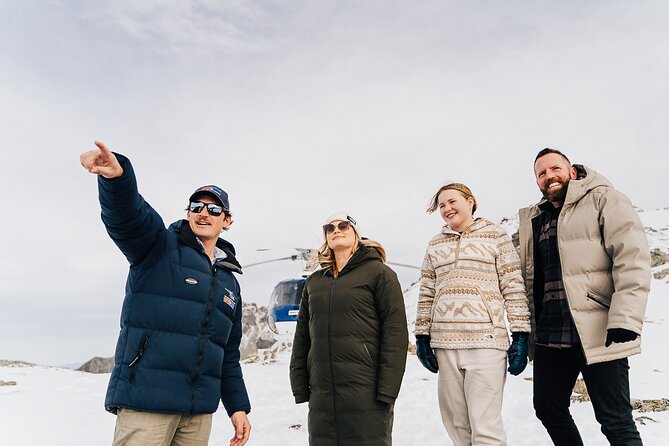
A couple practical notes can save you stress.
1) Audio and headset clarity
Some reviews mention the pilot commentary was not understandable for everyone because of headset issues. That is not a deal breaker, but if commentary is a big part of why you booked, I would treat this like a “try to catch it” situation rather than a guaranteed crystal-clear narration for all seats.
2) Seat assignment and rotation
There are reports that seating can rotate after the snow landing to allow some rear passengers to sit up front. In one experience, not everyone got the front seats when expected. If you care a lot about having the best viewing during the flight segments, ask staff at check-in how seating will work that day.
3) Weather-driven reroutes
Weather can also trigger modifications. One account described a modified landing surface when conditions changed. In general, it helps to go in with the mindset that the mountains lead, the schedule follows.
Who This Tour Fits Best in Your South Island Plan
This is a strong match for:
- First time visitors to Mt Cook who want a fast, high-impact view
- People who want more than viewpoints, they want access to glacier terrain
- Couples and honeymooners looking for a dramatic, memorable experience
- Anyone comfortable with cold weather and quick outdoor time
It may be less ideal if:
- You need strict guarantees about the snow landing happening exactly as described every time
- You get motion or cold easily and dislike any chance of conditions changing
- Your plan depends on seeing a very specific list of glaciers that is not guaranteed by day-to-day flying conditions
If you have mobility considerations, you should know the experience involves getting in and out of a helicopter and spending time outside briefly on snow. Some visitors have managed it with extra support, and the staff were able to accommodate in at least one case with a modified landing surface. Because the tour is short, that support can matter, but you should communicate your needs when booking.
Should You Book Mountains High for Your Mt Cook Stopover?
If your goal is to see Aoraki/Mt Cook up close and you are excited about stepping onto Tasman Glacier snow, I think this is an excellent use of money in the Mt Cook area. The small group size, open-plan viewing, and the fact that you actually land on the glacier make it feel like more than a “drive-by” attraction.
I would book it if you can handle cold and you are flexible about operational details on the day. If you can be flexible with dates and you are okay with the possibility that the landing experience could vary with weather and seasonality, you will stack the odds in your favor.
My call: for most people doing a short South Island trip, this is a high-value splurge because it gives you access, not just scenery.
FAQ
How long is the Mountains High helicopter flight?
The tour is approximately 40 minutes total, and the included snow landing typically lasts about 5 to 10 minutes.
Where does the tour start?
You meet at The Helicopter Line, Mount Cook Glentanner Park, State Highway 80, Glentanner 7999, New Zealand. The tour ends back at the same meeting point.
Is the snow landing included?
Yes. The experience includes a scenic helicopter flight with a snow landing on Tasman Glacier, with the landing typically lasting 5 to 10 minutes.
What should I wear?
The tour runs in cold alpine conditions, so it is recommended that you wear warm clothing and suitable footwear.
Is there a weight limit?
Yes. The total weight per passenger is listed as a maximum of 331 lbs.
How many people are in each helicopter?
The cabin is described as accommodating up to six passengers, with an open-plan setup for good viewing.
What happens if weather cancels the flight?
This experience requires good weather. If it is canceled due to poor weather, you are offered a different date or a full refund. You can also cancel for a full refund up to 24 hours in advance.
Rotor Time Over Mount Cook
Everything Else We Wrote Up in Mount Cook

Aoraki and the Mackenzie
Just added to our Mount Cook notes
- Mt Cook: 55-Minute Scenic Flight in Helicopter or Ski Plane★ 4.1 · 6 reviews
- Mount Cook: 50-Minute Aoraki Scenic Helicopter Flight★ 4.7 · 10 reviews
- Mt Cook to Christchurch One-Way Small Group Tour via Lake Tekapo★ 5.0 · 16 reviews
- Mount Cook Alpine Explorer Helicopter Flight with Alpine Landing★ 4.0 · 22 reviews
- Mt Cook to Queenstown Small Group Tour (One-Way)★ 4.5 · 25 reviews
- Mount Cook: Alpine Vista Helicopter Flight with Alpine Landing★ 4.5 · 39 reviews
Aoraki Mount Cook and Lake Tekapo, compared.
 ★ 4.5Lake Tekapo: Alpine Stargazing Experience with a GuideFrom $59626 reviews
 ★ 4.9Lake Tekapo: Stargazing ExperienceFrom $71607 reviews
 ★ 4.9Mount Cook & Lake Tekapo Day Tour from ChristchurchFrom $146483 reviews
 ★ 4.8Mount Cook: Scenic Helicopter Flight with Alpine LandingFrom $226442 reviews
 ★ 5.0Mt Cook Small Group Scenic Day Tour from QueenstownFrom $164407 reviews
 ★ 5.0Mount Cook, Lake Tekapo and Tasman Glacier Tour from ChristchurchFrom $155353 reviews
 ★ 4.6From Christchurch: Mt Cook Day Tour & Lake TekapoFrom $175331 reviews
 ★ 4.8From Queenstown: Mt Cook & Tasman Glacier Viewpoint Day TourFrom $146329 reviews
Browse the lists this tour appears in