
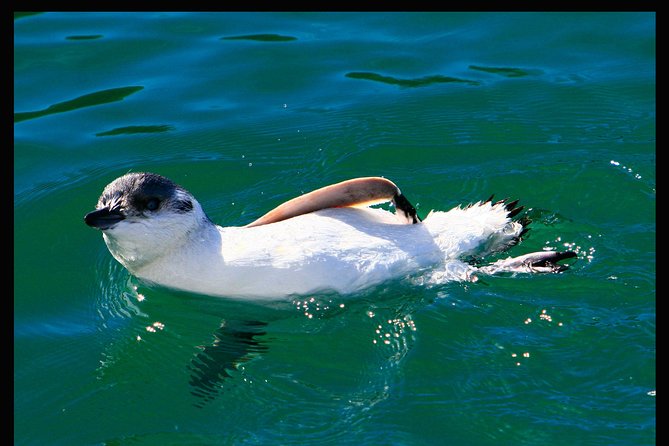
REVIEW · DUNEDIN AND THE OTAGO PENINSULA
Albatross, seals, and sea birds-Wildlife Cruise
Albatross sightings start at sea level. This Port Chalmers wildlife cruise pairs a small-group boat ride with on-board commentary so you can identify seabirds and marine life as you go, without guessing. You cruise the Otago Harbour, take in views of the Otago Peninsula, and look toward Taiaroa Head, all while staying comfortable in a heated cabin with space on the open deck for photos.
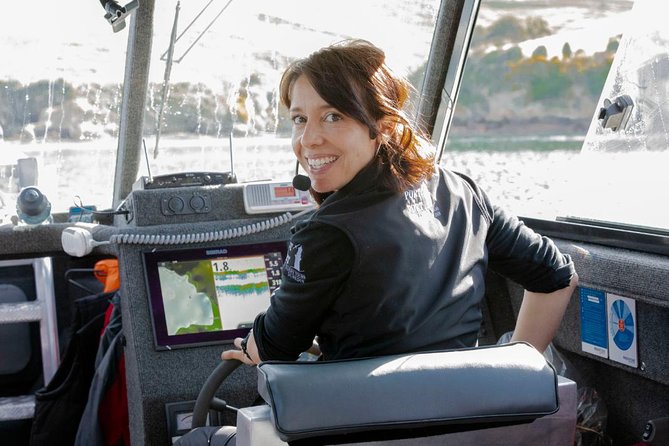
I especially like the way Captain Rachel McGregor runs the outing, blending steady seamanship with crisp, practical animal-spotting talk. Add the included binoculars and identification sheets, and you get a real shot at learning what you are seeing, not just filming it. The main drawback to plan around is that the harbor can be choppy, so dress warmly and expect some sea spray, and wildlife sightings can vary with conditions.
In This Review
- Key things you will notice on the water
- Port Chalmers puts you close to the real action
- The boat setup: warm inside, photos outside
- Wildlife spotting with Captain Rachel McGregor, not just luck
- Where you go on the Otago Harbour, and what to watch for
- Port Chalmers area, plus working harbor activity
- Quarantine Stations and shipwreck history
- Wading birds, roosting zones, and feeding areas
- Taiaroa Head direction, plus penguins and seals
- Historic pilots houses, searchlight, and gun emplacement points
- Photo deck strategy: how to get the shots without freezing
- How much of this is about value versus price
- Best for: bird lovers, families, and first-timers in Otago
- Booking advice: what to bring and how to pick the right day
- Should you book the Albatross, Seals, and Sea Birds cruise from Port Chalmers?
Key things you will notice on the water
- Small-group size (max 14) means you spend more time watching, less time crowding.
- Heated cabin plus open deck keeps you comfortable, while still letting you grab clear views for photos.
- Full on-board commentary helps you ID birds and marine animals as sightings happen.
- Binoculars and identification sheets are provided so you can follow along in real time.
- Otago Harbour landmarks come with context, including quarantine and historic sites you pass by.
- Wildlife variety is the goal, with chances for albatross, fur seals, sea lions, penguins, dolphins, and more.
Further round the Otago Peninsula
- Albatross, seals, and sea birds-Wildlife Cruise
★ 5.0 · 189 reviews - Cruise Dunedin City and Castle Tour
★ 5.0 · 142 reviews - Iconic Shore Excursion: Dunedin City Highlights Tour
★ 5.0 · 131 reviews - Water Taxi and Shuttle to Larnach Castle
★ 5.0 · 100 reviews
Port Chalmers puts you close to the real action
Port Chalmers is a smart starting point if your idea of a great New Zealand day is: wildlife first, scenery second, and a guide who can tell you what is what. The setting matters here. You are cruising the Otago Harbour system, with the Otago Peninsula nearby, which is exactly the kind of coastal geography that funnels seabirds and marine mammals into predictable feeding and resting zones.
This is not a long slog on land. If you have limited time, or you just do not want to tramp, this boat option gives you eyes-on wildlife with far less effort. It also helps you see animals in motion: birds wheeling overhead, marine mammals surfacing in calm bursts, and the working harbor around you with fishing boats, workboats, and dredges moving through the same waterway.
The boat setup: warm inside, photos outside
This cruise uses a custom-built vessel designed for comfort and visibility. You get a heated, enclosed cabin, which is a big deal in Dunedin weather, especially when the wind comes up. There is also an open outer deck for photos, so you are not stuck behind glass if you want a clear shot.
A practical tip: on a day that feels mild on shore, the water can still bring a chill and a light mist. The cruise can include sea spray at times, so I would plan to layer up even if the weather looks friendly at check-in. If you get cold easily, you will enjoy having both warm shelter and outdoor viewing options.
Duration also matters for comfort. You are typically looking at about 1.5 hours if you join from Port Chalmers, and about 2 hours if you join from Portobello. That is long enough for multiple wildlife passes, but short enough that you do not feel locked into a full day.
Wildlife spotting with Captain Rachel McGregor, not just luck
You come for the wildlife, but the real value is learning how to spot it. The cruise is fully commentated, and the guide uses what is in front of you, not a generic script. In the reviews, Captain Rachel McGregor is repeatedly praised for being calm, professional, and very good at identifying what is on the water and in the air.
What I like for you is the structure of the spotting experience:
- You are actively searching rather than passively waiting.
- You have binoculars and identification sheets, so you can match birds you see to what you are learning.
- You get real-time guidance on where to look next as the boat moves through the harbor.
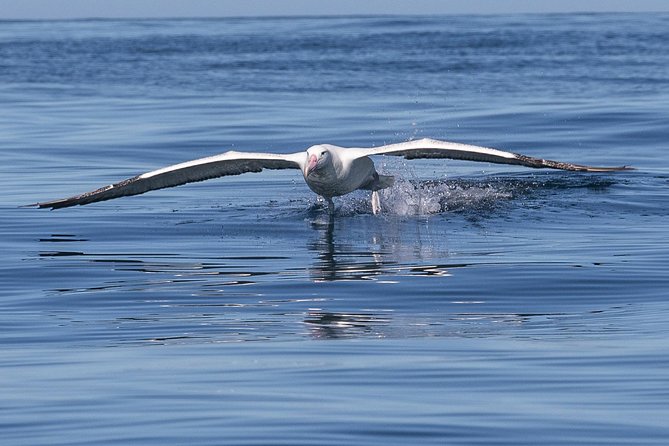
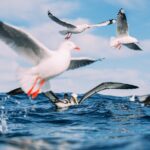
The bird action you can hope for includes albatross species, with Royal Albatross showing up in standout moments. You may also see shags and wading birds, plus penguin chances depending on the day and sea conditions. For marine mammals, reviews highlight fur seals and sea lions, and some trips include dolphins. Even when wildlife numbers are lower, the guide’s focus tends to make the cruise feel purposeful.
One thing to keep expectations realistic: wildlife viewing is not a vending machine. On calmer days, birds may feed close by but not always show the same dramatic flying behavior. On windy or choppy days, you might see different patterns of surfacing and movement. The best approach is to treat this as a guided wildlife hunt with a good chance of multiple sightings, not a guarantee of a specific species on cue.
Where you go on the Otago Harbour, and what to watch for
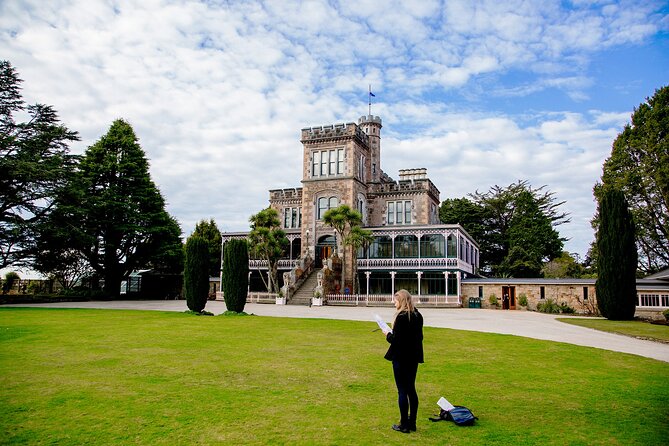
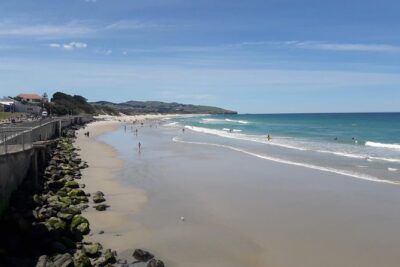
You will travel through the most scenic parts of the harbor, with views of the Otago Peninsula as the backdrop. Along the way, you pass historic and maritime landmarks that add context to what you are seeing.
Here is what the route means in plain terms, and what you should watch for:
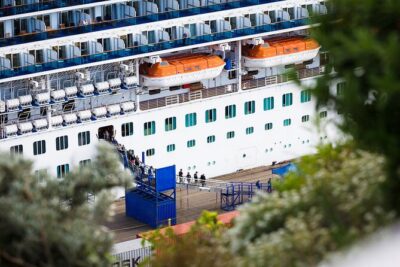
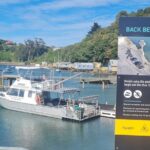
Other boats going out of Port Chalmers
Port Chalmers area, plus working harbor activity
Early on, you cruise past Port Chalmers and Careys Bay. This is where you can enjoy the mix of wildlife and human activity. You will see fishing boats, workboats, dredges, and ships as you move through the harbor. That matters because marine animals often feed along the edges of working channels where fish activity concentrates.
As you watch the water, also keep an eye on the shoreline and rocky edges where seabirds roost and rest.
Quarantine Stations and shipwreck history
The cruise also passes the historic Quarantine Stations and old shipwrecks. You are not just looking at buildings from a distance. You get guided narration that helps you connect the dots between maritime history and the modern coastal wildlife around you.
If you like history but still want it tied to real places, this is a good balance. You learn without the talk dragging on.
Wading birds, roosting zones, and feeding areas
As the boat continues, the guide directs attention to areas where birds gather. The cruise includes viewing wading birds, and you can look for birds like shags in roosting and feeding spots. This is where binoculars pay off, because from the deck you can sometimes see movement first, then use the tools to confirm species and behavior.
Taiaroa Head direction, plus penguins and seals
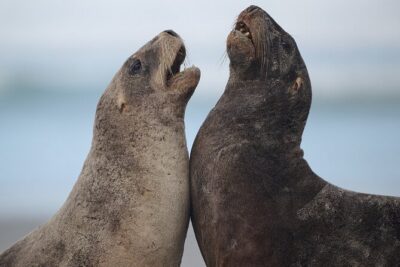
The experience is designed to give you a shot at the wildlife around Taiaroa Head. Based on the cruise description and the strong review pattern, you should be ready to scan for fur seals and sea lions, and for penguins when conditions line up. Reviews also describe moments where seals are close to rock formations, including pups in some cases.
A quick mindset tweak helps here: spend a few moments watching the pattern, not just chasing the first animal you spot. If you see one seal surface, often the surrounding area holds additional activity, and the guide can steer you toward it.
Historic pilots houses, searchlight, and gun emplacement points
You also pass historic pilots houses and features like a searchlight and gun emplacement. These are the kinds of details that make the harbor feel like more than just a pretty cruise. If you enjoy how coastlines evolved around navigation, defense, and shipping, you will appreciate this part of the story.
Photo deck strategy: how to get the shots without freezing
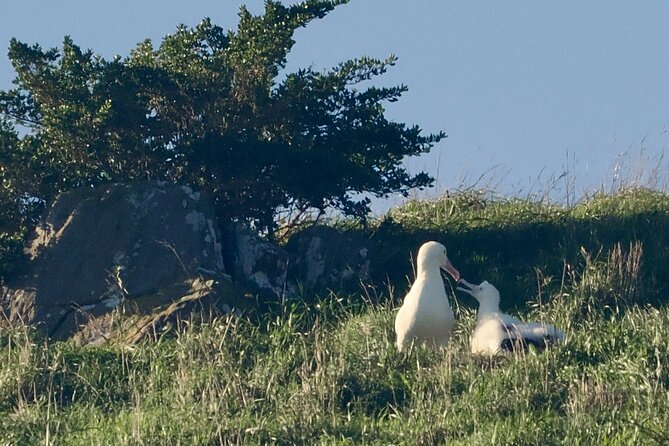
You get open-deck time for photos, plus the option to warm up inside. That sounds obvious, but people often miss how to use that rhythm.
If you want better pictures:
- Step outside when the guide says to look in a specific direction, especially when birds are circling.
- Stay ready for quick moments. Albatross and other seabirds may change position fast, and the highlight often happens suddenly.
- Use binoculars to confirm what you are seeing, then bring the camera to the correct subject.
If conditions are rough, prioritize stability and comfort. In reviews, Captain Rachel is praised for keeping passengers comfortable even when conditions get choppy. Still, dress for wet weather and wind, because sea spray can land where you least expect it.
How much of this is about value versus price
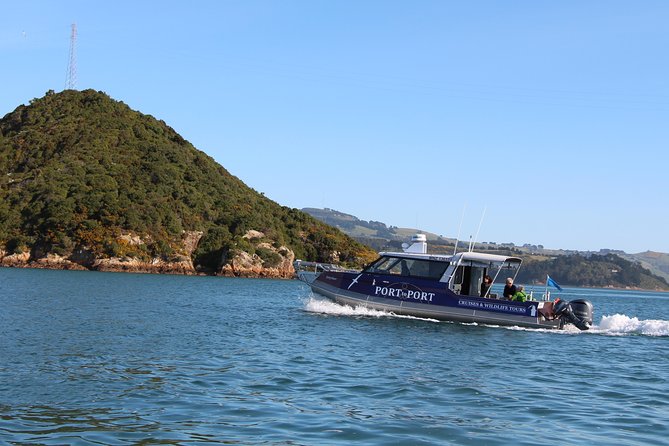
At $105.50 per person, this is not the cheapest activity in the Dunedin area. But the value equation here is pretty clear when you look at what is included.
For your money, you are paying for:
- A small-group boat ride capped at 14 travelers
- A heated cabin and a deck for photos
- Full on-board commentary that helps you identify wildlife
- Binoculars and identification sheets
- A route through scenic harbor sections and historic landmarks
The price starts to make sense when you compare it to what it would cost you to independently rent a similar boat experience, plus the guide skill that helps you find and interpret animals. You are also saving energy versus doing a full peninsula tramp when you just want wildlife and views.
The one “value risk” is the nature of wildlife. Not every outing will produce the same number of sightings or the same close behavior. Some reviews are thrilled with multiple albatross moments and close encounters, while one less favorable review highlights the challenge of wildlife expectations compared with other places.
So your best strategy is to choose this cruise when you have at least a little flexibility, and when your goal is learning and watching, not checking off a guaranteed list.
Best for: bird lovers, families, and first-timers in Otago
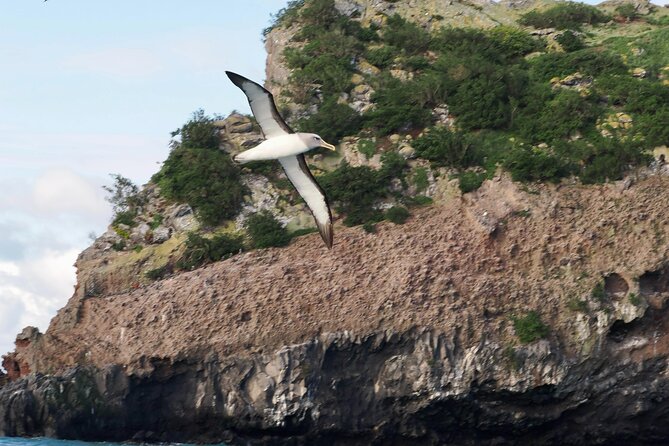
This cruise is a good fit if you want an easy, guided way to experience Otago Peninsula wildlife without committing to a long land route.
You will likely love it if:
- You enjoy birds and want help identifying them in real time.
- You want a calmer morning or afternoon outing with strong scenery and wildlife.
- You are traveling with kids. Reviews specifically mention a great experience for young children.
- You want a small-group atmosphere instead of a crowded mass excursion.
It can also be a nice option if you are doing a cruise stop and want something that is approachable. One review calls out easy access from a cruise ship dock and time afterwards to explore Port Chalmers, which is exactly the kind of “fit into the day” planning that makes shore excursions work.
If you are very sensitive to wind or bumpy water, plan to dress for a potentially choppy harbor and keep expectations flexible. The cruise runs only in good weather, and the sea state can affect how birds display.
Booking advice: what to bring and how to pick the right day
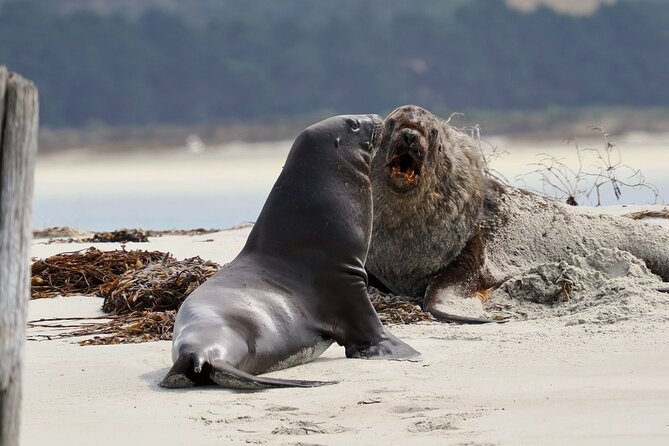
You do not need special gear, but you do need weather readiness. The cruise notes say to dress warmly because there could be sea spray at times. I would show up with layers you can adjust, plus something to protect your face and arms from wind.
Other practical prep:
- Bring your phone or camera charged, since you will want quick photo moments on the open deck.
- If you recently have been unwell, you should wear a facemask, as noted.
- If you are joining from Portobello, expect the cruise to run closer to the 2-hour end, while joining from Port Chalmers defaults nearer 1.5 hours.
Also, bring a patient attitude. Even with the best guide in the world, wildlife moves on its own schedule.
Should you book the Albatross, Seals, and Sea Birds cruise from Port Chalmers?
If you want a guided wildlife cruise that mixes seabirds, marine mammals, and real harbor scenery in a comfortable small-group package, this is a strong choice. Captain Rachel McGregor’s repeat praise for spotting, identifying, and handling the boat matters. The inclusion of binoculars and identification sheets means you come away with more than a few photos, you come away knowing what you saw.
I would book it if your priorities are:
- guided animal-spotting in the Otago Harbour area
- a warm, practical boat setup
- a short to medium length outing that fits into a cruise day or a half-day plan
I would think twice if you are chasing a very specific result, like guaranteed Royal Albatross flying overhead, because weather and sea conditions can change bird behavior. Still, even on “not perfect” days, you are likely to get meaningful wildlife moments and an enjoyable, well-narrated harbor experience.
If you want, tell me what month you’re going and whether you are starting from Port Chalmers or Portobello, and I’ll help you time your day for the best shot at birds.
Out on the Water Near Port Chalmers
Everything Else We Wrote Up in Port Chalmers
Further Round the Peninsula
Just added to our Port Chalmers notes
- Clearwater Private Penguin & Wildlife Tour from Port Otago (5hrs)★ 5.0 · 7 reviews
- Dunedin Shore Excursion – Sightseeing, Larnach Castle, Chinese Garden & Museum★ 3.5 · 13 reviews
- Otago Harbour Wildlife Cruise (Dunedin Shore Excursion)★ 4.5 · 16 reviews
- Half day Private Tour of Dunedin City Highlights and Peninsula Scenery★ 5.0 · 18 reviews
- Harbour, Albatross and Wildlife Cruise on Otago Harbour★ 4.5 · 22 reviews
- From Port Chalmers: Small Group Castle, Coast & City Tour★ 4.8 · 22 reviews
Dunedin and the Otago Peninsula, compared.
 ★ 5.0Clearwater Wildlife Tours (small group 10max) Otago PeninsulaFrom $139531 reviews
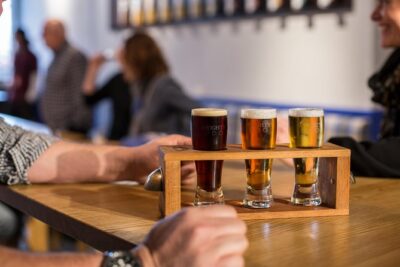 ★ 5.0Speight’s Brewery Tour & Guided TastingFrom $16508 reviews
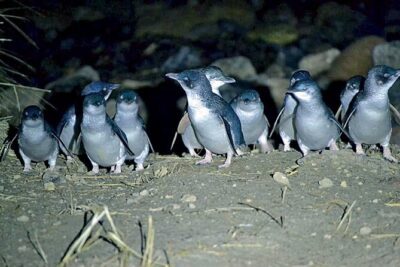 ★ 5.0Guided Evening Penguin Viewing Otago Peninsula, Dunedin, New ZealandFrom $34471 reviews
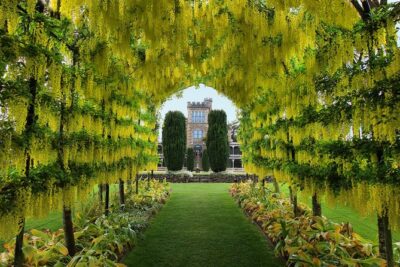 ★ 4.5Larnach Castle and Gardens Admission TicketFrom $29279 reviews
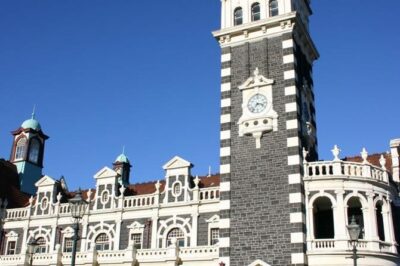 ★ 4.5Dunedin Shore Excursion: Small-Group Tour of Dunedin and the Otago PeninsulaFrom $86270 reviews
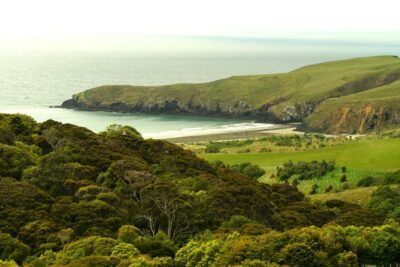 ★ 4.6Dunedin: Wildlife and Penguin TourFrom $44239 reviews
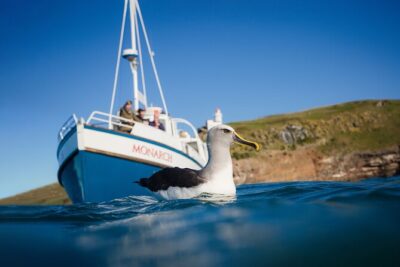 ★ 4.5Otago Peninsula Wildlife Cruise with MonarchFrom $43227 reviews
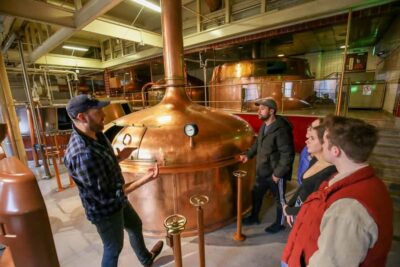 ★ 4.8Dunedin: Speight’s Brewery Guided Tour with TastingFrom $28170 reviews
Browse the lists this tour appears in