
REVIEW · DUNEDIN AND THE OTAGO PENINSULA
Dunedin: Monarch – One Hour Wildlife Cruise
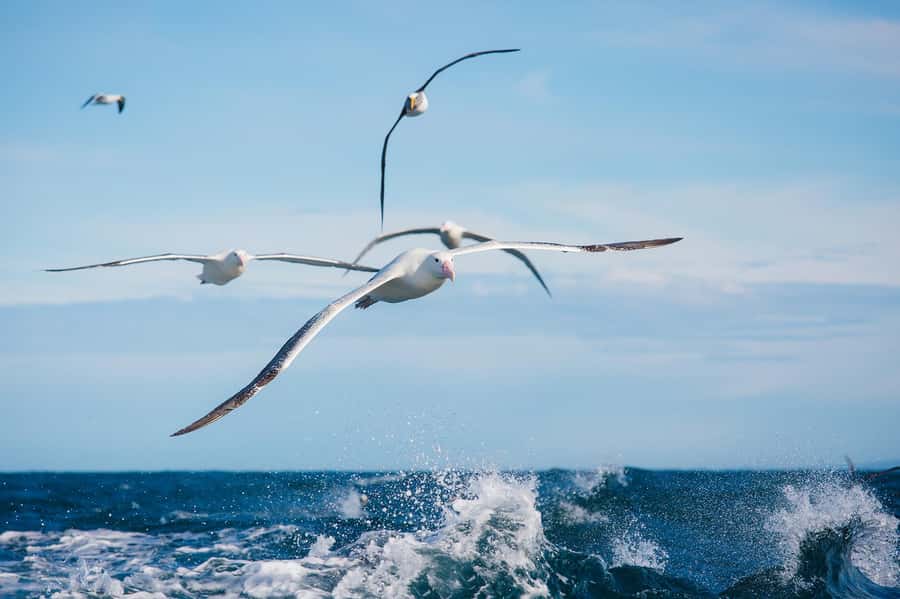
If you want seabirds up close, this is the move. A one-hour wildlife cruise off the Otago Peninsula is a fast way to see the world’s only mainland colony of royal albatross, plus seals and other marine life, and you’ll get full crew commentary as the boat glides along rugged coastlines. I love how close you can get to the royal albatross as they soar and land, and I also love the chance to watch seals behaving naturally, not like zoo animals. One drawback to plan for: it’s a coastal boat ride where the wind can be chilly and people prone to seasickness may want to think twice.
This cruise also does something many short tours forget, it helps you understand what you’re seeing. The crew talks through wildlife, local history, and geology while you pass major viewpoints, including Aramoana Beach and Taiaroa Head. You’re not on the water long, but you’re not stuck guessing either.
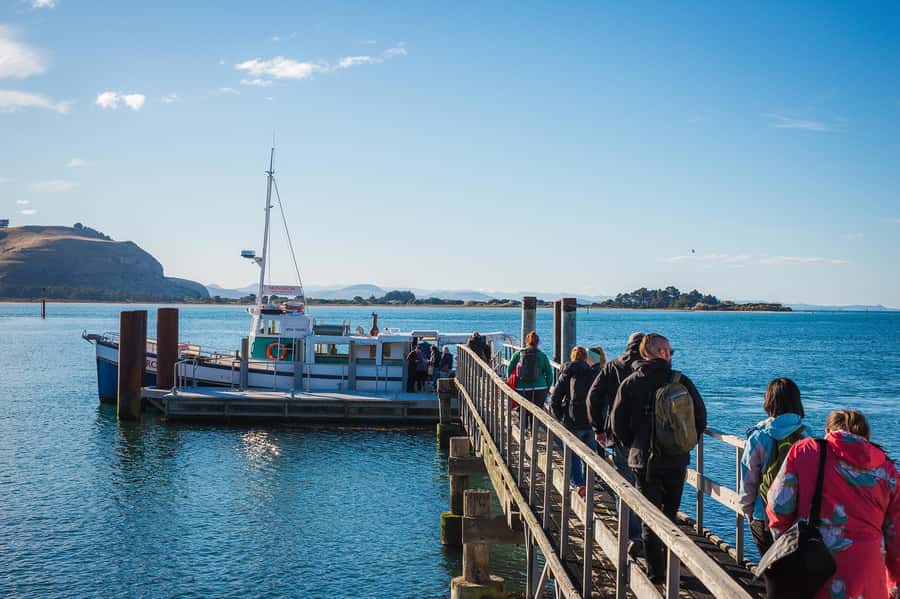
Do the practical part first: you drive yourself from Dunedin, and you should allow 45 to 60 minutes to get to Wellers Rock Wharf. Once you’re aboard, dress warm and be ready for a cool, brisk southerly breeze that can make photos and comfort a bit of a challenge if you show up underdressed.
In This Review
- Key things that make this cruise worth your time
- Getting to Wellers Rock Wharf, the easy part most people skip
- What the one-hour timing does for you (and what it won’t)
- Aramoana Beach tidal sandflats: sea lions in plain view
- Harbour channel history: gun emplacements and tunnels
- Taiaroa Head lighthouse and the royal albatross viewing moment
- New Zealand fur seals: sleep, fight, play, then swim
- A short run into the Pacific for extra seabirds and possible dolphins
- Price and value: $41 for a guided wildlife education hour
- What to bring so the wind and spray don’t win
- Who this cruise suits best
- Should you book Dunedin Monarch One Hour Wildlife Cruise?
- FAQ
- Where does the cruise depart from?
- How long is the Dunedin Monarch wildlife cruise?
- Is food or drinks included?
- What should I bring for the ride?
- Is this cruise suitable for wheelchair users or people prone to seasickness?
- Can I ride in with hotel pickup?
Key things that make this cruise worth your time
- Royal albatross on the mainland: huge three-meter wingspans, low passes from the ocean, then updraft climbs to the nest.
- Real seal behavior: watch New Zealand fur seals sleep, fight, and play on rocky outcrops.
- Aramoana tidal sandflats: sea lions basking in the sun when conditions line up.
- Cruise-wide narration: wildlife, history, and geology explained during the ride in English.
- Short Pacific stretch for ocean birds: you might spot smaller albatross species, cormorants, petrels, and sometimes blue penguins or dolphins.
- One hour, not a day-long slog: efficient outing with lots of natural spectacle.
Further round the Otago Peninsula
- Dunedin: Wildlife and Penguin Tour
★ 4.6 · 239 reviews - Dunedin: Speight’s Brewery Guided Tour with Tasting
★ 4.8 · 170 reviews - Dunedin: Otago Peninsula with Guided Penguin Reserve Tour
★ 4.7 · 66 reviews - Dunedin City & Otago Peninsula Scenery Day Tour
★ 4.7 · 49 reviews
Getting to Wellers Rock Wharf, the easy part most people skip
The tour starts at Wellers Rock Wharf, and you drive yourself out from central Dunedin. The simple planning tip is to give yourself buffer time, because you’re told to allow 45 to 60 minutes for the drive. Once you’re there, you’re set up for a straight, focused wildlife outing instead of a long day of transit.
There’s no hotel pickup included, so your timing matters more than your schedule. I like these self-drive departures when you’re already comfortable with renting a car or using your own transport. If you’re trying to stack too many activities in Dunedin the same day, this is one place where you’ll appreciate keeping your plan clean and unhurried.
Also, the area is windy. You’ll often be dealing with a cool, brisk southerly wind, which can affect how fast you get comfortable outside and how steady you can hold a phone or camera for photos. If you dress for wind, you’ll enjoy the cruise more, even if you’re not chasing dramatic weather.
What the one-hour timing does for you (and what it won’t)
At one hour, this cruise is designed to be a hit of wildlife time, not a deep-sea expedition. That’s a big plus if you want to see a famous site, get the biology and geology context, and still have the rest of the day for Dunedin food, viewpoints, or a second activity.
The trade-off is that you have less time to wait out perfect wildlife moments. On a short run, the best sightings usually depend on conditions and where the animals choose to be when the boat reaches the key stretches. The good news is that this route is built around consistent wildlife areas, like the fur seal rookery region and the royal albatross viewing zone.
You should also know the ride is not a good match for everyone. It’s not suitable for wheelchair users, and it’s also not recommended for people prone to seasickness. If you get queasy in choppy water, this is one time where you should plan carefully, because you’ll still be out on the water long enough for discomfort to spoil the experience.
Aramoana Beach tidal sandflats: sea lions in plain view
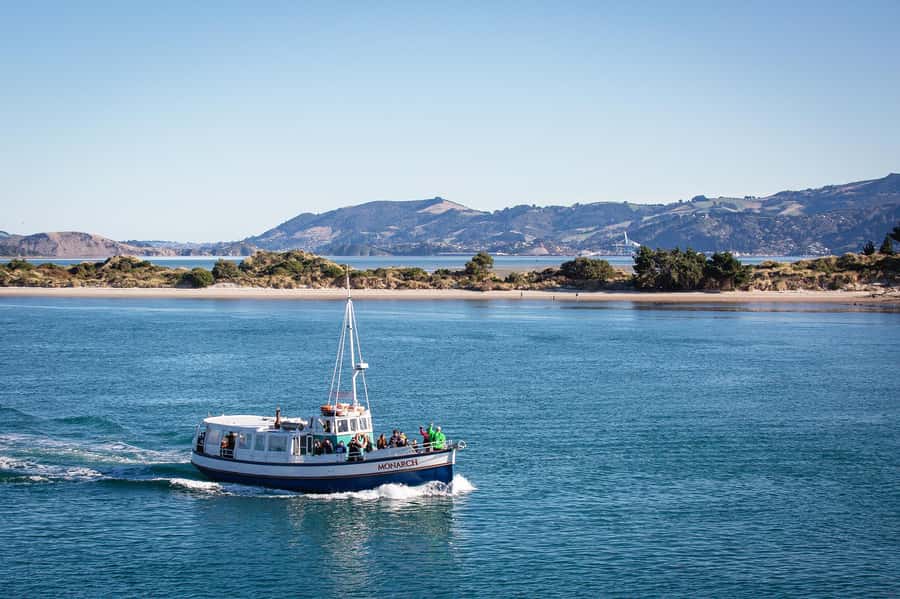
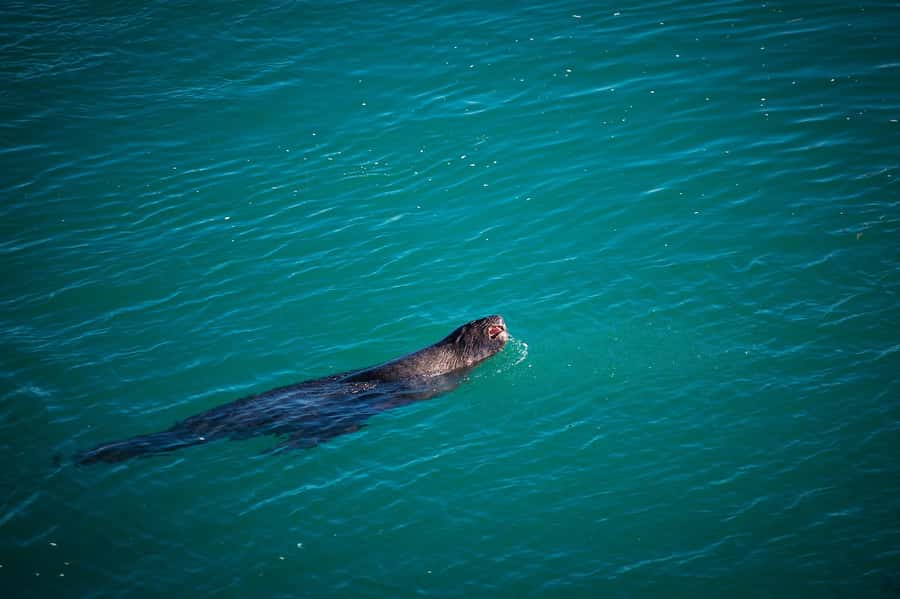
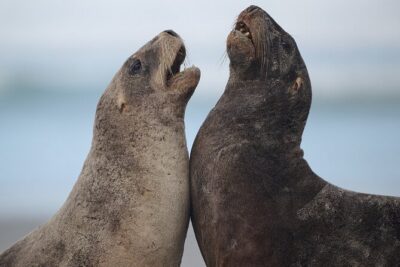
One of the early visual wins happens as you travel past Aramoana Beach and its tidal sandflats. This part of the route is your chance to spot sea lions sprawled out on the rock and sand areas, basking in the sun.
What I like about this stop is that it’s less about spotting tiny moving targets and more about watching animals in their rhythm. You’re not just scanning for a bird speck far away. You’re looking at animals that often stay visible while they rest, warm up, and go through little bursts of interaction.
Because these are tidal sandflat areas, the exact look can change with conditions. That’s normal for coastal wildlife viewing. If the water level and wind are working in your favor, you’ll get clearer viewing. If conditions are less friendly, you might still see activity, but you may need to be patient as the boat position and angle shift.
Harbour channel history: gun emplacements and tunnels
Cruises like this can feel like pure nature time, but you also get a history and geology layer as the boat moves along the harbour channel. You’ll pass remnants of the area’s military history, including lookout posts and gun emplacements built into a rocky hill, connected by tunnels.
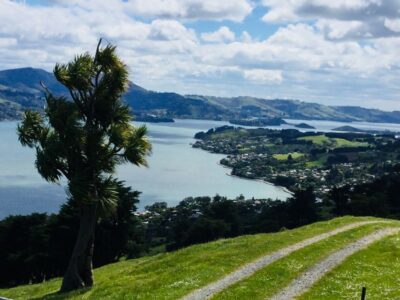
This is valuable because it gives your wildlife watching context. The Otago Harbour area is shaped by rugged geology and human history that also happened along the coast. When the crew explains what you’re seeing, the coastline becomes more than a scenic backdrop.
A practical tip here: keep your eyes open while the boat is moving. These military structures are not always the main focus for first-time riders, so it’s easy to miss them if you’re only thinking about birds. A quick glance out at the rocky headland when the crew points it out can turn into one more layer of meaning for your day.
Taiaroa Head lighthouse and the royal albatross viewing moment
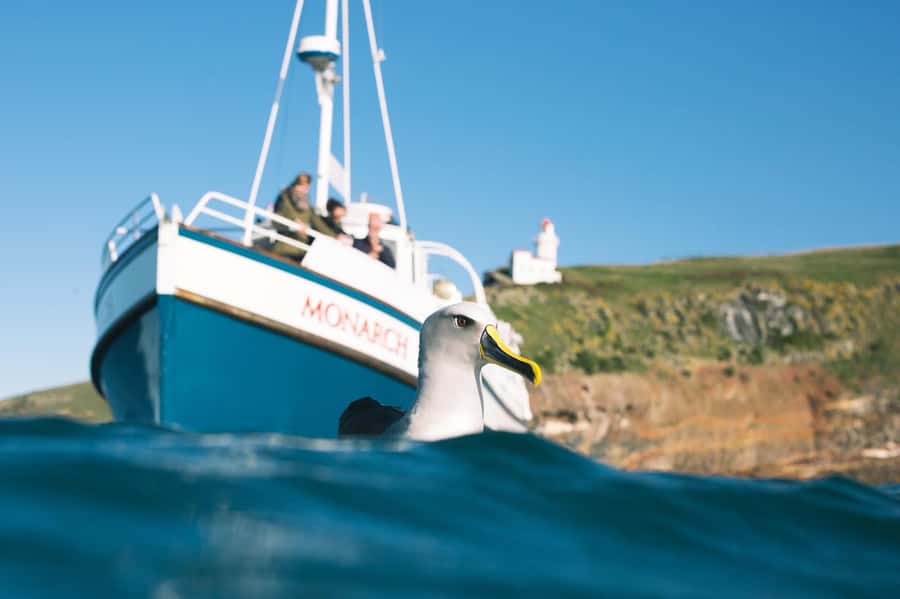
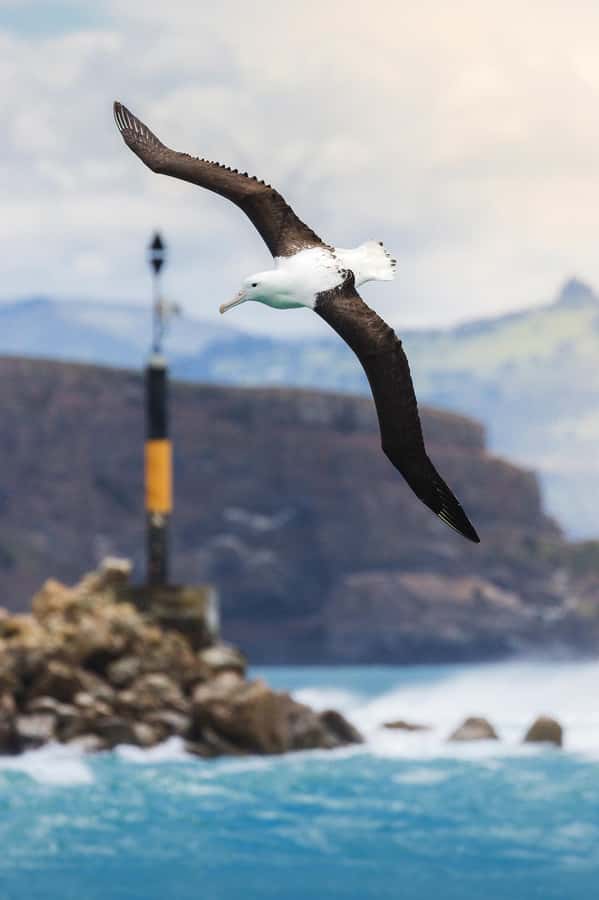
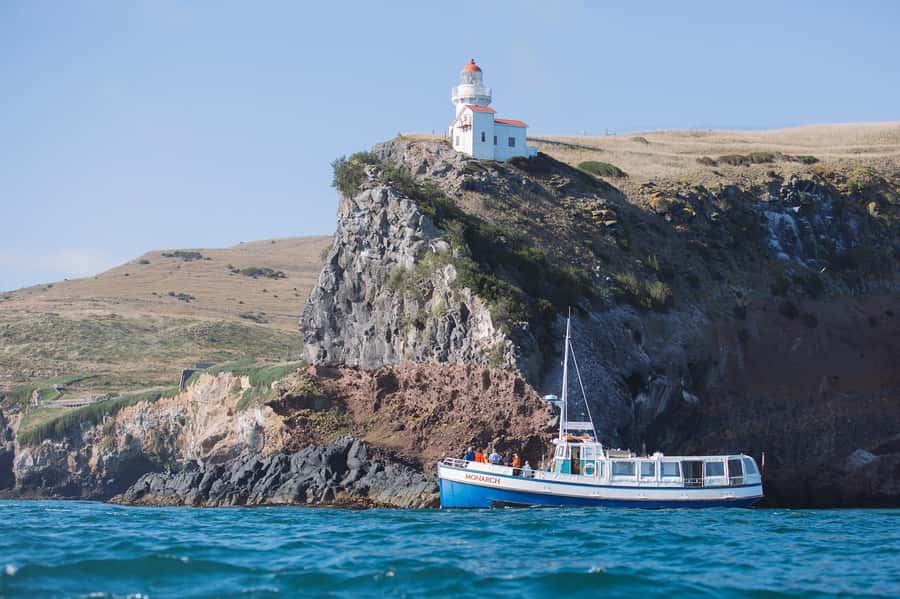
The big draw is the chance to see the world’s only mainland colony of royal albatross. You’re treated to postcard views of the lighthouse perched high above the volcanic cliffs of Taiaroa Head, and you’ll learn that this lighthouse was the first built on the South Island, dating back to 1864.
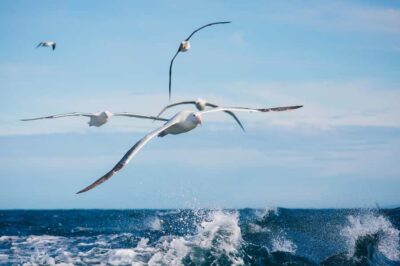
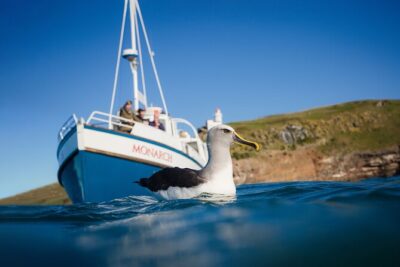
But the star is the birds. You get uninterrupted views as the boat works the coastline near the albatross area, and you can often see them fly in low from the ocean. Their wingspan is huge, around three meters, and when they glide and wheel, it looks like physics doing its best work.
Here’s the part worth slowing down in your mind: royal albatrosses don’t just flap and hope. The crew explains how they use updrafts from the hillside to climb high, then land at their nest. Watching that movement is one of the most satisfying reasons to book this kind of cruise instead of just viewing from shore, because the boat positioning can line up with how they choose to travel.
If you care about photos, this is where you’ll feel the wind most. Plan for it by using a camera strap, holding steady, and keeping your lens protected. A waterproof camera helps in case sea spray shows up, and warm layers help because being cold makes you rush your settings.
New Zealand fur seals: sleep, fight, play, then swim
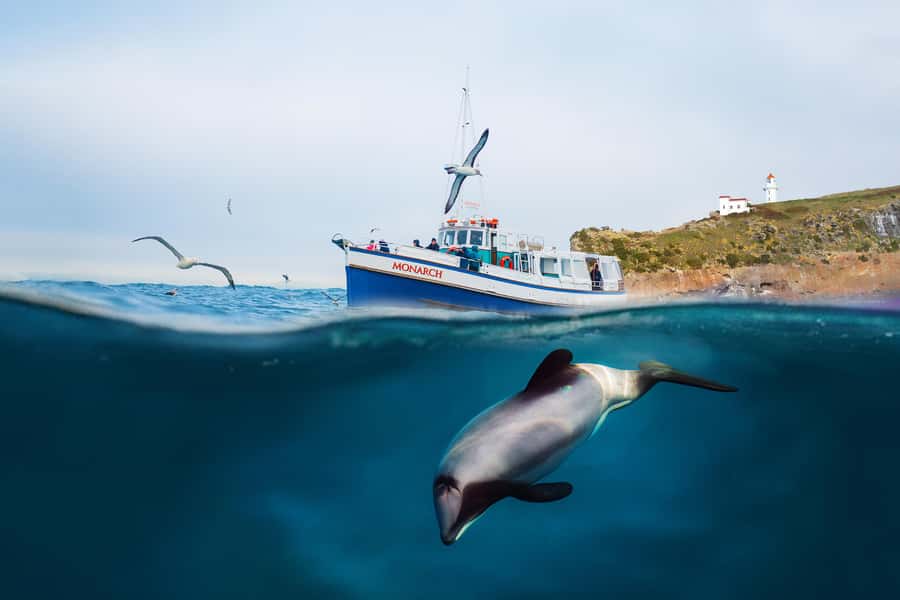
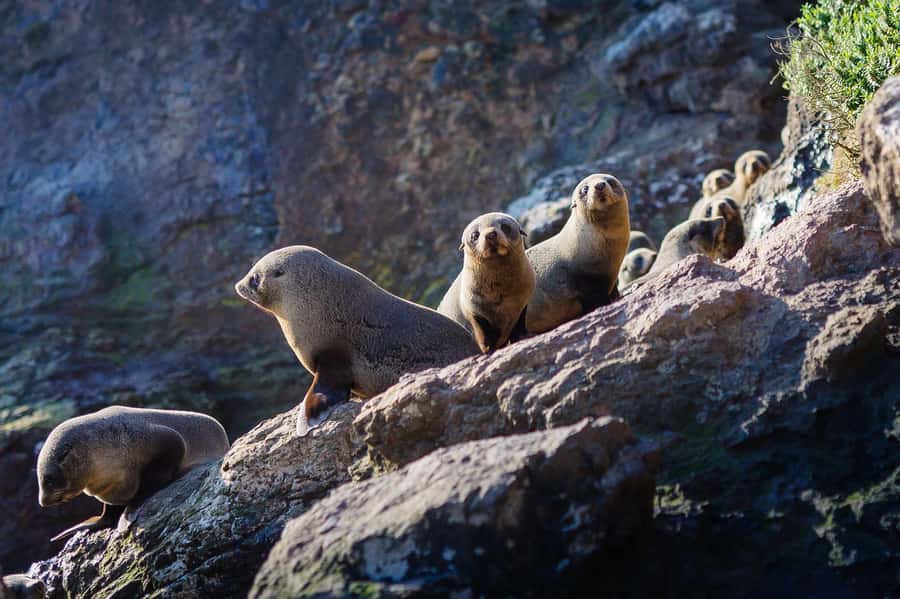
On the rocky outcrops along the route, you’ll find a large New Zealand fur seal colony. This is where the cruise becomes more than bird spotting. You can watch seals sleep, fight, and play on the rocks, and you may also see them in the water around the breeding rookery.
I like this segment because it’s behavior you can actually understand in real time. Birds have patterns, sure, but seals have obvious social and physical moments. You can see when they’re resting, when they’re interacting, and how they move between rock and water.
One small caution: the animals are wild, so you’ll want to keep within the viewing rules and avoid doing anything that disrupts them. The tour restrictions include feeding animals and climbing, which is good advice for both wildlife safety and your own safety. If you’re used to getting close at animal attractions, treat this as a watch from where you’re allowed kind of experience.
A short run into the Pacific for extra seabirds and possible dolphins
After the main viewing stretches, the boat cruises a short way out into the Pacific Ocean. This is your chance for rarely seen ocean birds, including smaller albatross species, plus cormorants and petrels.
This part also has the “sometimes” list, and that’s part of the fun. You might see blue penguins, dusky and Hector’s dolphins, and other marine mammals depending on what the animals are doing and what the sea conditions allow.
The honest way to treat this is as a bonus search, not a guarantee. The route is designed around reliable wildlife areas, but the ocean is the ocean. Your best bet for good odds is arriving ready and staying focused through the full hour, not just during the headline sight.
If you’re someone who likes variety, this is where the cruise earns its ticket beyond the royal albatross highlight. You get a chance to see more of the marine ecosystem in a compact time window.
Price and value: $41 for a guided wildlife education hour
At $41 per person for a one-hour cruise, the value comes from three things you don’t get when you go solo: the wildlife-focused route, the live English commentary, and the time efficiency.
First, you pay for positioning. Driving yourself to random shoreline spots might get you some views, but it won’t automatically put you in the best angles for albatross flying and seal areas. Second, you’re buying interpretation. The crew explains wildlife, history, and geology during the ride, so you’re not just seeing shapes in the distance.
Third, it’s efficient. For travelers with limited time in Dunedin, one hour can be the perfect length. It’s enough time to feel like you did something meaningful, while still leaving room for other local plans the same day.
If your priority is budget alone, it’s worth thinking about how much you’ll spend on parking, fuel, and the time cost of trying to replicate the route on your own. In most cases, a guided one-hour experience can actually be the cheaper way to get a high-quality wildlife morning or afternoon without turning your day into a moving target.
What to bring so the wind and spray don’t win
This kind of cruise rewards preparation. Bring warm clothing and a hat, because a cool southerly wind can make short exposure feel longer. Pack sunscreen too, since you’re on water with bright sky and strong light.
For gear, have a camera, and if you own one, consider a waterproof camera or protection for your phone. Sea spray is plausible in coastal conditions, and you’ll want your equipment ready for sudden birds flying close.
If you tend to feel motion, plan smarter. The cruise is not recommended for people prone to seasickness, which is exactly the kind of thing you don’t want to ignore. If you know your body reacts badly, you should choose an alternative activity.
Also note the onboard rules: no drones, no fishing, no bikes, and no smoking or vaping. Those restrictions are there for wildlife protection and safety, and they help keep the boat a calm space for everyone to enjoy the animals.
Who this cruise suits best
This is a strong match if you want a guided nature experience without spending the whole day on the water. I think it’s especially good for couples, solo travelers, and families old enough to handle a windy boat ride and listen to commentary for an hour.
You’ll likely enjoy it most if you like wildlife watching that has structure. The royal albatross colony and fur seal rookery are the headline anchors, and the crew keeps you oriented so you’re not just scanning randomly.
It’s not the best fit if you need wheelchair access, or if you know you get seasick easily. In those cases, you’ll probably spend more energy on comfort than on sightings.
The boat itself also matters for overall enjoyment. The positive comments about a cosy, clean, tidy boat and friendly staff match what you want for a short ride. A comfortable cabin and well-run crew makes the whole experience feel smoother, especially when the weather is a bit brisk outside.
Should you book Dunedin Monarch One Hour Wildlife Cruise?
I’d book it if your top goal is royal albatross and you want a guided, time-efficient way to see marine wildlife around the Otago Peninsula. The combination of uninterrupted albatross views, seal and sea lion behavior, and a crew that explains what you’re looking at is exactly the kind of value you can feel right away, even in just one hour.
Skip it or choose carefully if you’re prone to seasickness, because the cruise is still on open water and the wind can be a factor. And if you hate cold weather, bring the warm layers, because the southerly breeze is part of the deal.
If you’re staying in Dunedin and want a clear plan for a nature highlight, this one fits the bill. It’s short, focused, and built around the wildlife people come here for.
FAQ
Where does the cruise depart from?
The meeting point is Wellers Rock Wharf.
How long is the Dunedin Monarch wildlife cruise?
The cruise duration is 1 hour.
Is food or drinks included?
No, food and drinks are not included.
What should I bring for the ride?
Bring warm clothing, a hat, a camera, sunscreen, and a waterproof camera if you have one.
Is this cruise suitable for wheelchair users or people prone to seasickness?
No. It is not suitable for wheelchair users, and it is also not suitable for people prone to seasickness.
Can I ride in with hotel pickup?
No. Hotel pickup and drop-off are not included. You’ll need to drive yourself from Dunedin.
Everything Else We Wrote Up in Dunedin

Further Round the Peninsula
Just added to our Dunedin notes
- Private Dunedin City Highlights and Otago Peninsula Day Tour★ 4.3 · 7 reviews
- Dunedin: 3 Hour Artisan Food Walking Tour★ 4.4 · 7 reviews
- Dunedin: Peninsula with Lanarch Castle gardens & Olveston★ 5.0 · 8 reviews
- Dunedin City Highlights & Larnach Castle Tour★ 4.6 · 19 reviews
- Dunedin: Larnach Castle & Gardens Admission Ticket★ 4.6 · 36 reviews
- Dunedin: City Highlights and Otago Peninsula Scenery★ 4.7 · 43 reviews
Dunedin and the Otago Peninsula, compared.
 ★ 5.0Clearwater Wildlife Tours (small group 10max) Otago PeninsulaFrom $139531 reviews
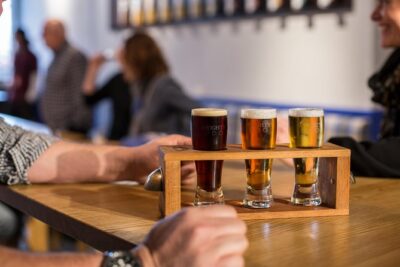 ★ 5.0Speight’s Brewery Tour & Guided TastingFrom $16508 reviews
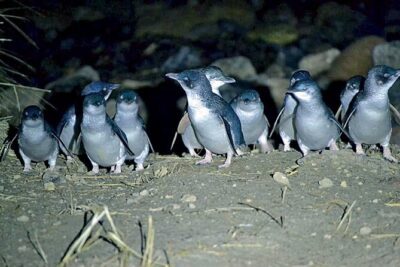 ★ 5.0Guided Evening Penguin Viewing Otago Peninsula, Dunedin, New ZealandFrom $34471 reviews
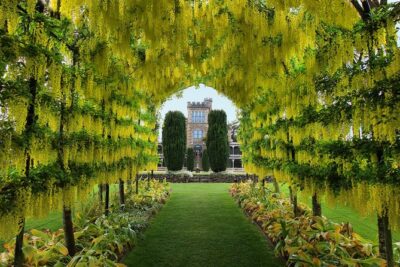 ★ 4.5Larnach Castle and Gardens Admission TicketFrom $29279 reviews
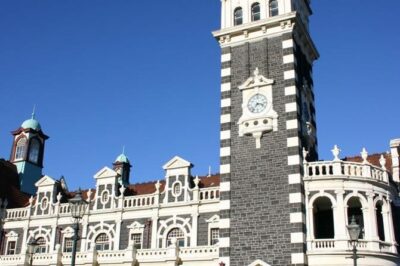 ★ 4.5Dunedin Shore Excursion: Small-Group Tour of Dunedin and the Otago PeninsulaFrom $86270 reviews
 ★ 4.6Dunedin: Wildlife and Penguin TourFrom $44239 reviews
 ★ 4.5Otago Peninsula Wildlife Cruise with MonarchFrom $43227 reviews
 ★ 5.0Albatross, seals, and sea birds-Wildlife CruiseFrom $105189 reviews
Browse the lists this tour appears in