
REVIEW · MAORI CULTURAL EXPERIENCES
Whaka Trails and Maori Village Combo Tour
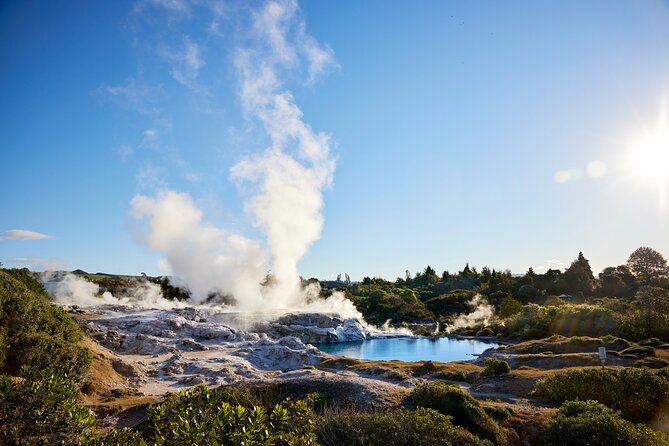
Rotorua can feel like one long list of things to see. This combo tour gives you the story behind the steam. You’ll visit the Whakarewarewa Living Maori Village, then walk the nearby Whaka geothermal trails while learning how geothermal power shapes daily life, cooking, bathing, and village traditions.
I like that this isn’t just a show. It’s guided by people connected to the village, and the tour mixes culture with real, on-the-ground geothermal science. I also love the hands-on touch, like tasting corn cooked in a hot pool, and then following geothermal features along trails you can’t really replicate on your own.
One thing to consider: the experience depends on good weather. If Rotorua’s conditions turn, your timing and flow may change, or you may be offered a different date or a refund.
In This Review
- Quick hits before you go
- Whakarewarewa: a Rotorua stop with real people behind it
- The guided village tour: culture, geothermal habits, and a corn cob test
- 1) Seeing Pohutu Geyser from purpose-built viewing areas
- 2) Understanding geothermal use beyond the tourist angle
- 3) The hot pool corn cob tasting
- Stop-by-stop: how the timing usually plays out
- Stop 1: Whakarewarewa Living Maori Village, plus the trails time
- Stop 2: Pohutu Geyser viewing platforms, focused on eruptions
- The Whaka geothermal trails: photos, calm time, and seeing more than the big sights
- Who this tour fits best (and who might want to plan around it)
- Price and value: why $54.30 makes sense here
- Smart logistics: where to meet and how to prep
- What to look for during the tour (so you don’t miss the good stuff)
- Should you book the Whaka Trails and Maori Village combo?
- FAQ
- How long is the Whaka Trails and Maori Village combo tour?
- Where does the tour start and end?
- What is included in the ticket price?
- What is not included?
- Is the Pohutu Geyser view part of the tour?
- How often does Pohutu Geyser erupt during the tour?
- How many travelers are in a group?
- Is the tour family-friendly?
- Do I need good weather for this experience?
- What is the cancellation policy?
Quick hits before you go
- Living village, not a theme set: You’re guided through the community by residents, with day-to-day stories alongside cultural context
- Pohutu Geyser viewpoint platforms: You’ll see eruptions from set viewing areas, and it erupts up to 2 times per hour
- Hot pool corn cob tasting: The corn is cooked in the village’s largest hot pool, then offered during the visit
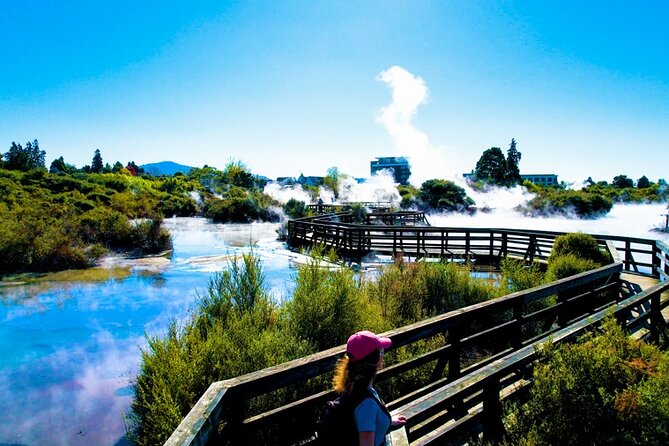
- Self-guided geothermal trail access: After the guided parts, you get an easy, leisurely walk to see more bubbling features
- Small group size: Maximum 20 travelers, which makes questions feel normal, not rushed
Other Maori-led experiences we have reviewed
- Mitai Maori Village: Cultural Experience and Dinner Buffet
★ 4.7 · 3,575 reviews - Cultural Experience & Seasonal Māori Cuisine at Te Pā Tū
★ 5.0 · 1,546 reviews - Mitai Maori Village Cultural Experience in Rotorua
★ 4.5 · 1,294 reviews - Rotorua: Te Pa Tu Māori Cultural Experience with Dinner
★ 4.8 · 1,193 reviews
Whakarewarewa: a Rotorua stop with real people behind it
If you only do geothermal sites by yourself, you get the wow factor but miss the meaning. Here’s the difference: you’re not just walking past steaming pools, you’re hearing how this place works for the people who live on it.
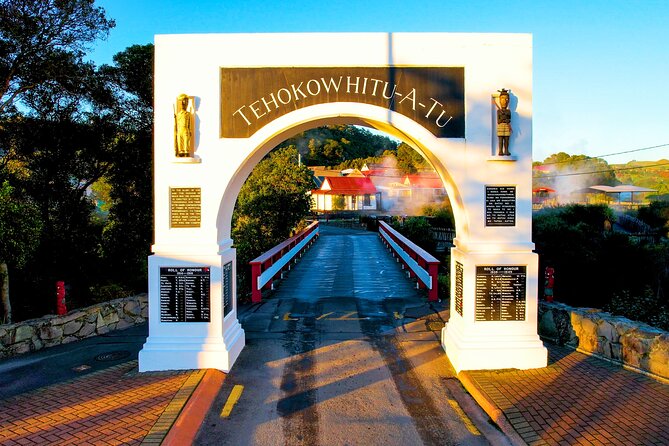
Whakarewarewa, also known as the Living Maori Village, is one of Rotorua’s best chances to see geothermal activity as part of everyday life, not just a tourist attraction. The village sits on geothermal features, and the tour connects that to history, traditions, and how the community uses hot springs and mud pools.
This combo also makes good sense for your time. With a duration listed as about 1 to 3 hours, it’s an easy add-on to a longer Rotorua day. You won’t need to plan an entire morning around transport or logistics, since the meeting point and return are the same (17 Tryon Street, Whakarewarewa).
The guided village tour: culture, geothermal habits, and a corn cob test
Your visit starts with a village guided tour focused on how the community lives with geothermal energy. Expect a mix of stories about history and traditions, plus practical explanations of what’s happening underfoot.
Here’s what I’d call the standout value inside this guided part:
1) Seeing Pohutu Geyser from purpose-built viewing areas
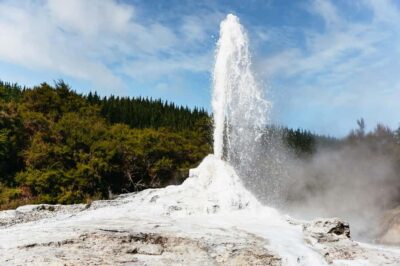
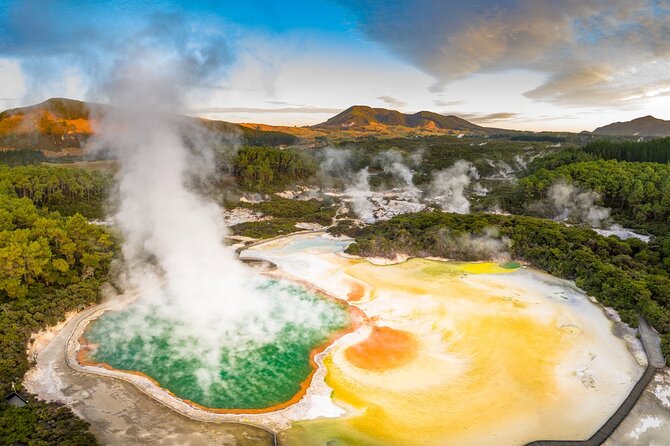
You’ll visit lookout platforms designed for viewing the Pohutu Geyser. The tour notes that it can erupt up to 2 times per hour, so you have a real chance of catching eruptions while you’re there. Even when it’s quiet, you’ll learn what you’re looking at and why this specific geyser matters.
Practical tip: plan your photos and your attention around the platforms. When people try to shift position last-second, it can get awkward. Stand where you can see without blocking others.
2) Understanding geothermal use beyond the tourist angle
The tour goes beyond the usual headlines. You’ll hear how villagers have utilized hot springs and mud pools for centuries, and how geothermal features power things like cooking and bathing. That matters because it turns a visual spectacle into an explanation you can actually carry with you.
I particularly liked the way the tour connects cultural practices to the geothermal environment itself. It’s not just history trivia. It’s a cause-and-effect story: geothermal energy creates opportunities, and the community developed ways to use them safely and respectfully.
3) The hot pool corn cob tasting
Yes, you’ll get to taste corn cooked in the thermal waters. The details on this one are specific: it’s cooked in the village’s largest hot pool, then offered as part of the village visit.
This is one of those small add-ons that makes the whole tour feel more earned. You’re not just watching steam, you’re eating something shaped by it.
From the experiences shared with me, guides like Angela and Michael stood out for storytelling that stuck with people, especially families and younger visitors. Daniel also gets frequent praise for being funny and handling questions well, which helps if you’re traveling with kids who need momentum.
Stop-by-stop: how the timing usually plays out
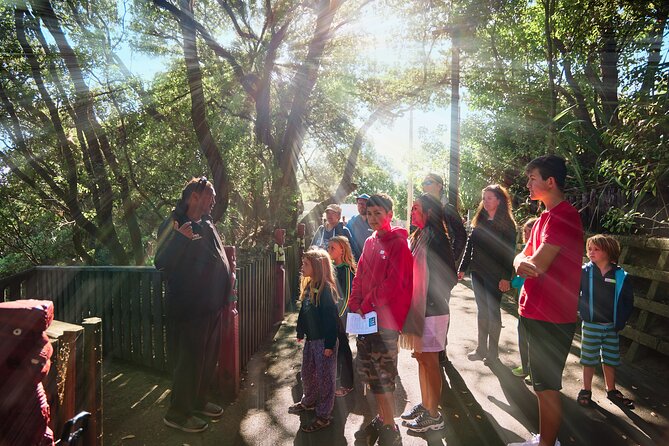
Even though the tour is a combo, you can think of it in two moods: guided village context first, then more time with geothermal scenes on foot.
Stop 1: Whakarewarewa Living Maori Village, plus the trails time
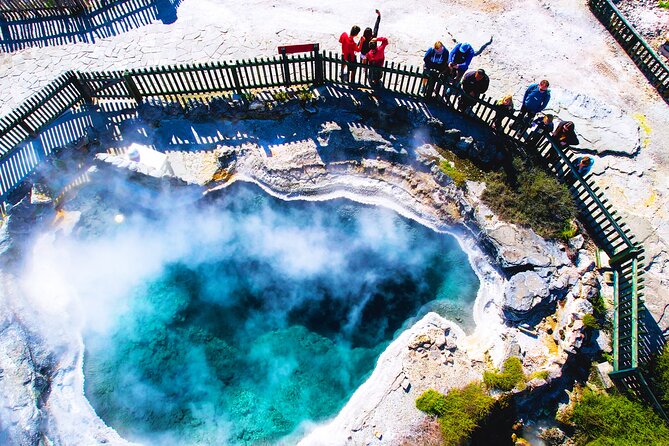
This portion is where you get the village guided tour and the food tasting. The tour description also points to a follow-up self-guided walk through Whaka Geothermal Trails, with access to geothermal features and an emphasis on “raw nature” and Papatuanuku (mother earth).
What makes this special is the shift in pacing. The guided part gives you the story framework. Then the self-guided trail walk lets you look at bubbling ground and steaming pools with your own eyes, using what you just learned.
Potential drawback to watch for here: the trails involve walking around geothermal terrain. Even if it’s described as an easy walk in spirit, you’ll still want grippy shoes and a calm pace. Rotorua can be slick, and geothermal areas are not the place for slippery soles.
Stop 2: Pohutu Geyser viewing platforms, focused on eruptions
After the village portion, you’ll spend time at lookout platforms specifically for Pohutu Geyser. One key detail from the tour info is how often it erupts, up to 2 times per hour. That’s why these platforms matter. They put you in the right viewing zones instead of making you guess where to stand.
A good move is to stay mentally ready for sudden action. Geysers don’t care about your photo settings. If you treat this as a “watch, not work” moment, you’ll get better results.
The Whaka geothermal trails: photos, calm time, and seeing more than the big sights
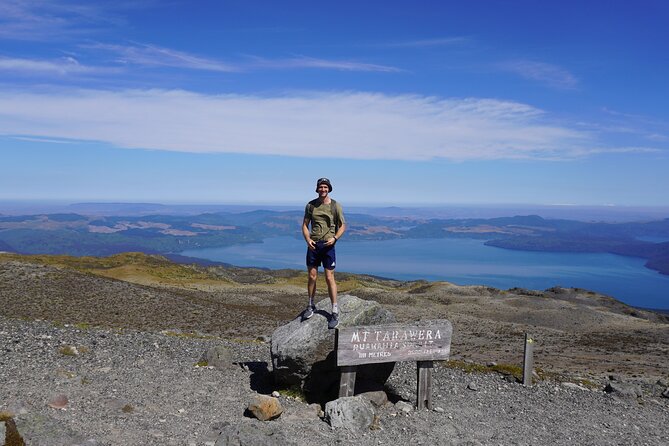
After the guided village tour, you get access to Whaka Geothermal Trails for a leisurely self-guided walk. The description emphasizes walking around natural features and provides “exclusive access” to geothermal areas you wouldn’t get in the same way on your own.
This is where your tour becomes more than one highlight. You’ll likely see lots of smaller geothermal expressions, not just the famous eruptions. That’s a big part of the value for photographers and for anyone who gets that “Rotorua is cool, but where do I look?” feeling.
From reviews, people repeatedly mention the trails having many thermal springs and bubbling features worth slowing down for. You don’t have to be a geology nerd to enjoy it. If you can follow a short walking route and pay attention to steam patterns, you’ll get a lot out of it.
Photo tip: bring your camera straps and give yourself time to stop. The best shots tend to happen after you stop rushing and start framing with a steady stance.
Who this tour fits best (and who might want to plan around it)
This combo tour is family-friendly and generally easy to join. The tour info says most travelers can participate, and reviews highlight that teens and even younger visitors can enjoy it when the guide keeps the pacing clear.
You’ll likely enjoy it most if:
- you want culture plus geothermal instead of just seeing steam
- you prefer small groups (max 20) so you can ask questions
- you like interactive moments, like tasting corn cooked in thermal water
- you want a tour that teaches, without feeling like a lecture
You might want to think twice if:
- you’re very sensitive to tone and personal commentary from guides
One low-score experience in the feedback described a guide whose attitude and atmosphere felt uncomfortable, specifically with political blame. Most reviews are very positive, but if you want a strict focus on culture and science only, keep that in mind and judge the guide’s vibe early.
Price and value: why $54.30 makes sense here
At $54.30 per person, this is not the cheapest thing in Rotorua, but it also isn’t trying to be a big, all-day production. The value comes from two parts you would otherwise struggle to combine:
1) A guided tour inside a living Maori village, led by people with real ties to the community
2) Access to Whaka Geothermal Trails, plus time at Pohutu Geyser viewing platforms
If you tried to DIY, you might see plenty of geothermal sights, but you’d miss the cultural context and the practical explanations connecting geothermal energy to daily life. The guided element is what turns “we saw steam” into “we understood why and how.”
What’s not included is also worth knowing so you can plan smart. The tour does not include coffee/tea, lunch, or bottled water. That’s pretty common for short combo tours, but it means you should bring your own water plan, especially if you tend to get thirsty in humid heat or while walking.
Smart logistics: where to meet and how to prep
You meet at 17 Tryon Street, Whakarewarewa, Rotorua 3010, and the tour ends back at the same spot. That simple loop is helpful when Rotorua traffic or parking is annoying.
The tour info also says:
- confirmation is received at booking
- service animals are allowed
- it’s near public transportation
Weather matters here. The experience is described as requiring good weather. If it’s bad, you may be offered a different date or a refund. For planning, that means you should aim to schedule it earlier in your Rotorua trip window, so you’re not stuck if weather forces a change.
What to look for during the tour (so you don’t miss the good stuff)
This type of tour rewards attention more than speed. If you want the most out of it, do these simple things:
- Keep your questions ready for the village guide, especially during the early guided segment
- Watch the Pohutu Geyser from the platforms with patience, since eruptions are time-based
- Treat the corn cob tasting as a full experience, not a quick bite. It’s tied directly to geothermal use
- During the self-guided trails, slow down where steam meets ground and bubbling changes. That’s where you’ll notice variety
And if you get a guide like Mirama, Waimairia, Angela, Ben, Michael, or Daniel, lean into their stories. Multiple reviews mention that the best parts are the way guides explain village life and geothermal habits in a relaxed, engaging way. The humor and openness to questions shows up again and again in the feedback.
Should you book the Whaka Trails and Maori Village combo?
If you want an authentic Rotorua experience that connects Maori village life with geothermal science, I’d book this. For the price, you’re paying for guided context, not just a walking route. The corn tasting and Pohutu Geyser viewing make it feel hands-on and memorable, while the self-guided trails let you linger and absorb the smaller details.
One caution: plan around weather, and keep an eye on the guide’s tone if you prefer a strictly cultural and science-focused experience. If that fits your travel style, this is a strong choice that gives you both wonder and understanding in a half to short-day time frame.
FAQ
How long is the Whaka Trails and Maori Village combo tour?
The duration is listed as about 1 to 3 hours (approx.). The village guided and lookout time is broken into segments within that overall window.
Where does the tour start and end?
The meeting point is 17 Tryon Street, Whakarewarewa, Rotorua 3010, New Zealand. The activity ends back at the meeting point.
What is included in the ticket price?
The combo includes access to Whaka Geothermal Trails and a village guided tour.
What is not included?
Coffee and/or tea, lunch, and bottled water are not included.
Is the Pohutu Geyser view part of the tour?
Yes. You’ll visit lookout platforms to view Pohutu Geyser eruptions.
How often does Pohutu Geyser erupt during the tour?
The tour info notes Pohutu Geyser erupts up to 2 times per hour.
How many travelers are in a group?
The tour has a maximum of 20 travelers.
Is the tour family-friendly?
The experience is described as family-friendly, and most travelers can participate.
Do I need good weather for this experience?
Yes. The experience requires good weather. If it’s canceled due to poor weather, you’ll be offered a different date or a full refund.
What is the cancellation policy?
You can cancel for free up to 24 hours in advance for a full refund. If you cancel less than 24 hours before the experience’s start time, the amount paid is not refunded. Cut-off times are based on local time.
The Wider Rotorua Shortlist




Everything Else We Wrote Up in Rotorua
Other Maori-Led Experiences


Just added to our Rotorua notes
- Rotorua: Waimangu Valley Walk and Steaming Cliffs Kayak Tour★ 4.7 · 6 reviews
- Rotorua: Lake View Private Pools Experience★ 4.3 · 6 reviews
- Rotorua: Floatplane Flight with Orakei Korako Landing★ 5.0 · 6 reviews
- Rotorua: Evening Starlight Gourmet Kayak Tour with dinner★ 5.0 · 6 reviews
- Rangitaiki Rafting Grade 2★ 4.8 · 6 reviews
- One Day Birding Adventure★ 5.0 · 7 reviews
Maori Cultural Experiences, compared.
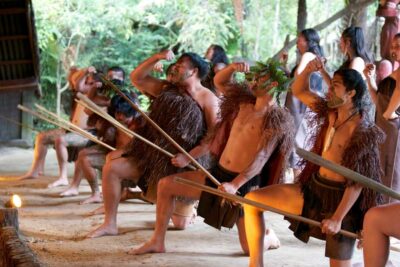 ★ 4.7Mitai Maori Village: Cultural Experience and Dinner BuffetFrom $1013,575 reviews
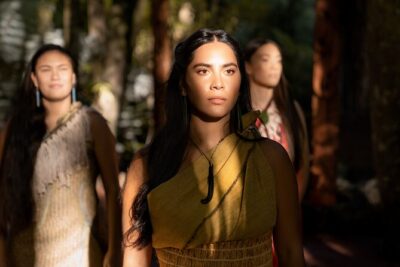 ★ 5.0Cultural Experience & Seasonal Māori Cuisine at Te Pā TūFrom $1671,546 reviews
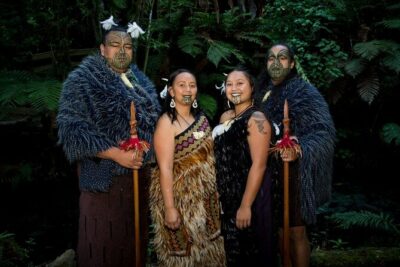 ★ 4.5Mitai Maori Village Cultural Experience in RotoruaFrom $1041,294 reviews
 ★ 4.8Rotorua: Te Pa Tu Māori Cultural Experience with DinnerFrom $1671,193 reviews
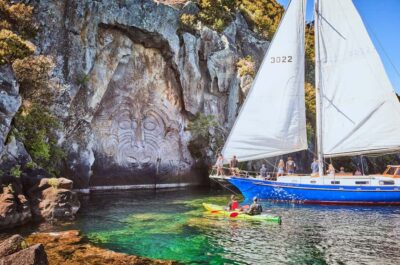 ★ 4.8Lake Taupo: Sailboat Trip to the Maori Rock CarvingsFrom $35972 reviews
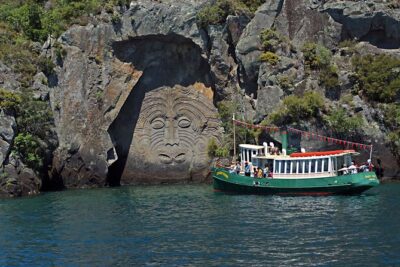 ★ 4.5Lake Taupō Māori Rock Carvings Scenic Cruise aboard Ernest KempFrom $31901 reviews
 ★ 5.0Maori Rock Carvings Eco Sailing TaupoFrom $33758 reviews
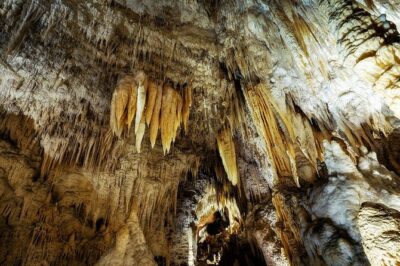 ★ 4.5Waitomo Caves & Rotorua – Te Puia Small-Group Tour from AucklandFrom $253681 reviews
Browse the lists this tour appears in