
REVIEW · ROTORUA TOURS AND ATTRACTIONS
15-Minute Crater Lakes Flight by Floatplane from Rotorua
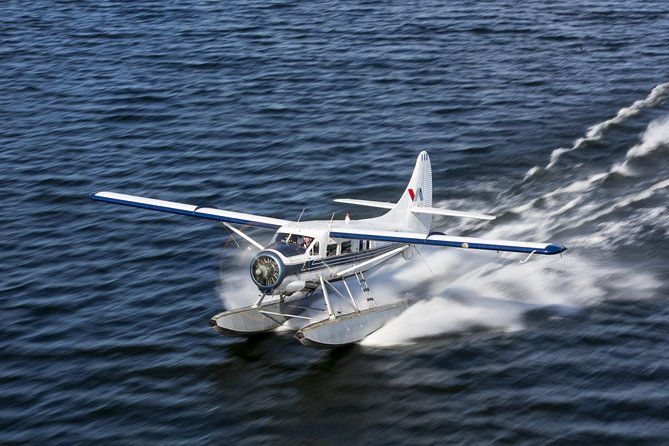
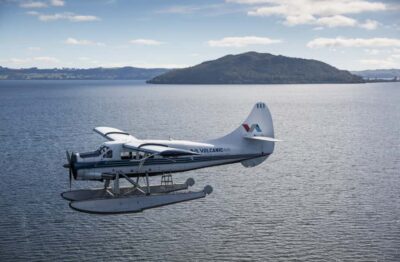
A floatplane hop, packed with big views. In about 15 minutes from Rotorua City Lakefront, you’ll glide over crater lakes and volcanic scenery while a pilot-guide narrates what you’re seeing with clear audio through your headset.
I like how headsets make the commentary easy to follow, so you’re not just looking, you’re understanding. One thing to keep in mind is the whole experience is short, so if you want a long flight, 15 minutes may feel like it goes fast.
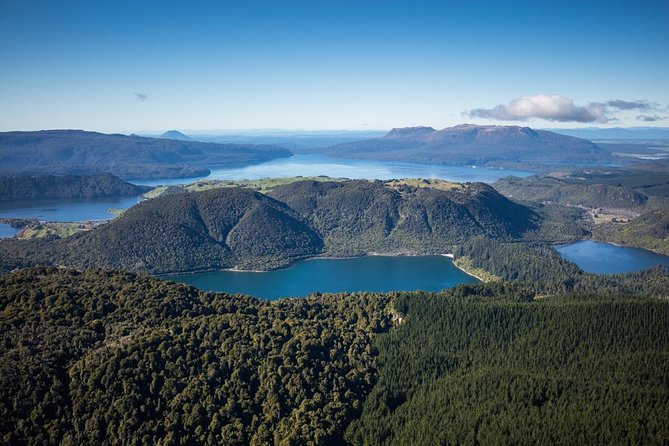
Another standout for me is the route coverage, from Mokoia Island to Lakes Okataina and Okaraka, plus Blue Lake and Green Lake, before heading back over Whakarewarewa forest and Sulphur Bay. It’s also a small-group flight with a maximum of 10 people, which tends to make the experience feel more personal than big-tour crowds.
Quick reality check: it’s weather dependent. If conditions are poor, your flight may be changed or canceled, so keep some flexibility in your day.
In This Review
- Key highlights you should care about
- A 15-minute floatplane over Rotorua’s crater lakes: what you really get
- Starting at Rotorua City Lakefront, and what to plan for
- Flying the loop: Mokoia Island, Lake Okataina, Lake Okaraka, Blue Lake, Green Lake
- Mokoia Island
- Lake Okataina
- Lake Okaraka
- Blue Lake and Green Lake
- Whakarewarewa forest and Sulphur Bay on the way back
- Whakarewarewa forest
- Sulphur Bay
- Why the pilot-guide commentary and personal headsets matter
- Price and value: is $155.76 per person worth it?
- Choosing your departure time: morning, midday, or early afternoon
- Weather can change everything, and you should expect that
- Should you book this Rotorua crater lakes floatplane flight?
- FAQ
- How long is the 15-minute crater lakes flight?
- Where do I start this floatplane experience?
- What will the plane fly over?
- What is included in the ticket price?
- Is food or drinks included?
- Is hotel pickup or drop-off provided?
- How many people are on the flight?
- Can I choose a time of day?
- What happens if the flight is canceled due to weather, or if I cancel?
Key highlights you should care about
- Personal headsets so the pilot-guide’s commentary is clear throughout
- Small group size (maximum 10) for a calmer, more attentive flight
- A focused route that hits multiple crater lakes in only 15 minutes
- Multiple departures you can choose from, including morning, midday, and early afternoon
- A return loop that brings you back over Whakarewarewa forest and Sulphur Bay
What else Rotorua puts on
- Rotorua Canopy Tours: 2.5Hour Native Forest Zipline Adventure
★ 5.0 · 4,563 reviews - Rotorua: Wai-O-Tapu Geothermal Park Entry Ticket
★ 4.6 · 2,601 reviews - Rotorua’s Ultimate Zipline: 6 ziplines, 400 m Tandem, Cliff Walk
★ 5.0 · 2,557 reviews - Rotorua Rafting: Kaituna River White Water Rafting & Free Sauna
★ 5.0 · 1,952 reviews
A 15-minute floatplane over Rotorua’s crater lakes: what you really get
If you only have a short window in Rotorua, this is the kind of activity that gives you maximum payoff per minute. For about 15 minutes, you’re up in the air, looking down on volcanic features and the chain of lakes that make this region so famous. The flight time is brief, but the aerial perspective is the whole point, and it comes fast.
The bigger value here is interpretation. This isn’t a silent sightseeing flight. You’ll have a pilot-guide, and you’ll hear the narration through personal headsets. That means you can connect shapes, colors, and geography with geothermal activity and how this volcanic landscape formed.
The other value is momentum. Road touring can be slow, and getting good viewpoints takes time. This flight compresses a lot of sighting into one tight loop, with takeoff from the Lakefront and then a clear sequence of lakes you’ll fly over before heading back.
One practical note before you book: at 15 minutes, you’re not doing a long aerial experience. I’d treat it like a high-intensity taste, not a full scenic flight day.
Starting at Rotorua City Lakefront, and what to plan for
Your flight starts at Lakefront Drive, Ohinemutu, Rotorua 3010, and it ends back at the same meeting point. You’ll want to arrive early, mostly because small floatplane operations can involve quick check-in and tight timing around departures.
This is also a mobile ticket experience, so you’ll likely be scanning from your phone. If your phone battery is low, fix that before you go. Rotorua is outdoorsy, and you’ll feel better with a full charge, especially if you’ll also be taking photos.
Because it’s near public transportation, you’re not locked into needing a rental car right at the exact moment you go. That said, you still should plan to be at the Lakefront on time, since the flight itself is short and the departure window matters.
One detail that helps you enjoy this more: you’re wearing headsets. If you have long hair, plan for it to stay comfortable when the headset goes on. And if you wear glasses, you’ll usually be able to keep them, but it’s smart to check for fit when you arrive.
Flying the loop: Mokoia Island, Lake Okataina, Lake Okaraka, Blue Lake, Green Lake
The route is the main event, and it’s built around giving you a quick tour of the crater lake network. After takeoff from the Rotorua City Lakefront, you fly over Mokoia Island, then continue toward the chain of lakes: Lake Okataina, Lake Okaraka, Blue Lake, and Green Lake.
Mokoia Island
Mokoia Island is one of the first landmarks you’ll see as the plane climbs out. In the air, islands stop being just dots on a map and start looking like part of a bigger volcanic system. The pilot-guide narration is useful here because it helps you interpret what you’re seeing right away, rather than waiting until you’re on the ground again.
A tip for enjoying this section: focus on how the island sits within the water system and how the shorelines relate to what comes next. That context helps the later lakes make more sense.
More of the country seen from the air
Lake Okataina
Lake Okataina is where the flight starts to feel like a true crater-lake experience. From above, you can often spot how the terrain and water meet, and you’ll get a better sense of scale than you do from roads or walking paths.
Since you have audio commentary, this is also a good time to listen actively. The guide is pointing out things you might miss if you’re only snapping photos.
Lake Okaraka
As you move onward to Lake Okaraka, you’re getting a view that feels like a living diagram of Rotorua’s volcanic activity. The aerial angle makes it easier to see patterns in how these lakes sit in relation to surrounding geothermal features.
If you’re the type who likes to understand before you photograph, this is your moment. Tune into the narration rather than only watching for the next landmark.
Blue Lake and Green Lake
These two lakes are the most visually distinctive names on the route. When the plane heads over Blue Lake and Green Lake, your eyes will naturally look for color and contrast. From the air, that contrast can feel more dramatic, because you’re seeing the lakes and their edges without trees or buildings blocking the view.
This is where I’d slow down and take in the full picture, headset commentary included. The pilot-guide is there to help you connect what you see to the region’s geothermal story, so you’re not just chasing color.
A small drawback: with only 15 minutes total, you’ll feel a bit of pressure to look fast. I like to make a plan with myself. Take a few photos, then put the camera away for a minute and actually listen, so the experience sticks.
Whakarewarewa forest and Sulphur Bay on the way back
The return portion of the flight matters just as much as the crater lakes. After the lakes, you make your way back over Whakarewarewa forest and Sulphur Bay.
Whakarewarewa forest
From the air, forested areas look different than from ground level. You can spot how dense areas sit near open water, and how the terrain changes as you move back toward the Lakefront. This part helps break up the flight, because after a sequence of lakes, you’re shifting to a different kind of terrain.
Even if you only catch a quick glimpse, the forest view gives you a sense of how geothermal areas are interwoven with vegetation and hills.
Sulphur Bay
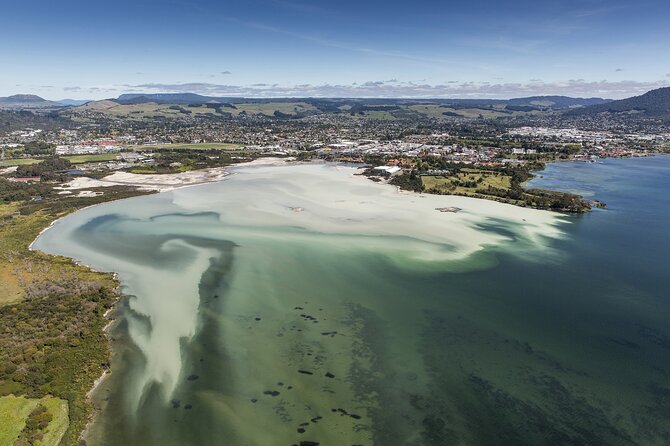
Sulphur Bay is where the volcanic theme becomes more obvious. From above, you’ll likely see geothermal activity patterns and the way the bay sits in the water system. The narration helps you translate those cues into something meaningful, not just interesting scenery.
This is also one of the best segments to pay attention if you’re curious about Rotorua’s geothermal reputation. The guide’s commentary is meant to increase your understanding of geothermal activity, and hearing it while you look at the features makes it stick.
Why the pilot-guide commentary and personal headsets matter
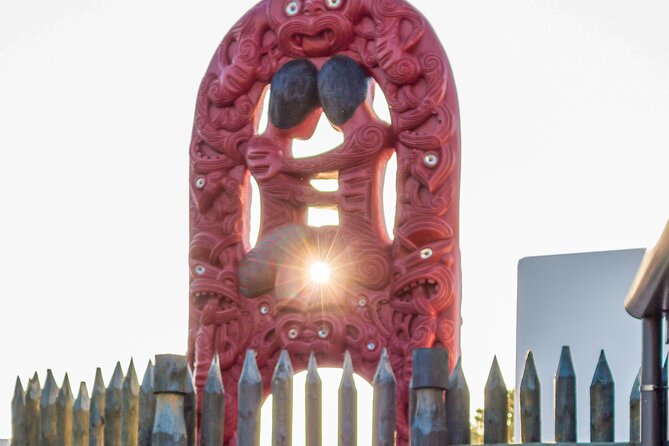
A lot of flights can be pretty, but understanding is what makes them memorable. This one includes a professional pilot-guide and personal headsets so the narration comes through clearly.
That matters because Rotorua’s geothermal activity can be hard to interpret from the ground. Steam, springs, and changing ground can look similar depending on where you are standing. From the air, you get orientation, and the guide connects that orientation to what’s happening in the region.
You also benefit from the small group size, capped at 10 travelers. In plain terms, that usually means less chaos, easier listening, and a more human experience in a setting that could otherwise feel rushed.
One more practical upside from real-world experience: this is the kind of operation where flexibility can show up if timing changes. In at least one case, when a flight time was rescheduled and the passenger worried about check-in, the operator handled a quick check-in after arrival once the situation was communicated in advance. The lesson for you is simple: if anything threatens your timing, contact the operator as soon as you know.
Price and value: is $155.76 per person worth it?

At $155.76 per person, this isn’t a budget activity, and it isn’t meant to be. The value comes from three things working together: aerial access, live interpretation, and tight time efficiency.
First, you’re paying for flight in a floatplane. That’s not just a ride, it’s a view you can’t replicate by walking around town. Second, you get commentary through headsets, which turns the experience from passive sightseeing into something you can actually learn from. Third, the time efficiency is real. In 15 minutes, you’ll see multiple crater lakes and return over other geothermal-related areas.
If you’re the kind of person who loves photos, you may feel satisfied with the visuals alone. If you’re more of a “teach me what I’m looking at” traveler, the pilot-guide angle is what justifies the cost.
What you should consider before buying: if you need a longer outing, or if you’re uncomfortable with short experiences that depend on weather, then this might feel too fast. But if you want one strong aerial highlight during a Rotorua day, it’s a sensible use of time.
Choosing your departure time: morning, midday, or early afternoon
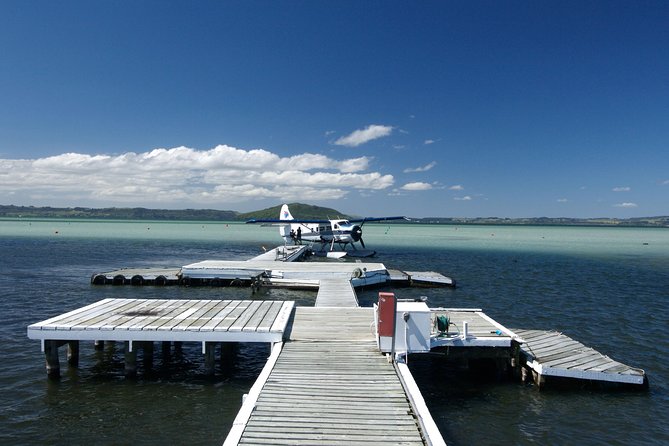
You can choose from morning, midday, or early-afternoon flights. The timing matters because you’ll be flying for a short burst, so lighting and visibility are doing a lot of work for your photos.
In general travel terms, earlier flights can offer cooler conditions and often steadier comfort, while midday can bring harsher shadows for photos. Early afternoon can be a nice middle ground. Since weather can also shift quickly in the Rotorua region, I’d pick the departure that best matches your plan on the ground, then keep an eye on conditions.
One thing I like about multiple departure options: if you’re coordinating with other Rotorua activities, you can place this flight where it fits best, rather than forcing your day around a single departure.
Weather can change everything, and you should expect that
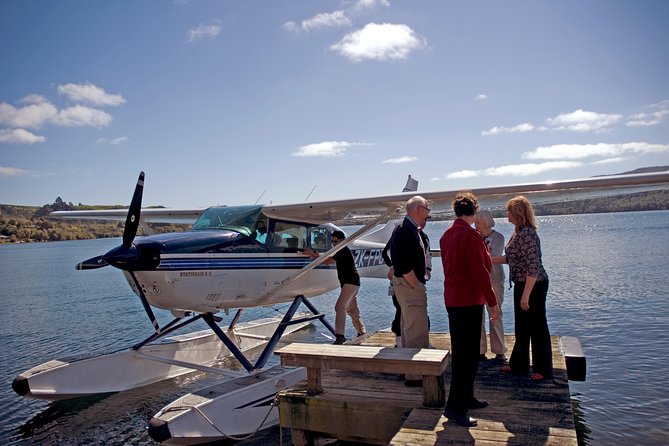
This experience requires favorable weather conditions. That means if conditions are poor, your flight can be canceled, and you’ll be given an option of an alternative date or a full refund.
This is worth taking seriously, because it affects your day more than a walking tour does. You’re not just adjusting your schedule slightly, you might be rescheduling the flight itself. My advice: don’t book this as your only plan on a day with fixed commitments. Leave room to shift.
The good news is that weather is also the reason the flight feels special. When it works, you get clear views and a smooth experience, and the route can feel like a complete overview of the crater-lake system.
Should you book this Rotorua crater lakes floatplane flight?
I’d book it if you want a short, high-impact Rotorua experience that combines visuals with live interpretation. It’s especially a good fit if you’re pressed for time, love aerial views, or you’re genuinely curious about geothermal activity and crater lakes.
Skip it or think twice if you want a long scenic flight, or if you have a schedule that cannot flex due to weather. Also consider whether you’d enjoy listening through headsets for the duration, because this flight is built around a pilot-guide commentary track.
One final check before you decide: with a flight time of about 15 minutes, you should treat it like a fast, focused highlight. If you show up ready to look and listen, you’ll leave feeling like Rotorua’s crater lakes make more sense from the sky than from street level.
FAQ
How long is the 15-minute crater lakes flight?
The flight duration is about 15 minutes.
Where do I start this floatplane experience?
You meet at Lakefront Drive, Ohinemutu, Rotorua 3010, New Zealand, and the activity ends back at the same meeting point.
What will the plane fly over?
The route includes flying over Mokoia Island on the way to Lake Okataina, Lake Okaraka, Blue Lake, and Green Lake. On the return, you fly over Whakarewarewa forest and Sulphur Bay.
What is included in the ticket price?
The ticket includes a professional pilot-guide and headsets so you can hear the commentary clearly.
Is food or drinks included?
No, food and drinks are not included.
Is hotel pickup or drop-off provided?
No, hotel pickup and drop-off are not included.
How many people are on the flight?
The flight has a maximum of 10 travelers.
Can I choose a time of day?
Yes, you can choose from morning, midday, or early-afternoon flights.
What happens if the flight is canceled due to weather, or if I cancel?
If the flight is canceled due to poor weather, you’ll be offered an alternative date or a full refund. You can cancel up to 24 hours before the experience start time for a full refund. Confirmation is typically received within 48 hours of booking, subject to availability.
Everything Else We Wrote Up in Rotorua


New Zealand From the Air
Rotorua, Three More Ways


Just added to our Rotorua notes
- Rotorua: Waimangu Valley Walk and Steaming Cliffs Kayak Tour★ 4.7 · 6 reviews
- Rotorua: Lake View Private Pools Experience★ 4.3 · 6 reviews
- Rotorua: Floatplane Flight with Orakei Korako Landing★ 5.0 · 6 reviews
- Rotorua: Evening Starlight Gourmet Kayak Tour with dinner★ 5.0 · 6 reviews
- Rangitaiki Rafting Grade 2★ 4.8 · 6 reviews
- One Day Birding Adventure★ 5.0 · 7 reviews
Rotorua Tours and Attractions, compared.
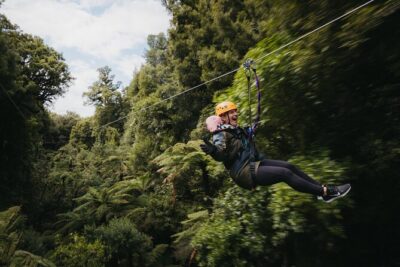 ★ 5.0Rotorua Canopy Tours: 2.5Hour Native Forest Zipline AdventureFrom $1234,563 reviews
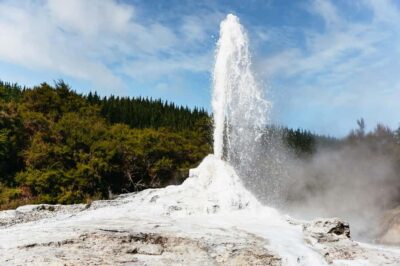 ★ 4.6Rotorua: Wai-O-Tapu Geothermal Park Entry TicketFrom $282,601 reviews
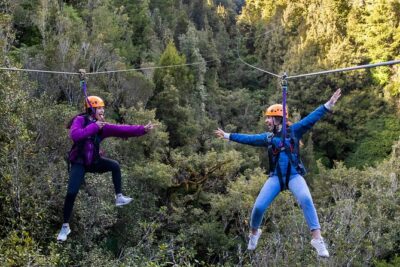 ★ 5.0Rotorua’s Ultimate Zipline: 6 ziplines, 400 m Tandem, Cliff WalkFrom $1662,557 reviews
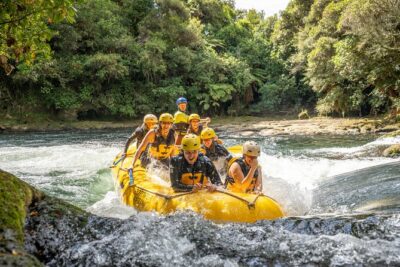 ★ 5.0Rotorua Rafting: Kaituna River White Water Rafting & Free SaunaFrom $831,952 reviews
 ★ 4.5Mitai Maori Village Cultural Experience in RotoruaFrom $1041,294 reviews
 ★ 4.8Rotorua: Te Pa Tu Māori Cultural Experience with DinnerFrom $1671,193 reviews
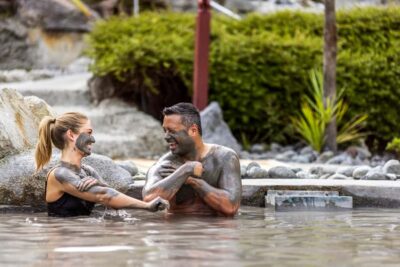 ★ 4.7Rotorua: Hell’s Gate Outdoor Mud Spa & Guided WalkFrom $681,140 reviews
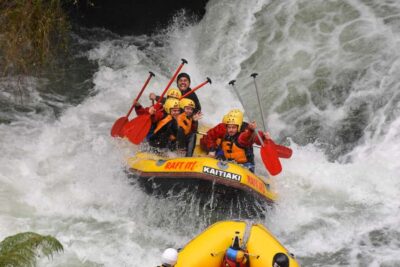 ★ 4.9Rotorua Rafting: Kaituna River White Water ExperienceFrom $49840 reviews
Browse the lists this tour appears in