
REVIEW · ROTORUA TOURS AND ATTRACTIONS
Mt Tarawera Helicopter Tour with Volcano Landing
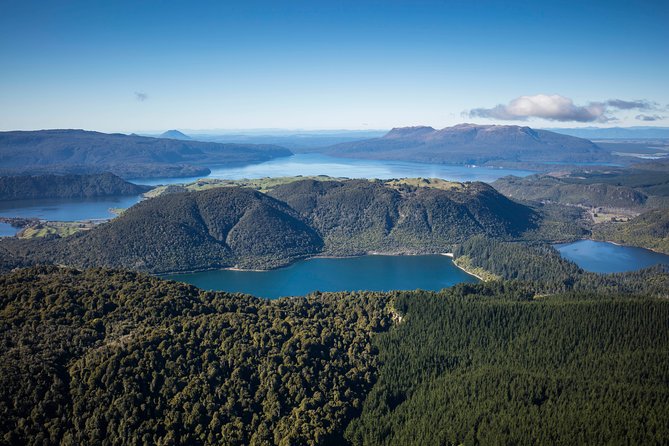
A volcano landing feels unreal, and it only takes a short hop from Rotorua’s lakefront helipad to make it happen. You’ll fly over the crater lakes of the Northern Lakes district, then come in low over Mt Tarawera’s volcanic terrain for that close-up view most people only see from far away.
I love the guided walk on the dormant volcano, because it turns a quick flight into something you can actually feel under your boots. I also love the pilot-guide style, with on-board commentary that helps you connect what you’re seeing to the geology and the human stories tied to this place.
My one caution is weather. This experience requires good conditions, and if it cannot fly, you’ll be offered another date or a full refund, so build in a little flexibility if you can.
In This Review
- Key things to know before you fly
- Rotorua’s lakefront helipad to Mt Tarawera, fast and focused
- The helicopter flight: crater lakes, the 1886 eruption, and a rift view you can’t fake
- Landing on Mt Tarawera: what the volcanic ground adds to the flight
- The guided walk itself: craters, domes, and staying comfortable
- Small group dynamics: why max 6 makes a difference
- Rotorua views from above: photo moments and what to look for
- Duration and pace: 40 minutes of flight, plus time on the ground
- Price and value for a Mt Tarawera helicopter landing
- Who this helicopter tour suits best, and who should think twice
- Quick planning tips for a smoother experience
- Should you book this Mt Tarawera helicopter tour with volcano landing?
- FAQ
- How long is the Mt Tarawera helicopter tour?
- How long is the flight time?
- Is there a walk on Mt Tarawera?
- What is included in the tour price?
- Is hotel pickup or drop-off included?
- Where do I meet for the tour?
- What group size is this tour?
- Is there a weight limit?
- What happens if the tour is cancelled due to weather?
- Is the cancellation refundable?
Key things to know before you fly
- A small group maxes at 6, so questions feel easy and you are not stuck watching over everyone’s heads.
- About 40 minutes of flight time, plus a short guided exploration once you land.
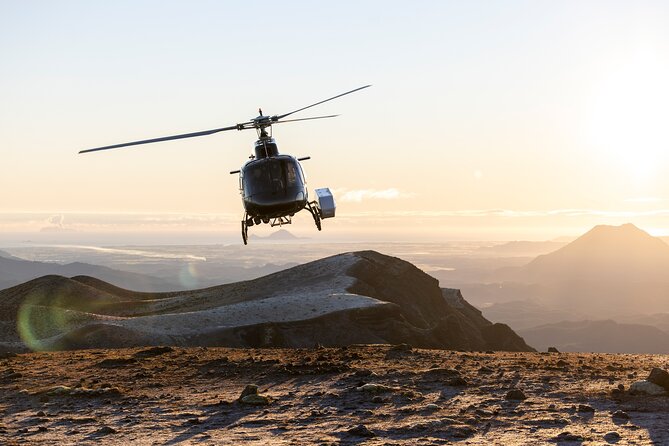
- You land on Mt Tarawera, which is the whole reason this tour exists, and the landing is a highlight in the feedback you’ll see.
- You get a real explanation, not just views, with pilot-guide commentary while you circle the volcanic area.
- It is about comfort limits, with a stated maximum of 297 lbs (135 kg) per seat/passenger for fit and balance.
- No food or hotel pickup, so plan to eat before and get yourself to the lakefront meeting point.
What else Rotorua puts on
- Rotorua Canopy Tours: 2.5Hour Native Forest Zipline Adventure
★ 5.0 · 4,563 reviews - Rotorua: Wai-O-Tapu Geothermal Park Entry Ticket
★ 4.6 · 2,601 reviews - Rotorua’s Ultimate Zipline: 6 ziplines, 400 m Tandem, Cliff Walk
★ 5.0 · 2,557 reviews - Rotorua Rafting: Kaituna River White Water Rafting & Free Sauna
★ 5.0 · 1,952 reviews
Rotorua’s lakefront helipad to Mt Tarawera, fast and focused
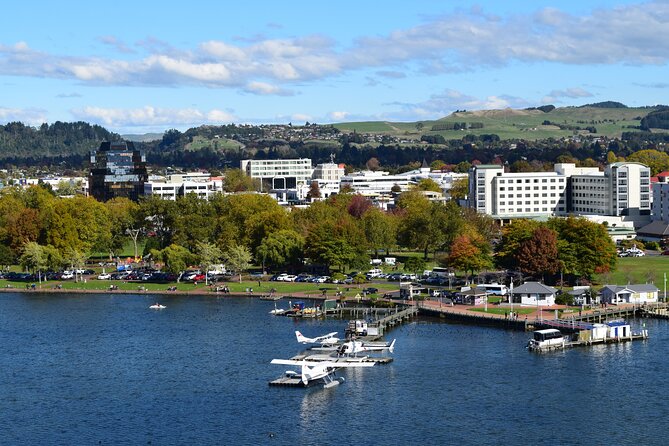
This starts where most Rotorua visitors are aiming at photos, but you’ll be taking off from the lakefront helipad at Lakefront Drive, Ohinemutu, Rotorua 3010. The timing is efficient, and the whole point is to waste as little of your day as possible so you can spend your energy on the flying and the landing.
I like this setup because it avoids the long, winding logistics that can sap your enthusiasm. You go straight from ground level to aerial perspective, with the pilot guiding you through what you are seeing as you lift off.
Once in the air, you quickly leave the city context behind. You are looking at crater lakes, the Northern Lakes district, and then you shift toward the kind of terrain that feels almost alien from above.
The helicopter flight: crater lakes, the 1886 eruption, and a rift view you can’t fake
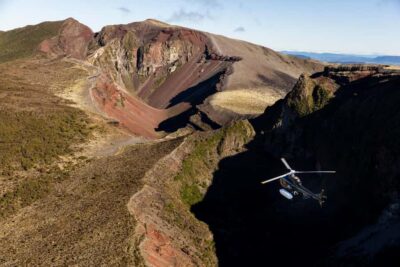
The flight route gives you two strong layers of the area. First, you hover over the crater lakes of the Northern Lakes district. Then you get expansive views over the volcano itself, including a volcanic rift that is described as about 5 miles long (8 km).
On the way, the on-board commentary helps you read the view instead of just staring at it. You’re shown a crater system tied to the 1886 eruption, one that covered the village of Te Wairoa and took 153 lives. That detail matters, because it turns what could be just spectacular scenery into something you understand.
You also hear about the Pink and White Terraces, the waterfall pools that drew 19th-century tourists to Lake Rotomahana. From the air, it is easier to appreciate the scale and geometry of the volcanic features, even when you are not walking them yet.
If you care about geology, this portion is the payoff. You get the big picture of how the volcano is arranged, and you see how the crater landscape connects to the stories the guide is sharing.
Practical tip: plan to keep your phone or camera accessible right after takeoff. The best aerial views tend to happen early while you’re still gaining altitude and settling into the viewing pattern.
Landing on Mt Tarawera: what the volcanic ground adds to the flight
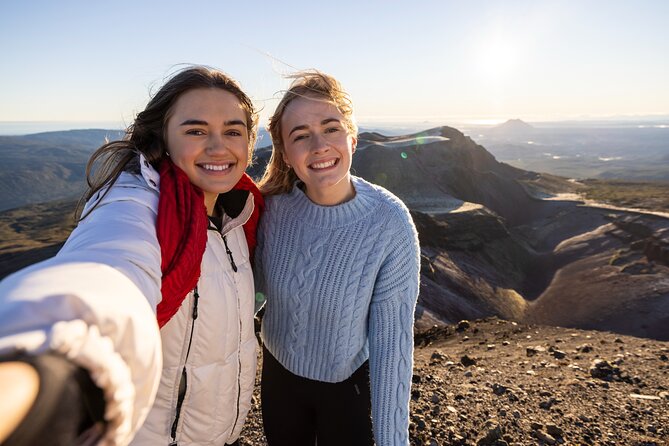
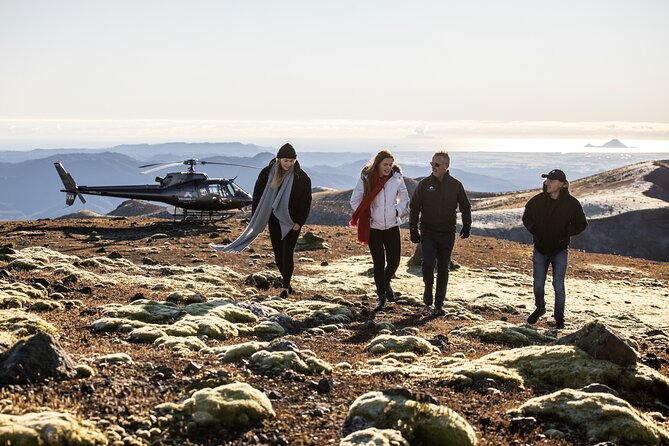
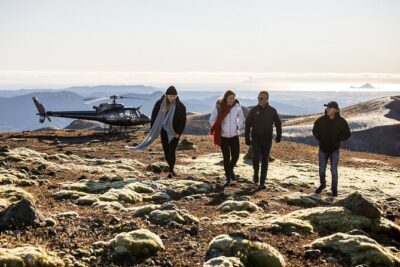
The best part is also the most literal one: you land on Mt Tarawera and then step onto volcanic terrain with your guide. This is not just a scenic touchdown for a minute. You get a short guided exploration, listed at about 20 minutes, which is enough time to see the shape of craters and volcanic domes up close.
Once you’re out of the helicopter, the tone changes. You’re no longer only watching from above, you’re comparing textures and forms while your guide explains what those features are. The terrain can feel steep in spots, and at least some visitors have mentioned needing reassurance during the landing and the walk.
A key theme you’ll hear is how people interpret this place. You compare the volcanic region’s geologic history with Maori legend as the guide provides commentary while you walk. That blend of science and story is what makes this landing different from a standard sightseeing flight.
What I found useful, even as a first-time reader of these details, is the idea that the walk helps you “lock in” the flight images. When you see a dome or crater from above, it is easy to forget the exact shape. Once you stand near it, the view has meaning.
The guided walk itself: craters, domes, and staying comfortable
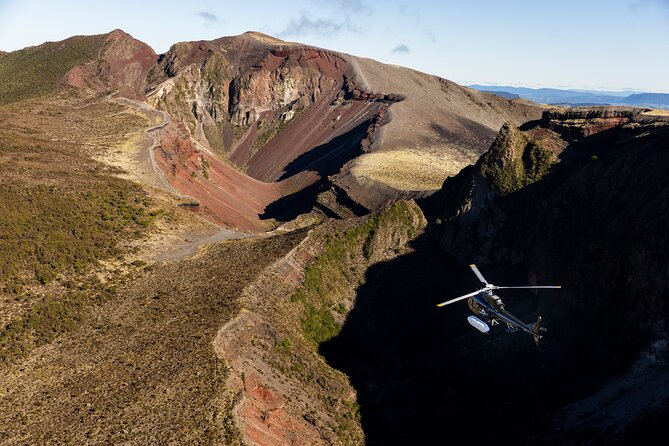
During the walk, you move past otherworldly craters and volcanic domes. The guide keeps you oriented, both for safety and for understanding what you are looking at.
A few practical notes that matter for deciding if this fits you:
- You’re on volcanic ground, so it may not feel like a flat city path.
- You should expect a guided pace, not a leisurely wander.
- If you get nervous in heights or on uneven terrain, it can help to tell your pilot-guide ahead of time so they can offer extra comfort.
The tour is described as designed with comfort and balance in mind in the aircraft, and that matters for people who are worried about the helicopter experience. The feedback also points to pilots who do not rush and who take time when they interact with the group, including families and people who felt nervous during the landing.
More rotor time over Rotorua
Small group dynamics: why max 6 makes a difference
This tour caps at 6 travelers, and that small number is not a throwaway line. In a helicopter, you are sharing sightlines and attention. A small group usually means you spend more time actually hearing the commentary and less time straining to see past other people.
It also changes the feel of the tour. With fewer people onboard, pilots and guide-pilots can be more patient and interactive. One review specifically names a pilot, Sam, and praises his knowledge and the smooth, calm experience. Even if your pilot is different, that kind of service focus is a recurring theme in the feedback.
If you want a helicopter tour for the drama but also crave context, small-group delivery is the sweet spot. You can ask a question. You can hear the answer. You can keep your attention on the view rather than the seating shuffle.
Rotorua views from above: photo moments and what to look for
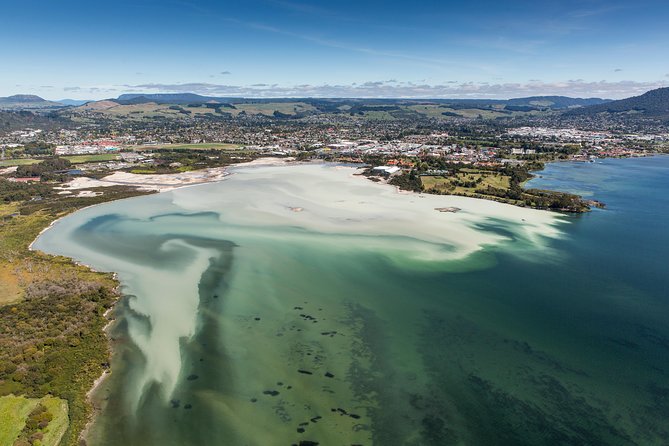
From the air, Rotorua’s geothermal features become easier to understand as patterns instead of scattered spots. You’ll see crater lakes and the way the volcanic terrain stretches out. Then, as the helicopter circles the volcanic area, you get a sense of the scale of the crater system tied to the 1886 eruption.
Here is what I recommend you watch for, because it helps you enjoy the flight even if you do not consider yourself a “volcano person”:
- Look for the long rift area mentioned by the guide, since it gives a clear line to the region’s structure.
- Watch for the contrast between flatter lake surfaces and rough crater terrain.
- Try to spot how the crater system relates to Lake Tarawera during the circling portions.
Practical photo tip: if you’re using a phone, keep your hands steady and be ready when the helicopter shifts angle. A helicopter’s viewing pattern can change fast, so aim for bursts of photos rather than one long attempt.
Duration and pace: 40 minutes of flight, plus time on the ground
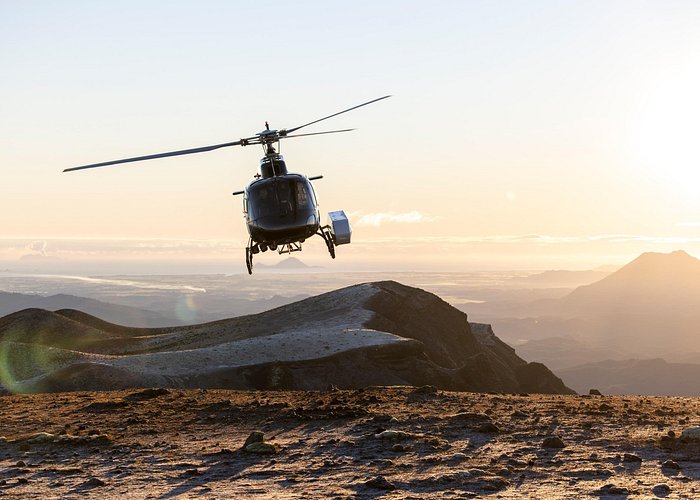
The tour is listed at around 40 minutes total duration, with flight time described as about 40 minutes. You also get a ground component, with the stop at Mt Tarawera listed as 20 minutes.
What you can take from that, as a planning reality, is that this is a short, high-impact outing. You are not committing to a half-day expedition. It is more like a concentrated “hit” of volcanic viewing, followed by just enough walking time to make the landing feel meaningful.
This pacing also helps if you have a packed Rotorua schedule. You can enjoy the volcano experience without feeling like you lost the entire day to travel time.
Price and value for a Mt Tarawera helicopter landing
At $417.03 per person, this is not an impulse purchase. So the value has to be about what only a helicopter landing can do: close-up access to Mt Tarawera and the chance to see the crater system and rift scale from above.
Here’s why the price can make sense for the right traveler:
- You get the helicopter flight plus a guided walk with a guide on site.
- You have on-board commentary that connects visuals to the 1886 eruption and historical impacts.
- You’re in a small-group format capped at 6, which helps you feel the experience directly.
What you should watch, though, is what is not included. There’s no food and no hotel pickup. So you’ll want to plan a meal before you go and arrange your own transport to the lakefront helipad.
If you compare this to other Rotorua activities, this is a premium experience with a short duration. If you like hands-on context and you want the volcano landing specifically, it tends to feel like a worthwhile splurge. If you’re mainly chasing a view and are unsure about helicopters, you may want to price-check a ground-based volcano tour first.
Who this helicopter tour suits best, and who should think twice
This Mt Tarawera helicopter tour with volcano landing is a strong fit if you:
- Want a once-in-a-lifetime experience, not just another drive-and-look stop.
- Like guided explanations that help you understand what you’re seeing.
- Prefer small-group attention, where you can actually interact and not feel rushed.
- Are okay with a short walk on volcanic terrain, with guidance keeping you safe.
It is less ideal if you:
- Have a strict fear of flying and cannot tolerate a helicopter segment.
- Need a totally flat, easy-footpath style activity, since volcanic terrain can feel steep or uneven.
- Are traveling on a schedule where a weather-related reschedule would ruin your plans.
Quick planning tips for a smoother experience
- Eat beforehand, since food and drinks are not included.
- Wear comfortable clothes and closed shoes for the short walk.
- If you’re traveling with kids, this is a compact tour format, and some families have called it a highlight.
- If you are in the weight range near the limit, confirm your fit early, since the tour lists a maximum per passenger for comfort and balance.
Should you book this Mt Tarawera helicopter tour with volcano landing?
I’d book it if Mt Tarawera landing is on your must-do list. The combination of a helicopter view over crater lakes and a short guided walk on the volcano is what makes this experience feel complete, not just flashy.
Choose it if you value explanation, not just sightseeing. The pilot-guide commentary is a core part of the experience, and you get the kind of context that helps you remember what you saw even after the photos fade.
Skip it or keep it flexible if weather would put you in a bind, or if you know you struggle with helicopter flying and uneven ground. In that case, you may enjoy Rotorua more with a lower-risk option first.
If you do book, go in expecting a short, intense window of volcanic views, a calm guide-led walk, and a landing that sticks with you long after you land back in Rotorua.
FAQ
How long is the Mt Tarawera helicopter tour?
The tour duration is listed as approximately 40 minutes.
How long is the flight time?
The flight time is described as about 40 minutes.
Is there a walk on Mt Tarawera?
Yes. After landing, you take a short guided exploration on foot, listed at about 20 minutes.
What is included in the tour price?
Included items are the pilot-guide, and on-board commentary.
Is hotel pickup or drop-off included?
No. Hotel pickup and drop-off are not included, and the tour starts and ends back at the same meeting point.
Where do I meet for the tour?
The meeting point is Lakefront Drive, Ohinemutu, Rotorua 3010, New Zealand.
What group size is this tour?
This activity has a maximum of 6 travelers.
Is there a weight limit?
Yes. The tour lists a maximum of 297 lbs (135 kg) per seat/passenger for comfort and balance. The total weight per passenger is listed as 298 lbs.
What happens if the tour is cancelled due to weather?
This experience requires good weather. If it is cancelled due to poor weather, you’ll be offered a different date or a full refund.
Is the cancellation refundable?
Yes. Free cancellation is available up to 24 hours in advance for a full refund.
The Wider Rotorua Shortlist



Everything Else We Wrote Up in Rotorua

Rotorua, Three More Ways


Just added to our Rotorua notes
- Rotorua: Waimangu Valley Walk and Steaming Cliffs Kayak Tour★ 4.7 · 6 reviews
- Rotorua: Lake View Private Pools Experience★ 4.3 · 6 reviews
- Rotorua: Floatplane Flight with Orakei Korako Landing★ 5.0 · 6 reviews
- Rotorua: Evening Starlight Gourmet Kayak Tour with dinner★ 5.0 · 6 reviews
- Rangitaiki Rafting Grade 2★ 4.8 · 6 reviews
- One Day Birding Adventure★ 5.0 · 7 reviews
Rotorua Tours and Attractions, compared.
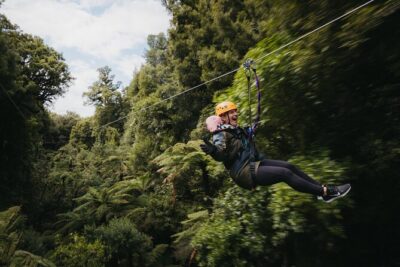 ★ 5.0Rotorua Canopy Tours: 2.5Hour Native Forest Zipline AdventureFrom $1234,563 reviews
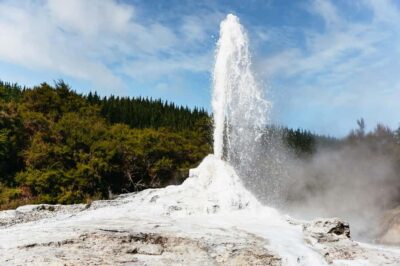 ★ 4.6Rotorua: Wai-O-Tapu Geothermal Park Entry TicketFrom $282,601 reviews
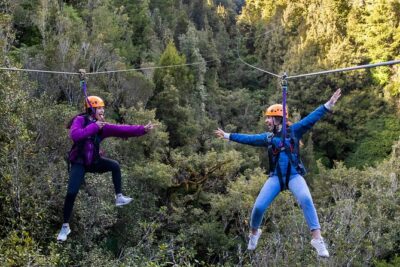 ★ 5.0Rotorua’s Ultimate Zipline: 6 ziplines, 400 m Tandem, Cliff WalkFrom $1662,557 reviews
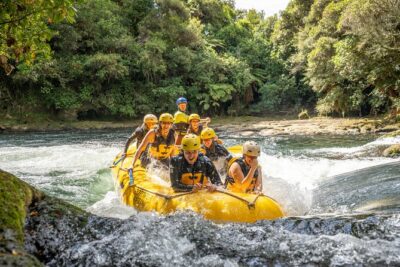 ★ 5.0Rotorua Rafting: Kaituna River White Water Rafting & Free SaunaFrom $831,952 reviews
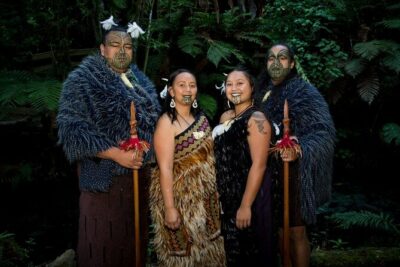 ★ 4.5Mitai Maori Village Cultural Experience in RotoruaFrom $1041,294 reviews
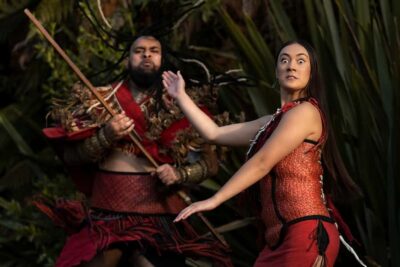 ★ 4.8Rotorua: Te Pa Tu Māori Cultural Experience with DinnerFrom $1671,193 reviews
 ★ 4.7Rotorua: Hell’s Gate Outdoor Mud Spa & Guided WalkFrom $681,140 reviews
 ★ 4.9Rotorua Rafting: Kaituna River White Water ExperienceFrom $49840 reviews
Browse the lists this tour appears in