
REVIEW · WANAKA AND CARDRONA
Wanaka: 2-Hour Beginner Waterfall Cable Climb
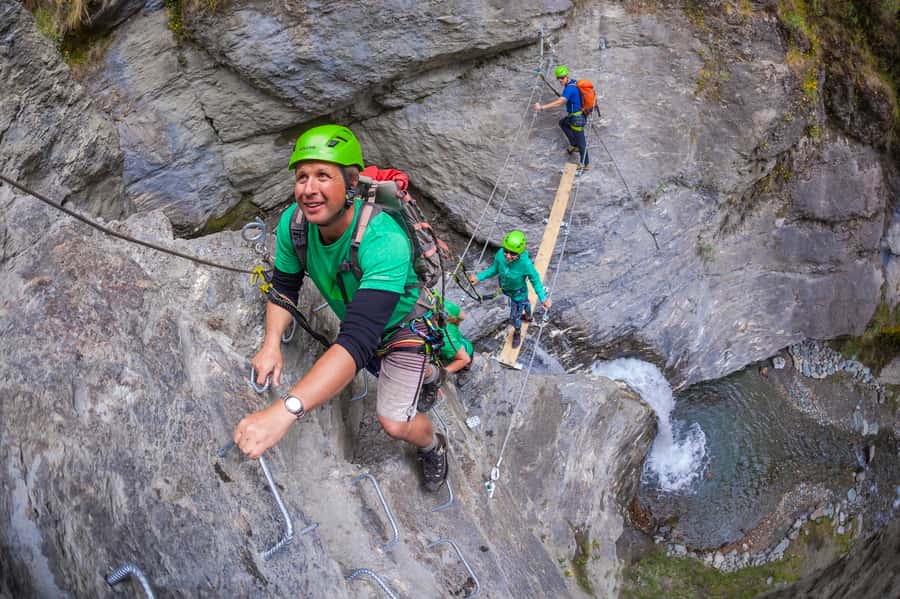
Twin Falls turns a pretty drive into a real adventure. You’ll do a beginner via ferrata climb right beside a working farm waterfall, with small groups and guides who keep things calm even when you feel high up. I like that it is a true beginner-friendly route, so you can focus on technique and scenery instead of worrying you will get in over your head.
My favorite part is how the route mixes climbing with fun surprises, like suspension bridges over pools and little hidden waterfalls you only see once you’re actually scaling the rock. The one thing to consider is this is not a sit-and-look activity. You need full body mobility, closed-toe footwear, and some comfort with heights, even on the Level 1 option.
In This Review
- Key highlights to know before you go
- Twin Falls via ferrata in Wanaka: what makes this climb different
- Meeting Wildwire Wanaka at the locked gate: where the day starts
- Getting equipped: helmets, harnesses, and a practice climb that actually teaches
- The waterfall ascent: cables, rungs, pegs, ladders, and cliff moves
- Suspension bridges and hidden pools: the heart-pounding part (with support)
- Snack stop, panoramic views, and the 15-minute return down
- Difficulty and who should choose Level 1 (or skip this day)
- Price and value: is $118 per person worth it?
- Guide quality is the secret sauce: how to use their help
- What to pack and wear: shoes matter more than you think
- Should you book the Wanaka waterfall cable climb?
- FAQ
- How long is the Wanaka beginner waterfall cable climb?
- What is the meeting point in Wanaka?
- How many people are in each climbing group?
- Do I need any climbing experience?
- What fitness level do I need?
- What are the age, height, and weight limits?
- Are open-toed shoes allowed?
- Is a water bottle included?
- What equipment and support are included?
- Is the activity only for people comfortable with heights?
- Is there a cancellation or payment flexibility option?
Key highlights to know before you go
- Practice first on a safety-focused training climb, so the system makes sense before you go higher
- Twin Falls waterfall climbing on real cable and iron rungs, not a gimmick
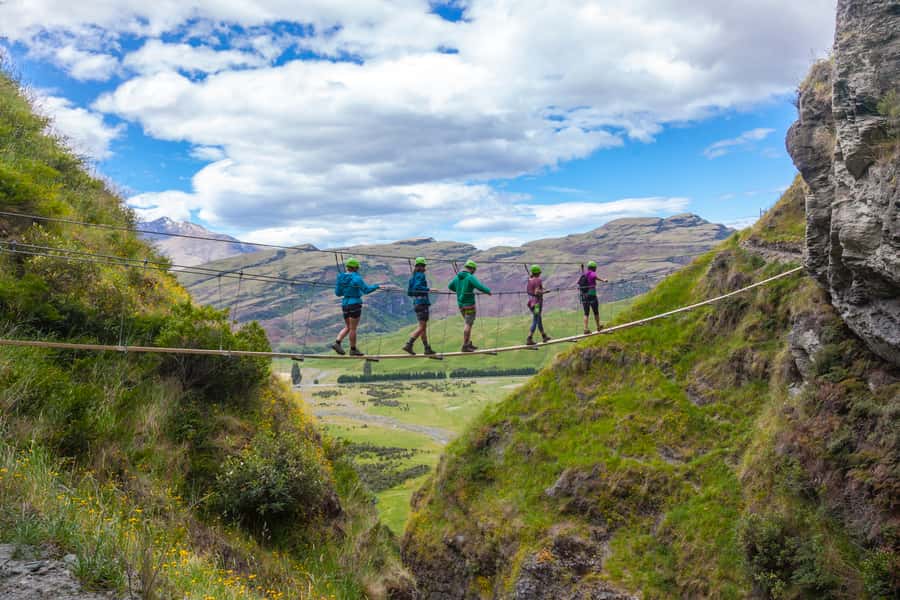
- Suspension bridges and cliff moves that feel thrilling but stay guided
- Hidden pools and side waterfalls, so the climb keeps rewarding you
- Panoramic views over farmland and Lake Wanaka during a snack stop
- Small group size (up to 5 per guide) for close attention
Wanaka and the Cardrona valley, continued
- Wildwire Wanaka- Level 2 (4 Hours)
★ 5.0 · 467 reviews - Bike the Wanaka and Hawea Trails
★ 5.0 · 346 reviews - Lake Wanaka Happy Hour Cruise
★ 4.6 · 313 reviews - Small Group Jet Boat Adventure on the Clutha River from Wanaka
★ 5.0 · 302 reviews
Twin Falls via ferrata in Wanaka: what makes this climb different
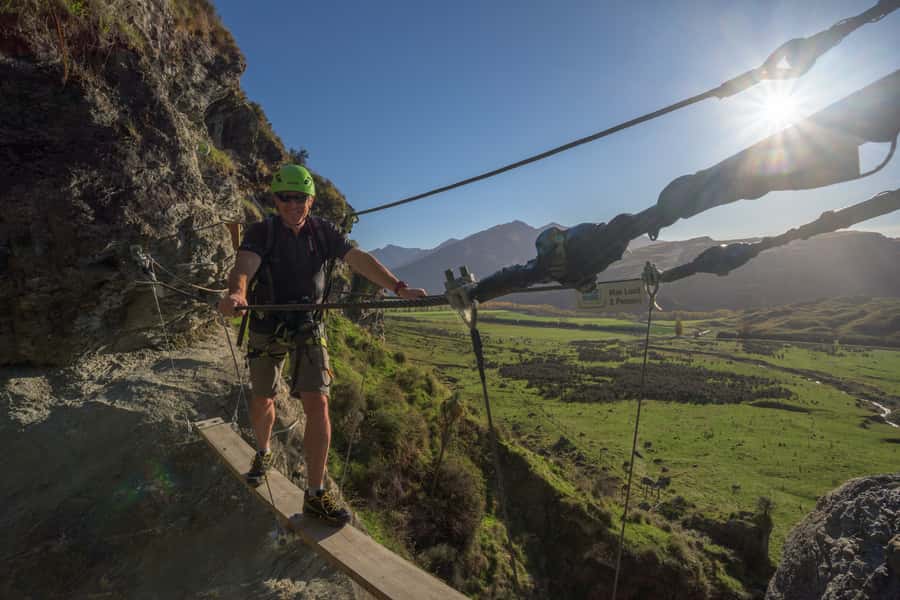
Wanaka has no shortage of outdoors, but this is a special kind of “how did we end up here” day. Instead of hiking up a trail and calling it adventure, you climb a route built into the rock face above Twin Falls. It is a via ferrata-style experience, meaning you use installed cables and metal features so beginners can safely tackle terrain that would be harder to access any other way.
The setting helps a lot. Twin Falls is not in the middle of nowhere. It is near town, and it is tied to a working farm environment. That gives the day a grounded, real feel. You are surrounded by farmland views and mountain silhouettes, and the waterfall noise makes the whole experience feel alive.
This is also a good “thrill plus structure” option. You’re not improvising. You’re learning how to move on cables, rungs, pegs, ladders, and bridges, with guides monitoring safety from the first steps onward.
Meeting Wildwire Wanaka at the locked gate: where the day starts
Plan to arrive about 15 minutes early. Your meeting point is at Wildwire, Twin Falls waterfall. You’ll see a locked farm gate with the activity provider’s sign, and you meet in front of the waterfalls at that gate.
From Wanaka town, head west on the Wanaka-Mt Aspiring Road along the lake toward Treble Cone Ski Field and Mt Aspiring National Park. After about 20 minutes, you’ll hit a cattle stop. Pull out immediately to the left in front of the two massive waterfalls. That is your landmark moment, then you match up to the gate with the Wildwire sign.
Even if you know how to drive in New Zealand, I’d still treat this as a “show up early” activity. You want time to park, get your shoes right, and be ready for helmets and harness fitting without feeling rushed.
Getting equipped: helmets, harnesses, and a practice climb that actually teaches
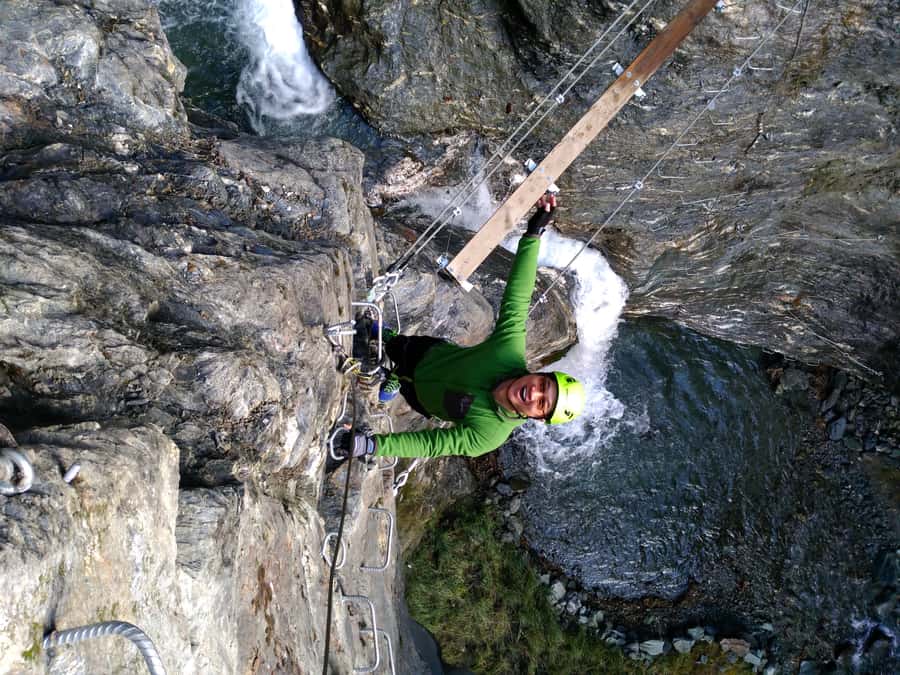
The first big confidence boost comes before you touch the main route. You’ll meet your guides, get helmets and harnesses, and do a safety briefing. Then you start with a practice climb so you can learn how the equipment and the movement style work.
Expect about 1.5 hours of instruction and training total. That includes the introduction and the practice segment built to teach you what you need for the beginner line. You’ll learn how to manage the cable system, how to position yourself on the rock, and how to handle bridges and ladder sections without panic.
Guides do a great job keeping the pace steady. In previous climbs, guides like Rocky, Luke, Maddie, Sarah, Connor, and Jasper have been praised for being patient, encouraging, and focused on making nervous people feel safe. You don’t need to be a rock climber. The whole point is that the route is designed so you can learn the “new” parts as you go, with hands-on help.
Small group size matters here too. The setup is no more than 5 people per guide, so you are not just one face in a crowd. You get real attention, which helps a lot if you’re unsure about heights or foot placement.
The waterfall ascent: cables, rungs, pegs, ladders, and cliff moves
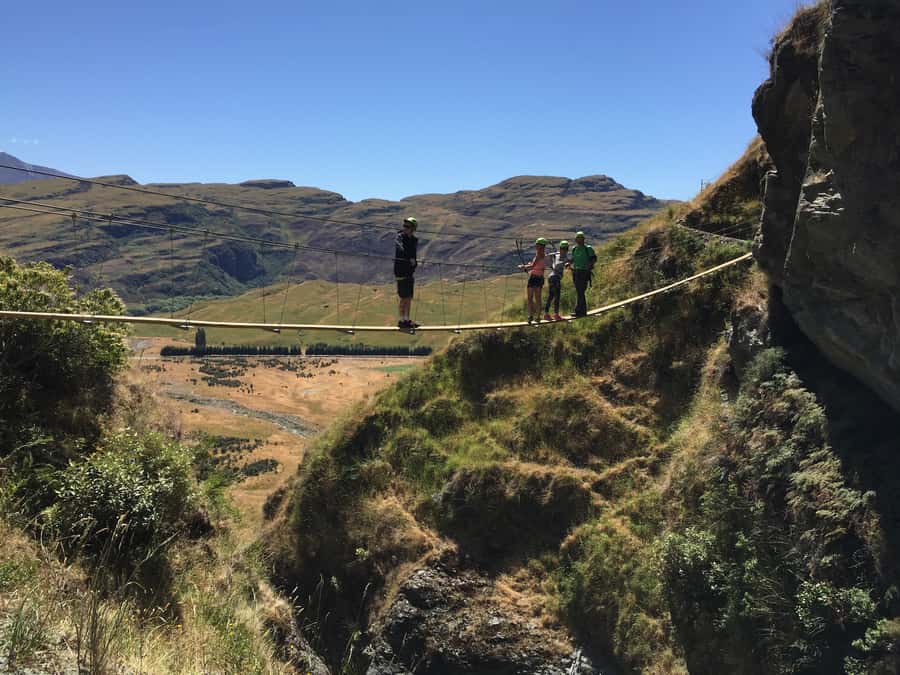
Once you’re confident on the practice section, you join the real climb. There’s a short walk up to the cliffs, then the via ferrata route starts.
For the Level 1 beginner route, the time on the rock is about 1 hour, give or take, and it is a mix of:
- Vertical and horizontal rock climbing
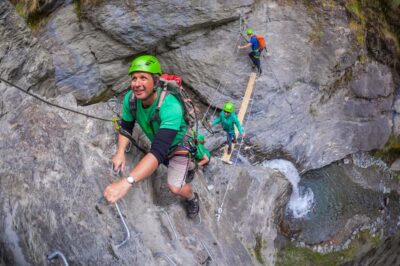
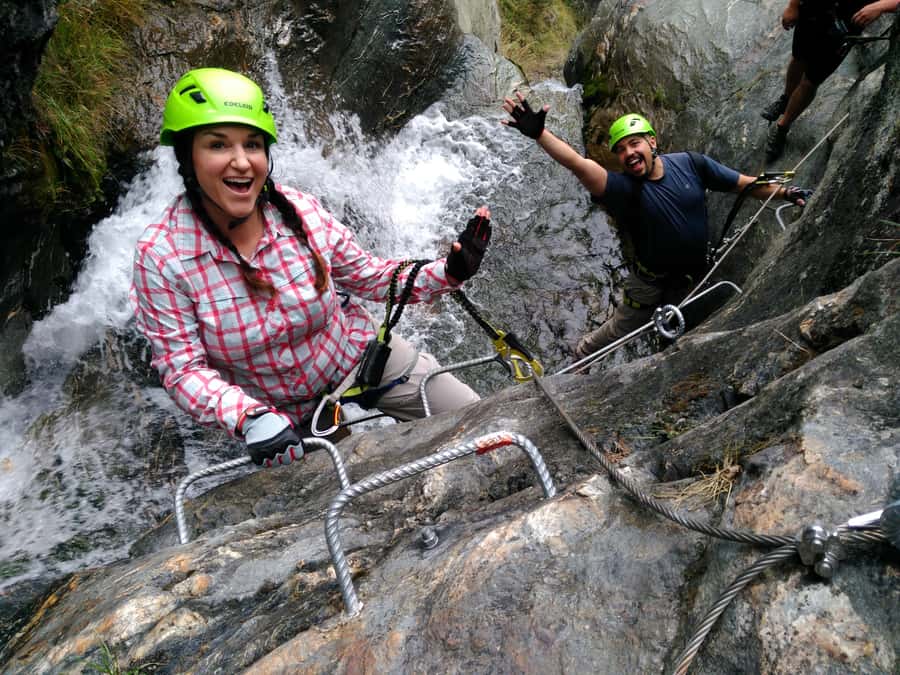
- Cable-guided movement using installed rungs and pegs
- Ladder sections, where you use the system to keep stable
- Crossing suspension bridges over pools
- Discovering side elements like hidden waterfalls as you ascend
This is where the experience feels different from normal hiking. You don’t just “go up.” You solve small movement problems constantly: where your next foot should land, how to steady yourself as the rock angles change, and how to transfer weight when you’re clipped into the cable system.
You’ll also get quick feedback from your guide if something feels off. People who are new to climbing often think they’ll struggle with balance. What usually surprises them is how quickly technique clicks once you have the right instructions and a secure setup.
Other two hour options in Wanaka
Suspension bridges and hidden pools: the heart-pounding part (with support)
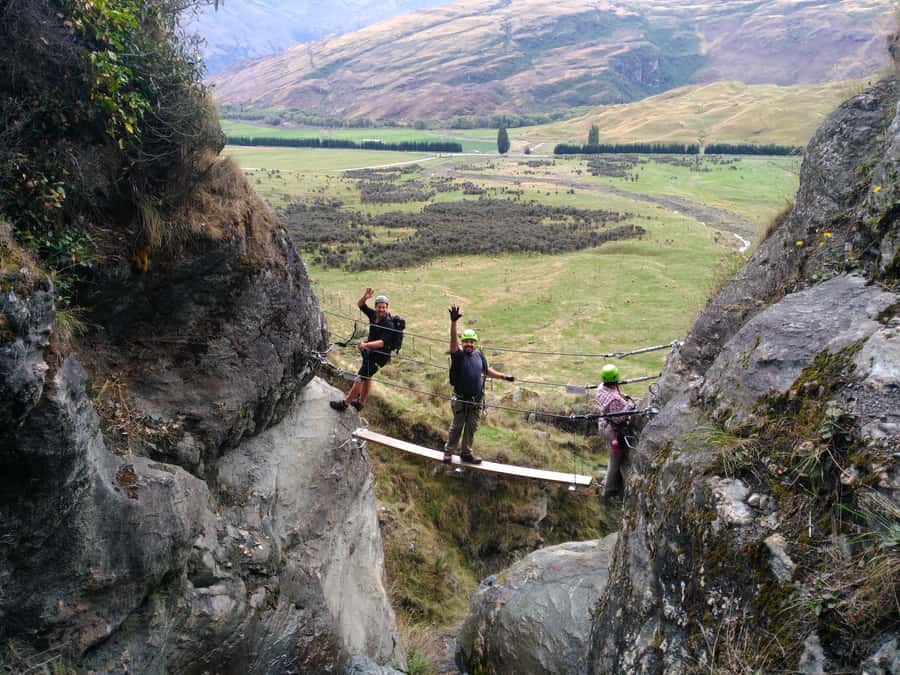
If you’re doing this for a thrill, the bridges are the payoff. You cross suspension bridges over pools on the route, and that gives you that classic “I am above water and rock, and this is real” feeling.
I love that it’s not random. The bridges are part of the route design, so the sensations build naturally as you gain confidence. You’re not thrown straight into the most intimidating section. You earn it, step by step, starting with training and a beginner line.
Along the way, you also get payoff sights beyond the main waterfall. You’ll see hidden waterfalls and beautiful pools as you ascend. From the ground, those side features would be easy to miss. Up on the route, they feel like secret rewards that pop into view at just the right moment.
If you are nervous around heights, don’t try to “power through” blindly. Let the guide talk you through what to do. That simple approach has made a huge difference for many first-timers. Guides have been praised for staying calm, giving time for instructions, and helping people who were sure they would be too scared, then realizing they can actually do it.
Snack stop, panoramic views, and the 15-minute return down
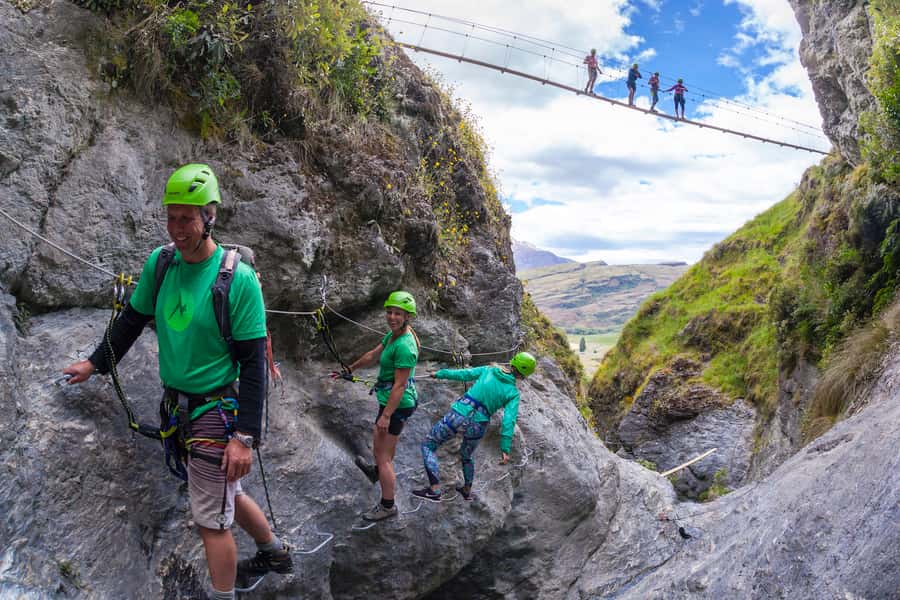
At the end of the trail, you get a break: a small snack and drink. This is not just a pause. It’s when the day’s effort turns into a view you can actually enjoy.
You’ll be able to admire panoramic scenery over farmland, mountains, and Lake Wanaka. This is your moment to take photos, breathe, and decide whether you feel ready to keep going.
If you’ve done all you planned, you start the descent. The walk down is about 15 minutes back to the base of the waterfall. The descent is simpler than the climb, but your legs will still feel it. Wear shoes that have enough grip for uneven, wet rock surfaces. You’ll want your footing to feel secure.
One practical tip for cameras: you can bring one at your own risk. If you have a GoPro, it is recommended to attach it to your person, or ask a guide for a helmet slide attachment. If you’re unsure about where it should go safely, ask early, before you start.
Difficulty and who should choose Level 1 (or skip this day)
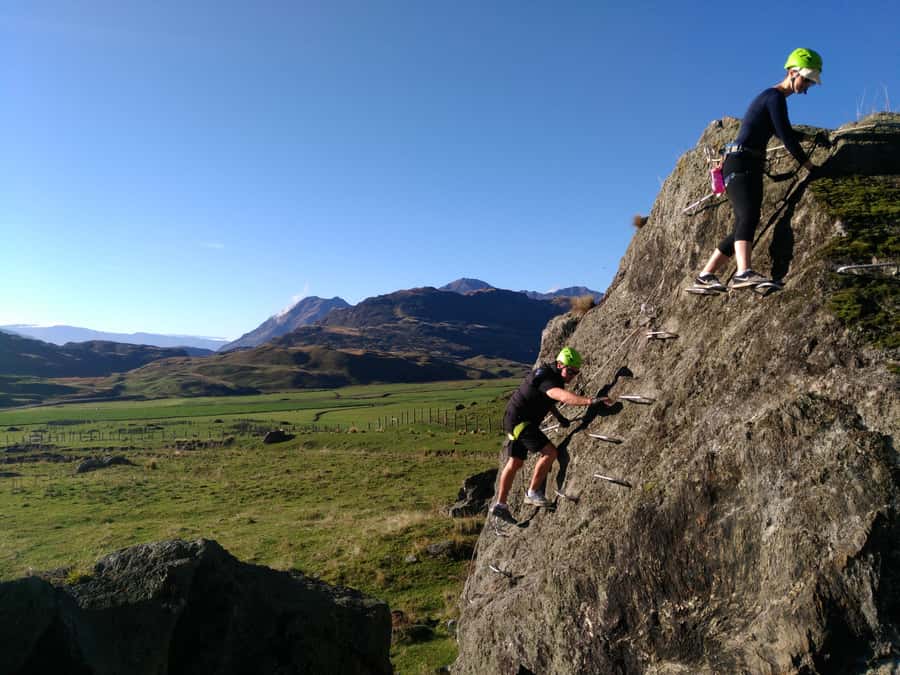
Even on Level 1, this is an active morning or afternoon. You’ll do a mix of hiking, rock climbing, and walking. The experience says you need a moderate level of fitness, plus full body mobility.
It is designed for beginners. You do not need climbing experience, and the guides assist you throughout. That said, this is still physical work. Expect to use arms and legs, and expect that you’ll occasionally feel exposed because the route crosses bridges and cliff sections.
This is not suitable for everyone. You should skip it if:
- You’re under 10 years old
- You weigh less than 40 kg
- You are under 120 cm tall (3 ft 9 in)
- You have mobility impairments
- You are over 120 kg
Also, plan honestly with your body. If you don’t have full mobility, you might struggle with the way the route asks you to move between rungs and handholds.
Who this suits best:
- First-time climbers who want safety, structure, and coaching
- People who get nervous but want a guided way to face that fear
- Families with the right age and weight limits, since the route focuses on beginner moves
- Thrill seekers who still want excellent safety and a clear progression
Price and value: is $118 per person worth it?
At $118 per person for around 3 hours total, the price makes sense when you break down what you’re actually paying for.
You are not just paying for “time outside.” You get:
- An expert guide
- Helmets and harnesses plus climbing safety equipment
- A safety briefing
- An introductory practice climb before the main route
- Small snacks and water (water bottle not included)
- A structured beginner climb with bridges, ladders, and cables
Also, small group size (up to 5 per guide) adds real value. More time with fewer people means more attention per person. That matters on a route where you’re learning new body positions and using a harness and cable system correctly.
If you compare it to booking a general guided hike plus renting gear plus taking the risk of figuring out a technical route yourself, this is more “paid instruction and safety” than “typical sightseeing.” That’s why a lot of first-timers say it feels safe, supportive, and genuinely worth the money.
A note on Level 2: many people start on Level 1 and then choose to continue with a more challenging second level when they have time and confidence. If that option is available on your date, it can be worth considering because it turns the day into more than a single taste of via ferrata.
Guide quality is the secret sauce: how to use their help
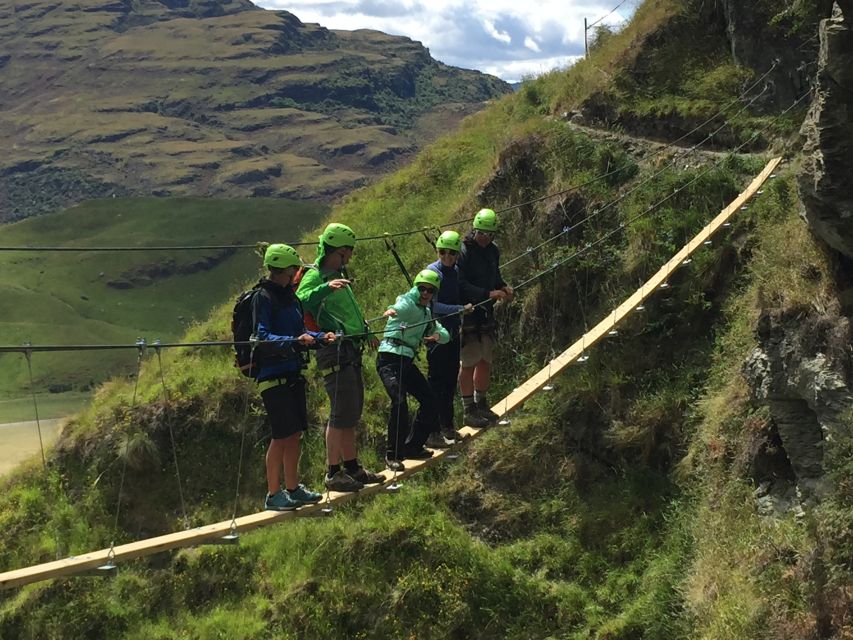
The strongest praise in the experience is consistent: guides make people feel safe, and they spend time on instruction. Names that have come up repeatedly include Rocky, Luke, Maddie, Tristan, Jasper, Chester, Sarah, Connor, Georgia, Jasmine, Liam, and Nolan. What matters is the pattern, not just the names.
Here’s how I’d play it if you want the best day possible:
- Ask questions at the start. If something about the harness or cable system is unclear, sort it immediately.
- Tell your guide if you’re nervous about heights. A good guide will adjust pacing and give reassurance where you need it.
- Focus on foot placement and stable body positions. Most beginner difficulty comes from rushing your hands and feet.
- Use the moments on bridges and ladders to breathe and reset. You’re clipped in and guided, so you don’t have to hurry.
- If you see an option to continue beyond Level 1, decide based on how your body feels, not just adrenaline.
That “calm, supported adventure” vibe is exactly what makes this work for beginners. You’re not just wearing equipment and hoping for the best. You’re learning with a pro watching your form.
What to pack and wear: shoes matter more than you think
For what you bring, stick to the basics the activity requires:
- Water (water bottle is not included, so bring your own bottle)
- Weather-appropriate clothing
- A daypack
- Hiking shoes with good grip
What is not allowed:
- Open-toed shoes
Also, arrive early enough so you can do shoe checks. Wet rock and metal features are not the day to test out brand-new shoes that haven’t been broken in.
If weather is unpredictable, dress in layers. You’ll be active and climbing, then you’ll pause for a snack while waiting for others. Being comfortable reduces stress when you’re negotiating bridges and handholds.
Should you book the Wanaka waterfall cable climb?
Book it if you want a real, hands-on adventure near Wanaka, with beginner training, guided safety, and a route that mixes rock moves with waterfall views. If you like the idea of suspension bridges, hidden pools, and panoramic farmland and Lake Wanaka scenery, this is a standout day.
Skip it if you cannot do the physical and mobility demands. This climb requires full body mobility and is not suitable if you have mobility impairments. If you’re under the age, height, or weight limits, or you’re over the maximum weight limit, it’s better to choose a different Wanaka activity.
One last decision tip: if you are the kind of person who feels anxious at the start but then enjoys pushing your comfort zone, this is a good match. The combination of practice first, small groups, and guides like Rocky, Luke, and others focused on reassurance is exactly what turns nervous into accomplished.
FAQ
How long is the Wanaka beginner waterfall cable climb?
The experience runs about 3 hours total, including an introductory training climb and time on the beginner route.
What is the meeting point in Wanaka?
Meet at Wildfire, Twin Falls waterfall. You’ll find a locked farm gate with the activity provider’s sign. Meet in front of the waterfalls at that gate.
How many people are in each climbing group?
The experience uses small groups of no more than 5 people per guide.
Do I need any climbing experience?
No. There is an introductory training climb and expert guides assist you throughout the experience.
What fitness level do I need?
You’ll do a combination of hiking, rock climbing, and walking, so moderate fitness is recommended. Participants also must have full body mobility.
What are the age, height, and weight limits?
Minimum age is 10 years, minimum weight is 40 kg, and minimum height is 120 cm. People over 120 kg are not suitable.
Are open-toed shoes allowed?
No. Open-toed shoes are not allowed. You should wear hiking shoes.
Is a water bottle included?
Water is included, but a water bottle is not included, so bring your own.
What equipment and support are included?
You get expert guidance, a safety briefing, climbing safety equipment, helmets and harnesses, and an introductory training climb. Small snacks and water are also included.
Is the activity only for people comfortable with heights?
The route includes suspension bridges and cliff sections, so it does help if you can handle heights. The guides support beginners, but it is still a real exposure to being up high.
Is there a cancellation or payment flexibility option?
Free cancellation is available up to 24 hours in advance for a full refund. There is also a reserve now and pay later option.
Two Hour Options in Wanaka
Everything Else We Wrote Up in Wanaka


Wanaka and the Cardrona Valley
Just added to our Wanaka notes
- Wanaka Easy Ebike Tour★ 5.0 · 7 reviews
- From Wanaka: Milford Sound Flight with Landing & Glaciers★ 4.4 · 7 reviews
- Rob Roy Glacier Guided Walk★ 5.0 · 8 reviews
- Wānaka: Scenic Helicopter Flight Wānaka Max★ 5.0 · 11 reviews
- Lake Wānaka: 3 hour Fishing Adventure by Boat★ 5.0 · 12 reviews
- 3 Hour in Wanaka Fishing Charters★ 5.0 · 14 reviews
Wanaka and Cardrona, compared.
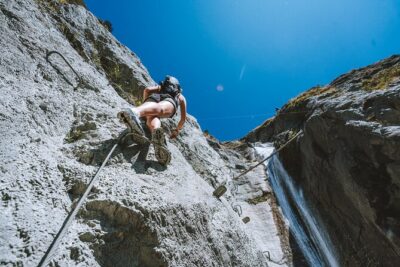 ★ 5.0Wildwire Wanaka- Level 2 (4 Hours)From $232467 reviews
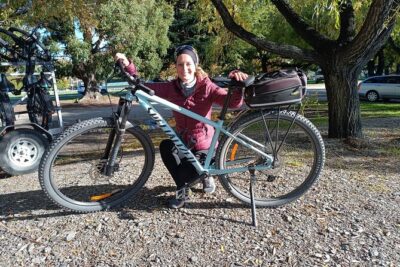 ★ 5.0Bike the Wanaka and Hawea TrailsFrom $80346 reviews
 ★ 4.6Lake Wanaka Happy Hour CruiseFrom $38313 reviews
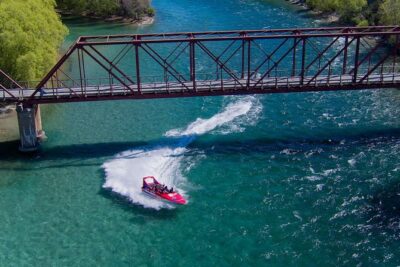 ★ 5.0Small Group Jet Boat Adventure on the Clutha River from WanakaFrom $98302 reviews
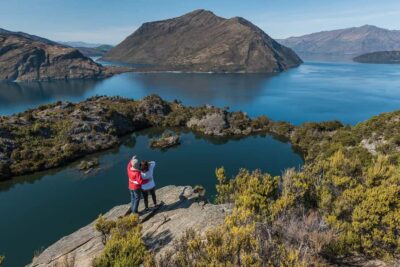 ★ 4.8Wanaka: Water Taxi & Mou Waho Island TourFrom $83299 reviews
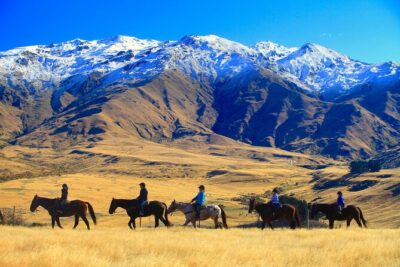 ★ 5.0Cardrona High Country Pub Trail Horse Riding Trek (Intermediate+)From $365261 reviews
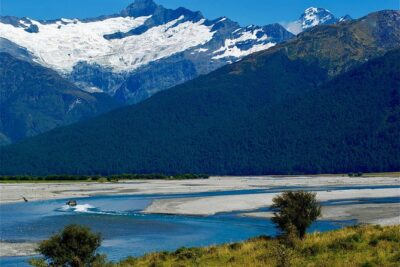 ★ 5.0Jet Boat and Wilderness Walk Tour from WanakaFrom $215259 reviews
 ★ 4.8Wanaka: Tandem Skydive ExperienceFrom $214252 reviews
Browse the lists this tour appears in