
REVIEW · MAORI CULTURAL EXPERIENCES
Voyages of Maori at Mitai Maori Village
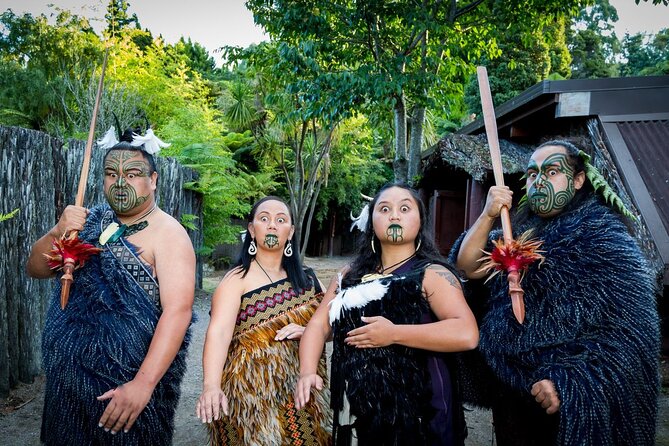
Māori culture in Rotorua, minus the fluff. I like how you get a real cultural performance with haka and poi, plus hands-on storytelling, not just staged sightseeing. I also love the food side, with a hangi moment and an authentic buffet lunch that keeps the whole outing feeling complete. One thing to consider is the short forest walk, with some steps and uneven ground, which may feel tough if your mobility is limited.
This is a tight, well-timed 11:00 am stop that works even when the weather turns Rotorua-weather. You’ll move from a nature scene by the water to a hall where performers explain what you’re seeing, and there’s time for Q and A at the end. If you’re expecting a super long, slow, fully in-depth cultural experience, this one is shorter, but it packs a lot in.
The payoff for me is the tone: it feels like sharing, not selling. The guides are certified and English speaking, and the program is structured so you understand what the chants, songs, dances, and rituals mean as you watch. Just wear warm clothing, bring sturdy shoes, and plan to arrive hungry.
In This Review
- Key takeaways before you go
- A fast, meaningful Maori village stop in rainy Rotorua
- The 11:00 am flow: from Fairy Springs to the waka taua moment
- 1) Welcome and orientation in the main hall
- 2) The short forest walk to the stream and sacred spring
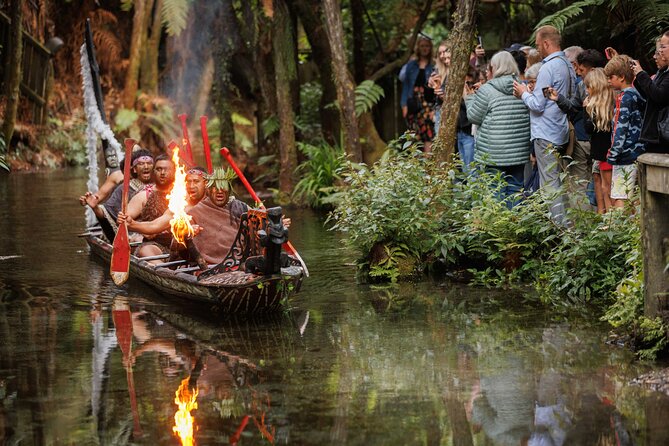
- 3) The waka taua scene with warriors on the water
- 4) Back in the hall: dwellings, weapons, dance, and haka
- 5) Q and A time
- What you actually see: chants, songs, dance, and the meaning behind them
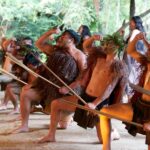
- The haka and poi are the big anchors
- Chants and songs feel different with a guide
- Hangi, buffet lunch, and why the meal is part of the show
- The hangi moment: set expectations gently
- The buffet is the easiest part of the program to love
- Price and value: what $86.26 covers in Rotorua reality
- Where this tour shines, and where to be cautious
- You’ll likely love it if you want structure
- It’s great for a rainy-day plan
- Be cautious about mobility and footing
- Who should book Mitai Maori Village?
- Should you book Mitai Maori Village at 11:00 am?
- FAQ
- What time does the Mitai Maori Village experience start?
- How long is the experience?
- Is lunch included?
- Do I need to pay extra for alcohol?
- Does the tour run in bad weather?
- Is the experience accessible if I have mobility concerns?
Key takeaways before you go
- Haka and poi in a real village setting, with explanation so it lands instead of feeling random
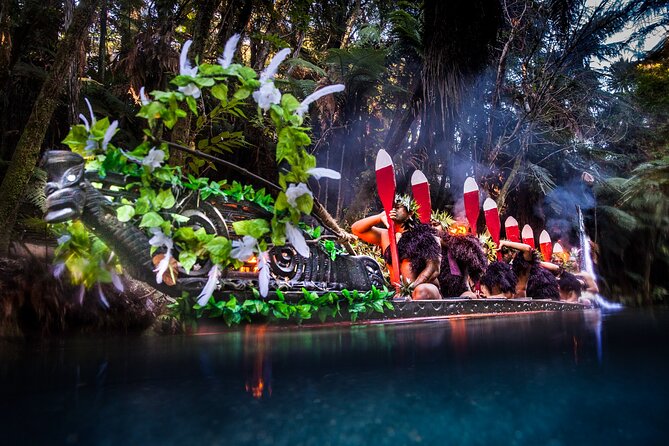
- Wai o Whiro Stream and waka taua action, including warriors paddled past the audience
- Earth-cooked hangi and buffet lunch, plus coffee and/or tea and spring water
- A forest walk to a sacred spring, including Te Wai Whakarukuhanga a Atua
- Small-group feel for a big attraction, with a maximum of 130 travelers
Other Maori-led experiences we have reviewed
- Mitai Maori Village: Cultural Experience and Dinner Buffet
★ 4.7 · 3,575 reviews - Cultural Experience & Seasonal Māori Cuisine at Te Pā Tū
★ 5.0 · 1,546 reviews - Mitai Maori Village Cultural Experience in Rotorua
★ 4.5 · 1,294 reviews - Rotorua: Te Pa Tu Māori Cultural Experience with Dinner
★ 4.8 · 1,193 reviews
A fast, meaningful Maori village stop in rainy Rotorua
Rotorua is known for geothermal drama and big-tour energy. Mitai Maori Village is different. It is built around Maori people sharing traditions through song, chant, dance, and guided explanation, all in about two hours.
What makes this outing practical is the pacing. You get a short nature segment, a strong performance segment, and a sit-down meal that is part of the show, not an afterthought. At $86.26 per person, it’s not a “quick snack” price, but the package includes admission, a certified English-speaking guide, the performance, and an authentic buffet-style lunch. For many visitors, that bundled value matters.
The vibe is also welcoming. The program is set up so you can ask questions near the end, and the language barrier is reduced by the English guide and written guide you receive. In other words, you’re not left standing there hoping the meaning magically appears.
The 11:00 am flow: from Fairy Springs to the waka taua moment
The tour starts at 11:00 am at 196 Fairy Springs Road, Fairy Springs, Rotorua 3015. It ends back at the meeting point, so you do not need to plan a second transport step. Expect about two hours total.
Here’s what the sequence feels like, in plain terms.
1) Welcome and orientation in the main hall
You begin inside the village with an introduction. This part matters more than people realize. When the guide frames what you are about to see, the rest of the program stops feeling like a performance reel and starts feeling like guided cultural teaching.
You also get set up for where you’ll sit and how the experience will move, so you can focus on watching and listening rather than constantly re-positioning.
2) The short forest walk to the stream and sacred spring
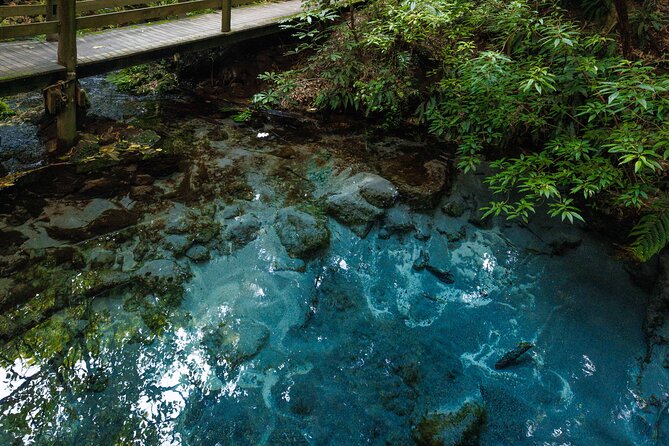
Next comes the outdoors. You’ll walk through a forested area to the Wai o Whiro Stream, and you’ll also have a nature stop to see the sacred spring, Te Wai Whakarukuhanga a Atua. This is the part that turns the tour from purely “showtime” into a place-based experience.
Do not treat the walk as optional. It’s short, but there are some steps and uneven ground in certain areas. The note about warm clothing and walking footwear is not just legal language. Wear shoes with grip. If it’s wet, Rotorua can make everything slick.
Also, the experience runs in all weather conditions. So dress for the day you actually get, not the day you planned for.

3) The waka taua scene with warriors on the water
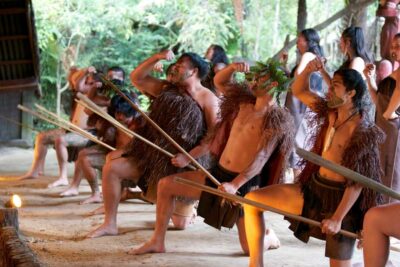
One of the most memorable moments is the war canoe (waka taua) sequence along the stream, with warriors in regalia paddled past the audience. It’s dynamic, and it gives you a strong visual anchor for the rest of the stories.
If you like experiences where you can feel the intensity without needing extra effort, this is it. You’re watching a centerpiece scene, then moving back into the hall for dances and chants with explanation.
4) Back in the hall: dwellings, weapons, dance, and haka
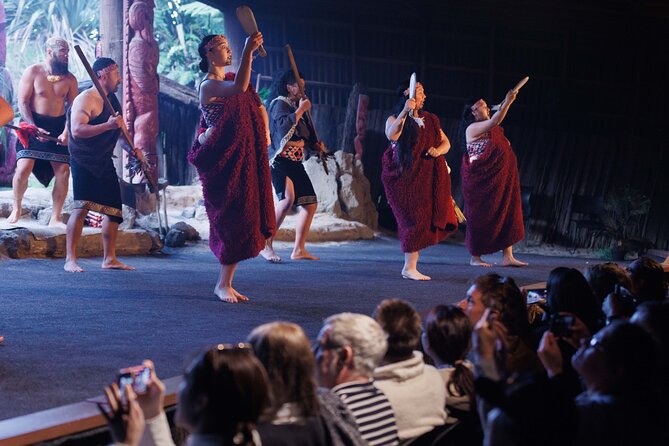
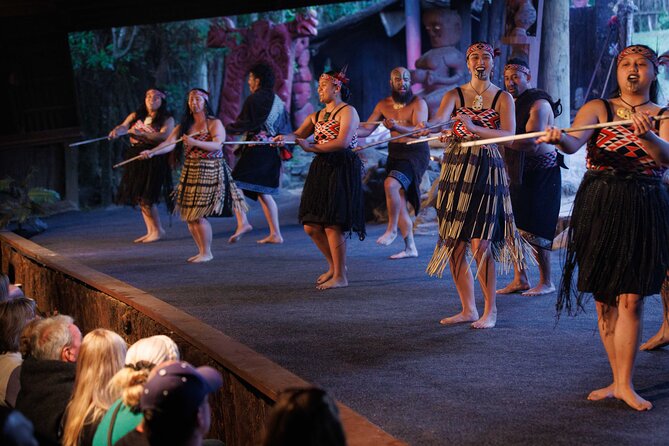
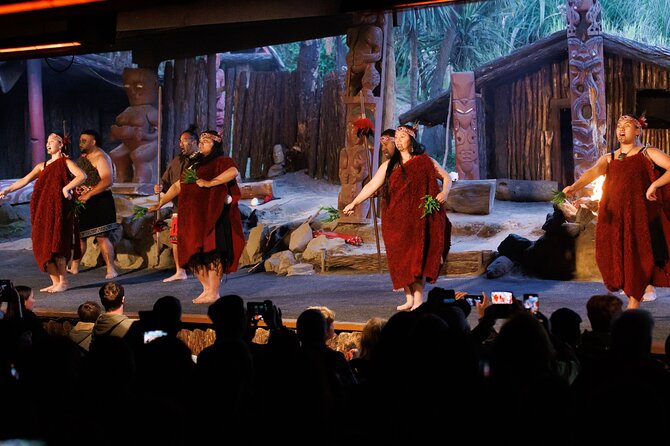
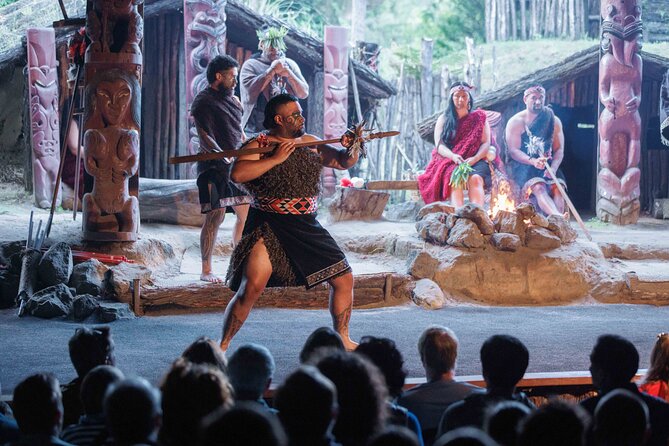
After the water scene, you return to the hall area where traditional dwellings are shown and performers demonstrate dances and weapons, followed by a haka. The guide talks through what you are seeing, including explanations around rituals and songs.
A good sign of this program quality is that the pacing supports listening. The show is structured so you are not just watching big moments, you are also learning what they represent.
5) Q and A time
Near the end, there is time for questions. That’s where the certified English-speaking guide and the overall tone of the day pay off. If you have a specific curiosity about chants, dance meaning, or life and values, this is your window.
What you actually see: chants, songs, dance, and the meaning behind them
Mitai Maori Village leans hard on the idea that cultural performance is communication. You’ll see chants (mōteatea), songs (waiata), dances, and other traditional activities. The guide helps connect each piece so you understand what is happening, not just when it happens.
The haka and poi are the big anchors
The included performance focuses on haka and poi. The haka is the moment most people recognize, but what you get here is not just impact. You get context. If you watch with some attention, you’ll notice the performance is built to express values, history of place, and collective identity.
Poi is the other standout. It’s rhythmic, visual, and it changes how you feel about “dance performance” as a concept. It’s not only movement. It’s a craft.
Chants and songs feel different with a guide
Mōteatea and waiata can feel abstract if you do not know what to listen for. With an English-speaking guide giving explanations, these sections become much easier to follow. You can focus on the structure and intention rather than translating everything in your head.
Hangi, buffet lunch, and why the meal is part of the show
Food is included, and it’s not a tiny token. The program includes the unveiling of traditional earth-cooked hangi and a buffet-style lunch.
In practical terms, you should plan to eat well that day. There’s also dessert, and one specific highlight mentioned is mango cake. If desserts are your thing, arrive with a little room in your stomach.
The hangi moment: set expectations gently
Some people hope to see the hangi lifted in a very dramatic, ground-to-table action way. The tour includes the hangi unveiling and a dinner or lunch component as part of the performance flow, but not every visitor receives the exact visual they expected.
So here’s a friendly tip: treat the hangi as a major cultural and culinary feature, not a stunt show. You are there for the meaning and the taste, and the buffet gives you the practical payoff.
The buffet is the easiest part of the program to love
The buffet-style lunch is described as plentiful, with a wide selection and generally high satisfaction. It’s also the portion that keeps energy up for the last part of the experience, including questions at the end.
Coffee and/or tea are included, and spring water is part of the included drink options too. On a rainy day, warm drinks help a lot.
Price and value: what $86.26 covers in Rotorua reality
At $86.26 per person, this sits in the midrange for Rotorua cultural experiences. The value comes from the bundle, not from the price being “cheap.”
You’re getting:
- Entry to the Mitai Maori Village experience
- About two hours of performance and interpretation
- Certified English-speaking guide plus a written guide in English
- A hangi unveiling plus buffet-style lunch
- The outdoor stream and waka taua moment
- The sacred spring nature walk
- Coffee and/or tea, plus spring water, included
When you add those pieces up, it’s easier to see why many visitors rate it highly. You’re not just paying for seats and entertainment. You are paying for guided meaning, a place-based walk, and a full lunch tied to the cultural program.
The one drawback is that the time is limited. You are getting a concentrated experience, not a long guided deep study. If you want hours and hours of extra cultural sessions, you may want to pair this with a different Rotorua activity after.
Where this tour shines, and where to be cautious
You’ll likely love it if you want structure
This is a well-organized flow. You get guided explanation at multiple points: in the hall, by the water, during the demonstrations, and in the Q and A. That structure makes the experience easier to enjoy, even if you’re not an expert in Maori culture.
It’s great for a rainy-day plan
Because it includes both indoor and outdoor components but still runs in all weather, it can save your schedule when Rotorua weather is unpredictable. Just follow the clothing advice and be ready for damp conditions outdoors.
Be cautious about mobility and footing
The most realistic consideration is the small forest walk with steps and uneven ground. The experience also states anyone can access, but the footwear and walking note is still important. If you use a mobility aid, or your balance is not great on uneven surfaces, this is the part to think through carefully.
Who should book Mitai Maori Village?
This tour is a strong match if you:
- Want a compact cultural experience in about two hours
- Like guided explanation, not just watching from the sidelines
- Want a full lunch included with the performance
- Are traveling with family members who can handle short walking segments in the forest
It can also suit solo travelers who prefer a guided structure over self-guided museum wandering.
If you have very limited mobility, you’ll need to weigh the short but uneven outdoor sections. If you are comfortable with short walks, you’re likely fine.
Also note the group size cap: maximum 130 travelers. That keeps the experience from feeling like a giant crowd crush.
Should you book Mitai Maori Village at 11:00 am?
If you want a Rotorua cultural experience that feels organized, meaningful, and food-forward, I’d book it. The combination of haka and poi, the waka taua moment at Wai o Whiro Stream, and a proper hangi-and-buffet lunch is a strong package for the time you spend.
The decision hinge is really simple:
- If you’re okay with a short forest walk on uneven ground and you want a guided, concentrated experience, this is a yes.
- If you cannot manage steps or uneven footing, you may want to look for a different option with fewer outdoor segments.
Either way, go in with one mindset: watch closely, ask questions, and treat the meal as part of the cultural program, not just a break. That’s when the whole two hours clicks.
FAQ
What time does the Mitai Maori Village experience start?
It starts at 11:00 am.
How long is the experience?
It runs for about 2 hours.
Is lunch included?
Yes. The experience includes an authentic buffet-style lunch, and it also includes coffee and/or tea.
Do I need to pay extra for alcohol?
Alcoholic drinks are not included. They are available to purchase.
Does the tour run in bad weather?
It operates in all weather conditions. You should dress appropriately for warmth and walking comfort.
Is the experience accessible if I have mobility concerns?
The experience states anyone can access, but there is a small walk through the forest with some steps and uneven ground in some areas.
Everything Else We Wrote Up in Rotorua

Other Maori-Led Experiences


Just added to our Rotorua notes
- Rotorua: Waimangu Valley Walk and Steaming Cliffs Kayak Tour★ 4.7 · 6 reviews
- Rotorua: Lake View Private Pools Experience★ 4.3 · 6 reviews
- Rotorua: Floatplane Flight with Orakei Korako Landing★ 5.0 · 6 reviews
- Rotorua: Evening Starlight Gourmet Kayak Tour with dinner★ 5.0 · 6 reviews
- Rangitaiki Rafting Grade 2★ 4.8 · 6 reviews
- One Day Birding Adventure★ 5.0 · 7 reviews
Maori Cultural Experiences, compared.
 ★ 4.7Mitai Maori Village: Cultural Experience and Dinner BuffetFrom $1013,575 reviews
 ★ 5.0Cultural Experience & Seasonal Māori Cuisine at Te Pā TūFrom $1671,546 reviews
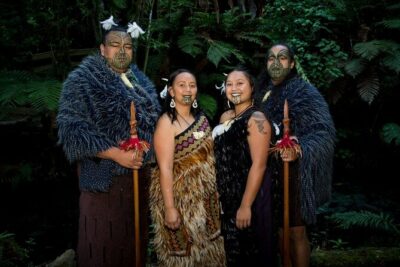 ★ 4.5Mitai Maori Village Cultural Experience in RotoruaFrom $1041,294 reviews
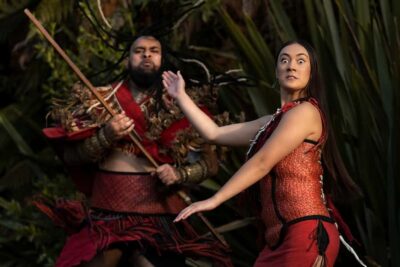 ★ 4.8Rotorua: Te Pa Tu Māori Cultural Experience with DinnerFrom $1671,193 reviews
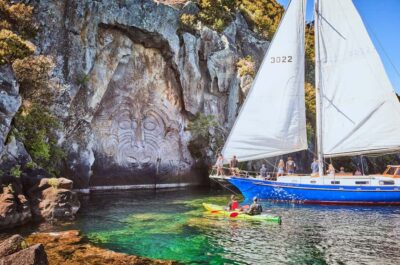 ★ 4.8Lake Taupo: Sailboat Trip to the Maori Rock CarvingsFrom $35972 reviews
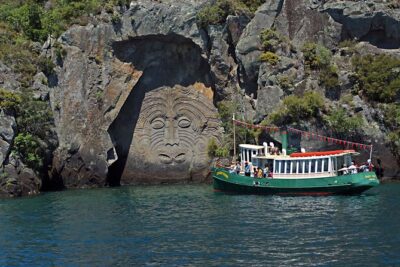 ★ 4.5Lake Taupō Māori Rock Carvings Scenic Cruise aboard Ernest KempFrom $31901 reviews
 ★ 5.0Maori Rock Carvings Eco Sailing TaupoFrom $33758 reviews
 ★ 4.5Waitomo Caves & Rotorua – Te Puia Small-Group Tour from AucklandFrom $253681 reviews
Browse the lists this tour appears in