
REVIEW · TOURS
Thermal Path Tour
Hot water, mud, and a local guide in Rotorua. This small-group thermal path tour is built for time-savers, with an air-conditioned minivan and a smart route that hits the good geothermal stops without you playing map detective. You’ll travel with Stephen, a local who explains what you’re seeing in plain language.
I love the small group size (max 8) because it makes the walk feel relaxed and not rushed. I also like how the afternoon mixes active sights, like Kerosene Creek dipping, with real downtime in the hot pools at the end.
One possible drawback: this is still a geothermal walking tour. Expect uneven, slippery ground, plus walks of up to about 2 km total, so sturdy shoes and moderate fitness really matter.
In This Review
- Key things to know before you go
- A fast, friendly way to see Rotorua’s geothermal side
- Small group comfort, with Stephen doing the heavy lifting
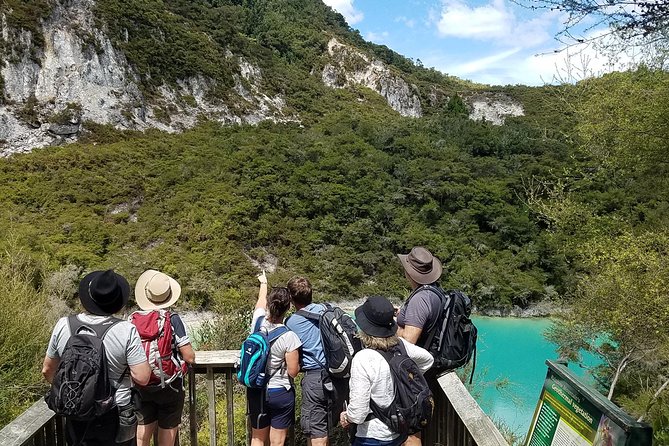
- Rainbow Mountain crater walk: views plus geothermal vegetation
- Kerosene Creek geothermal river: a safe way to dip
- Boiling mud pools: listen to the geothermal drama
- Waikite Valley Hot Springs and Te Manaroa Springs soak
- How much effort is really involved?
- Is it worth $93.09? The value math that matters
- Who should book this thermal tour (and who might want something else)
- Practical tips for a smoother afternoon
- Should you book the Thermal Path Tour?
- FAQ
- Where is the meeting point for the Thermal Path Tour?
- What time does the tour start?
- How long does the tour last?
- How many people are in each group?
- What’s included in the tour price?
- Is anything excluded from the tour?
- Is there walking involved?
- What footwear should I wear?
- Does the tour run in most weather conditions?
- What safety rules should I know before bathing in geothermal waters?
- Can I cancel and get a full refund?
Key things to know before you go
- Max 8 people means more personal pacing and fewer bottlenecks at the thermal sites
- Air-conditioned minivan saves you from parking, taxis, and figuring out distances
- Four main geothermal stops in about 4 hours: Rainbow Mountain, Kerosene Creek, boiling mud pools, Waikite Valley/Te Manaroa Springs
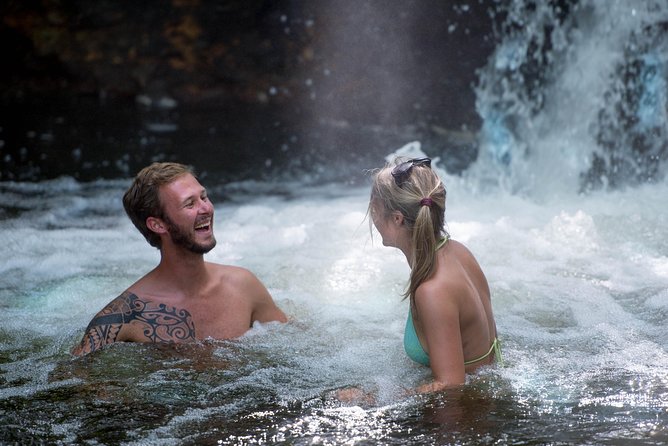
- Toes-in moments are built in, including a geothermal heated river stop at Kerosene Creek
- Natural hot pools at the end give you a proper soak after the walking
- Safety rules are non-negotiable in geothermal areas, including keeping your head above water in the baths
Still weighing up the options? These are the other Rotorua trips we have written up.
- Rotorua Canopy Tours: 2.5Hour Native Forest Zipline Adventure
★ 5.0 · 4,563 reviews - Mitai Maori Village: Cultural Experience and Dinner Buffet
★ 4.7 · 3,575 reviews - Rotorua: Wai-O-Tapu Geothermal Park Entry Ticket
★ 4.6 · 2,601 reviews - Rotorua’s Ultimate Zipline: 6 ziplines, 400 m Tandem, Cliff Walk
★ 5.0 · 2,557 reviews
A fast, friendly way to see Rotorua’s geothermal side
Rotorua is famous for geothermal activity, but the trick is knowing what’s worth your time. This tour is designed as a shortcut through the best-known geothermal experiences and the ones most people would miss if they tried to DIY.
You’re not just chauffeured around. The best value is how the tour strings the sites together in a logical flow, starting with views and walking, then moving to hands-on thermal features, and finishing with the type of hot soak that makes jet lag and sore legs go quiet.
The price is about $93.09 per person for a half-day experience. When you break it down, you’re paying for transport, a local guide, and access to multiple thermal stops, with fees covered. In a place where attractions and driving time add up, that package can feel like good sense rather than a splurge.
Small group comfort, with Stephen doing the heavy lifting
The tour runs with a small cap of 8 travelers, and that changes the vibe. Instead of big-group lineups, you can actually hear explanations and ask practical questions without waiting for space.
Stephen is the guide on this tour, and the consistent theme from how the tour runs is that he mixes facts with real-world context: how geothermal systems work, what to notice in the vegetation and terrain, and why some areas are set up the way they are. You also get the kind of attention to pacing that matters if you are not racing through the afternoon.
And yes, the transport is a big deal here. You meet at 1167 Fenton Street in Rotorua, and you’re taken in an air-conditioned minivan. That means no DIY parking hunt, no rental-car stress, and no taxi math.
Rainbow Mountain crater walk: views plus geothermal vegetation
After you depart from the Information Center Rotorua, you start with a 30-minute walk to Rainbow Mountain. This first stop is a smart choice because it sets context. Before you see boiling mud and hot water discharge, you get the lay of the land.
You’ll explore the crater area and take in great views along the way. The geothermal part isn’t only about steam. You also get to look at how local geothermal conditions shape unique vegetation. It’s a useful reminder that this region isn’t just dramatic water and mud, it’s an entire system affecting how plants grow and where they can survive.
What I like about starting here: the walk gives you traction, literally and mentally. You learn what geothermal terrain looks like, then the later stops feel more understandable and less like random spectacle.
Practical note: even at this earlier stage, you’re in real terrain. Wear supportive shoes and stay focused on your footing.
Kerosene Creek geothermal river: a safe way to dip
Next is Kerosene Creek, described as a geothermal heated river. Here you get the option to dip your toes or yourself. This is one of those moments that feels simple, but it’s one of the most memorable parts of Rotorua geothermal experiences.
Why this stop works for many people: it’s interactive without requiring special skills. You don’t need to know where to go or which spot is safe to access. You follow the guide, stay on paths, and use the moment to cool down or just enjoy the heat in a more casual way.
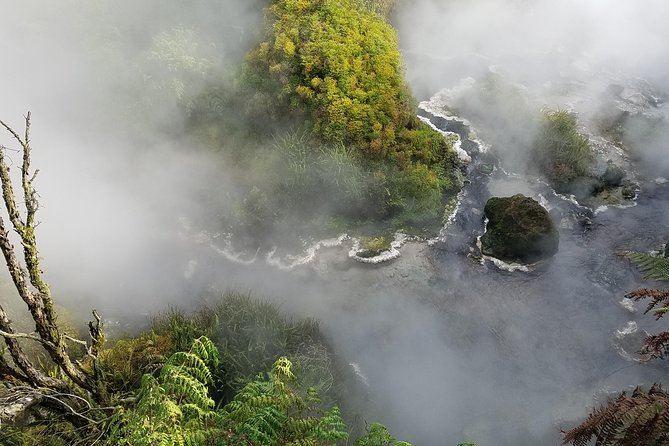
Two things to keep in mind. First, geothermal areas can involve slippery surfaces, so treat the ground as part of the experience, not something to ignore. Second, you’re dealing with gases in the geothermal environment, so follow the safety guidance and avoid wandering beyond formed paths.
If you’re the type who wants a hands-on stop but doesn’t want a long hike, this is a good balance.
Boiling mud pools: listen to the geothermal drama
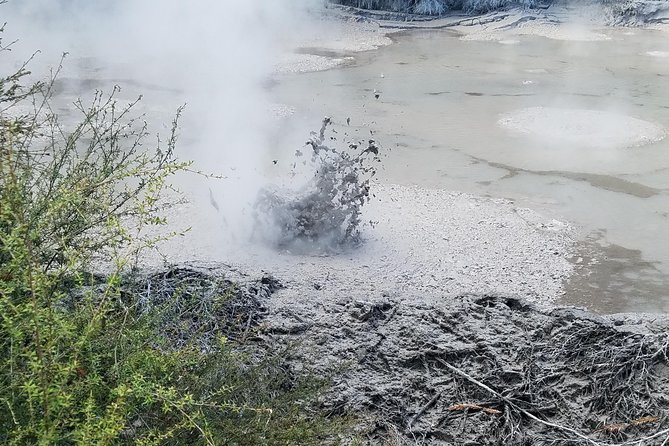
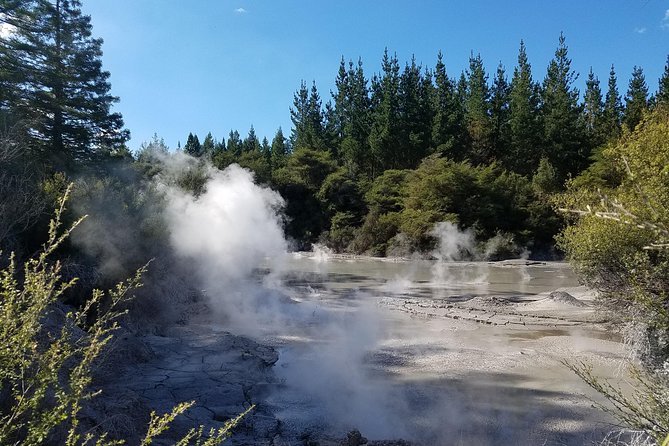
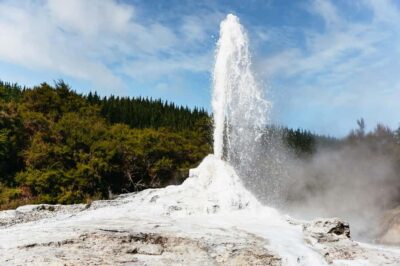
The tour then heads to one of the highlights for most people: the largest and best example of boiling mud. This is where Rotorua feels less like a tourist attraction and more like a working natural process.
Take your time here. The mud isn’t static. You can experience the sounds and activity of the boiling mud and see how constantly the geothermal process is doing its thing. That sensory layer is hard to replicate in photos.
This stop also rewards you for paying attention to the details your guide points out. Even without getting technical, you’ll start noticing patterns in how geothermal areas behave, why crust and heat look the way they do, and why the formed trails exist.
A key caution: thin crust surfaces can be deceptive. The risk disclosure is clear that geothermal areas may contain hot fluids and gases. Stick to paths and don’t test boundaries, even if the ground looks firm.
Waikite Valley Hot Springs and Te Manaroa Springs soak
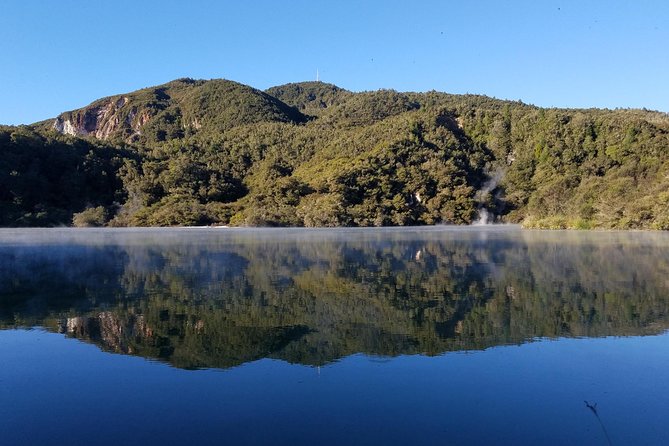
The final part of the tour is the payoff: Waikite Valley Hot Springs, followed by a short walk to Te Manaroa Springs, noted as the largest discharge of boiling water in New Zealand. This is where you go from watching geothermal action to relaxing in it.
You’ll finish with time in the mineral hot pools described as silky-smooth. This timing matters because it gives you a proper wind-down after walking and thermal stops. If you’ve had a long travel day, this is exactly the kind of ending that helps your body recover.
One detail worth keeping front of mind is the safety rule for bathing in geothermal waters: keep your head above the water at all times due to the risk of potentially fatal Amoebic Meningitis. That’s not meant to scare you away from soaking. It’s there so you can relax with your brain switched on.
How much effort is really involved?
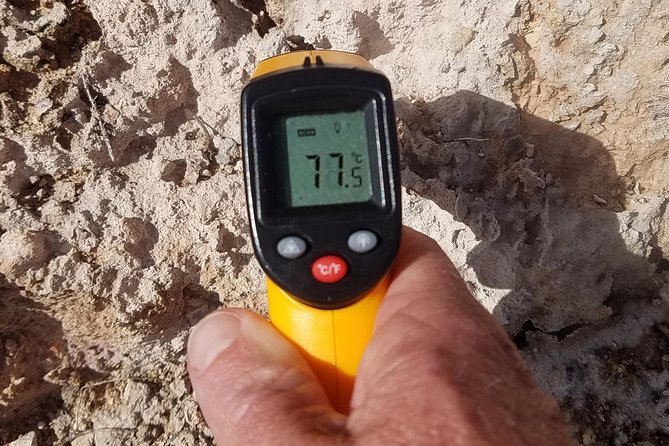
On paper, this is a 4-hour tour, but the real question is how the day feels in motion. The tour includes walks of up to around 2 kilometers, with a note that balance and moderate fitness are needed.
That means: you’re not in flat city mode. You’re in geothermal terrain. Expect uneven ground, tree roots, rocks, and slippery surfaces. This is the main reason to wear proper footwear and to treat each step like a step, not a casual stroll.
Also, the tour operates in most weather conditions and you’re encouraged to dress appropriately. In Rotorua, weather can shift quickly, so pack for changes even on a planned sunny afternoon.
If you have mobility limitations, the good news is that some groups have benefited from thoughtful pacing, but you still need to be honest with yourself about the walking portion.
Is it worth $93.09? The value math that matters
At $93.09 per person, this tour isn’t a bargain-price gimmick. It’s closer to a well-priced bundle, and the value comes from avoiding common hidden costs.
Here’s what you’re getting for that money:
- Air-conditioned transport in a minivan, including pickup and drop-off from designated meeting points
- A local guide who directs you to multiple geothermal sites
- All fees and taxes included
- A plan that avoids you driving between scattered thermal locations in a short window
If you were to DIY this with separate stops, you’d likely spend time sorting routes, parking, and entry fees. Even if you love driving, the time saved is real. That means more time in the hot pools, and less time stuck in Rotorua traffic.
The other value factor is emotional. Geothermal sites can feel overwhelming if you don’t know what you’re looking at. Having Stephen explain the why behind the what makes the experience feel less like checkboxes and more like understanding.
Who should book this thermal tour (and who might want something else)
This tour fits you best if:
- you want a small-group geothermal experience with a guide doing the routing
- you like a mix of nature walk and thermal soaking
- you want off-the-beaten-path spots without spending hours researching
- you prefer a daylight outing that ends with relaxation in hot mineral pools
It might not be the best fit if:
- you can’t handle uneven, possibly slippery ground
- long soaks in geothermal water raise a concern for you due to the strict safety rule about keeping your head above water
- you’re expecting only one destination and maximum time sitting still, because the day is spread across several key stops
Practical tips for a smoother afternoon
A few things I’d treat as non-negotiable for this kind of tour:
- Wear supportive footwear. Trainers or hiking boots are the right idea since the ground can be uneven and slick.
- Stay on formed trails in geothermal areas. Thin crust can fool you.
- Bring layers. The air-conditioned ride helps, but weather and steam can make temperatures feel uneven on the walking parts.
- Bring a small towel or plan for how you’ll dry off after dipping at Kerosene Creek and soaking at the end, since you’ll likely feel damp by the time you’re moving again.
If you’re the type who loves details, keep an ear open for guide stories. Stephen’s style includes lots of natural world notes, including bird calls. Those little moments make the walk feel alive instead of just scenic.
Should you book the Thermal Path Tour?
I’d book this tour if you want the Rotorua geothermal experience without the hassle, and if you’re comfortable with short-to-moderate walking on uneven ground. The biggest win is how it blends proper guide-led viewing with an actual end reward: hot springs time at Waikite Valley and Te Manaroa Springs.
Skip it and pick something else if you need mostly seated time, or if walking on slippery uneven terrain is a deal-breaker. Also consider that this is a daytime thermal route, so if your heart is set on evening activities like glow worms, you’ll likely want a separate outing.
If you match the effort level, this is one of the smarter ways to spend a 4-hour window in Rotorua.
FAQ
Where is the meeting point for the Thermal Path Tour?
The tour starts at 1167 Fenton Street, Rotorua 3010, New Zealand.
What time does the tour start?
The start time is 1:15 pm.
How long does the tour last?
It runs for about 4 hours.
How many people are in each group?
This tour has a maximum of 8 travelers.
What’s included in the tour price?
The price includes transport by air-conditioned minivan, a local guide, pickup and drop-off from designated meeting points, and all fees and taxes.
Is anything excluded from the tour?
Nothing is listed as not included.
Is there walking involved?
Yes. The tour includes walks of up to 2 kilometers, and it notes a good level of fitness and balance is required.
What footwear should I wear?
Supportive footwear such as trainers or hiking boots is recommended.
Does the tour run in most weather conditions?
It operates in most weather conditions, and you should dress appropriately.
What safety rules should I know before bathing in geothermal waters?
The tour notes that geothermal areas can have thin crust surfaces, gases, and hot fluids. When bathing, keep your head above the water at all times due to the risk of potentially fatal Amoebic Meningitis.
Can I cancel and get a full refund?
Yes, you can cancel for a full refund if you cancel up to 24 hours in advance of the experience’s start time.
The Wider Rotorua Shortlist



Everything Else We Wrote Up in Rotorua

Just added to our Rotorua notes
- Rotorua: Waimangu Valley Walk and Steaming Cliffs Kayak Tour★ 4.7 · 6 reviews
- Rotorua: Lake View Private Pools Experience★ 4.3 · 6 reviews
- Rotorua: Floatplane Flight with Orakei Korako Landing★ 5.0 · 6 reviews
- Rotorua: Evening Starlight Gourmet Kayak Tour with dinner★ 5.0 · 6 reviews
- Rangitaiki Rafting Grade 2★ 4.8 · 6 reviews
- One Day Birding Adventure★ 5.0 · 7 reviews
Tours, compared.
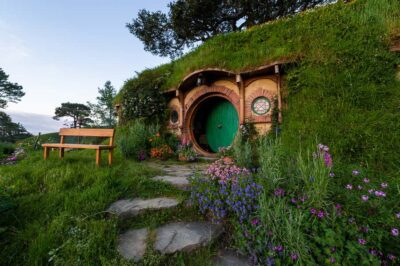 ★ 4.9Hobbiton Movie Set: Guided Tour TicketFrom $718,167 reviews
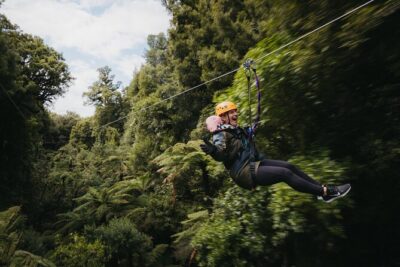 ★ 5.0Rotorua Canopy Tours: 2.5Hour Native Forest Zipline AdventureFrom $1234,563 reviews
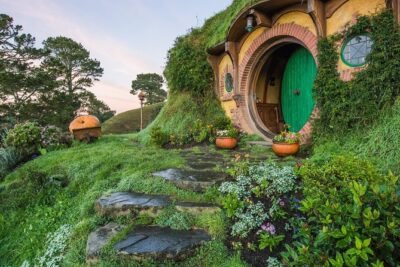 ★ 5.0Hobbiton™ Movie Set Walking Tour from Shires RestFrom $743,577 reviews
 ★ 5.0Premium Milford Sound Small Group Tour & Cruise from QueenstownFrom $2163,001 reviews
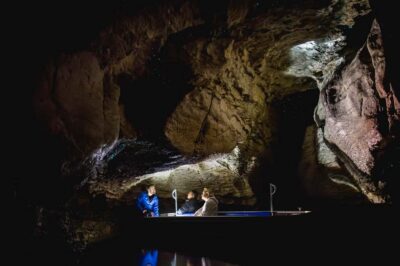 ★ 4.6Te Anau: Glowworm Caves Guided TourFrom $772,611 reviews
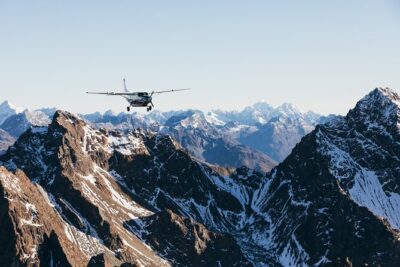 ★ 5.0Milford Sound Fly-Cruise-Fly Tour from QueenstownFrom $4621,792 reviews
 ★ 5.0Hobbiton Movie Set Small Group Tour from AucklandFrom $1831,380 reviews
 ★ 5.0Waiheke island Wine Tours – PREMIUM wine tasting MAX 11 clients !From $1551,378 reviews