
REVIEW · TAURANGA AND THE BAY OF PLENTY
Tauranga History and Culture
History, told by family, changes how you see Tauranga. This is a small-group Māori storytelling tour led by guide Les, built around key places from early arrival stories to major battles. I like how the timeline stretches back to 925AD while you move through real sites, not just photos.
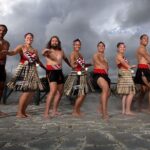
One possible drawback to think about first: the day leans heavily into history and community connections, and it is not presented as a show with Māori dance.
In This Review
- Key things to know before you go
- Mount Maunganui to Tauranga: starting with place, not facts
- Kupe’s 925AD arrival story and the Te Kāpeh compass
- 1828, settlers, missions, and a turning point you can actually walk through
- Gate Pa Memorial Reserve: the 1864 battle site, explained with care
- Tahuwhakatiki Marae: community connections, traditions, and belonging
- Patrick’s Pies Gold Star Bakery: the classic NZ lunch break you can buy
- Summerhill Charitable Trust: harbour views as a closing reset
- Price and what you actually get for $129.84
- Timing, group limits, and who this day fits best
- Should you book Tauranga History and Culture with Travel Ed?
- FAQ
- How long is the Tauranga History and Culture tour?
- What does the tour cost?
- Is pickup offered?
- How many people are in the group?
- Where does the tour end?
- Is lunch included?
- What is included in the price besides the guide?
- Is there walking during the tour?
- What is the cancellation policy?
- What if I book and do not get confirmation right away?
Key things to know before you go
- Story-first guidance from Les who connects family lineage, tribal ties, and place-based meaning
- A tight group size (max 9) that keeps the conversation personal
- Stops built around major turning points from Kupe’s arrival story to 1864 conflict
- A food moment for a classic NZ pie at Patrick’s Pies Gold Star Bakery (optional lunch)
- Harbour viewpoints at the end, for a breath of fresh air after the serious history
- Walking is limited but not zero (plan for up to about 20 minutes or more)
Around the Bay of Plenty, also worth a look
- Tauranga Shore Excursion: Rotorua Highlights
★ 4.5 · 427 reviews - Tauranga: Evening Glowworm Kayak Tour
★ 5.0 · 311 reviews - 6.5 hour Small-Group Rotorua Naturally Shore Excursion – Tauranga
★ 4.5 · 283 reviews - Hobbiton Movie Set Shore Excursion from Tauranga (6 Hours)
★ 5.0 · 267 reviews
Mount Maunganui to Tauranga: starting with place, not facts
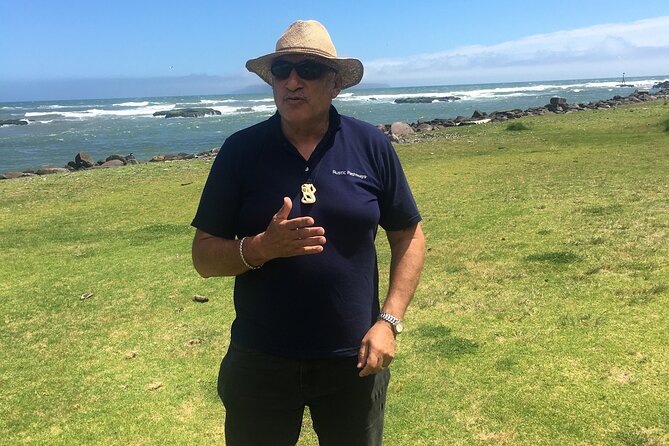
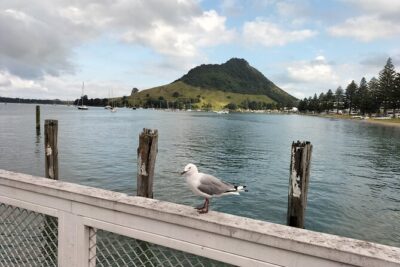
Your day begins at the Port of Tauranga meeting point in Mount Maunganui, with pickup available and a mobile ticket on hand. From there, the guide sets the tone right away, sharing ancient stories as you drive past Mount Maunganui and head toward Tauranga.
This opening matters because it trains your eye. You start noticing how the coast, the mountains, and the route between places are part of the story itself, not just scenery you pass through on the way to “the real sites.”
Expect a short drive, then a first step into the Tauranga area where the guide frames what you are about to see.
Kupe’s 925AD arrival story and the Te Kāpeh compass
One of the biggest reasons to book this tour is the way the early Polynesian story is taught with objects and local context. At the Tauranga stop, you learn about Kupe’s arrival around 925AD, described as the first known Polynesian explorer to reach Aotearoa from Hawaiiki.
The tour also includes a hands-on style moment with the Te Kāpeh compass concept, which helps you understand navigation as lived knowledge, not a distant legend. Even if you know a little already, I like that the explanation is tied directly to what you are standing near and what it meant for arriving people.
The stop is short, about 25 minutes, so it is a focused introduction. You will likely want to hold a few questions in your head for later stops when conflict and change enter the picture.
1828, settlers, missions, and a turning point you can actually walk through
After the early arrival story, the tour moves into the next major era, with a short drive that takes you back to 1828. This is where inter-tribal conflict, the arrival of settlers, missionaries, and British colonial forces come into focus.
This part is not just names and dates. The guide’s job is to connect what changed on the ground, and why those changes mattered to local communities. You also pause at a relevant site connected to the conflict that followed, so the lesson stays anchored to place.
Then you get a quick stop connected to the Mission House, which is noted for its relevance to the later conflict. The day also includes a brief look at the oldest free-standing library in New Zealand, which gives you a tangible sense of how early colonial structures took shape nearby.
Plan for this section to feel more serious than the beginning. If you prefer light and breezy content all the time, this may test your patience. If you want context for why modern Tauranga looks the way it does, it is worth your attention.
Gate Pa Memorial Reserve: the 1864 battle site, explained with care
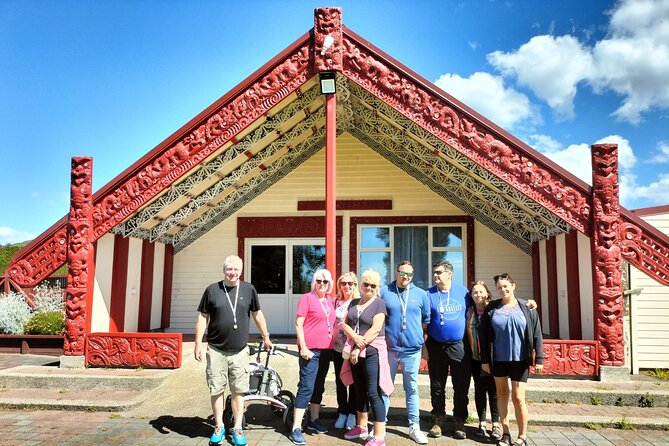
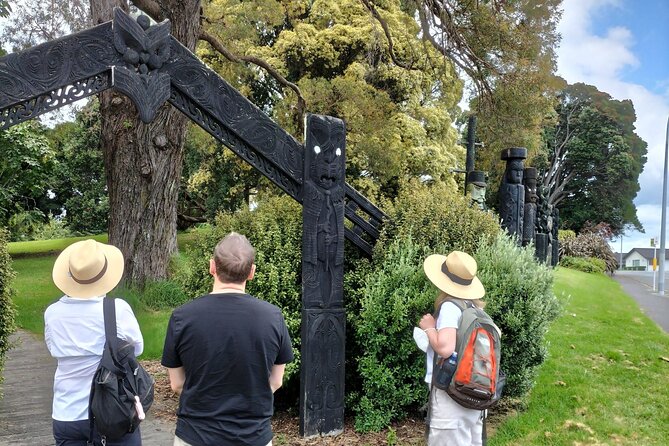
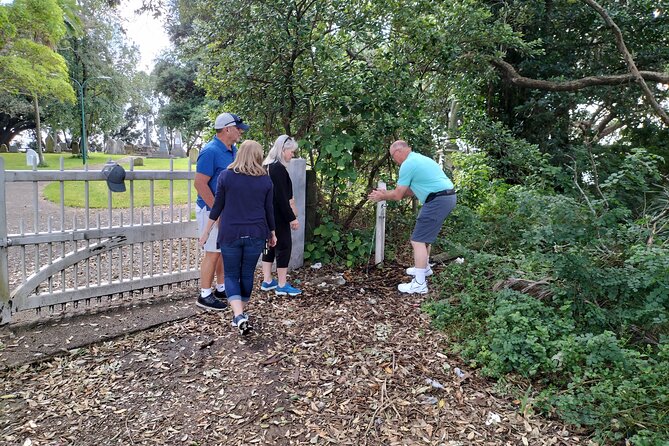
The Gate Pa stop is one of the most meaningful segments of the day. You walk through the battle area at Gate Pa Memorial Reserve, tied to one of the most significant conflicts between colonial troops and local Māori tribes in 1864.
A guide like Les is crucial here, because this is the kind of topic where the details matter. The aim is not to overwhelm you with history. It is to help you understand what the carved markers and memorial features represent, and what the conflict meant for the people connected to the land.
There is also a practical consideration. The tour warns that it could be challenging if you find walking for 20 minutes or more difficult. Gate Pa includes a walking component, so if mobility is tight, think about bringing a steadier pace, comfortable footwear, and letting the guide know what you can handle.
More history around Tauranga

Tahuwhakatiki Marae: community connections, traditions, and belonging
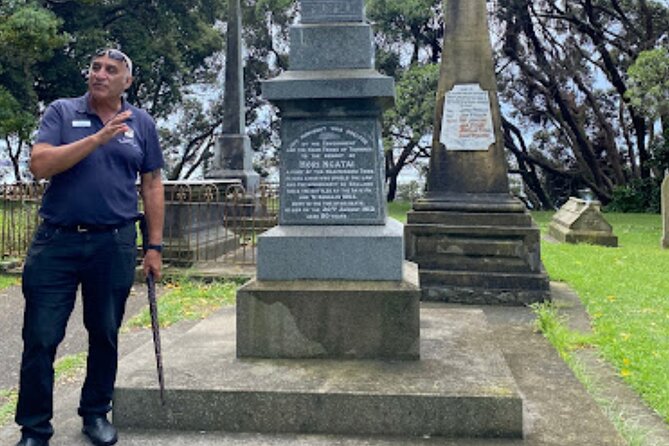
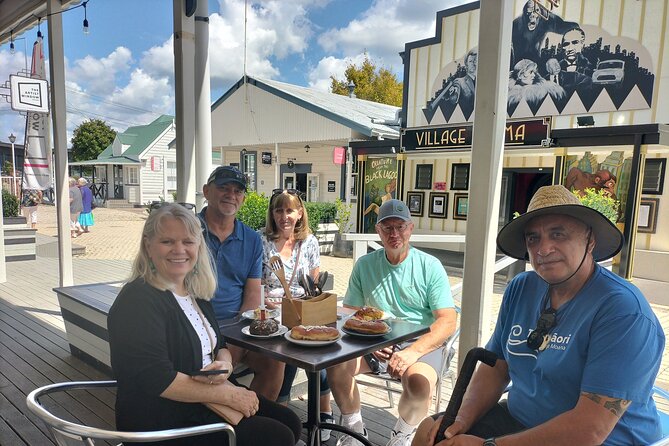
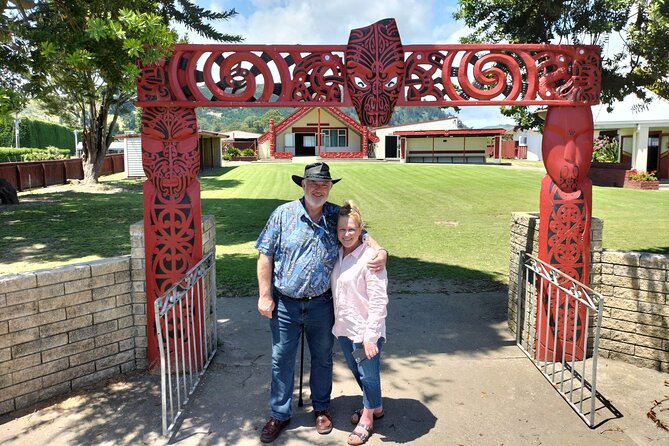
Next comes the marae stop at Tahuwhakatiki Marae, around 40 minutes. This is the part of the tour that feels most human, because it is about relationships, community, and shared responsibilities.
You are there to experience local traditional marae connections and stories, and to leave with a clearer sense of Māori cultural community life. The guide’s approach is family-rooted, and it shows in how the information is delivered.
I also like that the tour’s wording frames this as more than sightseeing. It is structured as an encounter with traditions and connections, where you are expected to listen and learn. If you came looking for a respectful cultural lesson rather than a checklist, this stop tends to land well.
Patrick’s Pies Gold Star Bakery: the classic NZ lunch break you can buy
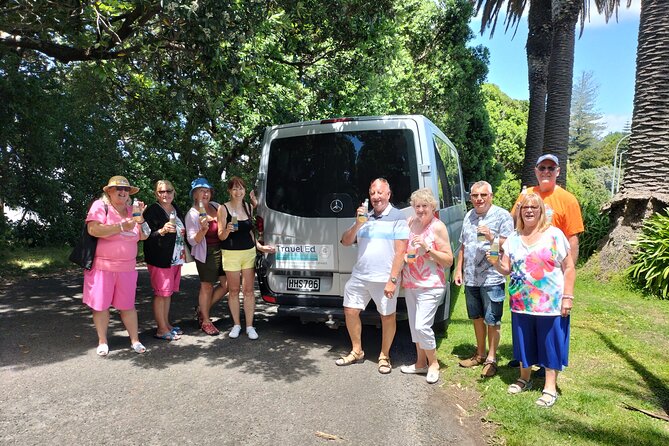
After the heavy history, the tour gives you a calmer, more everyday New Zealand moment with a stop at Patrick’s Pies Gold Star Bakery in Tauranga. The bakery is described as an icon of NZ pie culture, and it is noted for winning the NZ pies supreme award nine times.
The tour includes no lunch, but this is where you can buy food. The idea is simple: grab an iconic NZ pie and keep your energy steady for the final viewpoints.
I recommend treating this as a flexible break. If you are hungry, this is your practical chance to eat. If you prefer to travel light on food, you can still stop in, look around, and choose based on what you want in the moment.
Summerhill Charitable Trust: harbour views as a closing reset
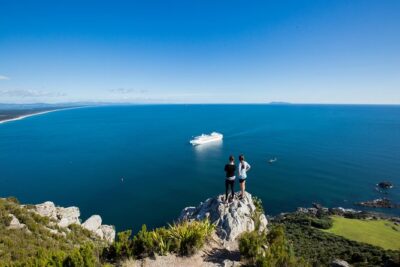
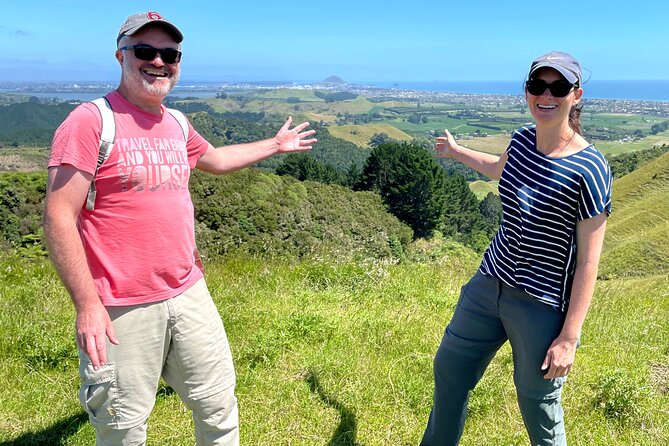
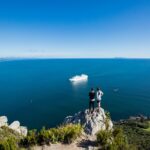
The final stop gives you a scenic reward, with views of Tauranga Harbour and the coastline from surrounding hills at Summerhill Charitable Trust. It is about a 30-minute segment, which feels like the right length to breathe out after a concentrated history day.
Even if you do not think of yourself as a views person, I like how this ending works psychologically. You shift from stories of arrival and conflict to a wider sense of the place people call home, with the coast visible again.
It is a good moment to let the day settle. You will likely notice the same coastlines you saw at the start, but with much more meaning attached.
Price and what you actually get for $129.84
At $129.84 per person, this tour is priced like a premium cultural experience, not a budget bus ride. The value comes from what is included and what you are paying for.
Here is what is included:
- Air-conditioned vehicle with pickup offered
- All fees and taxes
- Bottled water, specifically locally produced mānuka sparkling water
What you are not paying for:
- Lunch (though pies are available for purchase at the bakery stop)
You are also buying time, because the tour runs about 5 hours 30 minutes, including travel time. And you are paying for access to a guide with a strong family and tribal connection to the Tauranga area.
Group size also matters. With a maximum of 9 travelers, the pacing is slower and the guide can answer questions. If you usually find large-group tours hard to connect with, this smaller format is one of the best practical reasons to choose it.
Timing, group limits, and who this day fits best
This tour operates during the daytime window of 9:00 AM to 3:00 PM, available daily. The company’s planning notes also indicate that confirmation comes within 48 hours of booking, and that a minimum of 4 guests is required for the tour to proceed.
It typically books far in advance, with an average booking lead time listed at 156 days, so if you are traveling in peak season, lock it in earlier rather than later.
Who should book:
- You want a Māori-led historical explanation grounded in specific places
- You like tours where conversation and reflection are part of the structure
- You prefer small-group learning over rushing through stops
Who might find it less ideal:
- You want more scenic stops and less history, because the day is intentionally centered on cultural sites and key events
- You need to minimize walking. The itinerary includes walking, and it could be challenging for those who find 20 minutes or more difficult
Should you book Tauranga History and Culture with Travel Ed?
If your goal is a Tauranga day with real cultural context, this is a strong match. The best part is not the number of stops. It is the way the guide connects 925AD to 1828 to 1864 and ties that knowledge to land-based meaning. People who want history that feels personal and taught, not recited, will likely feel well looked after.
I would book it if you enjoy careful explanations, you are curious about local Māori history and community life, and you are comfortable with a small amount of walking. I would think twice only if you are expecting a lighter, mostly scenic tour or a performance-style program, because the emphasis here is on teaching and place-based storytelling.
If that sounds like your kind of day, you are in the right place.
FAQ
How long is the Tauranga History and Culture tour?
It lasts about 5 hours 30 minutes, and travel time is included in the total duration.
What does the tour cost?
The price is $129.84 per person.
Is pickup offered?
Yes, pickup is offered, and the tour starts at the Port of Tauranga Ltd at 2 Salisbury Avenue, Mount Maunganui.
How many people are in the group?
The tour has a maximum of 9 travelers.
Where does the tour end?
The activity ends back at the meeting point.
Is lunch included?
No. Lunch is not included. At the bakery stop, you can purchase an iconic New Zealand pie.
What is included in the price besides the guide?
You get an air-conditioned vehicle, all fees and taxes, and bottled mānuka sparkling water.
Is there walking during the tour?
There is walking, and the tour notes it could be challenging for those who find walking for 20 minutes or more difficult.
What is the cancellation policy?
Free cancellation is available. You can cancel up to 24 hours in advance for a full refund, and cancellations made less than 24 hours before the start time are not refunded.
What if I book and do not get confirmation right away?
You should receive confirmation within 48 hours of booking, subject to availability.
The Long Memory of Tauranga

Everything Else We Wrote Up in Tauranga




Around the Bay of Plenty
Just added to our Tauranga notes
- Hells Gate Geothermal, Mud & Sulphur Spa★ 4.0 · 7 reviews
- Tauranga: Mount Maunganui Hot Pools Experience★ 4.5 · 7 reviews
- Tauranga to Magical Hobbiton Movie Set – Private Shore Excursion★ 5.0 · 7 reviews
- Scenic Short Hike Tour – Papamoa Hills and McLaren Falls★ 5.0 · 7 reviews
- TAURANGA SHORE EXCURSION: V8 TRIKE – 1.5 hour City Sites★ 5.0 · 8 reviews
- Tauranga: Rotorua Redwoods Tour & Maori Village Experience★ 4.9 · 8 reviews
Tauranga and the Bay of Plenty, compared.
 ★ 5.0Kaituna Cascades – Grade 5 Wairoa River near TaurangaFrom $117437 reviews
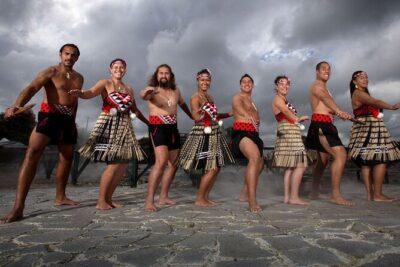 ★ 4.5Tauranga Shore Excursion: Rotorua HighlightsFrom $152427 reviews
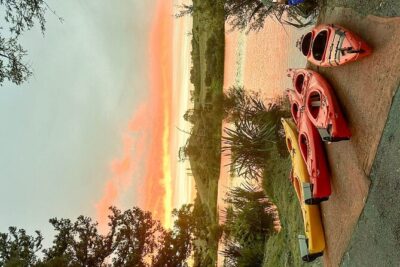 ★ 5.0Tauranga: Evening Glowworm Kayak Tour311 reviews
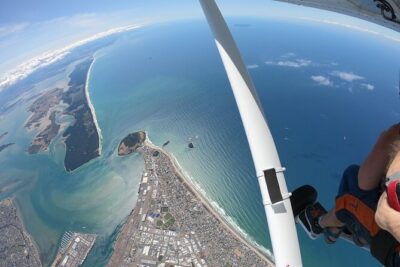 ★ 5.015,000ft Tandem Skydive in Tauranga – Bay of PlentyFrom $332305 reviews
 ★ 4.56.5 hour Small-Group Rotorua Naturally Shore Excursion – TaurangaFrom $135283 reviews
 ★ 5.0Hobbiton Movie Set Shore Excursion from Tauranga (6 Hours)From $198267 reviews
 ★ 5.0Hobbiton Transport & Tauranga Highlights Excursion from TaurangaFrom $86219 reviews
★ 4.8Tauranga: Evening Glowworm Kayak TourFrom $134206 reviews
★ 5.0Hobbiton Transport & Tauranga Highlights Excursion from TaurangaFrom $86219 reviews
★ 4.8Tauranga: Evening Glowworm Kayak TourFrom $134206 reviews
Browse the lists this tour appears in