
REVIEW · AUCKLAND TOURS AND DAY TRIPS
SEA LIFE Kelly Tarlton’s General Admission
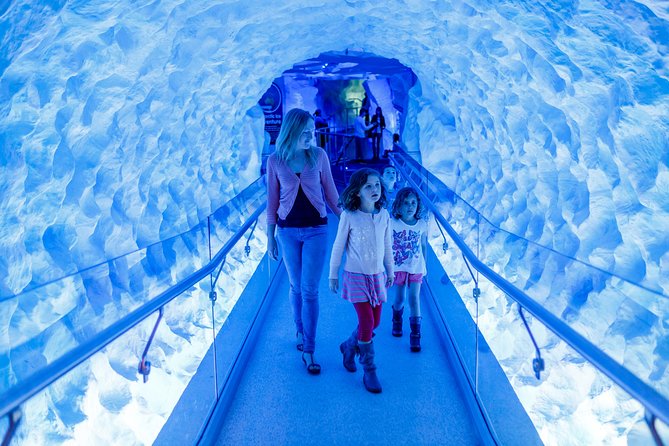
Penguins and sharks share the same route. I like the Antarctic Encounter walk-through, where King and Gentoo penguins feel close in a controlled, icy setup, and I also love the curved stingray tunnel with huge stingrays gliding overhead. One thing to plan for is timing, since last entry is 4:00 pm and limited walk-through spots can sell out, so check your session ahead of time.
General admission costs $24.20 and covers entry only. You’ll see 30+ live animal exhibits and 80+ species spread across 13 themed zones, plus jellyfish displays and rescued-turtle care behind the scenes.
You can take photos, just no flash around the animals. It’s open Thursday to Monday, closed Tuesday and Wednesday, with hours from 9:30 am to 5:00 pm.
In This Review
- Key highlights worth planning around
- Price and what general admission really buys you
- Your best route through 13 themed zones in about 60 minutes
- Antarctic Encounter penguin walk-through: close enough to notice details
- Penguins plus feeding moments: how to time your visit
- The curved stingray tunnel: the overhead view that sells the ticket
- Shark Tunnel and the Kelly Tarlton legacy
- Jellyfish displays and rescued turtles: the quieter wins
- The specialty exhibits you may not expect
- Getting there from central Auckland without a headache
- Photos at the aquarium: rules and how to get usable shots
- Who this is best for, and who might want a different plan
- Should you book SEA LIFE Kelly Tarlton’s general admission?
- FAQ
- How long does the general admission experience take?
- What’s included in the $24.20 ticket?
- Are hotel pickup and drop-off included?
- What are the opening days and hours?
- Can I take photos inside the aquarium?
- Are food and drinks included?
- Are there age rules for children?
Key highlights worth planning around
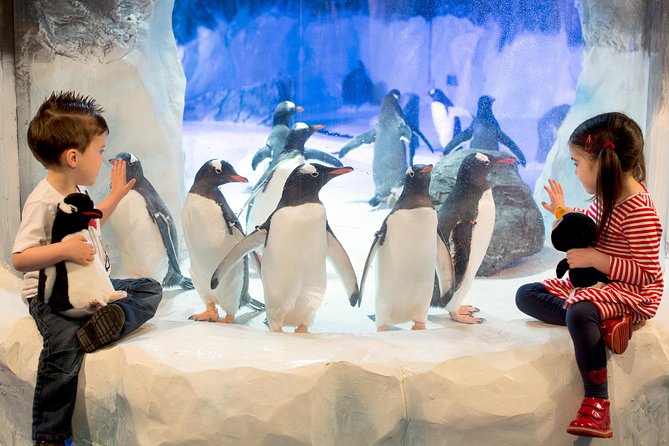
- Antarctic Encounter: a walk-through penguin moment with King and Gentoo penguins
- Curved stingray tunnel: a head-level view built for that wow factor
- Kelly Tarlton’s Shark Tunnel: New Zealand’s largest collection of sharks in a glass tunnel
- Specialty exhibits: Spiny Sea Dragons and a huge Sub-Antarctic penguin colony display
- Family-friendly pacing: a compact site where you can do it in about an hour, or linger longer
More ways to fill a day out of Auckland
- Hobbiton & Waitomo Caves Guided Day Trip from Auckland incl lunch
★ 5.0 · 2,677 reviews - From Auckland: Hobbiton & Waitomo Caves Day Trip with Lunch
★ 4.9 · 2,505 reviews - Auckland Dolphin and Whale Watching Eco-Safari Cruise
★ 4.5 · 1,790 reviews - Auckland: Hobbiton Movie Set Day Trip with Festive Lunch
★ 4.8 · 1,431 reviews
Price and what general admission really buys you
At $24.20 per person, this is a straightforward Auckland attraction value play. You’re paying for general admission, not a hotel package and not a guided tour. The good part is you can move at your own speed and spend more time where you care most, like penguins or the tunnel passes.
Here’s what’s included, based on the ticket terms:
- General admission ticket
- A mobile ticket for entry
And here’s what costs extra on-site:
- Food and drinks
- Souvenir photos (if you choose them)
A practical tip: since the whole visit is listed as about 1 hour, I suggest you treat it like a focused circuit. If you’re the kind of person who stays for every feeding moment and photo stop, plan a bit more time. One key thing to watch is the last entry at 4:00 pm, because that time cut makes the experience feel rushed if you arrive late.
Your best route through 13 themed zones in about 60 minutes
This aquarium is set up in 13 themed zones, with over 30 live exhibits. That matters because it keeps the day from feeling like one long hallway of fish. You get an Antarctic-style storyline early on, then you move through themed habitats and display types.
If you want the smoothest visit, I’d do it like this:
1) Start with the Antarctic-themed areas so the penguin story hits early.
2) Then shift into the tunnel experiences, because tunnels are where the viewing angle turns into the main event.
3) Finish with the remaining exhibits at a calm pace, especially jellyfish and turtles.
Paths are generally easy to follow, and you can step back for a better photo angle at certain points. The site isn’t trying to be a half-day maze. It’s more like a well-designed “hit the highlights” walk, with plenty of stopping points if you have kids, or if you’re just fascinated by animal behavior.
Antarctic Encounter penguin walk-through: close enough to notice details
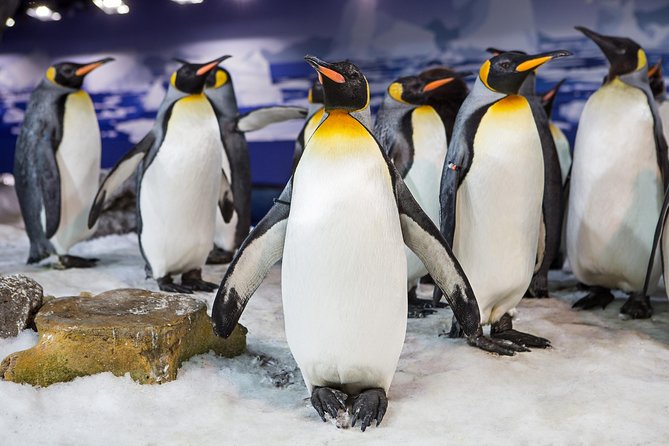
The Antarctic Encounter is the experience anchor. It’s a walk-through penguin encounter designed to let you get closer than typical glass-and-grate viewing. The two featured stars are King penguins and Gentoo penguins, in an icy-themed setting.
Why I think this is worth prioritizing:
- Penguin behavior is the whole show. You’ll likely notice posture, pacing, and the way they cluster in their environment.
- A walk-through setup changes the vibe. You’re no longer just looking at penguins, you’re sharing space within a controlled exhibit design.
One consideration: these walk-through-style encounters can have limited availability. If you’re aiming for a specific penguin session, I’d plan to reserve early where that’s offered, or at least arrive with enough time to confirm what’s running that day. With last entry at 4:00 pm, late plans get squeezed fast.
Also, bring your patience for kid energy. This is one of those places where kids can do repeated visits to the penguins, because the motion is constant and the “look again” factor is real.
Penguins plus feeding moments: how to time your visit
Penguin areas are a big reason people rate this place so highly. Even without chasing a strict schedule, you can improve your odds by arriving with energy for early activity.
Here’s the practical approach:
- Go straight to penguins once you enter.
- If you see a feeding announcement or schedule posted, shift your plan to match it.
- Position yourself so you’re not blocking anyone else, especially around walk-through zones.
Feeding is usually when penguins become most active. That can mean more movement, clearer sightlines, and better chances for photos that don’t look like you were at the aquarium “one minute before something happened.”
If you have a multi-generational group, this is also a nice equalizer. Adults get the habitat story and exhibit design. Kids get the constant motion and the chance to get close.

The curved stingray tunnel: the overhead view that sells the ticket
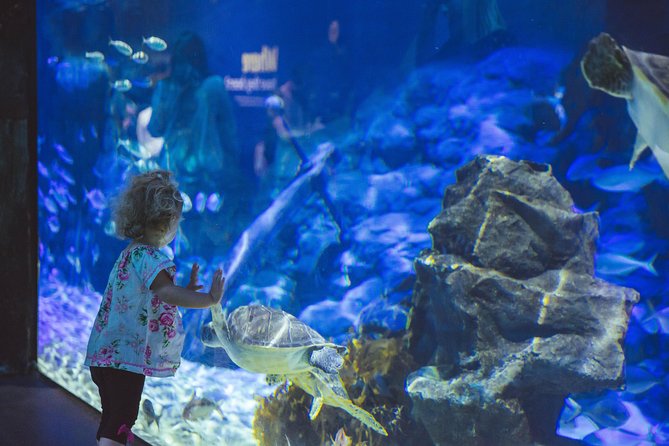
If you do only one “photo-ready” thing, make it the curved stingray tunnel. This display is built around the idea that the animal is above you, not across a tank. The overview claims it’s home to the world’s biggest species of stingray, and the tunnel format turns that into a standout experience.
What makes the stingray tunnel special:
- The curved glass means you see animals pass in a natural arc, not just a flat side view.
- The tunnel layout encourages slow walking and repeated viewing. You naturally track movement as stingrays glide through.
It’s also a moment where the aquarium stops being just educational and becomes cinematic. The tunnel is the place you feel the effort that went into exhibit design, not just the animals themselves.
A small practical thing: keep your flash off. Flash is prohibited around the animals, so rely on your camera or phone’s low-light settings and steady hands. You’ll still get usable photos, but you need to treat it like indoor wildlife photography, not a daytime street shot.
Shark Tunnel and the Kelly Tarlton legacy

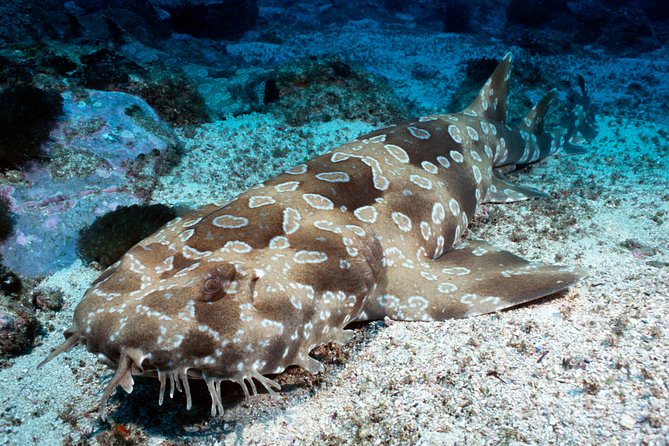
The famous Kelly Tarlton’s Shark Tunnel is one of the biggest “name” attractions at the aquarium. It’s described as the brainchild of marine archaeologist and diver Kelly Tarlton, and it houses New Zealand’s largest collection of sharks.
Even if sharks are not your top interest, the tunnel format does something important. It slows you down. Glass tunnels force you to look upward, track movement, and accept that the animals own the pace.
What I like about this stop:
- It’s a clear highlight with a lot of viewing time baked in. You’re not checking a quick panel and moving on.
- The tunnel perspective makes sharks feel present, not distant.
If your group includes thrill-seekers, this is usually where their faces light up. If your group includes quieter visitors, this is still a win, because there’s plenty to watch without needing hands-on activities.
Jellyfish displays and rescued turtles: the quieter wins
Not every highlight is about big movement overhead. The aquarium also has the gentler, slower stuff that rewards attention.
From the attraction description, you’ll find:
- Jellyfish displays
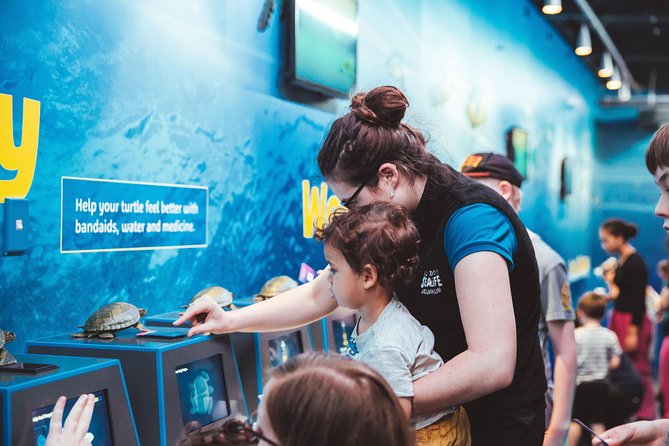
- Information about how rescued turtles are cared for
These exhibits are valuable because they show the full purpose of a modern aquarium. It’s not only about spectacle. It’s also about rescue, care, and learning what these animals need to live healthy lives.
If you’re visiting with kids, jellyfish and turtles tend to work well during “stand and wait” moments. They’re calmer than penguins. That makes them good for groups where adults want a chance to reset, while kids still feel engaged.
If you like hands-on learning, look for interactive elements inside the aquarium. Some visitors have pointed out family-friendly touches like a digital or play area experience alongside the exhibits. Even if your kids don’t use every interaction, they can break up the walk and keep energy steady.
The specialty exhibits you may not expect
One reason this aquarium can beat bigger places in your memory is the presence of standout specialty items. The attraction descriptions call out:
- A world’s largest Sub-Antarctic penguin colony display
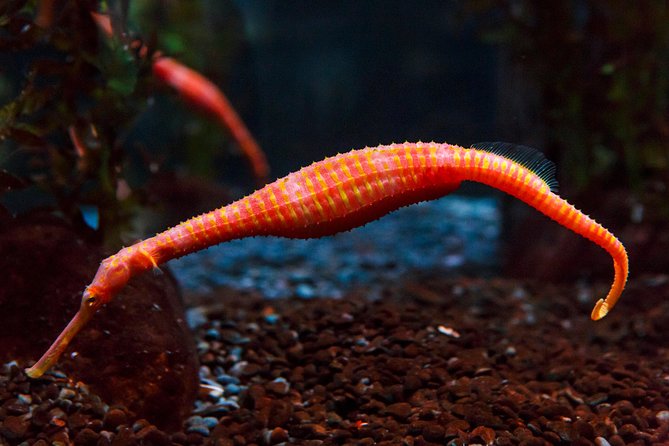
- The world’s only display of Spiny Sea Dragons
- The world’s biggest stingray species in the tunnel
These details matter because they give you a stronger sense of place. You’re not only seeing “fish and turtles.” You’re seeing species-focused exhibits and claims that make the trip feel specific to Auckland and to this venue.
If you’re deciding between a couple of rainy-day options, that specificity helps. It’s the difference between a generic aquarium visit and a “this is the one” aquarium visit.
Getting there from central Auckland without a headache
This aquarium sits near public transportation, so you don’t have to rely on a private car. That’s a real plus if you’re already planning a waterfront day and want to keep things simple.
Based on visitor experience, getting in is often easiest if you:
- Use bus or rideshare from the city
- Consider walking if the weather works for you
- Watch for a shuttle service that has prominent branding, including a giant shark-head look that makes it easy to spot
One important practical reminder: your ticket is mobile, so make sure you can access it offline or on your phone before you arrive. If your group includes anyone who doesn’t love last-minute phone fiddling, do a quick check at home and save the ticket in a way you can show at the gate without stress.
Photos at the aquarium: rules and how to get usable shots
Photography is allowed, with one key restriction: flashbulbs around the animals are prohibited. That’s common in animal exhibits, but it changes how you should shoot.
For better photos:
- Keep flash off and rely on ambient lighting.
- Take a moment to pause before you snap. Movement in penguin and tunnel displays can be fast.
- If you want overhead tunnel shots, position yourself, then track movement rather than moving constantly.
Also, expect that the best photo angles may require a little stepping back or repositioning. The layout makes that possible at certain points, so you can usually adjust without turning it into a group project.
Who this is best for, and who might want a different plan
This is strongly family-friendly. The mix of penguins, sharks, tunnels, jellyfish, and interactive moments makes it easy to keep different ages interested. Even older visitors tend to enjoy the exhibits because it’s not a long trek and there are plenty of fixed “look at this” stops.
It’s also a good choice if you’re an animal nerd who likes learning in a hands-on way. You get over 80 species and 13 themed zones, so the content has enough variety to keep adults from feeling like they’ve seen it all in five minutes.
Who might want to consider other options:
- If you want a huge aquarium that feels like an all-day museum with lots of long-resting specialty galleries, this might feel more compact than you expected. It’s designed for a tight visit.
- If your priority is only one animal type, you might still enjoy it, but you’ll want to be selective about where you spend time first.
Should you book SEA LIFE Kelly Tarlton’s general admission?
Yes, I’d book it if you want a value-priced Auckland attraction that hits multiple big interests in one loop: penguins, sharks, and tunnel views. At $24.20 for general admission, you’re paying for a focused visit with major exhibit hits, not for an all-inclusive day out.
Before you go, do two things that protect your trip:
- Plan around opening days and last entry. It’s Thu to Mon, closed Tue and Wed, with last entry at 4:00 pm.
- Decide whether you want the Antarctic Encounter walk-through style moment, then make sure your timing lines up with whatever sessions are available that day.
If you like animal care stories, and you want an easy, rainy-day friendly plan near Auckland’s waterfront, this is an excellent call.
FAQ
How long does the general admission experience take?
It’s listed as about 1 hour.
What’s included in the $24.20 ticket?
The ticket includes general admission.
Are hotel pickup and drop-off included?
No. Hotel pickup and drop-off are not included.
What are the opening days and hours?
It opens Thursday to Monday, and it is closed Tuesday and Wednesday. Hours are 9:30 am to 5:00 pm, with last entry at 4:00 pm.
Can I take photos inside the aquarium?
Yes, photography is allowed. Flashbulbs around the animals are prohibited.
Are food and drinks included?
No. Food and drinks are available to purchase on-site, but they are not included.
Are there age rules for children?
Yes. Children 15 years and under must enter with an adult over 16 years of age.
Everything Else We Wrote Up in Auckland





Auckland, More Days Out

Just added to our Auckland notes
- Rotorua to Auckland – Afternoon Transfer with Waitomo Caves★ 4.9 · 6 reviews
- Auckland Nature Tour★ 5.0 · 6 reviews
- Auckland: GoGuided Auckland City Tour★ 4.5 · 6 reviews
- Auckland: Full-Day City Tour★ 4.6 · 6 reviews
- Auckland: Half-Day Sea Kayak Tour to Motukorea Island★ 5.0 · 6 reviews
- Private Tour – Hobbiton Movie Set & Te Puia (Rotorua)★ 5.0 · 7 reviews
Auckland Tours and Day Trips, compared.
 ★ 5.0Hobbiton & Waitomo Caves Guided Day Trip from Auckland incl lunchFrom $2292,677 reviews
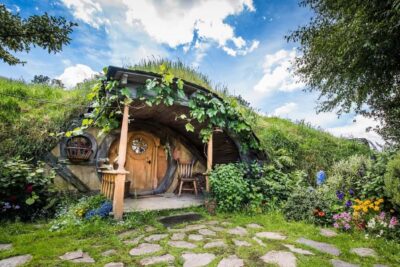 ★ 4.9From Auckland: Hobbiton & Waitomo Caves Day Trip with LunchFrom $2212,505 reviews
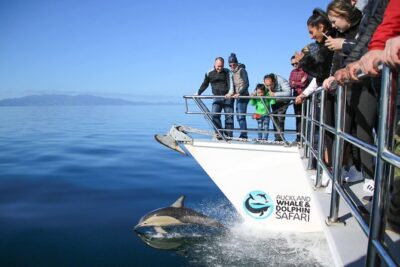 ★ 4.5Auckland Dolphin and Whale Watching Eco-Safari CruiseFrom $1351,790 reviews
 ★ 4.8Auckland: Hobbiton Movie Set Day Trip with Festive LunchFrom $1821,431 reviews
 ★ 5.0Hobbiton Movie Set Small Group Tour from AucklandFrom $1831,380 reviews
 ★ 4.0Auckland Explorer: Sightseeing Hop-on Hop-off TourFrom $431,180 reviews
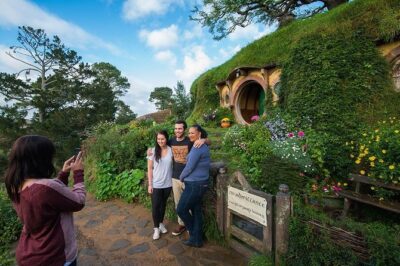 ★ 5.0Hobbiton & Waitomo Caves Small-Group Tour W Lunch from AucklandFrom $2351,117 reviews
 ★ 5.0Half-day Discover Auckland City Sightseeing TourFrom $461,080 reviews