
REVIEW · ROTORUA GEOTHERMAL PARKS
Rotorua Geothermal Living Maori Village Tour Whakarewarewa 6.5hours Tour
A steaming village, then a real cultural show. This day tour in Rotorua is all about living Māori life and using the geothermal world for daily living. I also love the guided time inside Whakarewarewa, plus the built-in light lunch cooked in the traditional hangi.
The main thing to weigh is time in the car. Even with a small-group minibus, you are doing a full circuit with several scenic stops, and that means the day can feel long, especially if you easily get travel fatigue.
In This Review
- Rotorua’s Living Māori Village Experience, Not Just a Stop
- Key Points You’ll Care About
- Meeting Point in Mount Maunganui, Then Port Pickup Made Easy
- The Drive Factor: Why This Feels Like More Than One City
- Whakarewarewa Living Māori Village: Where the Day Turns Real
- What You’ll See Around the Geothermal Springs
- Pohutu Geyser From a Safe Distance, and the Timing Moment
- The Hangi Lunch: The Most Sensible Way to Eat on Tour
- Māori Cultural Performance: Singing, Dancing, Warrior Demonstrations, and Haka
- Rotorua Government Gardens and City Highlights: Quick Stops With Context
- Te Puke and the Kiwi Fruit Drive: A Fun Side Story
- Tauranga and Mount Maunganui Coastline Views: The Calm Ending
- Guides, Group Size, and How to Get the Best Day
- Price and Value: Why $166.93 Can Make Sense
- Who This Tour Fits Best
- Should You Book This Rotorua Māori Village Tour?
- FAQ
- How long is the Rotorua Geothermal Living Māori Village tour?
- Where do I meet, and is port pickup included?
- What food is included?
- How much time do we spend at Whakarewarewa Living Māori Village?
- What is included in the cultural performance?
- How large are the groups?
- Does the tour run in bad weather, and what should I wear?
Rotorua’s Living Māori Village Experience, Not Just a Stop
This is the kind of excursion that feels specific once you’re there. Instead of a quick photo stop, you spend about 2 hours at Whakarewarewa, walking among geothermal features and learning how the community lives with heat, steam, and hot water as part of everyday routines.
What makes it memorable is the way the day is built around people, not just scenery. The village tour is led by a resident guide, and the cultural program that follows is not a background activity, it is the heart of the afternoon.
The good news for you: it is structured so you get both context and action. You’ll get village explanations, then you’ll see a performance that includes the famous Haka, and you’ll eat lunch cooked in a way that matches the setting.
What else Rotorua puts on
- Tauranga Shore Excursion: Rotorua Highlights
★ 4.5 · 427 reviews - 6.5 hour Small-Group Rotorua Naturally Shore Excursion – Tauranga
★ 4.5 · 283 reviews - Rotorua Geothermal Living Maori Village Tour Whakarewarewa 6.5hours Tour
★ 4.5 · 145 reviews - Rotorua Geothermal Wonderland Tour – Departs Tauranga
★ 5.0 · 123 reviews
Key Points You’ll Care About
- 2 hours at Whakarewarewa with a guide from the community, walking you through geothermal life
- 30-minute Māori cultural performance featuring singing, dancing, warrior demonstrations, and the Haka
- Free light lunch cooked in a traditional hangi, plus time to reset before the show
- Small-group pacing with a maximum of about 20 travelers on the tour vehicle
- Scenic driving that layers in Lake Rotorua, Government Gardens, Tauranga, Mount Maunganui, and Te Puke kiwifruit area
Meeting Point in Mount Maunganui, Then Port Pickup Made Easy
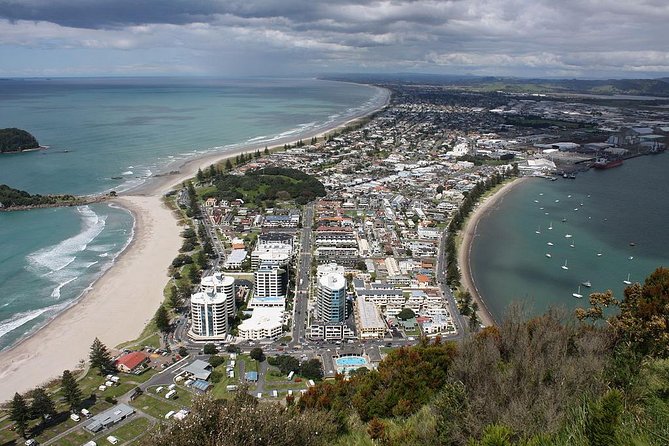
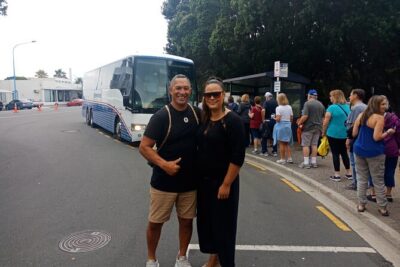
Your day starts at 1 Salisbury Avenue, Mount Maunganui, and the tour ends back at the same meeting point. If you are on a cruise, port pickup and drop-off are included, which is a big deal because it reduces the usual hunt for shuttles and last-minute scrambling.
The vehicle is air-conditioned, and that matters on a Rotorua day because you can go from steaming geothermal zones to cooler drives quickly. You’ll also get a mobile ticket, which keeps check-in simple once you arrive.
Before you go, plan to be prompt. Check in 15 minutes prior to departure, because the operator has to match timing with ship arrivals and departures.
The Drive Factor: Why This Feels Like More Than One City
This tour is about Rotorua, but you do not just hang around Rotorua. You travel through a wider slice of the Bay of Plenty, which is why it works well for cruise days when you want a full picture.
Your itinerary includes stops for views of Lake Rotorua, a quick hit at Rotorua’s Government Gardens, then more city sights. After that, you swing toward Tauranga and Mount Maunganui, including the beach-side suburb drive that many people remember for its clean, coastal feel.
The trade-off is simple: you spend time on the road. Many people love the variety, but if you hate car time, you’ll feel it. I’d call this a great choice if you like scenic drives and you’re okay with a packed day.
Whakarewarewa Living Māori Village: Where the Day Turns Real
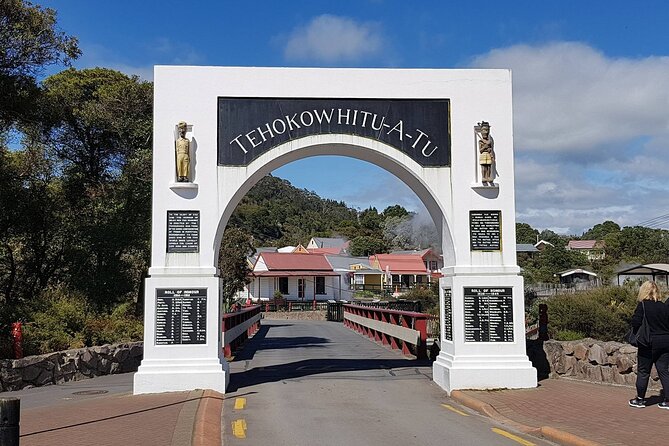
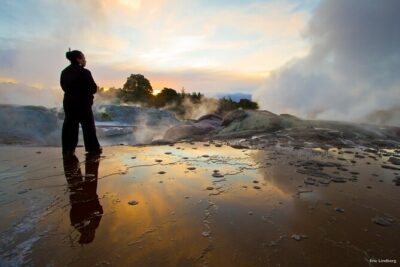
The centerpiece is the Whakarewarewa Living Māori Village, where people live on a daily basis in the geothermal region of Rotorua. You’re not just watching from a distance. You walk through the village area and learn how the community uses geothermal conditions as part of daily life.
The guide angle is the magic here. On tours with guides such as Richie, Jack, Brian, Peter, Charlie, Alistair, Saskia, and Grahame, the strongest praise is consistent: they explain with confidence and with personality. In other words, you get stories and meaning, not just a script.
Also, you spend real time here, about two hours. That length matters because you can actually connect the explanations to what you’re seeing around you.
Other Maori-led experiences we have reviewed

What You’ll See Around the Geothermal Springs
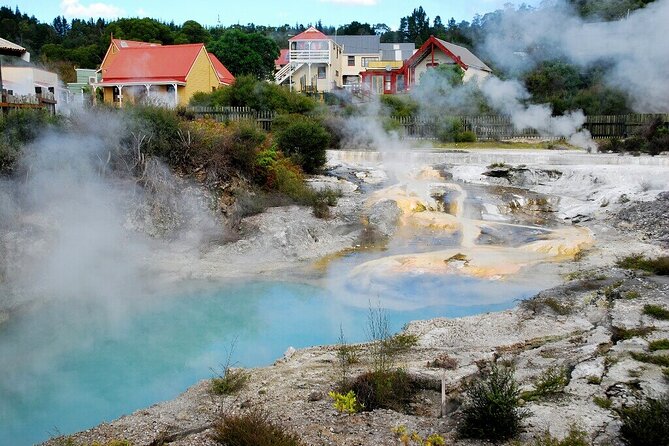
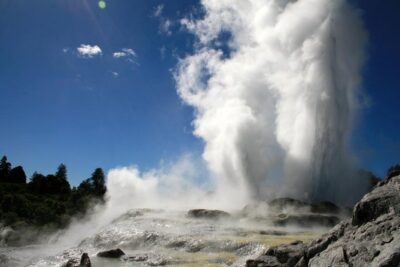
Expect steaming areas and geothermal features that shape where people build, cook, and gather. Part of the experience is learning why the environment is harsh but usable. The tour’s emphasis is on practical adaptation: how heat is harnessed, how daily routines fit the setting, and why this place matters culturally.
This is also where the Rotorua smell sometimes shows up. Sulphur odor is part of geothermal territory. If you’re sensitive to smells, you might notice it, but most people find it fades after you settle into the environment.
Pohutu Geyser From a Safe Distance, and the Timing Moment
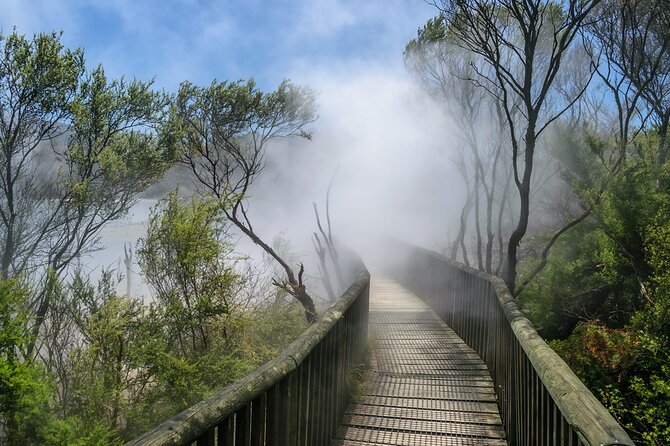
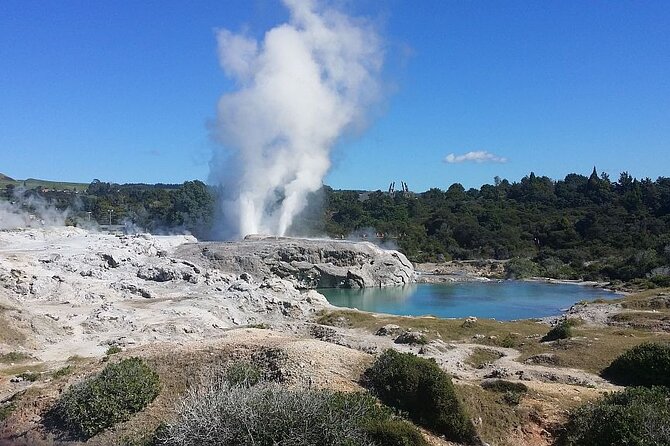
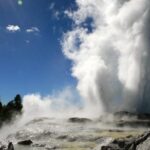
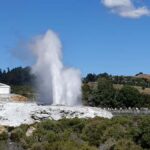
The day is designed so you can view the Pohutu geyser from a safe distance as it erupts naturally during the day. That’s the kind of “okay, we’re really here” moment that justifies the geothermal focus of the entire itinerary.
You’re not asked to chase it. Instead, your timing at Whakarewarewa plus the rest of the day gives you a window to catch it when it goes off. From a comfort standpoint, it is easier than tours that feel like a sprint.
If you are the type who loves photos, you’ll likely want to be ready. Don’t wait for the geyser to peak in your camera setup. Keep your phone or camera ready, then watch for the eruption rather than re-adjusting everything mid-moment.
The Hangi Lunch: The Most Sensible Way to Eat on Tour
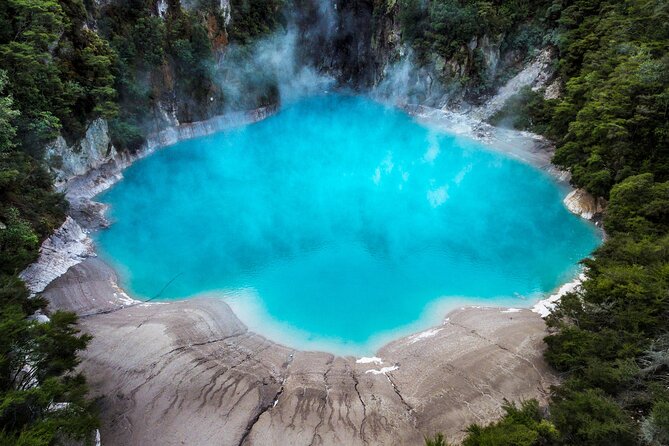
You get a free light lunch cooked using the hangi method, which is the traditional way the geothermal environment is used for cooking. This is one of those inclusions that boosts the value, because it’s not just food on a schedule. It ties directly to what you saw at the village.
From a practical point of view, the lunch also acts like a reset. You spend time walking in the geothermal area, then you sit down. By the time you head to the cultural performance, you’re not starving and you’re not overly tired.
If you have dietary needs, you’ll want to confirm what is actually available with the operator before you go. The provided details say light lunch and hangi style, but they do not list menu options in the information I have here.
Māori Cultural Performance: Singing, Dancing, Warrior Demonstrations, and Haka
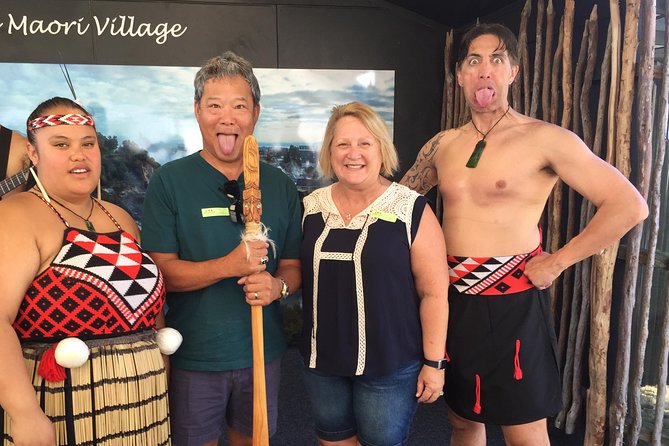
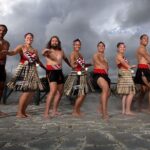
After the village time, you’ll enjoy a 30-minute Māori cultural performance. The program includes singing, dancing, and warrior demonstrations, and it includes the Haka.
This segment is often why people call it the highlight. The Haka is not performed as a random add-on. It’s placed as part of a cultural flow that started with village life, then moves into performance.
Two things make this work for different ages. First, it has clear structure and pacing. Second, it feels lively. Even if you do not know a lot going in, the rhythm and energy help you follow what’s happening.
One small caution: on very busy days, large groups can form at the village site. That can make it harder to hear the guide during the village portion if crowds compress. Your tour vehicle stays small, but the destination itself can get crowded because it runs a public operation.
Rotorua Government Gardens and City Highlights: Quick Stops With Context
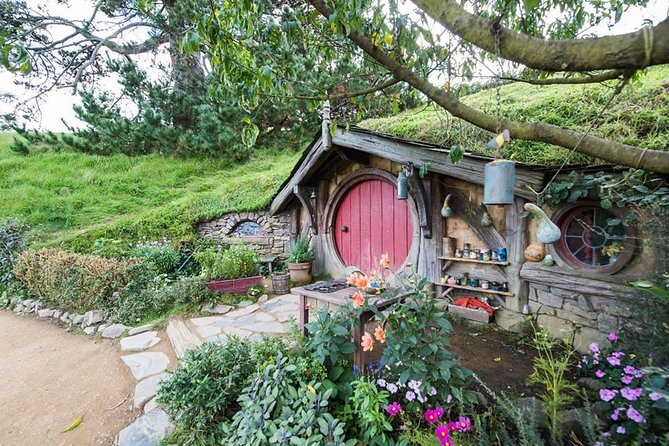
You also get short stops that help you understand Rotorua beyond the geothermal village.
At Government Gardens, you’ll see the Elizabethan-style building that dominates the space. It also ties into local history as the first health spa in New Zealand, and today it houses the Rotorua Museum. The stop is brief, but it gives you a sense of how Rotorua became a destination long before modern tourism.
Then you have about one hour in Rotorua, with sights shown as part of the tour. This is not meant to replace a full day in town. Think of it as orientation: get your bearings, see key areas, then enjoy the main attraction.
If you like slow travel, you might wish this portion had more time for photos and walking. Since this is a timed circuit, you’re trading depth here for variety across the region.
Te Puke and the Kiwi Fruit Drive: A Fun Side Story
There is also travel through the Te Puke area, often described as the world capital of kiwifruit. You’re shown the surrounding region as the tour passes through, and the area is known for producing a large share of New Zealand’s kiwifruit crop.
This stop works because it adds something unexpected. Not everyone comes to Rotorua expecting agricultural scenery, but it helps break up the day visually between geothermal and coastal areas.
Keep an eye out for the orchards and the straight-road views. They are not as dramatic as steam and geysers, but they make the day feel like more than one repeated theme.
Tauranga and Mount Maunganui Coastline Views: The Calm Ending
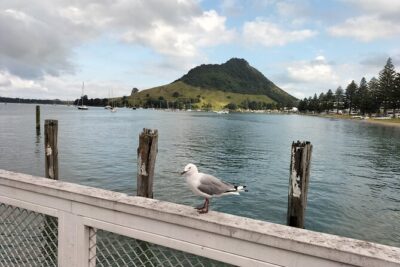
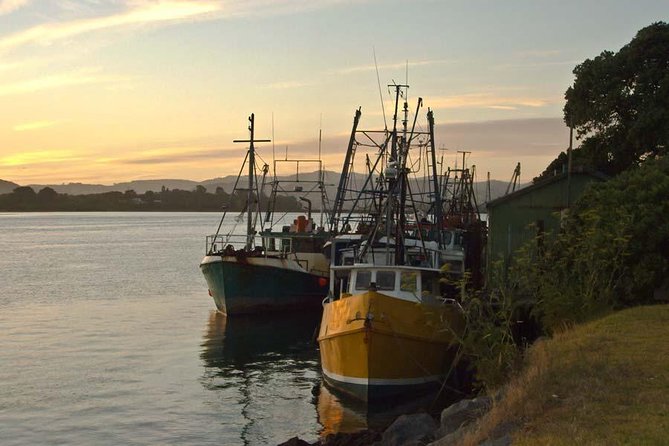
On the way out, you travel through Tauranga, which is one of New Zealand’s fastest-growing cities and has the country’s largest port. You’ll also drive through Mount Maunganui, including the beach-side suburb.
This part of the day is a good fit for people who want their last hours to feel lighter after intense sightseeing. The coastal drive tends to give you breathers, especially if the morning felt packed.
If you’re on a cruise, these views also help make the return feel like a mini farewell to the region, not just getting back to the ship.
Guides, Group Size, and How to Get the Best Day
The operator keeps groups small on the tour vehicle, with a maximum of 20 travelers. Many guides here are praised for being friendly, funny, and good at explaining local context in a way that lands.
Names that show up in standout experiences include Richie, Jack, Brian, Peter, Charlie, and Saskia. What people really value is how the guide connects the geothermal world to real village life, and how they handle questions without turning it into a lecture.
To get the most from the village portion:
- Stay close to the front area so you can hear the village guide clearly.
- Wear layers you can adjust, since geothermal air can feel warm near steam.
- Be ready for the Haka performance, because it’s the kind of cultural show that works best when you are present, not half-scrolling.
Also, don’t underestimate the pace. This is not a relaxed half-day. It’s a full excursion with multiple stops, so bring an open mind and plan to enjoy the “seeing a lot” format.
Price and Value: Why $166.93 Can Make Sense
At $166.93 per person, this is not a cheap add-on. But it is also not only a single-ticket village entry. You’re paying for a managed day: guided village time, a cultural performance, a light hangi lunch, and transport that covers pickup and drop-off from the port or the Mount Maunganui meeting point.
In practical terms, the value is strongest if you:
- are on a cruise and want minimal logistics stress,
- want a guided explanation of Māori village life, not just self-guided wandering,
- and want both geothermal highlights and a few regional scenery stops.
If you already plan to spend a lot of time driving on your own, you might decide to pick just the village and skip the extra stops. But for a one-day window, the bundled structure is what makes the pricing easier to swallow.
Who This Tour Fits Best
This tour is a strong match if you:
- want an authentic-feeling cultural experience with time in a living village,
- like guided context and stories tied to what you’re seeing,
- and appreciate a small-group day that is still long enough to cover Rotorua plus coastal and agriculture scenery.
It may not be ideal if:
- you get travel-sick or hate long road sections,
- you expect lots of free time to wander on your own,
- or you are very sensitive to sulphur smell from geothermal areas.
Should You Book This Rotorua Māori Village Tour?
I’d book it if you want a well-paced, guided day where the main event is real village life, not just a performance. The combination of Whakarewarewa village touring, a hangi lunch, and a 30-minute Māori cultural show with the Haka is a lot of cultural payoff for one day.
I’d think twice if you hate car time or if you need maximum quiet and space at the destination. The village site can get busy, and that can affect how easily you hear everything during the village portion.
Bottom line: for most people with a Rotorua stop on a cruise or a tight schedule, this is a solid, cost-effective way to see the geothermal side of New Zealand and the Māori community story that makes it make sense.
FAQ
How long is the Rotorua Geothermal Living Māori Village tour?
The tour runs for about 6 hours 30 minutes.
Where do I meet, and is port pickup included?
You meet at 1 Salisbury Avenue, Mount Maunganui. Port pickup and drop-off are included, so cruise passengers can be collected at the port.
What food is included?
A free light lunch is included, cooked in the traditional hangi style.
How much time do we spend at Whakarewarewa Living Māori Village?
You have about 2 hours at Whakarewarewa.
What is included in the cultural performance?
You get a 30-minute Māori cultural performance with singing, dancing, warrior demonstrations, and the Haka.
How large are the groups?
The tour vehicle has a maximum of 20 travelers.
Does the tour run in bad weather, and what should I wear?
It operates in all weather conditions, so dress appropriately. The suggestion is to wear layers, bring a hat, and use sunscreen.
More Steam and Silica
Other Maori-Led Experiences


Rotorua, Three More Ways
Just added to our Tauranga notes
- Hells Gate Geothermal, Mud & Sulphur Spa★ 4.0 · 7 reviews
- Tauranga: Mount Maunganui Hot Pools Experience★ 4.5 · 7 reviews
- Tauranga to Magical Hobbiton Movie Set – Private Shore Excursion★ 5.0 · 7 reviews
- Scenic Short Hike Tour – Papamoa Hills and McLaren Falls★ 5.0 · 7 reviews
- TAURANGA SHORE EXCURSION: V8 TRIKE – 1.5 hour City Sites★ 5.0 · 8 reviews
- Tauranga: Rotorua Redwoods Tour & Maori Village Experience★ 4.9 · 8 reviews
Rotorua Geothermal Parks, compared.
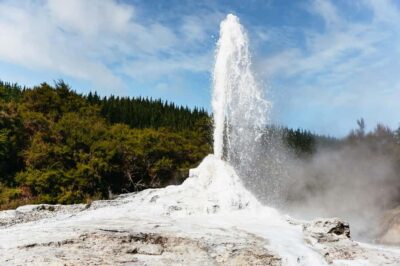 ★ 4.6Rotorua: Wai-O-Tapu Geothermal Park Entry TicketFrom $282,601 reviews
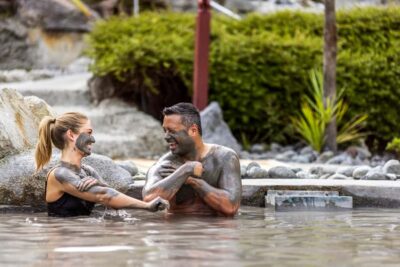 ★ 4.7Rotorua: Hell’s Gate Outdoor Mud Spa & Guided WalkFrom $681,140 reviews
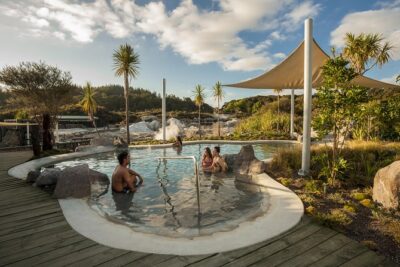 ★ 4.5Hell’s Gate Mud Bath & SpasFrom $55475 reviews
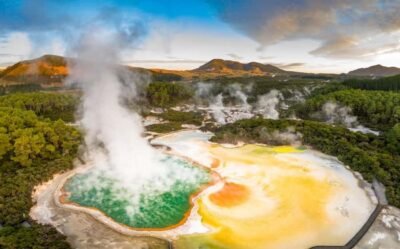 ★ 4.8Auckland: Hobbiton, Rotorua and Wai-O-Tapu Day TourFrom $256458 reviews
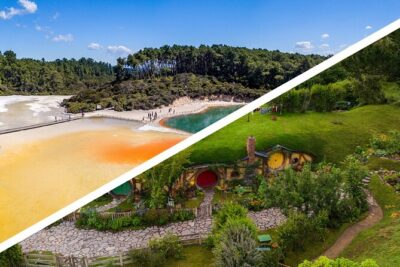 ★ 5.0Hobbiton & Rotorua including Wai-O-Tapu – Small Group Tour from AucklandFrom $266450 reviews
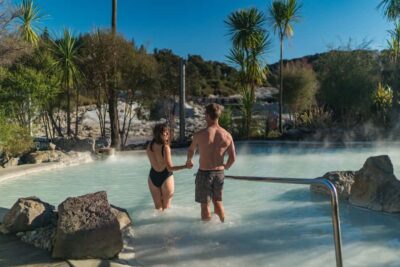 ★ 4.6Rotorua: Hells Gate Outdoor Mud Bath & Spa ExperienceFrom $53398 reviews
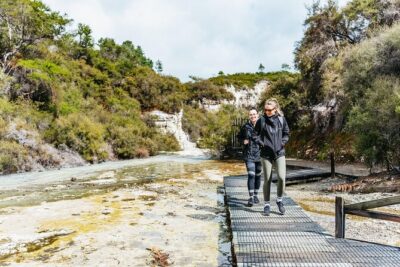 ★ 4.5Wai-O-Tapu Thermal Wonderland, Rotorua, New ZealandFrom $29379 reviews
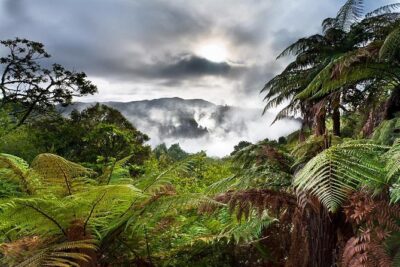 ★ 5.0Rotorua based Small Group Morning Tour Waimangu and Wai O TapuFrom $130347 reviews
Browse the lists this tour appears in