
REVIEW · MAORI CULTURAL EXPERIENCES
Māori Whakatau Welcome
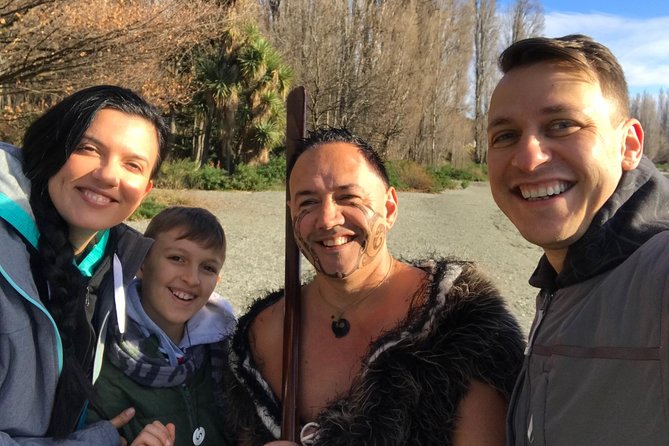
A Māori welcome can feel formal, then suddenly personal. This one in Wanaka turns a first meeting into a shared moment on the lake shore. I like how it teaches you the meaning behind the rituals, and I love that the setting is the real Otago land and not a museum room. One thing to consider: the ceremony depends on good weather, and some keepsakes like photos and the bone carving are not automatically included.
You’ll take part in a full pōwhiri sequence, including the wero challenge and the mihi whakatau welcome speech. You start as strangers, then you’re guided toward whanau, like you’re being folded into the moment. The host, Joe, comes across as genuinely helpful and makes it easier for kids and adults to follow what’s happening.
It’s also practical. You get private transportation, a small maximum group size of 30, and a mobile ticket. If you can, plan early too, since this is commonly booked about 137 days in advance.
In This Review
- Key things to know before you go
- Māori Whakatau by Lake Wanaka, with real meaning behind Manaakitanga and Kaitiakitanga
- From wero challenge to mihi whakatau, what the full pōwhiri includes
- Choosing Queenstown or Wanaka, and picking the right time on arrival
- Small group feel with private transportation, so you are not lost in the crowd
- The keepsakes side of the experience: photos, bone carving, and tea towel
- Price and value at $31.03, what you’re really paying for
- Who should book this Māori pōwhiri welcome, and who might rethink it
- Practical tips to get the most out of your pōwhiri in Wanaka
- Should you book the Māori Whakatau Welcome in Wanaka?
- FAQ
- Where does the Māori Whakatau Welcome take place?
- How long does the experience last?
- What is included in the ticket price?
- Is there a mobile ticket?
- What time does the tour start?
- Can children attend?
- What souvenirs are included?
- What is the wero and taiaha part of the experience?
- What happens if the weather is bad?
- Is free cancellation available?
Key things to know before you go
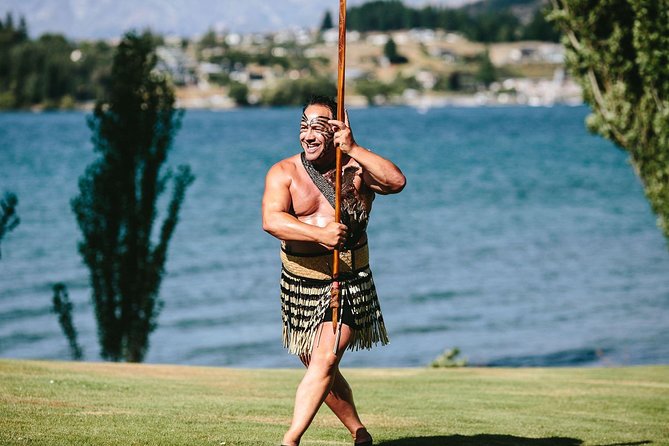
- A real pōwhiri, not a talk: you experience the welcome sequence, including wero and mihi whakatau
- Manaakitanga and Kaitiakitanga are the focus, hospitality plus guardianship of the land
- Wero with a taiaha and Māori warrior sets the tone right away, then moves into connection
- Lake Wanaka setting makes the ritual feel tied to place, not performed on a stage
- Small group cap of 30 helps you actually participate and not feel lost
Other Maori-led experiences we have reviewed
- ‘Express’ Wine Tour & Māori Culture Wānaka
★ 5.0 · 85 reviews - Māori Whakatau Welcome
★ 5.0 · 72 reviews
Māori Whakatau by Lake Wanaka, with real meaning behind Manaakitanga and Kaitiakitanga
This experience is built around two Māori values, and they’re not just labels you’ll hear once. They shape what you’re doing and why it matters.
Manaakitanga is hospitality, the care you show, the way you welcome people. In a pōwhiri context, it’s about meeting visitors properly and respectfully. Kaitiakitanga is guardianship of the land, the duty to look after the whenua, the land you’re standing on. When the ceremony is explained through those two ideas, the whole welcome stops feeling like a performance for tourists. It becomes a living responsibility.
And the lake setting matters. Wanaka sits on the shores of Otago, so you’re not only learning about guardianship and hospitality, you’re being welcomed in a landscape that iwi are connected to. That link is the big value here, because you can read about culture later, but it’s much harder to “feel” the meaning when you’re only looking through glass.
If you’re starting your New Zealand trip, this is also a nice way to get your bearings fast. Rather than saving culture for later, you give yourself context for how people relate to land, community, and respect right from day one.
From wero challenge to mihi whakatau, what the full pōwhiri includes
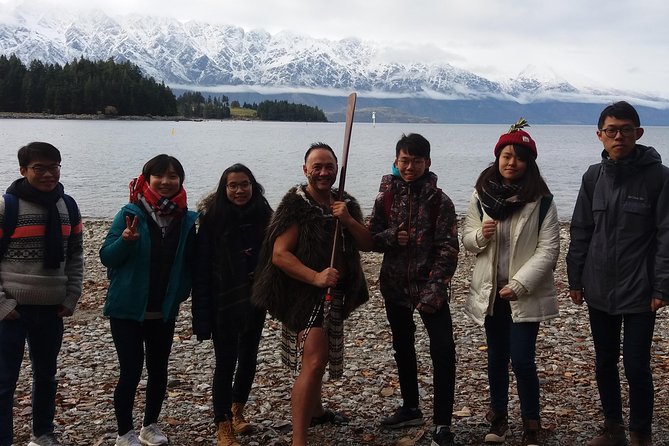
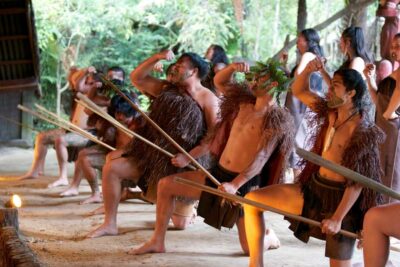
A full pōwhiri welcome has steps, and this one includes key parts you should expect to see and take part in. You’ll be greeted with a wero challenge led by a Māori warrior, with a taiaha involved. That moment can feel intense at first, but it’s also the point. It sets a tone of seriousness and respect before you move into the welcome.
After the challenge, the group moves through the main elements of the pōwhiri process. You’ll get a mihi whakatau, a welcome speech, which helps explain who you are in the context of the land and the people. The rhythm is structured, so even if you don’t know Māori language, you’re not expected to act like you do.
The best part, in my view, is the arc. The experience is designed so you start out as strangers and end up as whanau, family. That transformation is not about fancy storytelling. It’s about how the ritual guides participants from distance to connection.
Practical tip: if you’re traveling with kids, this kind of structured sequence can actually be easier than an open-ended tour. The event has clear phases, and that makes it simpler to follow along without worrying about missing the “important part.”
Choosing Queenstown or Wanaka, and picking the right time on arrival
This pōwhiri experience can happen in either Queenstown or Wanaka. If you have a strong preference, the provider asks you to email first. That’s important because both places are part of the same broader region, but you’ll experience the welcome in the specific location you choose.
Timing matters too. The whole idea is to do your welcome early, ideally a morning or afternoon pōwhiri rather than waiting until the day after you land. Doing it soon helps your brain connect New Zealand culture to your actual first days here, not to a distant memory after you’ve already driven past landmarks and assumed you understand the context.
The start time you’ll see is 9:30 am, but the experience is offered as morning or afternoon, so you can match it to your schedule. Plan for about 40 minutes to 1 hour, with a typical window around 45 minutes.
Since this runs only when conditions are right, build in a little flexibility. If weather turns, you may be offered a different date or a full refund, so you’re not left stranded.
Small group feel with private transportation, so you are not lost in the crowd
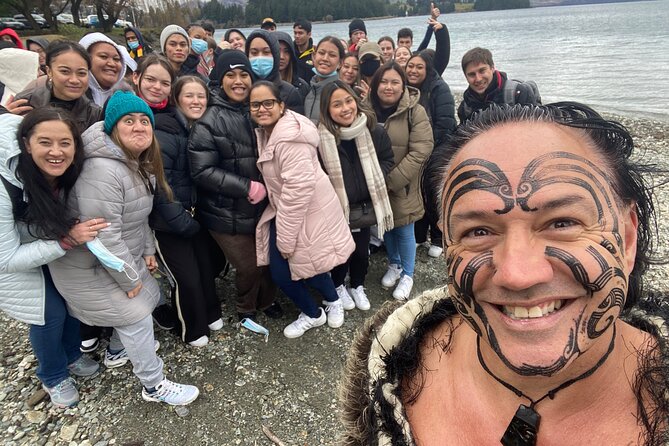
This is not a giant bus-and-brochure situation. The group size is capped at 30 travelers, which helps you settle in and participate without feeling like a faceless line in someone else’s program.
You also get private transportation. That’s a real convenience factor in Wanaka and the surrounding area, where moving between stops and timing can otherwise eat up your energy. The experience starts at your meeting point and ends back there, so you don’t need to figure out the logistics afterward.
One more detail I appreciate: you’ll have a mobile ticket. That usually means less printed paperwork and fewer last-minute worries while you’re already juggling jet lag, weather checks, and trying to remember where you parked.
The confirmation comes at booking time, so you should know you’re set.
If you prefer an experience where you can keep eye contact with the people leading the welcome, a smaller group and private transport are exactly the kind of setup that helps.

The keepsakes side of the experience: photos, bone carving, and tea towel
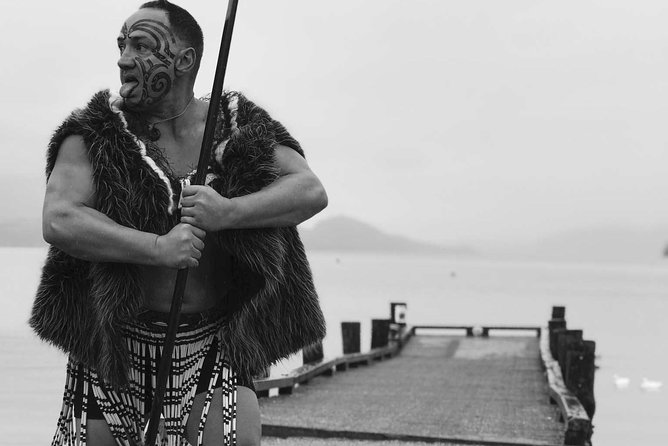
The experience is described as taking an authentic Māori bone carving home. But the “not included” notes also list the bone carving as not included, along with souvenir photos and a WanaHaka tea towel souvenir. So here’s the practical way to think about it:
- You should view the carving as an optional or additional purchase.
- You should budget extra if you want the carving, photos, and the tea towel.
This matters for value. The core cultural welcome is the focus, and that part is built in. But if you’re hoping for a full set of souvenirs, it’s better to plan ahead so you do not end up making a last-minute decision based on the day’s mood.
If you love photography, ask yourself whether you want professional souvenir photos or whether you’ll handle your own. The listing says souvenir photos are available to purchase, so you can decide on the day if that’s your thing.
Price and value at $31.03, what you’re really paying for
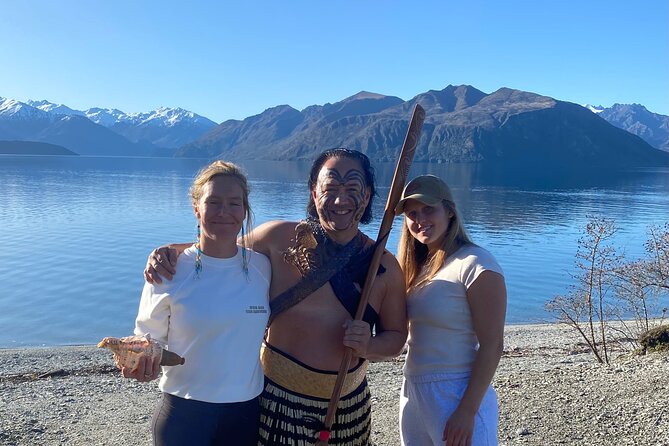
At $31.03 per person, this is priced low enough that many families can justify it early in a trip. But the value is not just the ticket cost. The inclusion of admission and private transportation is a meaningful part of what you’re paying for.
The ceremony itself is short, around 45 minutes, so you’re not buying a full day. You’re buying a concentrated cultural welcome that includes key ritual components like wero and mihi whakatau. That makes the cost feel more like an “experience investment” than a sightseeing add-on.
Where the budget can shift is in extras. Since souvenir photos, the bone carving, and the tea towel are listed as not included, you may pay more if you choose keepsakes. If you’re trying to keep costs tight, you can still enjoy the full pōwhiri and skip the optional souvenirs.
Also, because this depends on good weather, you should book it with enough breathing room in your schedule. That reduces stress, and it protects your time.
Who should book this Māori pōwhiri welcome, and who might rethink it
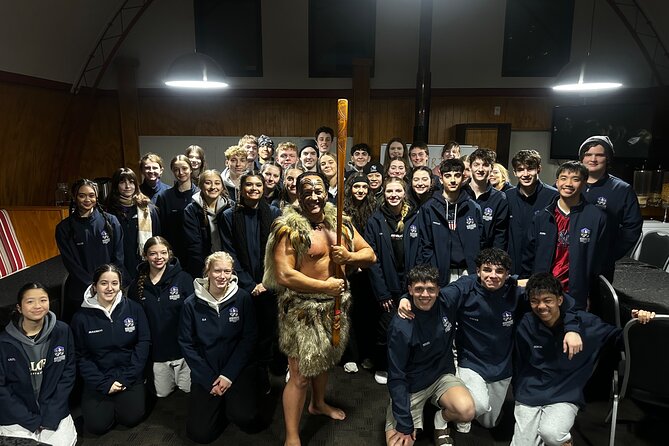
This is a strong fit if:
- You want an authentic Māori cultural welcome in Otago and not a museum-style experience
- You’re traveling with kids, since children aged 16 and under pay a discounted rate
- You want a short, meaningful activity that sets your trip context early
- You appreciate rituals with clear structure, because the ceremony has phases and a guided flow
It’s also family friendly in a practical way, because children must be accompanied by an adult, which keeps things organized and safe.
Consider a different option if you:
- Prefer experiences that are strictly low-key and avoid challenge rituals. The wero can feel dramatic, even if it’s part of the respectful process.
- Have a very inflexible schedule due to weather dependence. You can usually handle this with smart planning, but it’s still a consideration.
Service animals are allowed, which is a good note for many people who travel with support animals.
Practical tips to get the most out of your pōwhiri in Wanaka
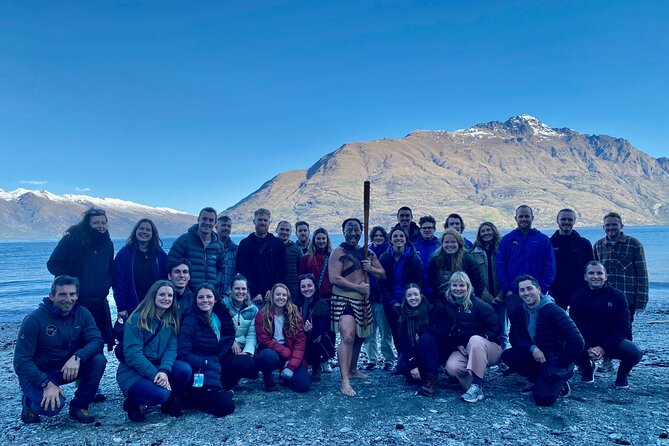
You’ll have a far better experience if you treat this like participation, not like content hunting. A few tips that help:
- Arrive with a calm mindset. The wero and the taiaha are part of how the ceremony establishes respect.
- Pay attention to the meaning, not just the words. The key themes are Manaakitanga and Kaitiakitanga, hospitality and guardianship, and that’s what turns it from “something to watch” into “something to understand.”
- For families, explain the basics to kids beforehand. Tell them they’ll be welcomed and that the event includes different steps, starting with a challenge and ending as family.
- If you want the carving or photos, decide early what you’re comfortable spending so the decision is not stressful.
- If you’re choosing between Queenstown and Wanaka, email first if your location preference is important.
And since the experience needs good weather, check your schedule and keep your plans flexible for that day.
Should you book the Māori Whakatau Welcome in Wanaka?
If your goal is to connect to New Zealand culture in a way that you cannot get from guidebooks alone, I think this is a smart early-trip booking. It’s short, structured, and led by people who guide you through the full pōwhiri flow, including wero and mihi whakatau. The small group limit and private transportation make it easier to stay present, especially if you’re traveling with family.
Book it if you like meaningful, respectful experiences, and if you can handle the weather-dependent timing. Skip or reconsider if you want only casual sightseeing, because this is a ritual and it has real intensity at the start.
One last pro tip: since it’s commonly booked about 137 days ahead, don’t wait until the week you arrive. Lock in a morning or afternoon slot, then let the rest of your trip be flexible around it.
FAQ
Where does the Māori Whakatau Welcome take place?
It is in Wanaka, New Zealand. The pōwhiri can also be done in Queenstown, and you should email first if you have a location preference.
How long does the experience last?
The duration is approximately 40 minutes to 1 hour.
What is included in the ticket price?
The ticket includes private transportation, and admission is included.
Is there a mobile ticket?
Yes, the experience uses a mobile ticket.
What time does the tour start?
The listed start time is 9:30 am, and the experience can also be booked for a morning or afternoon pōwhiri.
Can children attend?
Yes. Children must be accompanied by an adult, and children aged 16 and under pay a discounted rate.
What souvenirs are included?
Not all souvenirs are included. Souvenir photos, the authentic Māori bone carving, and a WanaHaka tea towel souvenir are listed as not included.
What is the wero and taiaha part of the experience?
You’ll be greeted by a wero or challenge with a Māori warrior and taiaha, followed by the key elements of the pōwhiri welcome.
What happens if the weather is bad?
The experience requires good weather. If it’s canceled due to poor weather, you’ll be offered a different date or a full refund.
Is free cancellation available?
Yes. You can cancel up to 24 hours in advance for a full refund. Cancellation less than 24 hours before the start time is not refundable.
Everything Else We Wrote Up in Wanaka



Other Maori-Led Experiences


Just added to our Wanaka notes
- Wanaka Easy Ebike Tour★ 5.0 · 7 reviews
- From Wanaka: Milford Sound Flight with Landing & Glaciers★ 4.4 · 7 reviews
- Rob Roy Glacier Guided Walk★ 5.0 · 8 reviews
- Wānaka: Scenic Helicopter Flight Wānaka Max★ 5.0 · 11 reviews
- Lake Wānaka: 3 hour Fishing Adventure by Boat★ 5.0 · 12 reviews
- 3 Hour in Wanaka Fishing Charters★ 5.0 · 14 reviews
Maori Cultural Experiences, compared.
 ★ 4.7Mitai Maori Village: Cultural Experience and Dinner BuffetFrom $1013,575 reviews
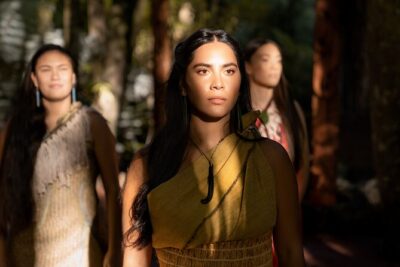 ★ 5.0Cultural Experience & Seasonal Māori Cuisine at Te Pā TūFrom $1671,546 reviews
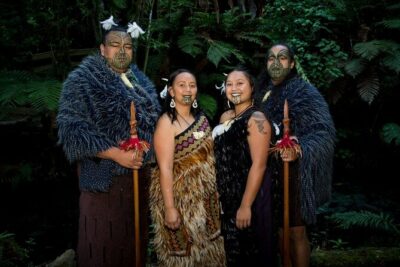 ★ 4.5Mitai Maori Village Cultural Experience in RotoruaFrom $1041,294 reviews
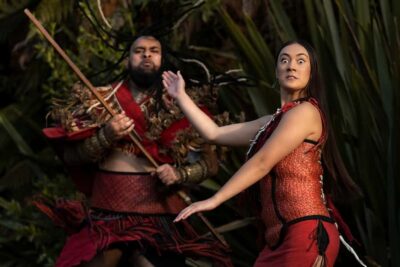 ★ 4.8Rotorua: Te Pa Tu Māori Cultural Experience with DinnerFrom $1671,193 reviews
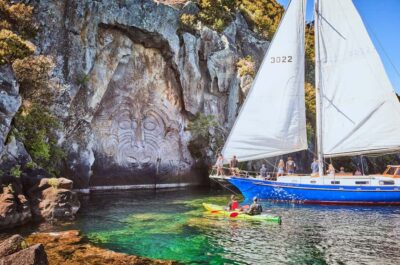 ★ 4.8Lake Taupo: Sailboat Trip to the Maori Rock CarvingsFrom $35972 reviews
 ★ 4.5Lake Taupō Māori Rock Carvings Scenic Cruise aboard Ernest KempFrom $31901 reviews
 ★ 5.0Maori Rock Carvings Eco Sailing TaupoFrom $33758 reviews
 ★ 4.5Waitomo Caves & Rotorua – Te Puia Small-Group Tour from AucklandFrom $253681 reviews
Browse the lists this tour appears in