
REVIEW · WEST COAST AND ARTHURS PASS
Hokitika: The National Kiwi Centre Tickets
Kiwi time feels oddly personal. At The National Kiwi Centre in Hokitika, you get a close-up look at New Zealand’s native wildlife, with kiwi in their purpose-built nocturnal house and other West Coast icons on show right nearby.
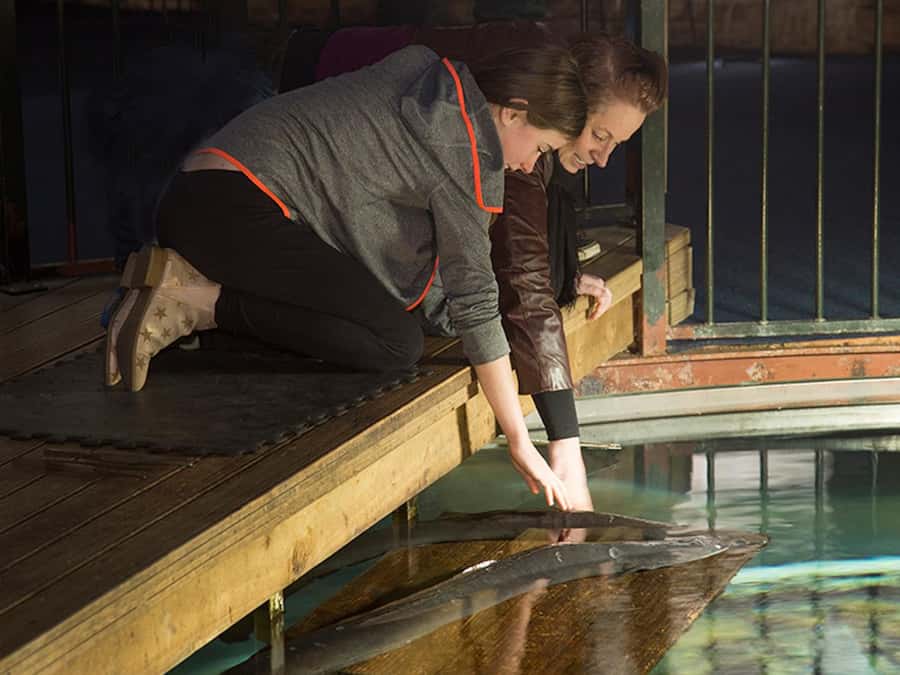
I love that this is not just watching from a distance. You can see giant eels being fed, and the centre’s team keeps the experience grounded in what the animals need and why the centre exists.
One thing to plan for: kiwi sightings are never the same every visit. Even when the exhibits are excellent, you might find there are only a couple of kiwis visible, and not always for long.
In This Review
- Key highlights you will actually care about
- Entering The National Kiwi Centre in Hokitika for a solid 1-hour visit
- The purpose-built nocturnal house: Brown Kiwi and Little Spotted Kiwi
- Giant eel feeding at set times: your included moment
- Beyond kiwi: tuatara, crayfish, and whitebait you can actually see
- Interactive displays and the team that explains what you are seeing
- Price and value: is $23 really fair for an hour?
- What to expect inside, step by step
- Small planning notes that make your day smoother
- Who should book The National Kiwi Centre tickets?
- Should you book? My honest call
- FAQ
- Where is The National Kiwi Centre located?
- How long is the experience?
- How much do tickets cost?
- What animals can I expect to see?
- Is the giant eel feeding included in the ticket?
- When do the giant eel feedings take place?
- Are food and beverages included?
- Is there an English-speaking host or greeter?
- Can I cancel for a full refund?
Key highlights you will actually care about
- Brown Kiwi and Little Spotted Kiwi in a purpose-built nocturnal house setting
- Feeding giant eels as a scheduled, included part of your visit
- Up-close viewing of multiple native species, not just kiwi
- Interactive displays plus a passionate, English-speaking team
- Exhibit flow that works in a 1-hour window, so you do not feel rushed or lost
Over the pass and down the West Coast
- Hokitika: West Coast Tree Top Tower Zip Line and Walk
★ 4.2 · 55 reviews
Entering The National Kiwi Centre in Hokitika for a solid 1-hour visit
If you are doing the West Coast, this is one of the stops that fits neatly into a day without draining your energy. Hokitika is a small hub on New Zealand’s South Island, and the kiwi centre gives you a focused wildlife hit that lasts about 1 hour.
The reason I think this works for many travelers is simple: it is easy to understand what you are buying. You are paying for entry, then you get a chance to see an included scheduled moment with giant eels. That structure matters. It turns the visit from random wandering into a little mini program.
At $23 per person, it is also priced like a straightforward attraction, not a luxury experience. You are not paying for transport or a long guided trek. You are paying for access to the exhibits and the feeding time.
The purpose-built nocturnal house: Brown Kiwi and Little Spotted Kiwi
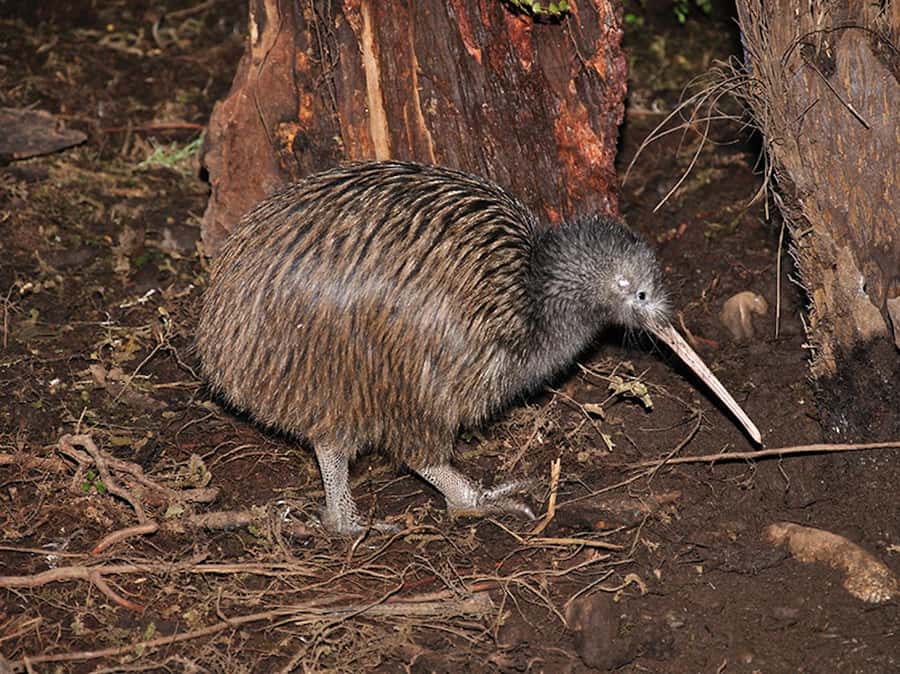
The main event is the kiwi section, and the centre is set up to make that possible. You will spend time in the nocturnal house, where you can observe both Brown Kiwi and Little Spotted Kiwi in a controlled environment built for these birds.
What I like about this setup is that it takes kiwi behavior seriously. Kiwi are not the type of animal you normally see roaming around in daylight like a backyard bird. This is a wildlife centre designed for the kind of viewing kiwi require, and it helps you get a meaningful look rather than a quick glimpse and a shrug.
You should also go in with realistic expectations. Some people leave very happy because they see a kiwi up close and clearly. Others find that only one or two are visible at a time, or that a kiwi appears briefly. That is not a sign of a bad visit. It is just how animals behave, especially in a nocturnal viewing setup.
Practical tip for your mindset: treat kiwi sightings like the lucky bonus, and treat the whole exhibit as the reason you are there. If you do that, even a short sighting still feels worth it.
Giant eel feeding at set times: your included moment
Now for the part that often surprises people. The centre does not just show giant eels, it builds the visit around feeding times. Feedings happen at 10:00 AM, 12:00 PM, and 3:00 PM.
Because the eel feeding is included, this is one of those experiences where timing matters more than you might expect. If you arrive at the wrong time, you can still see plenty of exhibits, but you may miss the scheduled feeding moment that adds a lot of energy to the visit.
Here is how I would plan it on a West Coast day:
- If your schedule allows, aim for one of the feeding slots.
- If you cannot, still go. The overall exhibit quality and animal variety can carry the visit even without the feeding moment.
- Keep your expectations flexible about what is happening in the animal rooms at any exact minute.
What you are likely to notice during the feeding is how active the eels are around food. Several people come away talking more about the fish and eels than they expected, which tells me this is not a sleepy side attraction. It is a genuine highlight.
Beyond kiwi: tuatara, crayfish, and whitebait you can actually see
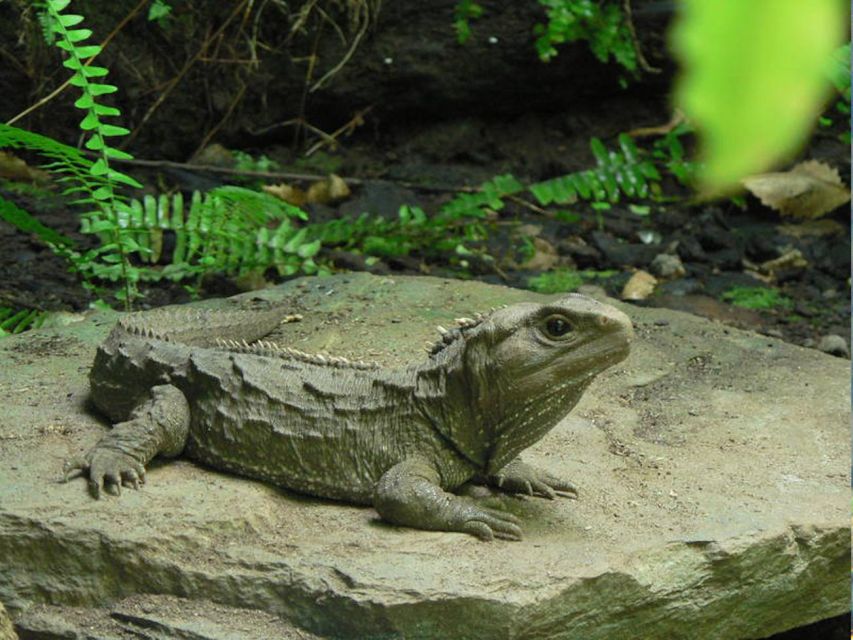
The kiwi section is the draw, but the centre does not stop there. In the course of your visit, you will see other native species, including tuatara, crayfish, and whitebait.
Why this matters: if kiwi are not visible when you want them, you still have plenty to look at. And even if you love kiwi, these extra animals help you understand how unique and varied New Zealand’s native wildlife really is.
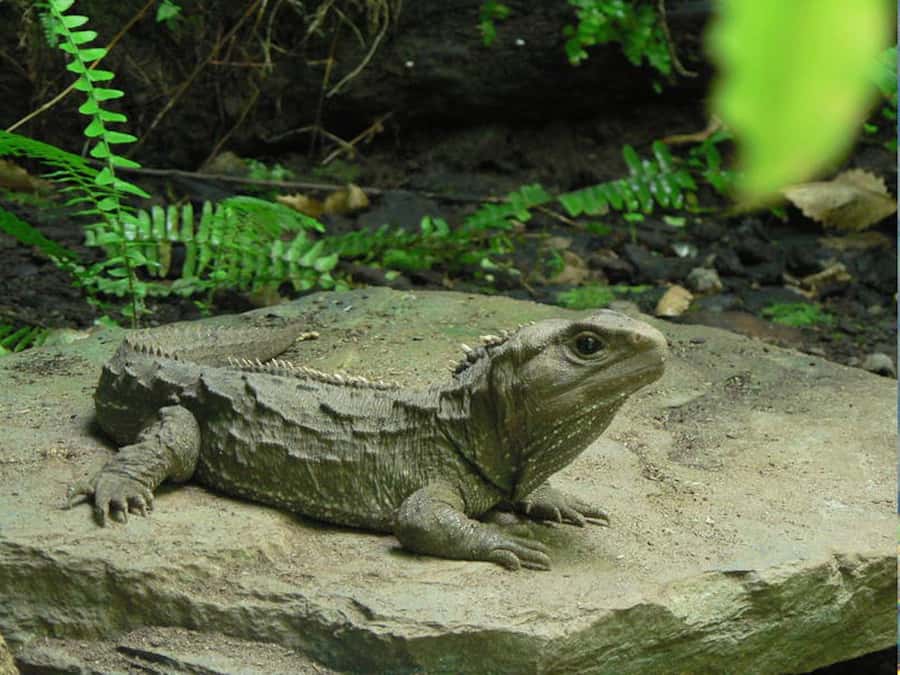
The tuatara is a standout because it feels ancient compared to the rest of what you might have seen in other countries. The crayfish and whitebait help round out the story of coastal wildlife and freshwater ecosystems, depending on how the displays are set up during your visit.
Also, your time is limited to about 1 hour. A strong spread of animals makes that hour feel full instead of one-note.
Interactive displays and the team that explains what you are seeing
A good wildlife centre does two jobs at once. It shows you animals, and it teaches you the why behind the cages. This place aims for both.
You can expect interactive displays, and the team is described as passionate and welcoming. An English-speaking host or greeter is part of the experience, which is useful if you want to ask a question or get pointed to the best areas at the right time.
I like that the centre frames its work around safety and preservation for future generations. That is not just feel-good signage. It is the reason the birds can be observed in a controlled environment and why the rest of the animals are presented thoughtfully.
One more detail worth knowing from visitor experiences: there can be restrictions around photography in the kiwi area, since the centre protects the birds. People have also mentioned small add-ons like a free chocolate and a free kiwi photo in some cases. If those are offered on your day, they are a nice bonus, but the core value is still the animal viewing.
Price and value: is $23 really fair for an hour?
Let’s talk money, since $23 is not nothing. For an approximately 1-hour visit, you are getting:
- Entry to The National Kiwi Centre
- Included giant eel feeding
That combination is what makes the price feel more reasonable than you might think. If it were only a quiet self-guided walk past exhibits, you could easily wonder if the time was worth it. But because there is a scheduled feeding moment that is part of the ticket, you are paying for more than just looking.
Also, the centre is focused. You are not paying for a long transport-heavy day, and you are not bouncing between multiple far-flung stops. Instead, you get kiwi plus other native species in one compact place, which is ideal if your time on the West Coast is tight.
My advice: if you are traveling with kids, kiwi fans, or anyone who likes nature stops without a lot of logistics, this is a strong value. If you are going specifically for maximum kiwi visibility and you get anxious about uncertain animal behavior, you might be happier setting expectations that you will get the full exhibit experience even if a kiwi appearance is brief.
What to expect inside, step by step
The visit is designed to be smooth, not complicated. Here is the flow in a practical way:
1) Enter the centre and start with kiwi viewing
You will spend time with Brown Kiwi and Little Spotted Kiwi inside the purpose-built nocturnal house. This is usually the main anchor of the visit, and it is where you will feel the atmosphere shift from regular daytime viewing to a more keeper-managed setup.
2) Look at the rest of the native wildlife exhibits
As you move through, you will see tuatara, giant eels, crayfish, and whitebait. This is where the visit becomes more balanced. If kiwi are not moving at the exact moment you are watching, you still have plenty going on.
3) Time your walk for the eel feeding
If you can, plan your viewing so you are in the right place for a feeding window. The feedings run at 10:00 AM, 12:00 PM, and 3:00 PM, and the feeding itself is included.
4) End your hour with what you want most
Because the whole visit is about 1 hour, you have to be efficient. Decide what you care about most and let that guide your order. If kiwi are your priority, start there and keep checking back as you move through the rest.
Small planning notes that make your day smoother
Food and drink are not included, so plan to handle refreshments elsewhere. If you are making this part of a longer Hokitika day, a quick snack stop before or after can help.
You should also expect an English-speaking experience with a host or greeter. If you prefer questions and quick explanations, that is the format you are likely to get.
Wheelchair access is listed, which is great news if you need accessible routes. Still, keep in mind that wildlife viewing spaces can have their own pacing and room layouts, so a little extra patience helps.
Finally, check starting times when you book. Your 1 hour visit has specific start times depending on availability, so fitting it into your travel schedule matters.
Who should book The National Kiwi Centre tickets?
This is a great choice if:
- You want a compact wildlife visit in Hokitika that you can finish in about 1 hour
- You care most about seeing kiwi in a dedicated nocturnal setting
- You love hands-on moments like scheduled animal feeding
- You also want other native species, like tuatara and crayfish, not just kiwi
It is also a smart stop for families, because the mix of animals keeps attention moving.
If you are visiting New Zealand for the first time and want one place that focuses on iconic native wildlife, this can be a very efficient way to do it. And if you are already a kiwi fan, this is one of the more straightforward ways to see kiwi in a safe, controlled environment.
Should you book? My honest call
Book it if you want a well-focused, time-efficient wildlife stop that includes giant eel feeding and gives you access to Brown Kiwi and Little Spotted Kiwi in a purpose-built nocturnal house.
I would not overpromise kiwi sightings for your exact minute, because animals set the pace. But if you treat the hour as an exhibit experience with scheduled highlights, you are very likely to leave happy, especially if you are also into the other native species on display.
If your budget allows and Hokitika is on your route, this is the kind of ticket that turns into a memorable story, not just another photo stop.
FAQ
Where is The National Kiwi Centre located?
It is in Hokitika, on New Zealand’s South Island.
How long is the experience?
The visit lasts about 1 hour.
How much do tickets cost?
Tickets are $23 per person.
What animals can I expect to see?
You can see kiwi, tuatara, giant eels, crayfish, and whitebait.
Is the giant eel feeding included in the ticket?
Yes, feeding the giant eels is included.
When do the giant eel feedings take place?
Feedings are at 10:00 AM, 12:00 PM, and 3:00 PM.
Are food and beverages included?
No. Food and beverages are not included.
Is there an English-speaking host or greeter?
Yes, the host or greeter is listed as English.
Can I cancel for a full refund?
Yes, you can cancel up to 24 hours in advance for a full refund.
Everything Else We Wrote Up in Hokitika

Over the Pass, Down the Coast
Just added to our Hokitika notes
- Hokitika: The National Kiwi Centre Tickets★ 4.2 · 48 reviews
- Hokitika: West Coast Tree Top Tower Zip Line and Walk★ 4.2 · 55 reviews
West Coast and Arthurs Pass, compared.
 ★ 5.0TranzAlpine Train, Arthur’s Pass and Castle Hill Day TripFrom $254426 reviews
 ★ 4.5TranzAlpine Train Journey: Christchurch to GreymouthFrom $151312 reviews
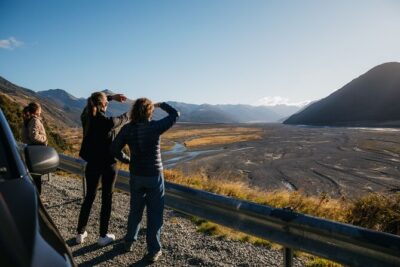 ★ 5.0Arthur’s Pass Discovery and TranzAlpine Train – Small Group TourFrom $555272 reviews
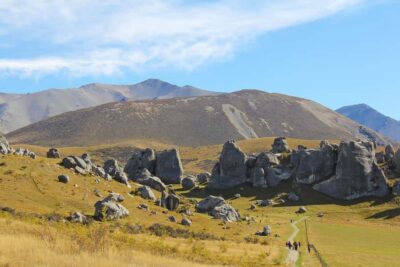 ★ 4.8Arthur’s Pass: TranzAlpine Train and Castle Hill Day TourFrom $245270 reviews
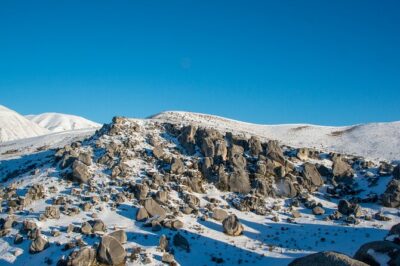 ★ 4.8Arthur’s Pass Day Tour From Christchurch via Castle HillFrom $118203 reviews
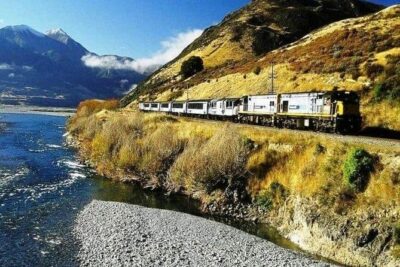 ★ 4.5Arthur’s Pass and TranzAlpine Train Day Tour from ChristchurchFrom $347202 reviews
 ★ 4.5Arthur’s Pass Day Tour From Christchurch with TranzAlpineFrom $258192 reviews
 ★ 4.5TranzAlpine Train Journey from Greymouth to ChristchurchFrom $151182 reviews
Browse the lists this tour appears in