
REVIEW · GUIDED
Guided Snorkel Experience, Advanced
Good snorkel skills change everything.
This advanced guided session at Goat Island focuses on the stuff that makes underwater comfort feel effortless: pressure equalizing, snorkel clearing, and practical breath-hold coaching. I especially like the way you get technique first, then you use it right away in the water. The second big win for me is how the guides help you notice marine life you would miss on your own, from steady fish life to occasional highlights like rays.
The main thing to consider is that this is still an ocean experience, so conditions matter. In rough water, the operator may adjust where you swim (one past group even had to switch toward Matheson Bay), and you’ll get the best results if you’re comfortable with that kind of flexibility.
In This Review
- Key things that make this Advanced Guided Snorkel experience worth your time
- Goat Island Marine Reserve, and why advanced coaching here works
- Meeting at Pakiri Road, then quick setup and short transfer
- Equipment fitting, wetsuit comfort, and why it affects your confidence
- The advanced skills you’ll practise: equalizing, breath-hold, and clearing your snorkel
- Equalizing without panic
- Breath-hold time, practised with structure
- Clearing your snorkel, with multiple options
- Ducking under the surface while staying relaxed and aware
- Safety briefing first, then skills in the water
- What you can expect to see at Goat Island, realistically
- Guides who make the difference, from Connor to Sara to Winnie
- Small group size and close guidance: the practical advantage
- After the tour: using the gear the rest of the day
- Price in Auckland: what $48.18 buys you, and where the value comes from
- Booking timing, weather needs, and how to plan like a pro
- Who should book this Advanced Guided Snorkel experience
- Should you book? My quick decision guide
- FAQ
- How long is the Guided Snorkel Experience, Advanced?
- How much does it cost per person?
- What equipment is provided?
- Where do we meet, and what time does it start?
- How do you get from the meeting point to the marine reserve?
- What is the group size?
- What if the weather is poor?
Key things that make this Advanced Guided Snorkel experience worth your time
- Advanced comfort skills, not just a quick swim: equalizing under pressure and clearing your snorkel are taught, then practiced.
- Breath-hold training you can do before you enter the water: you learn drills that build confidence over time.
- Small group size (max 10): you get closer attention without feeling like you’re in a cattle line.
- Pro safety briefing and close instructor support: the experience is structured so you can push limits while staying safe.
- Gear included, plus equipment access for the rest of the day: you can keep practising after the guided portion ends.
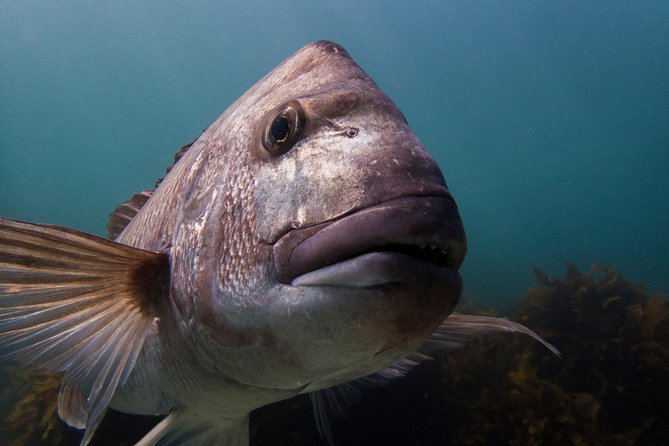
- Goat Island Marine Reserve is built for snorkeling: protected waters make it a great place to learn technique and spot fish life.
More trips with a guide attached in Auckland
- Hobbiton & Waitomo Caves Guided Day Trip from Auckland incl lunch
★ 5.0 · 2,677 reviews - Hobbiton & Waitomo Caves Guided Tour from Auckland with Lunch
★ 4.5 · 796 reviews - Auckland: All Blacks Experience Guided Cultural Tour
★ 4.7 · 453 reviews - Auckland: Wētā Workshop Unleashed Guided Tour Ticket
★ 4.6 · 406 reviews
Goat Island Marine Reserve, and why advanced coaching here works
Goat Island is one of the standout places for snorkel practice in the Auckland area, and the Marine Reserve setting is a huge part of why. In protected water, you can spend your energy on technique instead of fighting constant chaos. That matters for advanced skills like clearing your snorkel and equalizing your ears, because you need calm, repeatable moments to get it right.
What I like about the way this experience is framed is that it’s not only about seeing fish. It’s about learning how to stay comfortable when you go a little deeper, stay down a little longer, and handle the little problems that happen naturally in open water. Once those basics feel automatic, you stop thinking about gear and start noticing what’s around you.
If you’re already comfortable snorkeling and you want to level up, this fits the goal. If you’re brand new and worried about the ocean, the best move is to ask yourself whether you can stay calm while learning in a wetsuit with a focused safety briefing. The good news is that the structure is designed to build you up step by step.
Meeting at Pakiri Road, then quick setup and short transfer
Your day starts at 142A Pakiri Road, Leigh, with a 10:00 am start. The first phase is practical: friendly staff fit you out with everything you need, including a mask, snorkel, fins, a wetsuit, and a weight belt. This is more important than it sounds. A snorkel mask that fits right reduces leaks and fogging, and fins that match your body make it easier to move efficiently.
Once you’re equipped, you drive about 3 km in your own vehicle to the marine reserve area, where you meet your instructor. That short transfer keeps things moving, but it also means you can arrive already dressed and ready to learn, rather than spending the morning commuting.
From a value standpoint, the schedule is efficient. The guided portion is about 2 hours 30 minutes, but you don’t lose the rest of your day after the session. As part of the experience, you can use the same equipment for the remainder of the day in the reserve area, which effectively stretches your learning time.
Equipment fitting, wetsuit comfort, and why it affects your confidence
A lot of snorkeling frustration comes from equipment. That’s why I appreciate how this experience begins with fitting, not improvising. Staff help you get comfortable in a wetsuit and set up the full snorkel kit, including a weight belt. In cooler or wavier conditions, that can be the difference between feeling tense and feeling steady.
You’ll want to pay attention to how your mask seals and how your snorkel sits against your face. Past feedback highlights that equipment fit is handled well, and guides take time to explain how to use what you’re wearing. That’s a quiet quality marker. When gear fits, you spend less time adjusting and more time practising the skills the tour actually teaches.
If you tend to feel cold, note that winter snorkeling does happen and wetsuits help a lot. One guide-led experience in colder months was praised specifically because the wetsuits made the water manageable. So even if you aren’t a “hardy ocean person,” you’re not walking in unprotected.
The advanced skills you’ll practise: equalizing, breath-hold, and clearing your snorkel
This “advanced” label is real. The coaching is built around the three moments that make snorkeling feel harder when you push limits: pressure, breath-hold, and clearing.
Equalizing without panic
As you descend, pressure changes in your ears. The tour explicitly teaches how to balance that pressure so you can move underwater more comfortably. I like that this is addressed directly, because equalizing isn’t something you should guess at in real time. Learning the method, then applying it in guided moments, helps you avoid the stiff, stressed feeling that can come from sore ears.
Breath-hold time, practised with structure
You’ll work on increasing breath-hold ability, and here’s the smart part: you don’t have to be in the water to train. The experience includes breathing practice before and alongside the in-water session. That approach makes the whole day feel less like random “try it and see,” and more like confidence building.
In plain terms, if you can practise controlled breathing and timing, you’ll get more comfortable with staying calm underwater. That reduces the urge to rush back up and makes technique practise smoother.
Clearing your snorkel, with multiple options
Even experienced snorkelers run into snorkel spills, water in the tube, or a mask that shifts. This tour teaches different ways of clearing the snorkel once you’ve lost the flow. Past groups described this as a real skill shift: once you understand the technique, snorkel use becomes far less frustrating.
This matters because clearing is not just convenience. It’s safety and focus. When you can clear quickly, you stay relaxed, follow your guide, and keep practising rather than turning the session into a series of stops and starts.
Ducking under the surface while staying relaxed and aware
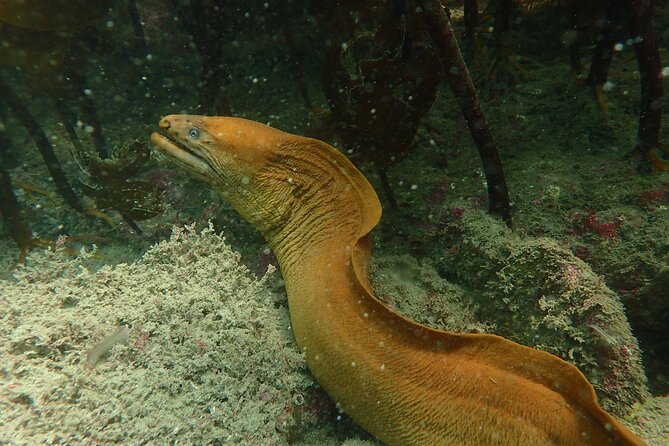
One of the goals of the advanced session is helping you get better at going under the surface and moving more like you belong there. The experience includes instruction for ducking under while staying controlled, which ties back to the breath and equalizing coaching. If you’ve ever had the urge to go under and then immediately felt rushed, you’ll understand why this part is taught.
The instructor stops to put new techniques into practice along the way, so you can build comfort gradually. Instead of a single lecture, you get repeated chances to try: short training moments, then immediate application in the reserve.
This also helps you extend time underwater in a safer, guided way. The tour is designed so you can gradually push your comfort limits while still having the instructor close enough to adjust your technique. In a small group, that support feels personal, not like you’re one face in a crowd.
Safety briefing first, then skills in the water
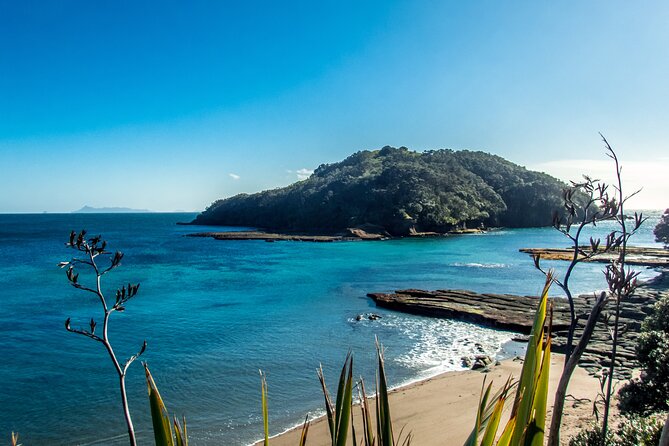
Before you head into the water, you get a full, thorough safety briefing. That’s not filler. It sets the tone for the whole session so you understand what to do, what to avoid, and how to practise advanced moves without turning it into a risk.
You also learn how to handle the reserve setting, including what marine life you’re likely to encounter in New Zealand’s first marine reserve. That context is part of the value. It makes your time more than just gear and fin kicks. It turns into a guided explanation of how the environment works and what you should watch for.
Past experiences praised guides for staying close in the water and keeping communication going. You don’t just get pointed in a direction. You get guidance while you’re doing the skills.
What you can expect to see at Goat Island, realistically
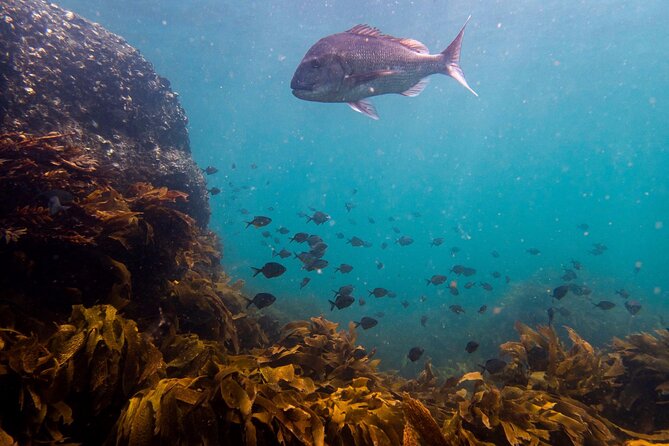
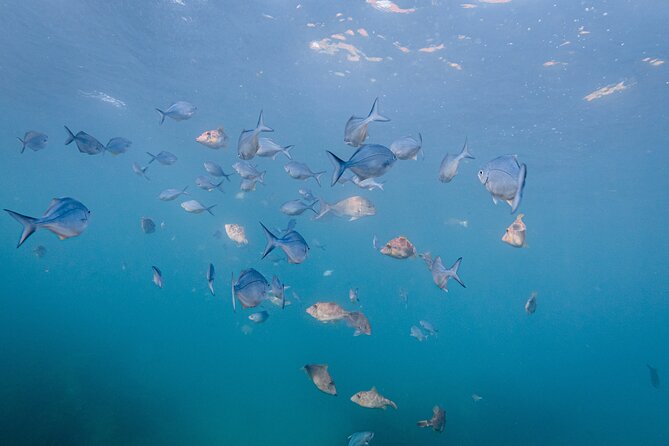
This is a snorkeling reserve, so fish life is the baseline. The tour gives you a chance to observe the natural “aquarium” setting, and you get help spotting what’s worth noticing. In practice, people report good variety of fish and the occasional larger marine creature.
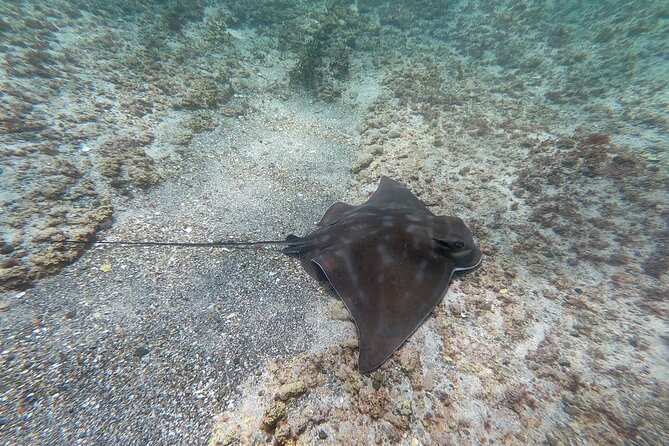
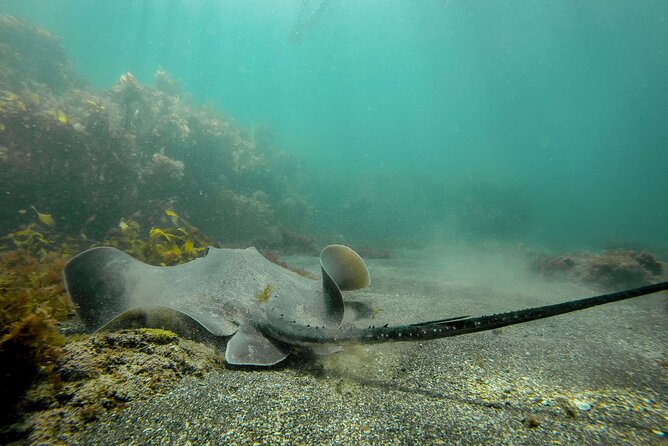
Some highlights mentioned in past experiences include rays such as stingrays and eagle rays, plus the fun surprises that make snorkeling feel like science class without the boredom. One group even shared that the guide demonstrated a sea urchin handling moment and showed ink from a squid, which gives you a memorable, educational beat beyond basic fish spotting. Nudibranch sightings also come up, including a tiny one described as especially beautiful.
You should also keep expectations grounded. Not every session will include dolphins or fur seals, and conditions influence what appears. Still, even when bigger animals don’t show up, the combination of technique practise and steady fish life makes the time feel worthwhile.
If you care about marine learning, this is the kind of tour where the instructor’s “spotting” skill matters. Seeing more is often about knowing what to look for and when to slow down.
Guides who make the difference, from Connor to Sara to Winnie
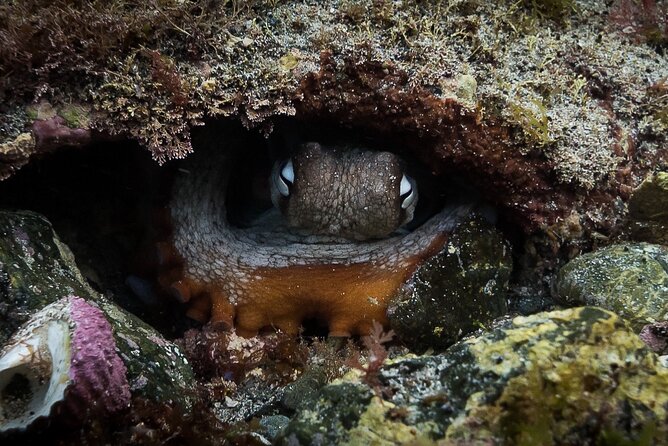
A big reason this experience earns such strong ratings is people. Guides like Connor (and also Conner, spelling varies across groups), Sara, Tiff, and Winnie (also Winny) show up repeatedly in feedback, and the praise clusters around three themes.
First, instruction quality. Guides explain equipment and safety clearly, then support you while you try the techniques. Second, patience. People notice when they’re taught without rushing, especially if the group has mixed comfort levels. Third, attention to marine life. When the guide points out sea creatures, the snorkel turns into an actual guided nature walk.
There’s also an interesting lesson in the feedback: group pace can affect how far you go and how much you see. One experience noted the group moved slowly, which can limit distance travelled. That doesn’t mean the tour is bad. It means your best strategy is choosing the right time and matching your own goals to what a small-group format can realistically cover.
Small group size and close guidance: the practical advantage
With a maximum of 10 travelers, you avoid the most annoying problem on group snorkeling tours: feeling like nobody can help you in the moment. Smaller groups make it easier for instructors to monitor spacing, check technique, and keep communication moving.
That matters most for advanced skill practise. Equalizing, breath control, and snorkel clearing are not “watch from the top” activities. You need coaching as you try. Smaller groups also mean less waiting around between practise steps.
You’ll likely follow the instructor’s plan for stops and technique practice. The result is a more controlled learning environment where you can progress instead of just getting through the water.
Still, one honest note: if you’re chasing specific big sightings, you can’t guarantee them. What you can guarantee is structured learning and a guided focus on what’s around you.
After the tour: using the gear the rest of the day
This is one of the smartest value features. After the guided session ends, you can use the equipment for the remainder of the day. That means you aren’t forced to leave right after the “lesson.” You can practise what you learned when you feel calmer and when the day’s light and conditions suit you.
From a learning perspective, repetition beats first-time performance. Clearing your snorkel and managing breath-hold are skills that improve with a few extra sessions. The “stay longer” option turns the tour into a longer practice block.
It also helps you if you want to explore at your own pace. The reserve is meant for snorkeling, so having time with the same kit you were taught with is a practical advantage.
If you’re serious about improving, this is exactly how to do it. Learn a technique with the guide, then practise it again before you pack up.
Price in Auckland: what $48.18 buys you, and where the value comes from
At $48.18 per person, this is priced like a real activity, not a basic rental. The value comes from what’s included: guided advanced technique coaching, a full safety briefing, and all key gear plus access to that gear after the tour.
You’re paying for three things that cost time and expertise: the instructor’s coaching, the organized time in the marine reserve, and the equipment handling that reduces your stress and mistakes. If you tried to do this on your own, you would have to solve those pieces yourself, and the first attempt would likely take longer and feel less safe.
One more value detail from feedback: people appreciated that the snorkeling is relatively shallow and easy to navigate, at least compared to many open-water spots. That shallow accessibility helps you practise advanced techniques without feeling like you need advanced diving comfort.
So the question isn’t just “is it cheap.” The better question is “do I want to pay for instruction so my learning curve is faster.” At this price, the answer is often yes.
Booking timing, weather needs, and how to plan like a pro
This experience is booked about 19 days in advance on average, so if you have a specific day in mind, planning ahead helps. The tour also depends on good weather. If it’s canceled due to poor conditions, you’ll be offered another date or a full refund.
The ocean is always the ocean. One past group had to adjust due to rough sea conditions and ended up going toward Matheson Bay. That’s a reminder to pack flexibility into your day, especially if you’re pairing this with other Auckland plans.
My practical tip: don’t schedule a tight transfer right after your snorkel. Even with a smooth program, you’ll likely want time to warm up, rinse gear, and decompress.
If you’re the type who gets frustrated by last-minute changes, you might find the weather dependence annoying. If you’re relaxed about it, the planning part becomes easy.
Who should book this Advanced Guided Snorkel experience
Book this if you fit one of these scenarios:
- You already snorkel comfortably and want to learn how to go deeper, stay calmer, and handle the skills that make snorkeling easier.
- You want structured instruction in equalizing, snorkel clearing, and breath-hold practise, not just an equipment rental.
- You learn best with an instructor close by, especially when practising new underwater techniques.
It may not be the best match if you want only casual, no-skill sightseeing. This is coaching-heavy, and the value is in the technique. It also helps if you have moderate physical fitness, since you’ll be in wetsuit gear doing swimming and breathing drills.
If you have never snorkeled before, the tour can still be approachable because the staff handle fitting and you receive safety training. But since it is labelled advanced and includes breath-hold and pressure work, you should be honest with yourself about whether you can handle learning in open water.
Should you book? My quick decision guide
If your goal is to improve, this tour is a strong pick. You get advanced coaching where it counts: pressure equalizing, snorkel clearing, and breath-hold practise. You also get serious value because equipment is provided and you can use it again for the rest of the day.
If your goal is mostly to float, look around, and never worry about technique, you may feel the “advanced skills” focus is more than you need. In that case, you might prefer a more basic guided snorkel option.
For most people who already feel comfortable snorkeling, this is one of the better ways to level up in a day. The small group size, close instruction, and repeated practise stops make it a practical learning session, not just a sightseeing outing.
FAQ
How long is the Guided Snorkel Experience, Advanced?
It runs for about 2 hours 30 minutes.
How much does it cost per person?
The price is $48.18 per person.
What equipment is provided?
You get mask, snorkel, fins, a wet suit, and a weight belt.
Where do we meet, and what time does it start?
You meet at 142A Pakiri Road, Leigh 0985, New Zealand, and the start time is 10:00 am.
How do you get from the meeting point to the marine reserve?
You drive in your own vehicle for about 3 km to the Goat Island Marine Reserve.
What is the group size?
The experience has a maximum of 10 travelers.
What if the weather is poor?
This experience requires good weather. If it’s canceled due to poor weather, you’ll be offered a different date or a full refund.
Guide-Led Around Auckland



Everything Else We Wrote Up in Auckland



Just added to our Auckland notes
- Rotorua to Auckland – Afternoon Transfer with Waitomo Caves★ 4.9 · 6 reviews
- Auckland Nature Tour★ 5.0 · 6 reviews
- Auckland: GoGuided Auckland City Tour★ 4.5 · 6 reviews
- Auckland: Full-Day City Tour★ 4.6 · 6 reviews
- Auckland: Half-Day Sea Kayak Tour to Motukorea Island★ 5.0 · 6 reviews
- Private Tour – Hobbiton Movie Set & Te Puia (Rotorua)★ 5.0 · 7 reviews
Guided, compared.
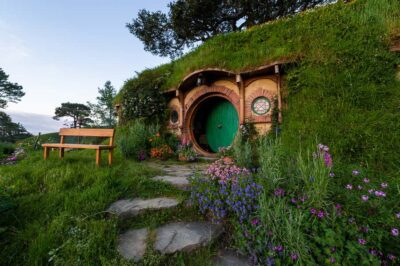 ★ 4.9Hobbiton Movie Set: Guided Tour TicketFrom $718,167 reviews
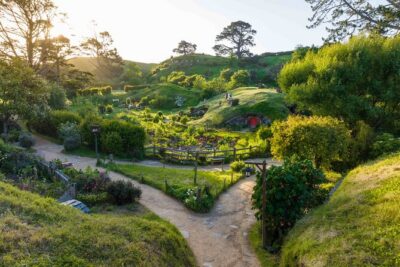 ★ 5.0Hobbiton & Waitomo Caves Guided Day Trip from Auckland incl lunchFrom $2292,677 reviews
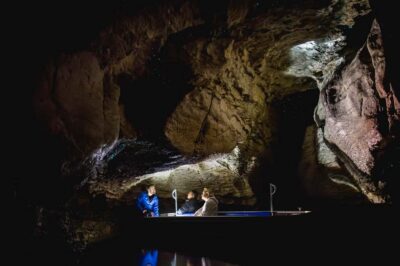 ★ 4.6Te Anau: Glowworm Caves Guided TourFrom $772,611 reviews
 ★ 4.7Rotorua: Hell’s Gate Outdoor Mud Spa & Guided WalkFrom $681,140 reviews
 ★ 4.5Waitomo Glowworm Caves Guided TourFrom $501,027 reviews
 ★ 4.7Wellington: Wētā Workshop Guided Tour TicketFrom $35997 reviews
 ★ 4.7Waitomo Caves: Ruakuri Cave 1.5 Hour Guided TourFrom $66985 reviews
 ★ 4.5Hobbiton & Waitomo Caves Guided Tour from Auckland with LunchFrom $271796 reviews