
REVIEW · FRANZ JOSEF AND FOX GLACIER
Franz Josef: Kiwi VIP Backstage Pass Tour -Booking Essential
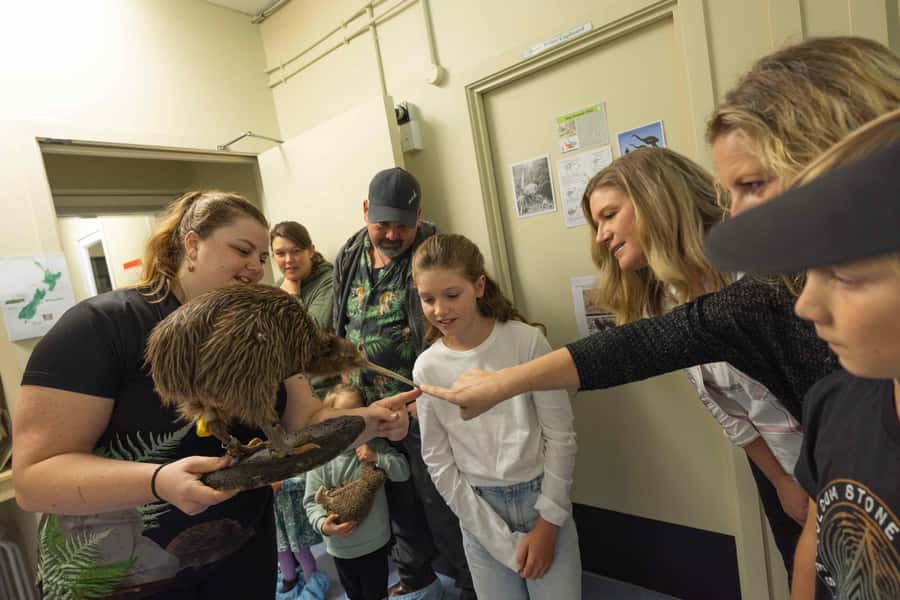
Kiwi conservation is the star, even when it rains. In this VIP Backstage Pass tour, I like how the guide turns the kiwi story into something you can see, and how you get a close-up look at kiwi incubation and hatching plus the Tuatara Encounter. The main thing to consider is that what you visibly see on the day, like young kiwi or eggs, can vary with the breeding cycle.
You’ll visit the West Coast Wildlife Centre in Franz Josef for a guided session that runs about 40 minutes, then you can linger longer in the indoor attraction. At $56 per person, it’s good value if you want more than a standard ticket, since the entry ticket, behind-the-scenes access, and live Tuatara viewing are folded into the experience.
In This Review
- Key things worth knowing before you go
- West Coast Wildlife Centre: Kiwi and Tuatara in One Indoor Stop
- VIP Backstage Pass Value: What $56 Buys You
- Your Tour Timing: 45 Minutes Total, 40 Minutes Guided, Up to 2 Hours to Stay
- Meeting at 31 Cron Street: Where You Start Matters
- Stop 1, Kiwi Behind the Scenes: Rare Species and Real Incubation Work
- Stop 2, Tuatara Encounter: Ancient Reptiles, Up Close and Indoors
- The Conservation Story: Department of Conservation and Predator Control
- Beyond the Tour: Glacier Learnings, Retail Time, and Coffee That’s Actually Worth It
- What to Bring, and How to Get the Most Out of the Indoor Experience
- Who This Tour Fits Best (and Who Might Feel Disappointed)
- Should You Book the Franz Josef Kiwi VIP Backstage Pass?
- FAQ
- How long is the guided VIP backstage tour?
- How much time should I plan to spend at the centre?
- How much does the tour cost?
- Where do I meet for the tour?
- What times are the VIP tours available?
- What does the VIP Backstage Pass include?
- Is flash photography allowed?
- What language is the guide?
- Is the tour suitable for young children or babies?
- Is the tour suitable if I have animal allergies or hearing difficulties?
Key things worth knowing before you go
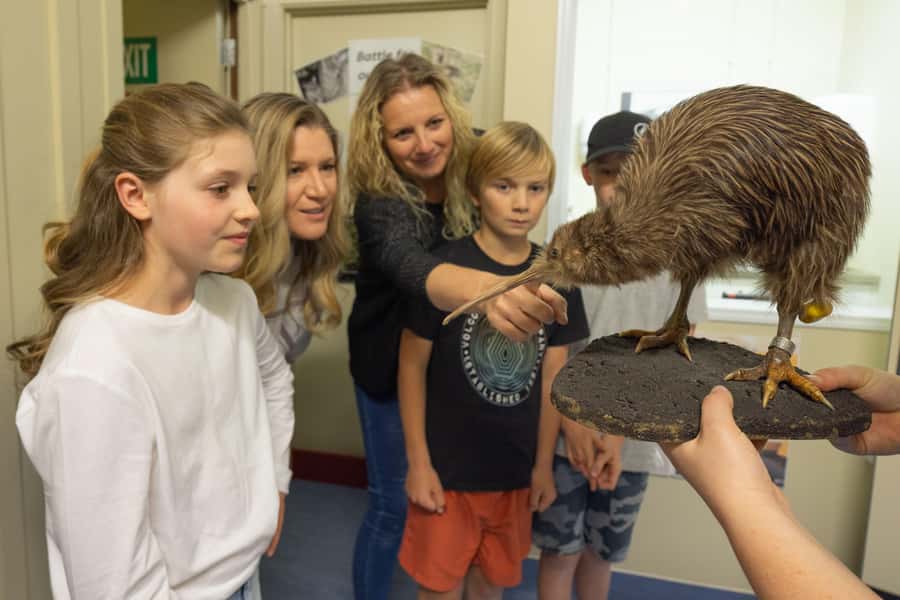
- Small-group VIP access (max 8) means you’re not lost in a crowd.
- Behind-the-scenes kiwi incubation and hatching focuses on the rarest kiwi work.
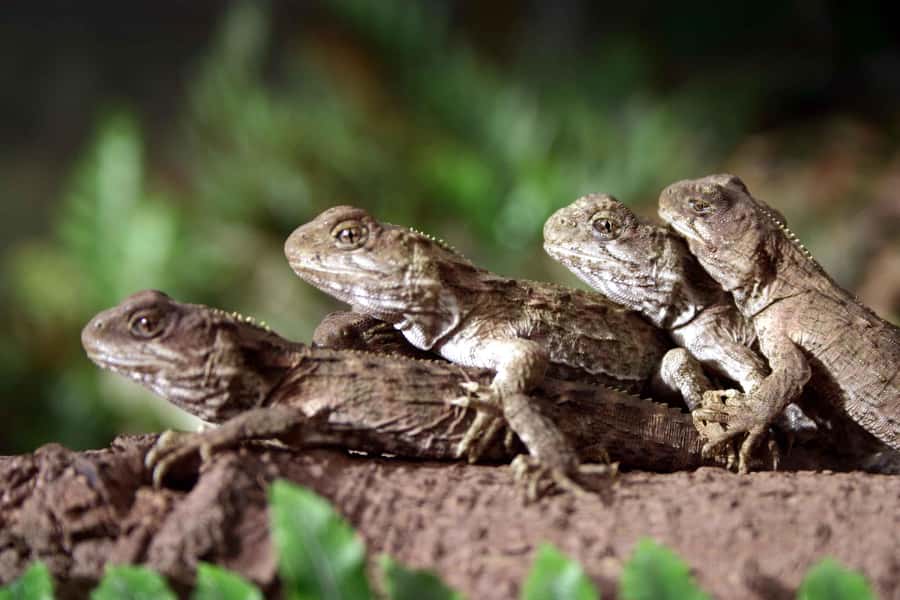
- Tuatara Encounter brings ancient reptiles into an easy, indoor visit.
- Conservation context includes how predators are managed in the wild.
- Coffee and retail time are built in, so you can relax after the tour.
Glacier country, a few more options
- Franz Josef Glacier: Helicopter Flight & Alpine Landing
★ 4.8 · 619 reviews - Franz Josef: 35min Helicopter Trip over Two Glaciers
★ 4.8 · 451 reviews - Franz Josef: 2.5 Hour Glacier Hike with Helicopter Transfer
★ 4.7 · 322 reviews - Fox Glacier: Half Day Walking & Nature Tour with Local Guide
★ 4.7 · 170 reviews
West Coast Wildlife Centre: Kiwi and Tuatara in One Indoor Stop
This is a “come inside and learn” attraction, which is a big deal on the South Island’s West Coast. Franz Josef weather can turn fast, so I really appreciate that the core of the experience happens indoors, at the largest kiwi incubation and hatching facility on the South Island.
What makes it interesting is the mix of species and mission. You’re not just seeing animals, you’re watching the conservation workflow up close: rare kiwi incubation and hatching operations, plus a live Tuatara Encounter. And because it’s privately owned and conservation-focused, the story feels less like a generic zoo visit and more like a working program that welcomes you in.
You also get a chance to learn about the Franz Josef area itself, including the glacier. That matters because the conservation work here connects to the wider environment, not only the animals in cages.
VIP Backstage Pass Value: What $56 Buys You
At $56 per person, this tour is not the cheapest add-on in town. But it also isn’t just a quick photo stop. The price includes the entry ticket to the main attraction, plus a personal guided VIP tour behind the scenes to see the kiwi incubation and live Tuatara in their Encounter area.
In plain terms, you’re paying for:
- A guided backstage look, not only a self-paced walk.
- Skip-the-ticket-line access to get moving faster once you arrive.
- A small-group format with a live English tour guide.
- Extra learning time via wildlife films and conservation themes, including predator removal from the wild.
That bundle is why I think it can be worth it. If you already planned to visit the centre anyway, you’re upgrading to a guided conservation tour where the staff explain what you’re seeing. If you’re on a tight schedule and want the best shot at an informed, close-up experience, this is the kind of ticket that tends to make the attraction feel “worth the detour.”
Your Tour Timing: 45 Minutes Total, 40 Minutes Guided, Up to 2 Hours to Stay
The experience is built around a 45-minute overall window, with the guided part taking about 40 minutes. That guided time is short on purpose. You want enough time to see the main areas, ask questions, and get the full story, without turning it into a long indoor slog.
After that, you can usually plan for extra time in the attraction, with a typical recommendation of 30 minutes to 2 hours depending on how slowly you want to go. In practice, that flexibility helps. If you’re the type who wants to read every sign and watch every film, you’ll have time. If you’re passing through and want just the tour plus one calm coffee, you can do that too.
It runs multiple sessions each day, with departure times at 10am, 12pm, 2pm, and 4pm, open daily. Open since 8.30 am most days, it’s easy to fit into a Franz Josef itinerary without stressing over rain or traffic.
Meeting at 31 Cron Street: Where You Start Matters
You meet at the West Coast Wildlife Centre at 31 Cron Street. The meeting point is inside the centre at the ticketing counter, so you’ll want to arrive with a few minutes to get checked in and settle.
This is one of those tours where arriving on time improves the whole experience. You’ll get better flow into the VIP group, and you won’t start the guided portion rushing for your spot. Since the tour group is limited to a maximum of 8 people, the guide likely needs everyone gathered so they can keep the pacing smooth.
Also, plan your camera habits early. Flash photography is not allowed, so if you’re hoping for photos, you’ll need steady light without the flash.
Stop 1, Kiwi Behind the Scenes: Rare Species and Real Incubation Work
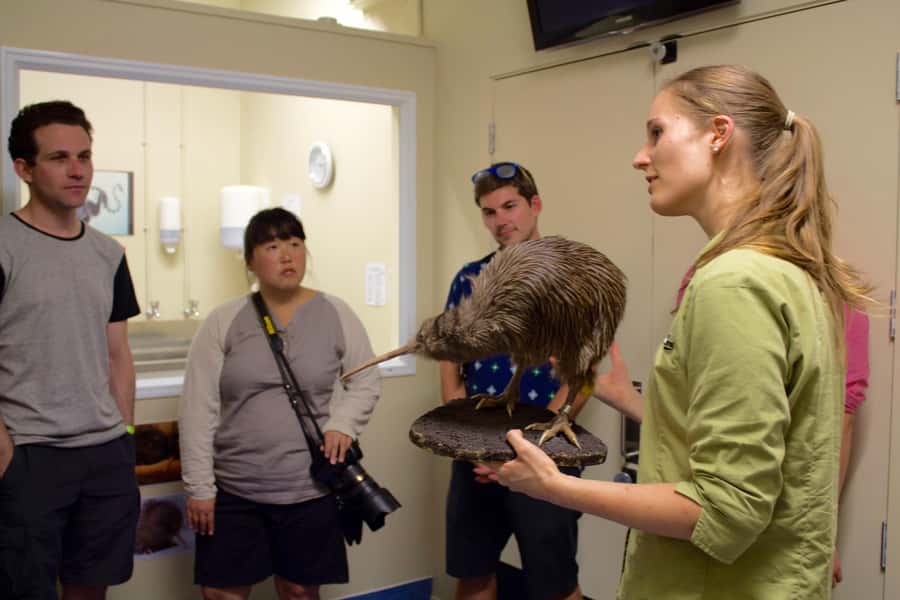
The big reason to book is the kiwi incubation and hatching facility. This is the largest kiwi incubation and hatching operation on the South Island, and the focus is on the conservation of the rarest of the five kiwi species. That combination, size plus specialization, is why the tour feels more substantial than a standard animal viewing experience.
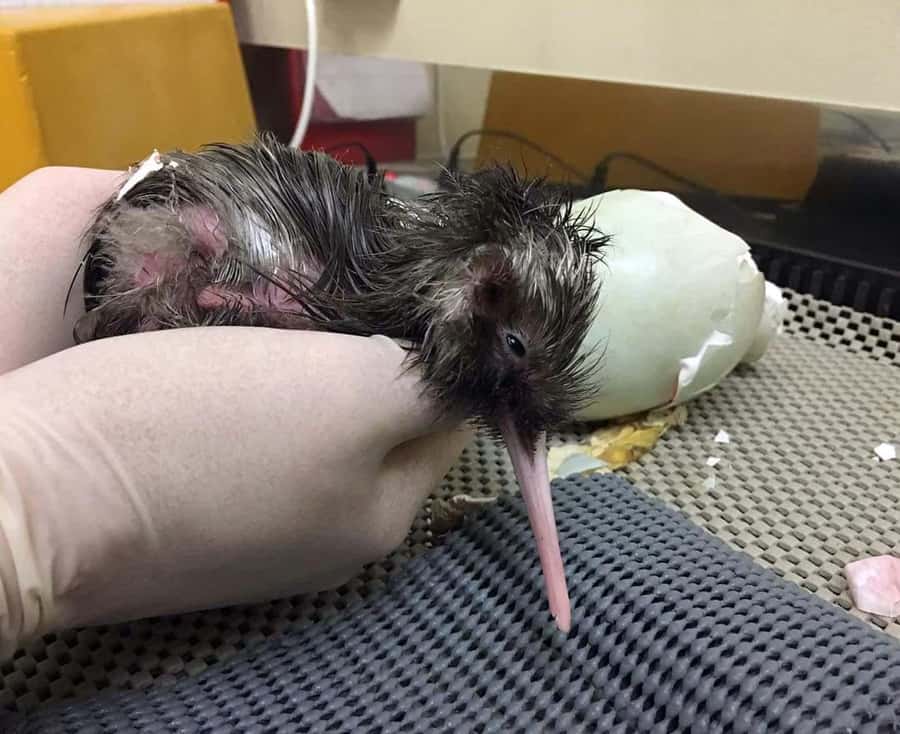
What you should expect is a guided look at how kiwi are cared for and progressed through incubation and hatching stages. You’ll see the facility up close during the VIP backstage part, and the guide will explain what the work is trying to achieve. The point is not just to show you birds, it’s to show how conservation turns into steps: manage risk, support growth, and improve survival chances.
This is also where setting expectations helps. On the day of your visit, you may or may not see young kiwi or eggs in an obvious, dramatic way. The facility is doing long-term work, and what’s visibly active can depend on timing. So if your personal “win” is seeing chicks right there, keep the mindset flexible. Your best win here is understanding the process and seeing the working environment that makes it possible.
Stop 2, Tuatara Encounter: Ancient Reptiles, Up Close and Indoors
Then comes the Tuatara Encounter, and it’s a smart pairing. Kiwi get you the modern conservation story. Tuatara brings you something far older, with an ancient reptile that people often know by name but rarely see in person.
The tour includes time to go behind the scenes to see live Tuatara in the Encounter area. Since the centre is designed as an all-weather indoor attraction, you won’t be fighting wind and rain to get a clear view. That makes the Tuatara portion feel easier and more relaxed than you might expect from a roadside “stop and snap” attraction.
The guide’s job here is to connect what you’re seeing to why it matters. You’ll learn about these reptiles in the context of the facility’s conservation mission, not just their appearance. It’s the kind of experience that turns an animal fact into a real mental picture.
And yes, it’s still okay if Tuatara isn’t your top animal. The Encounter is timed as part of the same VIP route, so you won’t feel like you paid for a random extra. It stays connected to the core theme: conservation, protection, and managed care.
The Conservation Story: Department of Conservation and Predator Control
One of the most valuable parts of this tour is the conservation context. You’ll learn about the public-private partnership with the Department of Conservation, and you’ll also hear about the facility’s owner, Richard Benton, a conservationist who purchased a large modern building in Franz Josef to create an all-weather visitor attraction.
That detail matters because it tells you the centre is not a casual side project. The goal is to blend visitor learning with ongoing conservation operations, including kiwi incubation and hatching work, plus a Tuatara Encounter indoors.
You’ll also get wildlife films and learn about removing predators from the wild. That topic can sound abstract until someone explains it in the context of kiwi survival. Kiwi face major threats, and predator management is part of why conservation programmes can make a difference. The tour gives you enough framing to understand why the facility exists, rather than leaving you with only animal viewing.
If you like conservation that is practical, with real constraints and real solutions, this part hits the mark.
Beyond the Tour: Glacier Learnings, Retail Time, and Coffee That’s Actually Worth It
This isn’t only a “walk through the rooms” tour. You’ll also learn about the Franz Josef Glacier, with films included as part of the experience. That gives you something extra to take back to your wider trip, especially if you’re planning glacier walks or just want to understand what you’re seeing outdoors later.
After the guided portion, there’s time for the well-stocked retail shop and time for coffee at the cafe. The highlights specifically call out the best barista made coffee in Franz Josef, and I’ll add this practical advice: plan to use that time to slow down. You’ll have a lot of animal information in your head by the end, and a quick coffee break helps you process it.
The retail area can be a nice bonus too, especially if you’re the type who likes to bring home a useful memento linked to conservation. Just remember that photography rules still matter during the experience, but once you’re in normal visitor areas you’ll be in the usual attraction mode.
What to Bring, and How to Get the Most Out of the Indoor Experience
For this tour, keep it simple. Wear comfortable shoes. You’ll be moving inside and around the attraction areas, and you’ll likely stand and look up during some explanations.
Bring your camera, but note the rule: no flash photography. That affects how you shoot. If you rely on flash as your default, you’ll have to shift to using ambient light and steady positioning. Indoors can be dim, so bracing your camera and using better posture helps more than people expect.
Also consider who the tour is for. It isn’t suitable for wheelchair users, and it’s not suitable for people with animal allergies or hearing-impaired people, and it’s not for children under 5 or babies under 1. If any of those apply, you should look for a different visit style that fits you better.
Finally, think about expectations for animal visibility. The experience is designed around behind-the-scenes access and live encounters, but not every visit will show the exact same “wow moment” with young kiwi or eggs in the foreground. If you can accept that and focus on learning the process, you’re much more likely to walk away happy.
Who This Tour Fits Best (and Who Might Feel Disappointed)
This tour is perfect if you care about conservation and want to connect the dots between an animal you’ve heard about and the work that keeps it alive. It’s also great for people who love small-group experiences, because the VIP tour is limited to 8 people, so you’re not stuck waiting for a guide to notice you.
You’ll also like it if you’re in Franz Josef for a short time and want a high-impact indoor option. The facility is designed as an all-weather visitor attraction, so you’re not punished by clouds or rain.
Where you might feel disappointed is if you’re arriving with a very specific visual expectation, like seeing babies or eggs at the exact moment of your visit. The facility is active, but the visible stages you experience can vary. You could still get an excellent conservation explanation, but your personal photo moment might not match what you hoped for.
There’s also the practical reality that busy days can shape how visitors experience guided elements. Even when the VIP group is small, the attraction runs set sessions at set times. If you want everything to feel perfectly private and one-on-one, no small-group tour fully guarantees that, because you’re still inside a public attraction operating on schedules.
Should You Book the Franz Josef Kiwi VIP Backstage Pass?
If you’re interested in kiwi conservation and you want more than a typical ticket, I’d book this. The value comes from the guided backstage access, the live Tuatara Encounter, and the way the programme connects kiwi incubation work to predator removal and the Department of Conservation partnership.
I’d skip or at least reframe expectations if your main goal is to see eggs or young kiwi on display during your visit. If that’s your must-have, you might want to treat this tour as a learn-and-observe experience rather than a guaranteed “hatch day” show.
If you do book, show up ready to listen and look closely. The best part is not just seeing kiwi and tuatara, it’s understanding what it takes to keep rare species alive in the real world.
FAQ
How long is the guided VIP backstage tour?
The guided VIP backstage part is about 40 minutes. The total experience time is listed as 45 minutes.
How much time should I plan to spend at the centre?
Set aside up to 2 hours for your visit, and the recommended visit duration is between 30 minutes and 2 hours.
How much does the tour cost?
It costs $56 per person.
Where do I meet for the tour?
Meet at the ticketing counter inside the West Coast Wildlife Centre. The centre is at 31 Cron Street in Franz Josef.
What times are the VIP tours available?
Tours run at 10am, 12pm, 2pm, and 4pm. It operates for 7 days.
What does the VIP Backstage Pass include?
You get a personal guided VIP Backstage Pass tour, entry ticket to the main attraction, behind-the-scenes access to the kiwi incubation and hatching facility, behind-the-scenes access to live Tuatara in the Tuatara Encounter, wildlife films, access to the retail shop, and the cafe’s coffee.
Is flash photography allowed?
No, flash photography is not allowed.
What language is the guide?
The tour guide provides the experience in English.
Is the tour suitable for young children or babies?
No. It is not suitable for children under 5 years, babies under 1 year, or wheelchair users.
Is the tour suitable if I have animal allergies or hearing difficulties?
It is not suitable for people with animal allergies or hearing-impaired people, based on the provided information.
The Wider Franz Josef Town Shortlist
Everything Else We Wrote Up in Franz Josef Town


Glacier Country, Continued
Just added to our Franz Josef Town notes
- Franz Josef: The Grand Tour by Helicopter with Snow Landing★ 4.6 · 14 reviews
- Franz Josef to Queenstown small group tour (One-Way)★ 4.8 · 18 reviews
- Franz Josef: 4-Glacier Helicopter Ride with 2 Landings★ 4.8 · 23 reviews
- Franz Josef: West Coast Wildlife Centre Entry Ticket -48 hrs★ 4.2 · 33 reviews
- Franz Josef: Kiwi VIP Backstage Pass Tour -Booking Essential★ 4.4 · 37 reviews
- Franz Josef Glacier Helicopter Flight with Snow Landing★ 4.8 · 54 reviews
Franz Josef and Fox Glacier, compared.
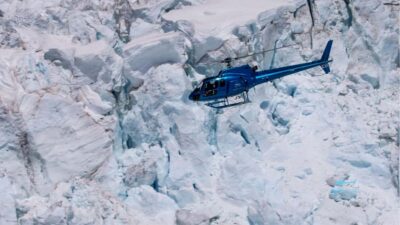 ★ 4.8Franz Josef Glacier: Helicopter Flight & Alpine LandingFrom $230619 reviews
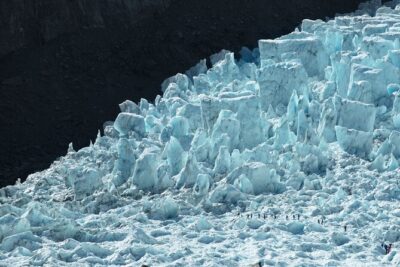 ★ 4.5Franz Josef Glacier Heli-HikeFrom $506618 reviews
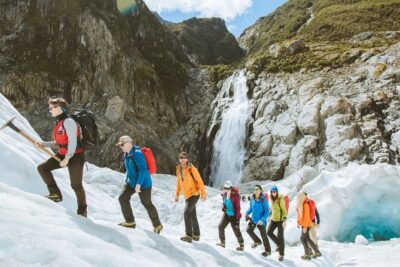 ★ 5.0Heli Hike Fox GlacierFrom $477563 reviews
 ★ 4.8Franz Josef: 35min Helicopter Trip over Two GlaciersFrom $289451 reviews
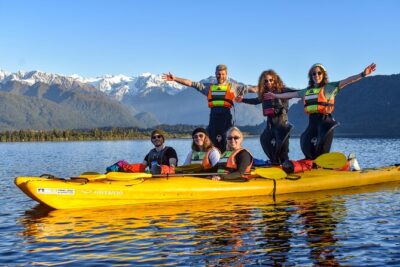 ★ 5.0Small-Group Kayak Adventure from Franz Josef GlacierFrom $92393 reviews
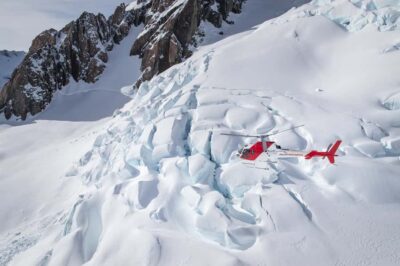 ★ 4.7Franz Josef & Fox Glaciers Helicopter Flight & Snow LandingFrom $289342 reviews
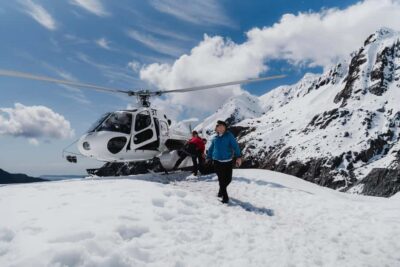 ★ 4.7Franz Josef: 2.5 Hour Glacier Hike with Helicopter TransferFrom $475322 reviews
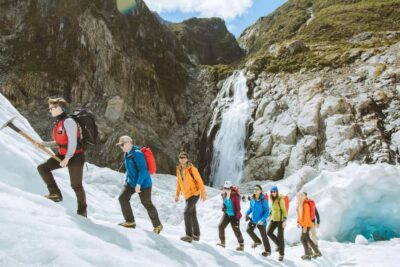 ★ 4.9Fox Glacier: Up to 3 Hours Hike with Helicopter TransferFrom $448309 reviews
Browse the lists this tour appears in