
REVIEW · AUCKLAND TOURS AND DAY TRIPS
Auckland (Tawharanui): Wild Kiwi Bird Spotting Encounter
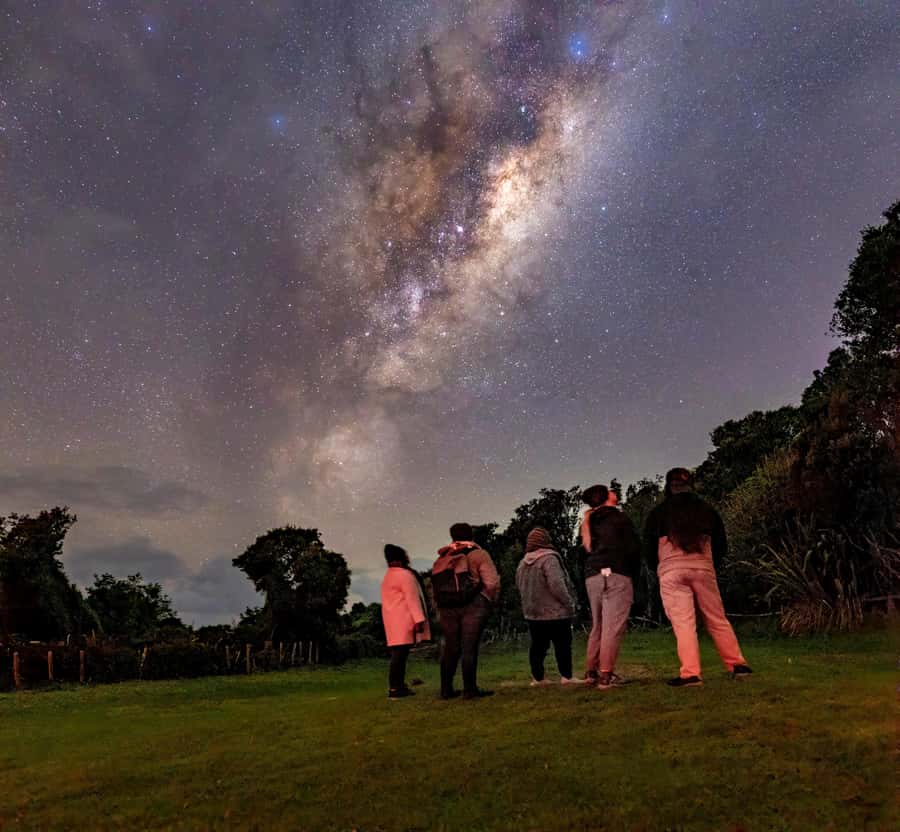
Wild kiwi at night feels like magic. This Tawharanui Regional Park tour turns Auckland’s night sky into part of the action, with a guided search for the elusive North Island brown kiwi under dark, coastal skies.
What I like most is the mix of patient kiwi tracking and real-world night-sky learning, not just a quick look and leave. The second big win is the conservation context, where your guide keeps you in the right mindset: quiet, respectful, and focused on how the park is managed for native wildlife.
One consideration is that kiwi spotting is never guaranteed on any given walk. Even with great guides and strong odds, you might spend time listening and watching before you get a clear glimpse.
In This Review
- Quick hits before you go
- Tawharanui Regional Park: why the setting matters
- Meeting your guide and setting the tone at the car park
- The guided kiwi hunt: listening, tracking, and patience
- What you’ll learn while you walk (and how it helps you spot kiwi)
- Stargazing at Tawharanui: planets, constellations, and the Southern sky
- A possible bonus: bioluminescence near the shoreline
- Glamping option: turning one night into a longer break from the road
- Transport, timing, and what the 2-hour experience really means
- Price and value: is $89 per person worth it?
- What to bring so you can enjoy the whole night
- Who should book this kiwi and stars tour?
- Should you book this Auckland kiwi spotting and stargazing night?
- FAQ
- Where is the meeting point for the tour?
- How long is the experience?
- What is included in the tour price?
- Will there be stargazing?
- Can you see bioluminescence?
- What should I bring?
- Is transport included?
Quick hits before you go
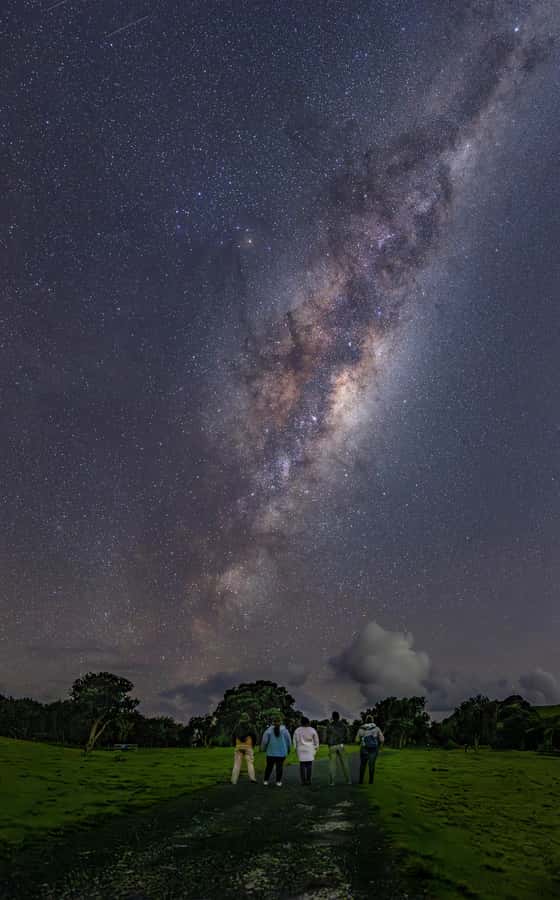
- Dark-sky coastal setting at Tawharanui, far from city lights, for serious stargazing
- Guided kiwi tracking with listening and careful movement, so you know what to look for
- Small-group or private options, which can help you stay on pace and feel less rushed
- Bioluminescence is possible near the shoreline, though it depends on conditions
- Optional glamping stay if you want the night to turn into a mini wilderness escape
More ways to fill a day out of Auckland
- Hobbiton & Waitomo Caves Guided Day Trip from Auckland incl lunch
★ 5.0 · 2,677 reviews - From Auckland: Hobbiton & Waitomo Caves Day Trip with Lunch
★ 4.9 · 2,505 reviews - Auckland Dolphin and Whale Watching Eco-Safari Cruise
★ 4.5 · 1,790 reviews - Auckland: Hobbiton Movie Set Day Trip with Festive Lunch
★ 4.8 · 1,431 reviews
Tawharanui Regional Park: why the setting matters
This is a North Island nature experience built around a rare thing in Auckland, darker night skies. The park is run with conservation priorities, including protecting native wildlife and restoring indigenous forest. You’re also heading to an environment described as a rare dark-sky coastal area, and that matters because astronomy needs darkness more than it needs gadgets.
You’ll drive out to the end of Takatu Road and meet at the public bathrooms near the start point. From there, the evening shifts quickly from city life to quiet bush and open habitats, where your guide can teach you how to read a night landscape you normally never see.
Meeting your guide and setting the tone at the car park
The evening starts with a relaxed introduction when you gather near the public toilets at the end of Takatu Road. Your guide lays out the plan, covers key safety points, and gives context about the park’s ecosystems and the specific species you’re likely to encounter.
In practice, this briefing helps you slow down. That’s important, because kiwi spotting is not a sprint. It’s about learning how to move and wait so you don’t just miss the bird, you also disrupt the moment when it does show itself.
Guides you may see mentioned by name include Chris, Millie, Legend, Lucas, Sean, Ryan, Sharn, and Hayley. Different guides bring different styles, but the common thread in the stories is clear instruction and a calm, respectful approach.
The guided kiwi hunt: listening, tracking, and patience
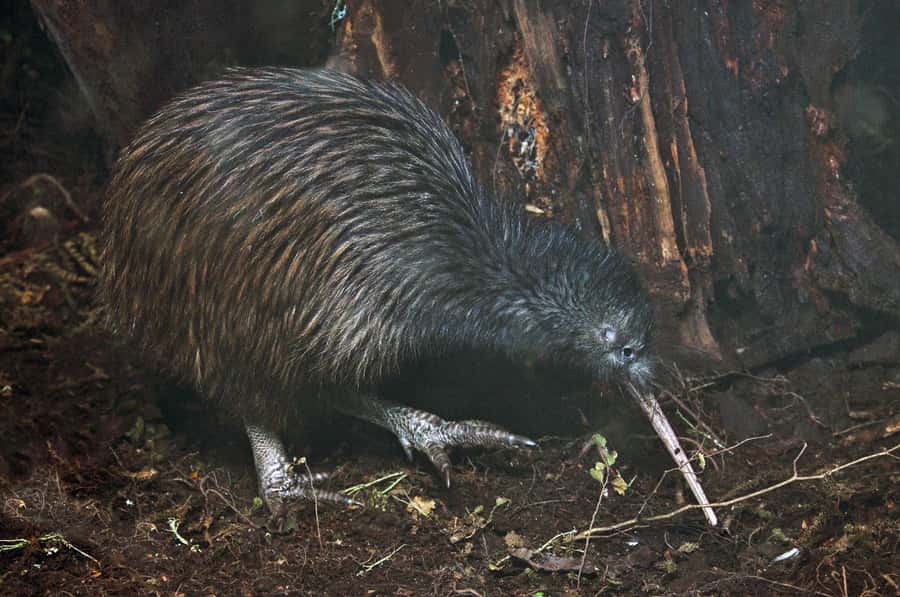
Once dusk settles and daylight fades, your search begins on foot. The walk is guided and paced for wildlife spotting, moving slowly through native bush and areas that give you better chances at visual or audio cues.
Your guide uses tracking techniques to help you spot subtle signs of activity. That includes listening for kiwi calls, watching for movement, and picking up on small cues you would probably miss without training. This is where the experience earns its reputation, because the guide turns the whole night into an active learning session rather than an anxious waiting game.
Also, kiwi behavior can be fast when it decides you’re not a threat anymore, but it can also be frustratingly slow when it wants to stay hidden. That’s why the best mindset is flexible expectations. The goal is not a guaranteed headcount, it’s learning how wild kiwi actually fit into their habitat.
On good nights, people report multiple sightings, ranging from a couple to double digits. Even when you don’t catch a long, clear view, you still come away with a better understanding of how these flightless birds move through the night.
What you’ll learn while you walk (and how it helps you spot kiwi)

The teaching during the walk isn’t abstract. It ties directly to what you’re doing with your eyes and ears.
You’ll learn about kiwi behavior and habitat needs, plus the threats that make conservation necessary. Your guide also explains the kinds of ongoing efforts required to protect New Zealand’s iconic nocturnal bird, so the walk feels like more than a wildlife chase.
Some guides also help you with gear. In one account, participants were given torches and headlamps, and the group had access to a thermal device to support spotting. You should expect equipment focused on night viewing, and you’ll follow the guide’s lead on how and when to use it.

Stargazing at Tawharanui: planets, constellations, and the Southern sky
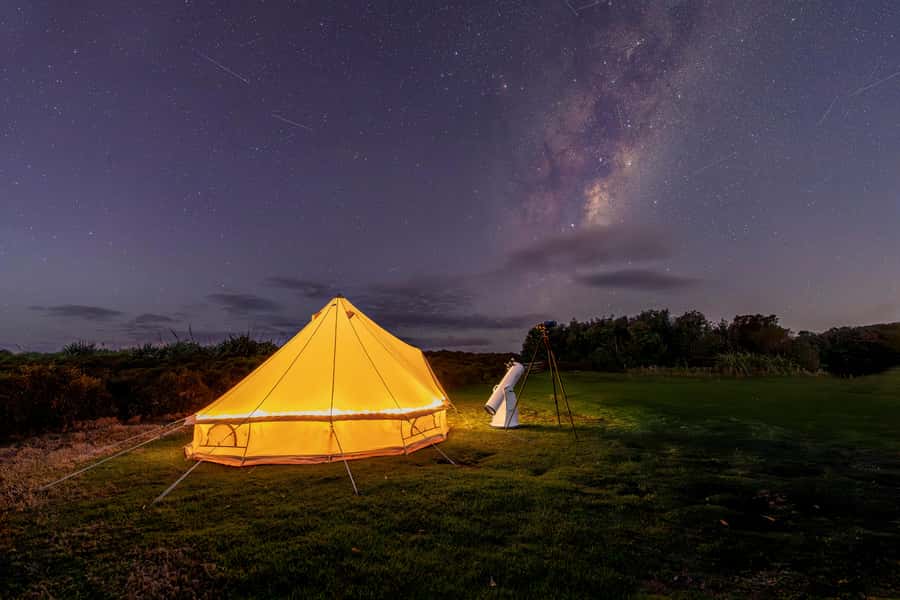
After the kiwi work, you shift into the low-light side of the night. Tawharanui’s distance from city lights is a big deal here because your stargazing depends on darkness, not luck alone.
When conditions cooperate, you can see dense star fields and often multiple planets. Your guide interprets what you’re seeing, connecting the science of the sky to practical ideas like navigation and the Southern Hemisphere patterns you might not recognize on your own.
Equipment matters too. Many nights include stargazing tools such as a telescope and binoculars. Some participants have reported clear views of planets like Venus, Jupiter, and Saturn, and even telescope views of the moon’s craters. Cloud cover can affect how much sky viewing you get, and in those cases, guides tend to adjust the evening so kiwi spotting still gets the attention it deserves.
There’s also a cultural and storytelling layer. Several guides bring in Māori stories and folklore tied to constellations, which turns the sky lesson into something more memorable than just naming stars.
A possible bonus: bioluminescence near the shoreline
There’s another twist that can happen on certain nights. During some Wild Kiwi Bird Spotting Encounters, guests may encounter bioluminescence along the shoreline or in shallow water.
When conditions are right, gentle movement in sand or water can trigger a soft, electric-blue glow. It’s not guaranteed, but when it does show up, your guide can explain what’s happening, including the microscopic organisms responsible for the effect.
If you’re the type who loves small natural surprises, this is a nice extra. Just go in knowing it depends on conditions, not timing.
Glamping option: turning one night into a longer break from the road
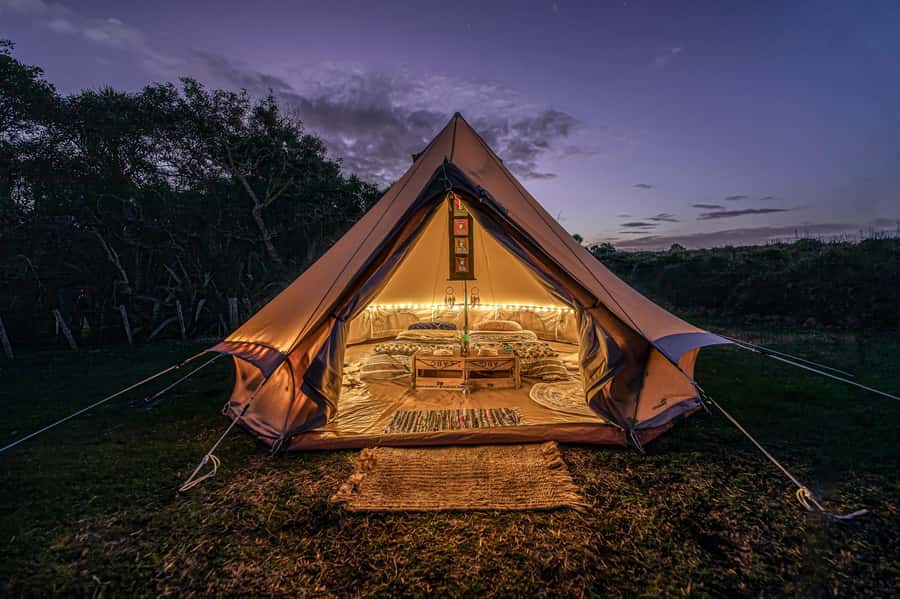
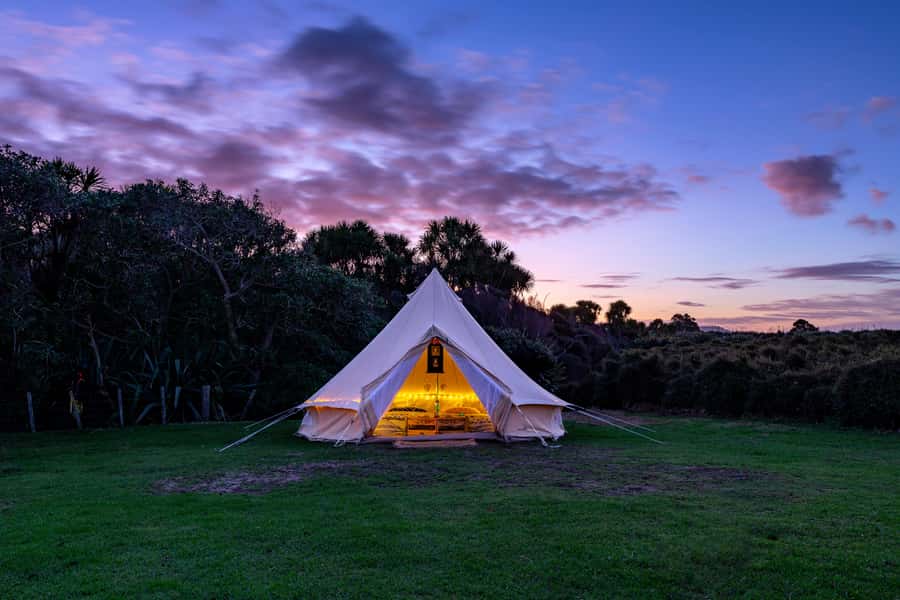
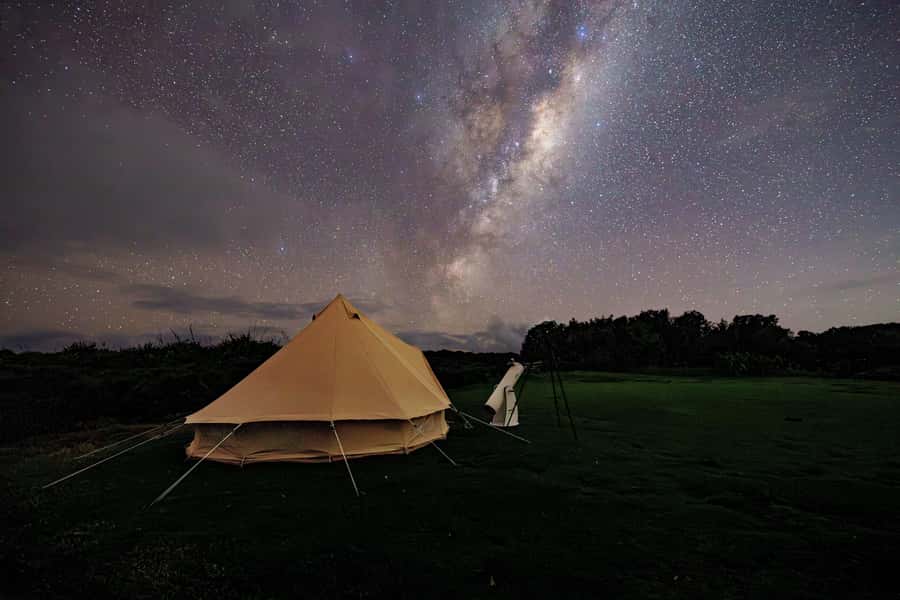
If you select the glamping option, a glamping stay is included. That changes the tone of the experience because you’re not rushing to fit everything into a tight window.
One account describes tents being set up before the tour begins, with blankets, foam mattresses, and small snacks provided. The key practical takeaway is that you still get real outdoor atmosphere, but with comfort built in enough for an overnight.
Even if you don’t pick glamping, the overall structure still works for a short, focused evening. The overnight option mainly suits you if you want more time in the dark sky environment and a chance to slow down beyond a single guided walk.
Transport, timing, and what the 2-hour experience really means
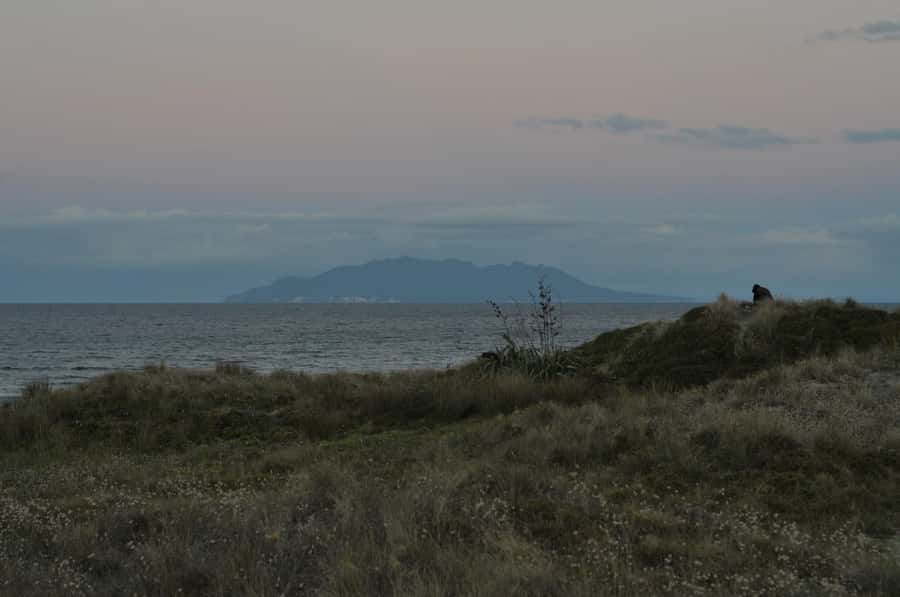
The base experience is listed at about 2 hours, and it’s built around a guided walk and time in the park. There can also be a bit of scenic viewing time on the way, depending on your evening plan.
Transport is not automatically included, but it can be added at checkout. In participant stories, some people praised the convenience of transport, especially if they didn’t want to drive out themselves. If you’re choosing the tour as part of a larger Auckland itinerary, this matters because the timing works best when you can get to the meeting point without stress.
Also, expect a cold night component. Several accounts mention winter conditions and how chilly it can get, so warm layers and comfortable shoes are not optional extras.
Price and value: is $89 per person worth it?
At $89 per person for a two-hour guided night program, the value comes down to what you’re actually paying for.
You’re not just paying for a chance to see kiwi. You’re paying for a local guide who can teach you how to find and interpret kiwi behavior in the dark, plus the equipment used for night viewing and stargazing. You’re also paying for access to an environment with intentionally managed conservation and low light pollution, which is exactly what makes this kind of experience work at all.
If you add glamping, the value shifts again because the included overnight setup turns the outing into a fuller nature stay rather than a quick stop. On the other hand, if you’re someone who needs a guaranteed animal sighting, you should consider that this experience is built around natural unpredictability.
In plain terms, it’s worth it if your priority is learning and being out there at the right time, not if you only want a sure thing on a checklist.
What to bring so you can enjoy the whole night
The essentials are simple and they matter because you’ll be out at night in a conservation area.
Bring:
- Comfortable shoes for uneven, dark ground
- Warm clothing, since the night can be cold
- Water, because you’re walking and you’ll likely wait in place
If you’re sensitive to cold, dress like it’s colder than you think. Your comfort affects how well you can stay still enough to notice a kiwi.
Who should book this kiwi and stars tour?
This is a great fit if you want a genuinely outdoors night experience with real teaching built into it.
It works especially well for:
- Families and kids who love animals and can handle a calm, patient pace
- Bird lovers who understand that wild spotting takes time
- People who want both wildlife and astronomy in the same night
In the accounts, even a 9-year-old enjoyed the experience, and seniors also described it as memorable and manageable. If you’re visiting Auckland with limited time, it’s also a smart way to see a New Zealand night world you cannot get in the city.
The main mismatch is expectations. If you go in thinking you’ll definitely see a kiwi within minutes, this won’t feel satisfying. But if you’re ready to learn the process and enjoy the sky and the bush along the way, the odds feel much better.
Should you book this Auckland kiwi spotting and stargazing night?
I think you should book if your dream is simple and specific: see North Island brown kiwi in their natural habitat and learn how to watch for them, then look up at a darker sky than you’re used to. The guides named in participant stories, like Legend, Lucas, Chris, Millie, Sean, and Ryan, have a consistent reputation for patient searching and turning the whole night into something you understand.
I would skip it if you need a guaranteed wildlife moment, or if cold night walking is a hard no for you. And if you’re booking during a period when skies might be unreliable, remember that your plan can shift, with more time dedicated to kiwi spotting.
If you want my best practical advice: dress for the cold, bring water, and give the guide your full attention. The payoff is not only what you might see, it’s how you learn to see it.
FAQ
Where is the meeting point for the tour?
You meet near the public bathrooms at the end of Takatu Road in Tawharanui Regional Park.
How long is the experience?
The duration is listed as 2 hours.
What is included in the tour price?
The tour includes a guide, stargazing and kiwi-spotting equipment. If you choose it, a glamping stay is also included.
Will there be stargazing?
Stargazing is part of the experience, and the tour includes stargazing equipment. Cloud cover can affect what you can see, and the guide may adjust the focus.
Can you see bioluminescence?
Bioluminescence along the shoreline or in shallows may happen during certain encounters when conditions are right, but it is not guaranteed.
What should I bring?
Bring comfortable shoes, warm clothing, and water.
Is transport included?
Transport is not included by default, but it can be added at checkout.
Everything Else We Wrote Up in Auckland




Auckland, More Days Out

Just added to our Auckland notes
- Rotorua to Auckland – Afternoon Transfer with Waitomo Caves★ 4.9 · 6 reviews
- Auckland Nature Tour★ 5.0 · 6 reviews
- Auckland: GoGuided Auckland City Tour★ 4.5 · 6 reviews
- Auckland: Full-Day City Tour★ 4.6 · 6 reviews
- Auckland: Half-Day Sea Kayak Tour to Motukorea Island★ 5.0 · 6 reviews
- Private Tour – Hobbiton Movie Set & Te Puia (Rotorua)★ 5.0 · 7 reviews
Auckland Tours and Day Trips, compared.
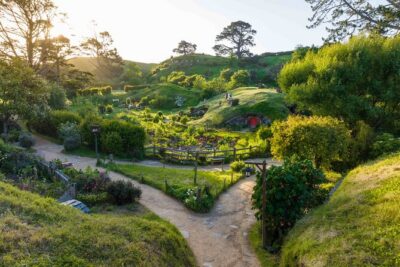 ★ 5.0Hobbiton & Waitomo Caves Guided Day Trip from Auckland incl lunchFrom $2292,677 reviews
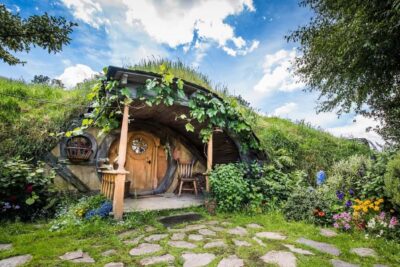 ★ 4.9From Auckland: Hobbiton & Waitomo Caves Day Trip with LunchFrom $2212,505 reviews
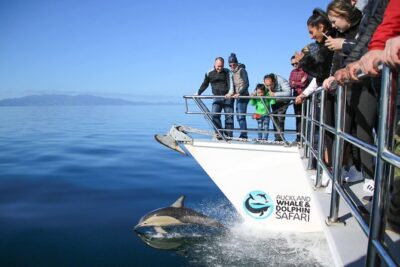 ★ 4.5Auckland Dolphin and Whale Watching Eco-Safari CruiseFrom $1351,790 reviews
 ★ 4.8Auckland: Hobbiton Movie Set Day Trip with Festive LunchFrom $1821,431 reviews
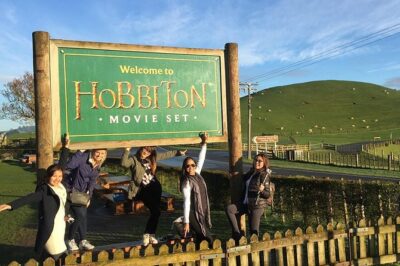 ★ 5.0Hobbiton Movie Set Small Group Tour from AucklandFrom $1831,380 reviews
 ★ 4.0Auckland Explorer: Sightseeing Hop-on Hop-off TourFrom $431,180 reviews
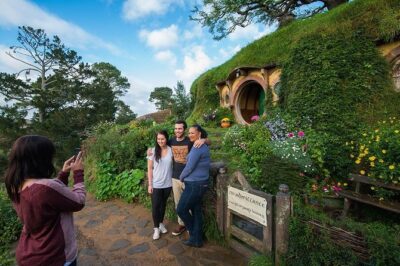 ★ 5.0Hobbiton & Waitomo Caves Small-Group Tour W Lunch from AucklandFrom $2351,117 reviews
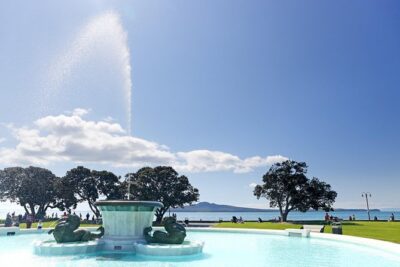 ★ 5.0Half-day Discover Auckland City Sightseeing TourFrom $461,080 reviews
Browse the lists this tour appears in