
REVIEW · AKAROA AND BANKS PENINSULA
Akaroa: Pohatu Little Penguins 3-Hour Evening Experience
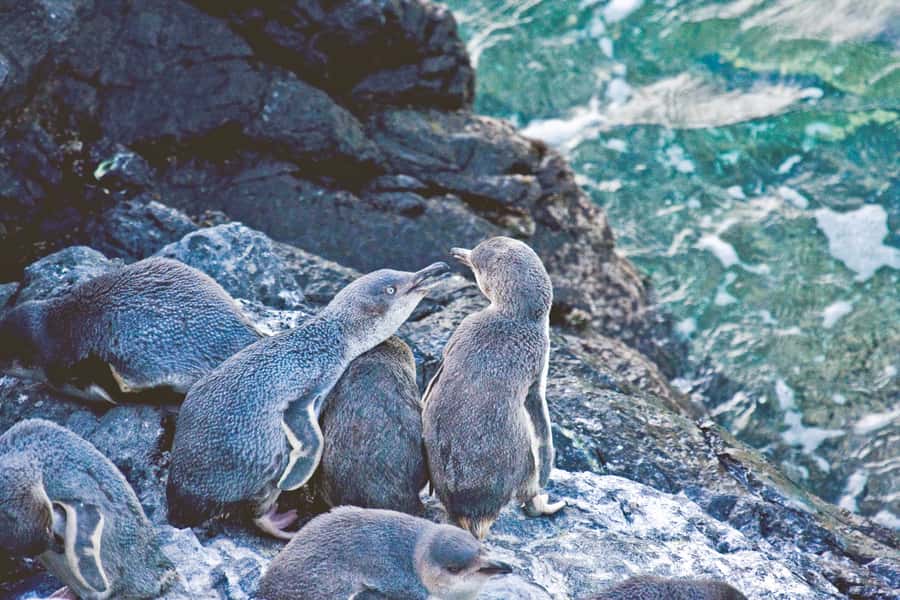
Dusk on the Akaroa Peninsula has a special pull. I love that this tour is built around watching little penguins at their natural pace and that you’re not just there for photos, you’re part of 30 years of conservation and monitoring for white-flippered penguins. It pairs that with a scenic drive out to Pohatu/Flea Bay, so you get both the journey and the wildlife.
One thing to plan for: penguin sightings depend on the season, weather, and how quickly it darkens, because the operation uses natural viewing only and does not use artificial lighting. If it’s cold or rainy, you’ll feel it on the walk, and you will also spend time on the drive while the birds decide what to do.
In This Review
- Key things I’d circle before you book
- Pohatu Penguins at Dusk, why timing matters
- The 4WD ride from Akaroa to Flea Bay, crater rim views included
- The colony walk: nest boxes, binoculars, and quiet camouflage gear
- Why you’re really paying $68: conservation monitoring, not a gimmick
- What you’ll likely see by season: breeding, moulting, and quieter months
- Comfort tips for narrow paths, evening cold, and respectful wildlife watching
- Value check: what $68 buys you in real-world terms
- Who should book this Akaroa penguin monitoring tour
- Should you book? My practical take
- FAQ
- How long is the Akaroa Pohatu Little Penguins evening experience?
- Where do I meet for the tour?
- Does the tour use artificial lighting to help you see penguins?
- Is flash photography allowed?
- What should I bring?
- Is penguin viewing guaranteed?
Key things I’d circle before you book
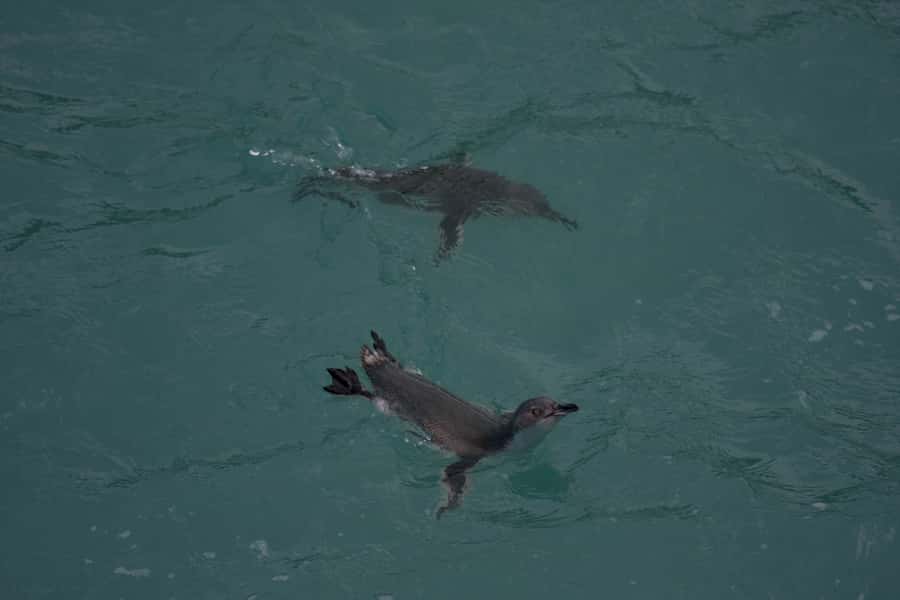
- Natural light only viewing means the experience stays bird-friendly, but your timing window can be short
- 4WD transport from Akaroa with crater rim views and guaranteed photo stops along the way
- Nesting-box monitoring using small wooden houses, with data-focused guidance
- Camouflage gear and binoculars included so you can see more without disturbing penguins
- Small group size (up to 12) for quieter, less crowded viewing at the colony
- Seasonal expectations (breeding, moulting, quieter months) help you set the right mindset
Banks Peninsula, the rest of the harbour
- Akaroa Dolphins ~ Harbour Nature Cruise
★ 5.0 · 2,143 reviews - Akaroa: Dolphin Nature Cruise
★ 4.9 · 440 reviews - Akaroa Harbour Nature Cruise
★ 5.0 · 332 reviews - Swimming with Wild Dolphins in Akaroa
★ 4.5 · 261 reviews
Pohatu Penguins at Dusk, why timing matters
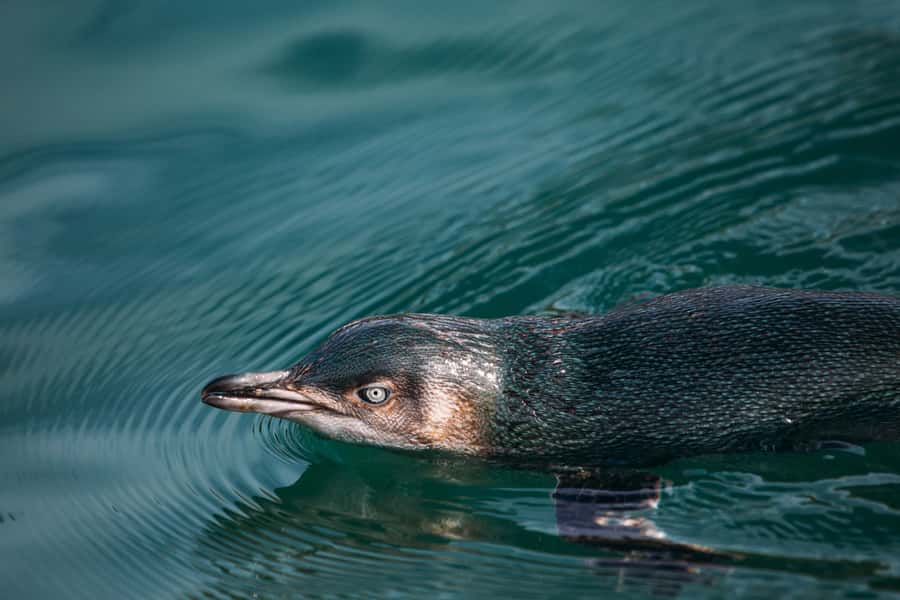
The magic of this experience is that it happens when the beach is switching from day life to night life. You’re going out to Pohatu/Flea Bay in the evening, and as darkness approaches, you get the best chance to see white-flippered little penguins settle into their routines, including socializing out on the water and then moving toward shore.
The tour also takes wildlife rules seriously. Artificial lights are not used because they disturb birds. That’s great for the penguins, and it’s also why the tour is slightly different from typical animal encounters. You’re not promised a guaranteed show at a guaranteed moment. Instead, you’re given the best odds within a short viewing window, guided by how the colony is behaving that night.
I like that the focus stays on monitoring rather than performance. You’ll be walking around the colony area where nesting sites are set up in small wooden houses. You’re there to observe and check, not to rush. That changes your role from spectator to careful participant, and it makes the whole evening feel more meaningful.
The 4WD ride from Akaroa to Flea Bay, crater rim views included
Before you even reach the penguin area, you’re treated to the Akaroa Peninsula version of a “scenic warm-up.” You’ll ride in a 4WD minivan from Akaroa, driving over the crater rim of the Akaroa volcano and heading toward Pohatu/Flea Bay.
This drive matters for two reasons. First, it helps you understand the place you’re entering. The guide talks about the history and unique wildlife of the area as you travel. Second, you get actual viewpoints, not just “passing scenery.” There are photo stops where you can look across Akaroa Harbour, then out to the endless Pacific Ocean.
The ride also sets expectations for the 3-hour length. Some nights you’ll feel like you’re “waiting” in the vehicle, and that’s not a flaw in the operator so much as reality. Penguins move when they’re ready. Still, the small group size helps, because it doesn’t turn the van time into a long, noisy bus ride.
If you’re prone to getting cold, pack for it. One review experience mentioned rain and chill, and evening on the bay can feel sharper than you expect.
The colony walk: nest boxes, binoculars, and quiet camouflage gear
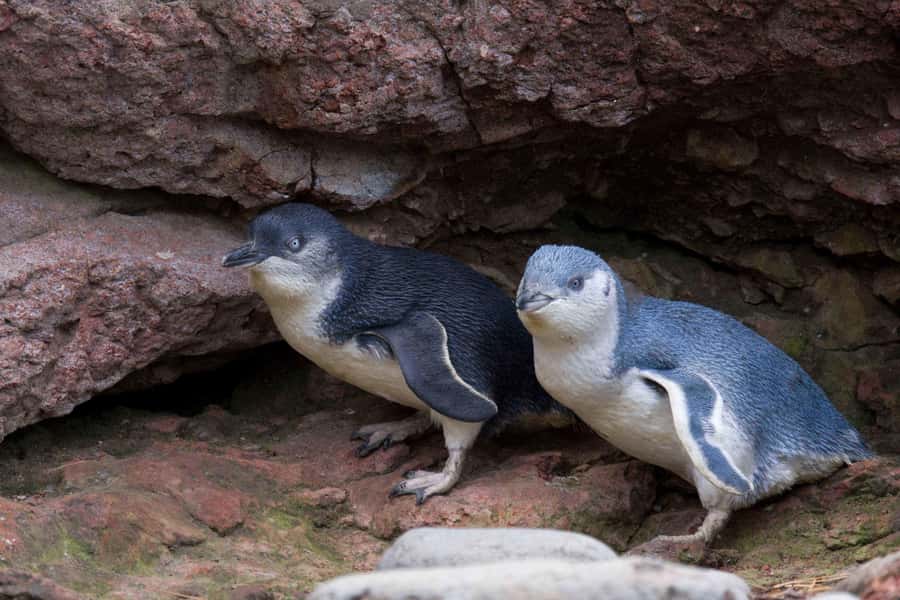
Once you arrive, the experience becomes more hands-on, in a gentle way. You’ll walk around the colony area to monitor nesting sites. Those nesting spots are in small wooden houses, which are essentially organized homes the penguins use during their breeding and related cycles.
You won’t be there to touch birds or disrupt habitats. Instead, you’ll follow the guide’s direction on how to observe what’s happening. This is also where the tour provides useful gear: binoculars and camouflage gear. The point is simple. You want to see what you came for, without drawing attention. And with camouflage and optics, you can watch penguins at work or at rest from angles that would be harder otherwise.
The tour is built around a specific rhythm:
- You start with monitoring-style walking around nesting sites.
- You learn what the guide is looking for while you look too.
- As the evening progresses, you shift from close nest areas to watching for movement and behavior out on the water.
And then you wait a bit for the shoreline moment. With darkness falling, there’s a likelihood that some penguins will return to shore. The key word is likelihood. Because the operation avoids artificial lighting, it can get too dark to continue viewing before every bird makes its move.
Photo rules also shape the vibe. Photography is welcome, but flash photography is not allowed, and noise is discouraged. That means your photos come from patience and good timing, not from interrupting the scene.
Why you’re really paying $68: conservation monitoring, not a gimmick
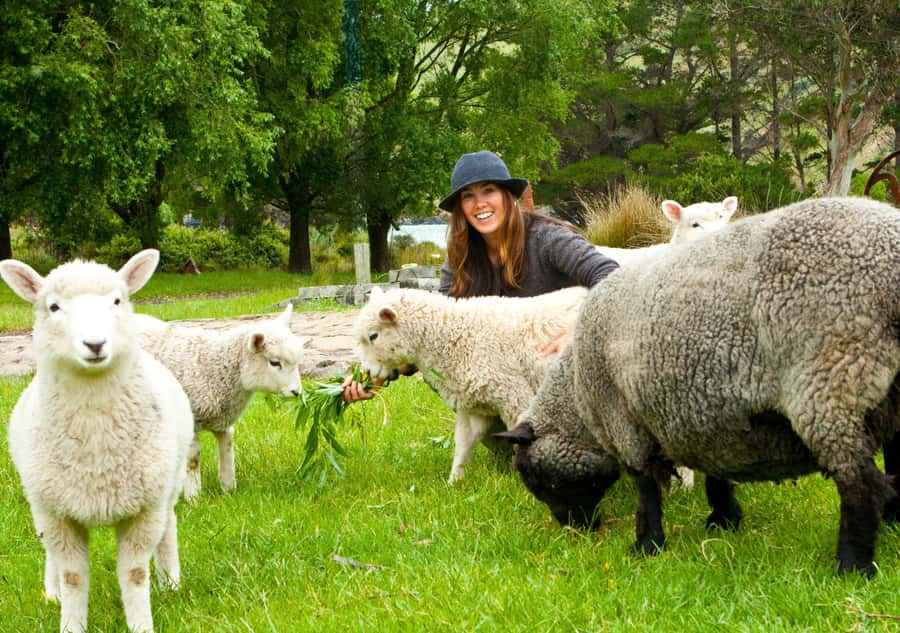
It’s easy to think, penguins are cute, how much can a 3-hour tour cost? Here’s why the pricing makes sense.
You’re paying for:
- 4WD return transport from Akaroa
- an experienced guide
- photo stops and time on site
- binoculars and camouflage gear
- and, most importantly, access to a monitoring and observation setup that exists to protect the colony
The tour experience is tied to a long-term project that has saved little penguins from extinction in the area through conservation and monitoring efforts over 30+ years. That’s not just a nice message. Your participation supports the broader goal of tracking the birds’ health, behavior, and nesting success over time.
I also appreciate that the tour explicitly focuses on welfare and habitat sensitivity. Only guided groups can visit the breeding colony to view the penguins, which reduces disturbance and keeps the habitat functioning as it should.
Some guides also add extra value through context, for example sharing wildlife and geology background as you drive. In the night sky department, at least one guide helped guests think about aurora visibility when conditions lined up. That kind of real-time local guidance can turn an animal trip into a “learn the place” trip.
More native wildlife, up close
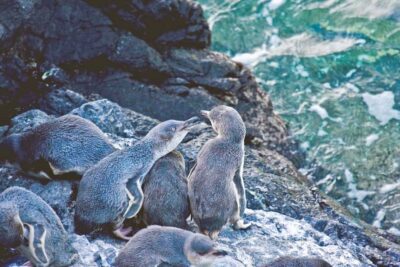
What you’ll likely see by season: breeding, moulting, and quieter months
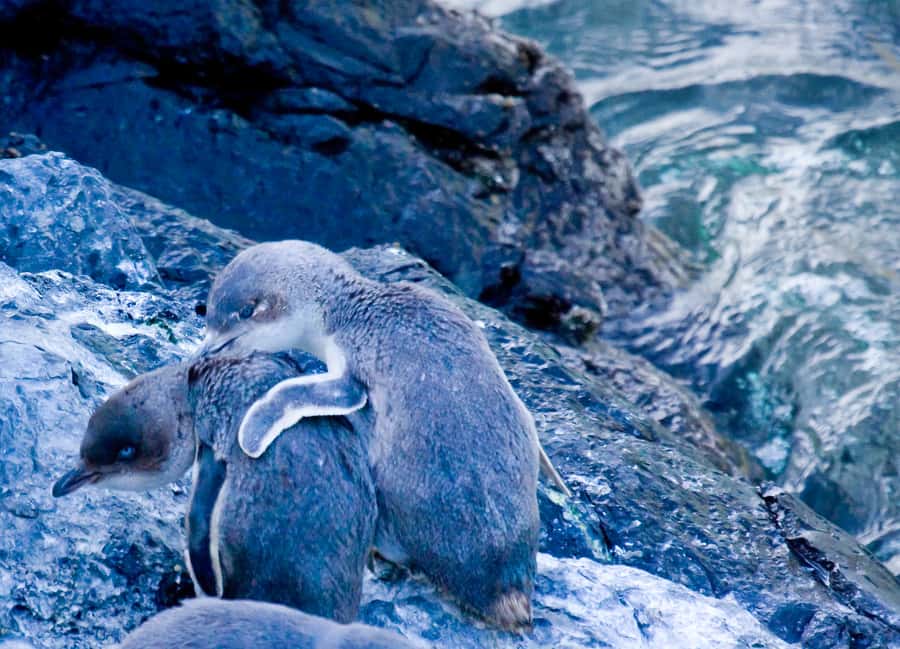
One of the most useful things to know is that penguins are not always present in the same numbers year-round. This matters because the tour’s best moments depend on penguins being active and visible at the time you go.
Here’s the seasonal rhythm for this colony:
- Mid-September to end of December: breeding season
- Until mid/end of February: moulting period
- Early March to mid-April: generally no penguins
- Winter months: penguins come and go, and sightings can be rarer
This is why the tour feels different across months. If you visit during breeding or moulting, you’re more likely to find birds in nest boxes and see more direct colony activity. In slower months, you may still see penguins in the water or spot occasional returns to shore, but your evening could be lighter on close nesting activity.
So before you book, match your expectations to the season. If you’re traveling at a time when the colony is quieter, the goal becomes the experience of seeing penguins in the wild while still supporting monitoring, not forcing a certainty of close-up nest-box scenes.
Also remember that even in good seasons, nature controls the show. The operator is upfront about the fact that penguins might not come ashore before darkness, and your viewing window can shrink fast depending on conditions.
Comfort tips for narrow paths, evening cold, and respectful wildlife watching
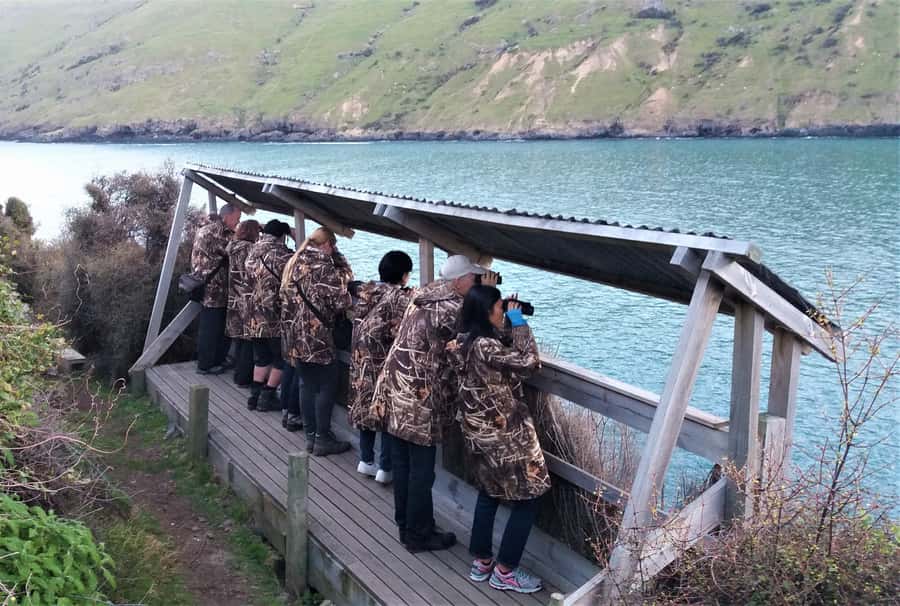
This isn’t a sit-down theater experience. You should plan for a real walk at the colony area, and some paths can be narrow and steep in places, based on guest feedback you can use for clothing and footwear choices.
Bring:
- Hiking shoes (traction helps)
- weather-appropriate clothing for evening chill
Dress in layers. You’ll be moving, but dusk-to-dark temperatures can catch you off guard, especially on a damp, coastal evening.
For behavior, follow the rules and you’ll enjoy it more. No flash photography. No smoking. Keep noise down. The goal is quiet observation, because your attention affects whether penguins keep doing what they’re doing.
And here’s a practical mindset shift I recommend: don’t treat it like a hunt. It’s more like going on a careful watch. If you can do that, you’ll get more out of both the nesting-box monitoring time and the later water-and-shore viewing.
Value check: what $68 buys you in real-world terms
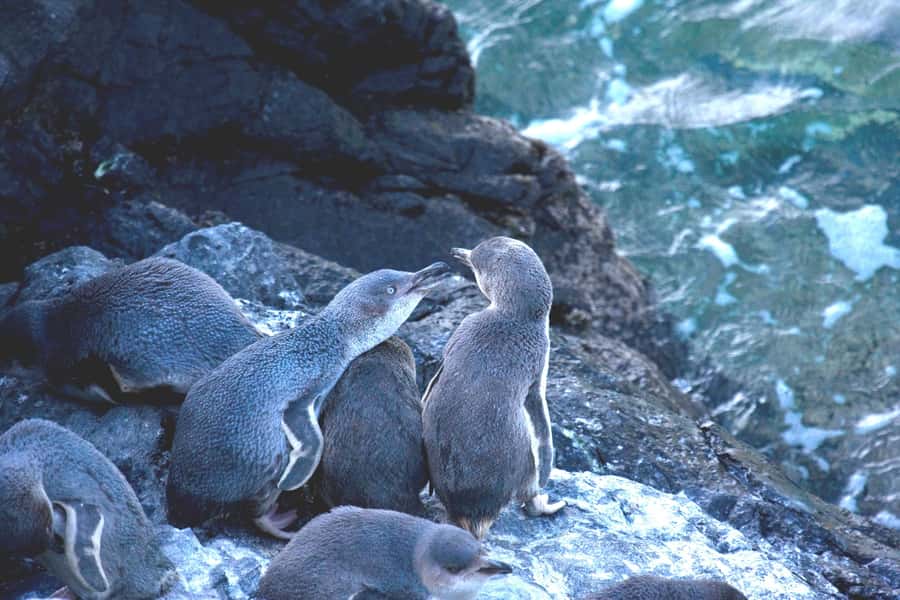
At $68 per person for a 3-hour evening experience, you’re paying for a specific mix: transportation, small-group access, guided monitoring, and specialized viewing gear.
If you compare it to the cost of a standard sightseeing tour, this is more “active” and more conservation-focused. You’re also getting equipment that isn’t typical for casual wildlife viewing. Binoculars and camouflage gear change the odds of good viewing without disturbing animals.
The value gets even better if you care about doing more than seeing. Since the tour is tied to conservation and monitoring work over decades, you’re contributing to efforts that keep the colony alive and trackable. That makes the price feel more like support than a one-off ticket.
That said, there is one realistic trade-off. Because penguins choose their timing, some nights will feel like you spend more time driving than you’d like, and not every part of the colony walk produces lots of close activity. One visitor noted the experience leaned heavily on binocular viewing in the ocean plus less time watching many penguins in nest boxes. That’s a helpful heads-up: your best viewing depends on the colony’s behavior and the season.
Who should book this Akaroa penguin monitoring tour
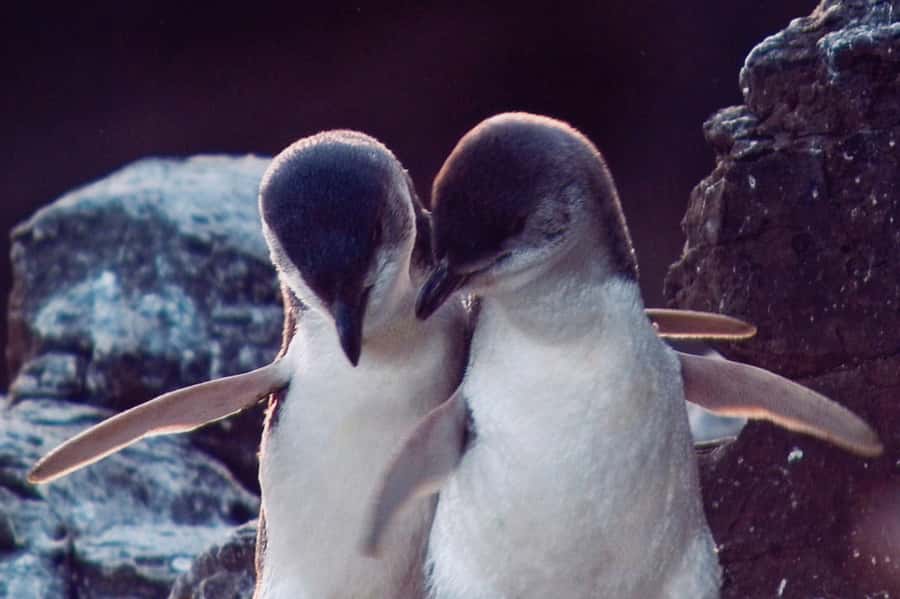
This tour is ideal if you:
- want ethical, conservation-minded wildlife viewing
- enjoy guided context about wildlife, geology, and local history
- are comfortable with a small group and a short walk
- can handle the fact that nature sets limits, especially around darkness
It’s also a strong fit for couples or friends who want a quiet evening. With a max group size of 12, you’re not stuck in a crowded scramble.
You might think twice if:
- you need mobility assistance, because the tour is not suitable for people with mobility impairments or wheelchair users
- you dislike walking on uneven or narrow paths
- you expect guaranteed penguins in multiple nest boxes regardless of season, because viewing is based on natural behavior and timing
Should you book? My practical take
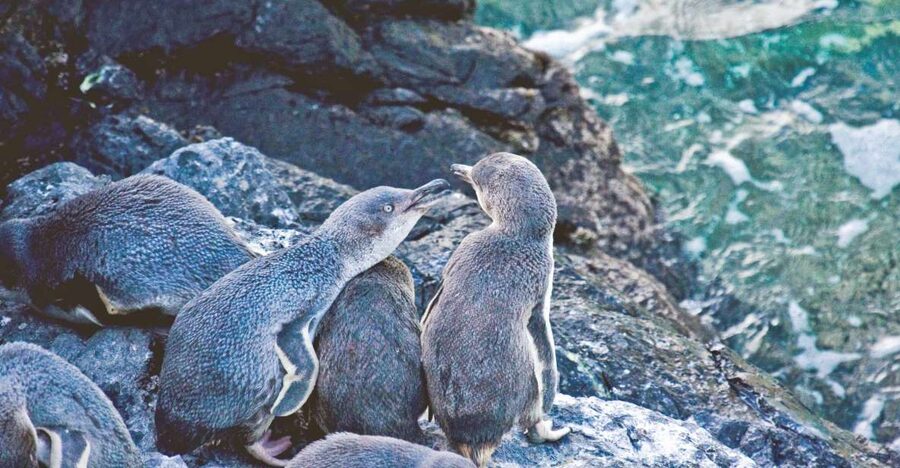
If your heart is set on seeing little penguins in a way that protects them, I think you should book. The natural-light approach, the nesting-box monitoring focus, the included binoculars and camouflage gear, and the long conservation history all point to an experience built for welfare and education, not just spectacle.
The only real reason to hesitate is expectation management. You’re going in for a 3-hour evening with a limited viewing window, and penguin numbers shift by season. If you’re traveling in a quieter penguin period, or if you’re very sensitive to cold and damp weather, plan to stay flexible and dress accordingly.
In short, if you can handle a wildlife encounter that moves at animal speed, this is one of the best ways to turn an Akaroa evening into something that matters.
FAQ
How long is the Akaroa Pohatu Little Penguins evening experience?
It lasts 3 hours.
Where do I meet for the tour?
You meet before St Peter’s church in Akaroa.
Does the tour use artificial lighting to help you see penguins?
No. The tour relies on natural viewing and does not use artificial lighting, because light can disturb the birds.
Is flash photography allowed?
No. Flash photography is strictly not permitted.
What should I bring?
Wear hiking shoes and bring weather-appropriate clothing for an evening outdoors.
Is penguin viewing guaranteed?
No. The tour depends on natural penguin behavior and how quickly it gets dark. The operator notes there is usually a window of opportunity, but it cannot be guaranteed that penguins will come ashore before darkness.
Everything Else We Wrote Up in Akaroa
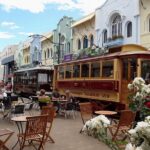
Native Wildlife, Up Close

Banks Peninsula, Continued
Just added to our Akaroa notes
- Akaroa Explorer: Guided Electric Mountain Bike Tour★ 4.7 · 9 reviews
- Akaroa Nature and History Private Tour – The 7th Generation★ 5.0 · 10 reviews
- Akaroa Shore Excursion: Akaroa Harbour and Sheep Farm Local Tour★ 4.5 · 11 reviews
- Akaroa Shore Excursion: Banks Peninsula, Christchurch City and Giants House Tour★ 3.5 · 14 reviews
- Akaroa: Stargazing Tour with 2 Telescopes & Souvenir Photos★ 5.0 · 17 reviews
- Akaroa Explorer- Guided Electric Bike Tour in Akaroa★ 5.0 · 18 reviews
Akaroa and Banks Peninsula, compared.
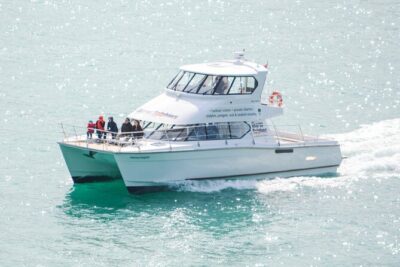 ★ 5.0Akaroa Dolphins ~ Harbour Nature CruiseFrom $802,143 reviews
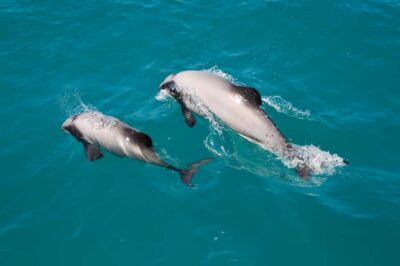 ★ 4.9Akaroa: Dolphin Nature CruiseFrom $77440 reviews
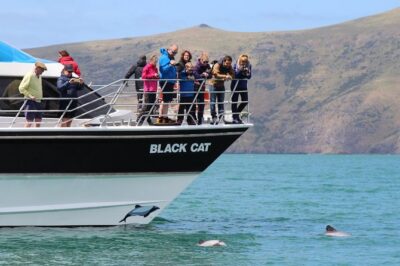 ★ 5.0Akaroa Harbour Nature CruiseFrom $77332 reviews
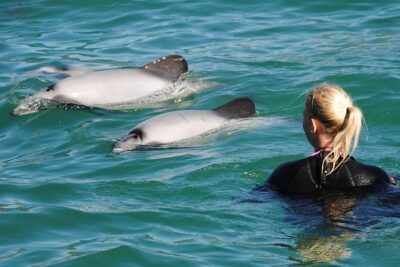 ★ 4.5Swimming with Wild Dolphins in AkaroaFrom $128261 reviews
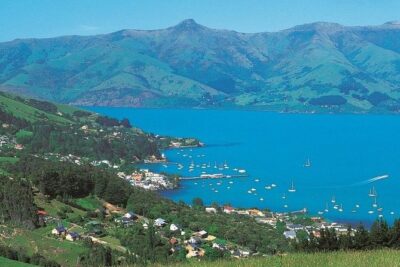 ★ 4.5Akaroa Full Day Sightseeing Tour from ChristchurchFrom $167256 reviews
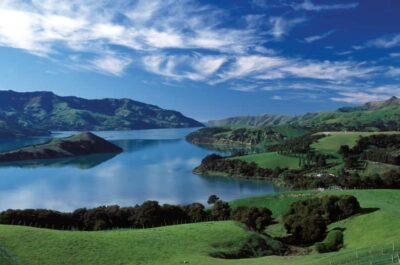 ★ 4.7Akaroa Harbour 2-Hour Dolphin Nature CruiseFrom $71235 reviews
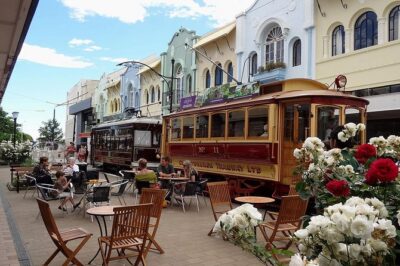 ★ 4.0Akaroa Shore Excursion: Banks Peninsula and Christchurch City Sights TourFrom $89228 reviews
 ★ 5.0Shore Excursion Guided Sea Kayaking through Akaroa Marine ReserveFrom $83160 reviews
Browse the lists this tour appears in