
REVIEW · WELLINGTON TOURS AND ATTRACTIONS
Zealandia Small Group Eco Wildlife Night Tour
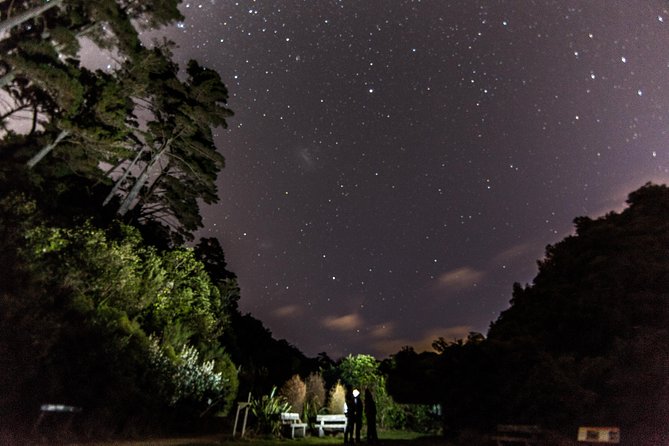
Kiwi time happens after dark. I love the small-group pace through Sanctuary Valley and the interactive Exhibition that sets up what you’re looking for, with lifelike moa and Haast’s eagle models. The only drawback is simple: it is dark and animal sightings are never guaranteed, so you need comfort with a low-light walk.
This is a 10-minute ride from central Wellington, but it feels like you left the city behind. You start indoors with a short film and a guided look at Zealandia Te Mara a Tane, then you move into the night. The tour lasts about 2 hours 30 minutes, with torches provided and a max group size of 12 people, which makes it easier for guides to help you find wildlife without rushing you.
In This Review
- Quick hits before you go
- Why Zealandia at night feels different in Wellington
- Price and value for a 2.5-hour small group tour
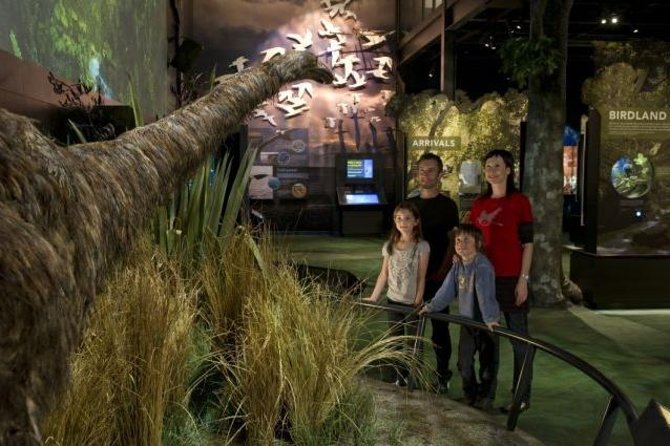
- Visitor centre start: film, The Exhibition, moa, and Haast’s eagle
- The night walk into Sanctuary Valley: predator-proof fence and flashlight rules
- What wildlife you can realistically hope to spot after dark
- The walking time, weather, and why your shoes matter
- Tips that help you have a better night hunt
- Getting there: Karori meeting point and taxi reality
- Should you book this Zealandia night tour
Quick hits before you go
- Sanctuary Valley at night: a predator-proof walk where you listen as much as you look.
- Moa and Haast’s eagle: lifelike extinct-animal models plus a light and sound show that tracks at least 1,000 years of change.
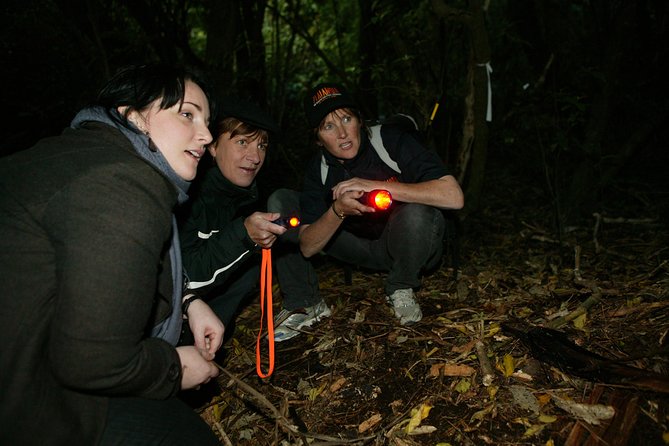
- Red-light searching: torches supplied to help you spot nocturnal species without blasting them.
- Small group scale: up to 12 travelers, which usually means better attention and slower pacing.
- Real conservation setting: an eco-sanctuary focused on endemic species like little spotted kiwi.
The capital keeps going, see these too
- Wellington: Wētā Workshop Guided Tour Ticket
★ 4.7 · 997 reviews - Wētā Workshop Experiences Tour – Wellington
★ 5.0 · 875 reviews - Wellington: Return Cable Car Ticket
★ 4.6 · 714 reviews - Half Day Tour of Wellington
★ 4.5 · 638 reviews
Why Zealandia at night feels different in Wellington
Wellington is busy by day. At Zealandia, the tone shifts fast. You are not doing a roadside “see animals, take photos, move on” type of night. You are in an eco-restoration space designed to protect native birds and animals, and you get to experience that at night when some of the stars are active.
The night part matters because many of the animals people come for are nocturnal. Instead of scanning in silence, you are guided through Sanctuary Valley in the dark, listening for birdsong and following your guide’s lead. That quiet focus changes the whole vibe.
The other big reason this tour works is that it is not only an animal walk. It starts with Zealandia: The Exhibition, so you get context before you head into the sanctuary. That means when you hear something scurry or spot a flashlight-level creature, you understand what you are looking at.
Price and value for a 2.5-hour small group tour
At $74.47 per person, you are paying for three things that often cost separately: entry to Zealandia, a guided experience, and the time-sensitive night searching. Here, the ticket includes admission to Zealandia: The Exhibition, plus the guided walking tour through Sanctuary Valley, so you are not just renting a flashlight and hoping.
It is also a group-size deal. With a maximum of 12 travelers, it feels more like a guided walk than a shuffle through a crowd. You also get torches/flashlights supplied, which sounds small, but it removes one more planning headache.
Two practical notes on value:
- Food and drinks are not included, so plan to snack before you go or grab something after.
- Hotel pickup and drop-off are not included, so you will likely use a taxi.
Visitor centre start: film, The Exhibition, moa, and Haast’s eagle
The tour begins at 53 Waiapu Road, Karori, Wellington, at the Zealandia visitor area. You start with a short film and introduction inside the interactive exhibition. From the start, the goal is to help you connect extinct animals and modern conservation, instead of treating the night walk as a standalone “wildlife hunt.”
Then you get to two of the most memorable parts of the exhibition:
- A life-size model moa, the giant flightless bird that went extinct.
- A fearsome predator model of Haast’s eagle, another extinct New Zealand icon.
After that, there is a light and sound show that takes you through at least 1,000 years of change. This is the part that quietly does a lot of work. It helps you understand why the sanctuary exists and why the animals you might spot at night are so protected.
Why I like this format: it turns the night walk into something you can actually interpret. When you later see nocturnal wildlife, you are not just thinking cute and cool. You are thinking habitat, protection, and survival.
The night walk into Sanctuary Valley: predator-proof fence and flashlight rules
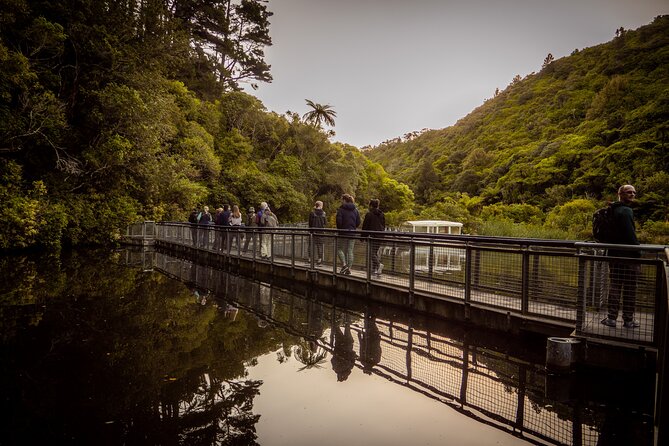
Once you finish the exhibition side, you head out to the sanctuary and walk through a predator-proof fence into Sanctuary Valley. Zealandia is described as a fenced eco-sanctuary and safe haven for endemic animals and birds, and the site is large: 550 acres, or 225 hectares.
In the dark, that size makes a difference. You are not circling one tiny viewing platform. You move along the sanctuary path with your guide, and you search for nocturnal animals as you go by flashlight. You also get a stronger sense of sound, because birdsong and night activity carry.
One small detail that makes a big difference: torches/flashlights are supplied. In the reviews, people note red light torches being provided, and there is a clear lesson there. Keep the lighting gentle and follow your guide’s lead, because blasting animals with extra-bright light can scatter them.
You may also notice the group runs with help beyond the guide. Some guests describe being kitted up with a radio receiver and using a spotter system to locate wildlife. Either way, the effect is the same: you get help finding things you would miss on your own.
More after-dark options in Wellington
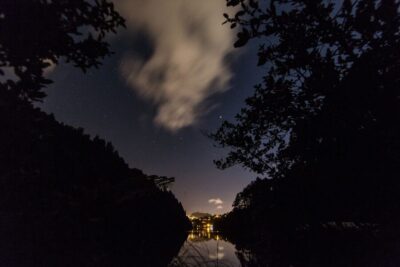
What wildlife you can realistically hope to spot after dark
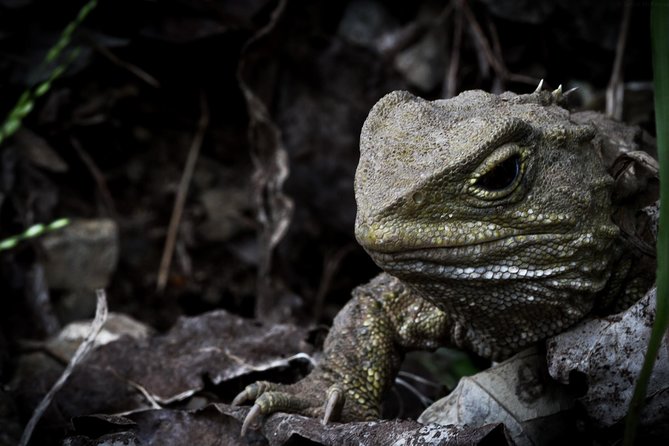
Here is the honest truth. This is a sanctuary, not a theme park. Your guide is searching for nocturnal creatures, but wildlife is wildlife, and sightings depend on what the animals decide to do that night.
Still, you can walk in with realistic hopes, based on what people commonly see:
- Kiwis, including little spotted kiwi, are a top target of the night tour.
- Tuatara show up for many groups, and the guides try hard for them.
- Wetas are common enough to earn repeat sightings.
- Glowworms often appear as a nighttime bonus.
- People also mention seeing Hamilton frogs and Maud Island frogs.
- You might spot other native species like kaka, plus reptiles and insects in the low light.
- Some nights include waterfowl sightings like shags and ducks, and even takahe for lucky groups.
- If you’re into the weird and wonderful, there are stories of eel sightings, slugs, and spider stops.
What to remember: your guide’s job is not just pointing at animals. It is helping you notice movement, form, and behavior in conditions that are hard for human eyes. That is why the guide matters so much.
Also, if you come for kiwi, go in with flexible expectations. People do see kiwi close up, including multiple kiwi during one tour, but you are still in their home. One guest experience even mentions being told kiwi are shy and rare, so you should treat kiwi spotting as a real chance, not a guarantee.
The walking time, weather, and why your shoes matter
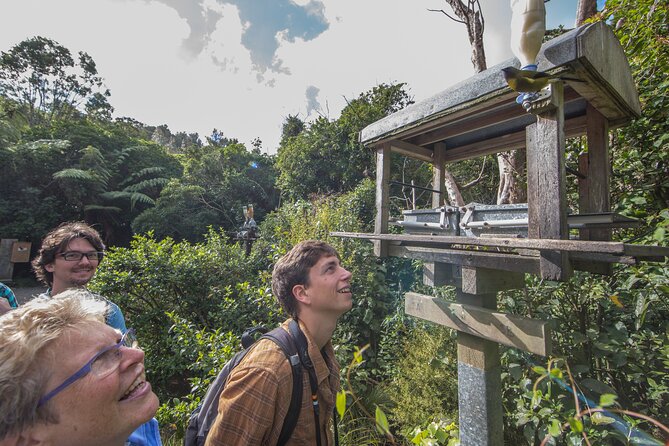
The tour runs for about 2 hours 30 minutes. It is designed to be done in all weather conditions, so you should assume cold and wet can be part of the experience. Zealandia also sits in a spot that can be muddy, so wear footwear that can handle uneven ground.
From the practical side, plan for:
- Sturdy footwear for a low-light walk
- Extra layers
- A waterproof jacket
- Cold-weather readiness, especially if you are sensitive to wind
A pattern in guest feedback is that timing can feel long when the weather is rough. One person described a cold, windy evening where the tour seemed to run longer than it needed to, mostly because stopping and watching in the wind is less fun. The flip side is that good weather makes it easier to enjoy the slow pacing and listen for activity.
If you have limited mobility or difficulty walking for 2 hours in low light, this is not recommended. That is not a judgment, it is logistics.
Tips that help you have a better night hunt
If you want better odds and a smoother evening, here are the things that come straight from how this tour works.
First, treat the guide as the main source of direction. At night, you cannot see wildlife by guesswork. You need to stay with the group and follow instructions on where to look and when to stand still.
Second, respect the lighting. Red light torches are provided, and the point is to avoid disturbing animals. In one review, a guest noted that people who used brighter flashes scared kiwis off. So keep your hands on the provided torch, and avoid extra light.
Third, come ready to listen. Many of the animals you’re searching for do not announce themselves with a spotlight and a stage entrance. Birdsong and small movements can be more useful than scanning the ground for long stretches.
Finally, take advantage of the “support conservation” angle. Zealandia is an eco-sanctuary and a safe haven for endemic species. Even if you do not see every target animal, you are helping a project that puts real effort into protecting native wildlife in the Wellington area.
Getting there: Karori meeting point and taxi reality
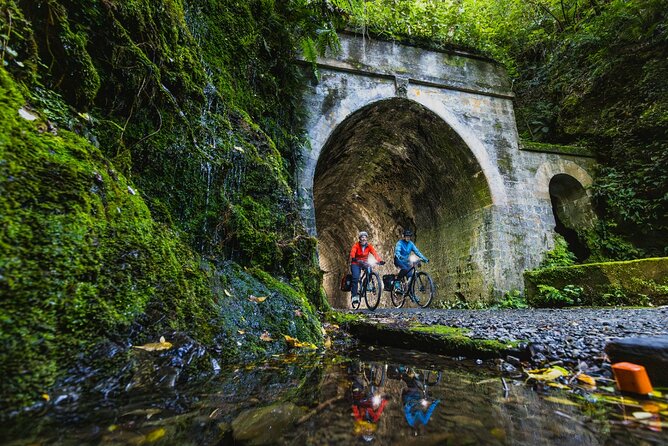
The meeting point is at 53 Waiapu Road, Karori, Wellington. The tour ends back at the same meeting point, so plan your return around that.
Hotel pickup and drop-off are not included. The recommendation for getting to Zealandia at night is to book a taxi via your hotel concierge or call Wellington Combined Taxis at (04) 384 44 44. The activity is near public transportation, but night logistics tend to be easier with a taxi.
Arrive about 15 minutes early. You will want time to settle in and get ready, especially because the tour starts with an indoor intro before you head out into the dark.
Should you book this Zealandia night tour
Book it if you want a guided, small-group night experience that mixes conservation education with a real nocturnal wildlife search in Sanctuary Valley. The strongest reason to choose this tour is the combination of the exhibition context and the nighttime walk, plus the fact that torches are supplied and the group size stays small.
Skip it, or reconsider, if you need step-by-step ease in low light. This tour involves walking for around 2.5 hours in the dark, and it is not recommended for travelers with limited mobility or difficulty walking in low light conditions. Also, if your plan is built on seeing kiwi no matter what, you may feel disappointed, because wildlife sightings cannot be promised.
If you are flexible, bring warm layers, and follow the guide’s lighting rules, this is one of the better ways to experience Wellington’s native wildlife at night, without feeling like you are in the way of the animals.
The Wider Wellington Shortlist





Everything Else We Wrote Up in Wellington
The Capital, Continued
Just added to our Wellington notes
- Wellington Zoo General Entry Tickets★ 3.9 · 7 reviews
- Wellington Full Day Private Tour in Electric Tesla SUV★ 5.0 · 7 reviews
- Private Martinborough Wine Tour in an Electric Vehicle – Tesla Model Y★ 5.0 · 7 reviews
- Martinborough Chefs shared wine tour ŵ lunch from Wellington★ 4.5 · 7 reviews
- Easy Rider Two-Hour Wellington eBike Tour★ 5.0 · 7 reviews
- A Taste of Kapiti – Kapiti Foodie Delights Tour★ 5.0 · 7 reviews
Wellington Tours and Attractions, compared.
 ★ 4.7Wellington: Wētā Workshop Guided Tour TicketFrom $35997 reviews
 ★ 5.0Wētā Workshop Experiences Tour – WellingtonFrom $36875 reviews
 ★ 4.6Wellington: Return Cable Car TicketFrom $7714 reviews
 ★ 4.5Half Day Tour of WellingtonFrom $79638 reviews
 ★ 4.8Wellington: Guided City Tour with Cable Car TicketFrom $53553 reviews
 ★ 5.0Wellington’s Original LOTR Experience – includes Weta and LunchFrom $201529 reviews
 ★ 5.0Kapiti Island Classic Guided Day TourFrom $191522 reviews
 ★ 4.0Northern Explorer Train Journey from Wellington to AucklandFrom $157513 reviews
Browse the lists this tour appears in