
REVIEW · WELLINGTON TOURS AND ATTRACTIONS
Zealandia by Night Tour
At night, Zealandia turns into a living textbook. The red-filter torches and guided search help you notice the forest’s night soundscape and wildlife, including the chance at kiwi. The only catch, this is a rain-or-shine walk with a moderate amount of walking on uneven ground.
I also love how the experience isn’t just about spotting animals. You get the sanctuary’s interactive exhibition highlights, then finish with a hot cup of kawakawa at the Visitor Centre.
In This Review
- Quick reasons Zealandia by Night works
- A 2.5-hour night walk in Zealandia’s fenced eco-sanctuary
- How the tour actually feels, step by step
- The interactive exhibition time: learning without killing the vibe
- Night searching: where your senses do the work
- Kiwi chances, and how to think about the big moment
- Beyond kiwi: the other species you might encounter at night
- Why Māori culture is part of the story, not just extra facts
- The value equation: is $59 worth it?
- What to bring, what to wear, and the rules that keep the night working
- Group size, timing, and who the tour suits best
- Pricing and practical logistics, in plain terms
- So, should you book Zealandia by Night Tour?
- FAQ
- How long is the Zealandia by Night Tour?
- Where do I meet for the tour?
- What is included in the ticket price?
- Is transportation included?
- Are kiwi sightings guaranteed?
- When does the tour run?
- What should I wear or bring?
- What is not allowed during the tour?
- Can wheelchair users join the tour?
- What is the minimum age?
Quick reasons Zealandia by Night works
- Torchlight that protects night vision: the torches come with a red filter so you do not flood the habitat with bright white light
- Kiwi odds are strong: sightings are common, around 80 percent of the time, though not guaranteed
- Small group pace: max 12 people per tour, so you can actually follow along and slow down when wildlife appears
- You learn by sound, not just sight: guides point out what to listen for, not only what to look at
- A fenced eco-sanctuary close to town: it is only about 10 minutes from Wellington Central, so this feels doable even on a busy trip
- A warm landing at the end: the tour wraps with hot kawakawa tea in the Visitor Centre
The capital keeps going, see these too
- Wellington: Wētā Workshop Guided Tour Ticket
★ 4.7 · 997 reviews - Wētā Workshop Experiences Tour – Wellington
★ 5.0 · 875 reviews - Wellington: Return Cable Car Ticket
★ 4.6 · 714 reviews - Half Day Tour of Wellington
★ 4.5 · 638 reviews
A 2.5-hour night walk in Zealandia’s fenced eco-sanctuary
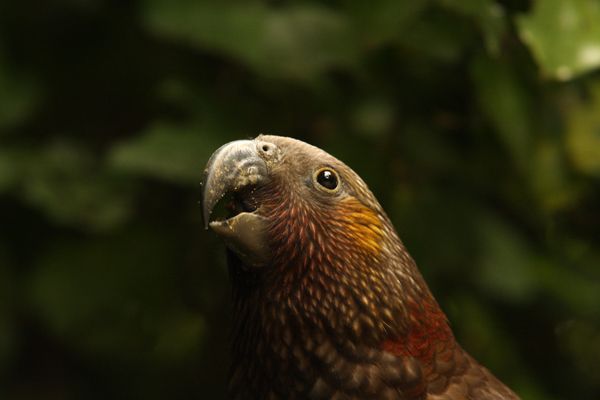
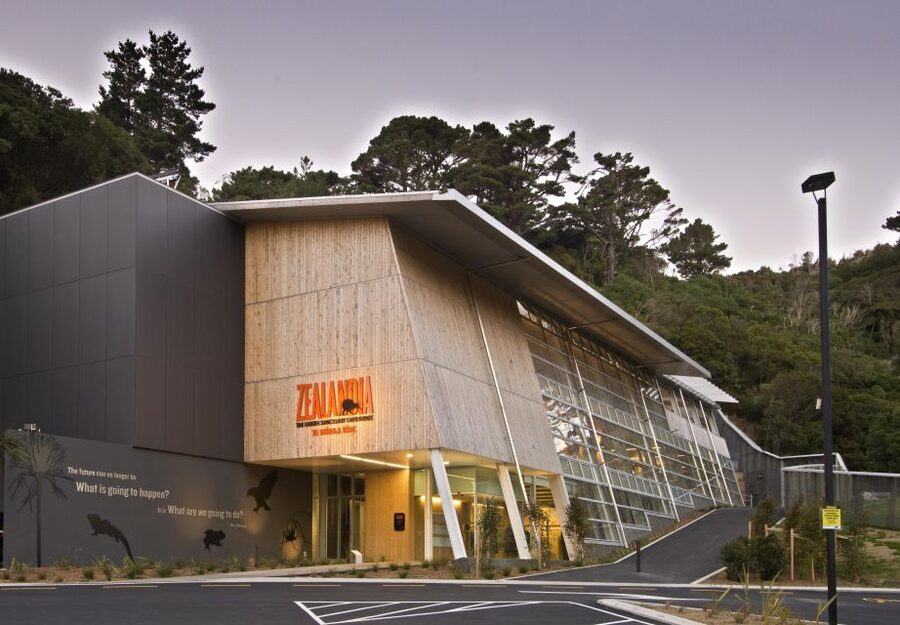
This tour is designed for one thing: seeing New Zealand’s native wildlife when the night shift starts. Zealandia is a fully fenced urban eco-sanctuary, and that matters. You are still in nature, but the fence makes it possible to bring back species that would struggle in an open environment.
The whole experience runs about 2.5 hours, usually in the evening. That length is a sweet spot. Long enough to walk the paths, stop for night calls, and do a serious wildlife hunt by torchlight, but not so long that you feel wrecked before you even get dinner.
You meet at the Zealandia Visitor Centre in Karori (53 Waiapu Rd, Wellington). This is helpful because you are starting from a proper hub, not a random roadside pull-off. Also, the final stop is back at the same Visitors Centre, so your night ends with something warm and practical.
How the tour actually feels, step by step
The night tour is guided through Zealandia with your group moving at a careful pace. You are not rushing down the track chasing lights. The rhythm is more like this: walk quietly, listen, pause, then scan slowly with the red-filter torches.
Expect your guide to lead the search for the forest’s distinctive sights and sounds. The guide is doing two jobs at once, storytelling and wildlife spotting. Many tours also rely on spotters and assistants who move ahead to locate animals so the group can experience the moment without the whole group accidentally flushing the creature.
You also get an audio guide in English. Since the live guide is doing a lot of talking, the audio support can be a nice backup, especially if you want to replay or check details after the tour.
The interactive exhibition time: learning without killing the vibe
Before the main night searching, you will get to see the sanctuary’s interactive exhibition highlights. This part is valuable because it gives you names and context for what you are about to hear and possibly see.
If you only did the night walk, you might spot a wētā or catch a glow worm and just think, neat. With the exhibition background, you understand why these animals matter. You also get a clearer sense of how conservation works inside the reserve.
Night searching: where your senses do the work
Once you start looking for nighttime species, you quickly realize that wildlife watching at night is not all about staring. It is about timing, sound, and patience.
The tour is built around that. Your guide will lead you in search of animals active at night. Sightings like wētā, glow worms, tuatara, and takahē are part of the promise, and kiwi is the big one people come for.
Your best weapon is your ears. More than one guide approach is to identify bird calls and night activity by sound, then connect those sounds to what you might be looking at.
In the recent guide stories shared online, names like Oliver and Bree stand out for this kind of sharp, sound-based spotting. People also call out the spotting work of assistants, like Tim and Alan, which tells you the night search is usually a team effort, not a single-person gamble.
More after-dark options in Wellington
Kiwi chances, and how to think about the big moment
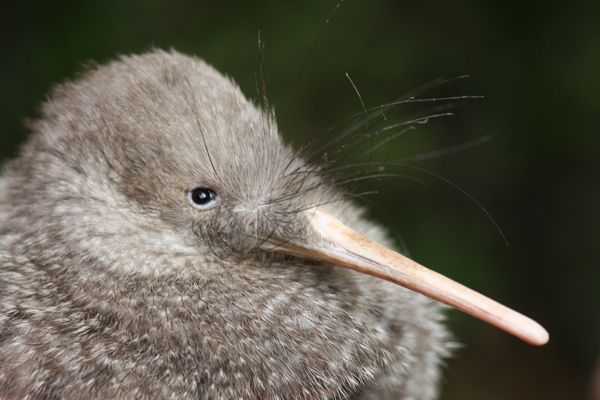
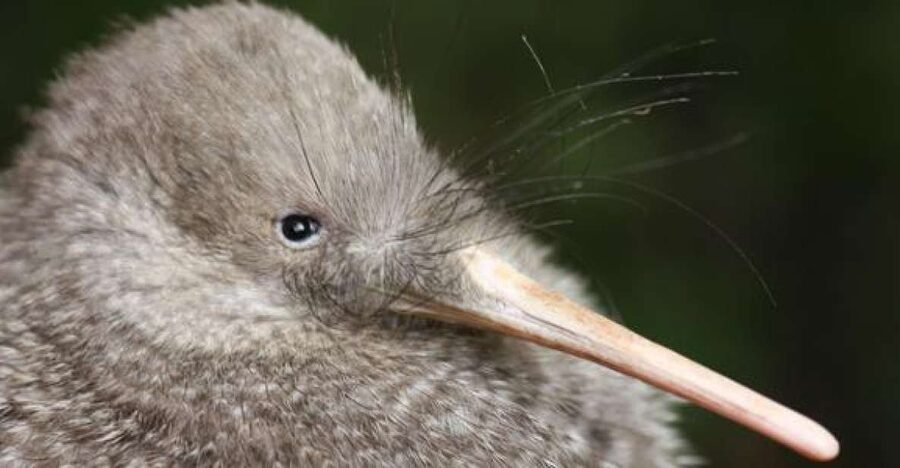
Kiwi are the headline, and this tour sets expectations in a grounded way. Kiwi sightings are common, around 80 percent of the time, but they are still not guaranteed.
That is honestly the right way to frame it. Kiwi are wild, and a “guaranteed sighting” would be misleading. What you can count on is the experience being structured for kiwi chances. The guides use torchlight carefully (red filter), move quietly, and keep the group together enough to respond when a bird is foraging nearby.
If you do get a sighting, it tends to be a real payoff. People describe hearing kiwi calls as well as seeing them during nightly foraging. That means you are not just checking a box, you are experiencing behavior that looks totally different from daytime nature viewing.
My advice: go in hungry for the sounds as much as the visuals. Even if you are unlucky with the actual sighting, the tour often still delivers the emotional highlight of hearing kiwi, plus other nighttime activity.
Beyond kiwi: the other species you might encounter at night
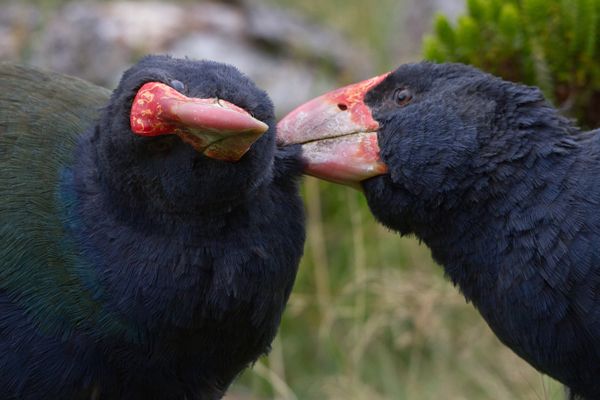
The night tour is timed for animals that show up after dark. Zealandia has a mix of reptiles, insects, and small birds that feel instantly “New Zealand” once you start learning their names.
Here are some of the species the tour focuses on and what they mean for your walk:
- Wētā: These insects are part of Zealandia’s native wildlife identity. At night, you are more likely to notice movement you would miss in daylight.
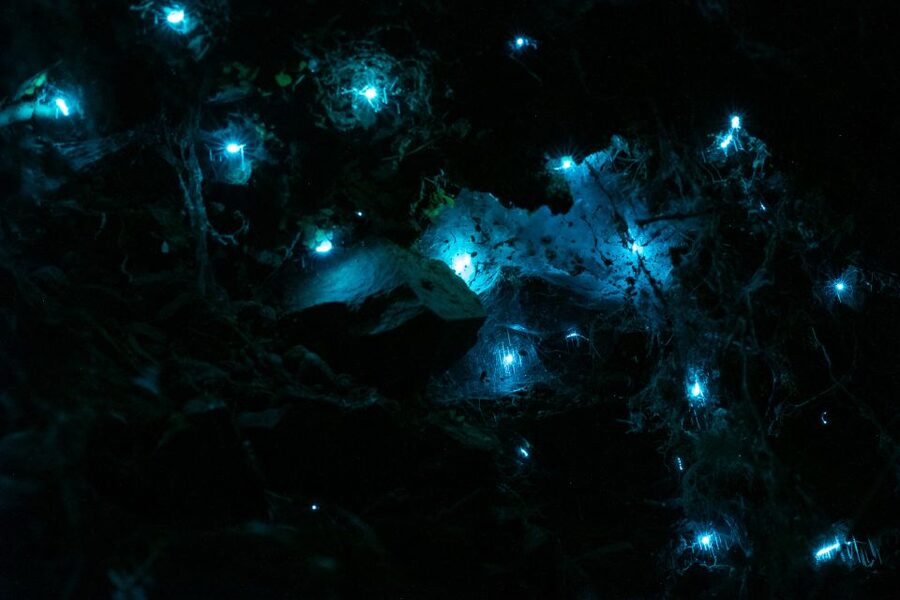
- Glow worms: Glow worms are the kind of sight that makes the word magical feel accurate, but the real point is what you learn about their role in the ecosystem.
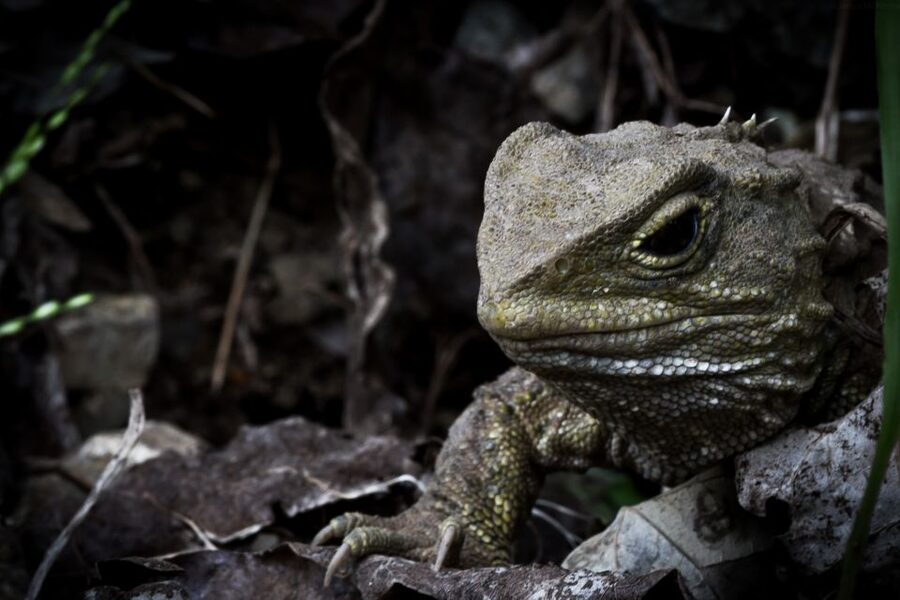
- Tuatara: Often called living fossils, tuatara are a major conservation success story, and seeing one in the habitat feels like a direct line to deep time.
- Takahē: This is a rare species, and even hearing about it in context adds weight to the entire night walk.
- Other night birds: The guides look and listen for night activity and bird calls beyond just kiwi. Mopoke or morepork calls are one example people specifically mention enjoying.
One of the most consistent themes in guide and assistant praise is spotting ability. Names like Claire, Toby, Will, Amanda, and Oliver appear in accounts tied to strong wildlife-finding. You can take that as a clue that the tour team is built around attention to detail and fast reactions when an animal is detected.
Why Māori culture is part of the story, not just extra facts
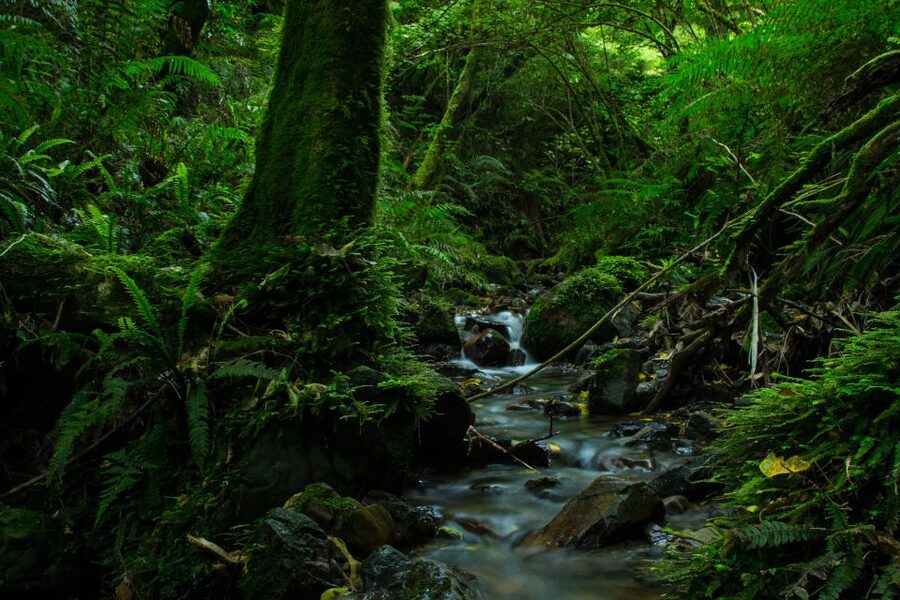
A good eco-sanctuary tour connects wildlife to people, and this one does that. You gain insights into New Zealand’s natural history, and you also learn about the significance of unique species within Māori culture.
This matters because conservation is not only science. It is also identity, responsibility, and relationship. When guides tie animal behavior and survival stories to Māori perspectives, it helps you understand why the reserve exists in the first place.
For you, the practical benefit is simple: you will remember more than random species names. The tour gives you a framework for why each creature is special, and why a fenced urban sanctuary still counts as meaningful nature protection.
The value equation: is $59 worth it?
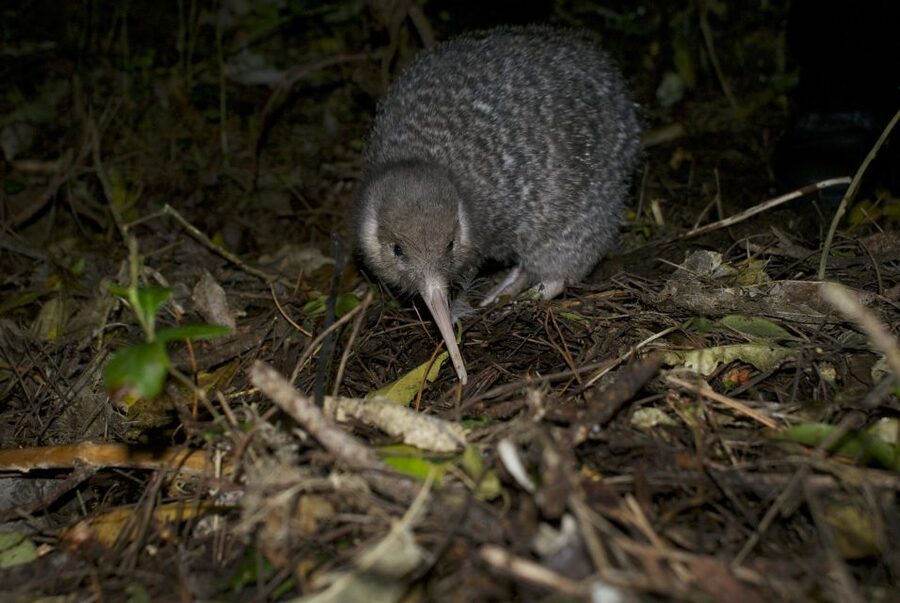
At $59 per person, the ticket feels fair for a specialized night guide experience. What helps the value is what your ticket includes.
Your price covers:
- Exhibit entrance fee
- Guided night tour
Torches are provided too, and you get the audio guide in English. Transportation is not included, so you will want to plan how you get to Karori, but once you are there, the reserve experience is fully covered.
Why this is good value compared to generic tours:
- Small group size (max 12) improves the odds of good wildlife viewing.
- Structured night searching beats wandering on your own. In a place like Zealandia, time and technique matter.
- Kiwi odds are strong for a night tour. Around 80 percent is not a guarantee, but it is a credible chance that the big moment happens.
- You get two layers of experience, a learning portion in the interactive exhibition plus a night portion focused on behavior.
If you are in Wellington and you want one wildlife outing that feels focused and well-run, this fits the bill.
What to bring, what to wear, and the rules that keep the night working
This is not the kind of tour where you can show up casually and wing it. The conditions are rain or shine, and the paths can be uneven.
What you should bring and wear:
- Comfortable shoes you trust on uneven ground
- Weather-appropriate clothing
- Plenty of layers
- A waterproof jacket
What you cannot bring or do:
- High-heeled shoes
- Flash photography
- Umbrellas
- Open-toed shoes
Also pay attention to the footwear note. Zealandia’s paths can demand proper footing, and sturdy shoes make the difference between enjoying the night and feeling stressed about slipping.
One more helpful detail: the torches have a red filter. That is not just a nice touch. It is there so you do not disturb wildlife or damage your own night vision.
Group size, timing, and who the tour suits best
The tour runs about 2.5 hours and is capped at 12 people. That small cap helps the experience stay quiet and controlled. It also makes it more realistic to hear the guide and follow when the group stops.
The minimum age is 12, so it is geared for teens and adults. That also means the pacing is not built for tiny kids running off after glow worms.
Who this suits:
- Wildlife lovers who like guided, structured night viewing
- People who enjoy learning species names, behavior, and conservation context
- Anyone who wants a high chance of kiwi without driving far from Wellington
Who should reconsider:
- Wheelchair users or anyone with significant walking disabilities. This tour is not recommended because there is moderate walking on uneven surfaces.
If you are staying in Wellington city and planning one nature-focused activity, this is one of the easier ways to do it without a long day trip.
Pricing and practical logistics, in plain terms
Transportation is not included. So you will need to handle getting to the meeting point in Karori on your own. The upside is that it is only about 10 minutes from Wellington Central, so this is not a remote, all-day commitment.
Also, keep in mind your tour timing. It runs in the evening, and you may need a bit of flexibility in your day plan for weather, layers, and getting settled at the Visitors Centre.
Lastly, the tour is English, with a live guide and an English audio guide. That combination tends to work well for different learning styles, especially if you like repeating details later.
So, should you book Zealandia by Night Tour?
Book it if you want a focused, small-group night wildlife experience that is close to Wellington and built around real conservation species. The kiwi odds, around 80 percent, are strong for a night tour, and the red-filter torches plus careful guidance make the wildlife viewing feel respectful, not intrusive.
Skip it or choose another option if uneven walking is a deal breaker for you. This is not a sit-and-watch type of tour, and it operates rain or shine.
If you are aiming for one “New Zealand wildlife at night” experience, I think this one is an easy yes, especially if you enjoy listening for bird calls and learning what you are actually seeing in the dark.
FAQ
How long is the Zealandia by Night Tour?
The tour lasts about 2.5 hours.
Where do I meet for the tour?
You meet at the Zealandia Visitor Centre, 53 Waiapu Rd, Karori, Wellington 6012.
What is included in the ticket price?
The ticket includes the exhibit entrance fee and the guided night tour. An English audio guide is also included.
Is transportation included?
No, transportation is not included.
Are kiwi sightings guaranteed?
No. Kiwi sightings are common, around 80 percent of the time, but they are not guaranteed.
When does the tour run?
It is usually available in the evening.
What should I wear or bring?
Bring comfortable shoes, weather-appropriate clothing, layers, and a waterproof jacket. Sturdy footwear is recommended.
What is not allowed during the tour?
Flash photography is not allowed. Umbrellas, high-heeled shoes, and open-toed shoes are also not allowed.
Can wheelchair users join the tour?
This tour is not recommended for those using a wheelchair or with walking disabilities due to moderate walking on uneven surfaces.
What is the minimum age?
The minimum age is 12 years old. There is also a maximum of 12 people per tour.
The Wider Wellington Shortlist



Everything Else We Wrote Up in Wellington
The Capital, Continued
Just added to our Wellington notes
- Wellington Zoo General Entry Tickets★ 3.9 · 7 reviews
- Wellington Full Day Private Tour in Electric Tesla SUV★ 5.0 · 7 reviews
- Private Martinborough Wine Tour in an Electric Vehicle – Tesla Model Y★ 5.0 · 7 reviews
- Martinborough Chefs shared wine tour ŵ lunch from Wellington★ 4.5 · 7 reviews
- Easy Rider Two-Hour Wellington eBike Tour★ 5.0 · 7 reviews
- A Taste of Kapiti – Kapiti Foodie Delights Tour★ 5.0 · 7 reviews
Wellington Tours and Attractions, compared.
 ★ 4.7Wellington: Wētā Workshop Guided Tour TicketFrom $35997 reviews
 ★ 5.0Wētā Workshop Experiences Tour – WellingtonFrom $36875 reviews
 ★ 4.6Wellington: Return Cable Car TicketFrom $7714 reviews
 ★ 4.5Half Day Tour of WellingtonFrom $79638 reviews
 ★ 4.8Wellington: Guided City Tour with Cable Car TicketFrom $53553 reviews
 ★ 5.0Wellington’s Original LOTR Experience – includes Weta and LunchFrom $201529 reviews
 ★ 5.0Kapiti Island Classic Guided Day TourFrom $191522 reviews
 ★ 4.0Northern Explorer Train Journey from Wellington to AucklandFrom $157513 reviews
Browse the lists this tour appears in